













Some foods are perfectly safe straight from the fridge, but others can cause serious trouble if eaten raw. From hidden bacteria to natural toxins, a few everyday ingredients need cooking to make them safe for your plate. Knowing which ones to avoid uncooked can help you protect your health and your stomach.
This article is for general informational and educational purposes only. Food safety risks can vary depending on preparation methods, health conditions, and individual sensitivities. Always cook foods to the recommended internal temperatures and follow proper hygiene practices to reduce the risk of foodborne illness.
1. Taro Root
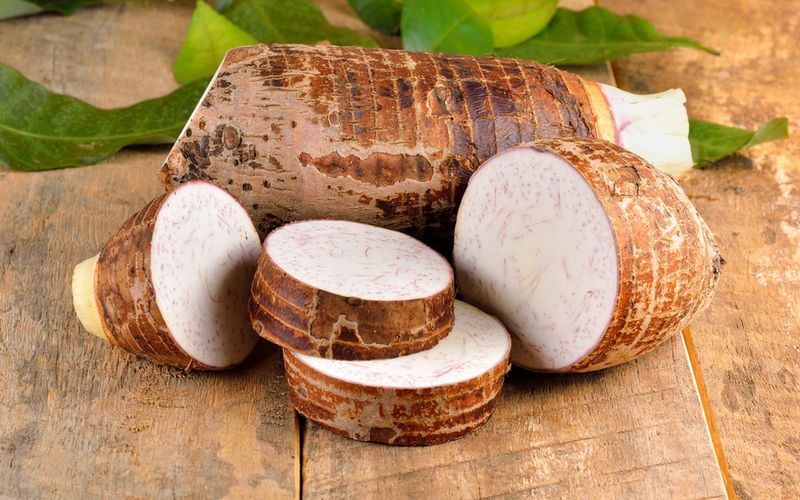
This starchy tropical root might look harmless, but raw taro contains calcium oxalate crystals that can cause severe throat irritation, burning sensations, and digestive distress.
Cooking neutralises the compounds, transforming taro into a creamy, nutty-tasting ingredient used in many cuisines. Always peel and boil or bake taro thoroughly before serving.
2. Kidney Beans
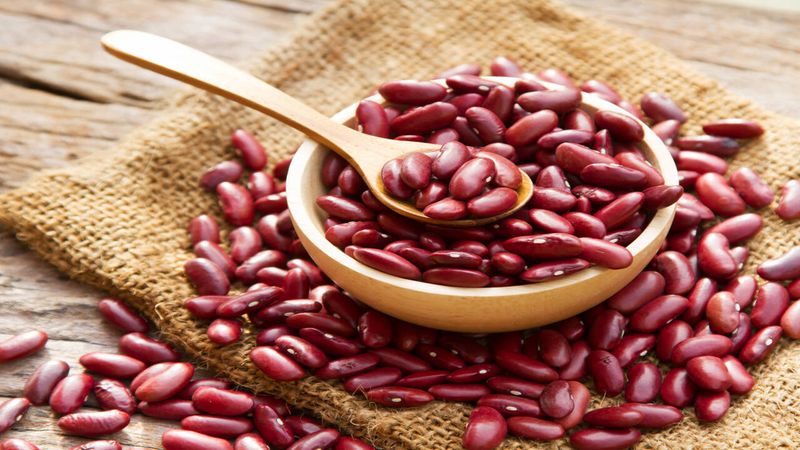
Those innocent-looking red kidney beans harbor a dangerous secret. When raw, they contain phytohaemagglutinin, a toxin that can trigger severe vomiting and diarrhea within hours of consumption.
Just a handful of raw beans could make you seriously ill. Always soak kidney beans for at least 5 hours, then boil vigorously for at least 10 minutes to destroy the toxins completely.
3. Chicken
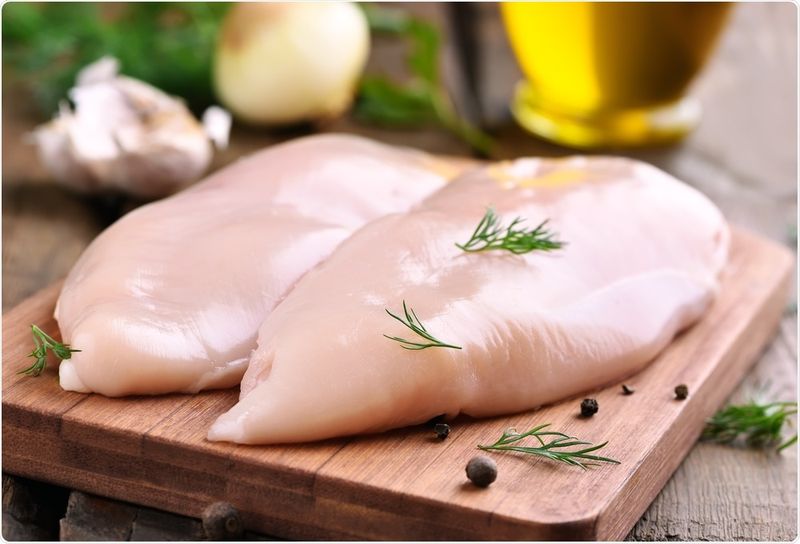
Raw chicken is a bacteria playground. The pink, slippery meat commonly carries Salmonella and Campylobacter, which can lead to days of misery with fever, stomach cramps, and dehydration.
Even a tiny amount of raw chicken juice can contaminate your entire kitchen. Always cook chicken thoroughly until it reaches 75°C and use separate cutting boards for raw poultry.
4. Pork
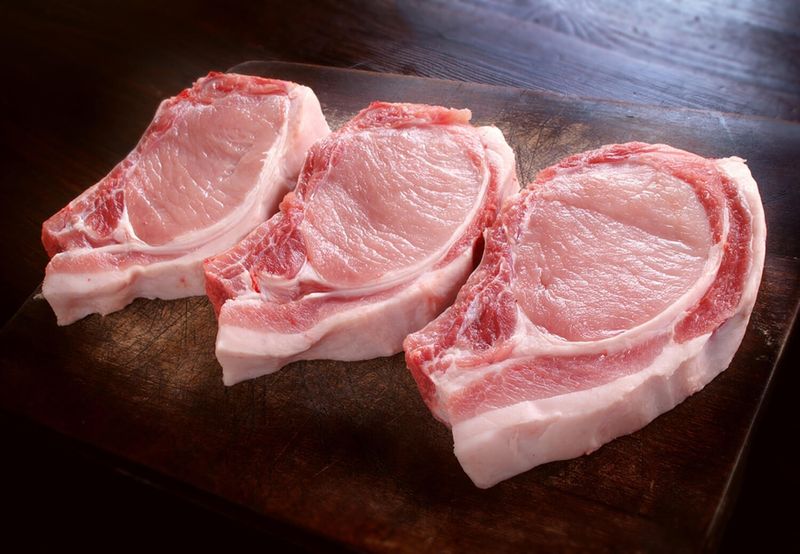
Raw pork isn't just unappetizing, it's downright dangerous. Uncooked pork may contain Trichinella spiralis, a parasitic worm that can embed in your muscles causing pain, swelling, and fever.
Beyond parasites, raw pork might harbor bacteria like Listeria and E. coli. Cook pork to an internal temperature of 63°C with a 3-minute rest time to ensure safety.
5. Potatoes (Especially Green Ones)
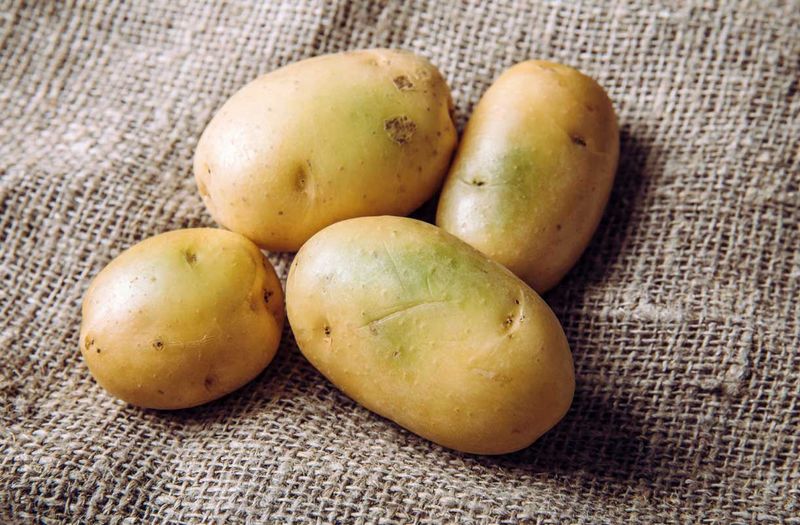
That bitter taste in raw potatoes isn't just unpleasant, it's your warning signal. Potatoes contain solanine, a natural toxin that increases when they turn green or sprout.
Consuming raw potatoes can cause nausea, headaches, and digestive issues. The cooking process breaks down this compound. Always peel away green parts, remove sprouts, and fully cook potatoes before enjoying them.
6. Red Kidney Sprouts
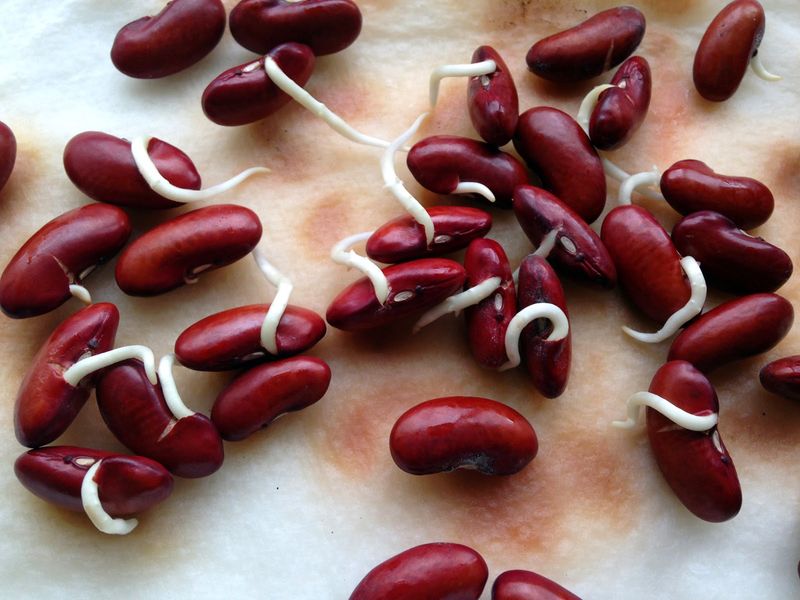
Sprouting red kidney beans or other legumes may seem healthy, but raw or undercooked sprouts can contain dangerous levels of natural toxins and harmful bacteria. In particular, red kidney bean sprouts still contain phytohaemagglutinin - the same toxin found in the raw beans themselves.
Always cook sprouts made from beans and legumes thoroughly before eating to eliminate toxins and reduce the risk of foodborne illness.
7. Rhubarb Leaves
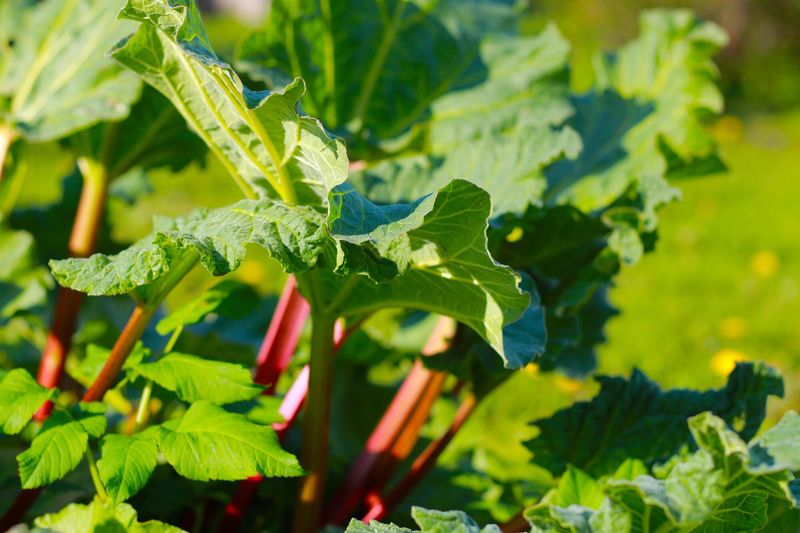
While rhubarb stalks make delicious pies, their leaves tell a different story. The large, leafy greens contain dangerously high levels of oxalic acid and anthraquinone glycosides.
These compounds can cause kidney damage, breathing difficulty, and severe stomach pain. Always discard rhubarb leaves completely and only cook with the ruby-red stalks for safe consumption.
8. Wild Mushrooms
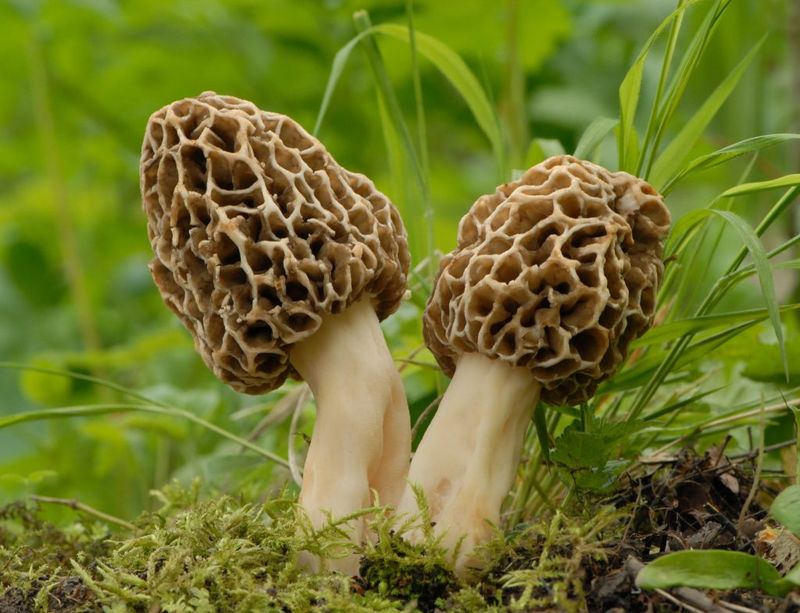
Foraging for mushrooms might seem adventurous, but it's a gamble with your health. Many edible wild mushrooms like morels contain toxins when raw that cooking neutralizes.
Mistaking a poisonous variety for an edible one can be fatal. Even experts can be fooled by look-alikes. Always cook wild mushrooms thoroughly and never consume any mushroom unless you're 100% certain of its identity.
9. Cassava (Yuca)

This tropical root vegetable feeds millions worldwide but hides a deadly secret. Raw cassava contains cyanogenic glycosides that convert to hydrogen cyanide in your body, the same compound used in chemical weapons!
Proper preparation is crucial. Traditional methods include peeling, soaking, fermenting, and thoroughly cooking cassava to eliminate toxins and make this nutritious food safe to eat.
10. Sprouted Beans
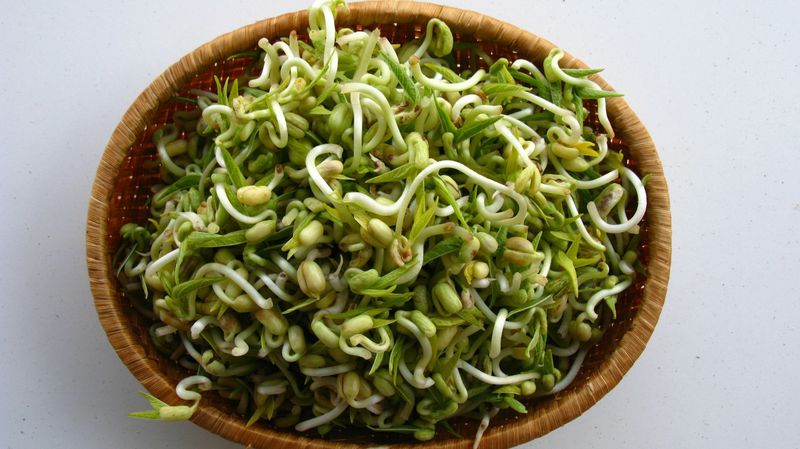
Those crunchy, nutritious-looking sprouts might be bacterial hotbeds. The warm, moist conditions perfect for sprouting beans and seeds also create ideal environments for E. coli and Salmonella to flourish.
Young children, elderly people, pregnant women, and those with weakened immune systems should avoid raw sprouts altogether. A quick stir-fry or steam preserves nutrients while eliminating dangerous bacteria.
11. Brassicas
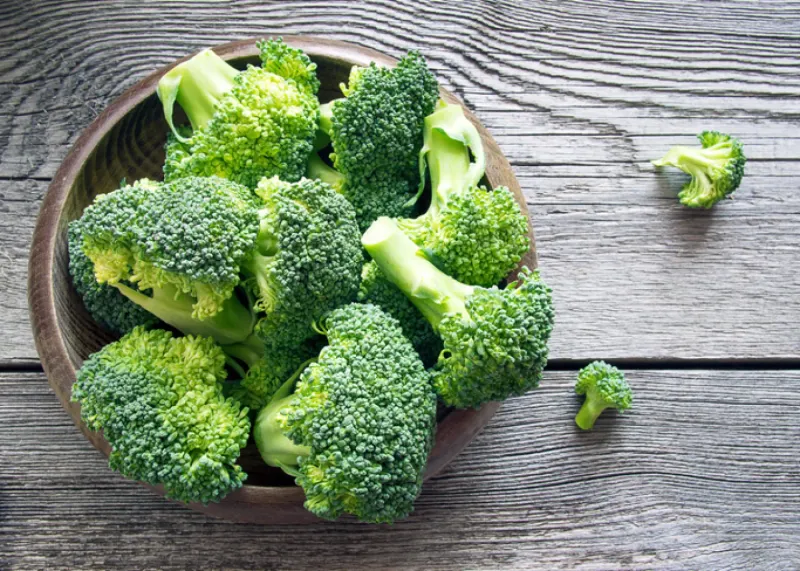
Broccoli, cauliflower, and Brussels sprouts belong to a family with a hidden drawback. Raw brassicas contain goitrogens, compounds that can interfere with thyroid function when consumed in large amounts.
For most people, moderate consumption poses no problem. However, those with thyroid issues should be cautious. Light steaming or cooking reduces goitrogen levels while preserving most nutrients and improving digestibility.
12. Eggs
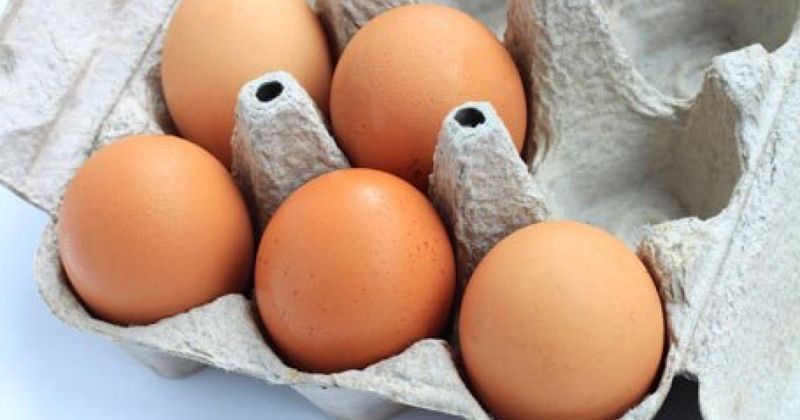
Raw eggs might make you think of Rocky Balboa, but they're not a knockout choice for health. The slick, clear whites and golden yolks can harbor Salmonella bacteria, which causes fever, cramps, and diarrhea.
Cookie dough lovers beware! Even a small taste of raw egg-containing batters poses risks. Opt for pasteurized eggs in dishes like homemade mayonnaise or cook eggs until both white and yolk are firm.
13. Lima Beans
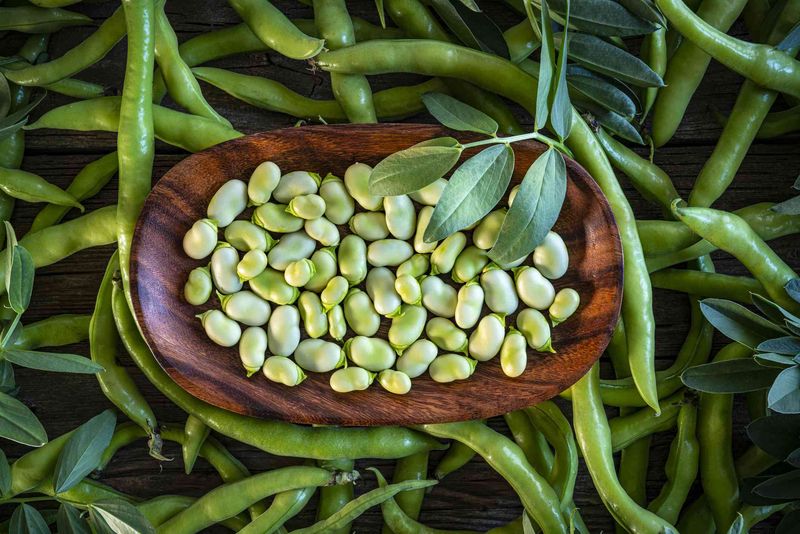
These starchy legumes pack a surprising punch in their raw state. Lima beans contain linamarin, a compound that converts to hydrogen cyanide during digestion.
Domestic varieties contain lower toxin levels than wild types. Still, never eat them raw! Always boil lima beans uncovered in fresh water for at least 10 minutes to allow the cyanide-producing compounds to escape as gas.
14. Elderberries
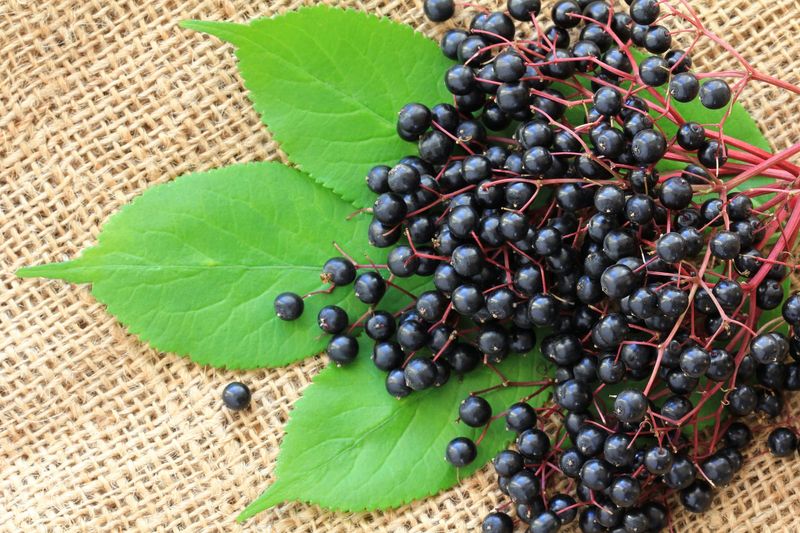
These dark purple berries might seem like nature's candy, but raw elderberries hide a toxic secret. The seeds, stems, leaves, and unripe berries contain cyanogenic glycosides that can cause nausea, vomiting, and worse.
Folk medicine has long valued elderberry syrup, but proper preparation is crucial. Always remove stems completely, use only ripe berries, and thoroughly cook before consuming in jams, syrups, or pies.
15. Flour (Raw Dough)
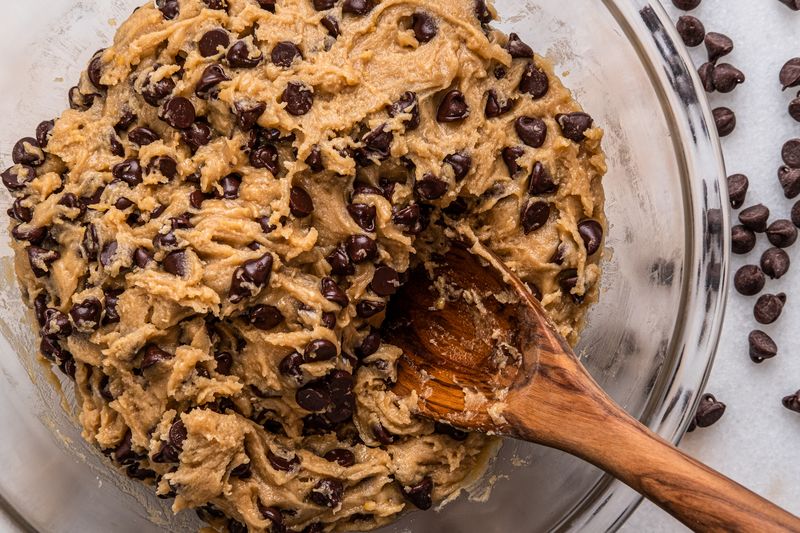
Licking the spoon after mixing cookie dough is a childhood tradition with hidden dangers. Uncooked flour isn't as innocent as it appears, it can harbor E. coli bacteria that cause severe stomach cramps, bloody diarrhea, and kidney damage.
Flour isn't treated to kill bacteria before packaging. Heat is the only way to ensure safety, so resist tasting raw dough and cookie batters no matter how tempting!
16. Hot Dogs And Deli Meats

Although technically pre-cooked, these convenience meats harbor a sneaky risk when eaten straight from the package. Listeria monocytogenes can contaminate processed meats after cooking but before packaging.
This bacteria is particularly dangerous for pregnant women, causing miscarriage or stillbirth. Unlike most food pathogens, Listeria thrives in refrigerator temperatures. Always heat hot dogs and deli meats until steaming hot before consuming.
17. Bitter Almonds
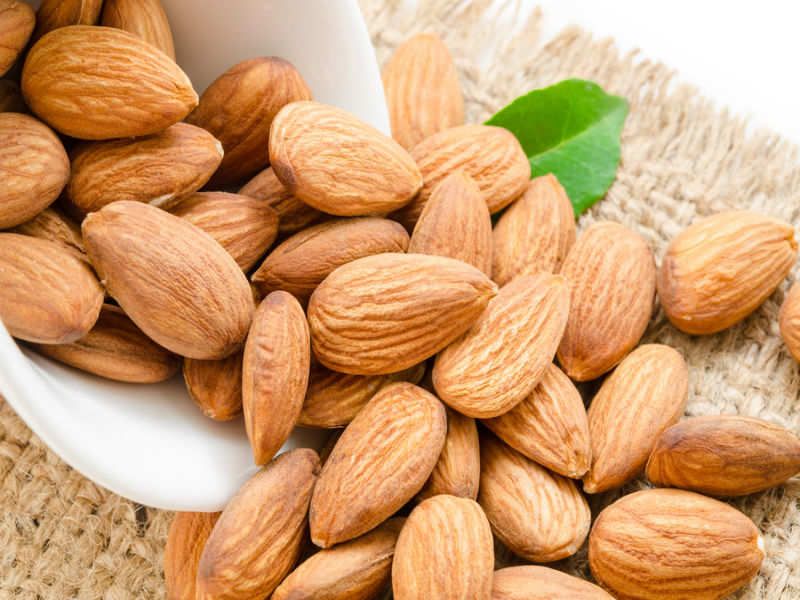
Not all almonds are created equal. While sweet almonds are perfectly safe raw, their bitter cousins contain significant amounts of amygdalin, a compound that releases cyanide when metabolized.
Just a handful of raw bitter almonds could be lethal to a child. These aren't typically sold in grocery stores for safety reasons. However, if traveling abroad, avoid any almonds with a strong bitter fragrance unless properly heat-treated.
18. Fiddlehead Ferns
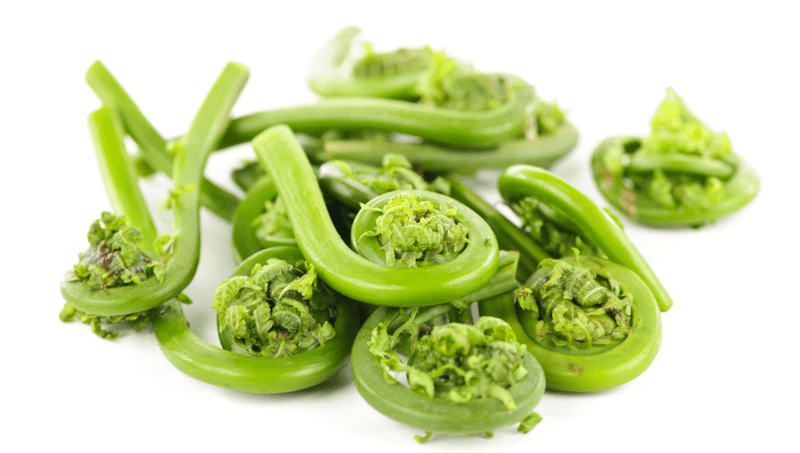
These tightly coiled fern fronds are spring delicacies with a catch. Raw fiddleheads contain a heat-sensitive toxin that causes nausea, dizziness, headaches, and digestive upset within 12 hours of consumption.
Their asparagus-like flavor only emerges after proper cooking anyway. Remove any brown papery coverings, then boil for at least 15 minutes or steam for 10-12 minutes until tender for safe enjoyment.



