













What you eat can quietly shape how your workouts feel, both during exercise and afterwards.
Some foods support energy, recovery, and consistency far better than others.
Looking a little closer at everyday choices can make training feel more sustainable rather than exhausting.
All information is provided for general interest only and should not be considered fitness or nutritional advice. Individual needs vary depending on health, activity level, and goals. For personalised guidance, consult a qualified healthcare or fitness professional.
1. Oats
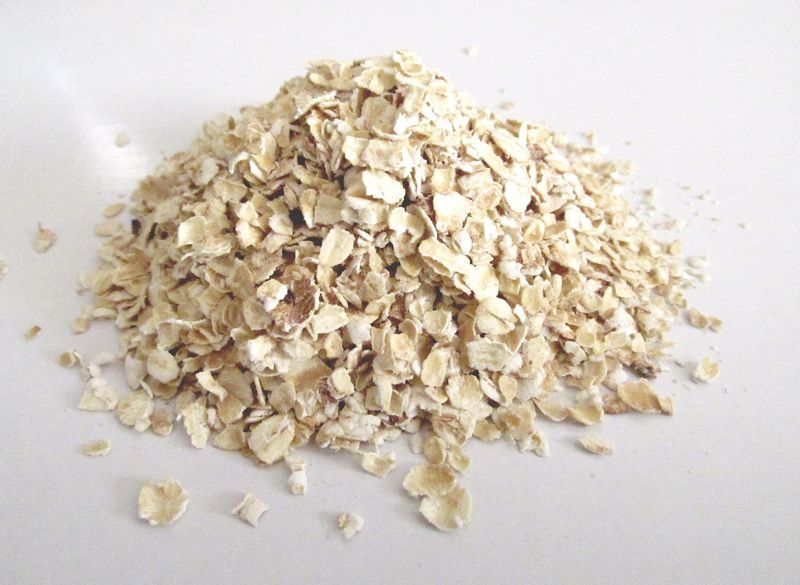
Oats are a widely used carbohydrate source for active people because they digest gradually.
They provide sustained energy due to their complex carbohydrate and fibre content.
Beta-glucan fibre contributes to satiety and supports normal cholesterol levels.
Oats are easy to adapt with different toppings, making them practical for regular training routines.
2. Eggs

Nature's protein package delivers all nine essential amino acids your body craves after exercise.
One large egg contains roughly six grams of high-quality protein that repairs torn muscle fibres brilliantly.
The yolk houses vitamins D and B12, crucial for energy metabolism.
Scrambled, poached, or boiled, they're incredibly versatile and affordable for daily consumption.
3. Greek Yoghurt

Greek yoghurt contains more protein than many standard yoghurts due to its straining process.
Protein supports muscle maintenance and repair after exercise.
It also provides calcium, which contributes to normal muscle and bone function.
Choosing unsweetened varieties helps keep added sugar intake low.
4. Chicken Breast
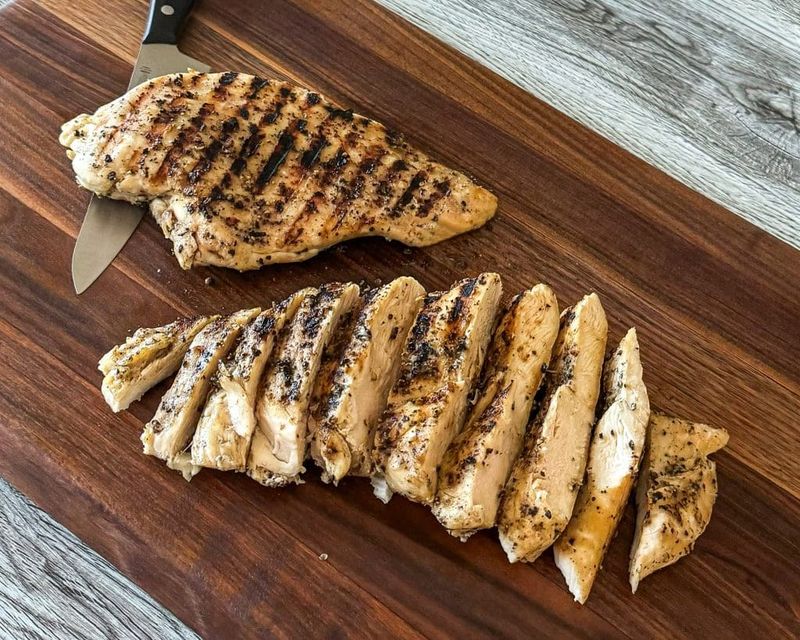
Lean, mean, and packed with muscle-building goodness, this poultry favourite never disappoints serious athletes.
Around 31 grams of protein per 100 grams makes it incredibly efficient for hitting daily targets.
Low fat content means calories come primarily from protein rather than unwanted extras.
Season creatively with spices to avoid flavour boredom whilst supporting your gains consistently.
5. Salmon
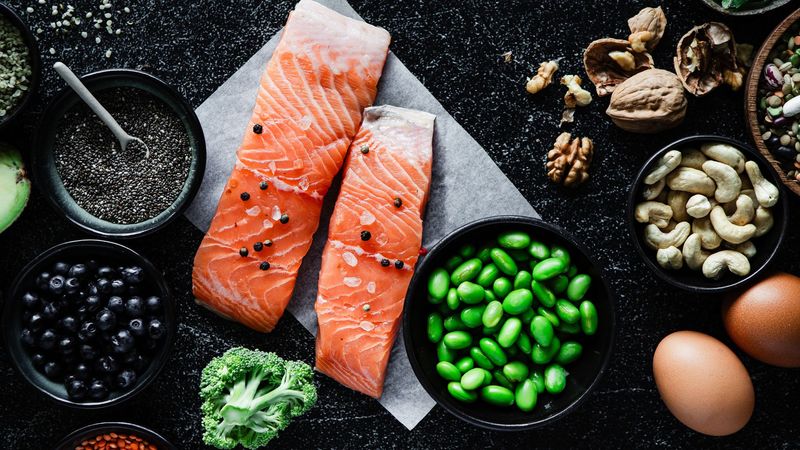
Salmon provides protein along with omega-3 fatty acids.
Omega-3s contribute to normal heart function and play a role in general health.
Both farmed and wild salmon can be nutritious options depending on availability.
It is commonly included in balanced diets for people who train regularly.
6. Tuna
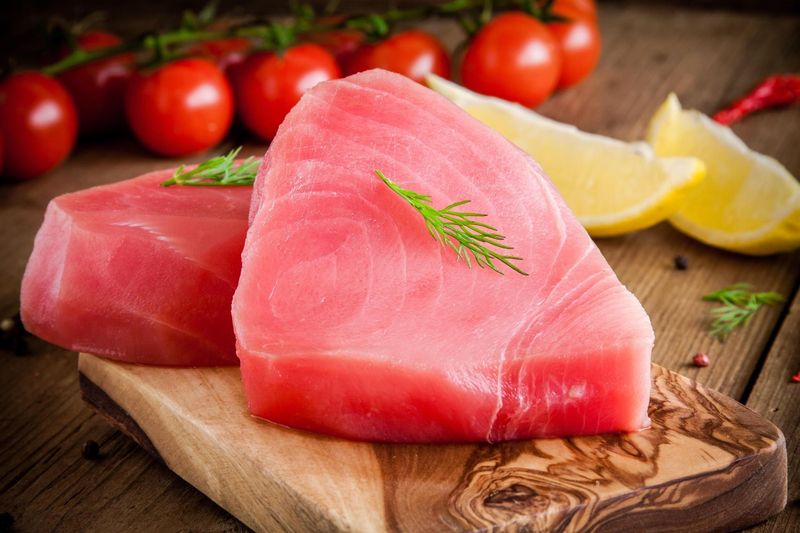
Convenience meets nutrition in this tinned treasure that gym-goers adore universally.
Incredibly affordable protein that requires zero cooking makes meal prep effortless even on chaotic days.
Fresh or canned, both versions deliver impressive protein without excess calories.
Mix with wholemeal pasta or stuff into jacket potatoes for satisfying post-exercise meals that build strength.
7. Brown Rice
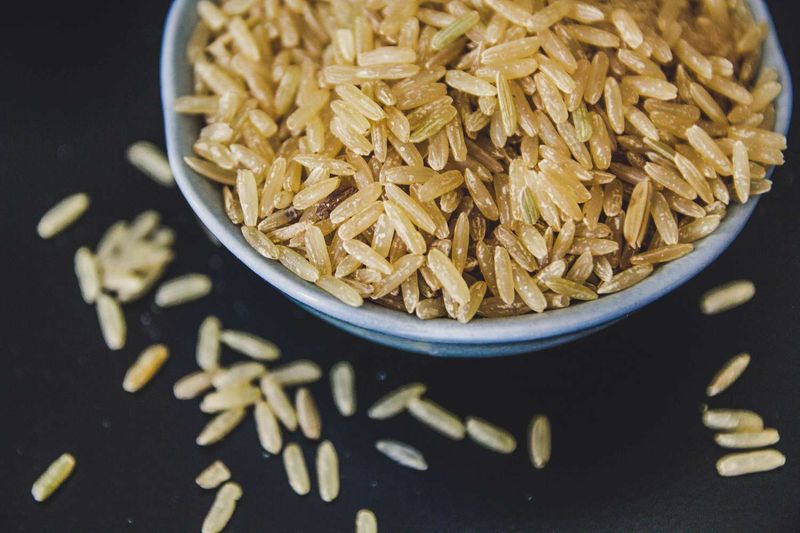
Complex carbohydrates fuel marathon training sessions and intense lifting programmes beautifully.
Unlike white rice, the bran layer remains intact, providing fibre that stabilises blood sugar throughout demanding workouts.
Manganese and selenium support metabolism whilst B vitamins convert food into usable energy.
Batch cook large portions for convenient meal prep that lasts several days.
8. Quinoa
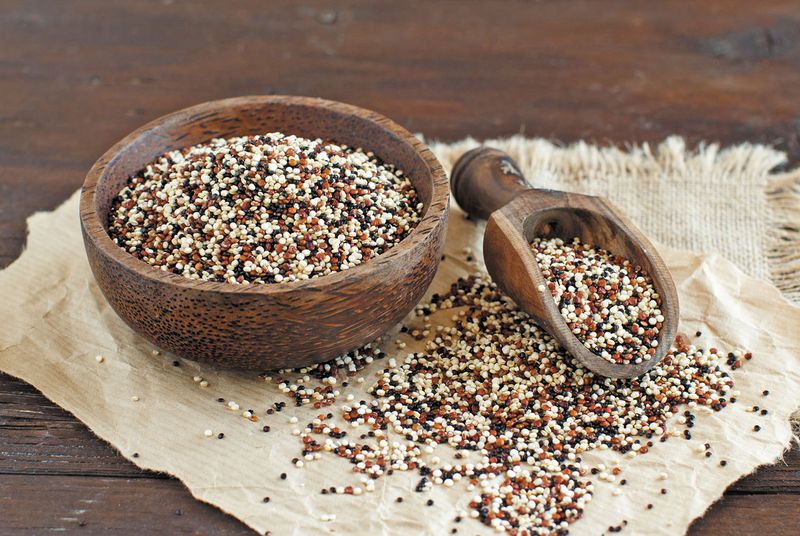
Ancient grains from South America bring complete protein rarely found in plant sources.
All nine essential amino acids appear naturally, making this seed a vegetarian athlete's best friend.
Magnesium relaxes muscles post-workout whilst iron carries oxygen to working tissues.
Nutty flavour pairs wonderfully with roasted vegetables or works cold in salads for summer training days.
9. Sweet Potatoes
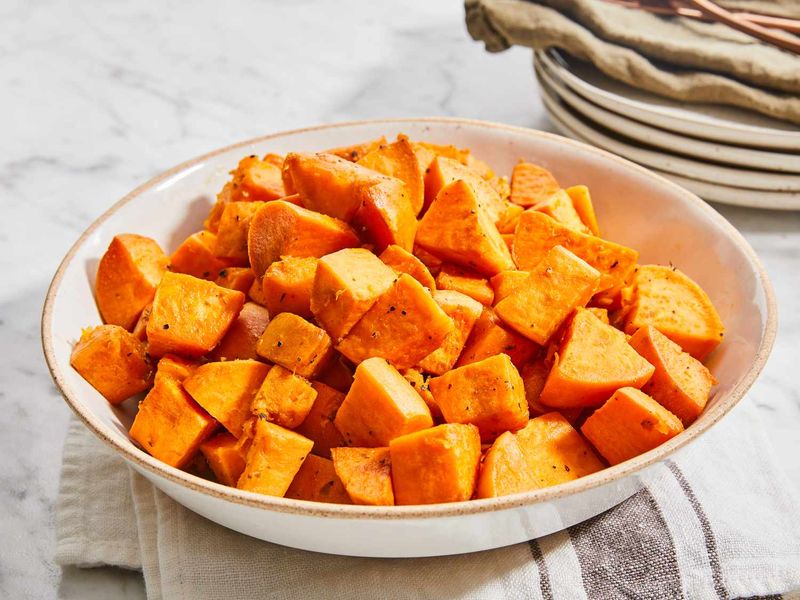
Vibrant orange flesh signals beta-carotene abundance that supports immune function during heavy training blocks.
Carbohydrates digest steadily, preventing the energy roller coaster that derails afternoon sessions.
Potassium prevents muscle cramps whilst vitamin C aids collagen production for healthy tendons.
Roast with skin on for maximum fibre or mash for comfort food that actually fuels performance.
10. Bananas
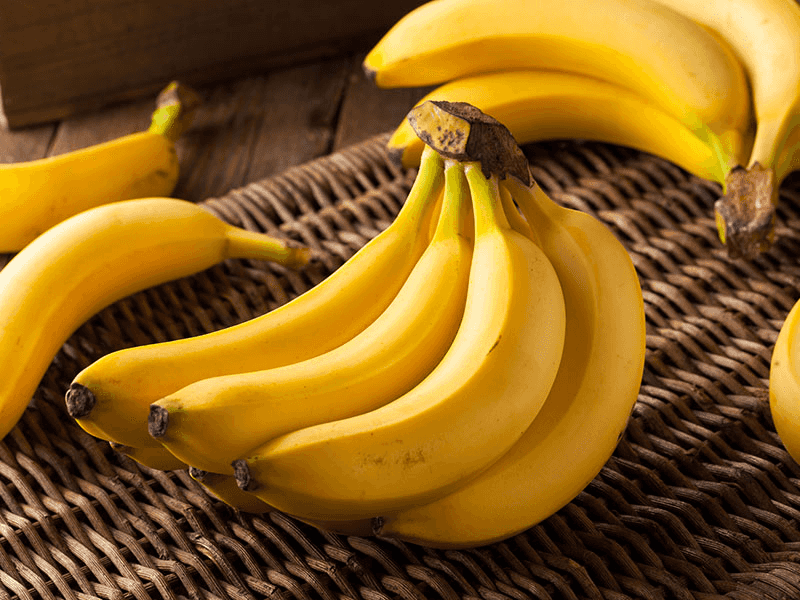
Bananas offer a simple and reliable source of carbohydrates that help support everyday energy needs, especially around physical activity.
They naturally contain potassium, a mineral that contributes to normal muscle function and overall electrolyte balance.
Their easily digestible natural sugars make them a popular choice before exercise or as a quick option afterwards.
Thanks to their portability and minimal preparation, bananas fit effortlessly into busy routines and workout schedules.
11. Berries
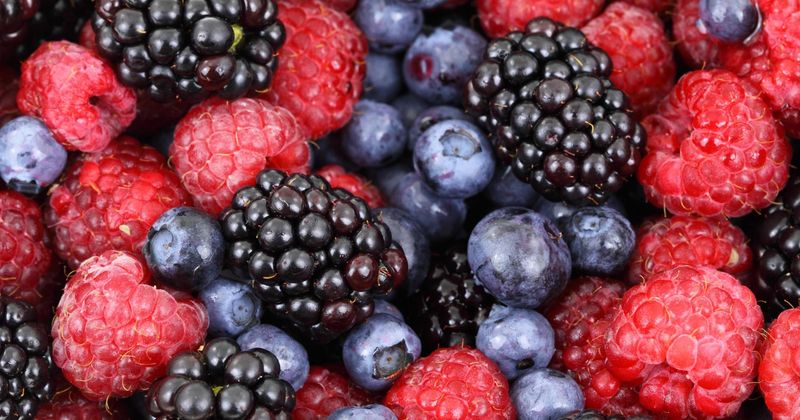
Antioxidants packed into these tiny powerhouses combat exercise-induced oxidative stress brilliantly.
Blueberries, strawberries, and raspberries reduce muscle soreness, helping you bounce back faster between training sessions.
Low calorie density means you can eat generous portions without derailing nutrition goals.
Freeze for smoothies or top your morning porridge for natural sweetness without processed sugar.
12. Spinach
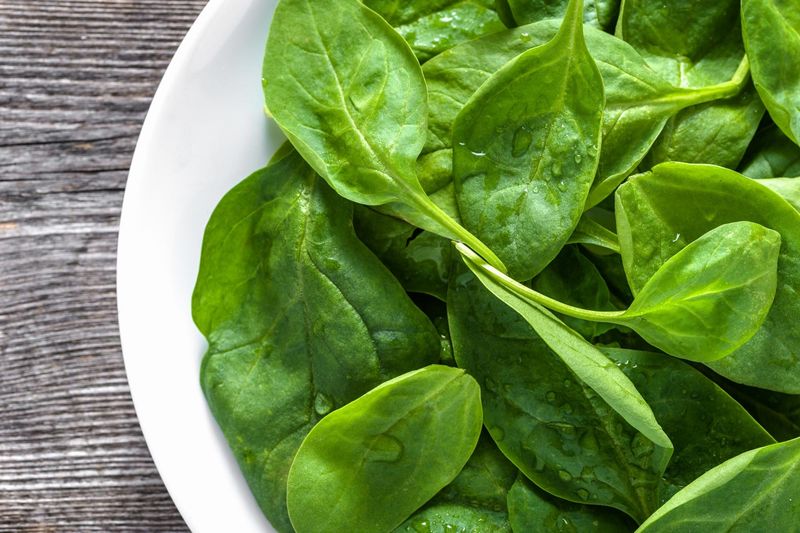
Spinach provides iron, magnesium, and folate, all of which play important roles in normal bodily processes.
Iron supports oxygen transport around the body, which is particularly relevant for active muscles.
Magnesium contributes to normal muscle contraction and relaxation, helping the body function smoothly during movement.
Because spinach can be enjoyed raw or cooked, it is easy to include regularly in meals throughout the week.
13. Broccoli
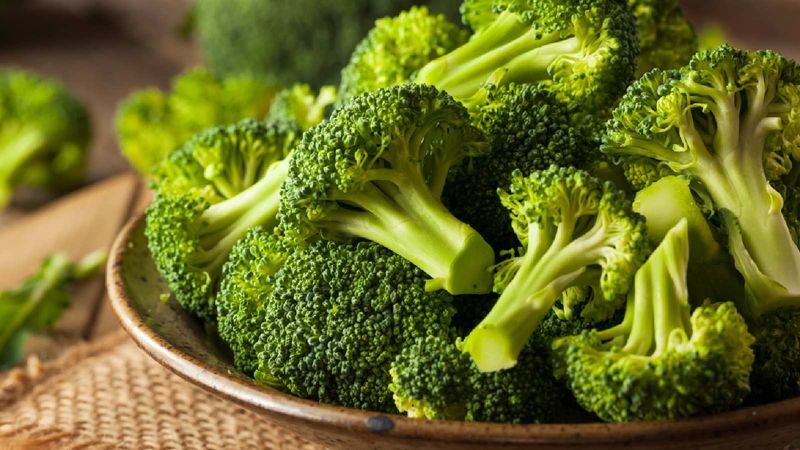
Broccoli delivers vitamin C, fibre, and a range of essential micronutrients in every serving.
Vitamin C supports normal immune function and plays a role in collagen formation for tissues such as skin and joints.
Its fibre content contributes to digestive health when eaten as part of a balanced diet.
Using gentle cooking methods like steaming helps preserve much of broccoli’s natural nutritional value.
14. Lentils
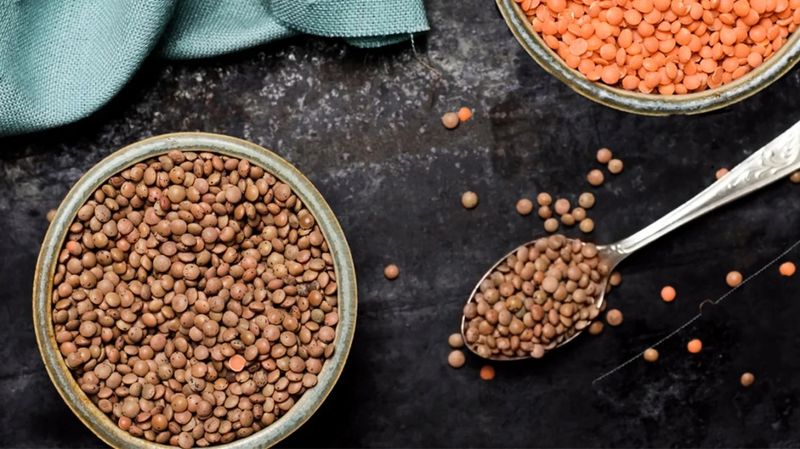
Plant-based protein meets complex carbohydrates in these affordable legumes that vegetarians rely upon heavily.
Eighteen grams of protein per cooked cup rivals many animal sources whilst providing essential fibre.
Iron supports oxygen transport though pairing with vitamin C sources improves absorption rates.
Curry them with spices or add to soups for hearty meals that sustain energy throughout demanding days.
15. Chickpeas
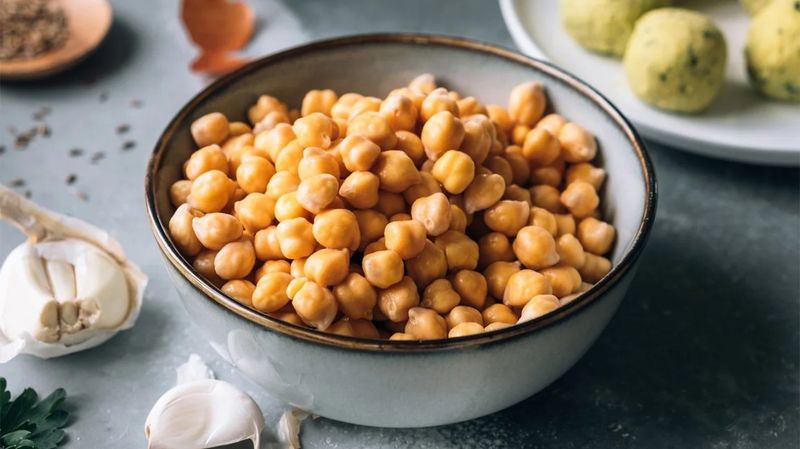
Versatility defines these beige legumes that transform into countless delicious preparations.
Roast for crunchy snacks, blend into hummus, or toss into salads for texture and substantial protein content.
Folate supports red blood cell formation whilst manganese aids carbohydrate metabolism during exercise.
Budget-friendly tins make them accessible, though dried varieties offer better value for regular consumption and meal prep.
16. Nuts
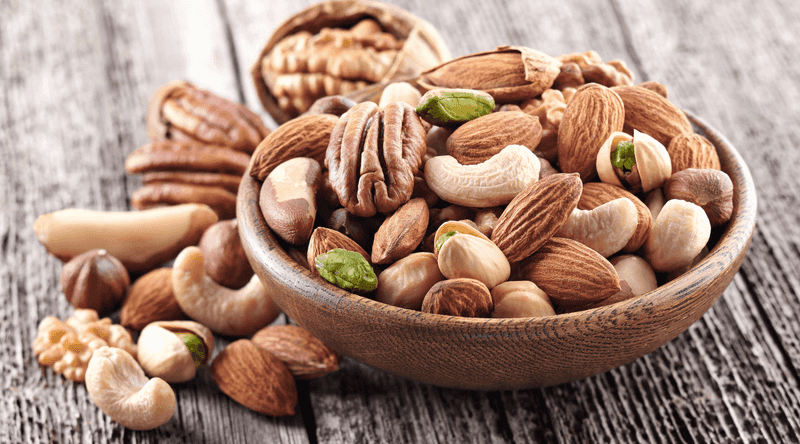
Healthy fats concentrate in these crunchy packages that satisfy hunger between meals brilliantly.
Almonds, walnuts, and cashews each offer unique nutrient profiles supporting everything from heart health to brain function.
Protein and fibre combine to stabilise blood sugar whilst preventing energy crashes.
Watch portions though - calorie density means small handfuls suffice for snacking without overshooting daily targets.
17. Seeds
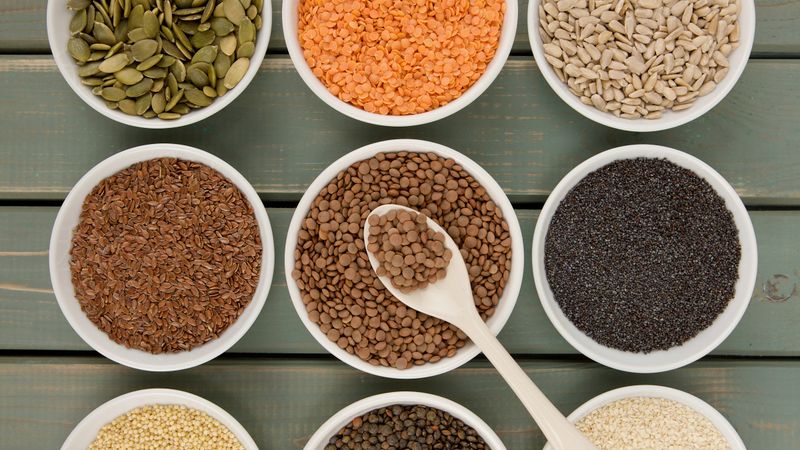
Seeds such as chia, flax, and pumpkin seeds provide a combination of healthy fats, fibre, and minerals.
Depending on the type, they contribute nutrients such as magnesium, zinc, and plant-based omega-3 fatty acids.
Adding small amounts can enhance both the texture and nutritional profile of everyday meals.
They are easy to sprinkle into breakfasts, salads, or snacks without changing eating habits too much.
18. Cottage Cheese
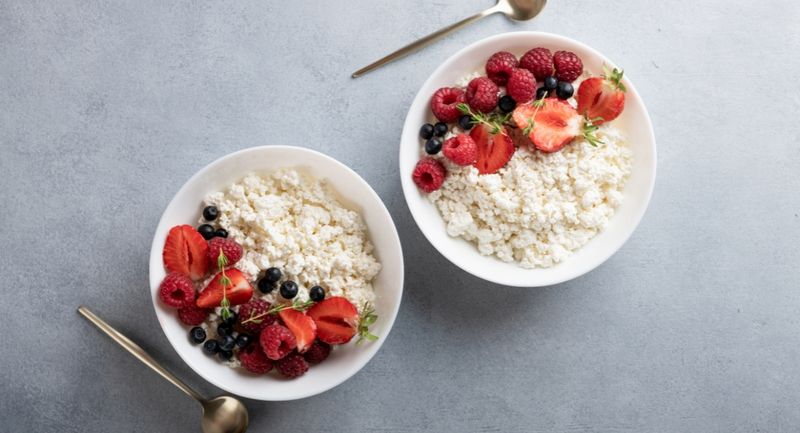
Cottage cheese is naturally high in protein while remaining relatively low in fat.
Protein supports muscle maintenance when combined with regular physical activity.
It also supplies calcium, which contributes to normal bone health.
Its mild flavour makes it suitable at different times of day, from breakfast to post-workout meals or evening snacks.
19. Tofu
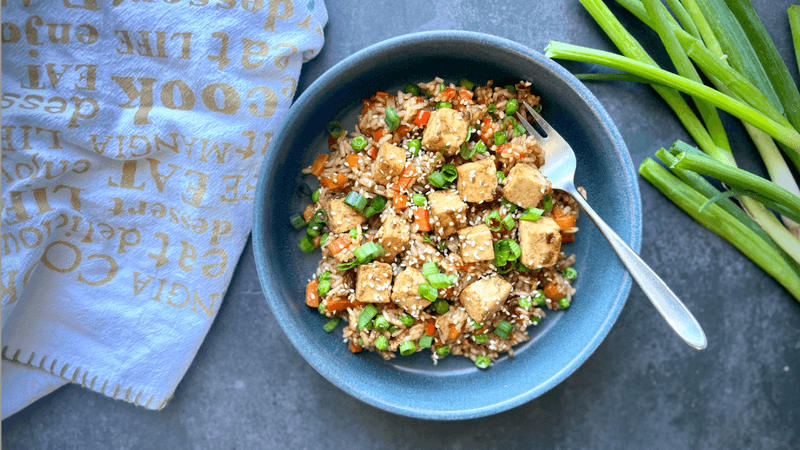
Tofu is made from soybeans and serves as a widely used plant-based protein source.
Soy protein contains all essential amino acids needed in the diet.
Calcium-set tofu can contribute to daily calcium intake as part of balanced eating.
Its ability to absorb flavours makes it easy to prepare in a wide range of dishes using different cooking methods.
20. Olive Oil

Liquid gold from Mediterranean groves provides monounsaturated fats that reduce inflammation caused by intense training.
Extra virgin varieties contain polyphenols acting as antioxidants throughout your recovering body.
Drizzle over vegetables, use in salad dressings, or cook gently to preserve beneficial compounds.
Quality matters - invest in cold-pressed options for maximum health benefits and superior flavour profiles.



