













Saturated fats might make certain foods taste rich and satisfying, but too much of them isn’t ideal for long-term health.
While there’s no need to give up your favourites completely, being aware of which items are especially high in saturated fat can help you balance your diet more effectively.
Here are five foods worth cutting back on, along with five lower-fat alternatives that can still keep your meals flavourful.
This article is for general informational purposes only and is not a substitute for professional medical or dietary advice. Individual nutritional needs vary, so consult a healthcare professional or registered dietitian for personalised guidance.
1. Red And Fatty Meats
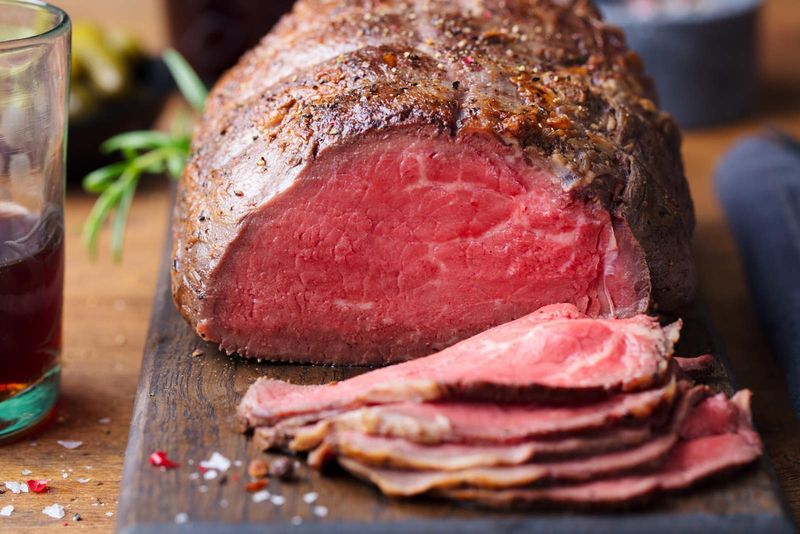
Your Sunday roast might be a British tradition, but that juicy lamb shoulder or marbled beef joint is absolutely loaded with saturated fats. A typical serving of fatty beef contains about 6-8 grams of the stuff – nearly half your daily recommended limit in one go.
Bacon, sausages, and those gorgeous ribeye steaks we all fancy are particularly guilty culprits. Even our beloved black pudding packs a hefty saturated fat wallop that'd make your arteries weep.
2. Consider Lean Poultry Or Fish
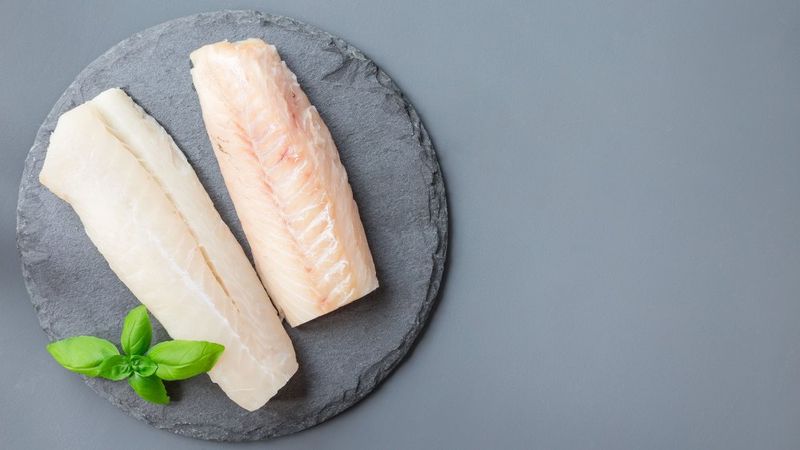
Skinless chicken breast is your new best mate when cutting saturated fats – containing less than 1 gram per serving compared to the skin-on version's 3-4 grams. Turkey mince makes brilliant bolognese and burgers without the fatty beef guilt.
Fresh British fish like cod, haddock, and plaice are virtually saturated fat-free whilst delivering proper protein punch. Even salmon, though slightly higher in fats, contains mostly the good omega-3 stuff your heart actually loves rather than the artery-clogging saturated variety.
3. Full-Fat Dairy Products
That gorgeous wedge of mature cheddar calling your name from the fridge? It's basically saturated fat central, with about 6 grams per ounce. Double cream, butter, and full-fat milk might make your tea taste like heaven, but they're proper saturated fat bombs.
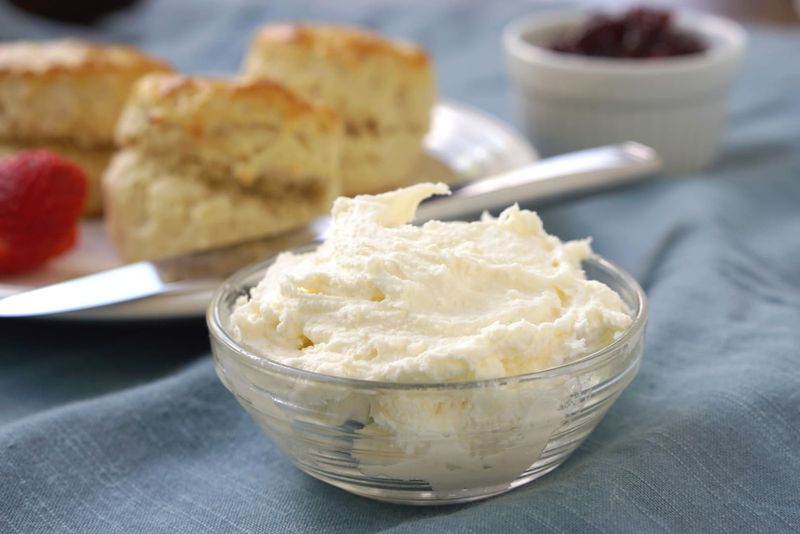
Even seemingly innocent treats like clotted cream (looking at you, Devon and Cornwall) contain eye-watering amounts. A dollop on your scone delivers roughly 7 grams of saturated fat before you've even added the jam.
4. Consider Low-Fat Dairy
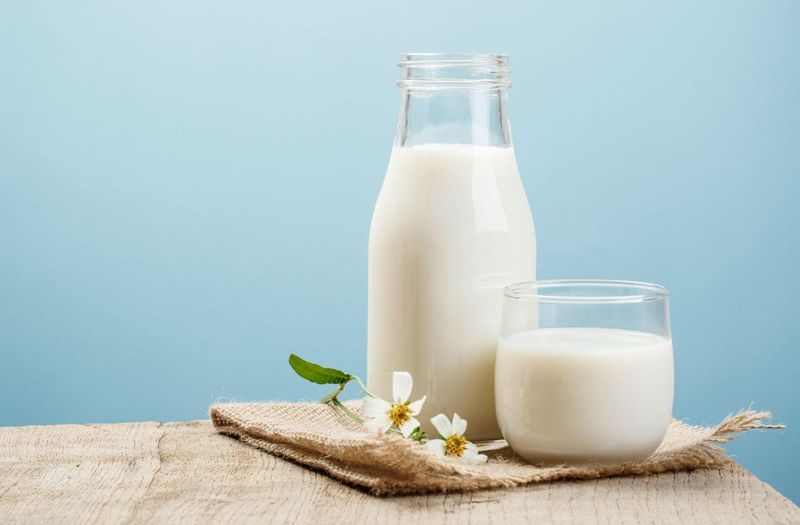
Semi-skimmed milk contains roughly half the saturated fat of whole milk whilst still delivering that proper creamy taste in your brew. Low-fat yoghurt and cottage cheese make brilliant snacks or breakfast additions without the saturated fat guilt.
Reduced-fat mature cheddar has come on leaps and bounds taste-wise – you can now get versions with 30% less saturated fat that still pack proper flavour. Even low-fat cream cheese works beautifully on bagels or in cheesecakes when you're watching your heart health.
5. Pastries And Baked Goods
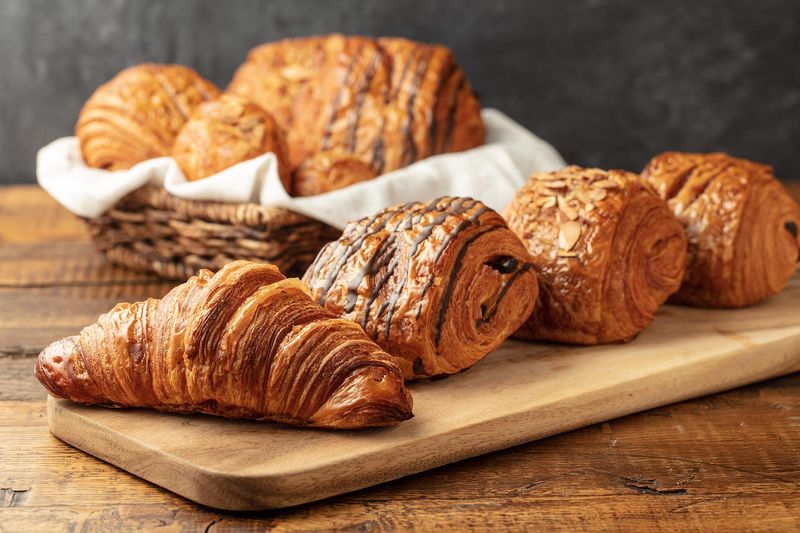
Commercial pastries from your local bakery or supermarket are absolute saturated fat nightmares, thanks to all that lovely butter and shortening. A single croissant can pack 7 grams, whilst shop-bought mince pies during Christmas contain about 4-5 grams each.
Doughnuts, Danish pastries, and those tempting iced buns from Greggs? They're all swimming in saturated fats. Even innocent-looking biscuits like shortbread contain shocking amounts – typically 3-4 grams per couple of pieces.
6. Consider Healthy Snacks And Homemade Baked Goods
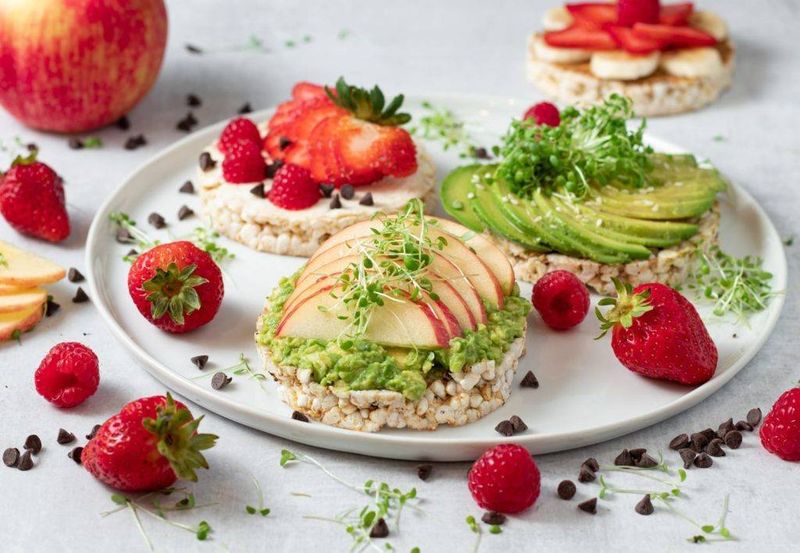
Homemade oat biscuits using vegetable oil instead of butter can slash saturated fat content whilst still satisfying your sweet tooth. Fresh fruit, vegetable crisps, and air-popped popcorn make brilliant alternatives to shop-bought saturated fat bombs.
Rice cakes topped with avocado or hummus deliver proper satisfaction without the cardiovascular drama. Even homemade banana bread using applesauce instead of butter creates moist, delicious results with dramatically reduced saturated fat content – your heart will genuinely thank you for the effort.
7. Coconut Oil And Palm Oil
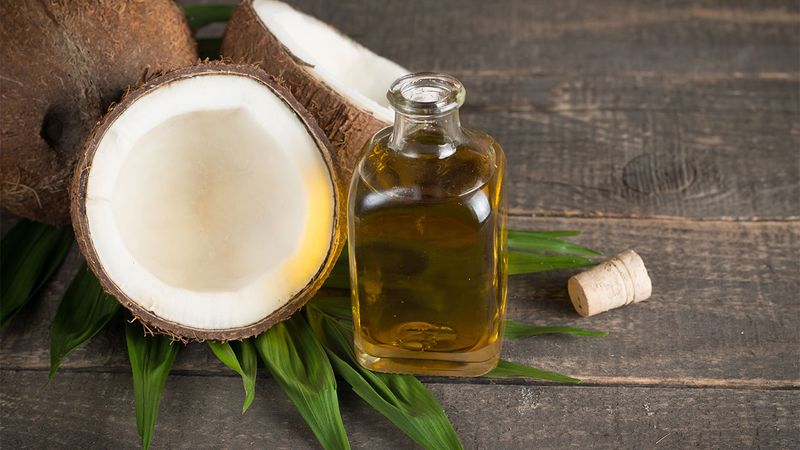
Coconut oil became the darling of health food shops everywhere, but here's the kicker – it's absolutely rammed with saturated fats, containing about 12 grams per tablespoon. That's more than butter, believe it or not.
Palm oil lurks in countless processed foods on British supermarket shelves, from biscuits to ready meals. Check those ingredient labels carefully – both oils might sound exotic and healthy, but they're saturated fat powerhouses that can quickly push your daily intake through the roof.
8. Consider Vegetable Oils
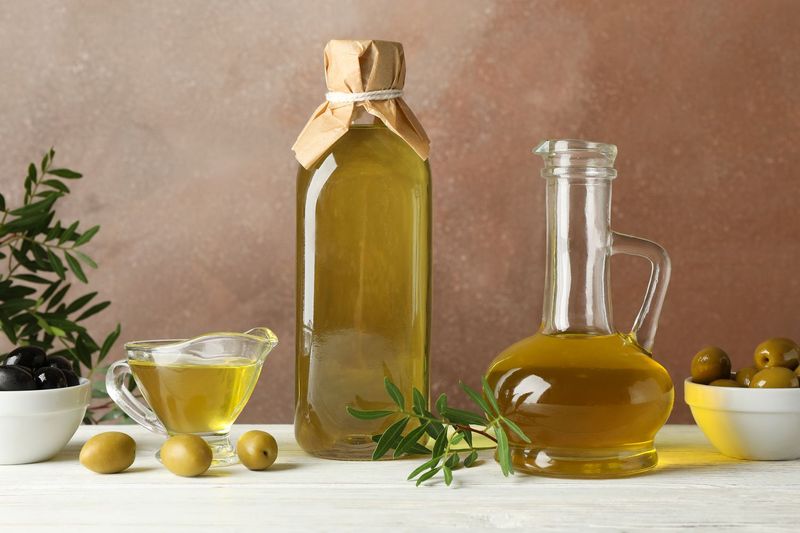
Rapeseed oil, sunflower oil, and olive oil contain mostly unsaturated fats that won't clog your arteries like their saturated cousins. Extra virgin olive oil is particularly brilliant, containing less than 2 grams of saturated fat per tablespoon.
British-grown rapeseed oil is becoming increasingly popular and contains roughly 7% saturated fat compared to coconut oil's whopping 87%. These oils work perfectly for roasting vegetables, making salad dressings, or even baking when you fancy cutting down on butter.
9. Fried And Fast Foods
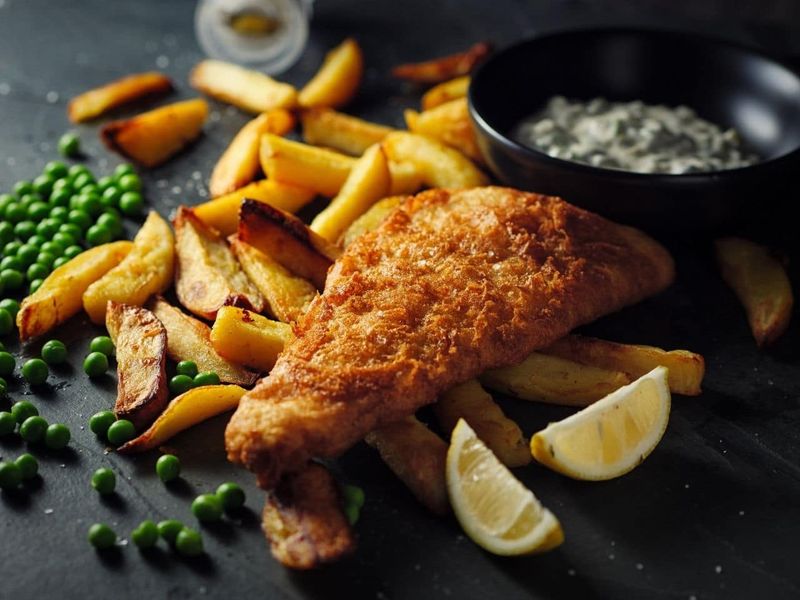
That gorgeous chippy down the road might serve proper comfort food, but those crispy chips and battered fish are absolutely soaked in saturated fats. A large portion of chips contains roughly 8-10 grams, whilst battered sausages pack even more.
Fast food chains aren't much better – a Big Mac contains about 10 grams of saturated fat, and don't get started on KFC's fried chicken pieces. Even seemingly healthier options like chicken nuggets are often fried in oils loaded with saturated fats.
10. Consider Plant-Based Proteins
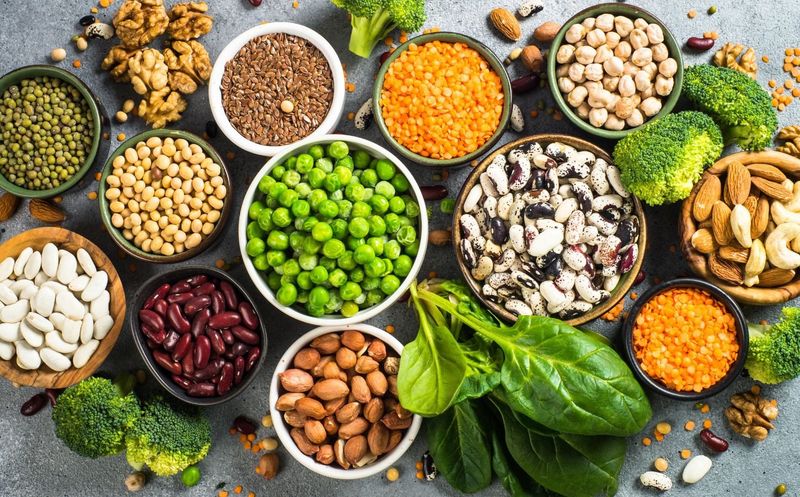
Beans, lentils, and chickpeas are absolute legends for protein without the saturated fat drama. A tin of kidney beans contains virtually zero saturated fat whilst delivering 15 grams of protein – proper bargain nutrition right there.
Nuts and seeds do contain some saturated fats, but they're packed with healthy unsaturated ones that balance things out beautifully. Even tofu and tempeh, once considered proper hippie food, are now mainstream British supermarket staples offering clean protein without the cardiovascular concerns.



