













Great cooking isn't just about following recipes – it's about knowing the little shortcuts, smart techniques, and flavour-boosting secrets that make meals truly shine.
Whether you're brand new in the kitchen or have been cooking for years, these tips will help you save time, cut waste, and make food that tastes better every time.
1. Season As You Go
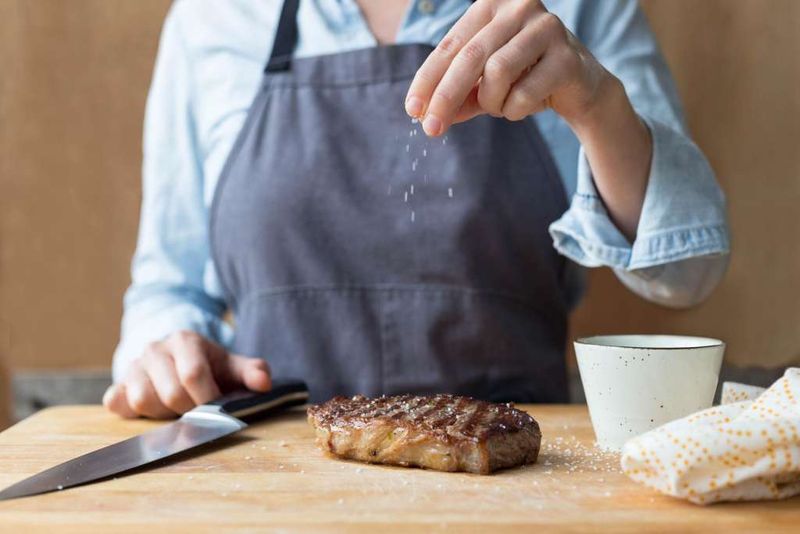
Adding salt throughout cooking builds layers of flavour rather than just surface seasoning. Professional chefs never wait until the end to season.
Each addition of salt interacts differently with ingredients as they cook, creating depth that's impossible to achieve with last-minute seasoning. Remember that different salts have varying intensities, so adjust accordingly.
2. Taste Before Serving
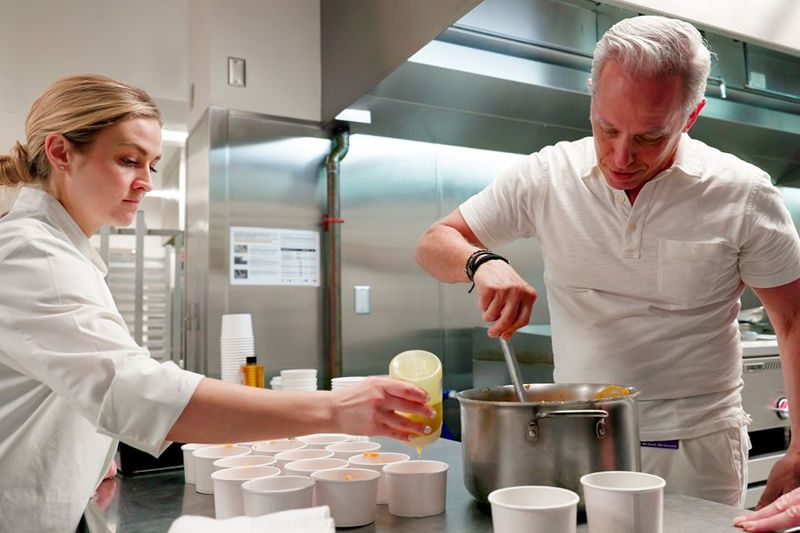
Your palate is the ultimate quality control tool in cooking. Before presenting any dish, take a moment to sample it critically.
Ask yourself: Does it need brightness from acid? More depth from salt? A touch of sweetness to balance? This simple habit separates good cooks from great ones and prevents disappointing meals. Trust your instincts but verify with your taste buds.
3. Keep Your Knives Sharp
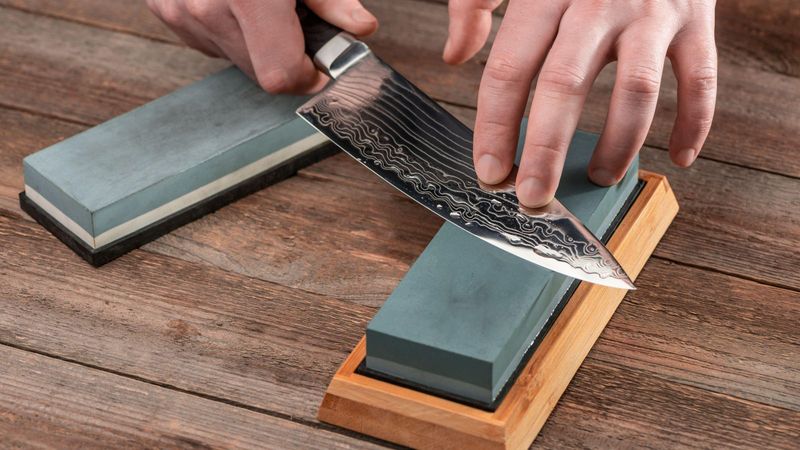
Dull knives are actually more dangerous than sharp ones! They require more force, increasing slip risks and making precise cutting nearly impossible.
Invest in a quality sharpening stone or honing rod and learn proper technique. Sharp knives glide through ingredients with minimal pressure, preserving delicate textures and cell structures. Your vegetables will look better and your proteins will cook more evenly.
4. Let Meat Rest Before Cutting
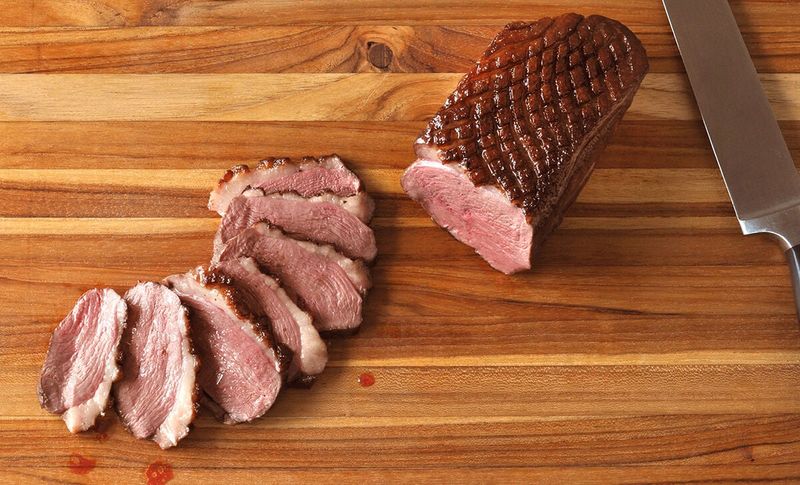
Patience rewards the wise cook. After cooking meat, giving it time to rest allows muscle fibers to relax and reabsorb juices that would otherwise spill out.
For steaks and chops, 5-10 minutes is sufficient; larger roasts need 15-30 minutes. Cover loosely with foil to maintain warmth without trapping steam. This simple step transforms good meat into exceptional meat, maintaining succulence throughout each bite.
5. Save Pasta Water
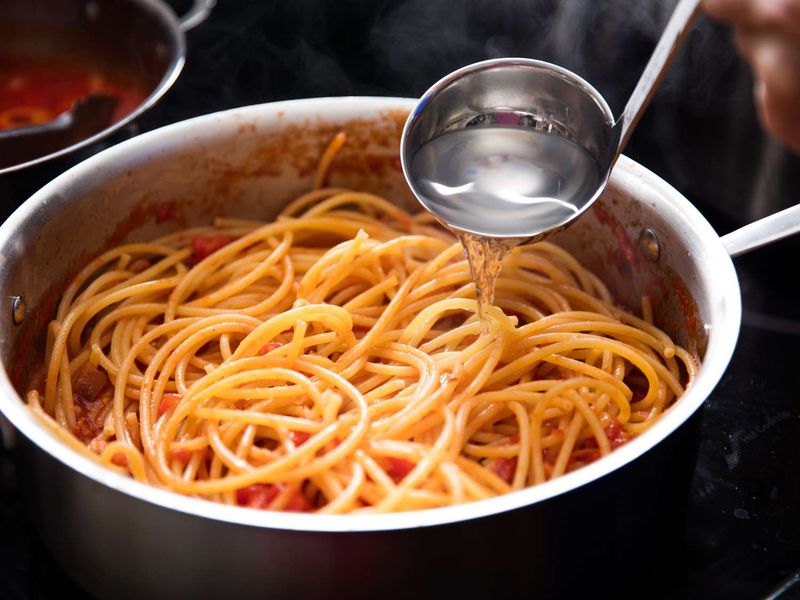
That cloudy water from cooking pasta contains dissolved starches and salt – liquid gold for creating silky sauces. Reserve a cup before draining.
Adding a splash to your sauce creates an emulsion that clings beautifully to pasta rather than sliding off. The starch thickens without flour or cream, while dissolved minerals enhance flavour. It's especially magical with oil-based sauces, transforming them from greasy to luxurious.
6. Chill Dough Before Baking
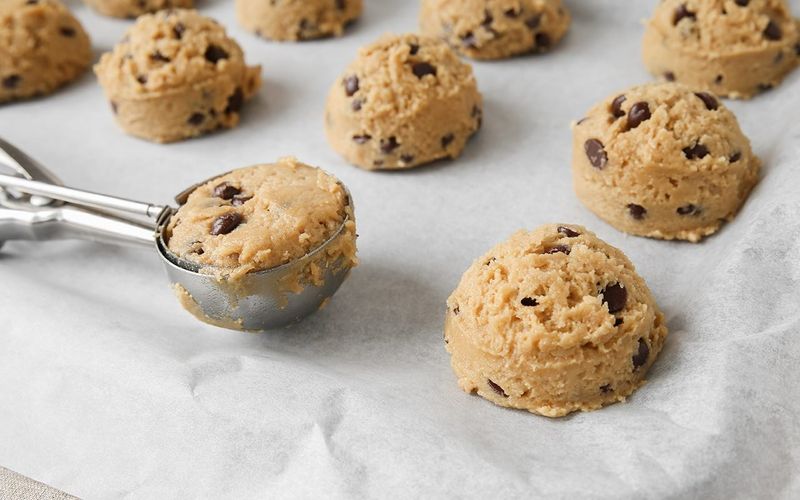
Refrigerating cookie or pastry dough isn't just about convenience – it's chemistry at work. Cold butter takes longer to melt during baking, helping maintain structure.
Flour proteins also relax during chilling, reducing toughness. For chocolate chip cookies, overnight refrigeration creates caramelisation magic. Even 30 minutes makes a difference between flat, disappointing biscuits and perfectly textured treats with defined edges and chewy centres.
7. Use A Digital Thermometer
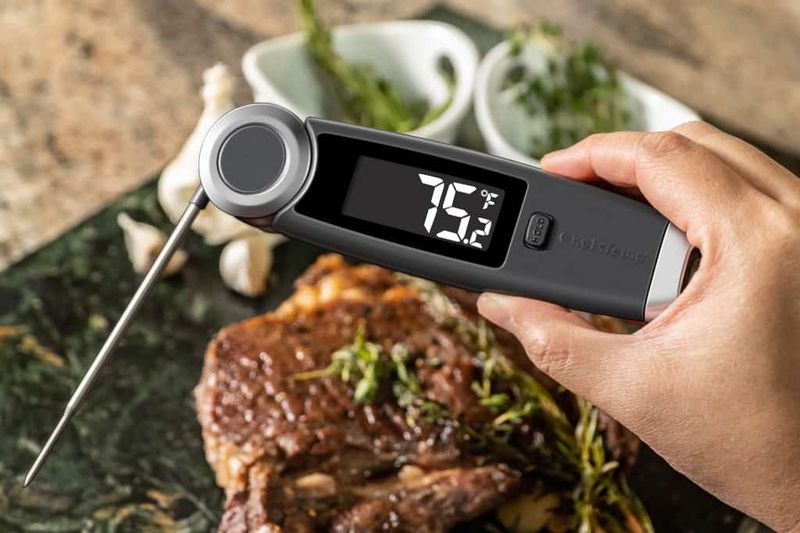
Forget the cut-and-peek method or timing charts – temperature never lies. A quality digital thermometer eliminates guesswork from cooking meat, fish, bread, and even custards.
Chicken breasts remain juicy at 73°C rather than overcooked. Medium-rare steak hits perfection at 54°C. Beyond food safety, precision temperatures unlock consistent results that experienced chefs rely upon. It's the single most important tool upgrade for improving cooking.
8. Brighten Flavours With Acid
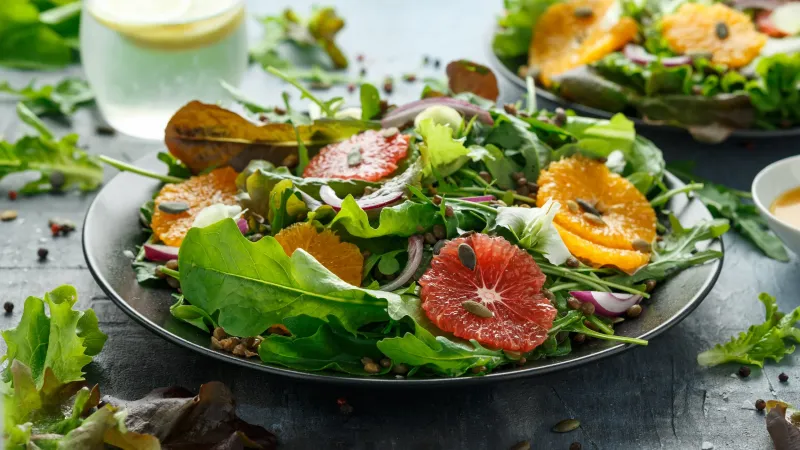
Feeling something's missing from your dish? Before reaching for salt, try acid. A squeeze of lemon, splash of vinegar, or dollop of yogurt can transform flat flavours into vibrant ones.
Acids cut through richness, balance sweetness, and make other flavours pop without adding calories. They're especially magical with fatty meats, creamy sauces, and vegetable dishes. Keep lemons, limes, and various vinegars handy – they're as essential as salt.
9. Store Herbs Properly
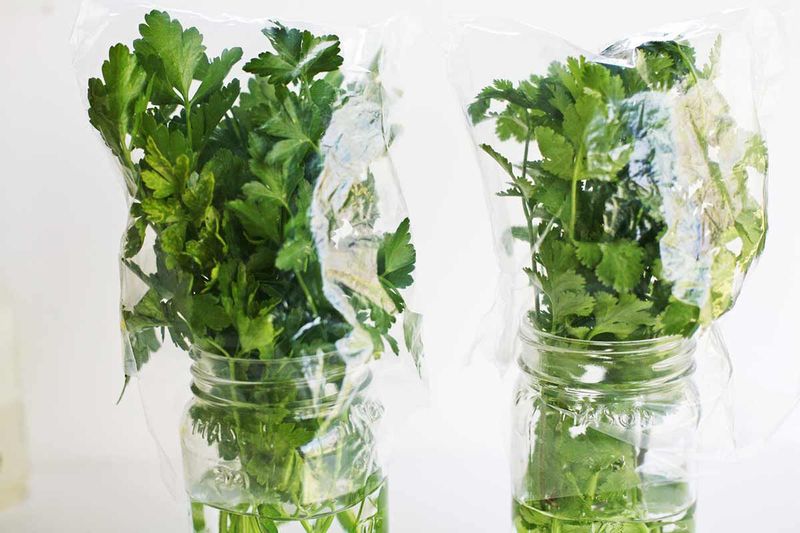
Fresh herbs can transform ordinary cooking, but they're notoriously short-lived. Treat soft herbs like basil and coriander as flowers – trim stems and place in water at room temperature.
For woody herbs like rosemary and thyme, wrap in damp kitchen paper and refrigerate in a container. Alternatively, chop and freeze herbs in ice cube trays with olive oil or butter for instant flavour bombs. Proper storage extends their life from days to weeks.
10. Toast Spices Before Using
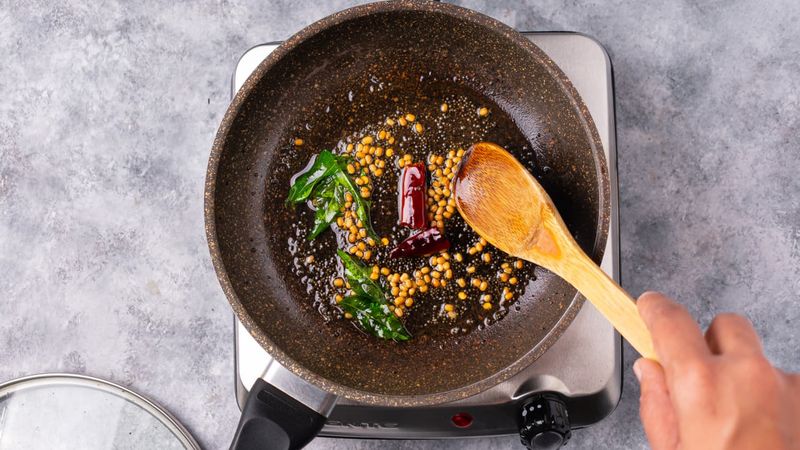
Raw spices only reveal a fraction of their potential. Toasting them in a dry pan until fragrant unlocks volatile oils and complex flavours that transform dishes.
This simple step takes just 1-2 minutes but elevates curries, spice rubs, and marinades dramatically. For whole spices, toast before grinding for maximum impact. The aroma that fills your kitchen during toasting is your guide – when it's intense and nutty, they're ready.
11. Freeze Leftover Stock
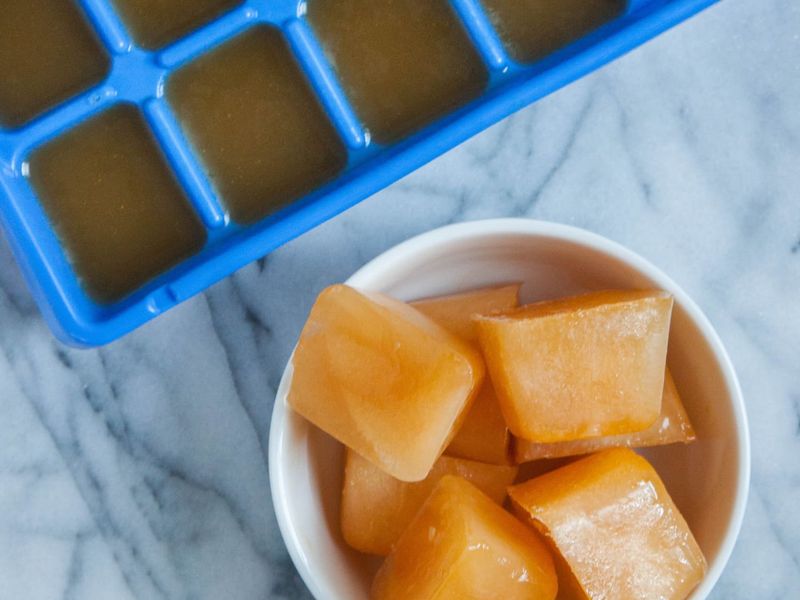
Homemade stock elevates cooking, but using an entire batch at once is rare. Enter ice cube trays – perfect portioning tools for future meals.
Freeze reduced stock in standard ice cube trays (each cube equals about 2 tablespoons) or silicone muffin tins for larger portions. Transfer frozen cubes to labelled freezer bags. Now you have instant flavour bombs for sauces, rice dishes, and soups without opening an entire container.
12. Don't Overcrowd The Pan
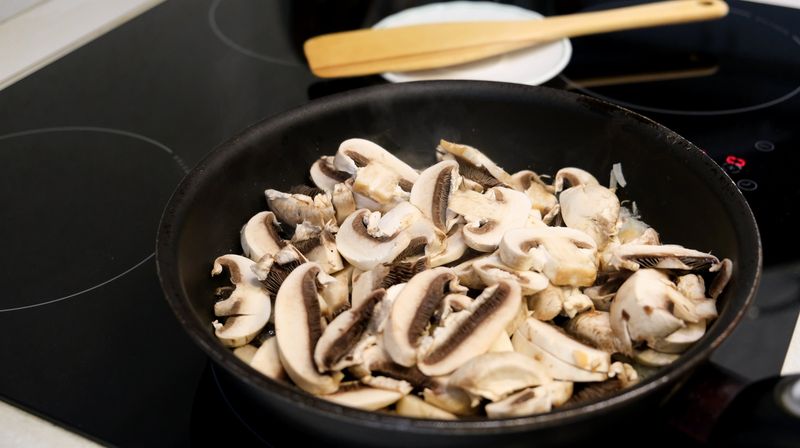
Patience yields perfect browning. When too many ingredients crowd a pan, they release moisture faster than it can evaporate, causing steaming instead of caramelisation.
The result? Pale, soggy food instead of crisp, golden surfaces with concentrated flavour. Cook in batches if needed, keeping earlier batches warm in a low oven. This applies to everything from mushrooms to meat. The extra minutes spent are worth the flavour gained.
13. Learn To Make A Basic Vinaigrette
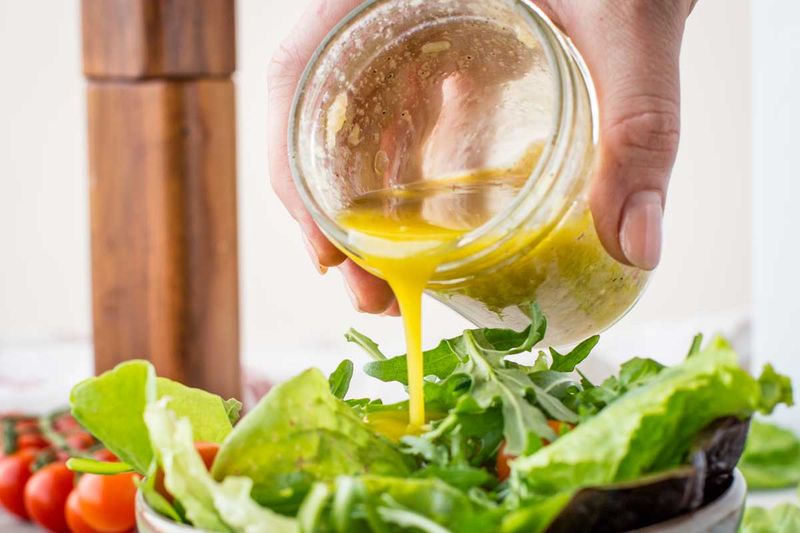
Master this simple formula and never buy bottled dressing again: 3 parts oil to 1 part acid, plus seasonings. The possibilities are endless.
Extra virgin olive oil with balsamic vinegar and honey. Walnut oil with apple cider vinegar and Dijon mustard. The mustard isn't just for flavour – it helps emulsify the mixture for a smooth, unified dressing. Shake ingredients in a jar and store leftovers in the refrigerator.
14. Cook Onions Slowly For Sweetness
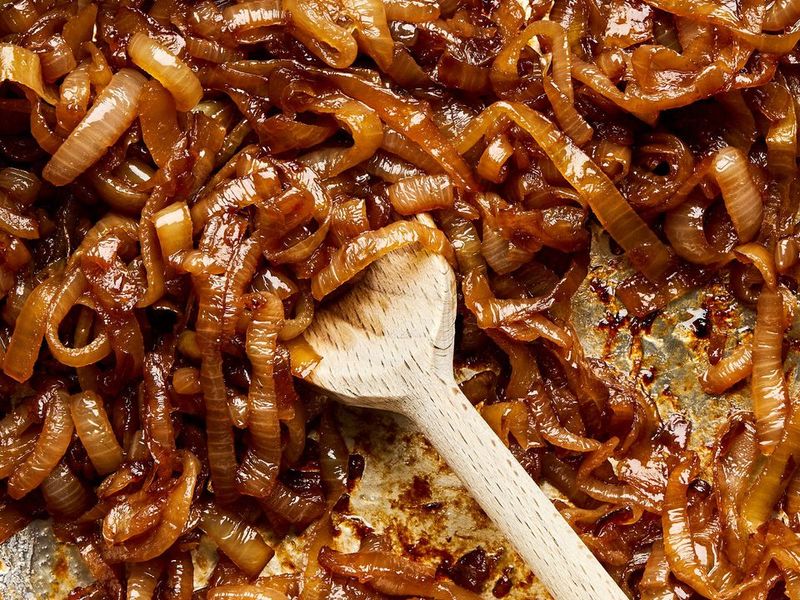
Rushing onions is a missed opportunity for flavour magic. Patient, slow cooking transforms their sharp bite into caramelised sweetness through chemical changes.
Start with medium-low heat and a pinch of salt to draw out moisture. Stir occasionally as they gradually shift from white to translucent to golden. For truly caramelised onions, allow 30-45 minutes. The resulting depth and complexity form the foundation of countless exceptional dishes.
15. Use Room-Temperature Ingredients For Baking
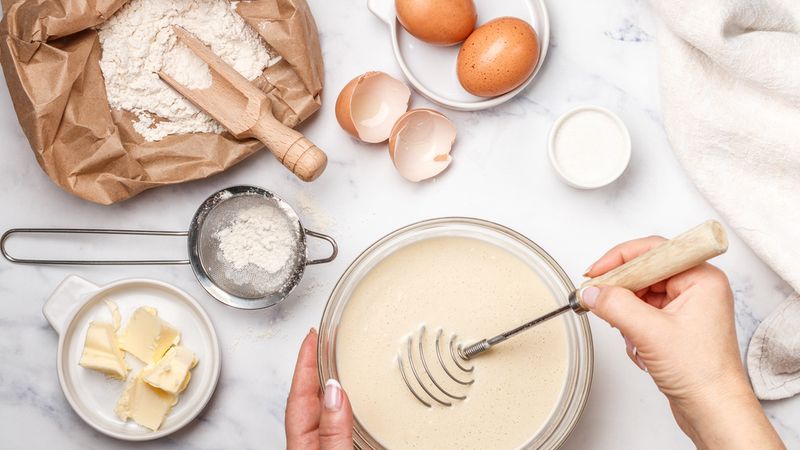
Cold ingredients resist proper incorporation. Butter won't cream effectively, eggs can curdle batters, and cold milk creates lumps in dough.
Set ingredients out 30-60 minutes before baking. For urgent needs, place eggs in warm water for 5 minutes and cut butter into small pieces. Room temperature ingredients create smoother batters that trap air properly during mixing, yielding tender cakes with even crumb structure.



