













Almost everyone has go-to meals they think they've mastered, but even the most common ingredients can go wrong if one is not paying attention. From rubbery eggs to clumpy pasta, these are the everyday foods many of us are cooking incorrectly without even realising.
The descriptions in this list are based on commonly shared cooking advice. Techniques and results may vary depending on personal style, ingredients, and equipment.
1. Scrambled Eggs
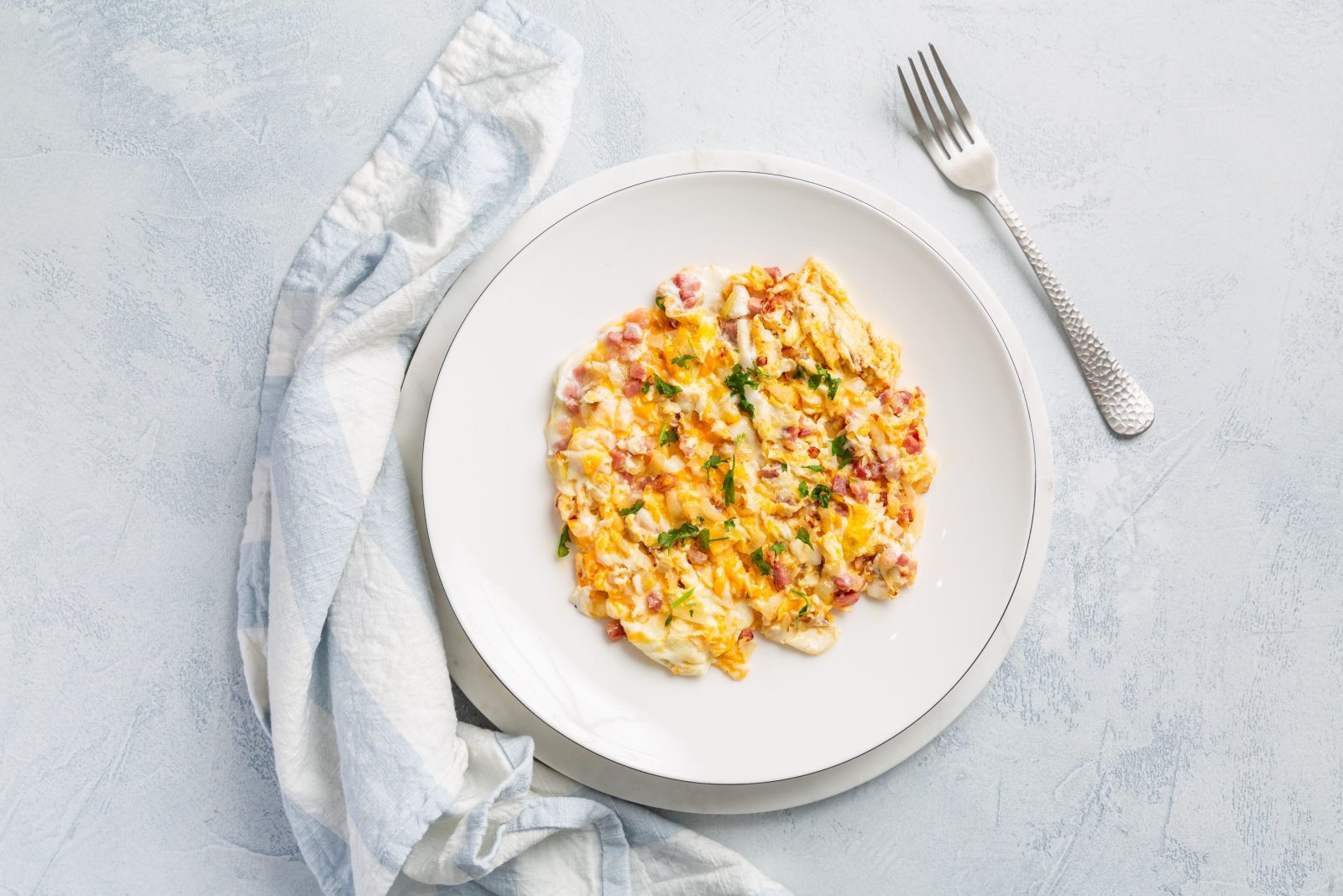
Low heat is your secret weapon for amazing scrambled eggs. Many cooks rush this breakfast staple, cranking the heat too high and stirring too little.
The process happens when you cook them slowly, folding gently with a silicone spatula.
Add a splash of milk or cream at the end rather than the beginning for extra creaminess. Remove from heat while still slightly wet, they'll continue cooking on the plate.
2. Pasta
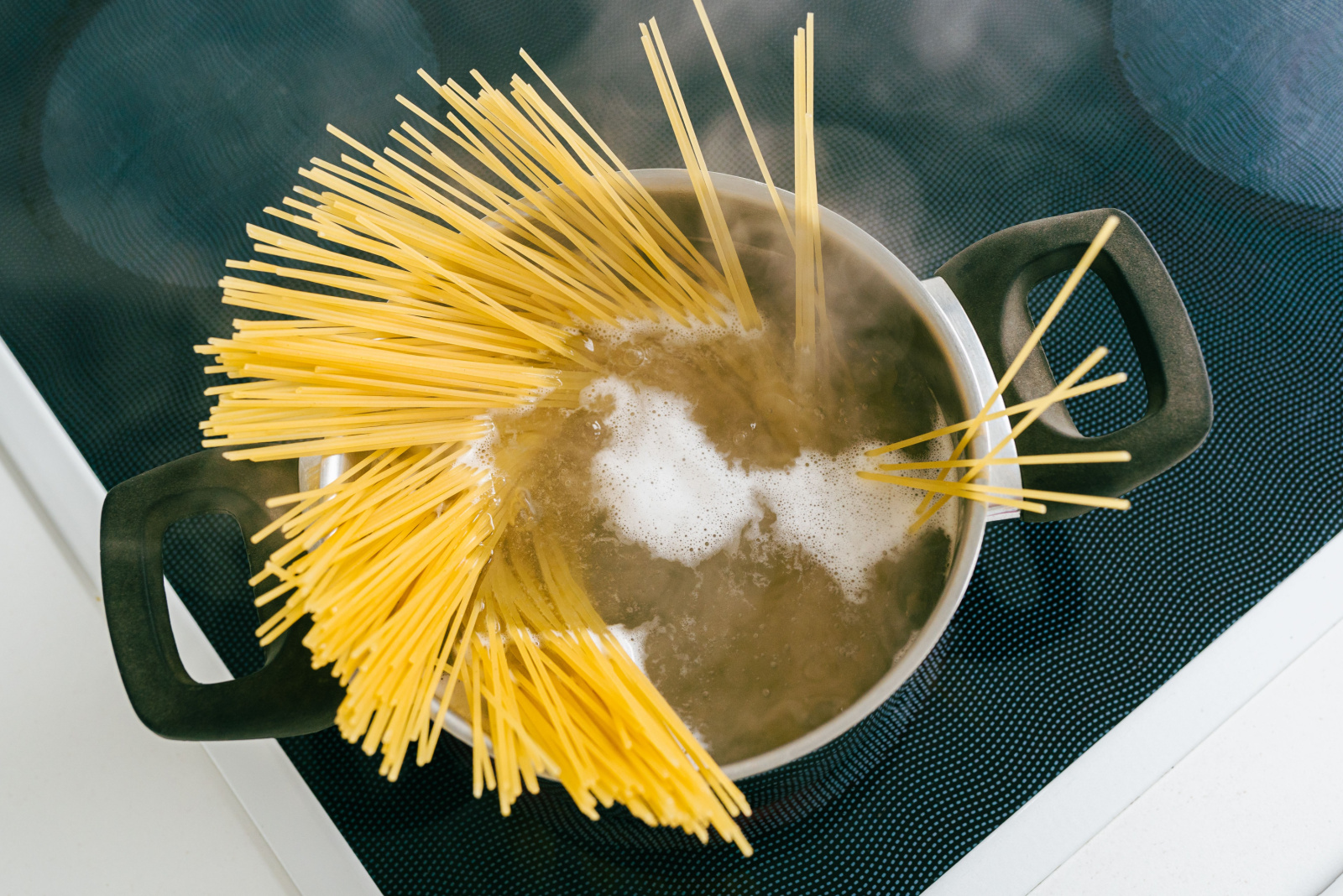
Forget what you were taught about adding oil to pasta water, because it prevents sauce from sticking later. Use a large pot with plenty of water instead.
Salt the water to taste, and stir within the first minute of cooking. This prevents the starches from binding together. Never rinse pasta after cooking unless making a cold salad. That starchy coating helps sauce cling beautifully.
3. Chicken Breast
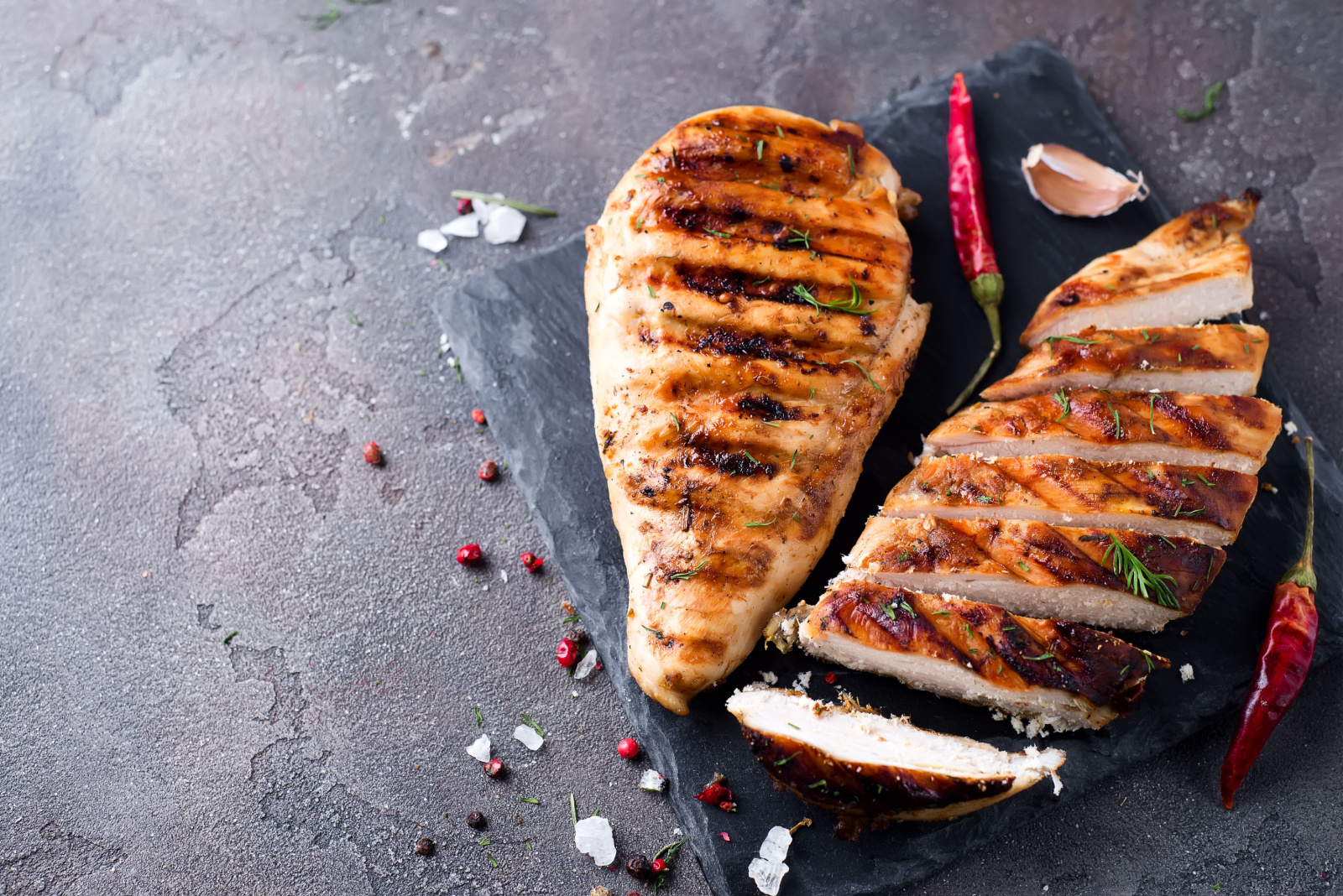
Chicken breast has fallen victim to overcooking fears. The solution isn't cranking up the heat; it's using a meat thermometer.
Cook to exactly 73°C internal temperature, then let it rest under foil. For even cooking, consider butterflying thicker pieces or using a gentle poaching method. Brining for just 30 minutes beforehand (even a simple salt water solution) helps with juiciness.
4. Rice
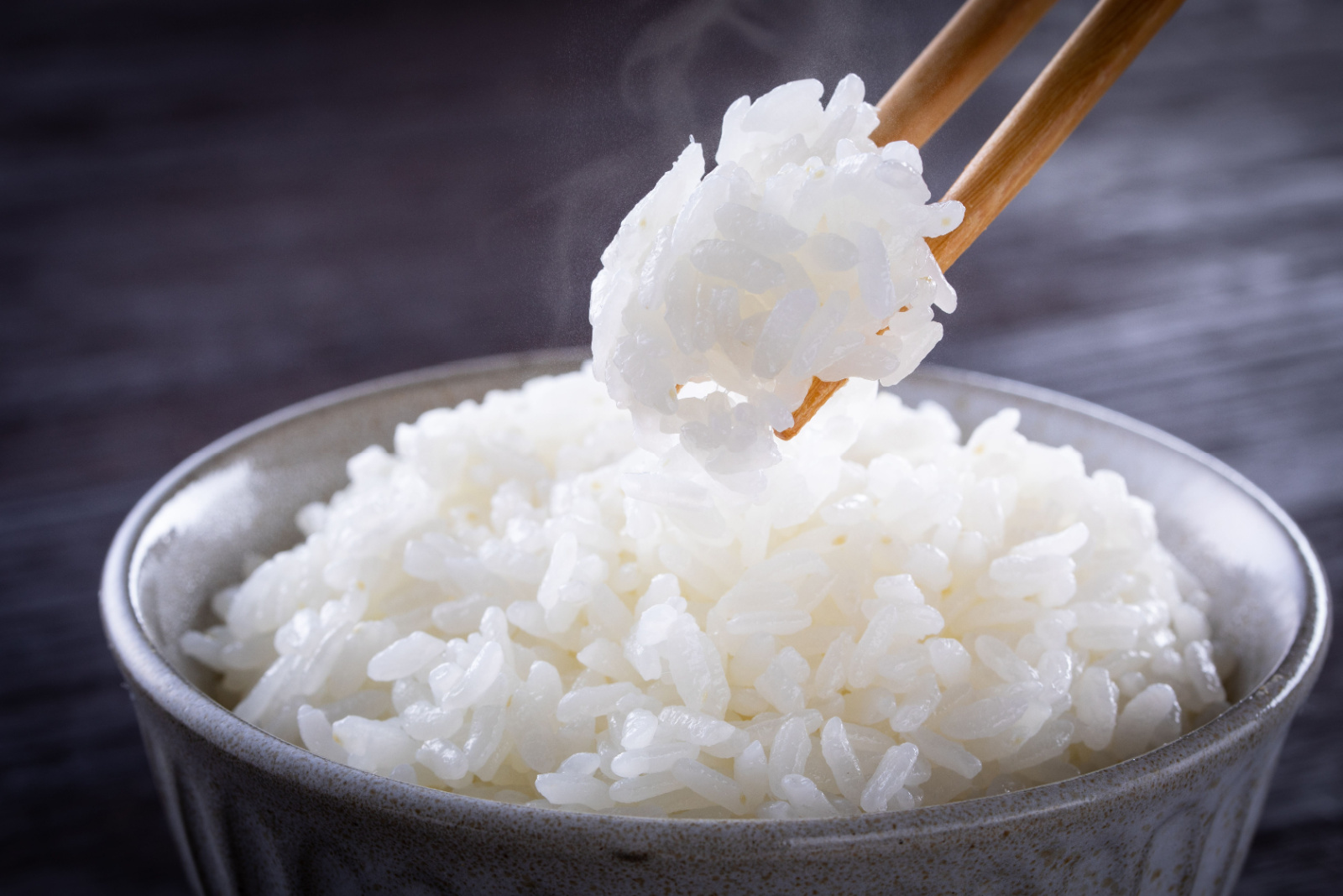
Great rice begins with proper preparation. Rinse until the water runs clear to remove excess starch that causes stickiness.
Use the right water ratio, generally 1:1.5 for white rice, 1:2 for brown. Once boiling, reduce to lowest heat, cover tightly, and resist the urge to peek. After cooking, let it rest covered for 10 minutes. This steaming period finishes the cooking process.
5. Bitter Burnt Garlic
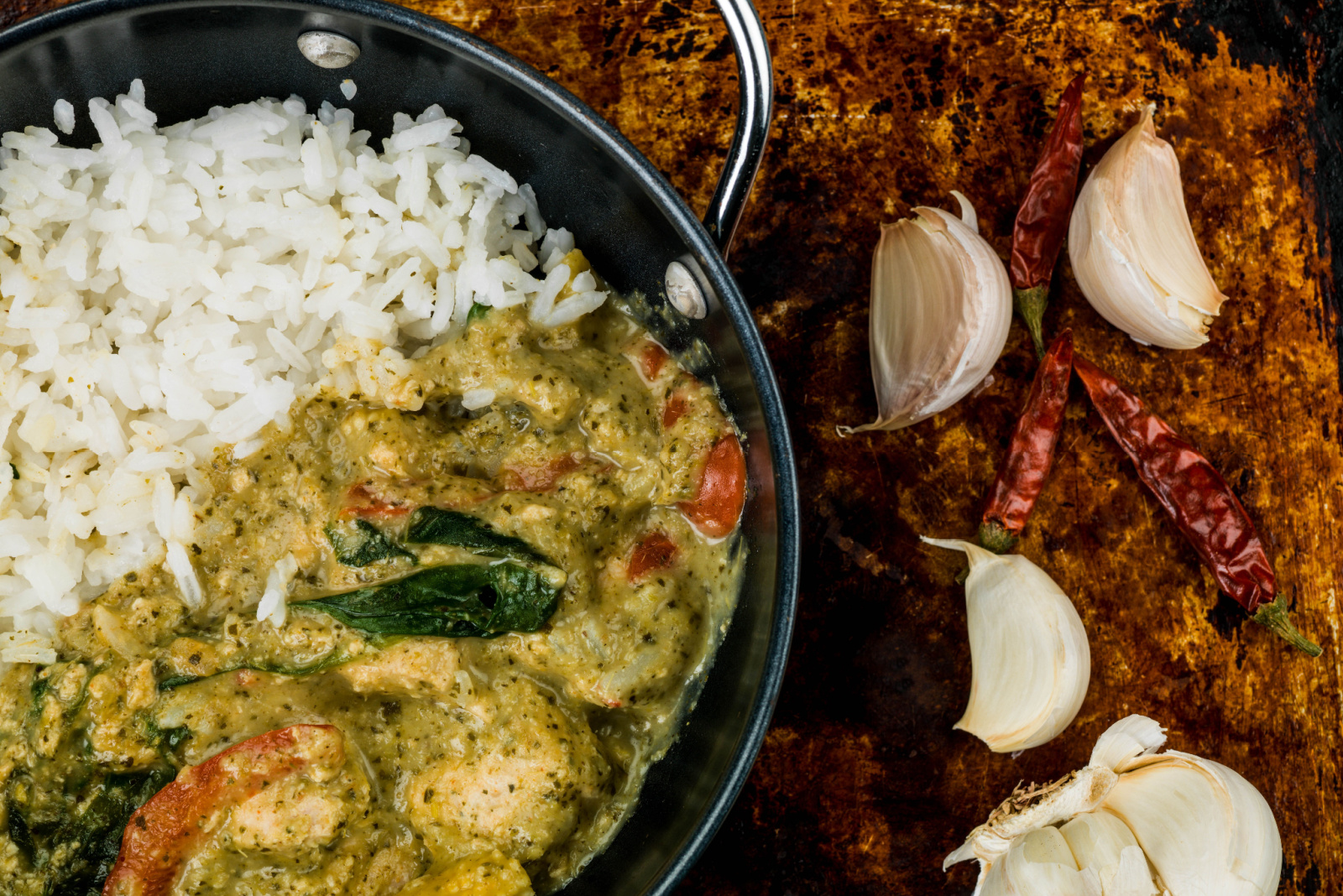
Garlic goes from flavour hero to villain in seconds when burnt. The culprit? Adding it too early in your cooking process.
When sautéing, add garlic after onions have softened, not before. For stir-fries, introduce it midway through cooking. If a recipe calls for high heat, consider crushing rather than mincing, larger pieces burn less quickly. To avoid burning, always keep an eye on garlic in hot oil.
6. Mushrooms
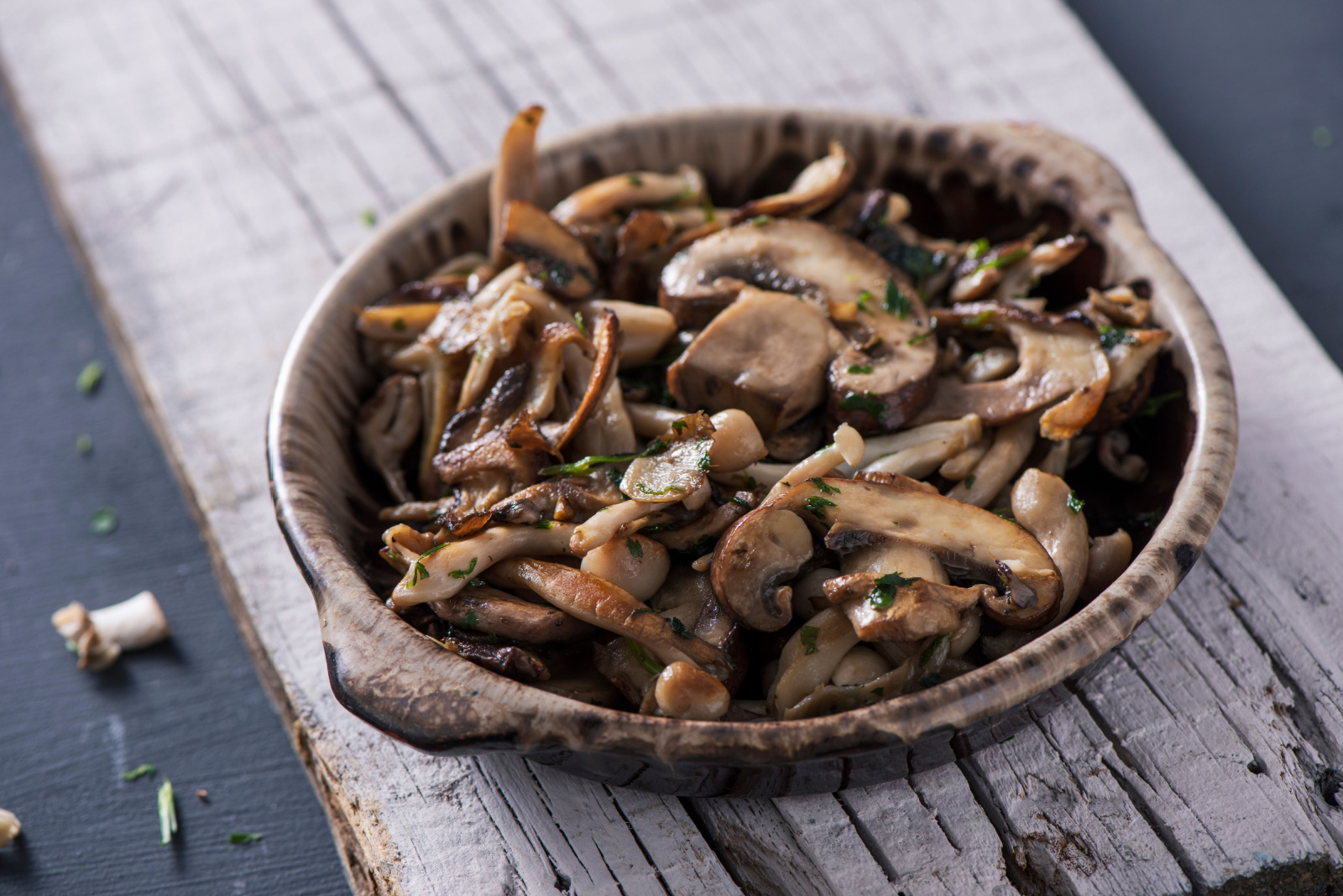
Mushrooms release water when cooked. If they are crowded in a pan, you'll be steaming, not sautéing. The result? Soft and pale rather than browned and flavourful.
Use your largest pan and cook in batches if needed. Don't wash mushrooms. Wipe with a damp cloth instead. Salt them only after browning, as salt draws out moisture. Patient cooking is key.
7. Steak
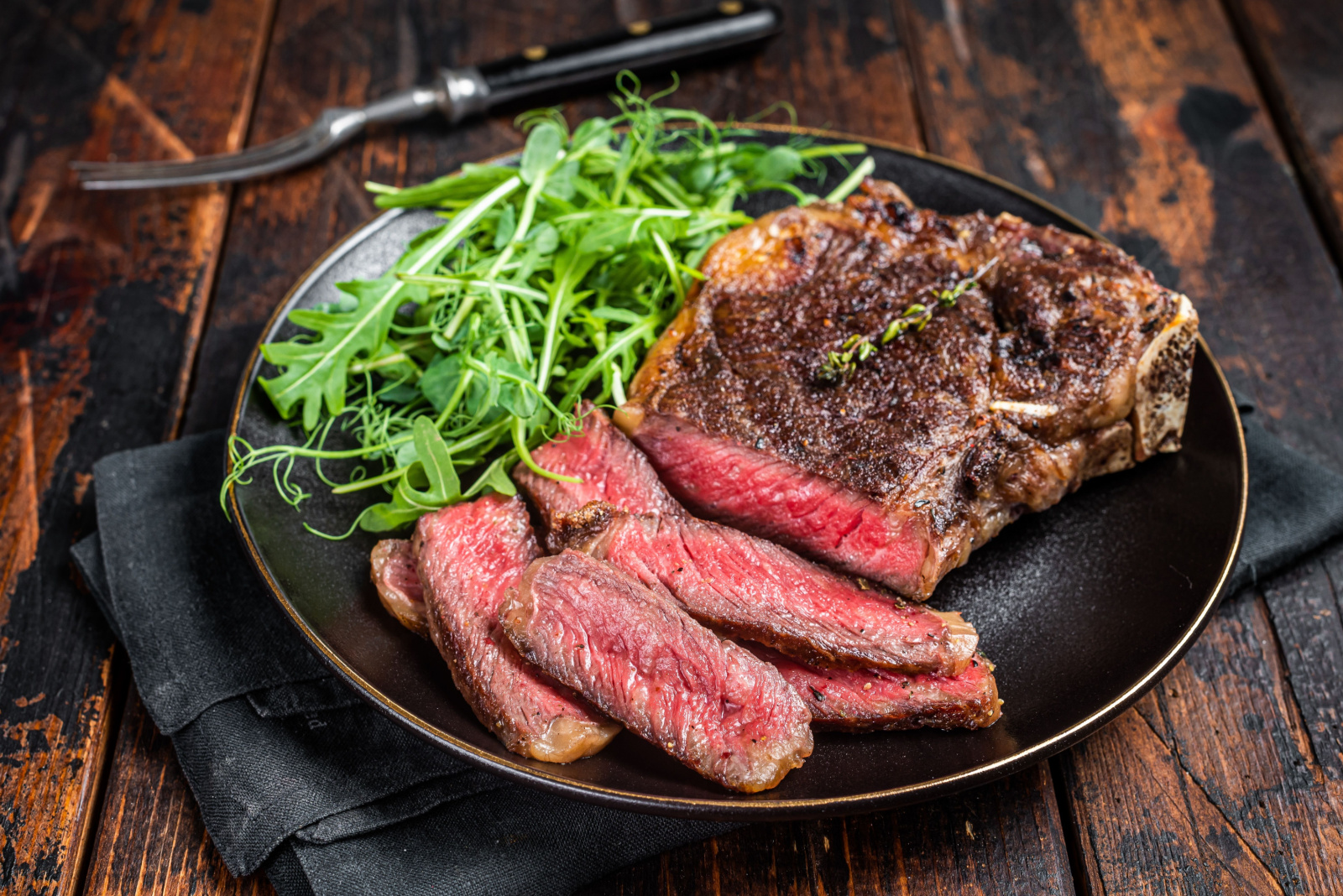
Cold meat hitting a hot pan causes uneven cooking as the outside scorches while the inside remains raw. Temperature equilibrium is crucial.
Rest your steak at room temperature for 30 minutes before cooking. Pat it dry thoroughly (moisture prevents browning), then season generously.
After cooking, rest again for half the cooking time. This allows juices to redistribute. Skip this step and you'll lose all those precious flavours to your cutting board.
8. Potato
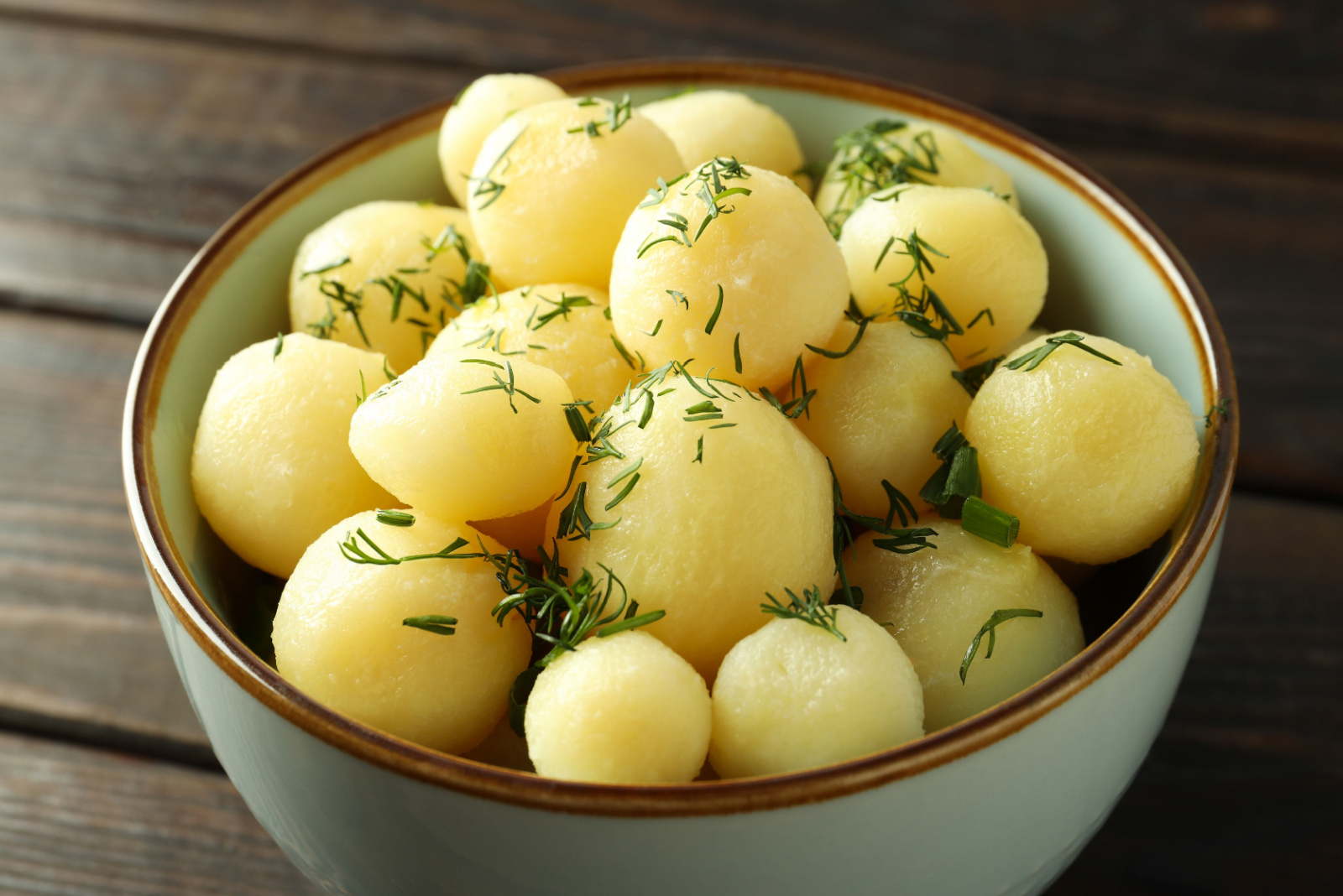
Starting potatoes in boiling water is a common mistake that leads to uneven cooking. Outsides turn mushy while centres remain firm.
Always begin with cold water, bringing potatoes up to temperature gradually. This ensures even heat penetration.
For roasties, parboil first, then rough up the edges before roasting in preheated oil. Gelatinised starch on the surface creates a satisfying crunch while maintaining fluffy interiors.
9. Toast
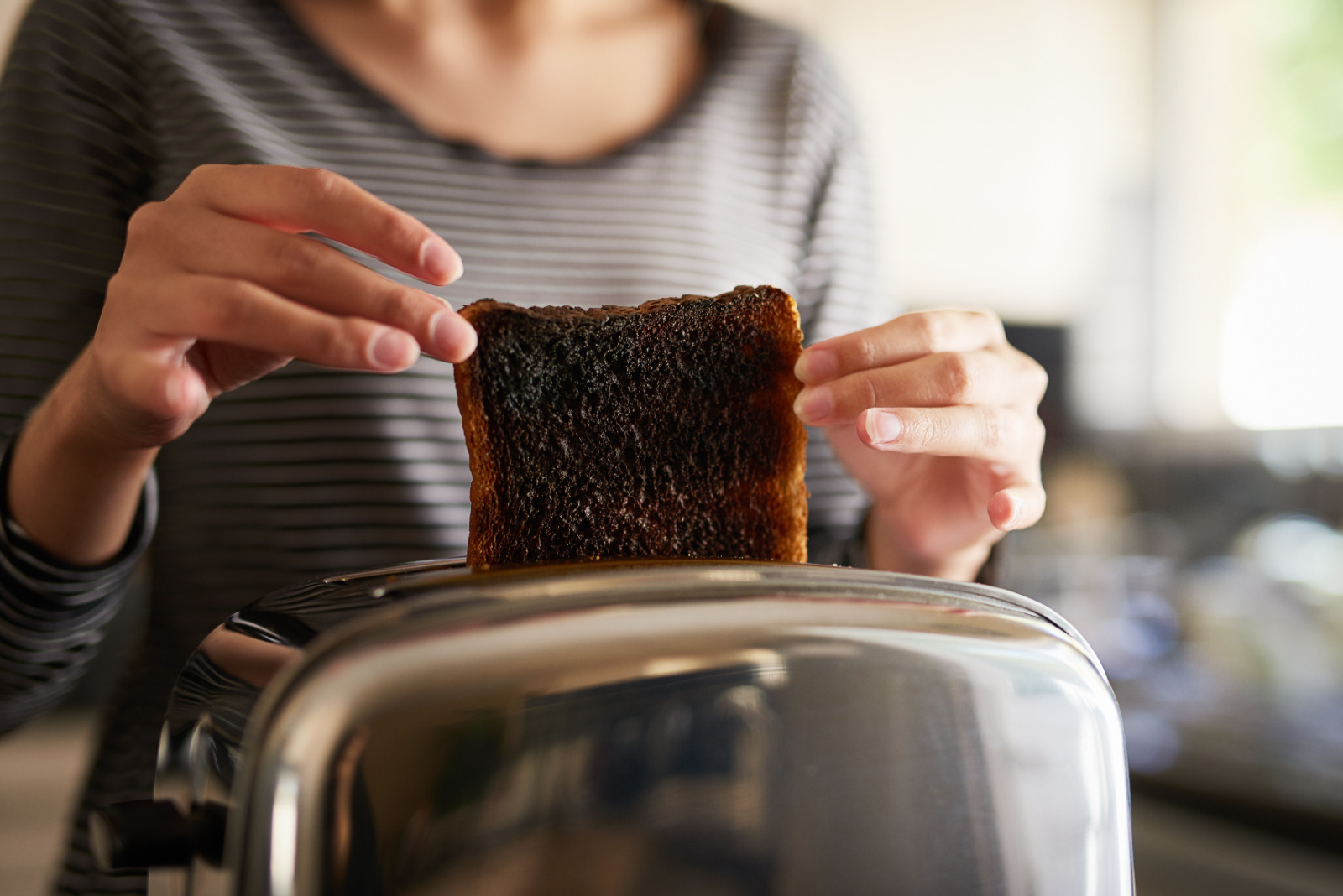
Toast seems simple, yet timing is arguably the most important step. Butter applied too soon creates steam that softens your crisp slice.
Let toast cool for 15-20 seconds before buttering for crunch. Conversely, if you prefer butter-soaked toast, apply it immediately while scorching hot.
For sandwiches, consider toasting only the inner sides, which prevents scratchy palates while maintaining structural integrity.
10. Bacon
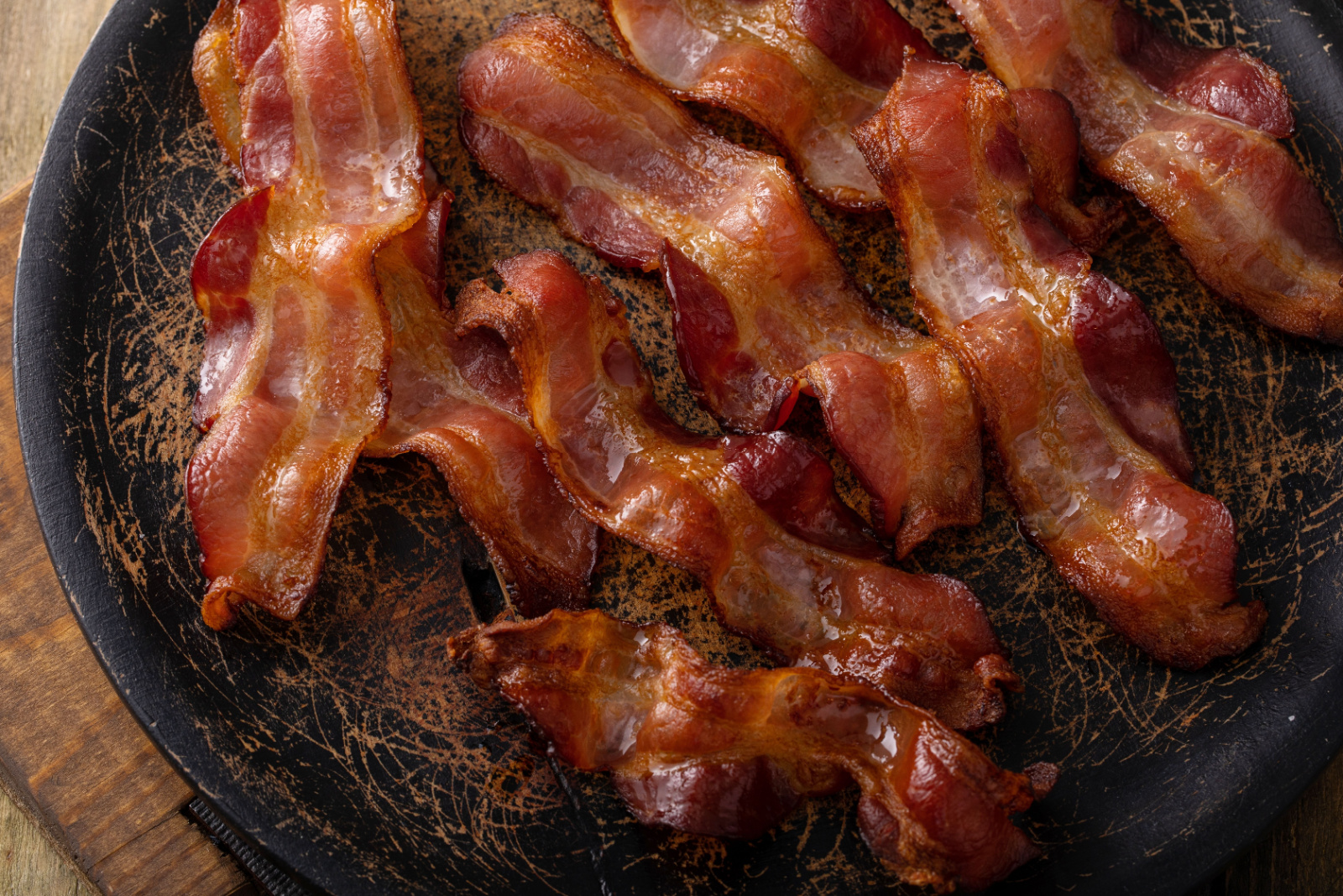
Bacon cooked in a pre-heated pan often curls, shrinks dramatically, and cooks unevenly. The fat needs time to render slowly.
Start with bacon in a cold pan on medium-low heat. A slower method helps the fat render before crisping the meat evenly.
For perfectly flat bacon, try oven baking on a rack at 180°C. The even heat circulation produces consistently crisp results without constant attention.
11. Sausages
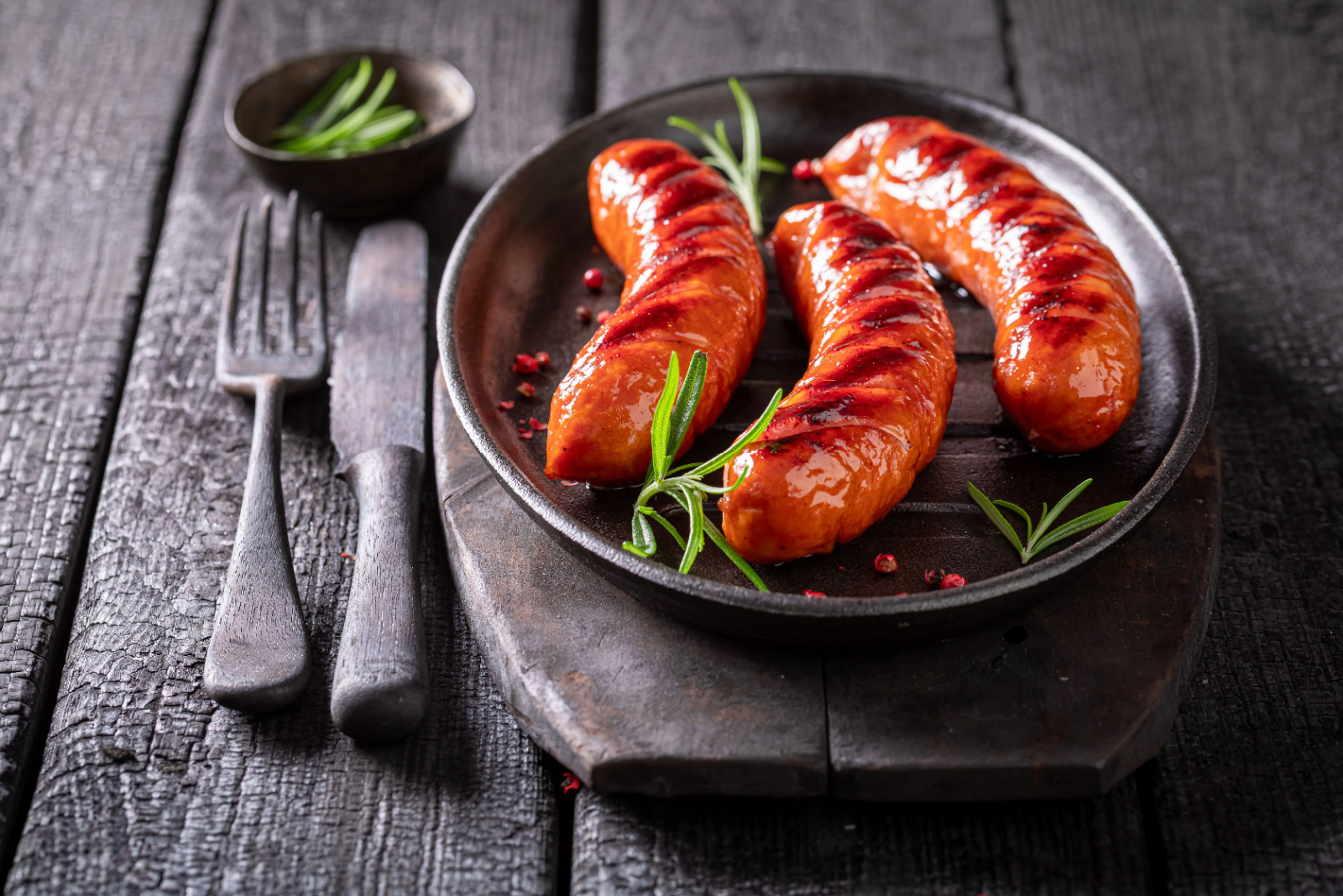
Pricking sausages before cooking seems logical. It prevents bursting, right? This is actually wrong. Those holes create escape routes for precious juices and fat that carry flavour.
Cook sausages whole over medium heat, turning occasionally for even browning. If you're worried about splitting, try poaching them gently first before finishing in a hot pan or grill. This two-stage method ensures juicy interiors with caremlised exteriors.
12. Broccoli
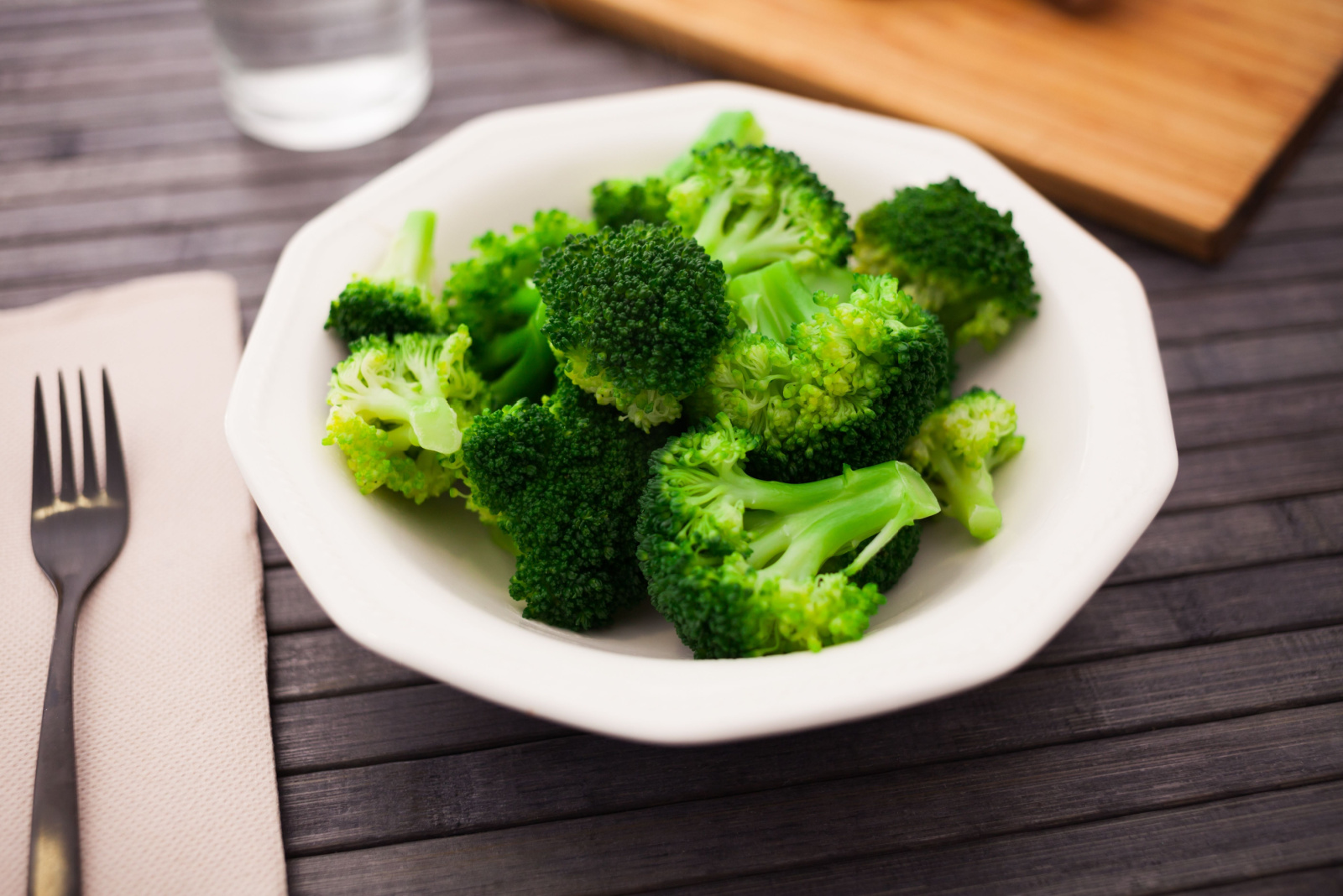
Boiling broccoli until it's army-green doesn't just look unappetising, it's also washing away nutrients and flavour.
Steam broccoli instead, just until bright green and tender-crisp. For a flavour revolution, try roasting: toss florets with olive oil, salt and pepper, then roast at 200°C until the edges crisp.
This high-heat method caramelises natural sugars, creating nutty, complex flavours that boiling simply can't achieve.
13. Porridge
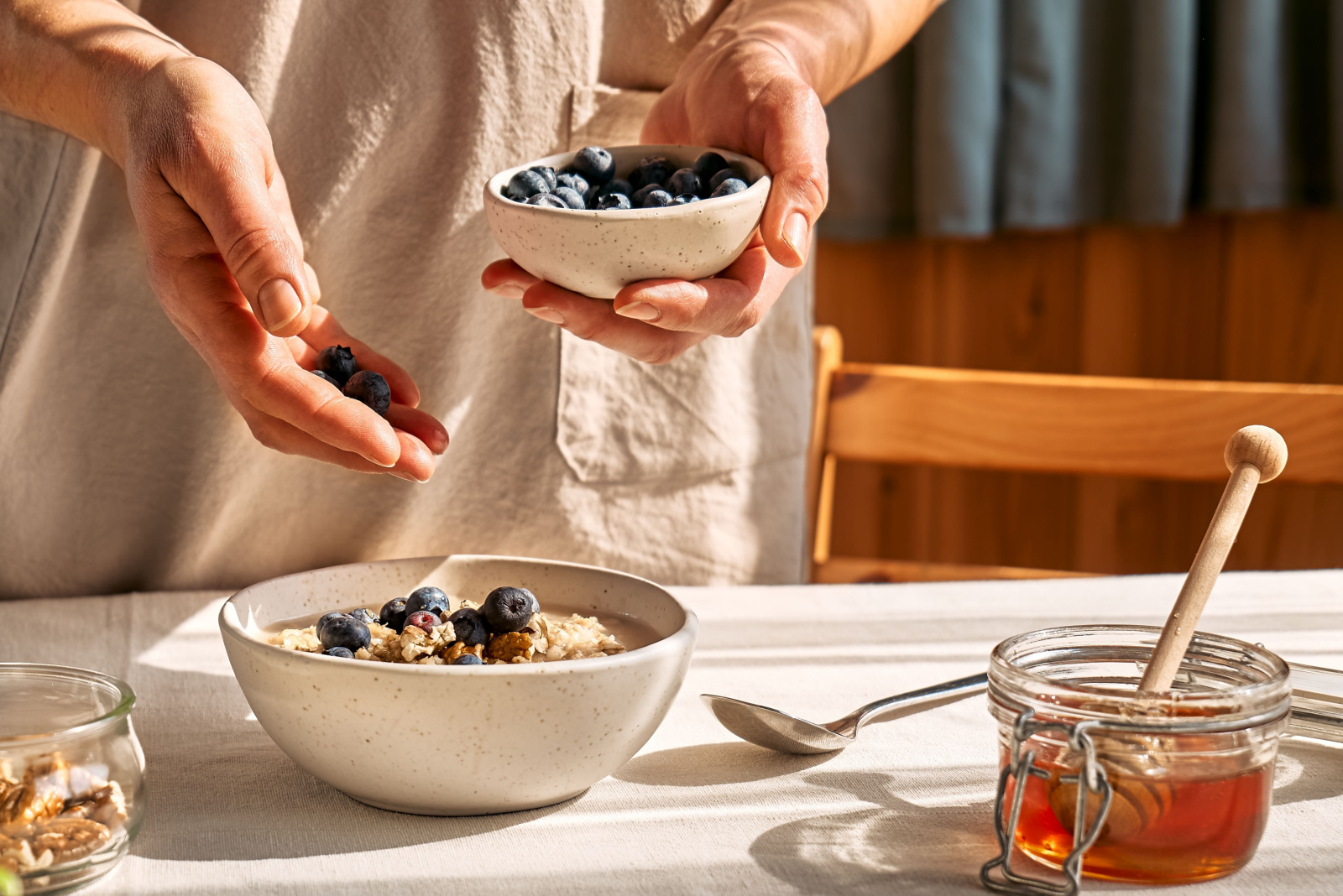
Morning porridge shouldn't be thick and tasteless. The problem often lies in hasty cooking and neglecting the crucial pinch of salt.
Toast oats briefly in a dry pan before adding liquid. This develops nutty flavours. Use a mixture of milk and water for creaminess without heaviness. Cook slowly, stirring frequently, and finish with that essential pinch of salt to enhance sweetness, not make it savoury.
14. Fish Fillets
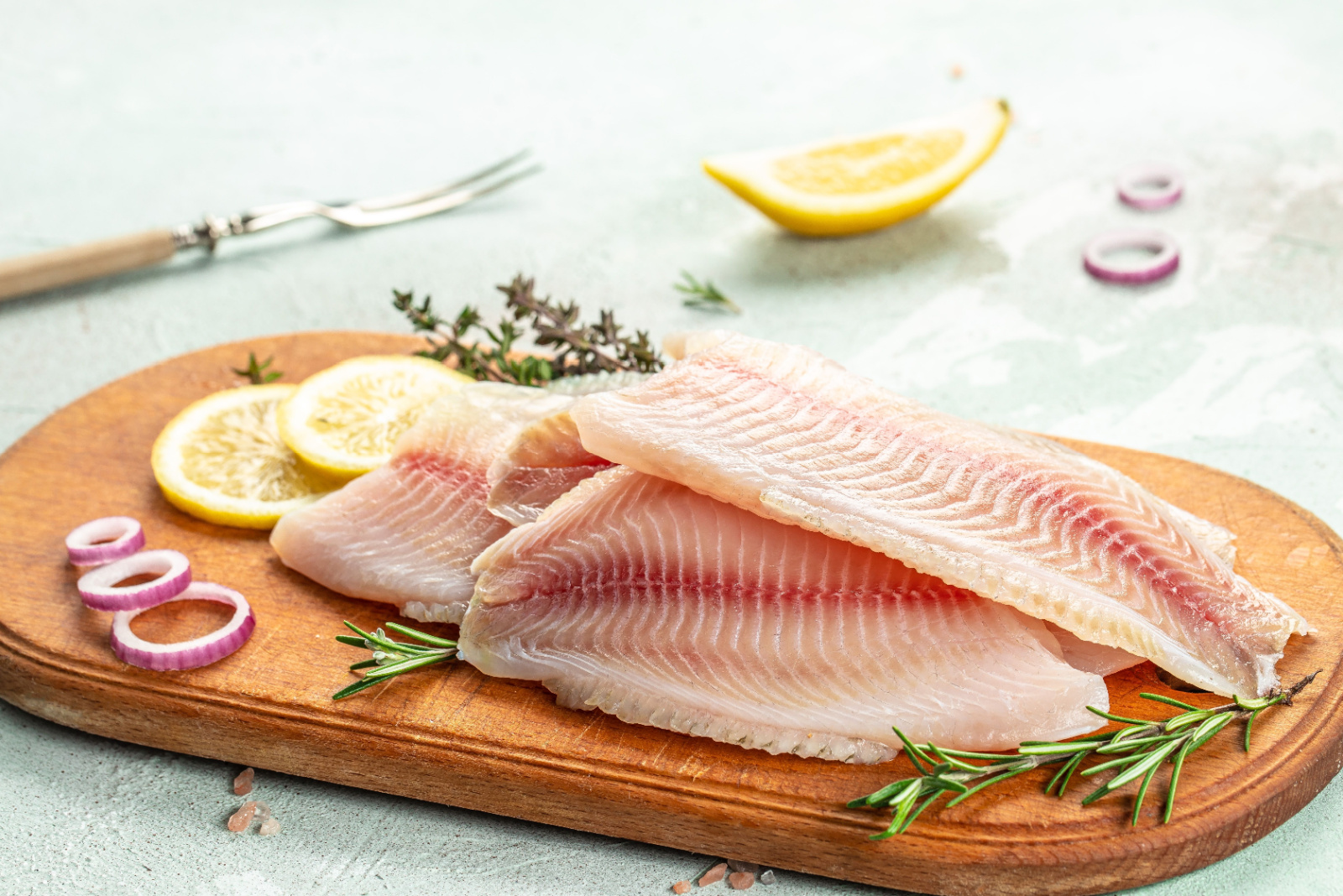
Fish fillets often tear apart because cooks try flipping them too early. The natural proteins need time to set and release from the pan surface.
Start with a properly heated pan and oil that shimmers slightly. Place the fillet skin-side down (if applicable) and resist touching it until you see the edges turning opaque.
When it's ready to flip, it will release easily. A fish spatula, which is wider and thinner than regular ones, makes turning delicate fillets much easier.
15. Onions
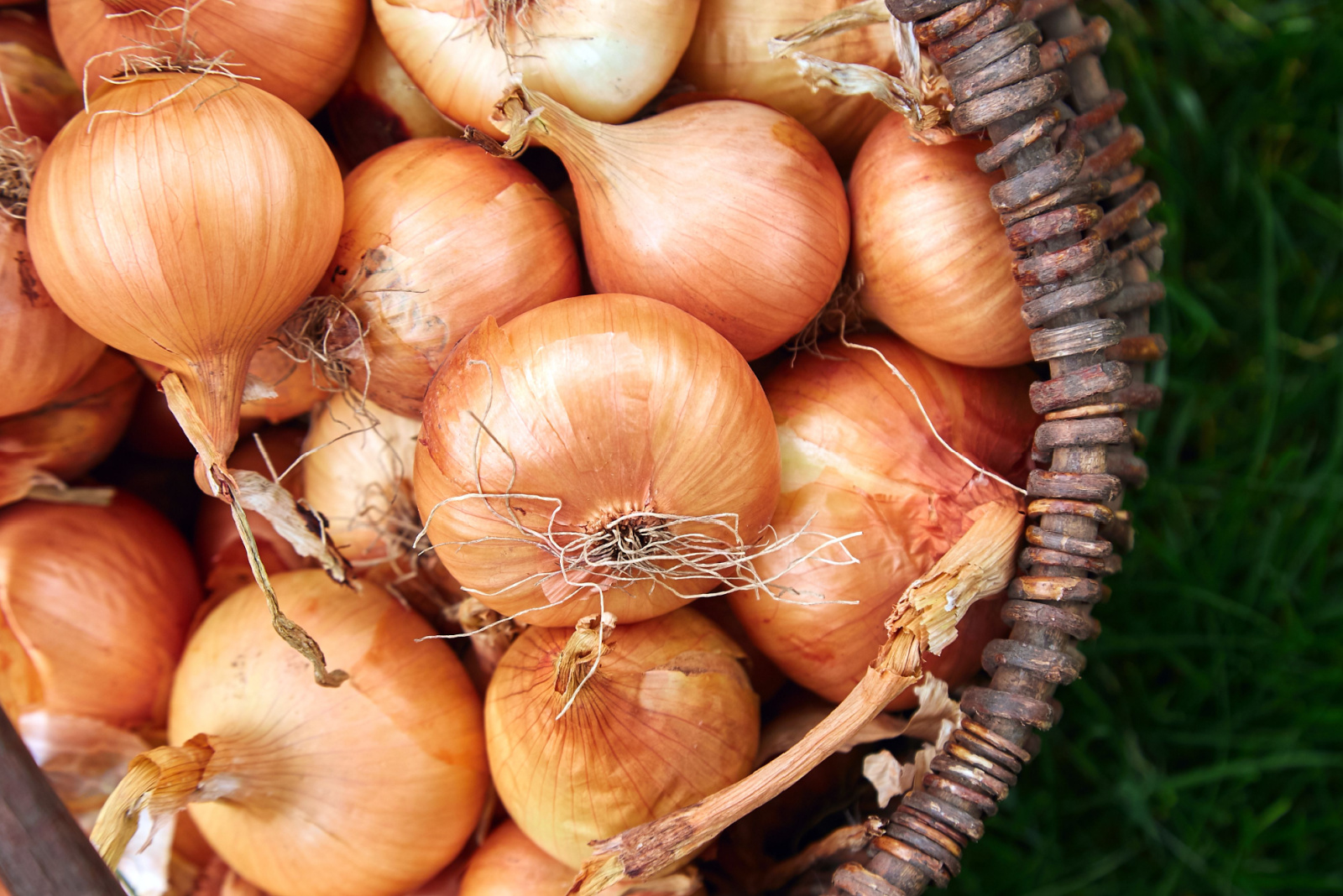
True caramelised onions aren't just softened, they're actually made through slow cooking, developing deep sweetness and golden colour over time.
Most recipes drastically underestimate the time needed for this process: proper caramelisation takes 30-45 minutes, not 5-10.
Use medium-low heat and stir occasionally, not constantly. A pinch of salt helps draw out moisture, while a splash of water deglazes the flavourful brown bits from the pan bottom.
16. Mince
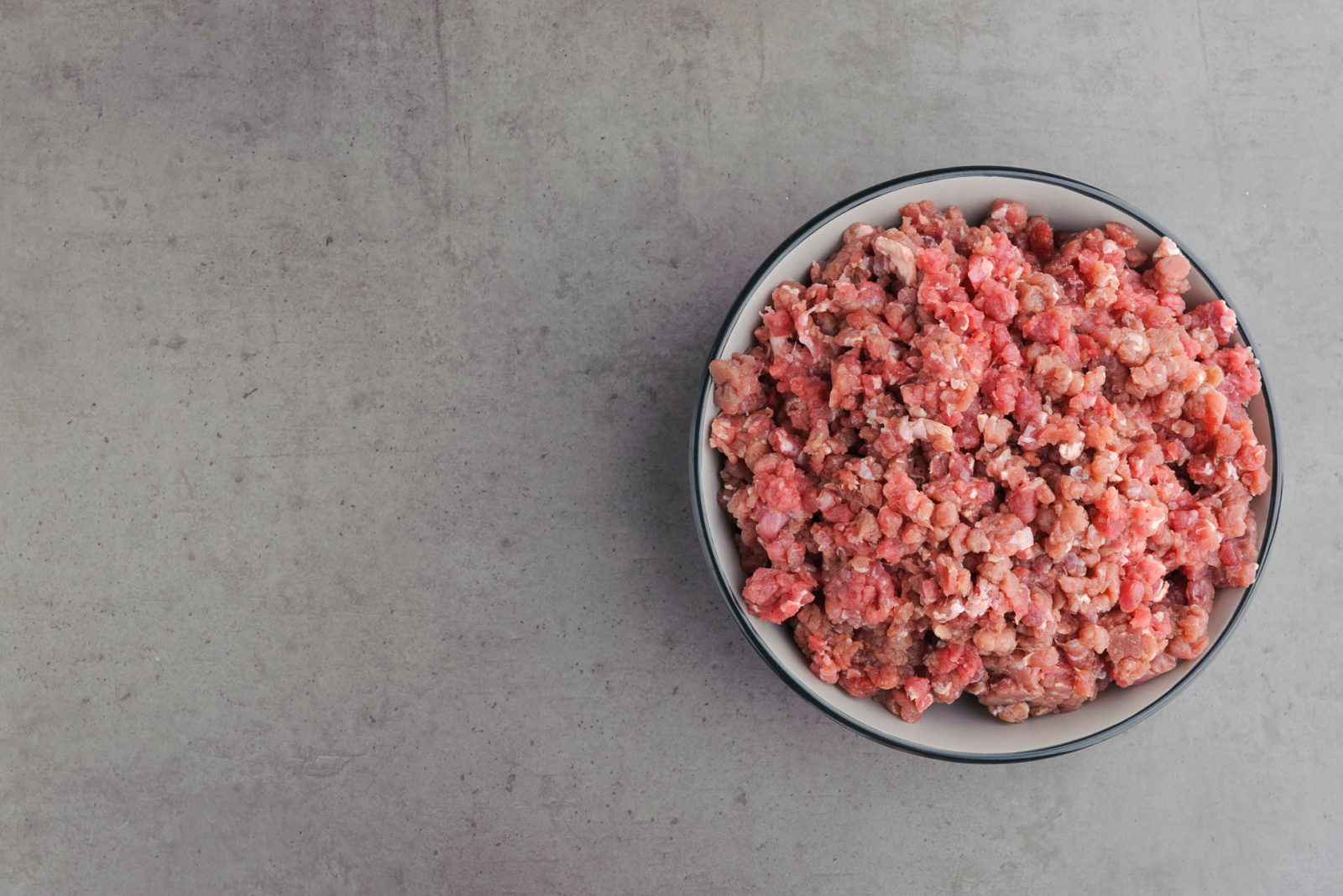
Constantly stirring mince (ground meat) prevents proper browning, so the key to developing rich flavour. Patience transforms this protein from bland to good.
Add mince to a hot pan and leave it untouched for several minutes. This allows a caramelised crust to form before breaking it apart.
Work in batches if necessary rather than overcrowding. The Maillard reaction that occurs during proper browning creates complex flavour compounds that simple steaming never achieves.
17. Frozen Chips
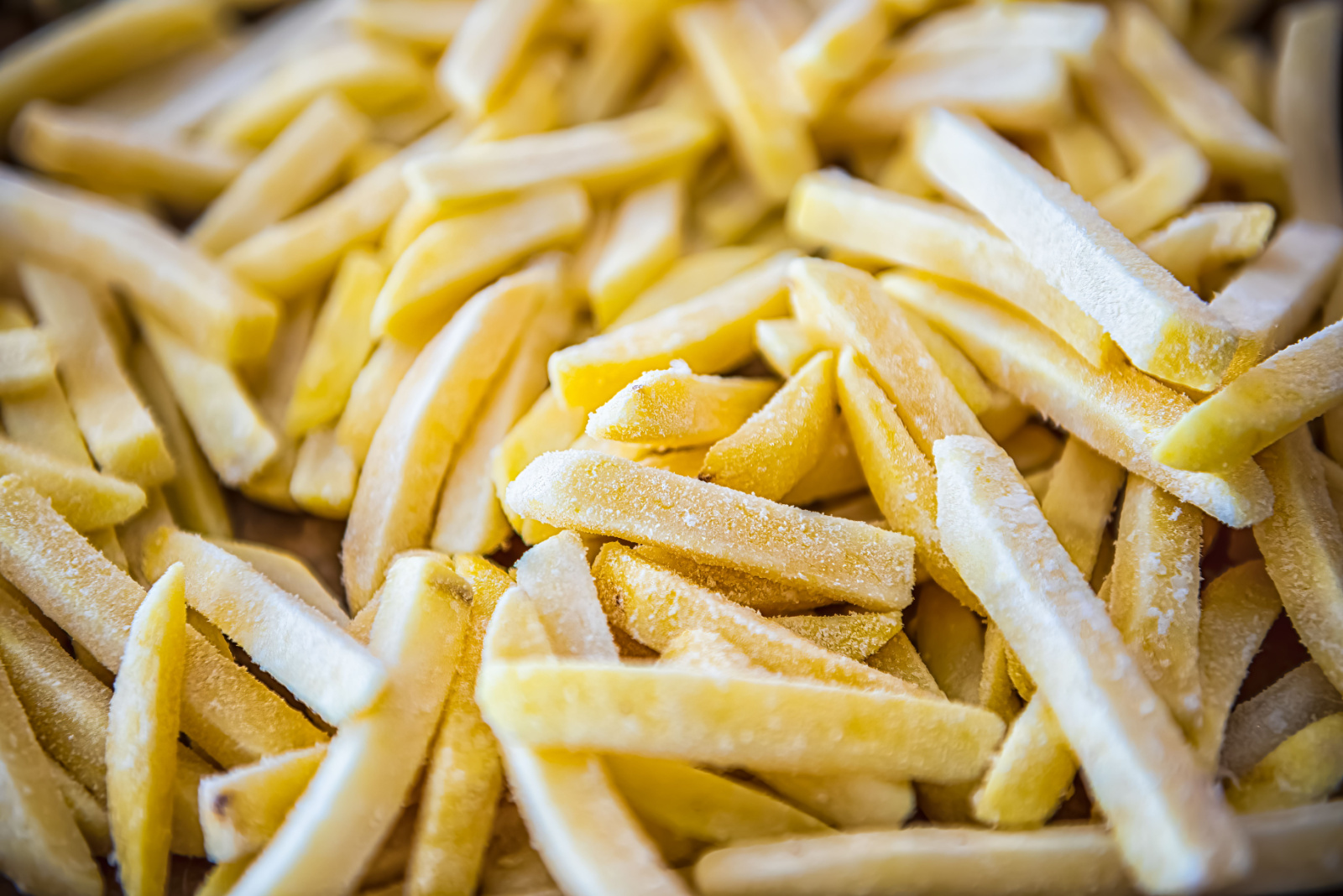
The path to crispy chips from frozen doesn't involve a lukewarm oven and a crowded tray. Air circulation is absolutely essential.
Preheat your oven thoroughly to at least 220°C. Arrange chips in a single layer with space between each one, use two trays if needed.
Halfway through cooking, give them a good shake or turn. The extra effort pays off with chips that are properly crisp outside and fluffy inside.
18. Cheese Toasties
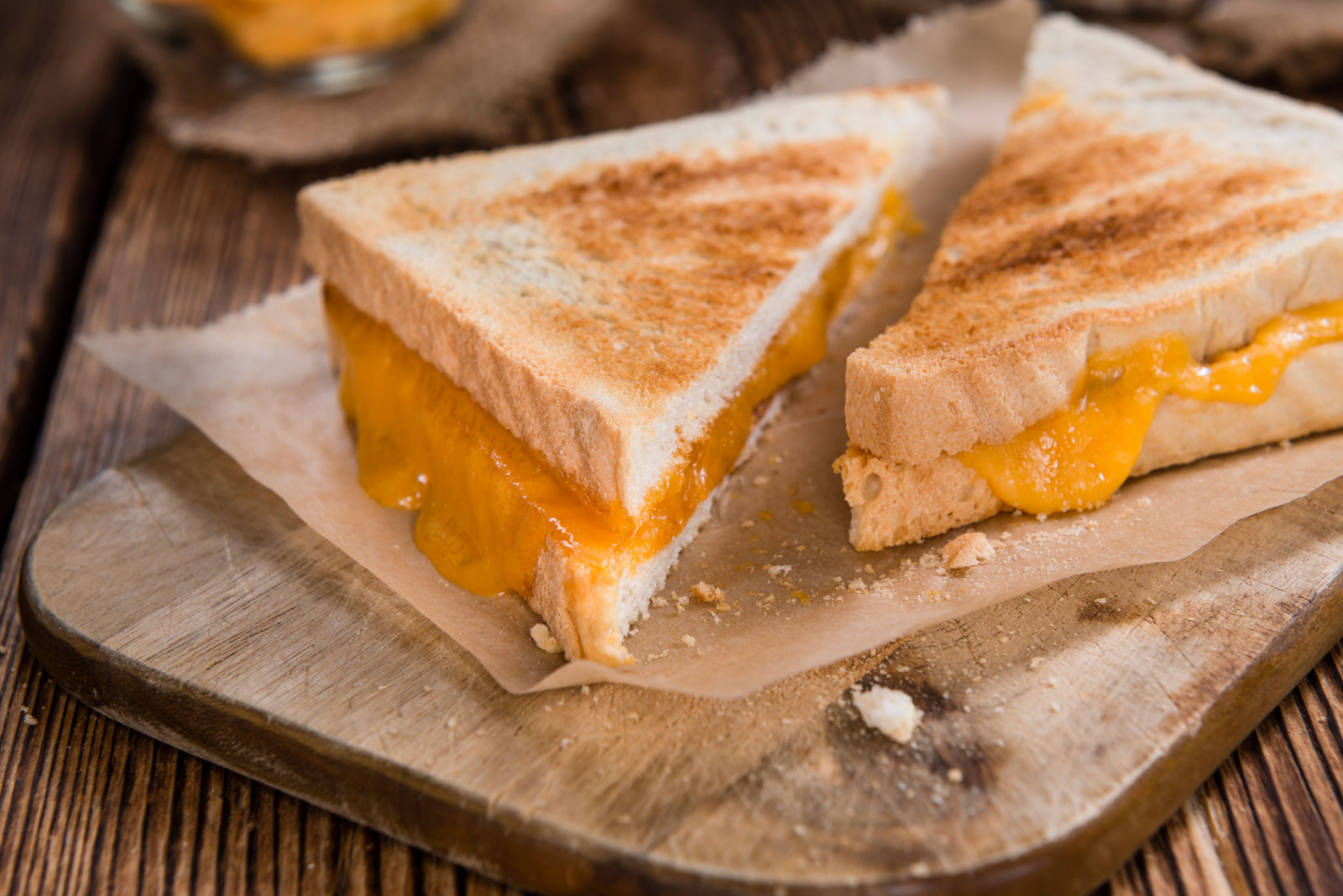
A good cheese toastie (grilled cheese) isn't made with blazing heat, that's how you get burnt bread and unmelted cheese.
Start with room temperature butter spread on the outside of the bread. Cook over medium-low heat, pressing occasionally with a spatula.
Gentle heat ensures the cheese melts fully before the bread browns. Covering the pan briefly creates steam that helps melt cheese while maintaining crisp exteriors.
19. Stir-Fry Vegetables
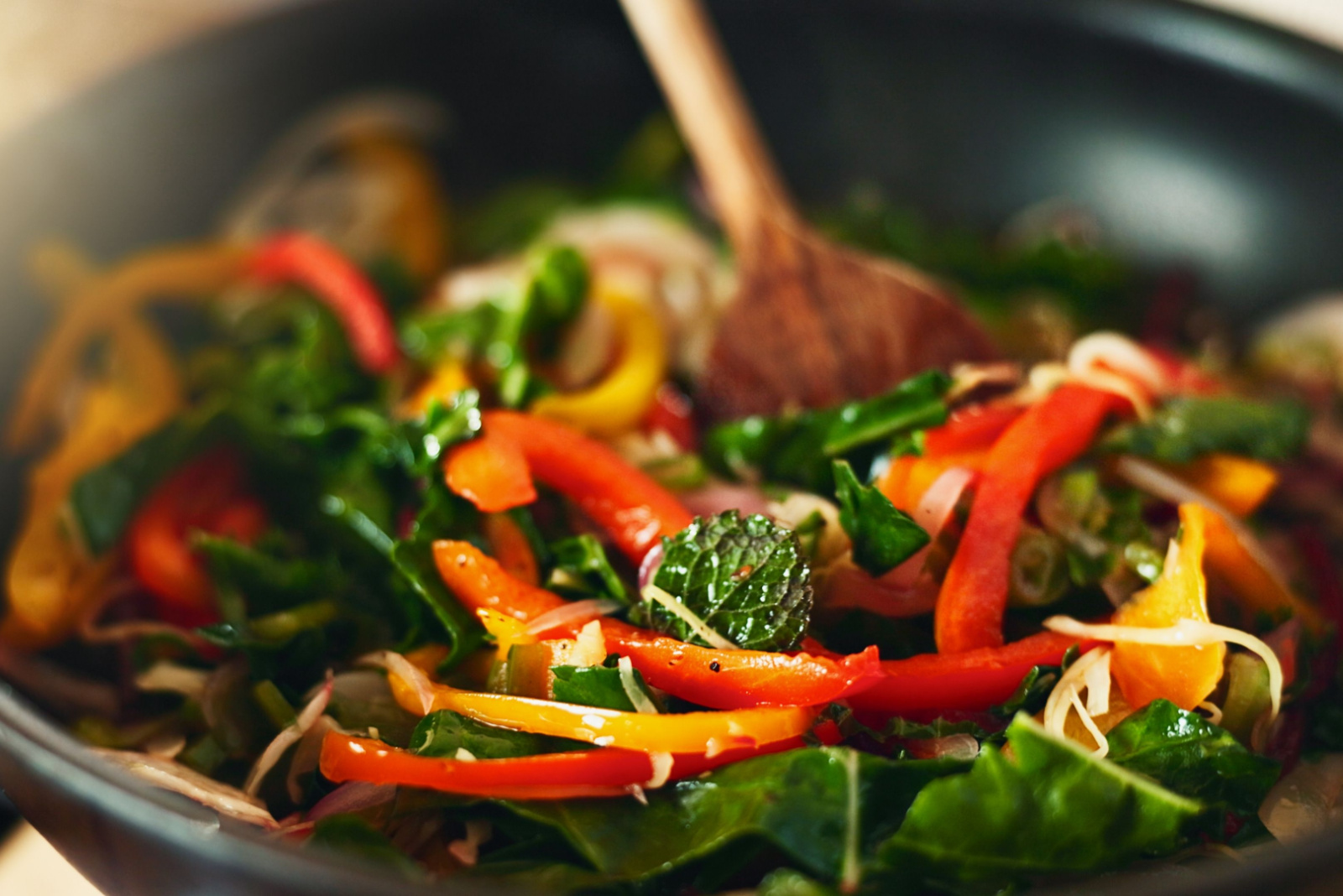
Dumping all vegetables into a wok simultaneously guarantees some will be overcooked while others remain raw. Timing is everything in the stir-fry world.
Arrange ingredients by cooking time: dense carrots and broccoli first, followed by peppers and onions, finishing with quick-cookers like bean sprouts or spinach.
Keep everything moving constantly. That's why it's called stir-fry to begin with. A properly heated wok (it should lightly smoke) ensures vegetables sear rather than steam.
20. Tomatoes
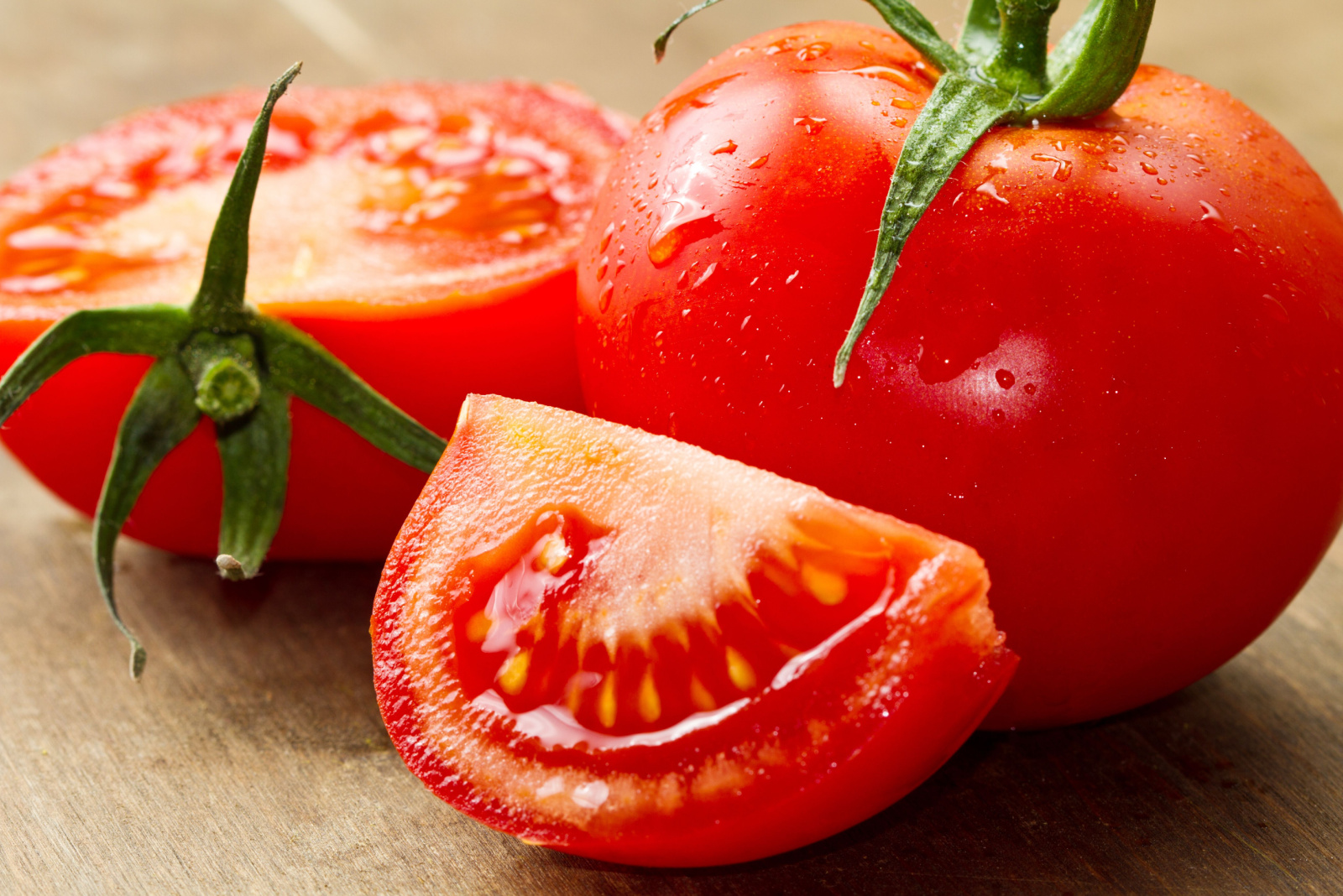
Storing tomatoes in the fridge seems logical but destroys their flavour and texture. Cold temperatures halt ripening processes and break down cell membranes.
Keep tomatoes on the counter, stem-side down to prevent moisture loss. If they're underripe, place them in a paper bag with a banana, the ethylene gas speeds ripening. Only refrigerate fully ripe tomatoes you won't use immediately, then let them return to room temperature before eating.



