Protein shakes are convenient for some routines, but many people prefer to meet their nutritional needs through everyday foods. Whole foods provide protein alongside fibre, vitamins, minerals and naturally occurring fats that support balanced meals and steady energy levels.
Options found in most supermarkets and home kitchens can contribute comparable protein while offering broader nutritional value and greater flexibility at mealtimes. Looking beyond powdered supplements helps highlight practical, affordable choices that fit easily into regular eating habits.
All information is provided for general interest only and does not replace professional medical or nutritional advice. Individual dietary needs and health considerations vary.
Consult a qualified healthcare professional or registered dietitian for personalised guidance. Taste, appearance, and availability may vary.
1. Greek Yoghurt
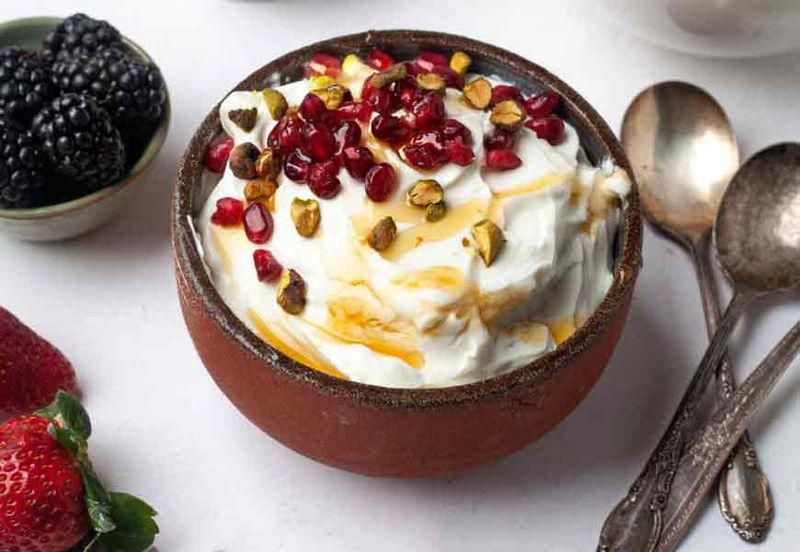
A single pot of Greek yoghurt can deliver up to 20 grams of protein, which rivals most commercial shakes without the dodgy additives. Skyr, its Icelandic cousin, is even thicker and creamier, making breakfast feel like a proper treat rather than a chore.
Both varieties are loaded with probiotics that keep your gut happy and your digestion smooth. Toss in some berries, a drizzle of honey, or a handful of granola, and you have got a meal that tastes like dessert but works like fuel.
2. Eggs
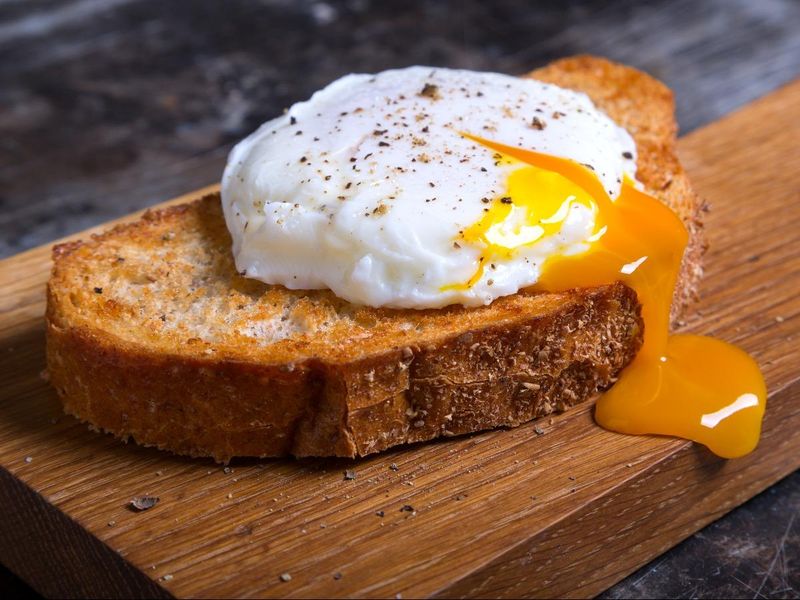
Scrambled, poached, boiled, or fried, eggs are the ultimate protein multitasker. Each one contains about six grams of protein along with essential amino acids your muscles need to repair and grow.
The yolk, often unfairly demonised, is packed with vitamins A, D, and E, plus choline for brain health. Whether you whip up a quick omelette or batch-cook a dozen for the week, eggs are cheap, versatile, and genuinely satisfying.
No fancy equipment required, just a pan and a bit of butter.
3. Cottage Cheese
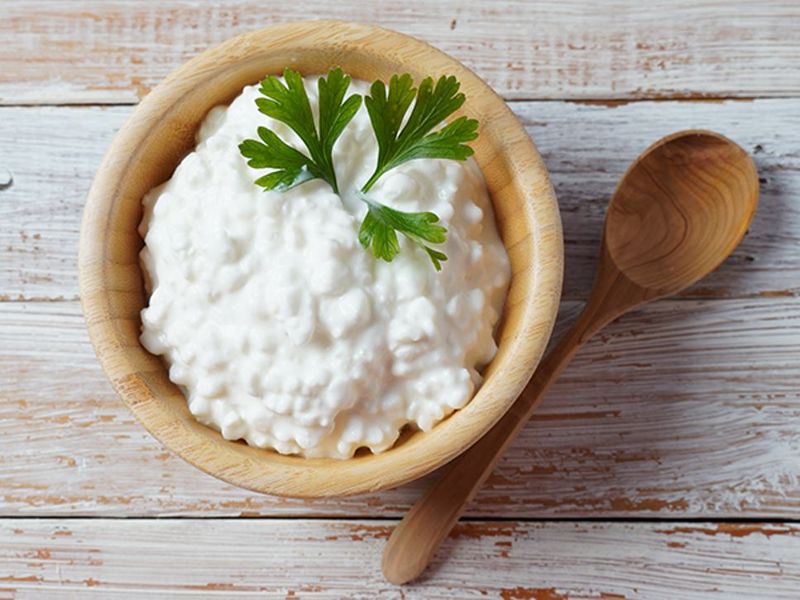
Half a cup of cottage cheese serves up around 14 grams of protein, plus a hefty dose of calcium and B vitamins that support bone strength and energy metabolism. Its mild, slightly tangy flavour pairs brilliantly with both sweet and savoury toppings.
Try it with sliced peaches and a sprinkle of cinnamon for a snack that feels indulgent, or mix in chopped cucumber and dill for a refreshing side dish. Cottage cheese is also ridiculously filling, making it a smart choice when you need to stay satisfied between meals.
4. Salmon
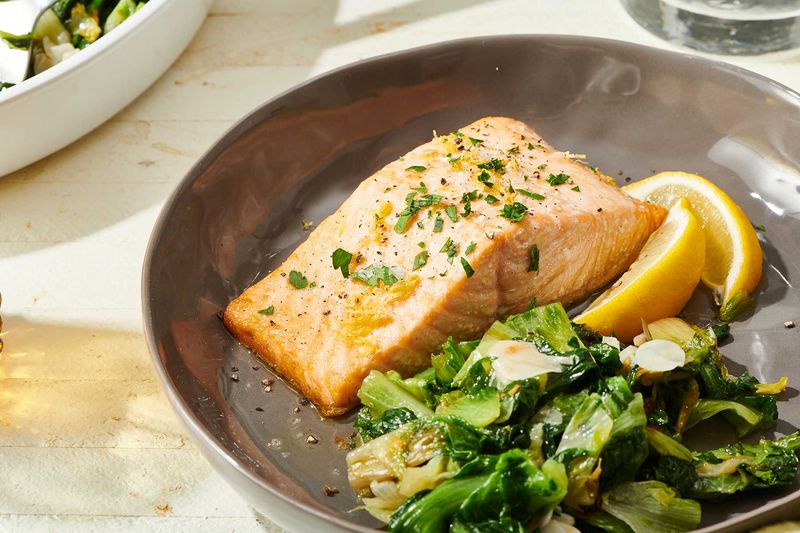
A fillet of salmon brings roughly 25 grams of protein to the table, along with omega-3 fatty acids that support heart health and reduce inflammation. Its rich, buttery texture makes it feel like a restaurant-quality meal even when you are cooking at home in your pyjamas.
Grill it, bake it, or pan-sear it with a squeeze of lemon and a handful of fresh herbs. Salmon is one of those rare foods that tastes luxurious but cooks in minutes, making it perfect for busy weeknights or meal prep Sundays.
5. Lentils
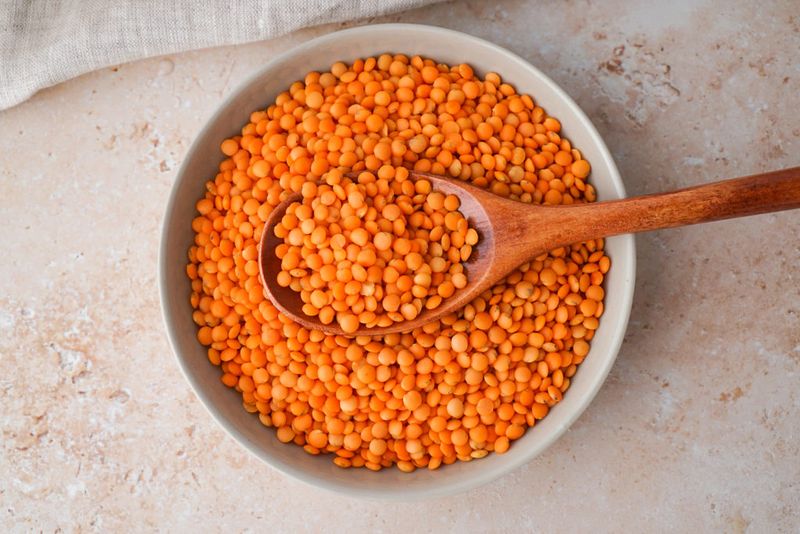
One cup of cooked lentils packs around 18 grams of protein and a mountain of fibre that keeps your digestion running smoothly and your appetite in check. Red, green, or brown, each variety has its own texture and flavour, making lentils endlessly adaptable.
Simmer them into a hearty curry, toss them through a salad, or blend them into a thick soup. They are cheap as chips, store forever in the cupboard, and cook faster than most dried legumes.
Honestly, lentils are the unsung heroes of the pantry.
6. Chickpeas
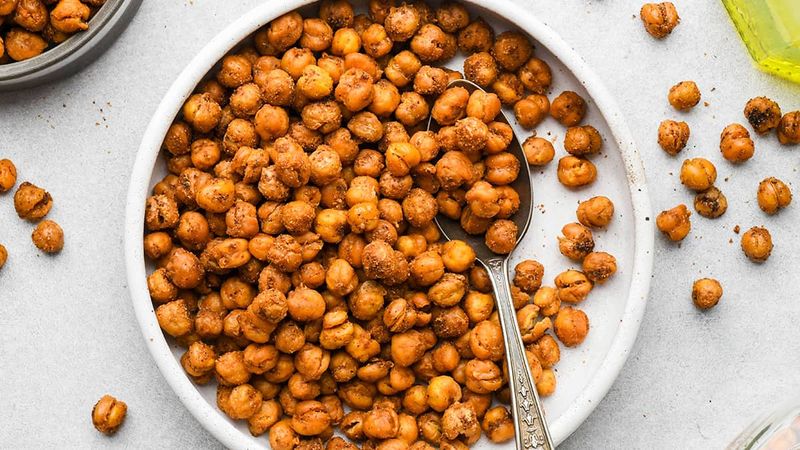
Chickpeas deliver about 15 grams of protein per cooked cup, plus fibre, iron, and folate that support energy levels and overall vitality. Roast them with spices for a crunchy snack, blend them into hummus, or toss them into curries and stews.
Their nutty flavour and satisfying texture make them a favourite in cuisines from the Middle East to the Mediterranean. Keep a few tins in the cupboard and you will always have a quick, nutritious base for a meal.
Plus, they are budget-friendly and ridiculously versatile.
7. Tofu Or Tempeh
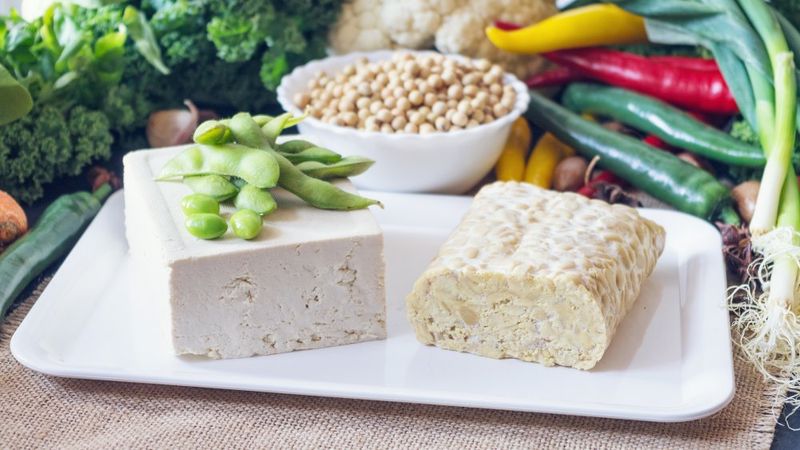
Tofu and tempeh are plant-based protein champions, each offering around 15 to 20 grams per serving depending on the variety. Tofu is mild and sponge-like, soaking up whatever marinade or sauce you throw at it, while tempeh has a firmer texture and a slightly nutty, earthy taste.
Both are made from soya beans and packed with iron, calcium, and other essential nutrients. Pan-fry, bake, crumble, or cube them, and watch them transform into a satisfying, meat-free meal that even sceptics will enjoy.
8. Chicken Breast
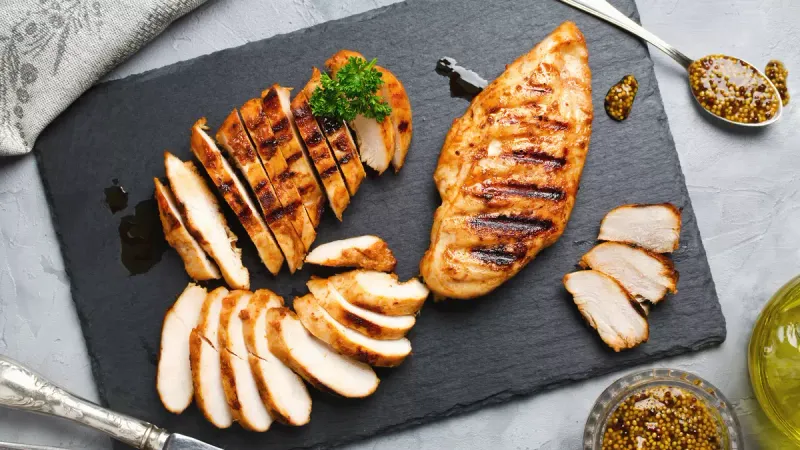
A single chicken breast can provide around 30 grams of lean protein, making it a go-to for anyone serious about muscle repair and growth. Its neutral flavour means it plays well with virtually any seasoning, sauce, or cooking method you fancy.
Grill it, bake it, slice it into stir-fries, or shred it for tacos and salads. Chicken breast is affordable, widely available, and meal-prep friendly.
Just avoid overcooking it, or you will end up with something resembling a rubber flip-flop rather than a tender, juicy dinner.
9. Mixed Nuts And Seeds
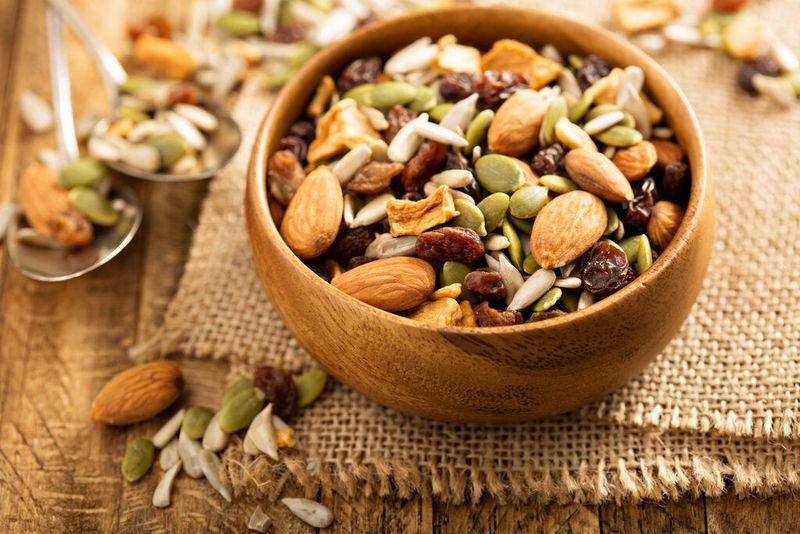
A handful of mixed nuts and seeds, such as almonds, walnuts, pumpkin seeds, and sunflower seeds, delivers around 6 to 8 grams of protein along with healthy fats, fibre, and a host of vitamins and minerals. They are portable, shelf-stable, and require zero prep, making them the ultimate grab-and-go snack.
Sprinkle them over porridge, toss them into salads, or munch them straight from the bag when hunger strikes. Just watch your portions, as they are calorie-dense and easy to demolish in one sitting.
10. Quinoa
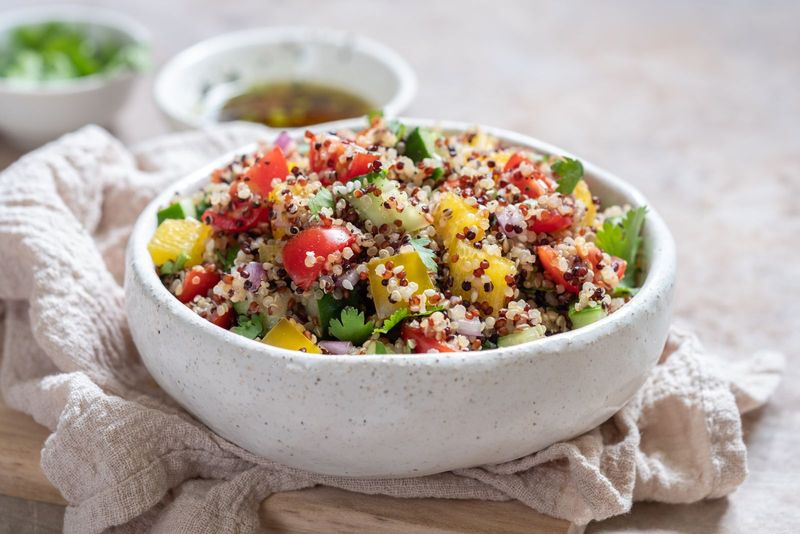
Quinoa offers about 8 grams of protein per cooked cup and stands out as one of the few plant-based complete proteins, meaning it contains all nine essential amino acids your body cannot make on its own. Its fluffy texture and subtle, nutty flavour make it a brilliant base for salads, bowls, or even breakfast porridge.
Gluten-free and quick to cook, quinoa is a pantry staple that works for lunch, dinner, or meal prep. Rinse it well before cooking to avoid any bitterness, and you are golden.