













Cholesterol can feel like a big, complicated topic, yet everyday food choices play a quiet role over time. Many helpful options already sit in kitchen cupboards and shopping baskets.
Ever wondered which small changes actually matter and which ones are just noise? Understanding the basics makes healthier habits feel far more manageable.
This content is for general educational purposes and is not a substitute for medical advice. Anyone with health concerns or existing conditions should seek guidance from a qualified healthcare professional.
1. Oats
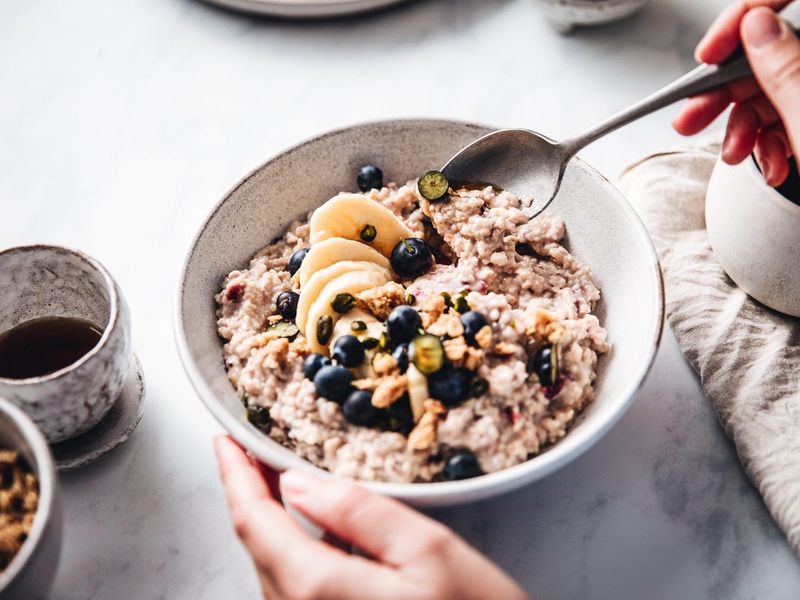
Starting the day with porridge is a simple habit many people already enjoy. The soluble fibre found in oats plays a role in how the body processes cholesterol during digestion.
Including them regularly can support healthier levels over time rather than acting as a quick fix. They are filling, affordable, and easy to adapt with fruit or nuts.
Consistency matters more than exact quantities when it comes to benefits.
2. Beans And Lentils
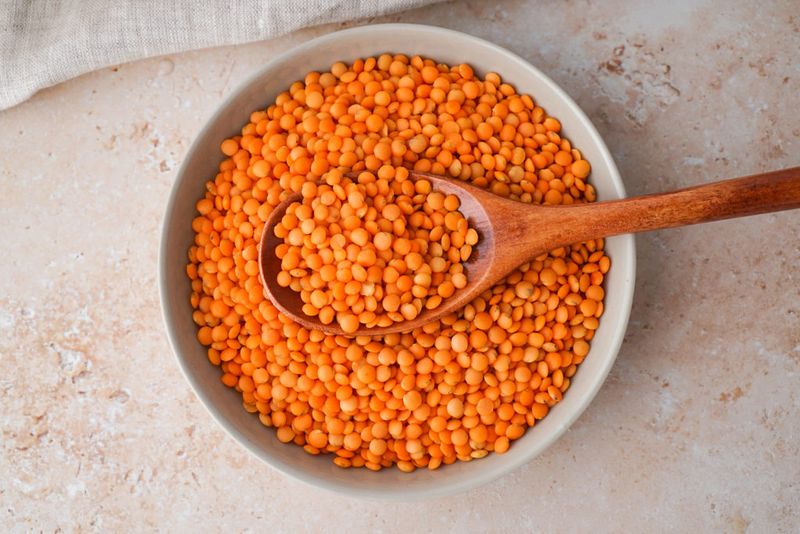
Regularly adding these to meals is an easy way to increase fibre intake. Their combination of plant protein and soluble fibre helps meals feel more satisfying.
They support heart health when eaten as part of a balanced diet rather than in isolation. Soups, stews, and salads all benefit from their texture and staying power.
Over time, small additions can quietly add up.
3. Nuts
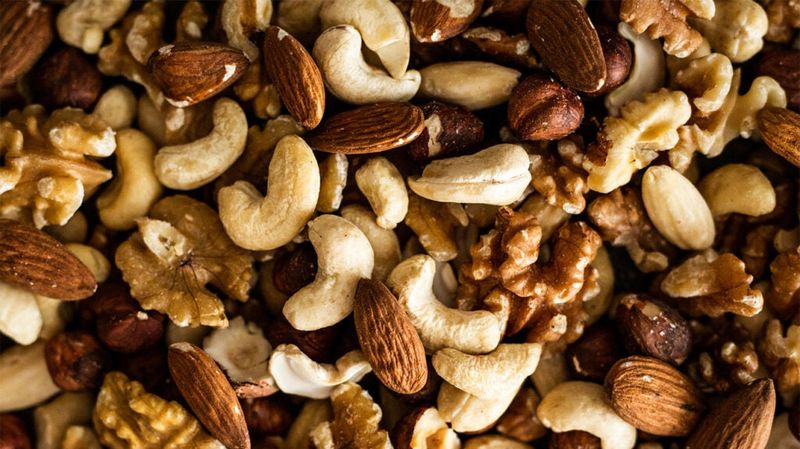
Almonds, walnuts, and cashews aren't just tasty snacks - they're loaded with unsaturated fats that help lower bad cholesterol whilst boosting the good kind. Walnuts, in particular, contain omega-3 fatty acids that benefit your heart in multiple ways.
A small handful (about 30 grams) daily is enough to see benefits. Just watch portion sizes, as nuts are calorie-dense despite being incredibly nutritious.
4. Olive Oil

Replacing solid fats with olive oil is a common change many people make at home. Its fat profile suits everyday cooking and dressing meals without feeling restrictive.
Used consistently, it fits well into eating patterns linked with heart health. A drizzle over vegetables or grains adds flavour as well as practicality.
It works best as part of broader, long-term habits.
5. Apples
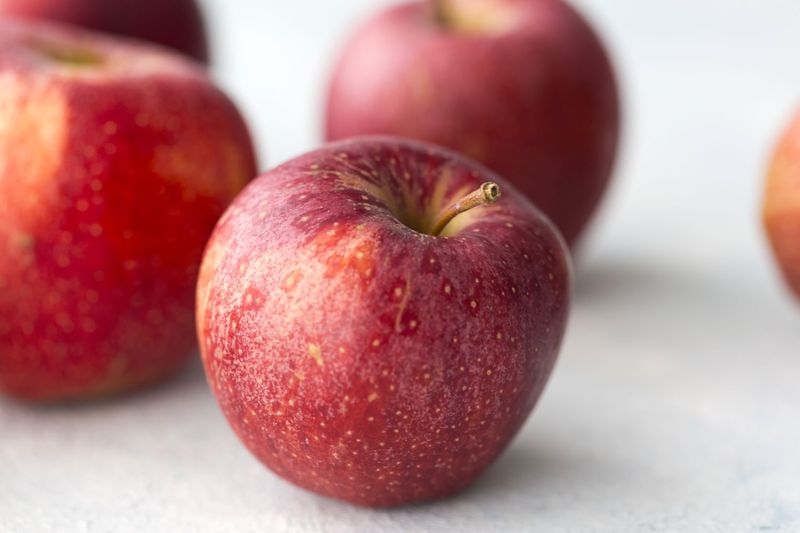
Crisp, sweet, and easy to grab, apples are a convenient source of fibre. Eating them whole helps retain their natural balance of nutrients.
Including them regularly contributes to overall dietary fibre intake. They work well as snacks or alongside meals without much effort.
Simple choices like this often support healthier routines over time.
6. Wholegrain Bread
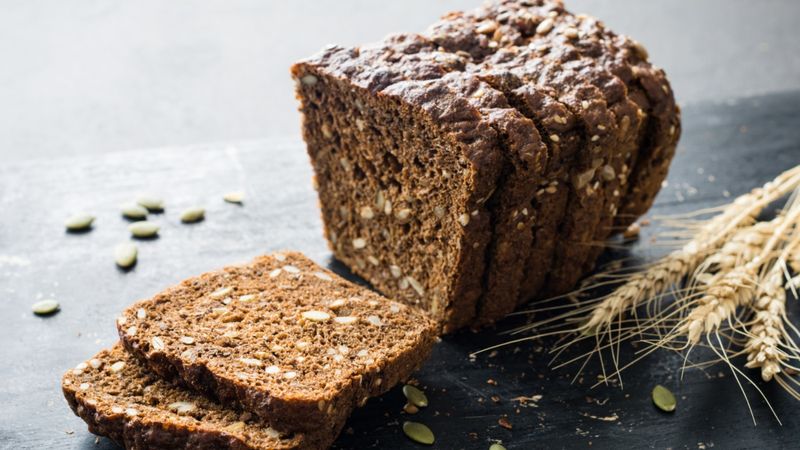
Choosing wholegrain over white bread adds valuable fibre to your diet whilst keeping cholesterol in check. The bran and germ in wholegrain varieties contain nutrients that work together to lower LDL cholesterol effectively.
Look for breads listing whole wheat, oats, or rye as the first ingredient. Two to three slices daily as part of balanced meals can contribute meaningfully to better cholesterol management.
7. Avocados
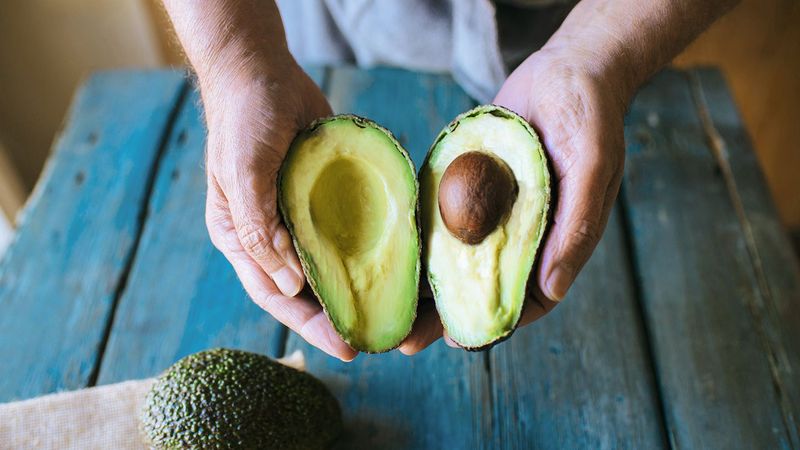
Creamy and versatile, avocados add both fibre and unsaturated fats to meals. They fit easily into breakfasts, lunches, or light dinners without much preparation.
Regular inclusion supports balanced eating rather than acting as a single solution. Portion awareness keeps them enjoyable and practical.
Their popularity comes from how easily they blend into everyday food habits.
8. Fatty Fish
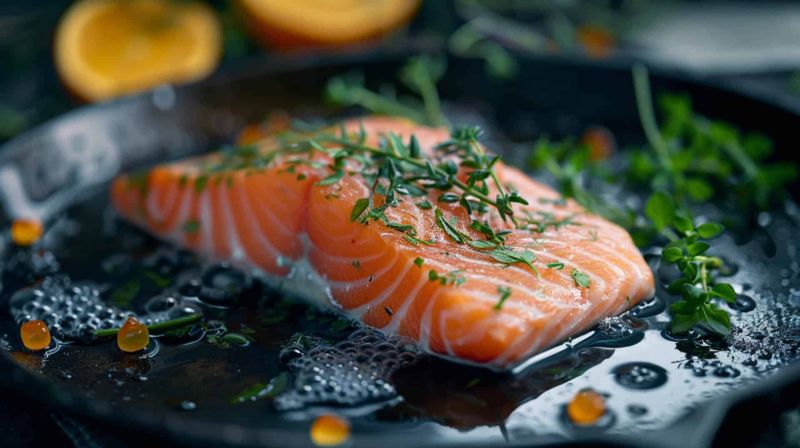
Salmon, mackerel, and sardines are swimming with omega-3 fatty acids that lower triglycerides and raise good HDL cholesterol. These essential fats also reduce inflammation and prevent dangerous blood clots from forming.
Aim for two portions weekly, each about the size of your palm. Grilled, baked, or poached - however you prepare it, fatty fish delivers powerful protection for your heart and arteries.



