









Japanese fast food offers a mouthwatering world of flavours that goes far beyond sushi and ramen.
From quick bites at train stations to late-night comfort meals, these convenient dishes showcase Japan's knack for making fast food both delicious and somewhat nutritious.
Whether you're planning a trip to Japan or just curious about what makes their quick-service cuisine so special, this ranking will take you through the tastiest options worth trying.
15. Instant Ramen
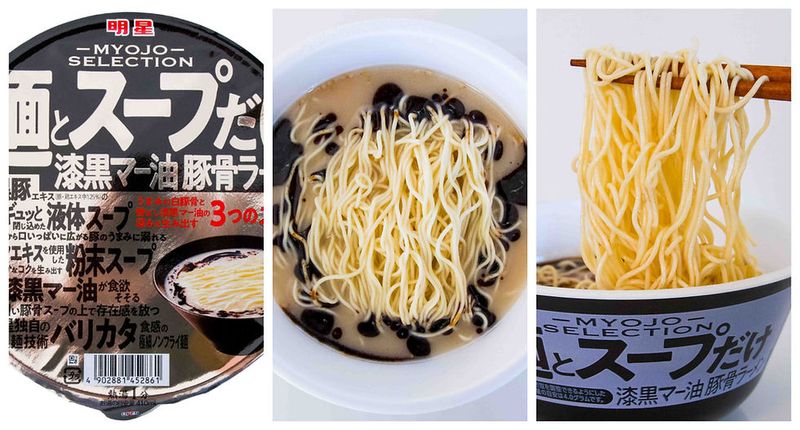
Coming in dead last on our list is the ubiquitous instant ramen – the ultimate skint student meal that's more nostalgic than it is impressive. While Japan's instant noodles are leagues ahead of what you'd find elsewhere, they're still the bottom rung of Japanese fast food.
The convenience is undeniable, ready in three minutes with just hot water. Modern premium versions even include separate oil packets and real dehydrated vegetables.
Despite clever marketing and fun packaging, instant ramen remains a last-resort meal rather than something to actively seek out. The sodium levels are through the roof, and that artificial flavour never quite captures the magic of proper ramen.
14. Curry Rice (Coco Ichibanya)
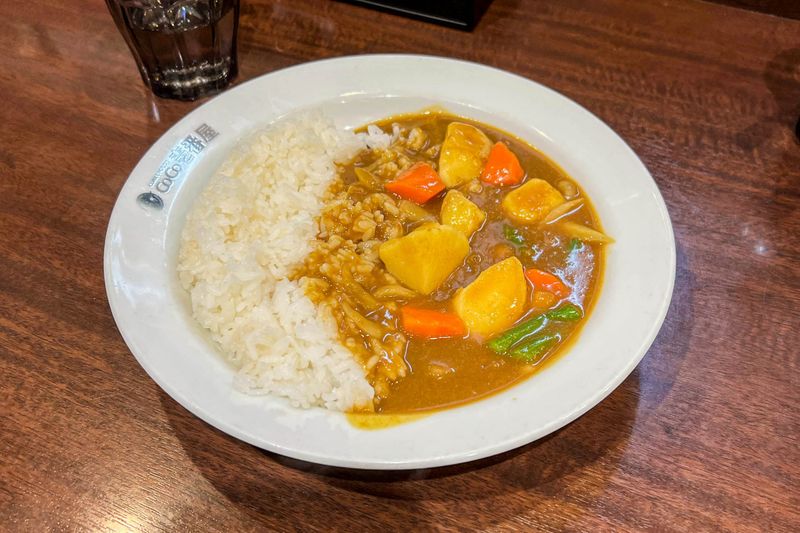
Japanese curry rice sits comfortably in the 'decent but not spectacular' category. Coco Ichibanya, Japan's curry chain giant, serves a curry that bears little resemblance to its Indian counterpart – it's milder, sweeter and more like a thick gravy.
The standard plate features a mountain of white rice partially covered by a brown curry sauce, typically with a few chunks of potato and carrot. You can customise spice levels and toppings, but the base remains fairly one-dimensional.
While undeniably comforting on cold days, curry rice lacks the complexity and depth that makes other Japanese fast foods shine. It's filling and functional rather than fantastic.
13. Fried Chicken (Karaage)
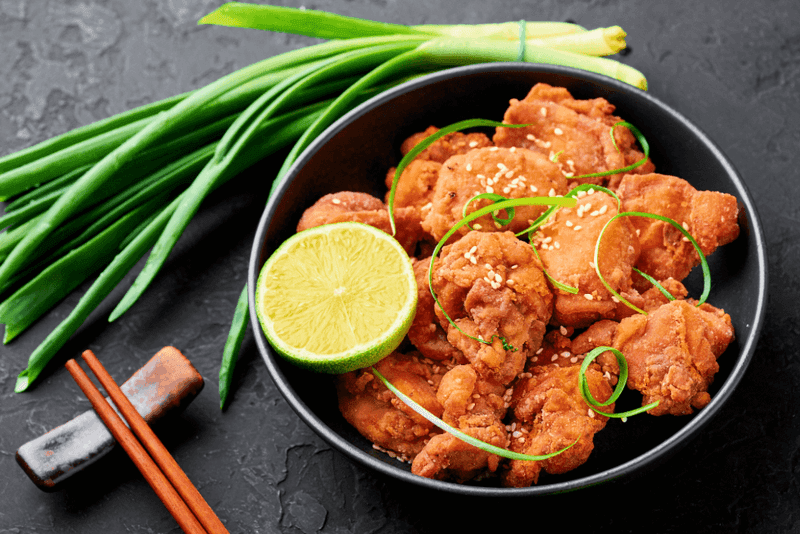
Karaage might make Colonel Sanders weep with jealousy. These juicy, garlicky chicken nuggets put Western fast food chains to shame with their perfect crunch-to-tenderness ratio.
The chicken is marinated in soy, ginger and garlic before being double-fried to achieve that characteristic crispy exterior. Unlike American-style fried chicken, karaage uses potato starch instead of flour, creating an incredibly light coating.
Found everywhere from convenience stores to izakayas, karaage typically comes served with a lemon wedge and mayonnaise. While delicious, it ranks mid-list because it's ultimately still just fried chicken – brilliant execution of a simple concept rather than something uniquely Japanese.
12. Rice Burgers (MOS Burger)
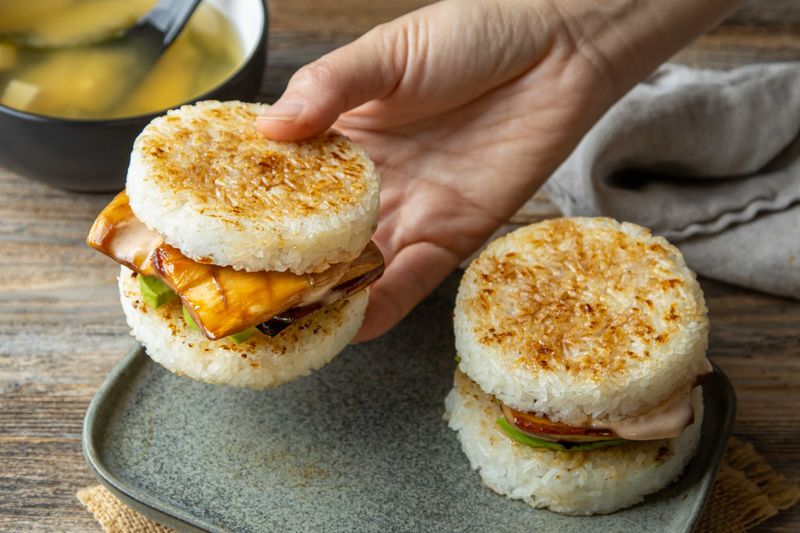
MOS Burger's signature innovation replaces traditional buns with compressed rice patties – a clever East-meets-West concept that sounds better than it tastes. The rice 'buns' often fall apart midway through eating, creating a mess that requires strategic napkin deployment.
Fillings range from teriyaki chicken to ebi (shrimp) cutlet with special sauces. The flavours themselves are pleasant enough, but the textural contrast between crisp exterior rice and mushy interior can be off-putting.
While points are awarded for creativity and cultural fusion, rice burgers remain a novelty rather than a crave-worthy meal. They're worth trying once for the experience, but few visitors find themselves rushing back for seconds.
11. Udon Noodles
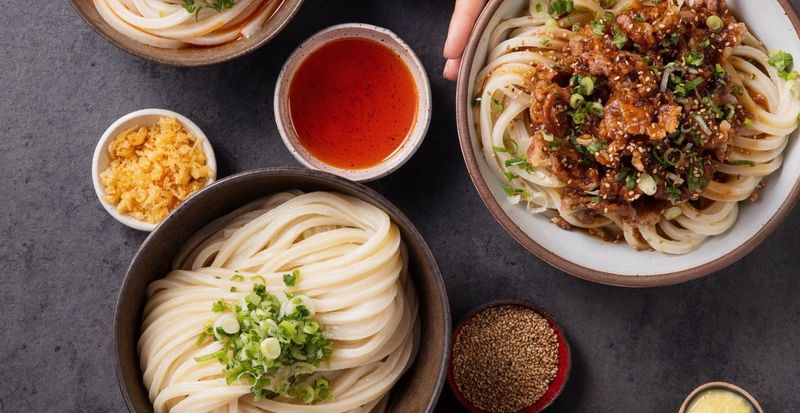
Thick, chewy and satisfyingly slurpable, fast-food udon provides remarkable value for money. These wheat noodles come swimming in a light dashi broth that's umami-rich without being overpowering.
Chain shops like Marugame Seimen have perfected the art of serving fresh udon at breakneck speed. The basic kake udon (plain noodles in broth) costs barely 300 yen, with self-service tempura stations allowing for customisation.
What holds udon back from higher ranking is its simplicity – sometimes bordering on blandness if you don't add enough toppings. Still, there's something deeply comforting about these no-frills noodles, especially on rainy days when you need something warm and substantial without breaking the bank.
10. Tonkatsu (Pork Cutlet)
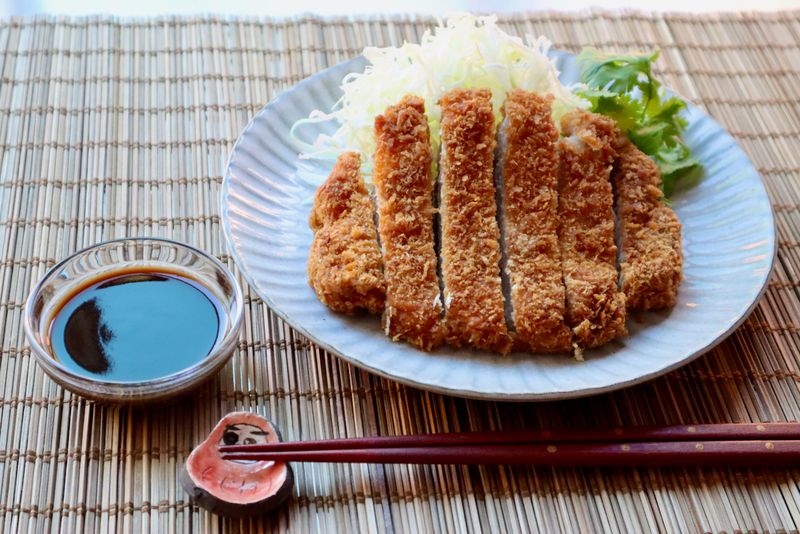
Tonkatsu – the humble breaded pork cutlet – achieves a perfect balance between hearty and refined. The best versions feature high-quality pork loin coated in panko breadcrumbs that fry up impossibly light and crunchy.
Fast food tonkatsu chains like Katsuya serve their cutlets with mountains of shredded cabbage, rice, miso soup and the all-important tonkatsu sauce – a thick, fruity condiment somewhere between Worcestershire and BBQ sauce. The contrast between the juicy meat and crisp coating is genuinely moreish.
What prevents tonkatsu from climbing higher in our rankings is its heaviness – it's difficult to feel energetic after consuming what's essentially a fried pork steak. Still, for pure satisfaction, few Japanese fast foods deliver more consistently.
9. Takoyaki (Octopus Balls)
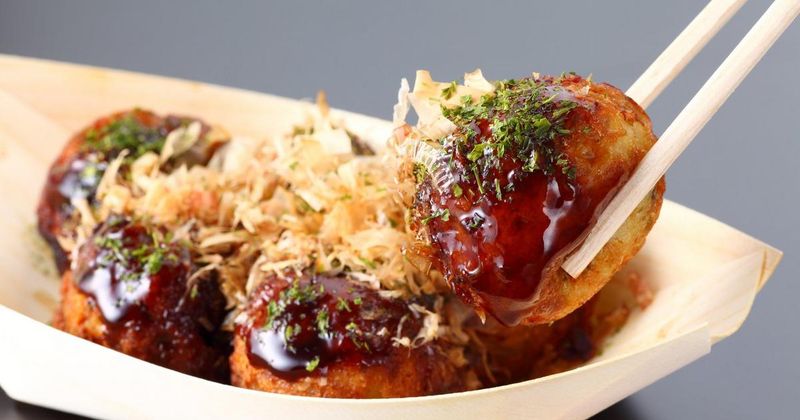
These golf ball-sized spheres of savoury batter studded with octopus pieces are street food royalty. Watching takoyaki vendors deftly flip dozens at once in their special moulds is half the fun – a hypnotic display of culinary coordination.
Fresh takoyaki arrives dangerously hot, topped with dancing bonito flakes, zigzags of mayonnaise and sweet-savoury takoyaki sauce. The contrast between the crispy exterior and molten, gooey centre creates an addictive textural experience.
While absolutely delicious when fresh, takoyaki loses points for inconsistency. Bad versions can be doughy and undercooked in the middle, and the octopus quality varies wildly between vendors. When done right, however, these humble balls punch well above their weight class.
8. Ebi Fry (Fried Shrimp)
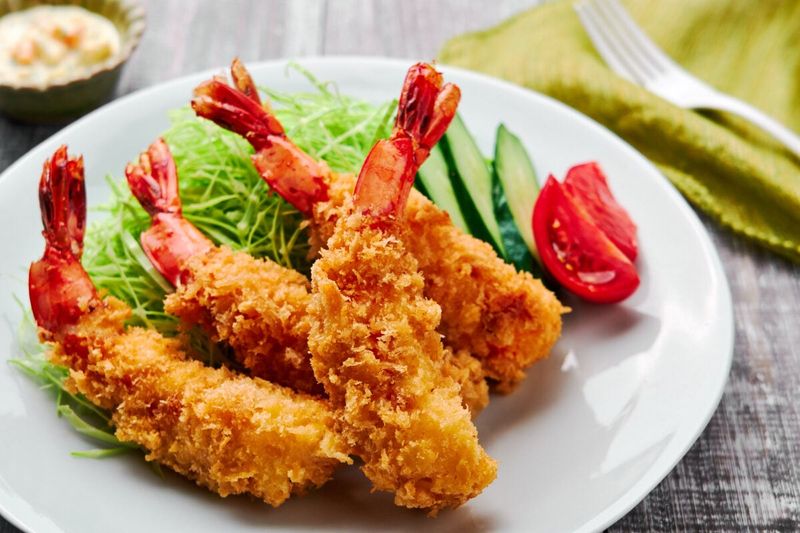
The Japanese take on fried shrimp elevates the humble crustacean to art form status. Plump prawns are butterflied, coated in panko breadcrumbs and fried until golden, resulting in a perfectly straight shape that's visually striking.
Unlike heavily battered Western versions, ebi fry maintains a delicate balance where the sweetness of the shrimp remains the star. They're typically served with shredded cabbage, rice, miso soup and a special tangy sauce that's less cloying than tartar sauce.
What keeps ebi fry from climbing higher is value – you're often paying premium prices for just a few pieces. However, the textural contrast between the crisp coating and the juicy, sweet shrimp makes these a reliable crowd-pleaser worth seeking out.
7. Sushi Rolls (Conveyor Belt Sushi)
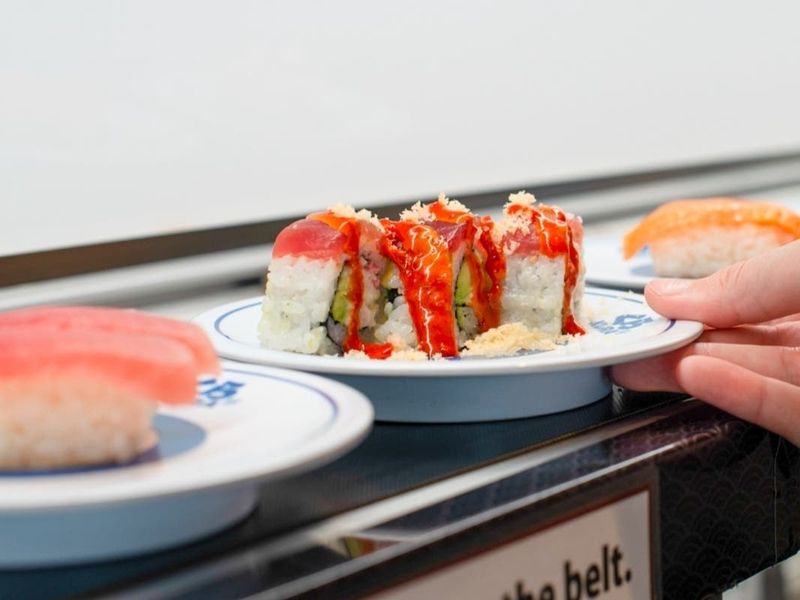
Kaitenzushi (conveyor belt sushi) has democratised sushi, making it affordable and approachable through clever automation. Colour-coded plates circle endlessly while diners pluck their preferred options directly from the belt.
The quality surpasses what you'd find at Western sushi chains while costing significantly less. Modern kaitenzushi chains like Sushiro and Kura Sushi have gamified the experience with tablet ordering, slot machine prizes, and even bullet train delivery systems.
While purists might scoff at the pre-cut fish and machine-formed rice, conveyor belt sushi represents Japanese efficiency at its finest. It loses points for occasionally dry rice and limited variety, but the value proposition and fun factor make it a must-try Japanese fast food experience.
6. Okonomiyaki (Japanese Pancake)
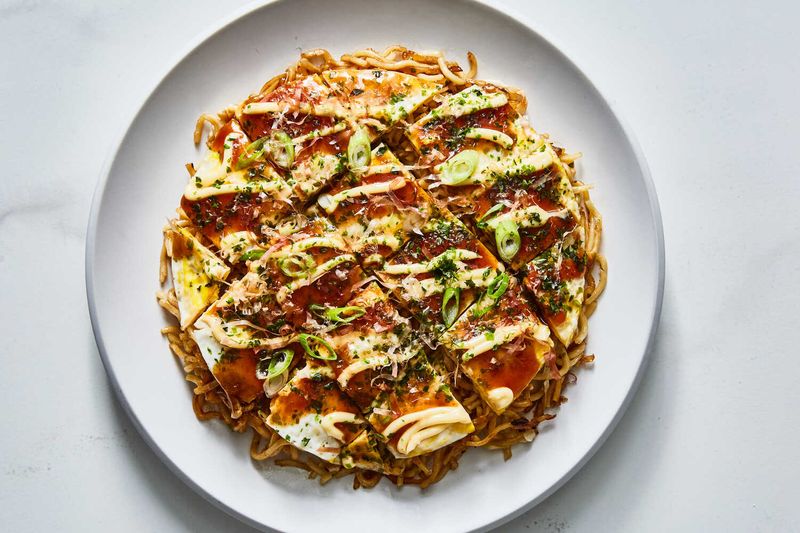
Often described as a Japanese pancake or pizza, okonomiyaki defies easy categorisation. This savoury disc combines cabbage, batter, eggs and various toppings into a meal that's greater than the sum of its parts.
Fast-food okonomiyaki joints typically cook it on a teppan grill before your eyes, finishing with a Jackson Pollock-esque decoration of mayonnaise, sweet-savoury sauce, seaweed flakes and bonito. The name literally means 'grilled as you like it', reflecting its customisable nature.
What elevates okonomiyaki is its textural complexity – crispy edges, tender middle, and those signature toppings creating a symphony of flavours. It's hearty comfort food that somehow feels balanced rather than heavy, making it a consistently satisfying choice.
5. Bento Boxes
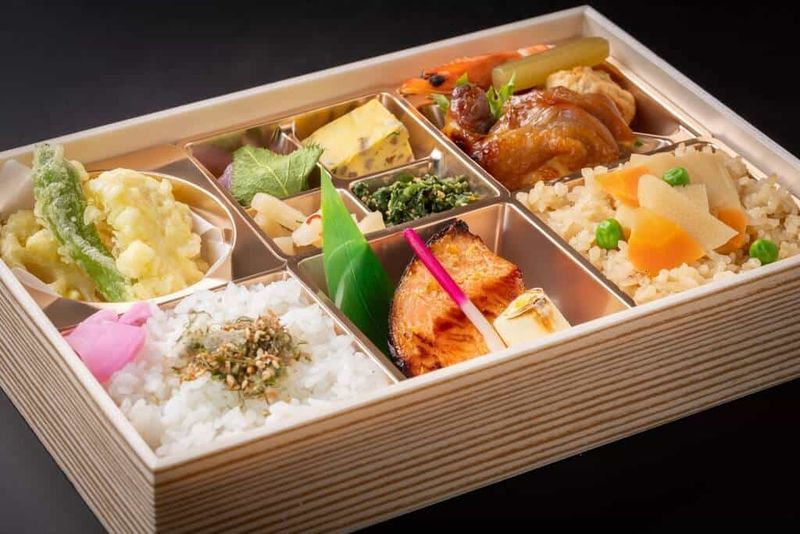
The humble ekiben (station bento) transforms train travel into a culinary adventure. These neatly compartmentalised boxes showcase Japan's obsession with presentation, variety and seasonal ingredients – even in fast food format.
Each region boasts special bentos featuring local specialties, from Hokkaido crab to Kyushu mentaiko. The attention to detail is remarkable – tiny garnishes, carefully folded omelettes, and precisely arranged vegetables create a visual feast before you've taken a single bite.
What makes bentos exceptional is balance – protein, vegetables, pickles and rice in perfect proportion. Unlike most fast food that leaves you feeling sluggish, a well-crafted bento provides sustained energy. The only downside? Premium versions can be surprisingly expensive for what remains essentially a packed lunch.
4. Ramen
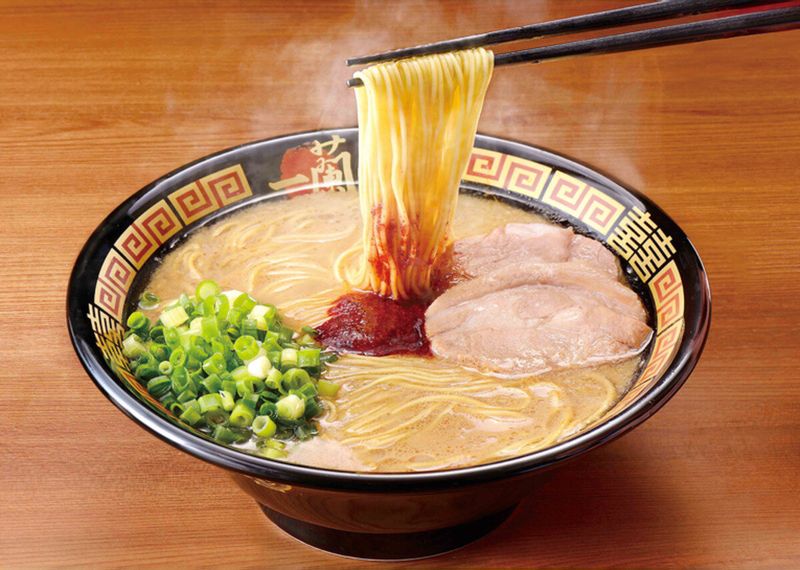
Proper restaurant ramen – not the instant variety – represents the pinnacle of Japanese fast food engineering. A good bowl combines four elements: handmade noodles with perfect chew, meticulously crafted broth simmered for hours, complementary toppings, and that crucial aromatic oil floating on top.
Fast-food ramen chains like Ichiran have streamlined the experience with vending machine ordering and individual booths. Their tonkotsu (pork bone) broth is rich without being overwhelming, while the customisation options for noodle firmness and broth intensity ensure everyone gets their perfect bowl.
What makes ramen exceptional is its depth – each spoonful reveals new layers of flavour. It's technically fast food (ready in minutes), but the preparation behind each bowl represents culinary dedication few other quick-service foods can match.
3. Sushi (Hand Rolls And Nigiri)
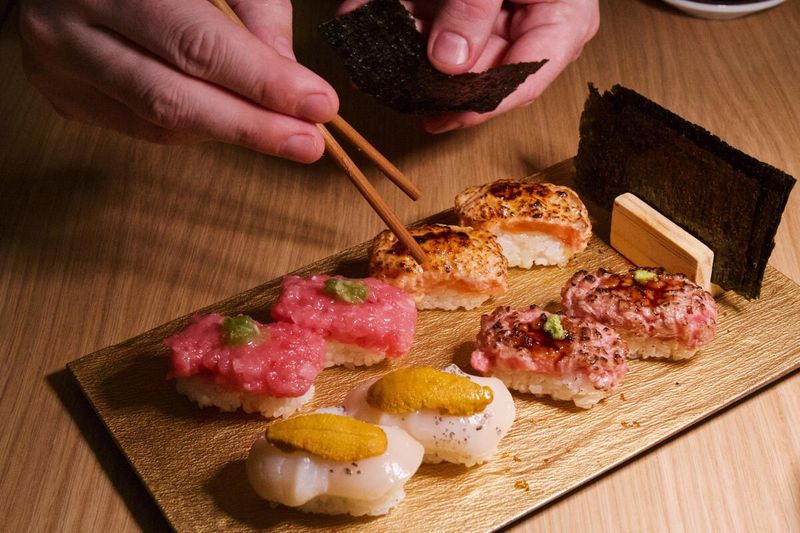
Beyond conveyor belts lies the realm of proper sushi – where even fast-food versions showcase Japan's reverence for quality ingredients and precision. Hand rolls (temaki) and nigiri sushi represent Japanese minimalism at its finest – just fish, rice, and perhaps a whisper of wasabi.
The magic happens in the details: body-temperature rice with the perfect vinegar balance, fish cut against the grain to maximise tenderness, and nori so crisp it shatters with each bite. Even at modest standing sushi bars, the chef's years of training are evident in every piece.
What elevates sushi to near-perfection is its clean, pure flavours that satisfy without heaviness. There's a reason it's Japan's most famous culinary export – few foods achieve such harmony with so few ingredients.
2. Japanese Fried Rice (Chahan)
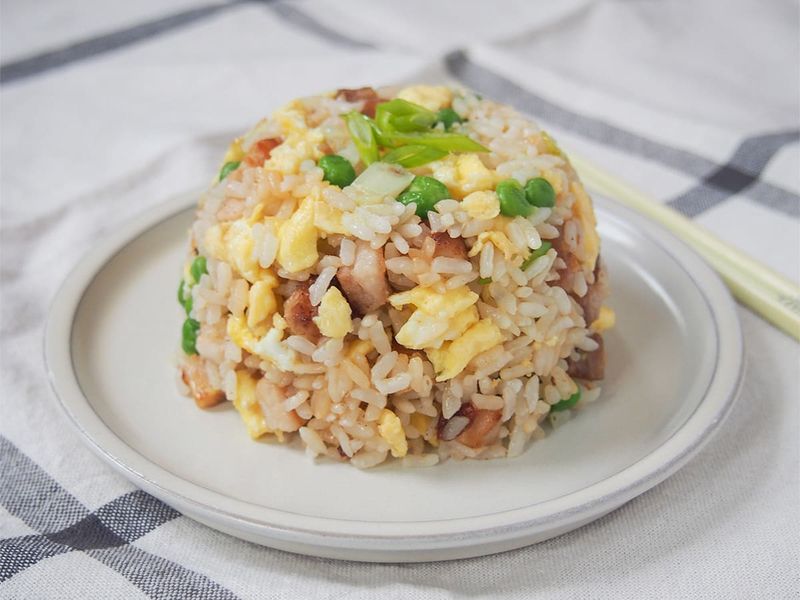
Japanese chahan may look unassuming, but this humble fried rice delivers flavour that belies its simple appearance. Unlike Chinese versions, Japanese fried rice takes a lighter approach – less oil, more distinct ingredients, and that signature smoky 'wok hei' flavour.
The best fast-food chahan uses day-old rice for perfect texture, quickly stir-fried with bits of char siu pork, egg, spring onions and minimal seasoning beyond salt and white pepper. Ramen shops often serve it as a side dish, but it's substantial enough to be a meal in itself.
What makes chahan special is its comforting familiarity combined with technical excellence. It's the Japanese fast food equivalent of a perfect white t-shirt – seemingly basic but actually quite difficult to execute flawlessly.
1. Katsu Curry
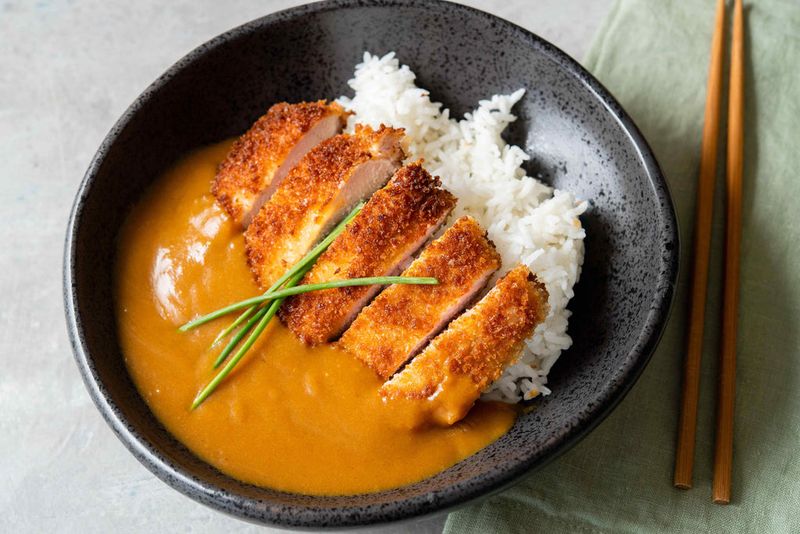
Claiming the crown as Japan's ultimate fast food is katsu curry – the inspired marriage of crispy tonkatsu and rich Japanese curry. This perfect partnership combines two good dishes to create something transcendent.
The standard presentation features a golden panko-crusted pork cutlet perched atop rice, partially submerged in a sea of glossy curry sauce. The contrast between the crunchy katsu and the velvety curry creates textural magic, while the sweet-savoury sauce cuts through the richness of the fried pork.
What makes katsu curry unbeatable is its satisfaction factor – it scratches every culinary itch simultaneously. It's the dish Japanese expats crave most when abroad, and one bite explains why. When comfort food reaches this level of execution, it's no longer just fast food – it's edible art.
Comments
No Comments