










When disaster strikes, having the right food supplies can make all the difference. Whether it's a natural disaster, power outage, or unexpected emergency, a well-stocked pantry provides peace of mind and vital nutrition when you need it most.
Here's a practical guide to essential emergency food items that combine long shelf life with good nutritional value.
This article is for general information only. Food availability, storage life, and suitability may vary by brand, region, and personal needs. Always check packaging and follow official emergency preparedness guidance.
1. Canned Beans

Ready-to-eat protein powerhouses that require zero cooking! Kidney, black, or pinto beans deliver essential nutrients even when the power's out. Store them in cool, dry places for up to five years.
Remember to pack a manual can opener - it's a small detail many people forget during emergency preparations.
2. Canned Vegetables
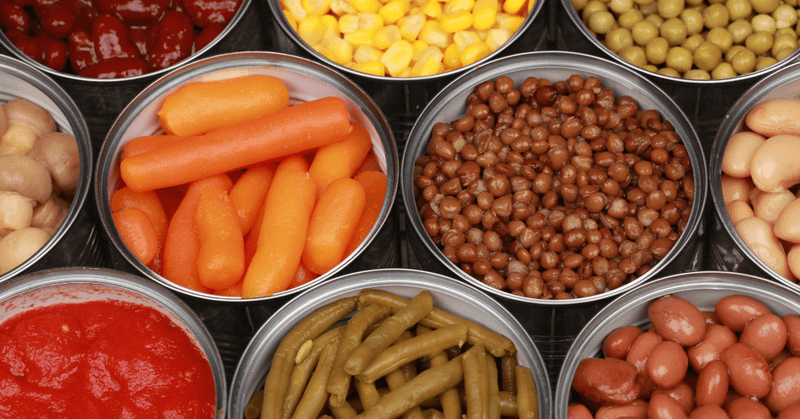
Garden freshness locked in metal time capsules! Corn, green beans, and carrots maintain their nutrients for years while sitting quietly on your shelf. Low in calories but high in essential vitamins, they're perfect for rounding out emergency meals.
Choose low-sodium options when possible for healthier long-term consumption.
3. Canned Tuna Or Salmon

Ocean-fresh protein that waits patiently for years! These tinned treasures provide heart-healthy omega-3 fatty acids alongside crucial protein when fresh food isn't available.
Eat straight from the can or mix with shelf-stable mayo packets for quick emergency meals. The compact size makes these fish friends easy to store in quantity.
4. Peanut Butter
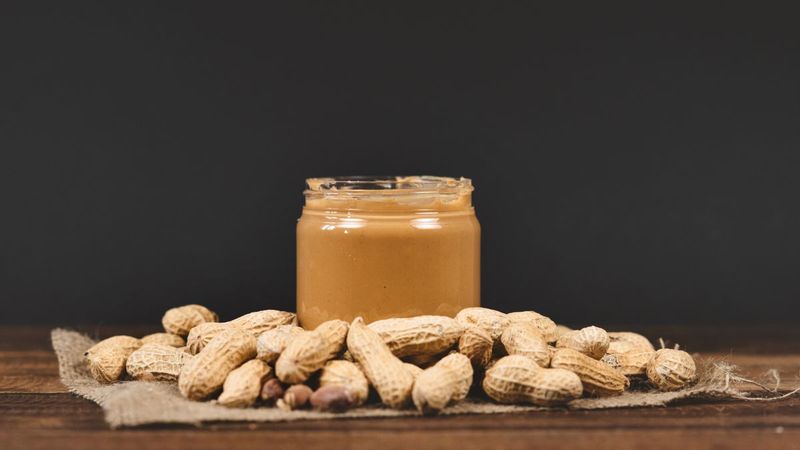
Peanut butter is a calorie-dense, protein-rich spread that works well in emergencies. Unopened jars typically last around 6–9 months past the printed date if stored in a cool, dry place.
Once opened, it should be eaten within a few months for best quality. Its long shelf life and nutritional value make it a reliable staple during power outages or crises.
5. Rice
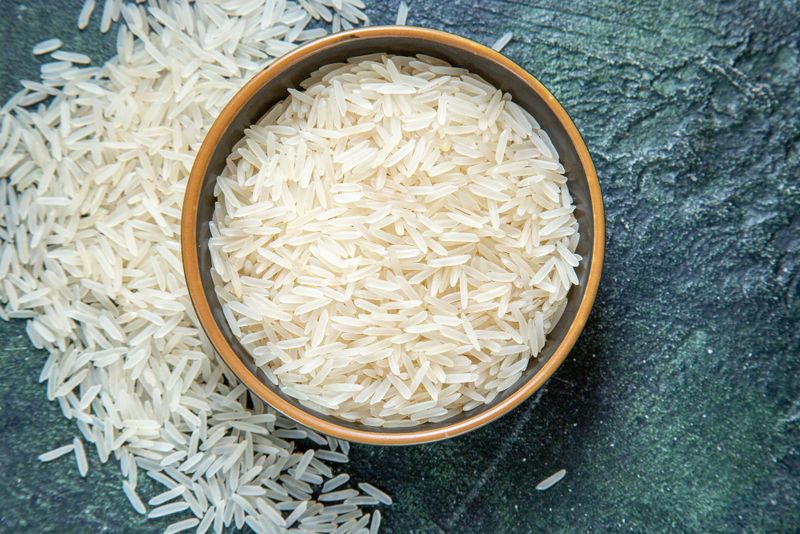
Ancient grain that outlasts almost everything in your pantry! Properly stored white rice can remain edible for 25-30 years, making it the marathon runner of emergency foods. One cup expands to three when cooked, stretching your supplies impressively.
Store in airtight containers with oxygen absorbers to maximize this incredible shelf life.
6. Pasta
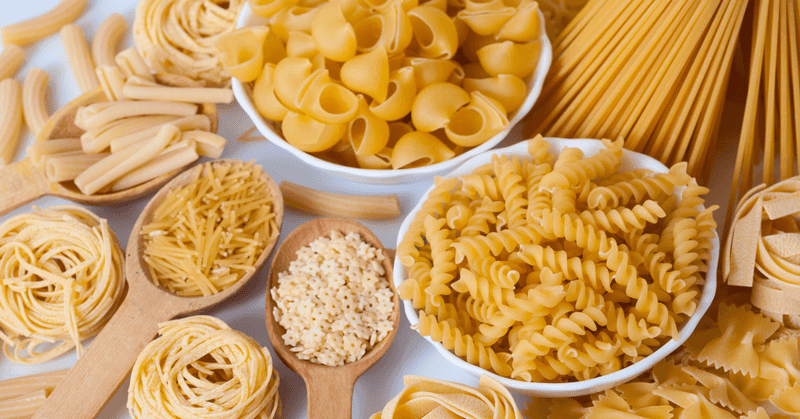
Versatile carb bombs that transform limited ingredients into satisfying meals! Dry pasta lasts 1-2 years beyond its printed date when stored properly. The energy-dense nature makes pasta perfect for emergency situations when calorie intake matters.
Pair with canned sauce for a hot meal that boosts both nutrition and morale during difficult times.
7. Rolled Oats
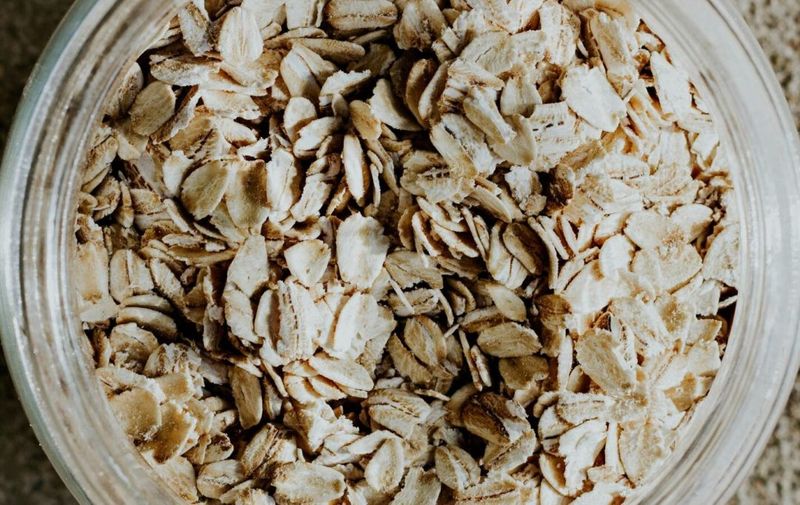
Morning comfort food that doubles as a survival superstar! These whole grain champions provide slow-burning energy and substantial fiber when regular meals aren't possible. Stored properly in airtight containers, rolled oats remain good for 2-3 years.
They require minimal water for preparation and can be eaten cold if cooking isn't an option.
8. Powdered Milk
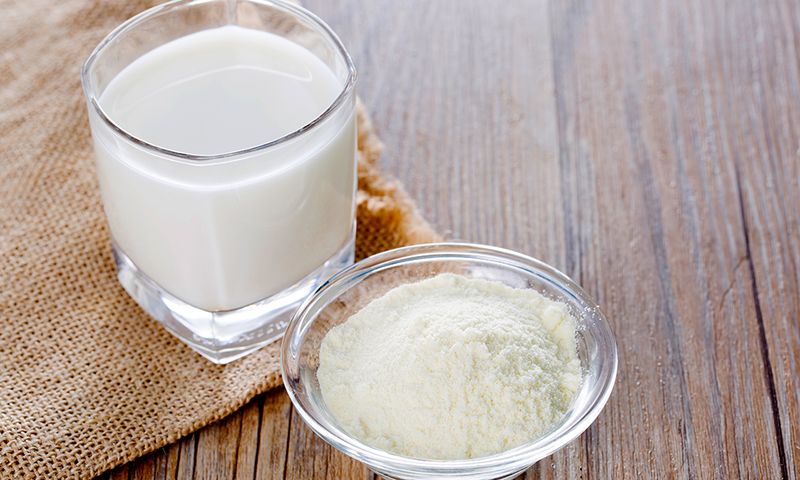
Dairy magic that brings calcium and protein to your emergency menu! Just add water to transform this powder into nutritious milk for drinking, cooking, or baking. The non-fat variety typically lasts 2-10 years depending on packaging and storage conditions.
Beyond drinking, use it to enhance the nutritional value of other emergency foods like oatmeal or pasta dishes.
9. Canned Soup Or Stew
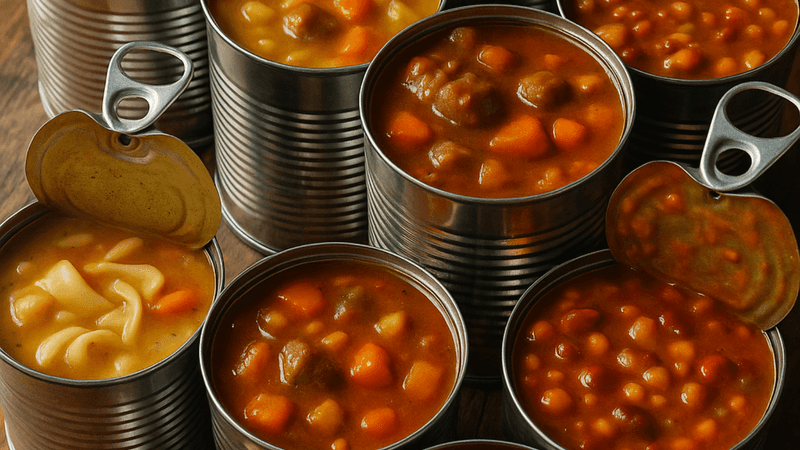
Complete meals waiting patiently behind metal shields! These ready-to-eat options combine protein, vegetables, and carbs in one convenient package. The comfort factor shouldn't be underestimated during stressful situations.
Look for low-sodium varieties with pull-top lids that don't require can openers for true grab-and-go emergency nutrition.
10. Granola Bars
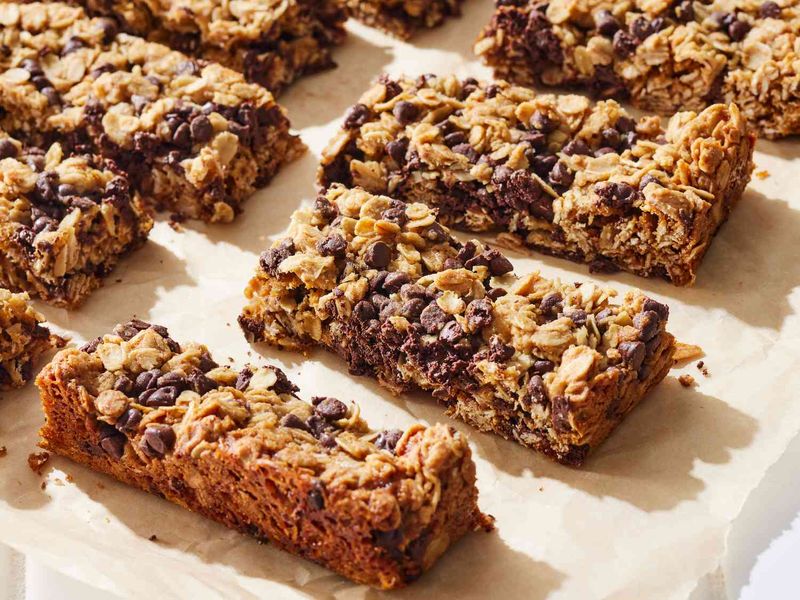
Granola bars are lightweight, portable snacks that provide a quick mix of carbs, fats, and protein. Commercially packaged bars usually last 6–12 months when stored properly, though freshness declines over time.
They don’t require refrigeration and are easy to eat on the go. Choose varieties with higher protein and fibre for better energy during emergencies.
11. Dried Fruit
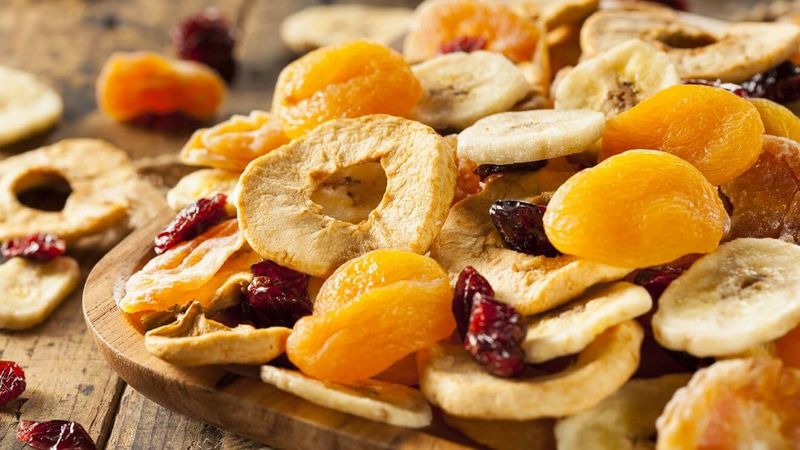
Nature's candy with serious staying power! Raisins, apricots, and banana chips deliver crucial vitamins and quick energy when fresh options aren't available. Beyond nutrition, dried fruits provide welcome sweetness that lifts spirits during emergencies.
Store in airtight containers to maintain quality for up to a year while preventing moisture from causing spoilage.
12. Nuts And Seeds
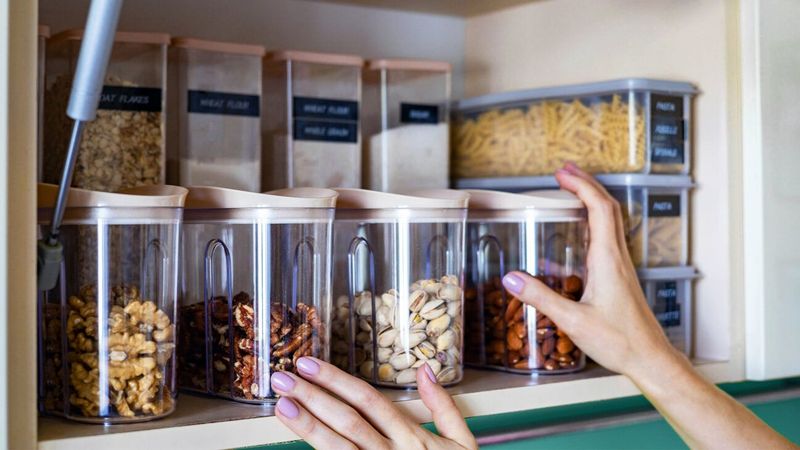
Tiny nutrient powerhouses that pack serious survival punch! Almonds, walnuts, and sunflower seeds deliver protein, healthy fats, and minerals in shelf-stable, ready-to-eat form.
The calorie density makes nuts ideal for emergency situations when maximum nutrition in minimum space matters. Store in cool conditions to extend shelf life up to a year for most varieties.
13. Crackers
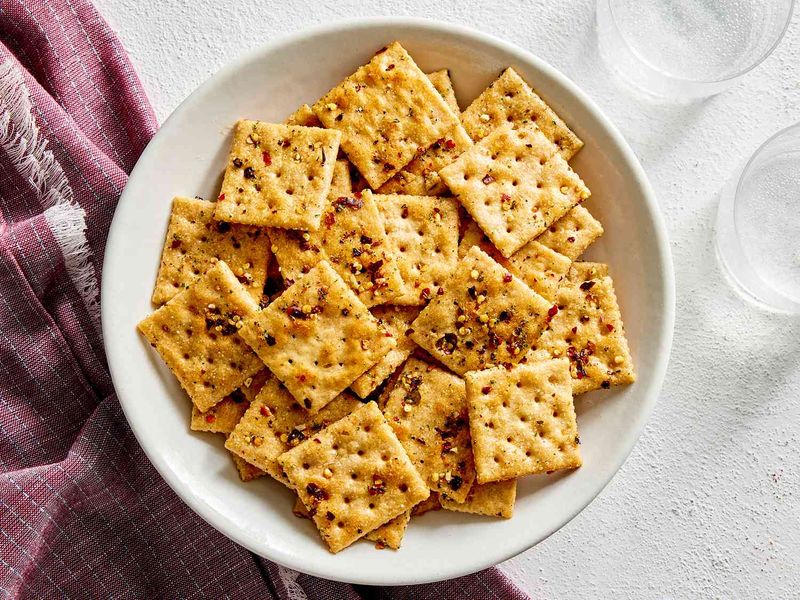
Humble hunger fighters that make other emergency foods more enjoyable! These shelf-stable carbohydrates serve as vehicles for peanut butter, tuna, or simply eating alone when bread isn't available. Vacuum-sealed varieties can last 6-9 months in proper storage conditions.
Choose whole grain options when possible for additional fiber and nutritional benefits during extended emergency situations.
14. Instant Noodles
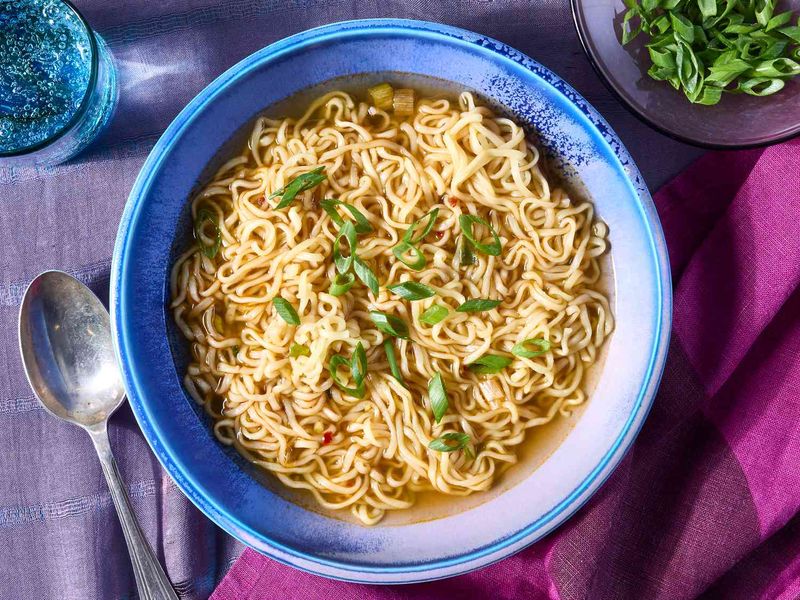
College student staples that double as emergency meal heroes! These ultra-lightweight packets require minimal water and cooking time to deliver satisfying, hot meals. The compact size makes noodles easy to store in quantity.
While not nutritional powerhouses alone, they provide comforting warmth and calories when supplemented with canned proteins or vegetables.
15. Shelf-Stable Bread Or Tortillas

Sandwich foundations that don't need refrigeration! Specially packaged breads and flour tortillas can remain fresh for months without freezing or cooling. These staples transform other emergency foods into proper meals.
Tortillas typically last longer than bread products and take up less storage space, making them particularly valuable for emergency food planning.