We've all been there - that heart-sinking moment when you taste your homemade soup and realize it's way too salty. Before you bin the whole pot or resign yourself to an unpleasant meal, know that there are simple fixes right in your kitchen.
These methods can rescue even the saltiest disasters and turn them back into delicious, balanced soups.
This article is intended for general cooking guidance only. Results may vary depending on ingredients, preparation methods, and personal taste. Photos are for illustrative purposes and outcomes can differ.
1. Dilute With Water Or Unsalted Broth
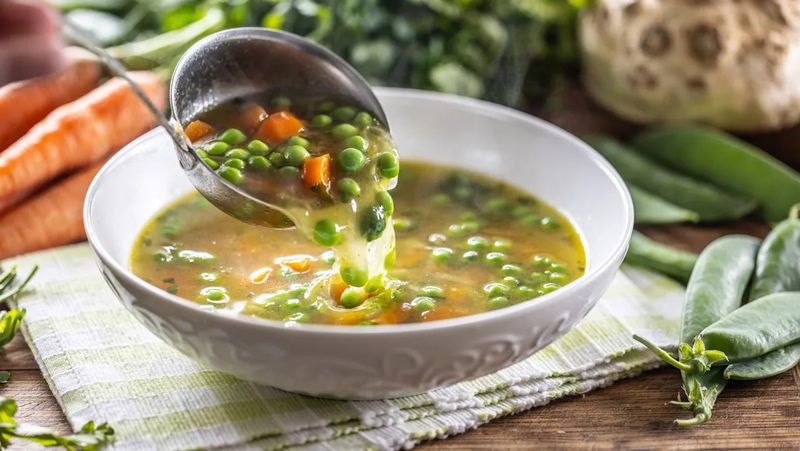
The simplest solution sits right in your tap! Adding water creates more volume without extra salt. For better flavour preservation, unsalted stock works brilliantly.
Start with small amounts - about half a cup at a time - then taste before adding more. This gradual approach prevents over-diluting and maintains your soup's intended character.
2. Add Raw Potatoes To Absorb Salt
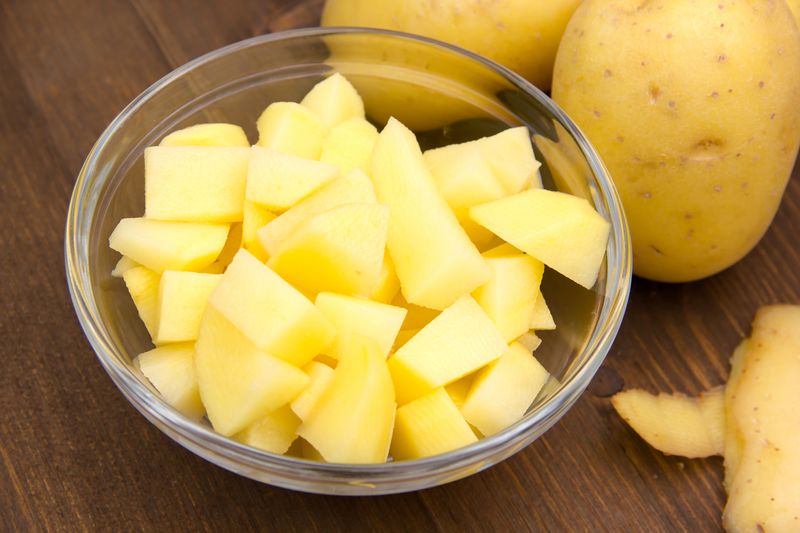
Nature's salt sponges! Raw potato chunks work like little salt magnets when added to your soup. Peel and cube a potato, then toss it in for about 15 minutes of simmering.
The starchy tubers absorb excess sodium while adding minimal flavour of their own. Remember to fish out the potato pieces before serving unless you fancy them as part of your meal.
3. Stir In Cooked Grains Like Rice Or Quinoa
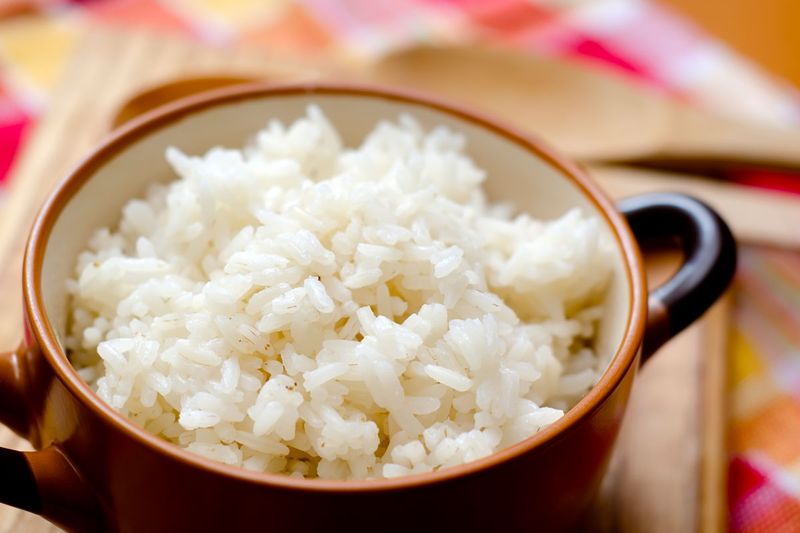
Got leftover rice? Perfect! Cooked grains eagerly soak up salty broth while adding hearty substance to your soup. They effectively dilute saltiness and transform a thin soup into something more substantial.
White rice works quickest, but brown rice, quinoa, or barley offer nutritional bonuses. About half a cup per litre of soup usually does the trick beautifully.
4. Balance With A Splash Of Cream Or Milk

Dairy's gentle richness works wonders against overwhelming saltiness. The fat content in cream, milk, or even coconut milk counteracts salt perception on your taste buds almost immediately.
For clearer broths, start with just a few tablespoons. Creamier soups can handle more substantial additions. This trick works especially well with tomato-based or spicy soups where dairy adds a welcome velvety dimension.
5. Toss In Unsalted Beans Or Lentils

Humble beans perform double duty as salt-fighters! Their mild flavour and absorbent nature make them perfect for rescuing over-salted soups while adding protein and fibre.
Canned varieties work in a pinch - just rinse thoroughly first to remove any added sodium. Chickpeas, cannellini, or black beans blend seamlessly into most soup styles, creating a heartier, more balanced result.
6. Sweeten Slightly With Sugar Or Honey

A chef's secret weapon! Just a teaspoon of sweetness can magically balance saltiness without making your soup taste sugary. This culinary sleight-of-hand works by creating flavour complexity rather than actual sweetness.
Brown sugar works beautifully in tomato soups, while honey complements vegetable broths. Start with half a teaspoon, stir thoroughly, then taste before adding more.
7. Brighten With A Squeeze Of Lemon Juice

Surprisingly, acidity can mask saltiness! A splash of lemon juice creates a flavour distraction that reduces salt perception while adding brightness to your soup.
The citrus tang works particularly well with bean, lentil, and vegetable soups. Fresh is best, but bottled juice works in emergencies. This technique also adds vitamin C – a lovely nutritional bonus to your rescued meal.
8. Serve With Bread Or Plain Starches On The Side

Sometimes the solution isn't in the soup at all! Plain, unsalted accompaniments like fresh bread, rice, or potatoes create balance when eaten alongside salty soup.
The bland starchiness absorbs and complements the salt, creating harmony in each mouthful. This approach works brilliantly when you're serving immediately and don't have time for other fixes. Plus, who doesn't love dunking bread in soup?