













The 1960s were a time of strict dinner table etiquette that would leave today’s kids scratching their heads. From how to sit, to when to speak, the rules were far more formal than what we’re used to now.
Let’s take a step back in time and explore the dinner manners that would definitely raise some eyebrows in today’s world.
This article is for general informational and entertainment purposes only. Social norms, family traditions, and dining etiquette varied across regions and households.
1. Don’t Use Your Hands For Eating
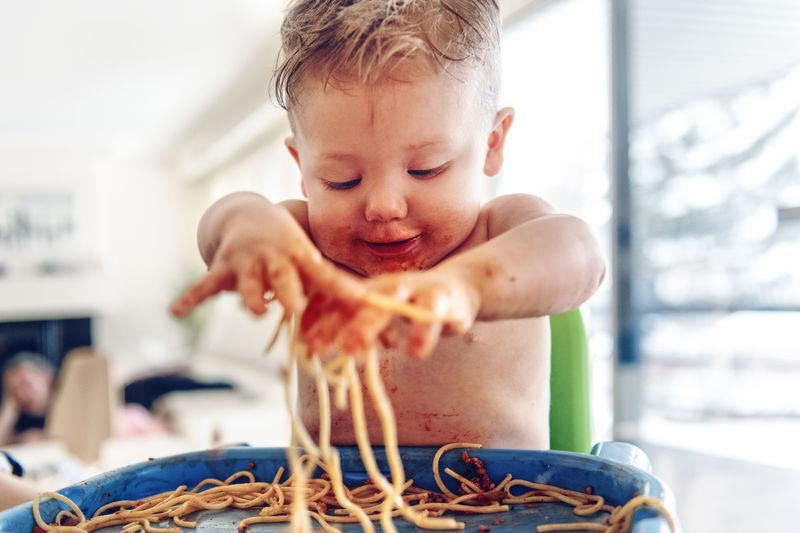
In the 1960s, utensils were strictly the order of the day. Hands were reserved for certain "finger foods," like sandwiches or pizza, but anything that required a knife and fork was strictly off-limits for fingers. It was considered unsophisticated to eat with your hands at the table, and parents would correct children immediately if they tried to do so.
This was especially important at formal dinners or when guests were invited, ensuring everyone adhered to proper etiquette.
2. Hands On Your Lap When Not Eating

When you weren’t actively cutting or chewing, your hands had a designated resting spot - neatly folded on your lap. Resting them on the table, playing with cutlery, or drumming fingers was strictly off-limits.
Parents saw idle hands as a sign of impatience or poor upbringing, and children quickly learned the art of waiting politely between courses.
3. Ask Politely To Leave The Table
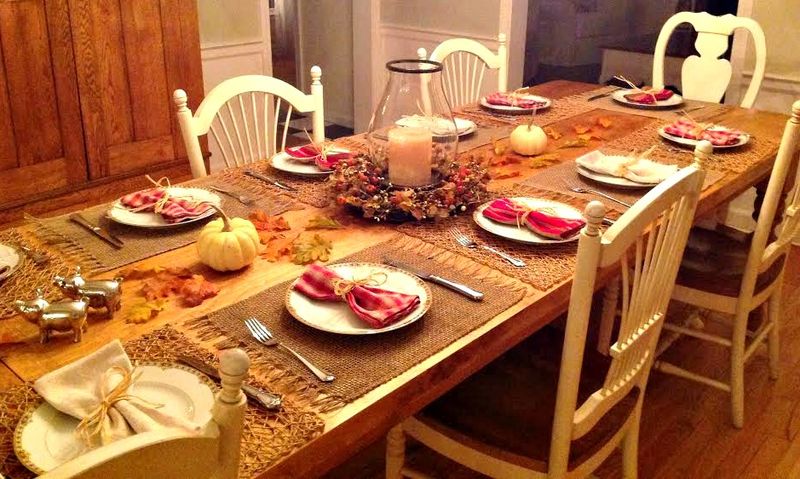
Once dinner was finished, children couldn’t simply hop up and run off. They were expected to sit quietly until everyone was done, then ask, “May I please be excused?” Only after receiving permission could they leave.
This ritual reinforced respect for authority and ensured meals ended as ceremoniously as they began.
4. Don’t Reach Across The Table
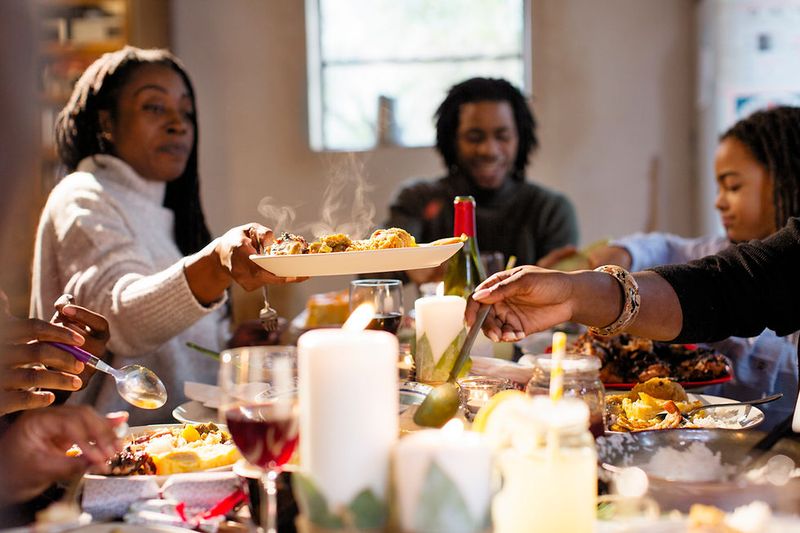
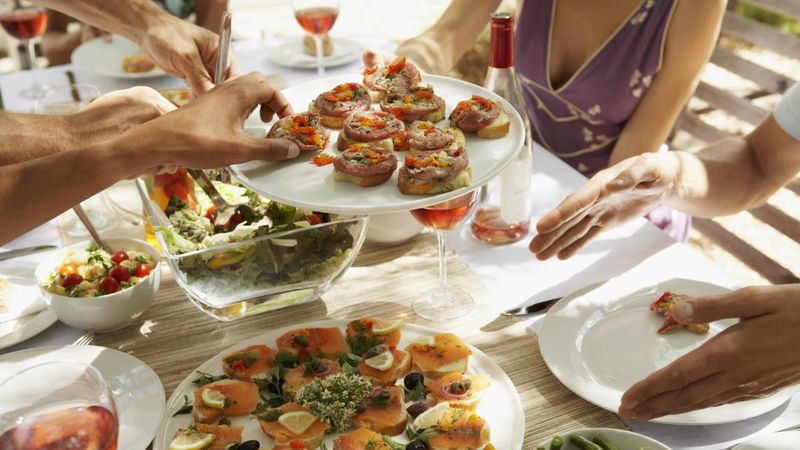
In the 1960s, reaching across the table was considered impolite. Instead, everyone was expected to ask for what they needed to be passed, whether it was the salt, pepper, or a dish of vegetables. This was a rule aimed at maintaining decorum and ensuring that everyone was seated properly without unnecessary movements that could disrupt the flow of the meal.
Children learned early that it was important to ask politely for food to be passed to them rather than grabbing it themselves.
5. No Talking With Your Mouth Full

Children were expected to maintain perfect silence while chewing. Parents would shoot warning glances at any youngster who dared to mumble through a mouthful of mashed potatoes.
The rule was enforced religiously, with some families even implementing a three-strike system before being excused from the table. Kids learned to time their conversations between careful bites.
6. Sit Up Straight, No Slouching
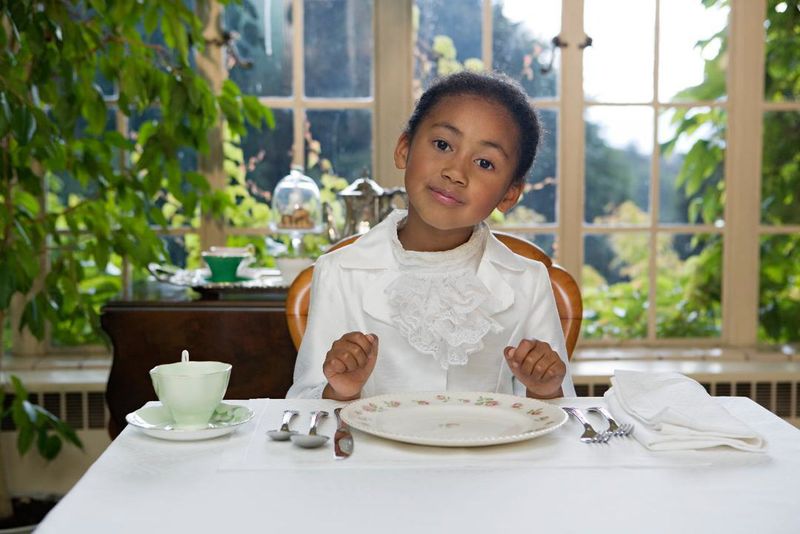
Posture was paramount in the 1960s dining experience. Children sometimes practiced balancing books on their heads to master the art of sitting properly.
Gentle reminders of "shoulders back" and "spine straight" punctuated meals. Some parents would tap their children's backs with a finger if they began to slump forward over their soup.
7. No Elbows On The Table
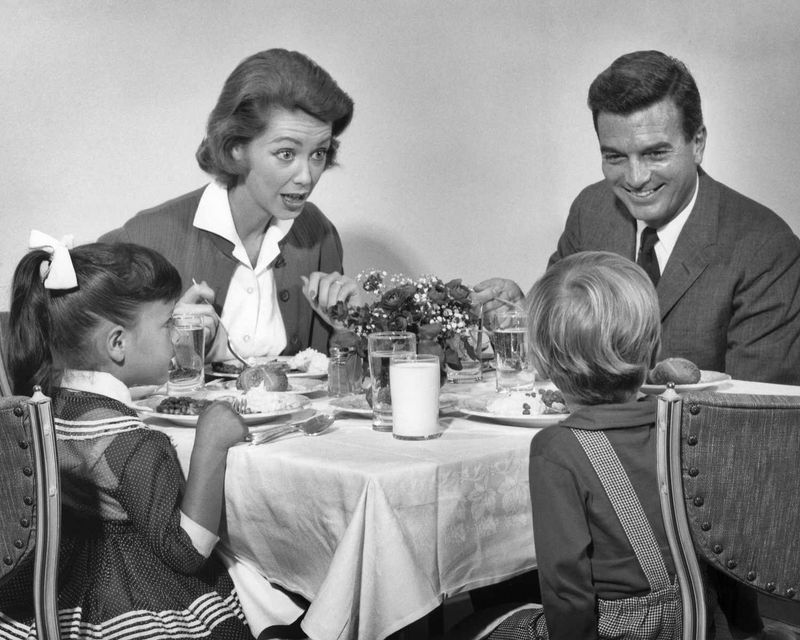
"Get those elbows off!" - a battle cry heard across dining rooms of the swinging sixties. The tabletop was sacred territory, not a resting place for wayward limbs.
Parents would tap offending elbows or clear their throats meaningfully at the first sign of this grievous etiquette breach. Some families even played the "penny game" - balancing coins on elbows to train children to keep arms properly positioned.
8. The Family Meal Is Sacred
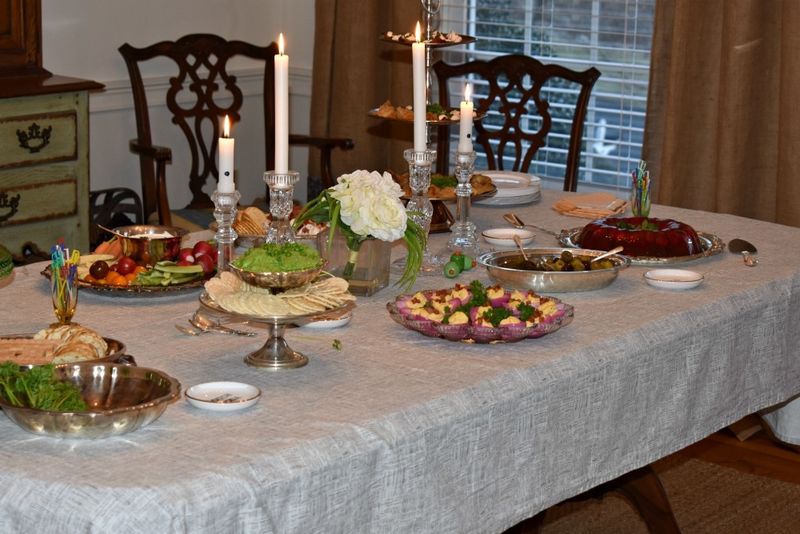
Dinner at 6 o'clock sharp - every single night. Missing the family meal without a doctor's note or national emergency was simply unthinkable.
Attendance wasn't optional but mandatory family business. Phone calls went unanswered during this hallowed time, and neighbourhood friends knew better than to knock during the dinner hour.
9. No TV During Dinner
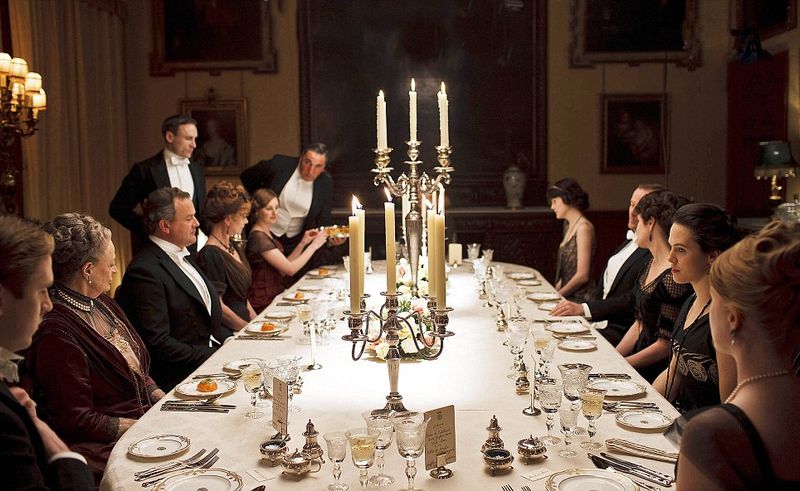
Televisions existed in the '60s, but they went dark during dinnertime. Families actually spoke to each other instead of staring at screens!
Conversation was the main course at these gatherings. Parents would take turns asking about school days or discussing current events. Children learned the art of small talk alongside proper fork usage.
10. You Must Finish Your Plate
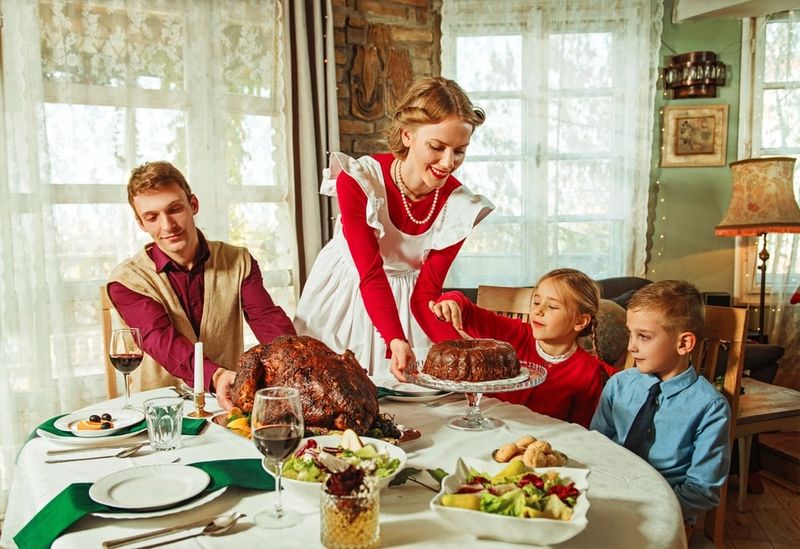
"Think of the starving children!" was the rallying cry of parents everywhere. Leaving even a morsel of food was considered a moral failing rather than listening to your body's fullness cues.
Clean plate clubs were real, with some families keeping actual charts. Children learned to strategically hide Brussels sprouts in napkins when desperate measures were required.
11. Wait For Everyone To Sit Down Before Eating
Patience was a mealtime virtue in the 1960s household. Children sat with hands in laps, eyeing steaming dishes with longing while waiting for every family member to be seated.
Steam would rise from mashed potatoes. Gravy congealed slightly. Yet not a single fork touched a plate until Dad settled into his chair and Mum finally stopped bringing dishes to the table.
12. Children Shouldn't Speak Until Spoken To
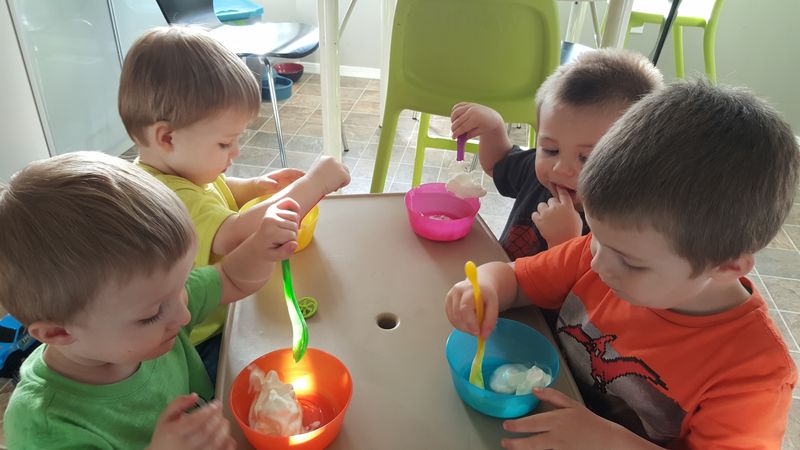
Young voices were rarely heard during 1960s dinner conversations unless specifically invited. Children sat quietly, absorbing adult discussions about mortgages and neighbourhood gossip.
Raising a hand to speak wasn't uncommon in some households. Breaking this cardinal rule might earn a sharp glance or under-the-table tap on the knee from Mum.
13. No Chewing Gum At The Table
Gum-chewing at the table was considered the height of vulgarity. The rhythmic chomping and potential bubble-blowing represented everything wrong with modern youth culture.
Offenders faced swift justice. The dreaded tissue would appear, and the forbidden gum would be wrapped and disposed of immediately. Some families kept special "gum jars" by the dining room entrance.
14. Men Served First
The patriarch received the first serving, often the choicest cut of meat or largest portion. This wasn't just preference but established hierarchy.
Children watched as Dad's plate was carefully prepared before anyone else's. Mum typically served herself last, after ensuring everyone else was properly fed. This ritual reinforced the family power structure with every meal.
15. No Snacks Before Dinner
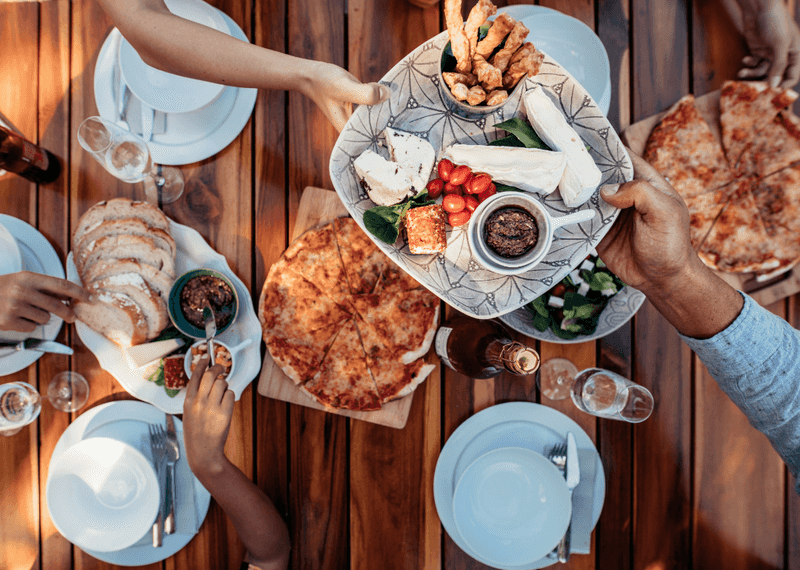
"You'll ruin your appetite!" - the battle cry of mothers defending dinner plans against hungry children. The kitchen became forbidden territory in the hours before mealtime.
Fruit bowls were monitored for missing apples. Biscuit tins were sometimes locked away. Children learned to time their after-school hunger pangs or risk facing dinner with a suspiciously small appetite.
16. No Talking About Politics Or Religion At The Table
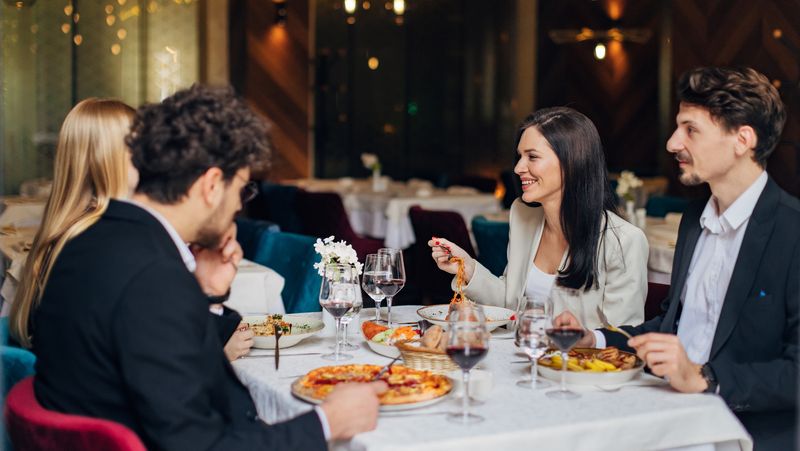
Certain topics were absolutely verboten during family meals. Politics, religion, money troubles, and neighbourhood scandals vanished from conversation once the roast arrived.
Parents would swiftly change subjects with a pointed "Not at the table, dear" if forbidden topics arose. Children learned to navigate these conversational minefields through observation rather than explanation.
17. Wait For The "Ladies First"
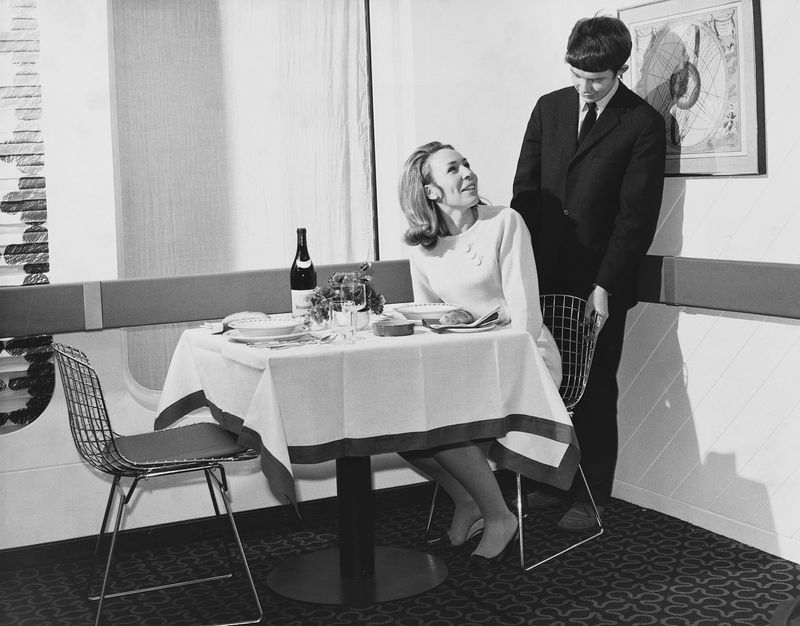
Chivalry reigned supreme at sixties dinner tables. Boys learned to stand when women entered the room and wait until all females were seated before taking their own chairs.
This rule extended beyond seating to serving. Girls received their portions before boys, regardless of age or hunger level. The practice was considered essential for raising proper gentlemen.
18. No Interrupting The Adults
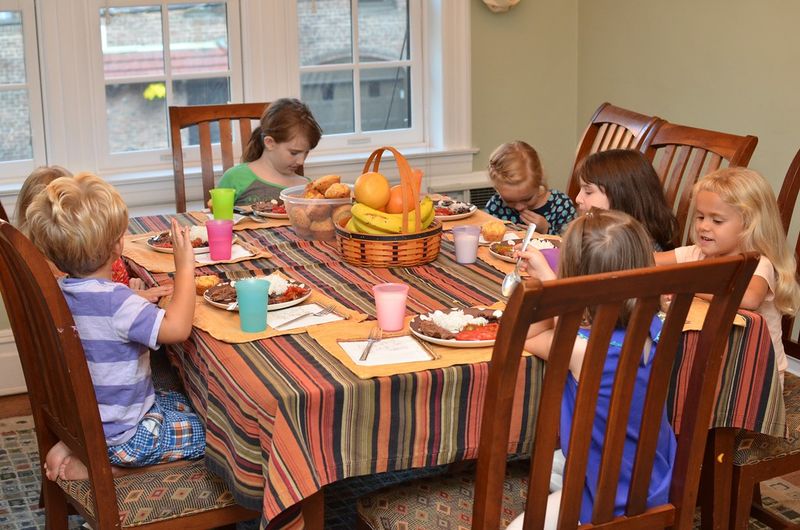
Children with burning questions learned the art of patience during 1960s dinners. Adult conversations had absolute priority, regardless of how urgent a child's contribution might seem.
Some families implemented hand-raising systems borrowed from school. Others expected children to wait for natural conversation pauses. Persistent interrupters might be sent from the table to contemplate their manners in solitude.



