





Remember when dining out meant encountering dishes that now seem like culinary ghosts? British restaurants once served spectacular creations that have gradually faded into obscurity.
From elaborate potato sculptures to savoury jellied concoctions, these forgotten treasures tell the story of our changing tastes and dining habits.
Let's revisit these delightful relics of British gastronomy that you're unlikely to spot on today's menus.
1. Duchess Potatoes

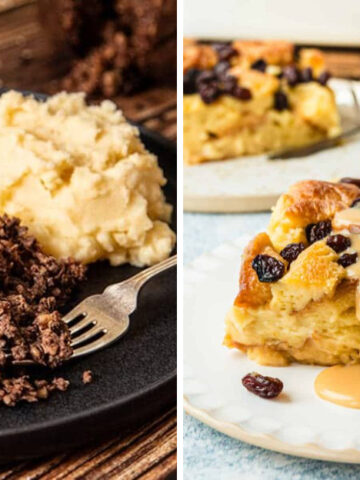
Piped perfection on a plate! These elegant mashed potato rosettes were a staple at upmarket British establishments in the 1970s. Enriched with egg yolks and butter, then baked until golden, they offered a crisp exterior hiding a fluffy centre.
The labour-intensive preparation eventually led to their disappearance as restaurants sought simpler side dishes.
2. Mutton Chops

Once the cornerstone of British Sunday roasts, these flavoursome cuts from older sheep delivered robust taste that lamb simply can't match. Typically served with mint sauce and roasted vegetables, mutton chops gradually vanished as faster-growing lamb became commercially preferable.
Their distinctive gamey character and traditional cooking methods now survive mostly in countryside farmhouses rather than restaurant menus.
3. Vol-Au-Vents

No 1980s dinner party was complete without these puff pastry cases filled with creamy chicken or prawn mixtures. The hollow pastry towers, whose name literally means "windblown" in French, were the height of sophistication.
Despite their French origins, Brits embraced them wholeheartedly before relegating them to the culinary history books when minimalism became fashionable.
4. Beef Wellington

Wrapped in pastry and mystery, this grand dish named after the Iron Duke was the pinnacle of fine dining throughout the mid-20th century. The tender fillet, coated in pâté and mushroom duxelles before being encased in golden pastry, required exceptional skill.
Its complexity and cost gradually pushed it off menus, though it occasionally resurfaces as a nostalgic special in traditional establishments.
5. Chicken A La King

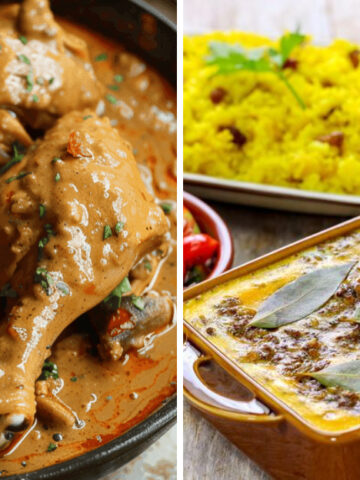
The creamy comfort of diced chicken in a rich sauce studded with peppers and mushrooms was once the star of hotel dining rooms across Britain. Typically served in a pastry case or over rice, this Anglo-American creation dominated 1950s and 60s menus.
Its decline coincided with the arrival of more exotic international cuisines that made this once-sophisticated dish seem decidedly old-fashioned.
6. Kedgeree

Bringing the flavours of the Empire to British breakfast tables, this curious combination of smoked fish, rice, and curry spices was a morning staple for the upper classes. Originally an Indian khichdi adapted by returning colonial officials, it featured prominently on Victorian and Edwardian breakfast menus.
The hearty dish gradually retreated to country house hotels as lighter breakfasts became the norm.
7. Savoury Jelly

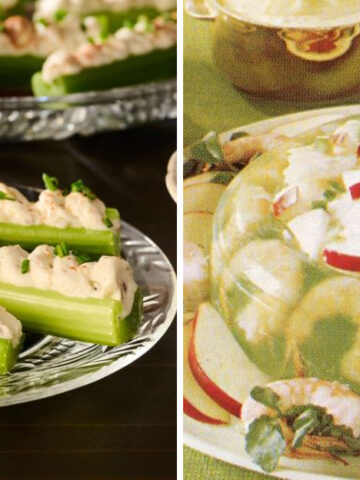
Shimmering aspics containing everything from vegetables to cold meats represented the pinnacle of culinary showmanship in post-war Britain. These wobbly creations, often shaped in elaborate copper moulds, required significant technical skill to achieve the perfect clarity and set. Modern diners' textural preferences have consigned these gelatinous masterpieces to history, though they remain fascinating examples of vintage food artistry.
8. Coronation Chicken

Created for Queen Elizabeth II's coronation banquet in 1953, this curried chicken salad became an instant classic at garden parties and buffets across the nation. The original Constance Spry recipe combined poached chicken with a sophisticated sauce of mayonnaise, curry powder, and apricot purée.
While simplified versions survive in sandwiches, the authentic royal dish with its complex spicing has largely disappeared from restaurant menus.
9. Steak And Kidney Pie

Steam rising from a freshly cut shortcrust pastry lid once signalled pure comfort in pubs nationwide, revealing tender beef and kidney pieces swimming in rich gravy. Known affectionately as "Kate and Sidney" in Cockney rhyming slang, this hearty pie has fallen victim to changing tastes.
Modern diners' squeamishness about offal has pushed this Victorian favourite to the margins, replaced by kidney-free steak pies.
10. Welsh Rarebit

Far more than just cheese on toast, this tavern classic featured a sophisticated blend of sharp cheddar, ale, mustard and Worcestershire sauce, grilled to bubbling perfection. Dating back to the 18th century, proper Welsh Rarebit was once a staple on British lunch menus.
The labour-intensive sauce preparation has seen it gradually replaced by simpler cheese toasties, though culinary historians still champion this melty masterpiece.
11. Ploughman's Lunch

Contrary to popular belief, this seemingly rustic farmer's meal of cheese, bread, pickles and apple was actually a clever 1970s marketing creation by the Milk Marketing Board. Once the cornerstone of pub lunches nationwide, the proper Ploughman's featured generous wedges of regional cheese and crusty bread.
Today's versions are often pale imitations, with pre-sliced cheese and mass-produced accompaniments replacing the hearty original.
12. Devilled Eggs

These spicy little morsels were the toast of cocktail parties throughout the 1960s, with their distinctive paprika-dusted tops adding a splash of colour to buffet tables. The classic British version featured egg yolks mixed with mustard, cayenne pepper and mayonnaise.
Their fiddly preparation and association with retro entertaining saw them gradually vanish from menus, though they're occasionally revived with modern twists by nostalgic chefs.