













Britain's food landscape is as diverse as its accents, with local delicacies that rarely travel beyond their birthplaces.
From mysterious puddings to peculiar pies, these regional treasures tell stories of local history, available ingredients, and culinary creativity.
Join me on a mouthwatering tour of 30 beloved dishes that leave the rest of the UK scratching their heads.
1. Pease Pudding, Northumbria
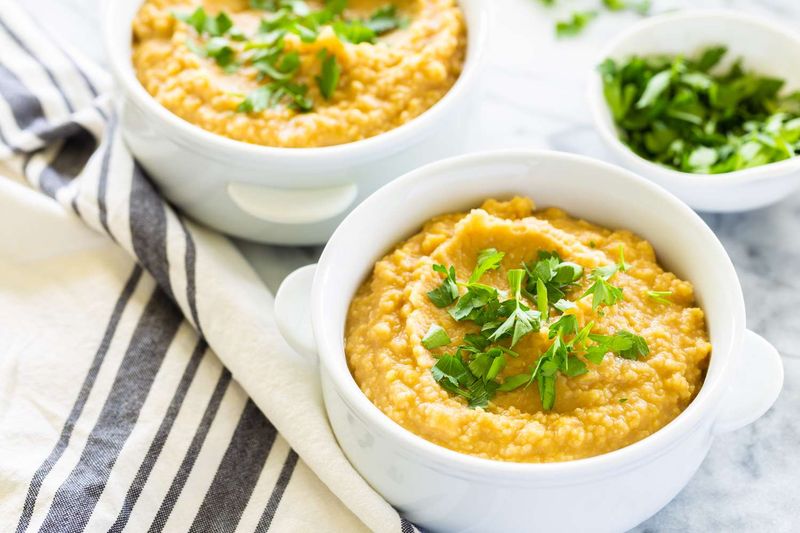
Northumbrians swear by this velvety yellow split-pea paste, simmered for hours until it reaches the perfect consistency. Traditionally served alongside ham or stuffed into stottie cakes, it's the North East's answer to hummus.
Dating back to medieval times, this humble dish sustained generations of working-class families with its hearty, protein-rich goodness.
2. Stottie Cake, Tyneside
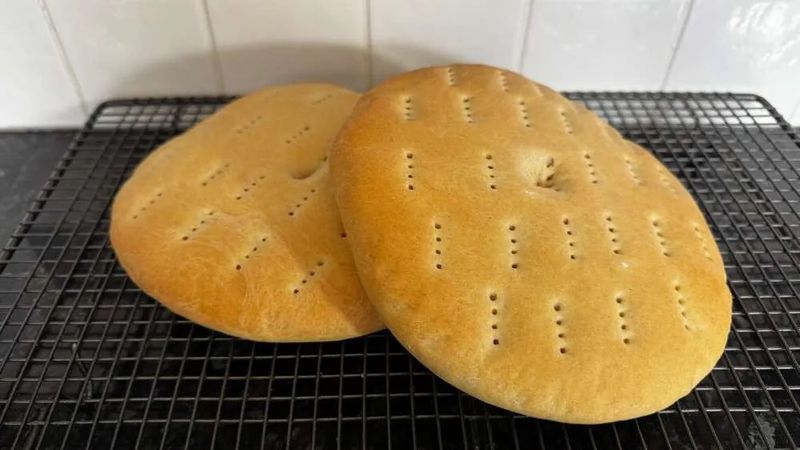
Forget your fluffy white loaves – the stottie means business. This dense, doughy flatbread has a distinctive chewy texture that's perfect for soaking up gravy or holding generous fillings.
The name comes from the Geordie word 'stott', meaning to bounce, as legend claims you could drop one and it would bounce right back up!
3. Parmo, Teesside
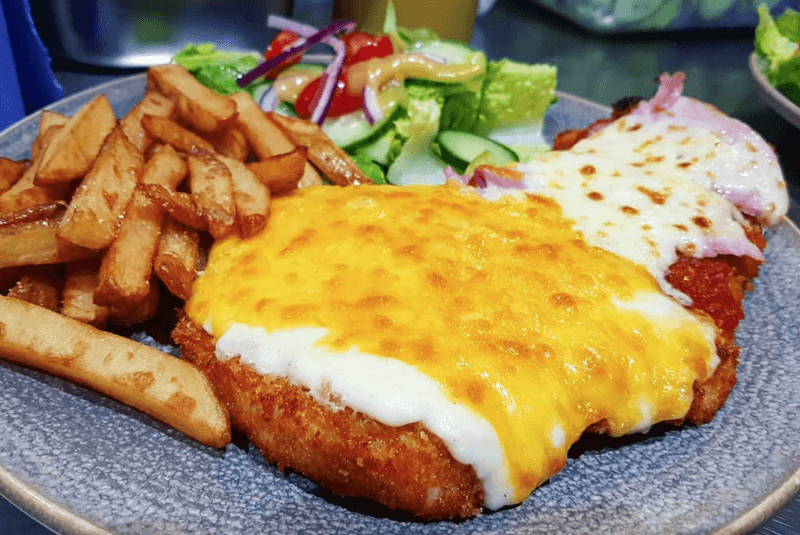
Late-night revellers in Middlesbrough worship this calorie-laden masterpiece. Flattened chicken breast gets coated in breadcrumbs, deep-fried, smothered in béchamel sauce, and blanketed with melted cheese.
Born in the 1950s, this post-pub favourite outshines kebabs and pizza in Teesside takeaways. The ultimate comfort food that makes nutritionists weep!
4. Dock Pudding, Calder Valley, West Yorkshire
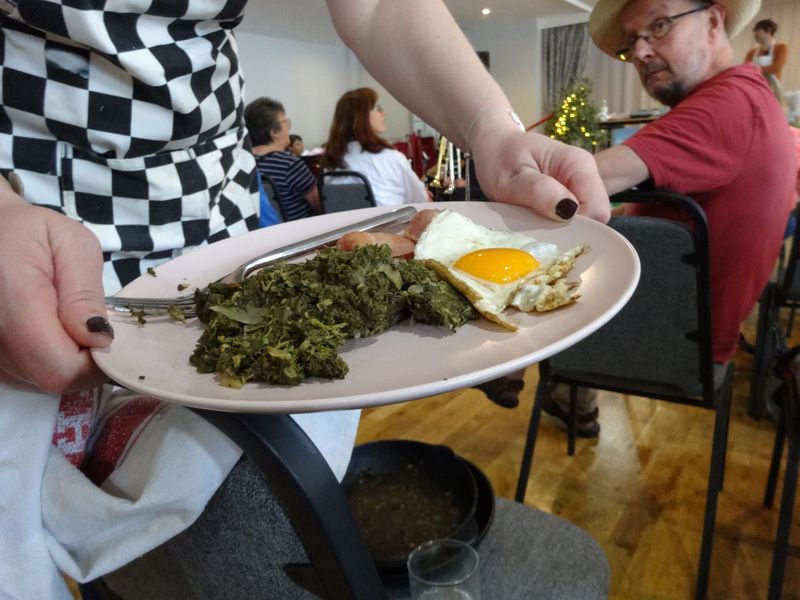
Spring brings this curious concoction to West Yorkshire tables. Foraged bistort leaves (known locally as 'dock') are mixed with nettles, oatmeal, onions and seasoning to create a distinctive green patty.
Fried in butter until crisp on the outside, it's typically served with bacon and eggs. The annual World Dock Pudding Championship in Mytholmroyd celebrates this hyperlocal delicacy.
5. Lancashire Butter Pie, Lancashire
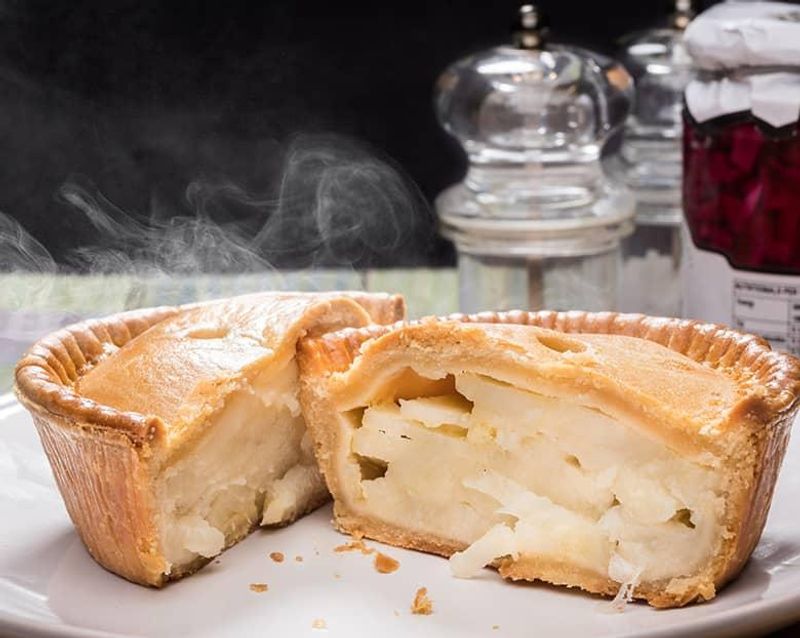
Born from Catholic tradition, this comforting pie solved a religious dilemma. When meat was forbidden on Fridays, Lancashire mill workers needed something substantial to keep them going.
The solution? A shortcrust pastry filled with potato, onion, and lashings of butter. Still beloved at Preston North End football matches, it's carb-loading perfection with a side of history.
6. Rag Pudding, Oldham, Greater Manchester
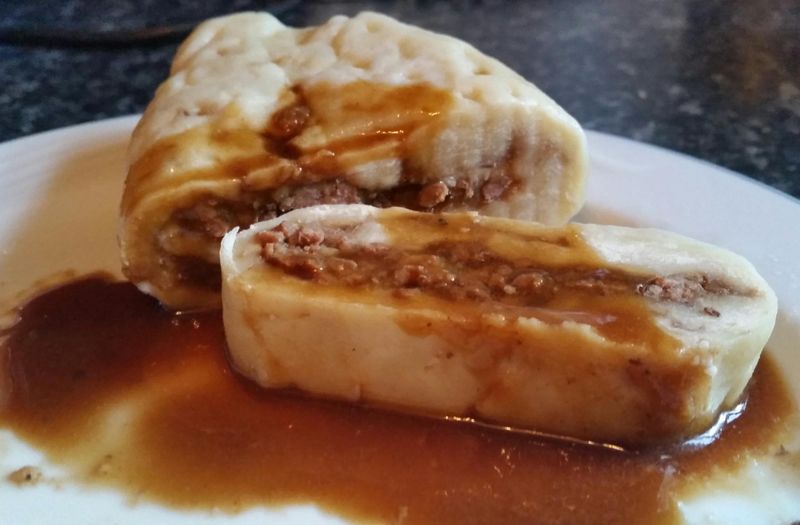
Don't let the name put you off – there's no actual rag in this Oldham speciality! Minced beef and onions are wrapped in suet pastry, then the whole parcel is wrapped in a muslin cloth ('rag') and steamed.
The result? A hearty, moist pudding that fuelled generations of Lancashire mill workers. Sadly endangered today, devoted locals are fighting to preserve this regional treasure.
7. Parched Peas, Bolton And Preston
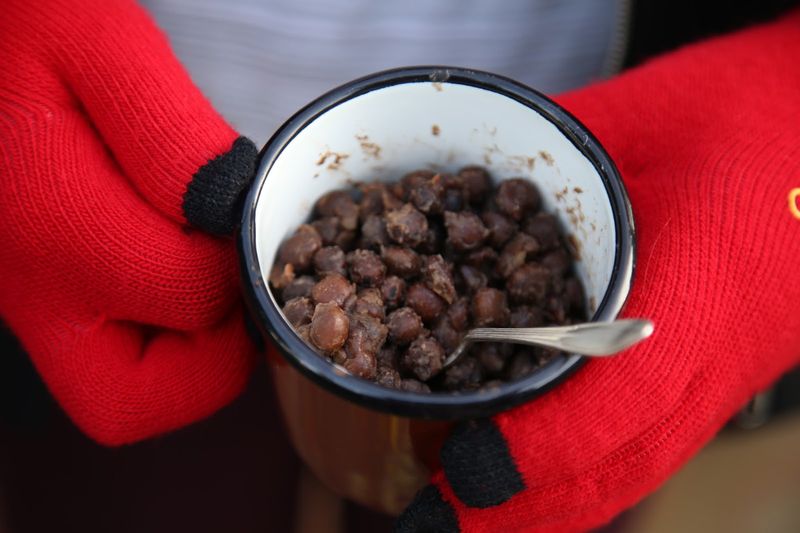
Lancashire folk queue up at fairs and markets for these wrinkled black nuggets of joy. Dried black peas (known as carlin peas) are soaked overnight, then slowly simmered until tender.
Served in paper cups with salt, vinegar and pepper, they're particularly associated with Preston's annual Guild celebrations. The ultimate northern street food, predating trendy food trucks by several centuries!
8. Bedfordshire Clanger, Bedfordshire
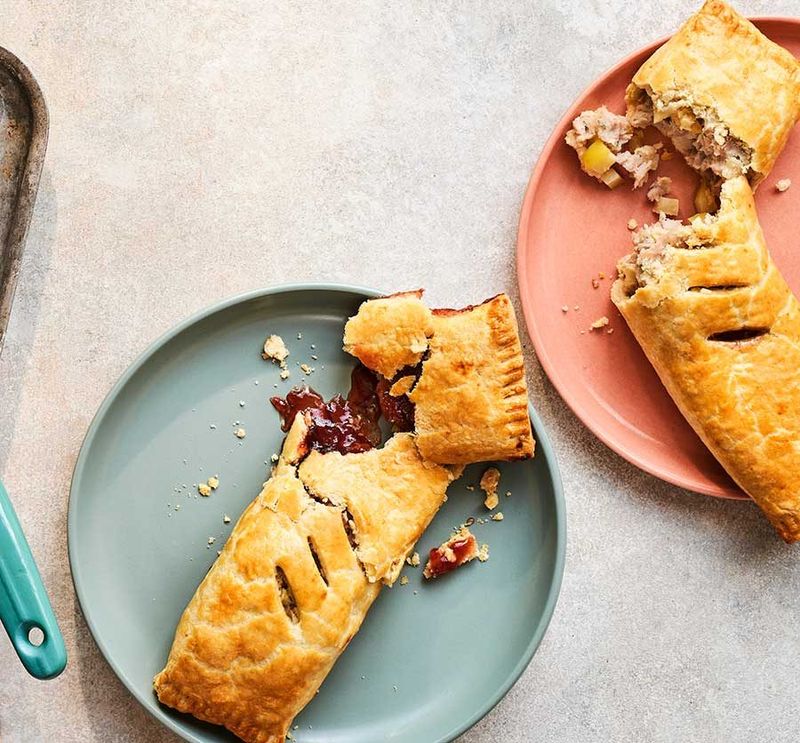
The ultimate two-course meal in one tidy package! This ingenious creation features a suet pastry roll with savoury at one end (typically meat and vegetables) and sweet at the other (jam or fruit).
Victorian farmworkers carried these portable meals into the fields. A string in the middle marked the boundary between main course and pudding – practical engineering in pastry form!
9. Sussex Pond Pudding, Sussex
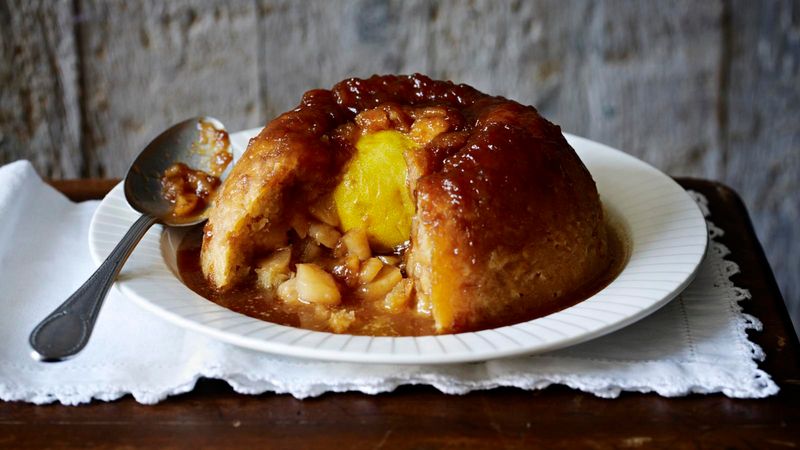
Imagine the surprise when cutting into this innocent-looking suet pudding reveals a whole lemon inside! As it cooks, the lemon softens and releases its juices, creating a citrusy 'pond' of sauce.
Dating back to 1672, this pudding combines butter and sugar with that hidden lemon for a gloriously sticky, sharp-sweet finale to Sunday lunch. Jane Austen was reportedly a fan!
10. Cornish Pasty, Cornwall
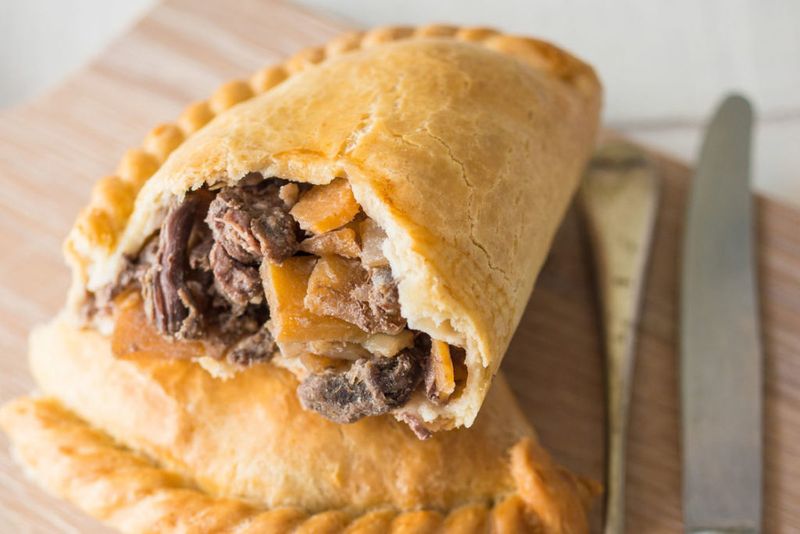
Cornwall's most famous export enjoys protected status under EU law – don't you dare call it a Cornish pasty unless it's made in Cornwall! The distinctive D-shaped pastry encloses beef, potato, swede and onion.
The crimped edge along the side was traditionally used as a handle by tin miners with dirty hands. They'd discard this 'disposable cutlery' afterwards, supposedly leaving it for knockers (mine spirits).
11. Dorset Knob, Dorset
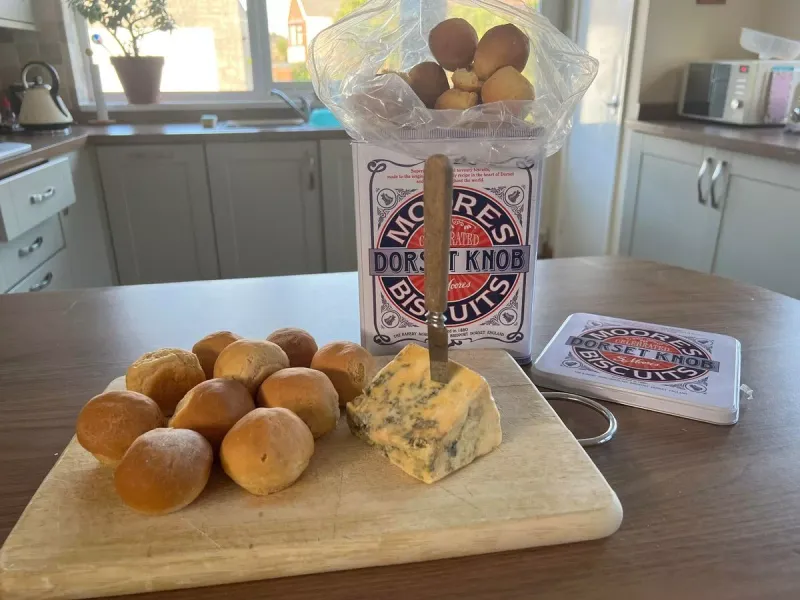
Stop sniggering at the back! These hard, dry biscuits have been made by Moores of Morecombelake since 1880. Baked three times like rusks, they're rock-hard rounds that were traditionally only produced once a year.
Locals enjoy them with Blue Vinny cheese or dipped in tea. The annual Dorset Knob Throwing Contest sees competitors hurl these biscuits for distance – truly a versatile food!
12. Bakewell Tart, Derbyshire
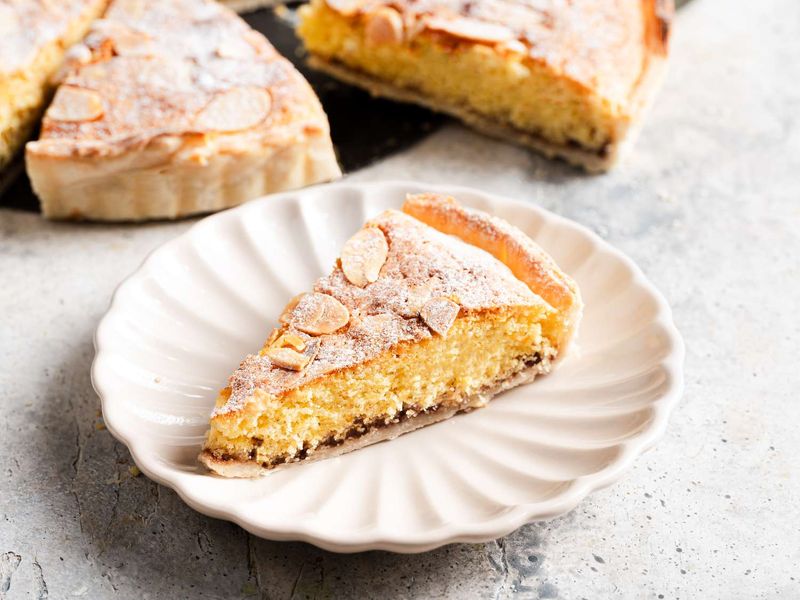
The jewel in Derbyshire's culinary crown began life as an accident! Legend claims a cook at Rutland Arms misunderstood instructions for a jam tart and created something far superior.
The authentic version features shortcrust pastry lined with jam, topped with almond frangipane, and finished with flaked almonds. Not to be confused with Mr Kipling's iced cherry-topped imposters that locals sniff at!
13. Eccles Cake, Greater Manchester
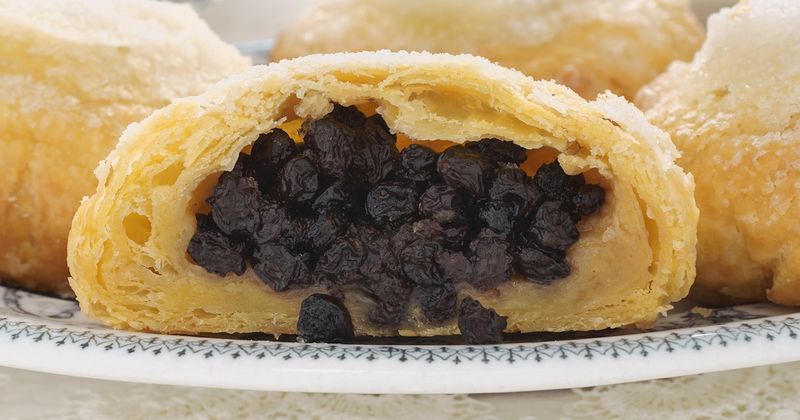
These little beauties have been tempting sweet-toothed Lancastrians since 1793. Flaky puff pastry encases a filling of currants, butter, and sugar, creating what locals affectionately call 'dead fly pies'.
Named after the town of Eccles (now part of Greater Manchester), they were once banned by Puritans for being too delicious! Best enjoyed with a strong cup of tea and a wedge of Lancashire cheese.
14. Chorley Cake, Lancashire
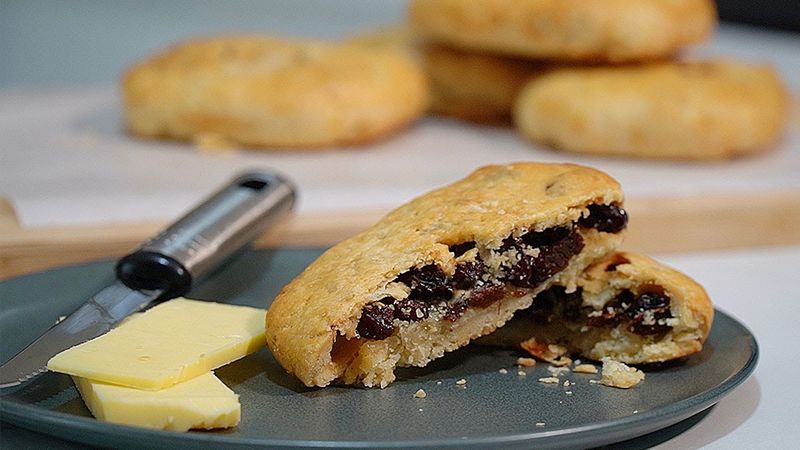
Often confused with its flashier cousin the Eccles cake, the Chorley cake is the understated northern alternative. Made with shortcrust rather than puff pastry, it's flatter, less sweet, and altogether more practical.
Lancashire folk spread these spiced currant-filled discs with butter and top with a slice of Lancashire cheese. No fancy sugar topping here – just honest-to-goodness northern frugality in pastry form!
15. Black Badger Pie, Hertfordshire
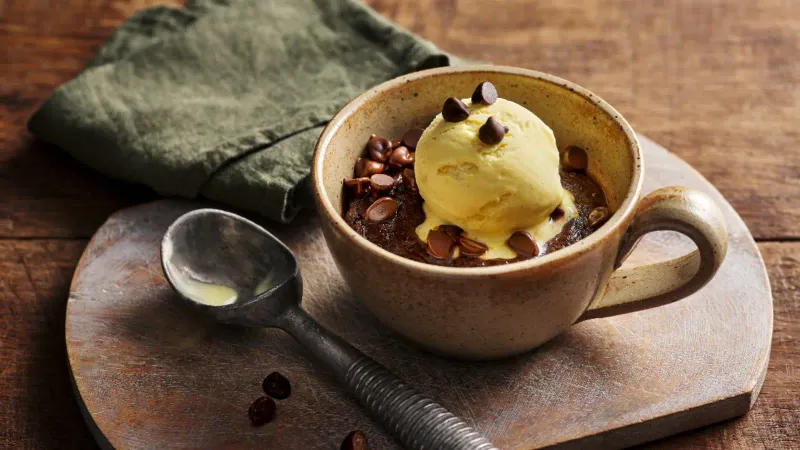
This rustic delight showcases the 'Black Badger' – a heritage variety of carlin pea grown in Hertfordshire. Wrapped in suet pastry, it combines savoury and sweet elements similar to a Bedfordshire Clanger.
Farmworkers relied on this portable meal for sustenance during long days in the fields. The nutty-flavoured peas provide protein, while the sweet end offers a morale-boosting pudding – all in one convenient package!
16. Haggis, Scotland
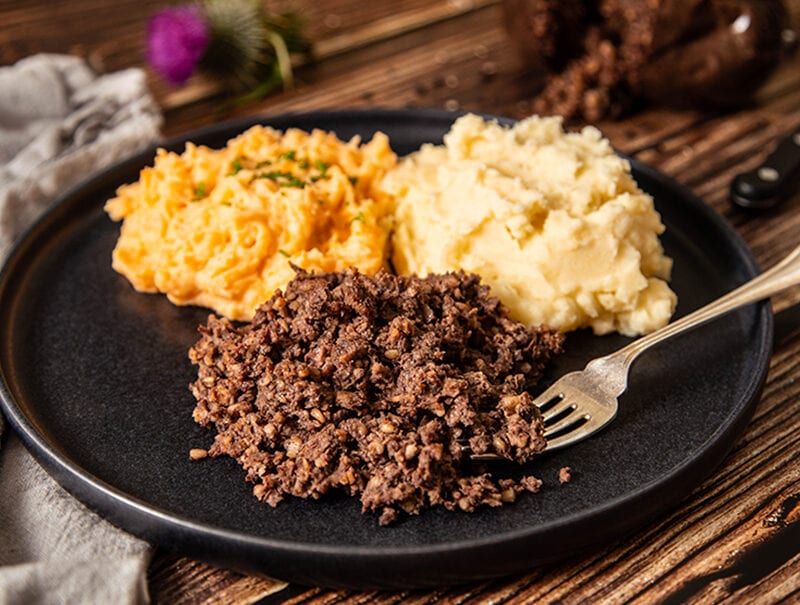
Scotland's national dish strikes fear into visitors but inspires fierce pride among locals. Sheep's heart, liver and lungs are minced with onion, oatmeal, suet and spices, then encased in a sheep's stomach and boiled.
The result is surprisingly delicious – nutty, peppery and deeply savoury. Traditionally served with 'neeps and tatties' (turnip and potato) on Burns Night, it's often toasted with a dram of whisky.
17. Stornoway Black Pudding, Outer Hebrides
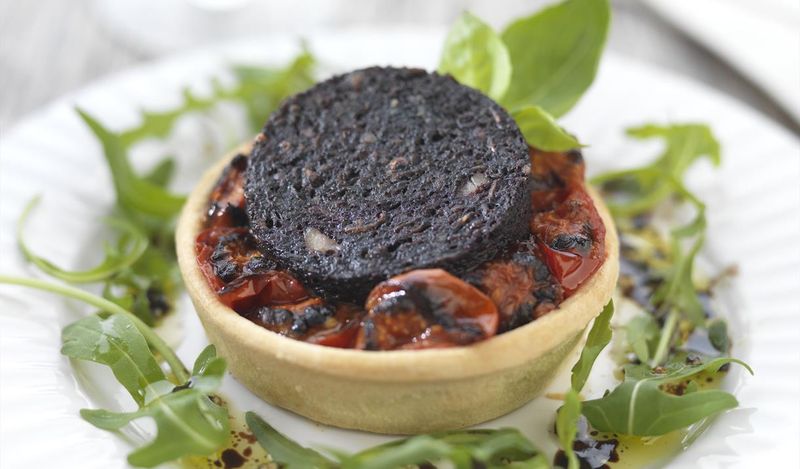
Not all black puddings are created equal! This Hebridean delicacy has protected geographical status, meaning only the real deal from the Isle of Lewis can bear the name.
Made with beef suet rather than pork fat, it has a distinctive nutty texture from pinhead oatmeal and a subtle spicing. Islanders serve it sliced and fried as part of a full Scottish breakfast or crumbled into scallop dishes.
18. Skirlie, North East Scotland
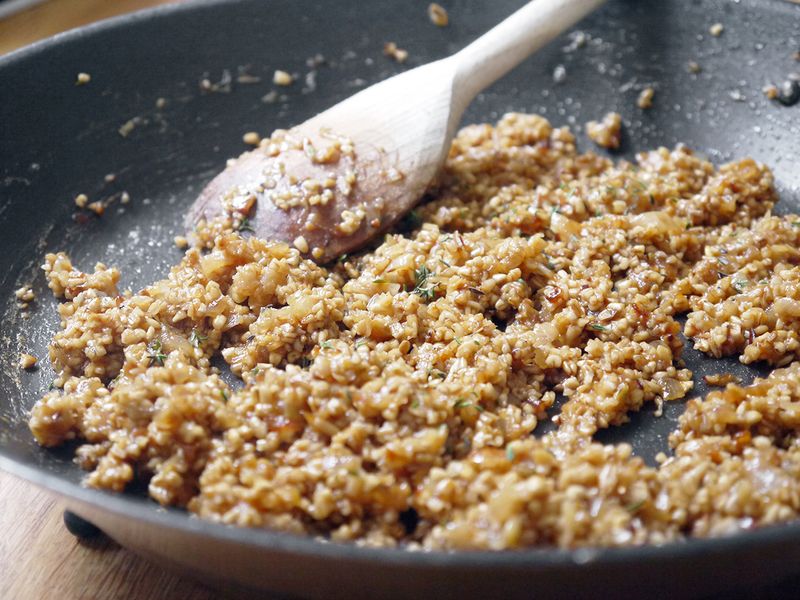
Scottish frugality shines in this simple yet flavourful side dish. Oatmeal is toasted in beef dripping or butter with finely chopped onions until golden and crispy.
Traditionally used as stuffing for chicken or accompanying mince, it's the ultimate comfort food on cold Highland evenings. Some families add a splash of whisky before serving – because what Scottish dish isn't improved by a wee dram?
19. Dundee Cake, Dundee, Scotland
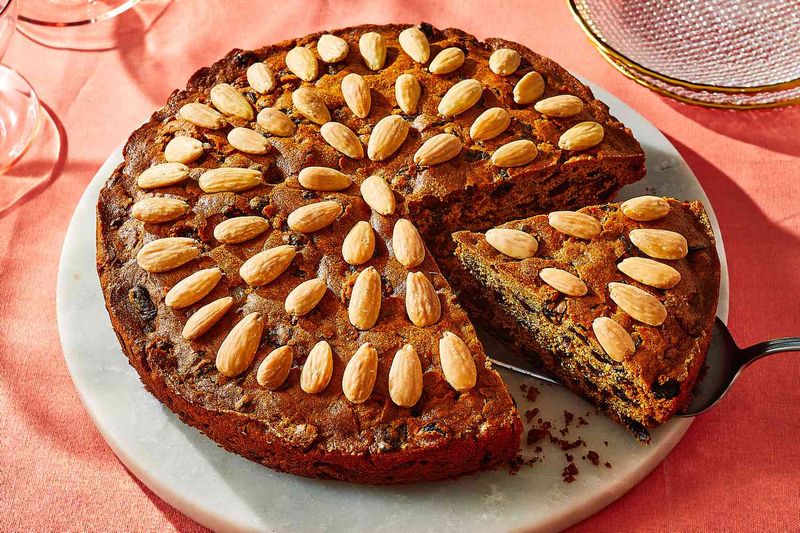
This regal Scottish fruitcake has graced tea tables since the 19th century. Legend claims Mary Queen of Scots disliked cherries in her fruit cake, so Dundee bakers created this alternative studded with almonds instead.
The distinctive concentric circles of blanched almonds crown a rich, whisky-laced cake filled with sultanas, currants, and orange peel. Queen Victoria's favourite afternoon tea treat remains a symbol of Scottish baking prowess.
20. Cawl, Wales
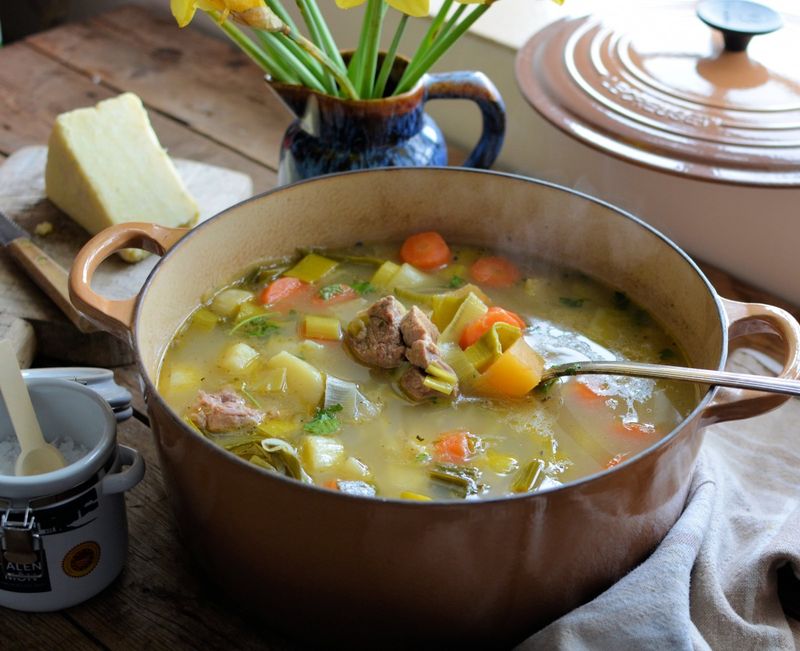
When winter grips the Welsh valleys, locals reach for cawl. This hearty lamb and vegetable stew simmers slowly until the meat falls apart and the broth becomes rich and flavourful.
Every Welsh grandmother has her own version, typically featuring leeks, swede, carrots and potatoes. Traditionally served in two courses – broth first, then meat and vegetables – with a chunk of cheese and crusty bread.
21. Laverbread, South Wales
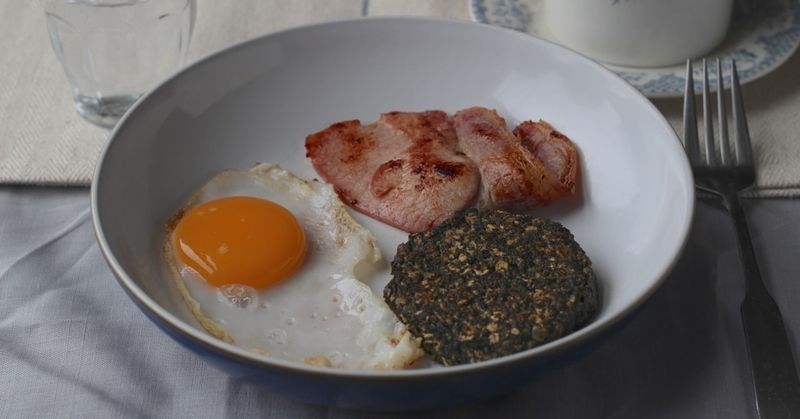
Forget toast and cereal – traditional Welsh breakfasts feature this curious seaweed purée. Harvested from rocky shores, laver seaweed is slowly simmered until it transforms into a dark green paste with a distinctive iodine flavour.
Mixed with oatmeal, formed into patties and fried in bacon fat, it's served alongside cockles and crispy bacon. Rich in minerals, it's the original superfood that powered generations of Welsh miners.
22. Teisen Lap, Wales
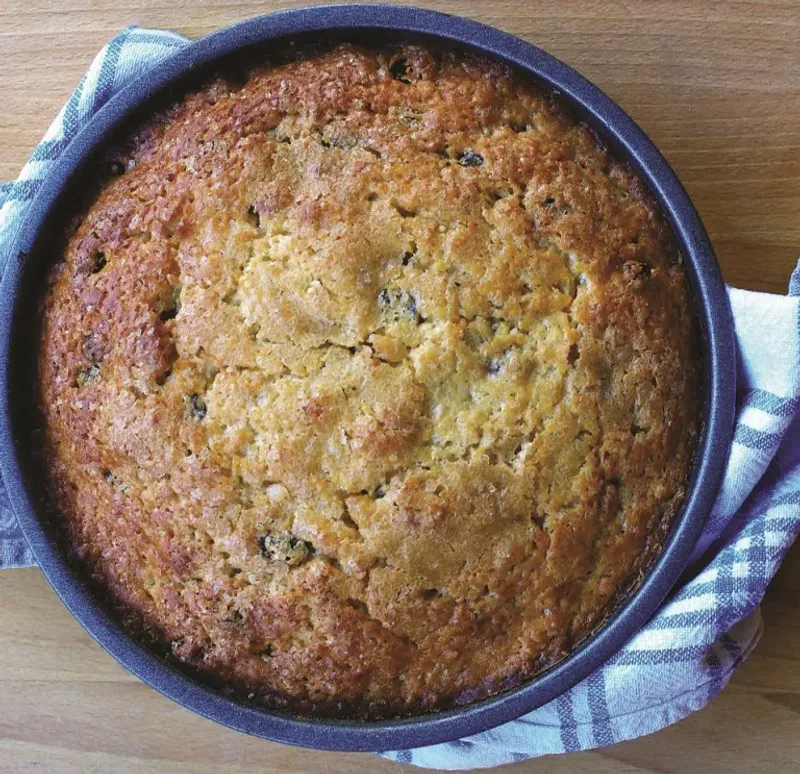
From the Welsh mining valleys comes this humble spiced fruit cake. 'Teisen' simply means 'cake' while 'lap' refers to its flat shape – practical for carrying in lunch tins down the mines.
Mixed spice, dried fruit and buttermilk create a moist, dense texture that improves with age. Miners' wives would wrap slices in greaseproof paper alongside sandwiches – energy-giving treats for gruelling shifts underground.
23. Fifteens, Northern Ireland
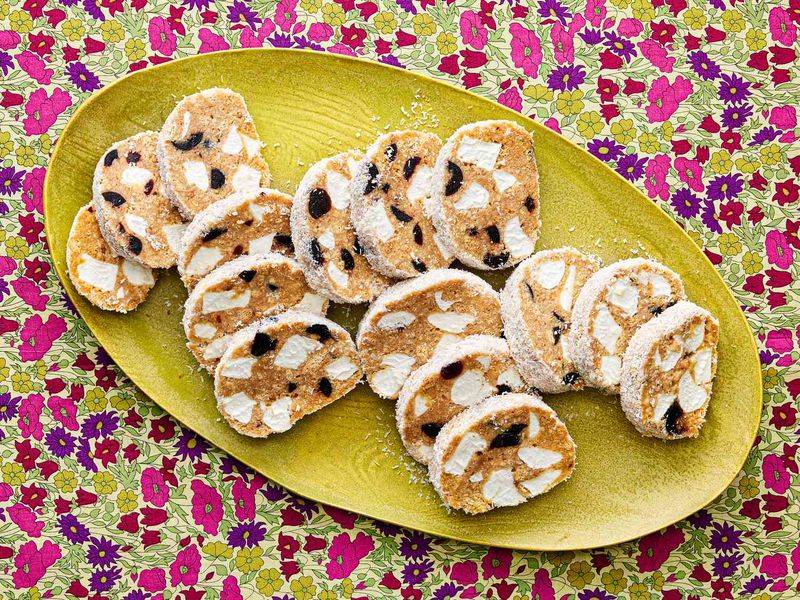
Northern Irish children grow up making this no-bake treat for Sunday school fundraisers. The name comes from its straightforward recipe: 15 digestive biscuits, 15 marshmallows, and 15 glacé cherries – all crushed, mixed, and bound with condensed milk.
Rolled in desiccated coconut and chilled, then sliced into rounds, it's sweet, sticky nostalgia that appears at every Belfast birthday party.
24. Yellowman, Northern Ireland
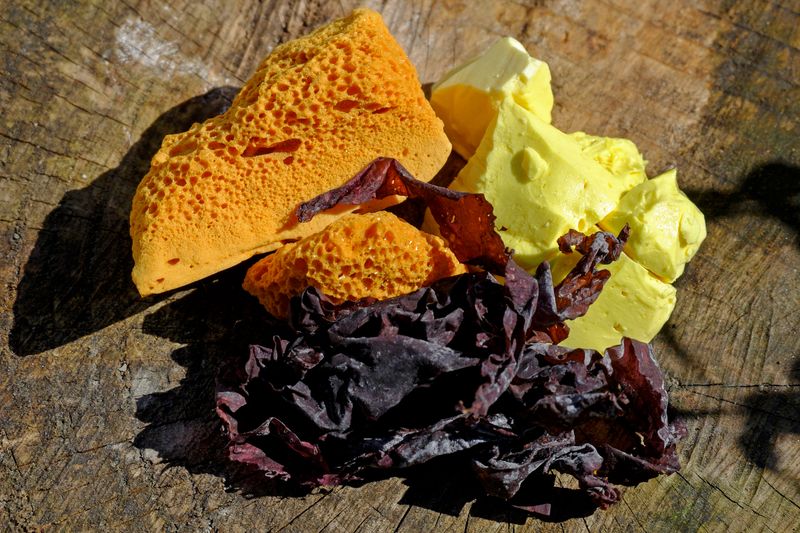
The Lammas Fair in Ballycastle has been selling this tooth-breaking honeycomb toffee since the 17th century. Its distinctive bright yellow colour and airy, brittle texture make it instantly recognisable to Northern Irish folk.
Made from sugar, golden syrup, butter and vinegar, it's traditionally sold in paper bags alongside 'dulse' (dried seaweed). The classic rhyme goes: "If you've got a stick of rock, or some Yellowman, you're sure to get a kiss from Mary Ann!"
25. Potted Shrimps, Morecambe Bay
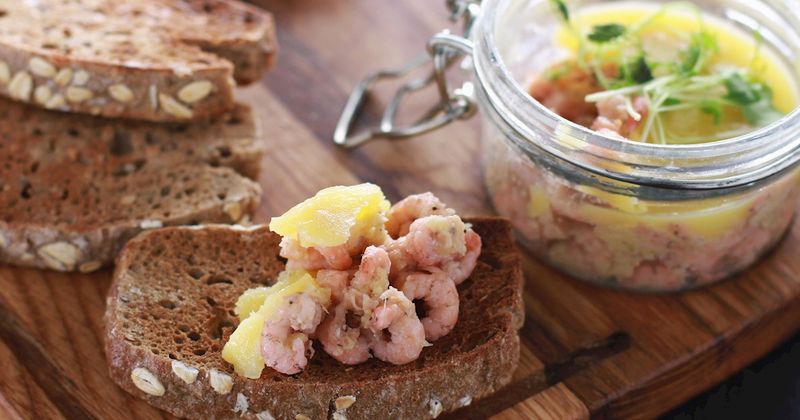
Lancashire's answer to caviar has been enjoyed since the 18th century. Tiny brown shrimps from Morecambe Bay are cooked in spiced butter with nutmeg, cayenne, and mace, then packed into pots and sealed with clarified butter.
The butter preserves the delicate shellfish and infuses them with flavour. Spread on hot toast for breakfast or served with lemon and brown bread for a refined starter that screams 'seaside elegance'.
26. Black Bun, Scotland
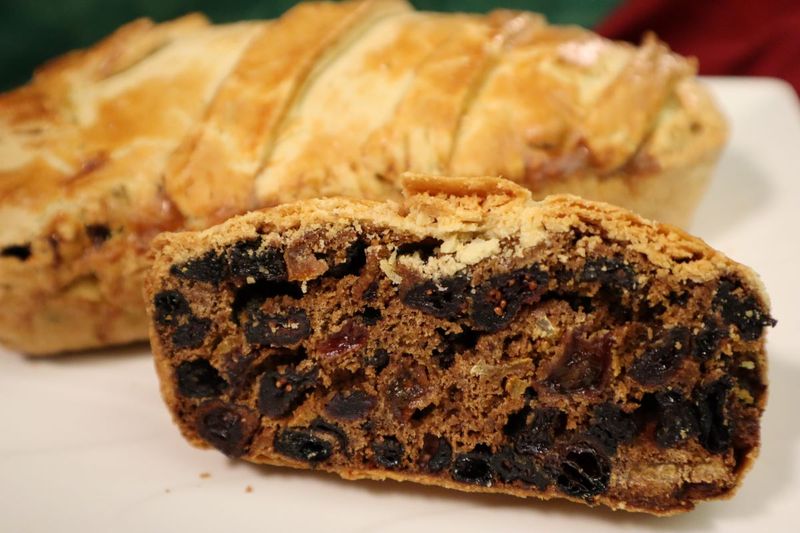
Hogmanay celebrations wouldn't be complete without this formidable fruit cake. A rich, spiced mixture of raisins, currants, almonds, peel, and whisky is completely encased in shortcrust pastry – like a dark, fruity present.
First-footing traditions dictate it should be the first thing to cross your threshold after midnight on New Year's Eve. Dense enough to double as a doorstop, it keeps for months – if Scottish sweet teeth allow it!
27. Toad In The Hole, Yorkshire
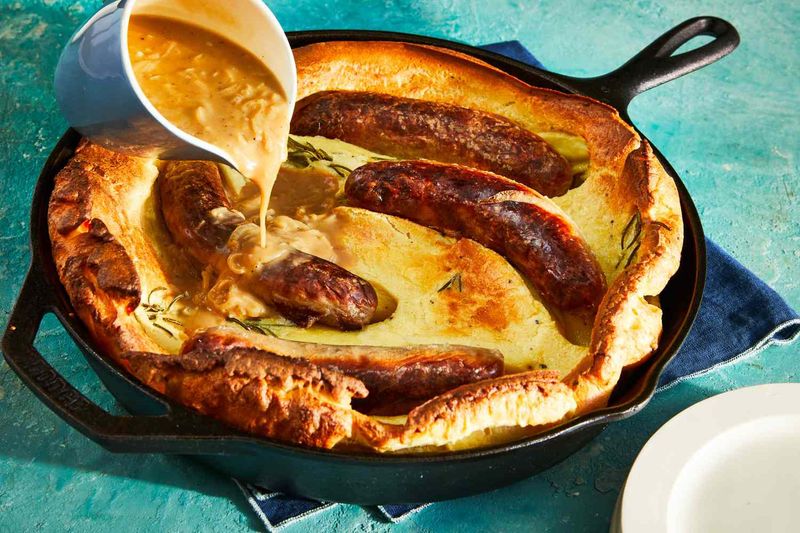
Despite the alarming name, no amphibians are harmed in the making of this British classic! Plump sausages are nestled in Yorkshire pudding batter and baked until the batter rises around them, creating golden 'hills' and 'valleys'.
The origins of the peculiar name are disputed, but the dish dates back to 1787. Served with onion gravy and vegetables, it's the ultimate comfort food for drizzly Yorkshire evenings.
28. Stargazy Pie, Cornwall
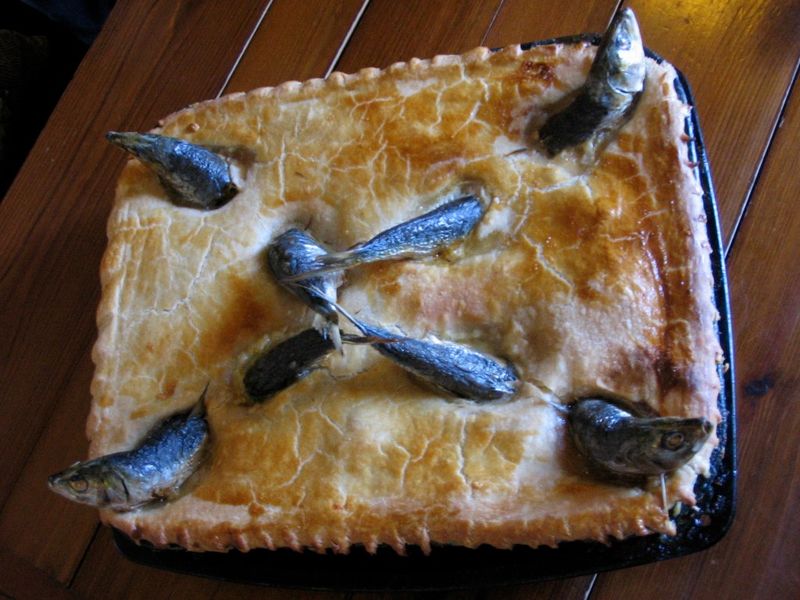
Possibly Britain's most visually striking dish, this Cornish creation features whole pilchards with their heads poking through the pastry crust, gazing skyward. Beyond the theatrical presentation lies a delicious mix of fish, bacon, eggs, and potatoes.
Born in the village of Mousehole, it commemorates a 16th-century fisherman who braved a storm to feed his starving village. Traditionally eaten during Tom Bawcock's Eve celebrations on December 23rd.
29. Kendal Mint Cake, Cumbria
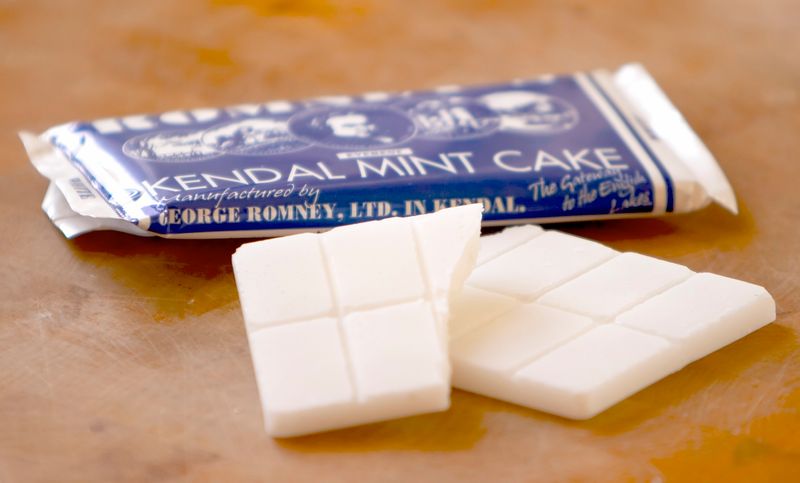
More energy bar than cake, this glucose-based peppermint confection has fuelled Lake District hikers since 1869. Its fame spread when Edmund Hillary carried it up Mount Everest in 1953.
Available in white, brown or chocolate-coated varieties, it provides quick energy on windswept fells. Locals joke it's the only cake you can use to de-ice your windscreen in winter emergencies!
30. Manchester Egg, Manchester
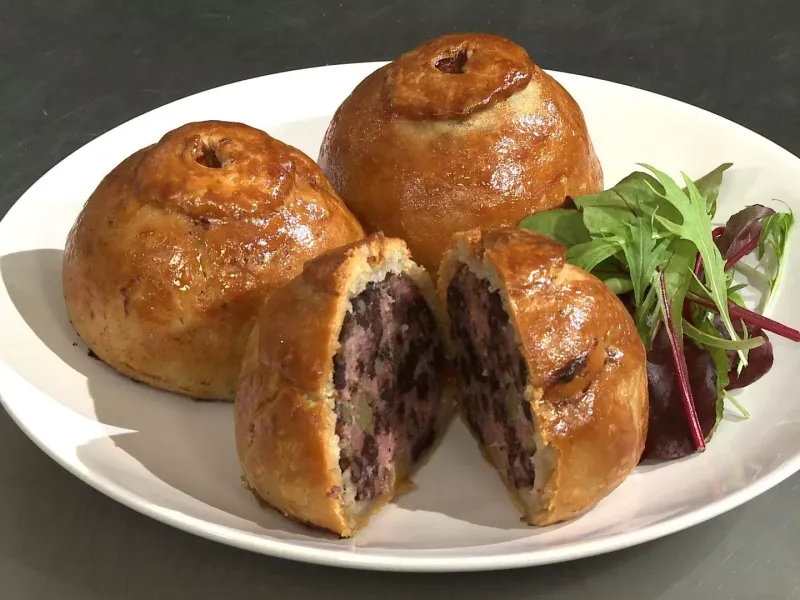
A modern classic created in 2010, this Mancunian twist on the Scotch egg has rapidly achieved cult status. A pickled egg is wrapped in black pudding and sausage meat, then coated in panko breadcrumbs and deep-fried until crispy.
Born in a Northern Quarter pub, it represents Manchester's industrial heritage in one bite – the pickled egg (cotton), black pudding (coal), and golden crumb (sunshine). A proper northern pub snack!




Comments
No Comments