













Cooking an amazing steak at home isn't rocket science, but it does require understanding a few key techniques.
Most home cooks struggle not because of poor ingredients but because of simple mistakes that sabotage their results. When you know what you're doing wrong, making a tough, flavourless chunk of meat into a good steak becomes simpler.
The tips in this article are based on widely recommended cooking practices. Cooking times, flavour, and texture may vary depending on steak cut, thickness, equipment, and personal technique.
1. Cooking It Straight From The Fridge
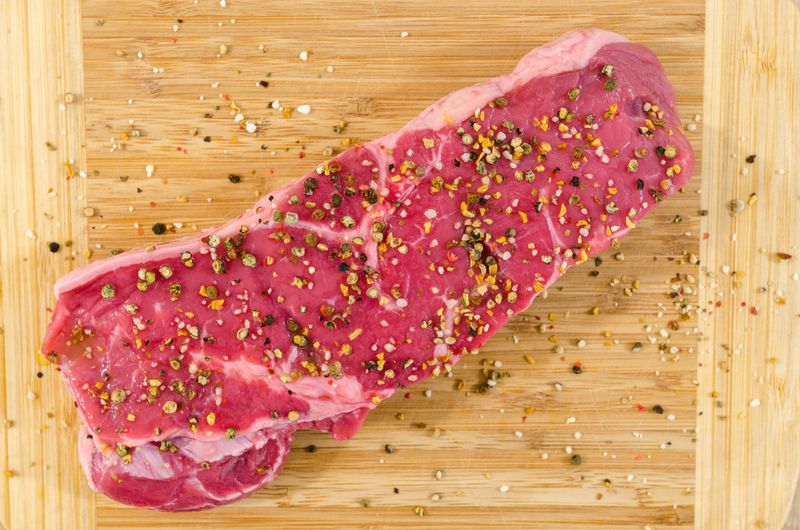
The temperature shock is real. Cold steak hitting a hot pan creates uneven cooking, crispy outside but raw inside. Your meat needs time to acclimatise.
Always remove your steak from the refrigerator 30-45 minutes before cooking. This allows the muscle fibres to relax and the internal temperature to rise, resulting in more even cooking throughout.
2. Using The Wrong Cut For The Method
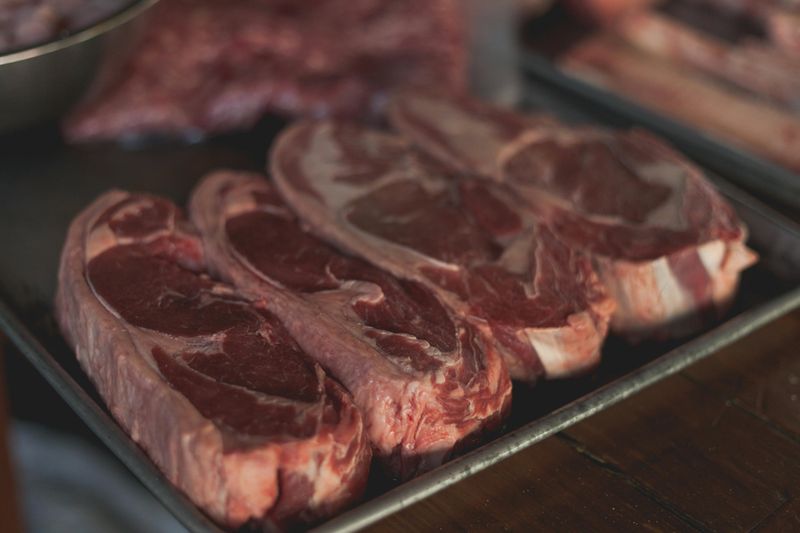
Every steak cut has its ideal cooking method. Tender ribeyes and sirloins thrive with quick, high-heat cooking, while tougher chuck or round steaks become shoe leather unless cooked low and slow.
Match your cooking technique to your cut. Marbling-rich cuts like ribeye want fast searing, while leaner cuts with more connective tissue benefit from slow cooking methods that break down tough fibres.
3. Skimping On The Salt
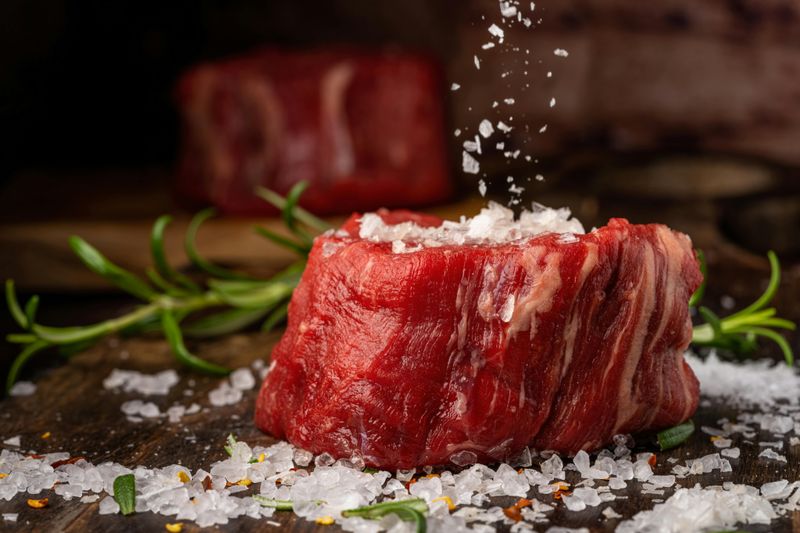
Salt isn't just flavour, it's science. Proper seasoning draws moisture to the surface where it dissolves the salt, then this salty moisture gets reabsorbed, seasoning the meat throughout.
Season generously with coarse salt 40 minutes before cooking or immediately before. The in-between timing (5-30 minutes) pulls moisture to the surface without enough time for reabsorption, leaving you with a wet steak.
4. Using A Non-Stick Pan
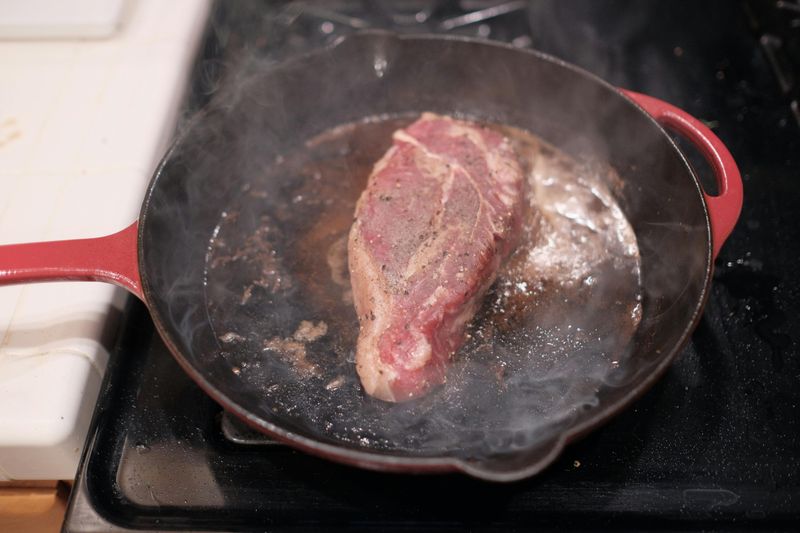
Non-stick pans are brilliant for eggs but terrible for steak. They can't reach the scorching temperatures needed for a proper sear, and their coatings often degrade above medium heat.
Cast iron or carbon steel pans are your steak's best friends. They retain heat beautifully, distribute it evenly, and can handle the extreme temperatures needed for developing that coveted crust without damaging their cooking surface.
5. Flipping It Constantly
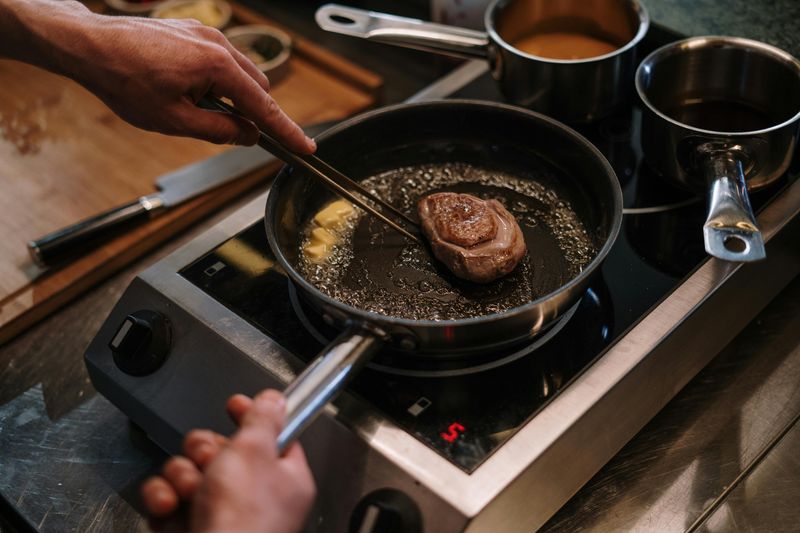
The urge to fiddle with your steak is strong, but constant flipping prevents proper crust formation. Each flip cools the cooking surface momentarily, interrupting the Maillard reaction.
Exercise patience and flip just once or twice. Allow each side to develop a rich brown crust before turning. Your restraint will be rewarded with better texture, more even cooking, and deeper flavour.
6. Pressing Down On The Steak
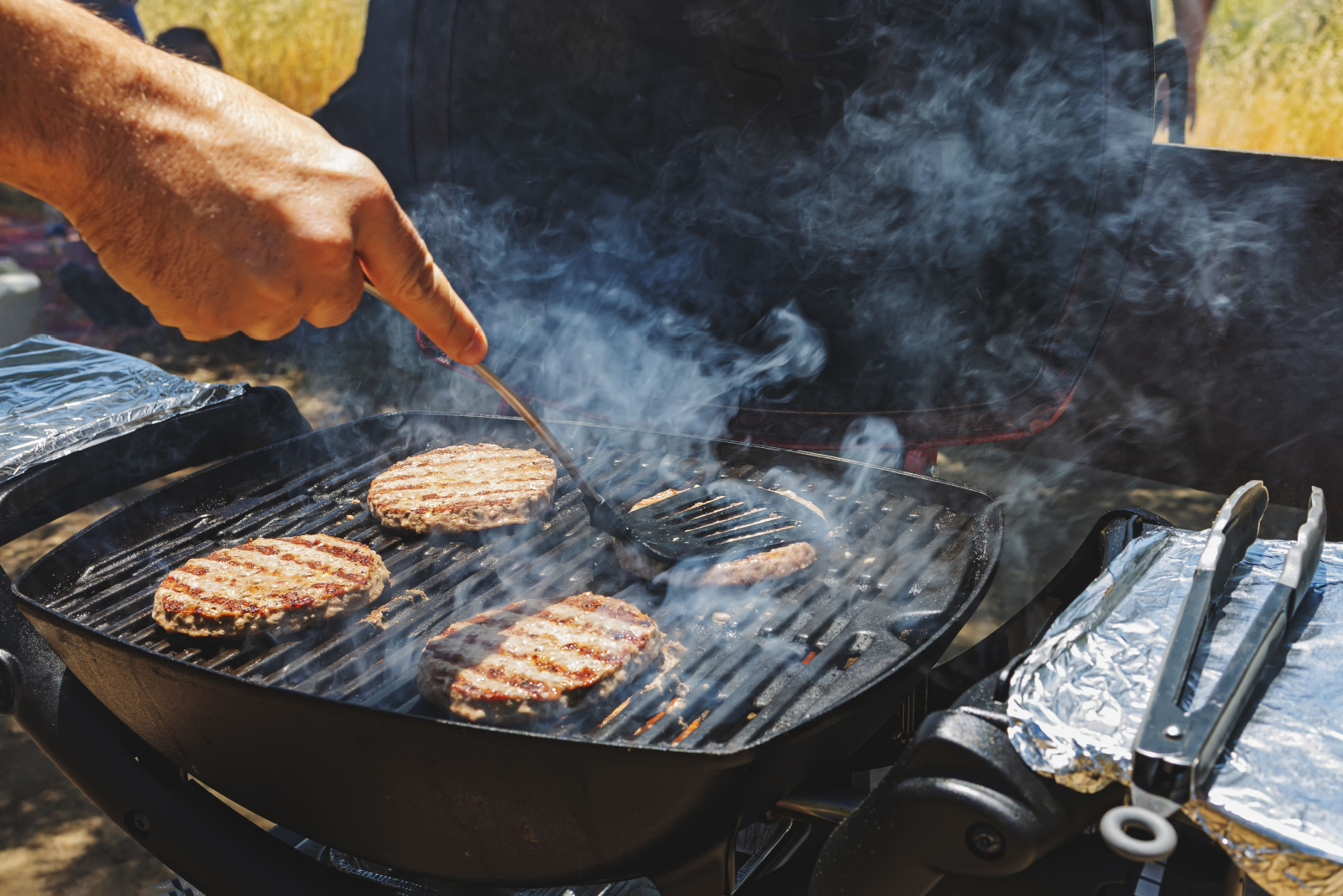
That satisfying sizzle when you press down on your steak? That's the sound of precious juices escaping, juices that should remain inside to keep your meat moist and flavourful.
Resist the temptation to press with your spatula. Those juices contain dissolved proteins and fats that contribute to the steak's rich taste. Let the meat cook undisturbed for maximum juiciness and flavour retention.
7. Not Letting The Pan Heat Properly
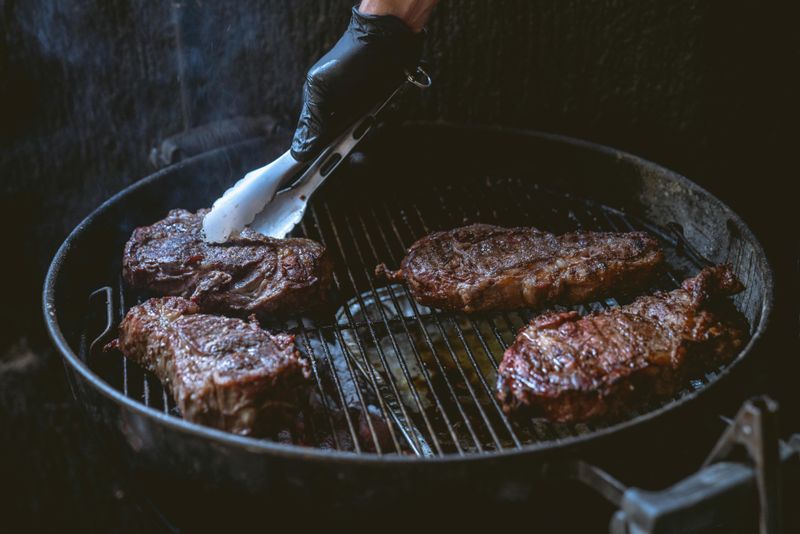
Impatience leads to pale, underwhelming steak. A pan that hasn't reached proper temperature will steam your meat rather than sear it.
Take time to preheat your pan thoroughly, at least 5 minutes on high heat. Test it by flicking a tiny water droplet onto the surface; it should instantly dance and evaporate. This extra preparation time makes all the difference between mediocre and magnificent results.
8. Adding Butter Too Early
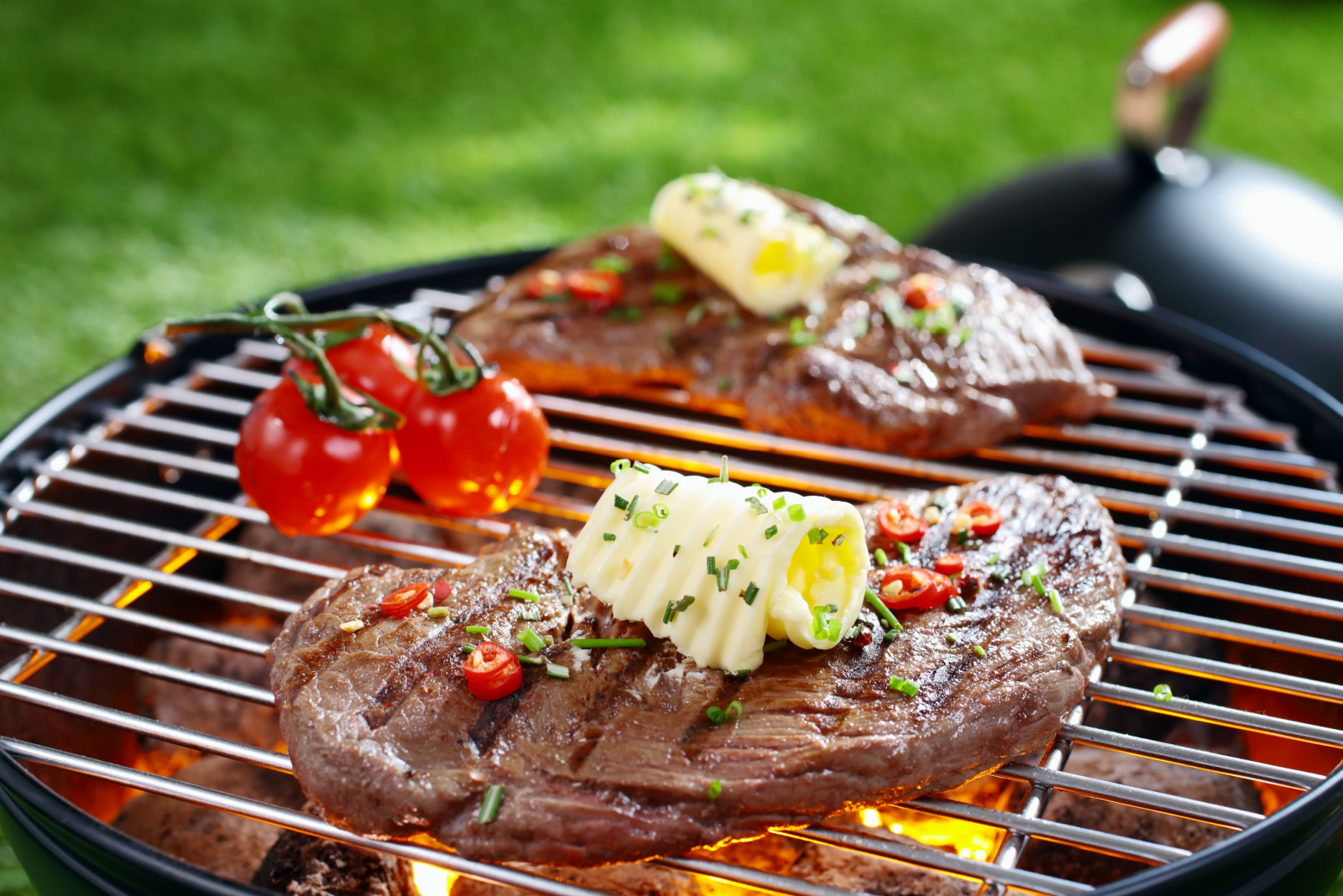
Butter contains milk solids that burn at high temperatures, creating bitter flavours and an acrid smell. Starting with butter means it's likely to burn before your steak is properly seared.
Begin with a high-smoke-point oil like grapeseed or refined olive oil. Add butter during the final minute of cooking, using it to baste the steak along with aromatics like garlic and thyme for maximum flavour without burning.
9. Buying Steak That's Too Thin
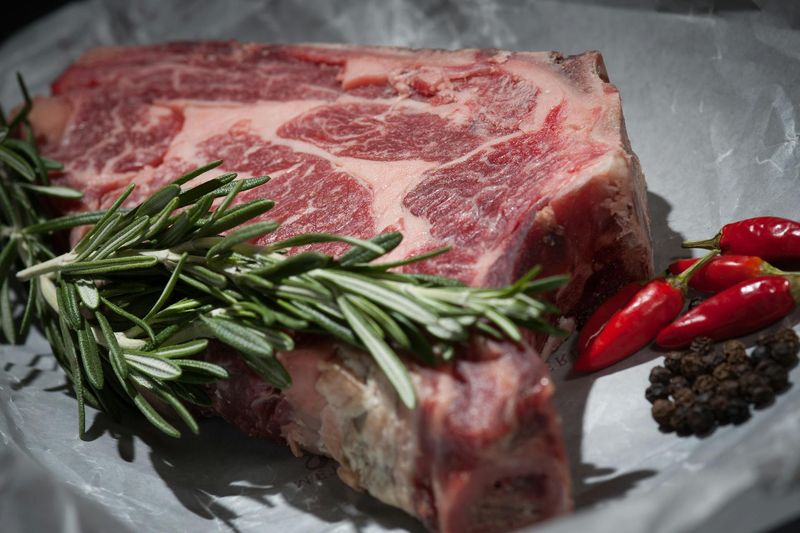
Thin steaks leave almost no margin for error. The difference between rare and overcooked can be mere seconds, making it difficult to achieve your desired doneness.
Opt for steaks at least 3cm thick. These substantial cuts give you better temperature control and allow for beautiful exterior searing without overcooking the centre. The extra thickness is particularly important for achieving a true medium-rare.
10. Marinating Prime Cuts
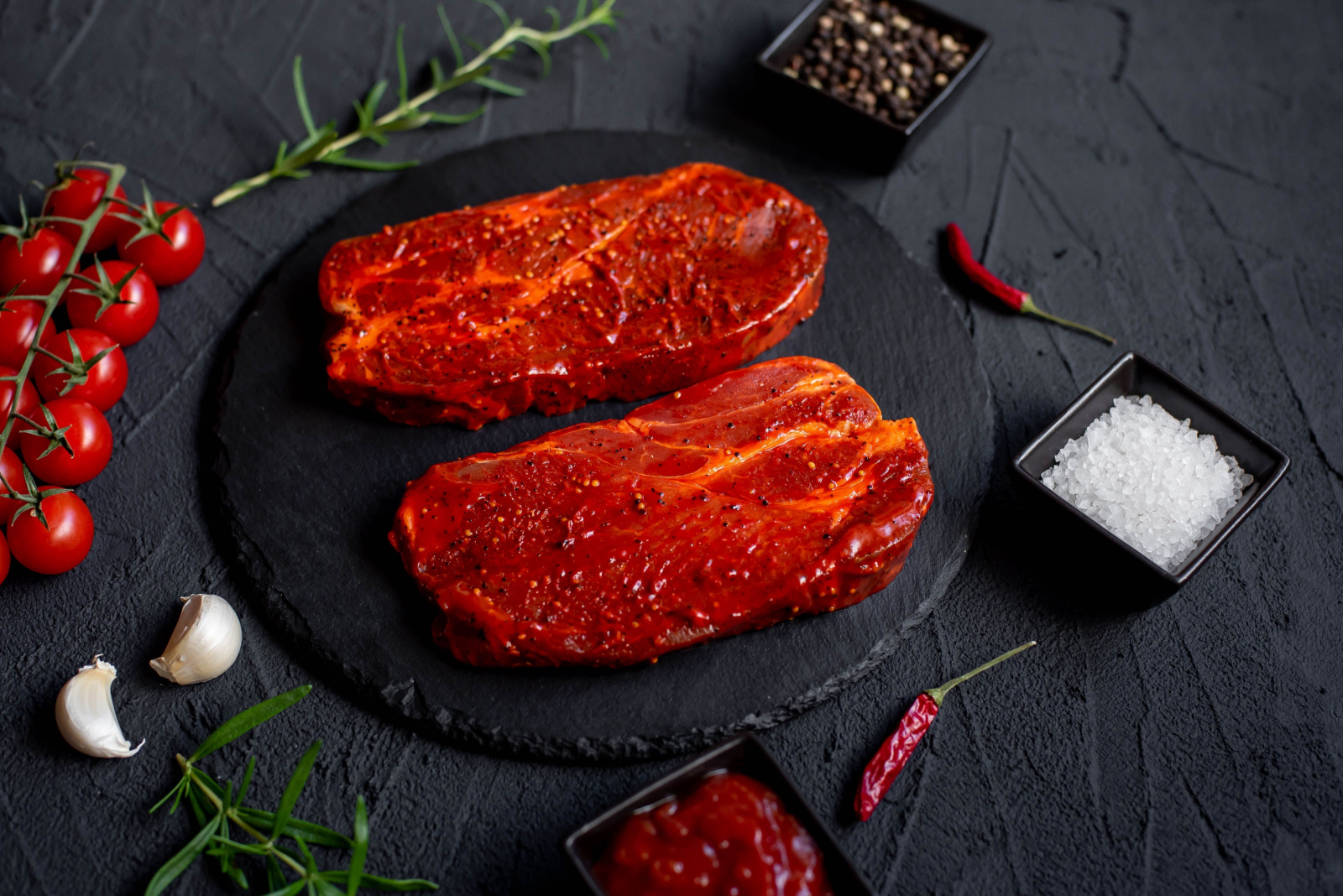
Quality steaks like ribeye or fillet have delicate, nuanced flavours that marinades can overwhelm rather than enhance. Their natural taste and tender texture are often masked by aggressive marinade ingredients.
Save marinades for tougher, less expensive cuts that need tenderizing. For prime steaks, simple seasoning with salt and pepper allows their natural qualities to shine through, honouring both the meat and your wallet.
11. Cutting Into It Too Soon
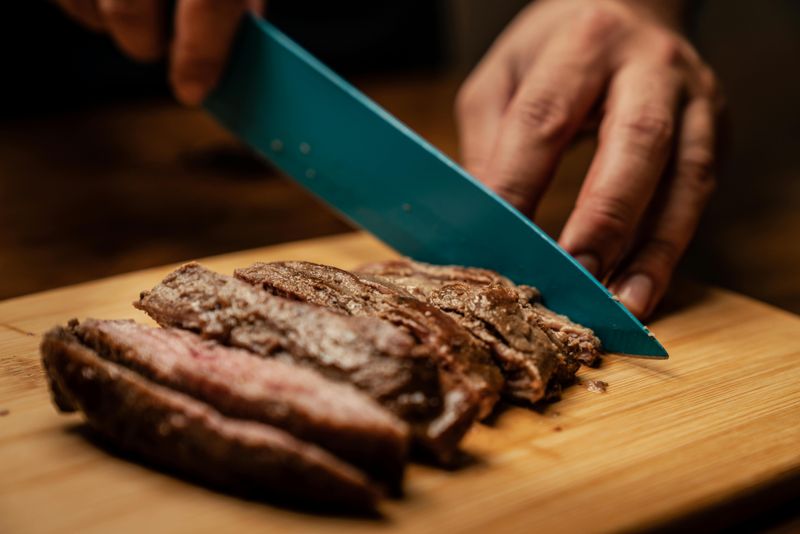
The moment of truth often comes too quickly. Slicing into a steak immediately after cooking causes a flood of juices onto your plate instead of redistributing throughout the meat.
Patience yields juicier results. Cover loosely with foil and wait 5-10 minutes before cutting. This resting period allows proteins to relax and reabsorb those flavourful juices, resulting in a more succulent eating experience.
12. Not Cutting Against The Grain
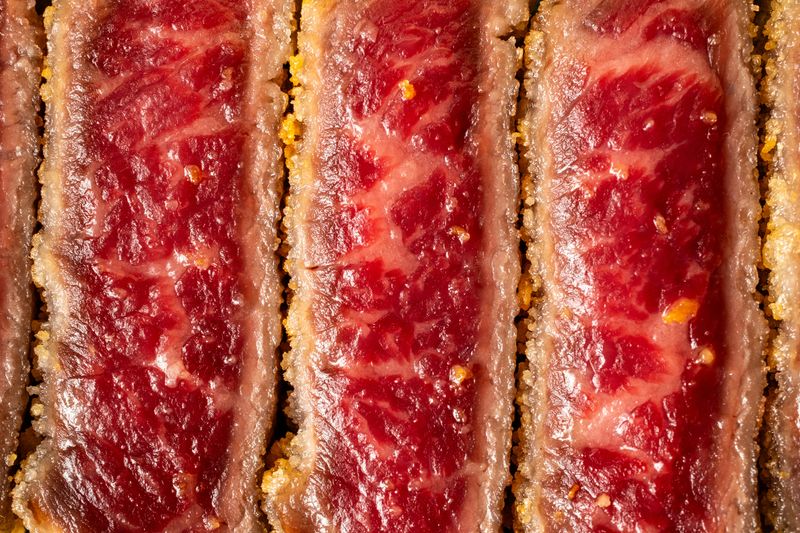
Muscle fibres run in a single direction throughout your steak, forming distinct lines visible to the naked eye. Cutting parallel to these fibres (with the grain) results in chewy, tough-to-eat pieces.
Identify the direction of the muscle fibres and slice perpendicular to them. This technique shortens the fibres, making each bite more tender and easier to chew, regardless of the cut or quality.
13. Using Oil With A Low Smoke Point
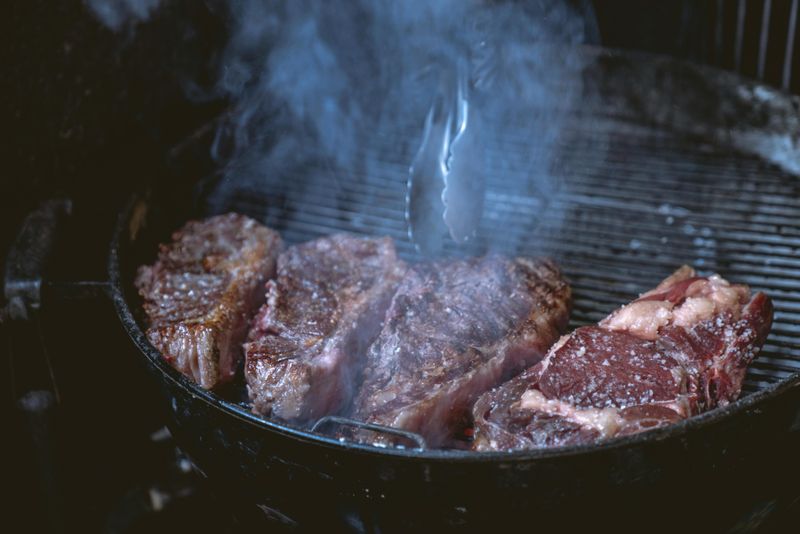
Extra virgin olive oil and standard butter burn at steak-searing temperatures, creating acrid flavours and potentially harmful compounds. The smoke filling your kitchen is a clear warning sign.
Choose high smoke point oils like refined sunflower, grapeseed, or avocado oil for the initial sear. These oils can withstand the intense heat needed for proper crust development without breaking down or imparting off-flavours.



