Chimichurri, Argentina's signature vibrant green sauce, is a favourite for its fresh, zesty flavour that pairs perfectly with grilled meats. Made with a simple blend of fresh herbs, garlic, oil, and vinegar, it adds a delicious burst to any dish.
However, perfecting this condiment can be tricky, as balancing all its elements just right takes some practice. Understanding the common mistakes and tips for improvement will help you create a chimichurri sauce that always impresses.
This content is for general information purposes only. The preparation and taste of chimichurri sauce may vary depending on personal preferences and ingredients. Always adjust quantities to suit your taste.
1. Using The Wrong Herbs
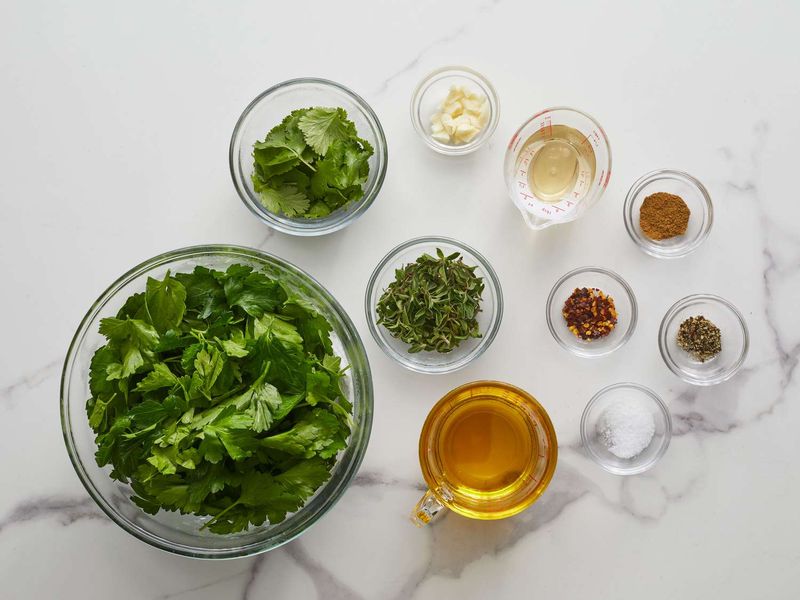
Fresh parsley forms the backbone of authentic chimichurri. Dried substitutes simply won't do! The vibrant, grassy notes that make this sauce special come only from freshly chopped leaves.
Many home cooks reach for the dried herb jar when fresh isn't handy, but this fundamentally changes the sauce's character. Fresh herbs release oils and aromas that dried versions have long lost.
2. Overusing Vinegar
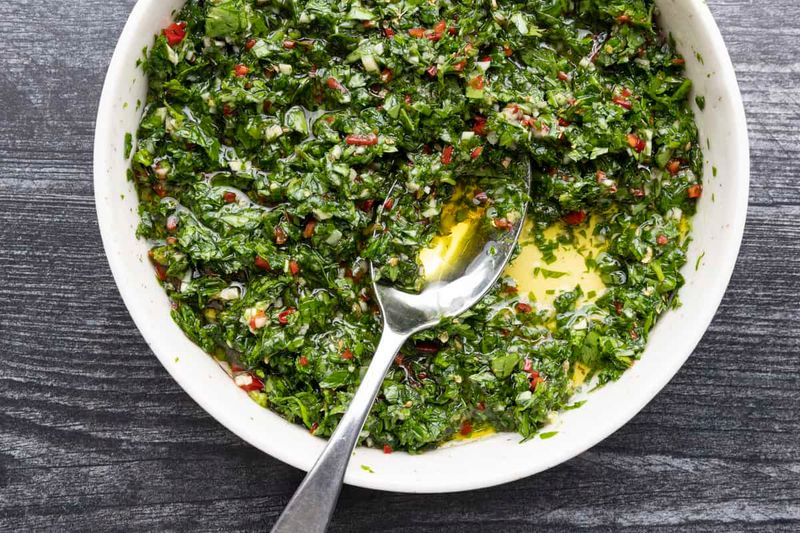
Splash, splash! Too heavy a hand with vinegar creates a face-puckering sauce that overwhelms the delicate herbal notes. Chimichurri should have tang, not assault your taste buds.
The golden ratio is roughly equal parts oil to vinegar. This balance creates that perfect harmony where neither ingredient dominates. When in doubt, start with less - you can always add more!
3. Skimping On Quality Olive Oil
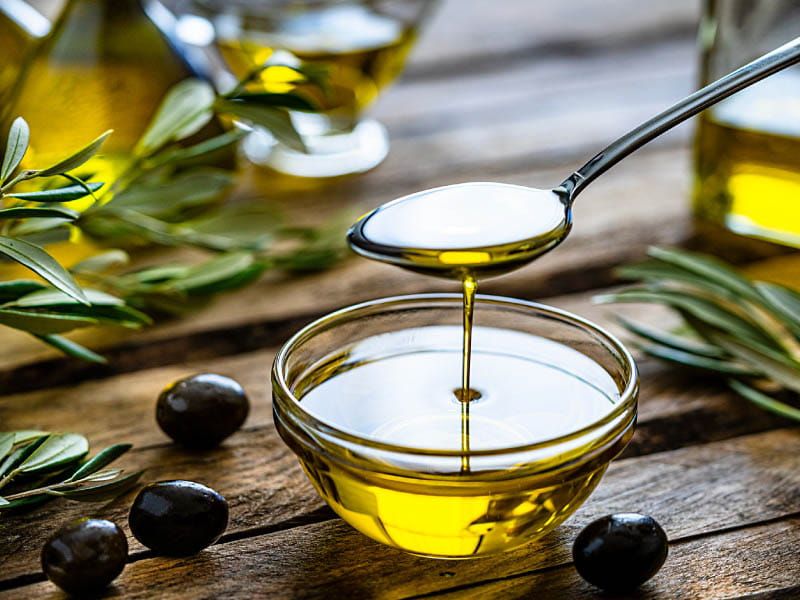
Bargain basement olive oil has no place in your chimichurri! The fruity complexity of good extra virgin olive oil forms the foundation of this sauce's character.
Lower quality oils often taste bland or even rancid, undermining all your careful preparation. Think of quality olive oil as an investment - its distinctive flavour profile elevates every other ingredient it touches.
4. Garlic Overload
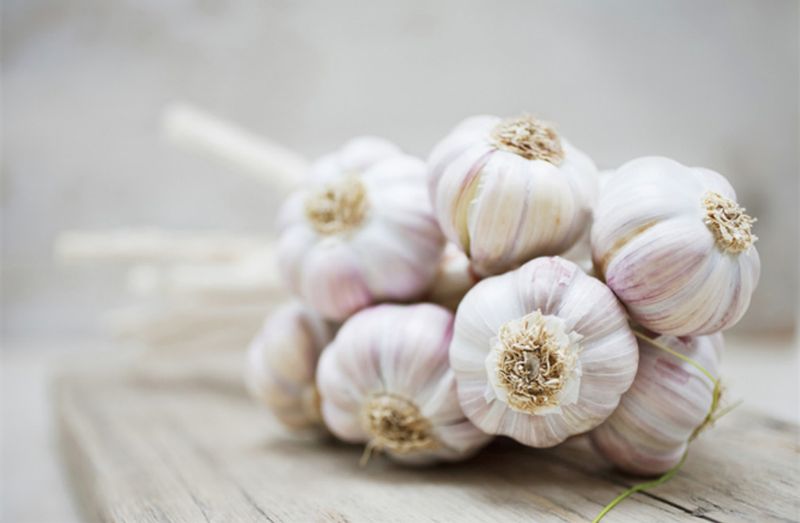
Garlic lovers beware! While this pungent bulb provides essential flavour, too many cloves create a sauce that burns rather than enhances.
Traditional chimichurri uses garlic with restraint - typically just 2-3 cloves per cup of herbs. This allows the fresh, green notes to shine through. Remember that raw garlic intensifies as it sits, becoming more dominant with time.
5. Rushing The Resting Period
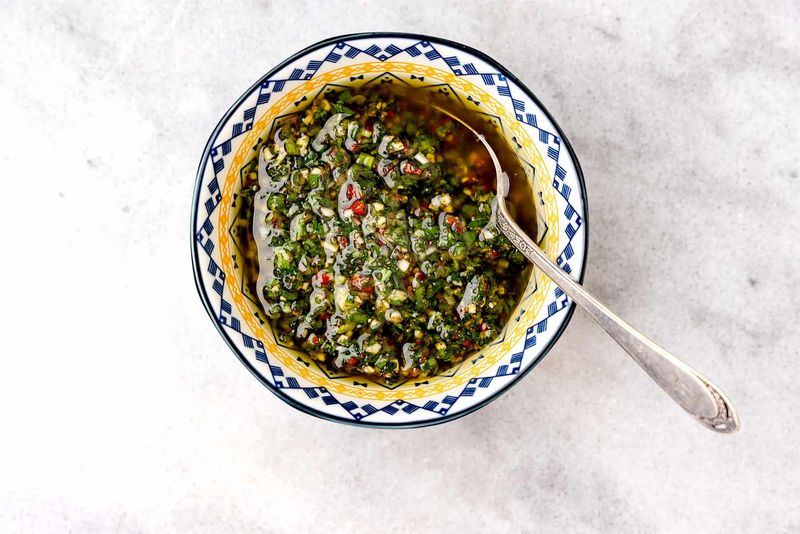
Patience rewards the chimichurri maker! Freshly mixed sauce might seem ready, but it hasn't reached its full potential.
Allowing your sauce to rest for at least 30 minutes (ideally a few hours) lets the flavours mingle and mature. The vinegar softens, the oil absorbs the herb essences, and the garlic mellows. This resting time transforms separate ingredients into a cohesive, complex sauce.
6. Improper Herb Chopping
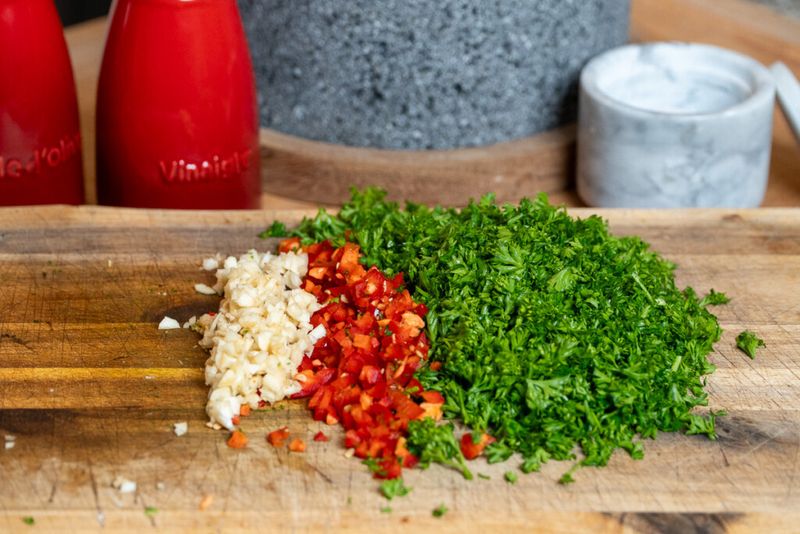
Chopping technique makes or breaks your chimichurri! Herbs that are too coarsely cut create an uneven eating experience, while over-processed herbs turn bitter and mushy.
Aim for a fine, even hand-chop with a sharp knife. The ideal texture has small, recognizable bits of herb that release their oils without turning to paste. This preserves both flavour and the sauce's signature rustic texture.
7. Forgetting Proper Seasoning
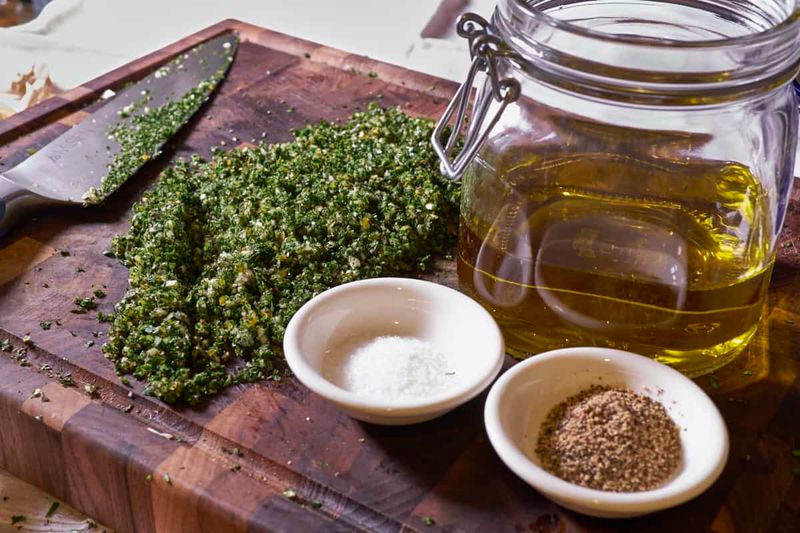
Salt and pepper aren't mere afterthoughts - they're essential flavour enhancers! Underseasoned chimichurri tastes flat and one-dimensional, missing the vibrant punch it's known for.
Season thoughtfully, tasting as you go. Salt awakens the herbs and brings depth, while freshly ground black pepper adds subtle warmth. These simple ingredients bridge the gap between good and extraordinary chimichurri.
8. Temperature Troubles
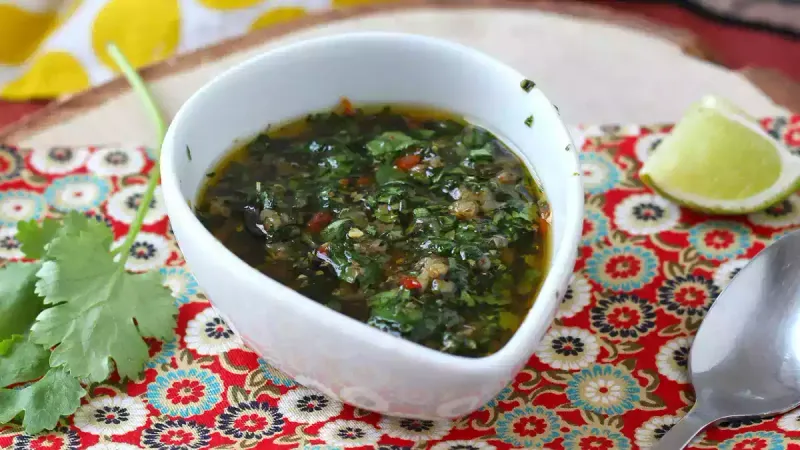
Straight-from-the-fridge chimichurri loses much of its aromatic charm! Cold temperatures dull flavours and solidify olive oil, changing both taste and texture.
Always serve chimichurri at room temperature. Remove it from refrigeration at least 30 minutes before serving. The oils will reliquify, aromas will bloom, and the full spectrum of flavours will return to their vibrant best.
9. Consistency Confusion
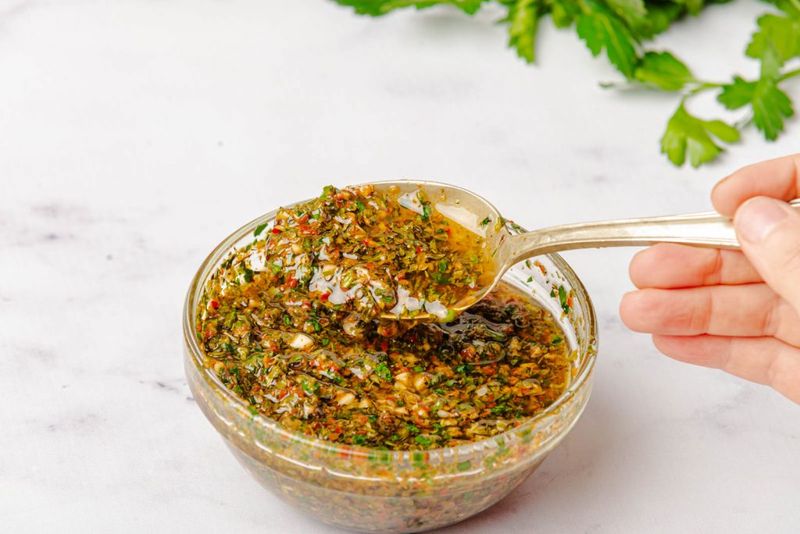
Watery chimichurri slides right off your steak, while overly thick sauce clumps unappealingly. Finding that sweet spot matters tremendously!
The perfect chimichurri should have enough body to cling to food while remaining loose enough to spoon easily. If yours is too thin, add more finely chopped herbs. Too thick? A splash more oil usually sorts it right out.
10. Blender Blunders
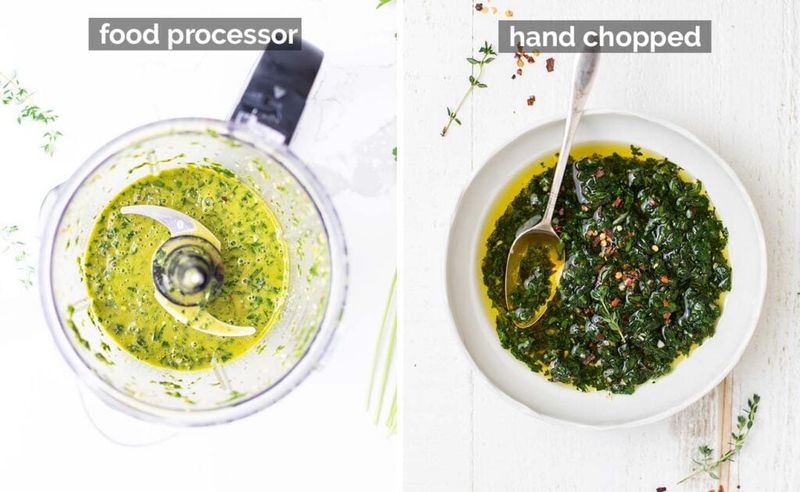
Reaching for the food processor might seem efficient, but authentic chimichurri demands hand-chopping! Mechanical blending creates a homogenized green paste rather than the textured sauce it should be.
The distinctive bits of herb, visible flecks of chilli, and tiny garlic pieces give chimichurri its character. A sharp knife and cutting board might take longer, but they produce the rustic texture that defines proper chimichurri.