













Shrimp can transform from delicate seafood delight to rubbery disappointment in mere seconds. Many home cooks struggle with this quick-cooking protein, making simple mistakes that ruin both texture and flavor.
Knowing the common pitfalls when preparing shrimp can help you consistently achieve restaurant-quality results right in your own kitchen.
This article is for general information and entertainment purposes only. Cooking times and results may vary depending on shrimp size, equipment, and individual technique. Always ensure seafood is properly cooked before eating.
1. Not Removing The Shells And Veins Properly
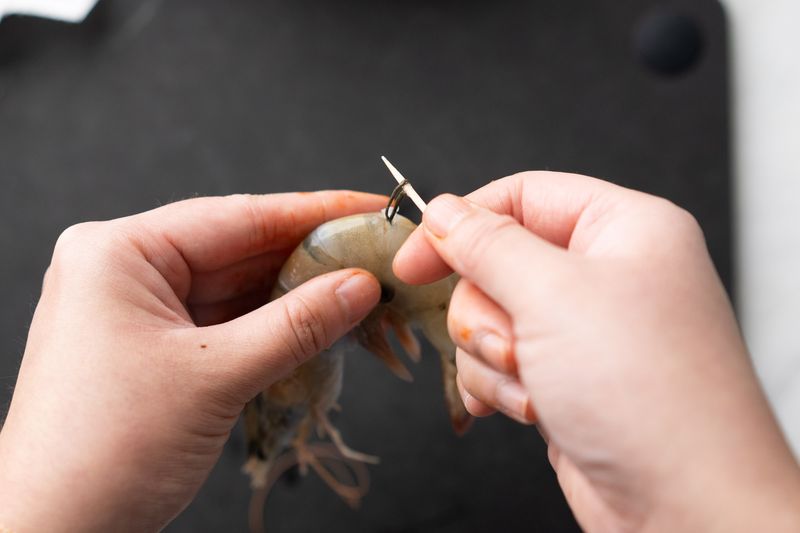
The dark vein running along a shrimp's back isn't just unappealing - it's actually the digestive tract! Leaving it in can add a gritty texture and bitter taste to your dish.
When deveining, make a shallow cut along the back and lift the vein out with the tip of your knife. For shell-on cooking, at least snip through the back of the shell first to access the vein.
2. Overcooking Until They Turn Rubbery
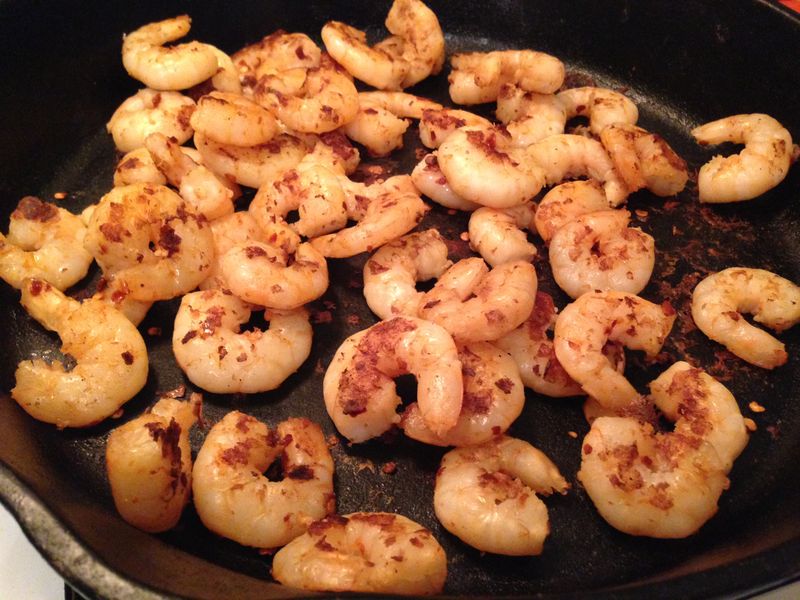
Perfectly cooked shrimp form a loose "C" shape. If they curl into a tight "O", they've gone too far! The proteins have contracted excessively, squeezing out moisture and creating that dreaded rubber-band texture.
Watch for the color change from translucent to opaque pink with slightly whitish edges. This visual cue typically happens in just 2-3 minutes, depending on size and heat level.
3. Using Too Much Heat Too Quickly
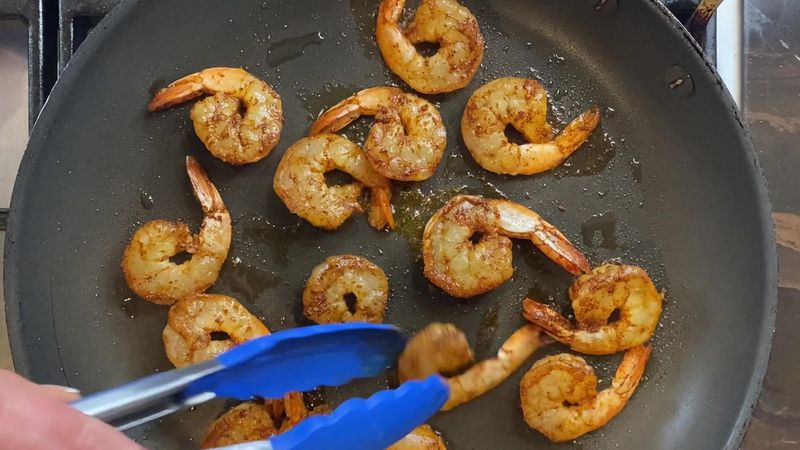
Blasting shrimp with high heat immediately often results in uneven cooking - crispy exteriors with raw centers. Medium-high heat gives better control over the brief cooking window these delicate creatures require.
For consistently tender results, try the residual heat method: sear quickly, then remove the pan from heat and let the shrimp finish cooking in the pan's retained warmth.
4. Not Patting Shrimp Dry Before Cooking
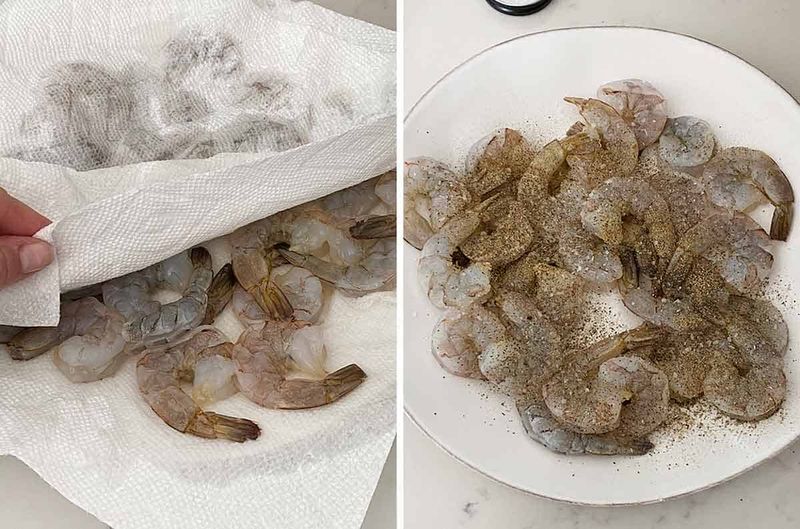
Moisture is the enemy of beautiful searing! Wet shrimp steam rather than sear, preventing that gorgeous caramelization that delivers deep flavor.
Take the extra minute to thoroughly pat your shrimp dry with paper towels before they hit the hot pan. This simple step ensures better browning and prevents the disappointing gray, watery result that comes from steaming.
5. Skipping Marination For Added Flavor
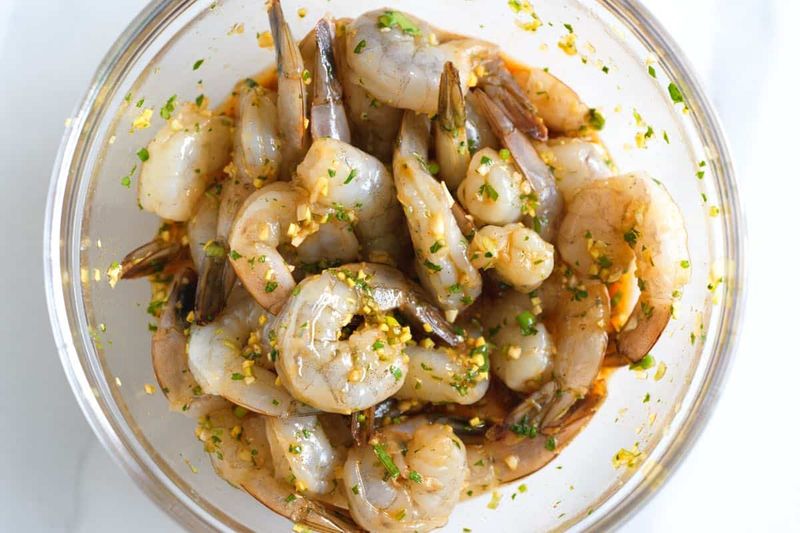
Raw shrimp are like tiny flavor sponges waiting to absorb whatever seasonings you offer. Missing this opportunity means less tasty results, even with a good sauce later.
A quick 15-30 minute marinade works wonders! Avoid acidic ingredients like lemon juice or vinegar for extended periods - they'll start "cooking" the shrimp, changing texture before they even hit the heat.
6. Crowding The Pan And Steaming Instead Of Searing
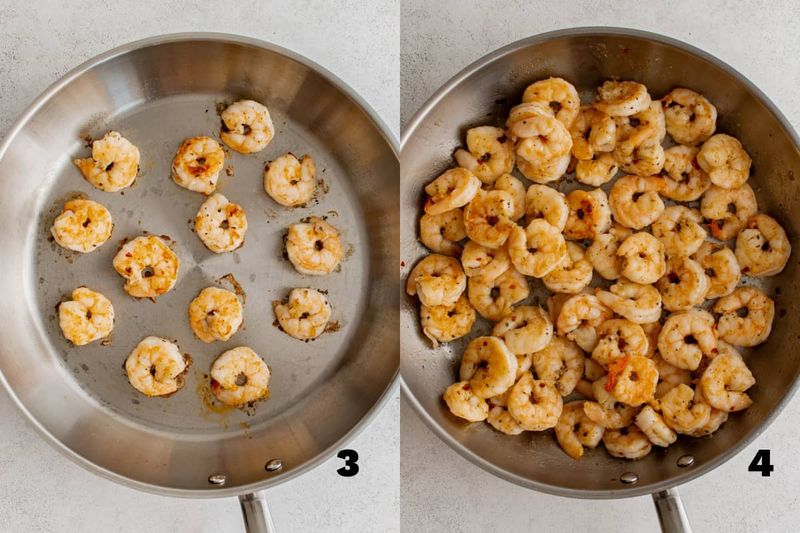
Shrimp release moisture as they cook. Pack too many in your pan, and they'll steam in their own juices rather than developing that coveted caramelized crust.
Give each shrimp breathing room by cooking in batches if necessary. A single layer with space between each piece allows moisture to evaporate quickly, promoting proper browning and preventing the soggy texture that comes from overcrowding.
7. Adding Shrimp Too Early To Soups Or Stews
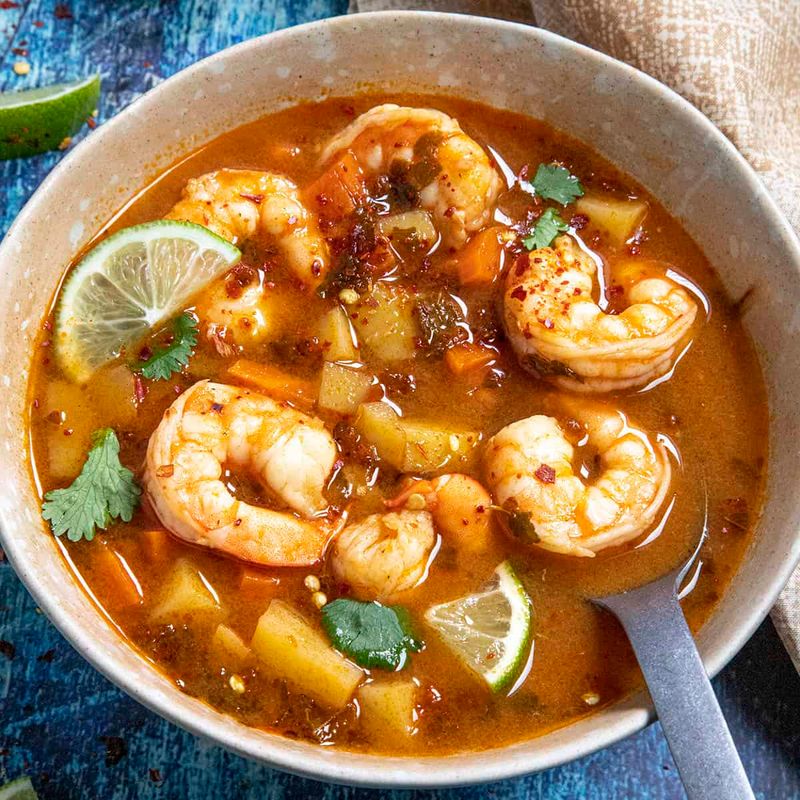
Tossing shrimp into a bubbling pot for the entire cooking time guarantees tough, flavorless results. These delicate morsels need just minutes to cook through, not the hours many soups and stews require.
Save shrimp for the final 3-5 minutes of cooking. They'll absorb the developed flavors while maintaining their tender texture, giving you the best of both worlds.



