











Olive oil might seem indestructible sitting proudly on your counter, but it’s far more sensitive than most people realise. Heat, light, and even the wrong storage habits can cause it to spoil before you’ve had a chance to enjoy it.
Once it turns rancid, that smooth, fruity flavour becomes harsh and unpleasant – a real waste of good oil. The good news is that a few simple tweaks in how you handle and store it can keep your olive oil fresh and delicious for much longer.
This article is for general informational purposes only. Storage conditions and shelf life may vary depending on the brand and type of olive oil. Photos are for illustrative purposes only.
1. Storing It Near Heat Sources
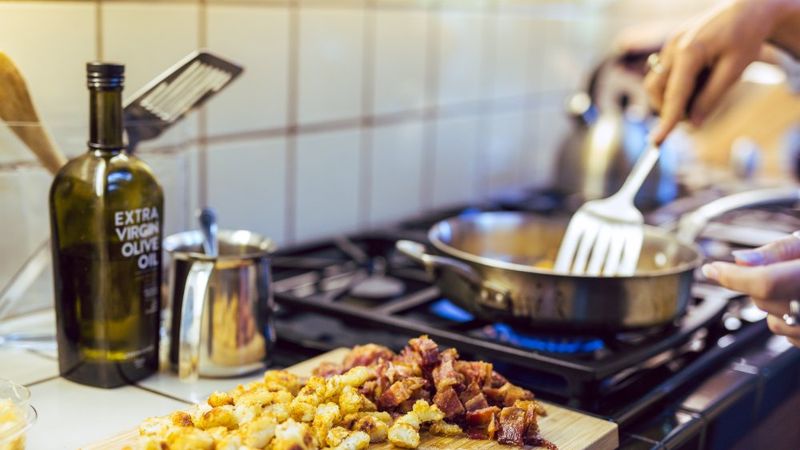
Heat is olive oil's worst enemy, yet so many of us keep it right beside the hob for convenience. Temperatures above 25°C start breaking down the delicate compounds that give olive oil its flavour and health benefits.
Your cooker, toaster, or even a sunny windowsill can create enough warmth to speed up oxidation. That gorgeous green colour fades, and the taste turns unpleasantly sharp.
Keep your bottle in a cool cupboard away from appliances, and it'll thank you by staying fresh much longer.
2. Leaving It Exposed To Sunlight
Ever noticed how chemists store medicines in dark bottles? Light destroys sensitive compounds, and olive oil is no different. Direct sunlight triggers a chemical reaction called photo-oxidation, which breaks down the oil's antioxidants and healthy fats.
Even a few hours of bright light each day can do damage over time. The oil develops off flavours and loses its peppery kick.
If your kitchen gets loads of natural light, tuck that bottle away in a dark cupboard instead of leaving it out on display.
3. Using Clear Glass Bottles
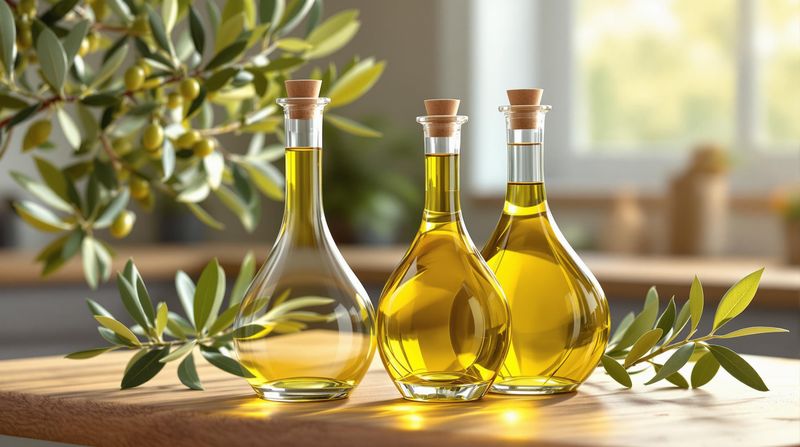
Those pretty clear bottles might look lovely on your worktop, but they're doing your olive oil no favours. Light passes straight through transparent glass, accelerating spoilage even when the bottle isn't in direct sun.
Producers who care about quality always use dark green or amber glass for a reason. It filters out harmful light wavelengths that cause rancidity.
If you've bought oil in clear packaging, transfer it to a dark bottle or simply store it somewhere completely lightproof between uses.
4. Not Sealing The Bottle Tightly
Leaving the cap loose or forgetting to screw it back on properly invites oxygen in, and oxygen is what turns fats rancid. Exposure to air starts a chain reaction that degrades flavour and nutrition surprisingly quickly.
Even a small gap lets moisture and airborne particles sneak in, which can introduce bacteria or mould. You might not notice at first, but the oil gradually becomes stale and unpleasant.
Always seal your bottle tightly after each use, and check the cap regularly to make sure it's secure.
5. Keeping It Too Long After Opening
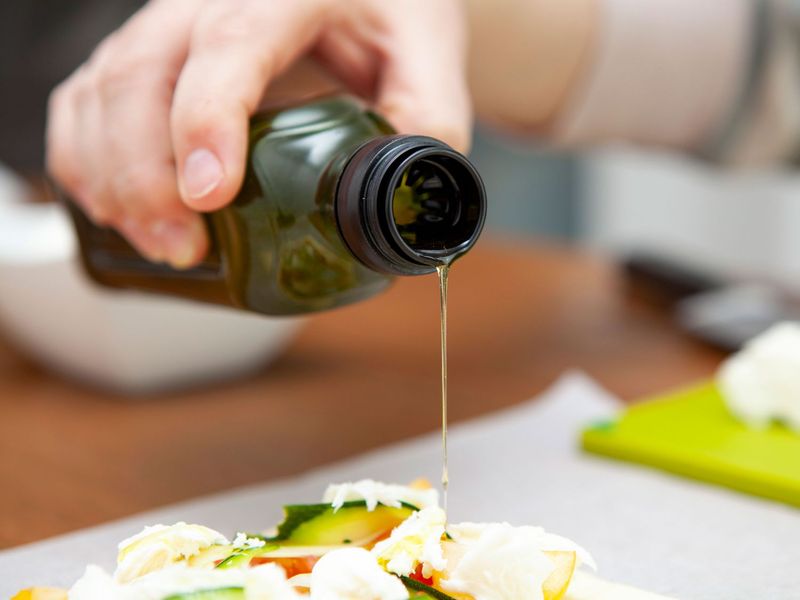
Unlike wine, olive oil doesn't improve with age. Once you crack open a bottle, the clock starts ticking. Most quality oils stay fresh for about three to six months after opening, depending on storage conditions.
Many of us forget when we first opened a bottle, and before we know it, that oil has been lurking in the cupboard for a year. By then, it's lost its fruity notes and developed a greasy, cardboard-like taste.
Write the opening date on the label and use it up within a few months.
6. Buying In Bulk Without Proper Storage
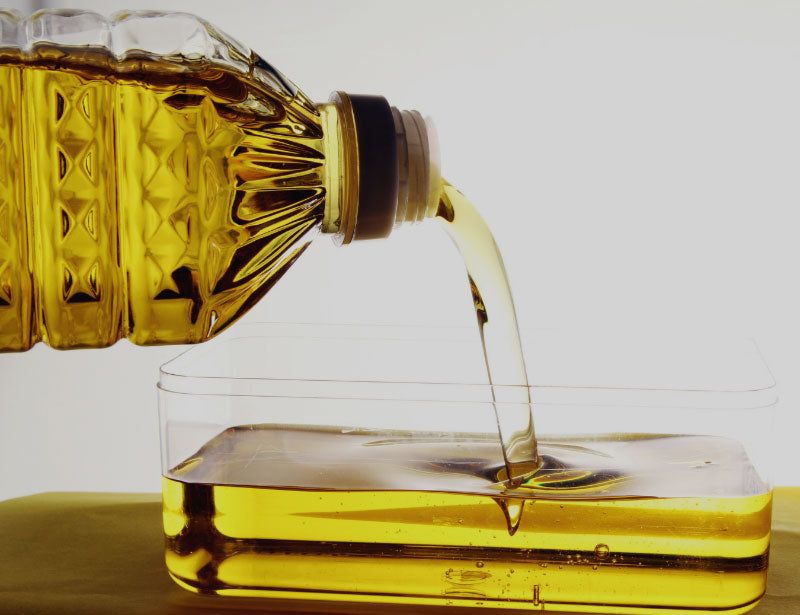
Bulk buying can save money, but only if you can store it properly. A massive tin of olive oil sitting half-empty for months will go off long before you finish it.
Oxygen fills the empty space as you use the oil, speeding up rancidity. Unless you have airtight, lightproof containers and a cool storage area, buying huge quantities is a false economy.
Stick to smaller bottles that you'll finish within a few months, or transfer bulk oil into smaller dark containers to minimise air exposure.
7. Storing It In The Fridge
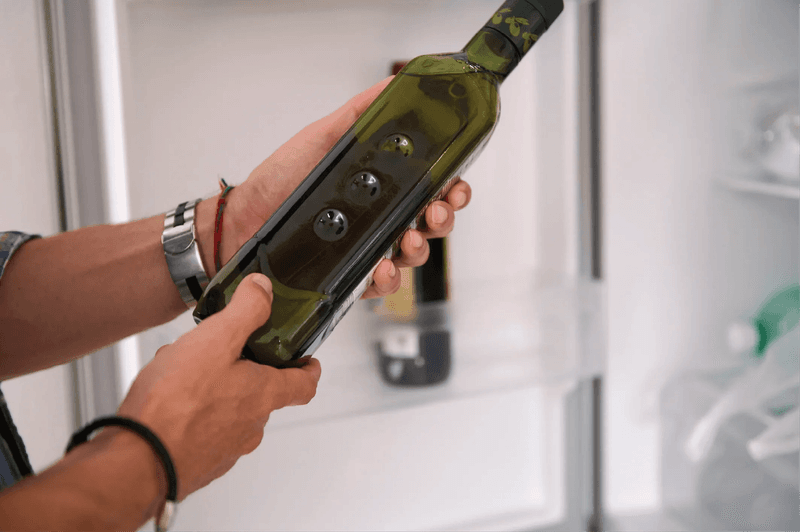
It seems logical to refrigerate oil to keep it fresh, but cold temperatures cause olive oil to solidify and go cloudy. While this doesn't permanently harm the oil, repeated warming and cooling can actually accelerate degradation.
Condensation forms inside the bottle when you take it in and out of the fridge, introducing moisture that encourages spoilage. The flavour can become muted and dull over time.
A cool, dark cupboard at room temperature is genuinely better than the fridge for maintaining quality and taste.
8. Using Dirty Or Wet Utensils
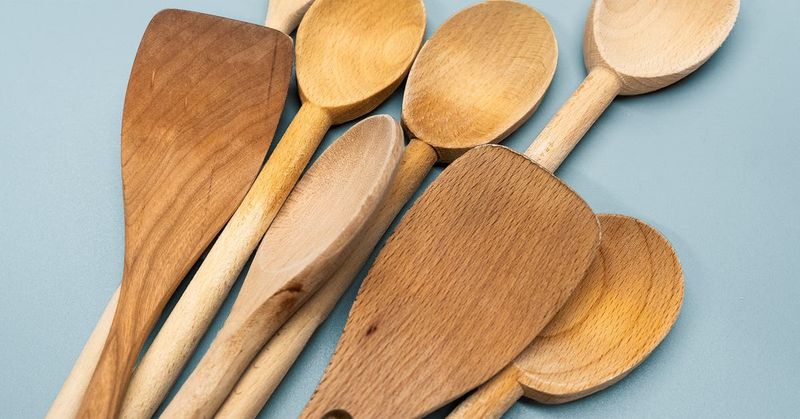
Dipping a damp spoon or unwashed utensil into your olive oil might seem harmless, but moisture and food particles introduce contaminants that promote bacterial growth and rancidity. Water and oil don't mix well, and even a few drops can cause problems.
Crumbs, herbs, or garlic bits left behind from cooking create an environment where microbes thrive. The oil starts to smell funky and develops an off taste.
Always use clean, completely dry utensils, or pour the oil out instead of dipping.