











Superfoods get plenty of attention, but you don’t need to splash out on trendy powders or pricey berries to eat well. Some of the most nutritious foods you can buy are simple, affordable staples found in your local supermarket.
These budget-friendly ingredients deliver big health benefits without the big price tag, proving that eating healthy doesn’t have to cost a fortune.
This article is for general informational purposes only and should not be taken as medical or nutritional advice. Nutritional values may vary based on portion size, preparation, and brand. Always consult a qualified healthcare professional or dietitian before making major dietary changes.
1. Oats
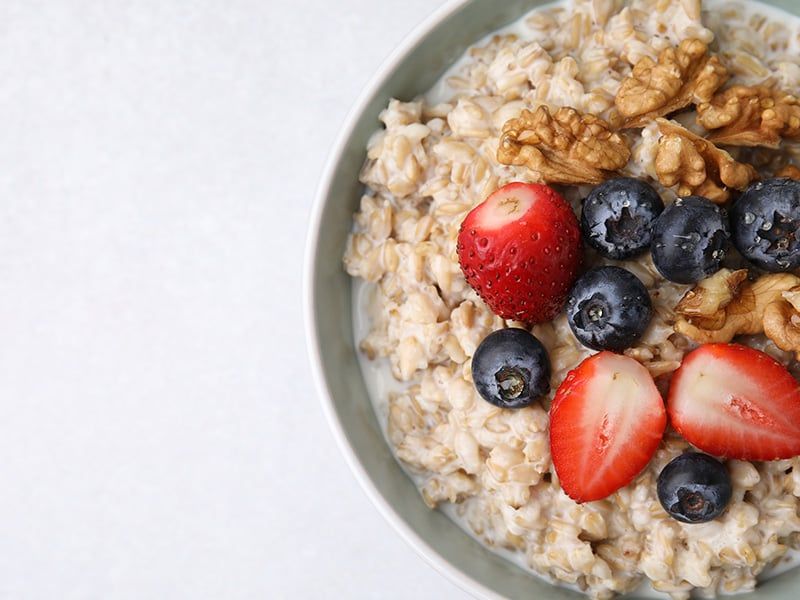
A 1kg bag costs about a quid and lasts for weeks, making this the bargain of the century in the cereal aisle. Oats are absolutely loaded with beta-glucan, a type of soluble fibre that helps lower cholesterol levels more effectively than many trendy superfoods.
Nutritionists consistently recommend them for heart health and steady energy release throughout the morning. They're also brilliant for your gut bacteria, which basically run the show when it comes to overall health.
Whether you fancy porridge, overnight oats, or even adding them to smoothies, they're dead versatile and filling too.
2. Lentils
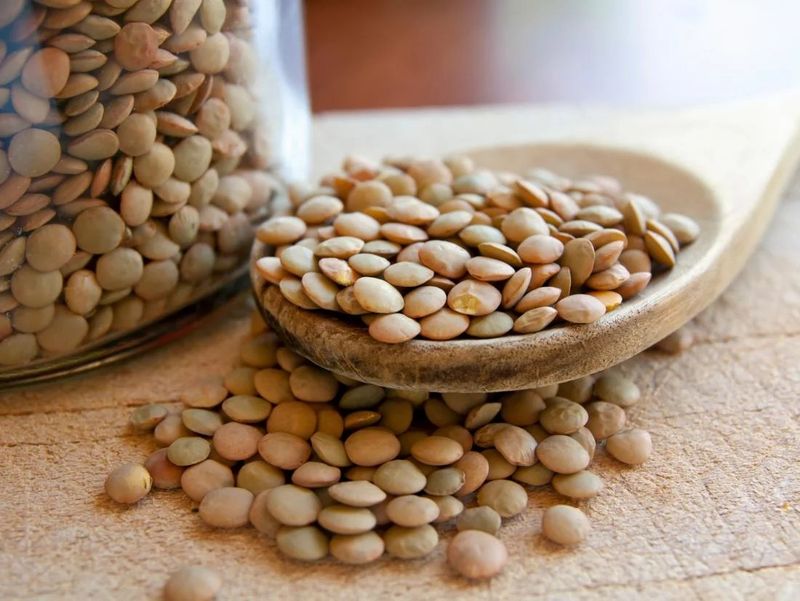
Here's something most people don't realise: lentils contain more protein per serving than many cuts of meat, and they cost a fraction of the price. A single tin from the supermarket gives you a massive dose of iron, folate, and fibre for less than 50p.
They're particularly brilliant for vegetarians or anyone trying to eat less meat without sacrificing nutrition. Plus, they're ridiculously easy to cook – just rinse and add to soups, curries, or salads.
Red lentils go mushy and thicken dishes beautifully, whilst green and brown ones hold their shape nicely.
3. Cabbage
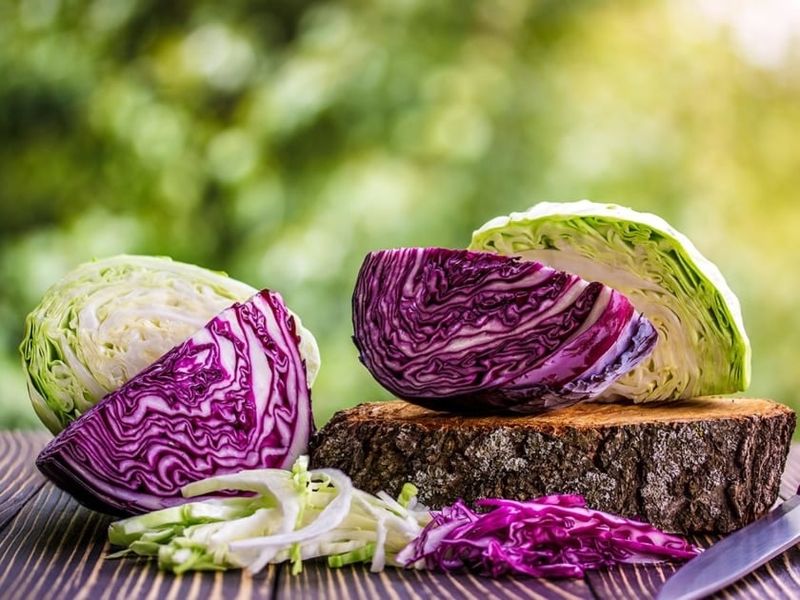
Fancy kale gets all the glory, but cabbage is its humble cousin that does the same job for about a quarter of the price. One medium cabbage costs around 60p and feeds a family for days, whilst packing in vitamin C, vitamin K, and cancer-fighting compounds called glucosinolates.
It's been a British staple for centuries, and for good reason. You can shred it raw for coleslaw, braise it with butter, add it to stir-fries, or make traditional bubble and squeak.
Red cabbage is particularly high in antioxidants that support brain health.
4. Carrots
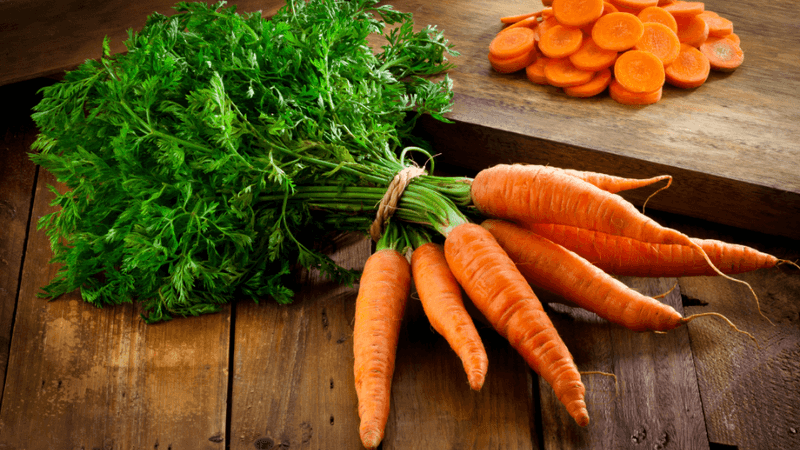
Did you know that cooking carrots actually increases their nutritional value? The heat breaks down cell walls and makes the beta-carotene more available for your body to absorb and convert into vitamin A.
A bag of carrots costs less than a fancy coffee and provides days' worth of nutrients that support eye health, immune function, and skin quality. They're sweet enough that most kids will actually eat them, especially roasted with a tiny bit of honey.
Carrots are also brilliant for your gut, containing both soluble and insoluble fibre that keeps everything moving along nicely.
5. Tinned Sardines
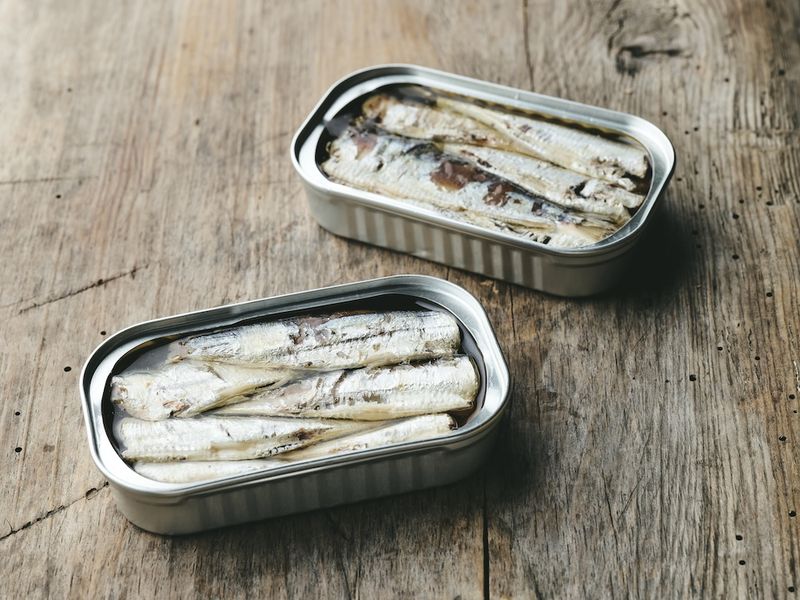
Salmon gets all the attention for omega-3 fatty acids, but tinned sardines deliver even more of these brain-boosting fats for a fraction of the cost. A single tin provides your entire day's worth of vitamin D, which most Brits are deficient in thanks to our dodgy weather.
They're also sustainable, unlike many larger fish that are overfished. The bones are edible and soft, giving you a massive calcium boost that's brilliant for bone health.
Mash them on toast, toss them in pasta, or eat them straight from the tin if you're feeling brave.
6. Eggs

Eggs are basically nature's multivitamin, containing nearly every nutrient your body needs except vitamin C. A dozen free-range eggs costs around £2.50 and provides high-quality protein that keeps you full for hours, making them brilliant for breakfast or any meal really.
They're packed with choline for brain health, lutein for eye health, and all nine essential amino acids. Contrary to old myths, eating eggs doesn't raise cholesterol levels in most people, according to current nutritional science.
Boil them, scramble them, poach them, or bake them – they're endlessly versatile.
7. Potatoes
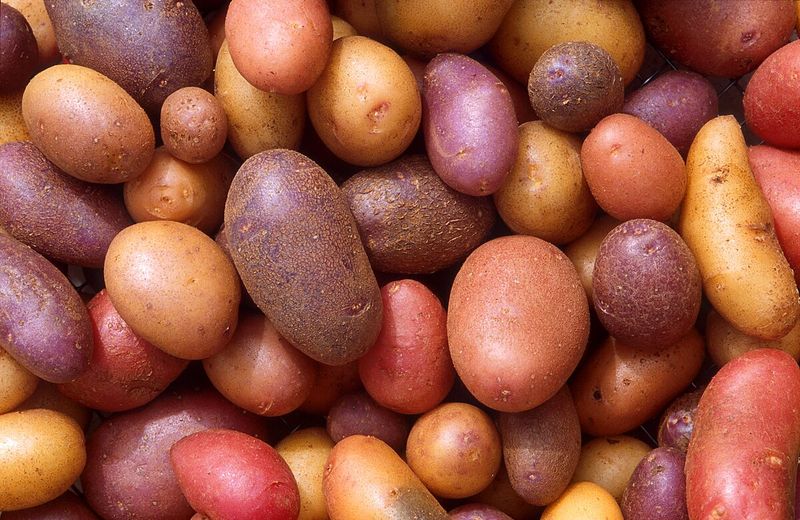
Potatoes have gotten a bad reputation lately, but they're actually incredibly nutritious when prepared properly. A medium spud contains more potassium than a banana, plus vitamin C, vitamin B6, and resistant starch that feeds beneficial gut bacteria.
They're also one of the most filling foods on the planet, which helps with weight management despite what diet culture tells you. The key is avoiding deep-frying – boiled, baked, or roasted potatoes are perfectly healthy.
Keep the skins on for extra fibre and nutrients, and you've got a proper superfood for pennies.
8. Apples
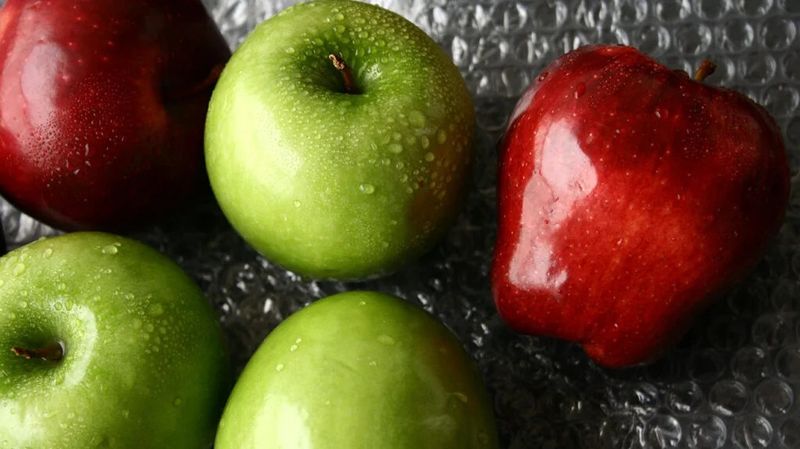
There's a reason the old saying goes 'an apple a day keeps the doctor away' – they're genuinely brilliant for you. British varieties like Cox and Bramley are packed with pectin, a special type of fibre that feeds good gut bacteria and helps regulate blood sugar.
They're also rich in quercetin, an antioxidant that supports heart health and reduces inflammation. A bag of British apples costs around £1.50 and lasts all week if stored properly in the fridge.
Eat them with the skin on to get the most benefits, and choose local varieties when possible.
9. Beans

Whether it's humble baked beans on toast or fancy butter beans in a stew, beans are nutritional powerhouses that cost next to nothing. A single tin provides massive amounts of fibre, plant-based protein, iron, and folate for around 40p.
They're particularly brilliant for blood sugar control, releasing energy slowly throughout the day so you don't get those awful energy crashes. Studies show that people who eat beans regularly have lower rates of heart disease and better weight management.
Kidney beans, chickpeas, butter beans – they're all winners in the nutrition department.
10. Frozen Spinach

Fresh spinach wilts in about two days and costs a fortune, but frozen spinach is picked and frozen at peak freshness, locking in all those nutrients. A bag costs less than a pound and contains concentrated amounts of iron, calcium, magnesium, and vitamins A, C, and K.
It's already washed and chopped, saving you loads of time in the kitchen. Nutritionists often recommend frozen vegetables over fresh because they retain more nutrients during storage.
Chuck it in curries, pasta sauces, smoothies, or omelettes for an instant nutrition boost without any fuss.