








Burns Night arrives every year on 25 January, and for first-time hosts it can feel a little daunting at first. The evening blends Scottish food, poetry, and tradition into a celebration that is both formal and warmly social.
Once the key dishes and customs are understood, however, hosting a Burns Supper becomes far more enjoyable than intimidating. This guide breaks down the essential foods and traditions so you can host with confidence and focus on the atmosphere rather than the stress.
All information is provided for general interest only. Traditions, recipes, and customs may vary by region and household.
Photos are for illustrative purposes only.
What Haggis Actually Is And How It's Traditionally Served

Haggis sounds mysterious, but it's essentially a savoury pudding made from sheep's heart, liver, and lungs, mixed with oatmeal, onions, suet, and spices, all encased in a sheep's stomach lining. Modern versions often use synthetic casings, making it less intimidating to handle.
Traditionally, the haggis is piped into the dining room with great fanfare whilst someone recites Burns' famous poem, "Address to a Haggis." Once the poem reaches its climax, the haggis is ceremonially sliced open.
Serve it piping hot alongside neeps and tatties for the full authentic experience that'll have your guests talking for weeks.
The Difference Between Neeps And Tatties And Why They Matter
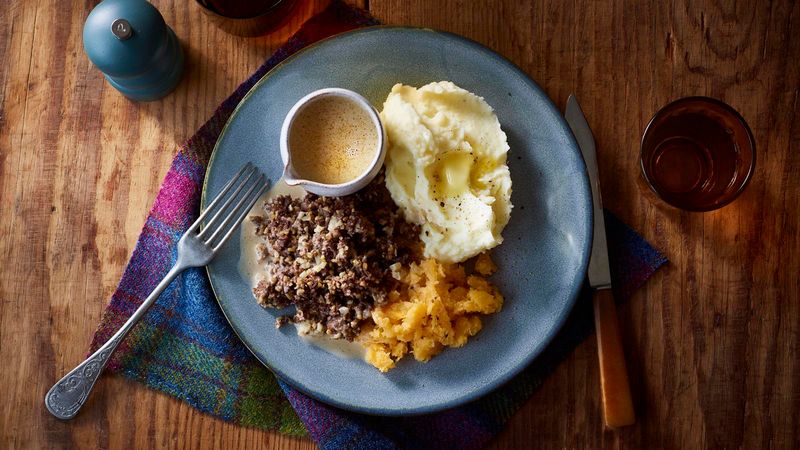
Neeps are mashed turnips, though in Scotland they often refer to swede, which has a slightly sweeter, earthier flavour. Tatties are simply mashed potatoes, creamy and buttery, providing a comforting contrast to the spiced haggis.
Together, these two sides balance the richness of the main dish brilliantly. The neeps add a subtle sweetness and texture, whilst the tatties bring smoothness and mild flavour.
Don't skimp on seasoning either. A generous knob of butter, salt, pepper, and maybe a touch of nutmeg in the neeps will elevate your Burns Supper from decent to downright delicious.
When And How To Serve The Burns Supper Properly
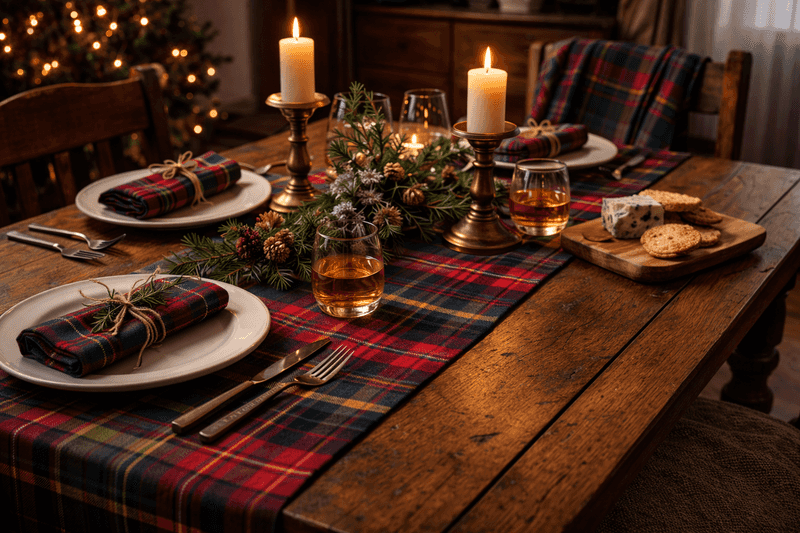
Burns Suppers follow a traditional structure that's been around for ages. Start with a simple soup or starter, then bring in the haggis with ceremony, complete with the recitation of "Address to a Haggis."
After the main course, there's usually a toast to the haggis, followed by speeches or toasts to Robert Burns himself, and perhaps the famous "Toast to the Lassies" and reply. Dessert comes next, rounding off the meal beautifully.
Timing matters too. Allow roughly two to three hours for the whole evening, giving guests time to enjoy the food, speeches, and camaraderie without feeling rushed.
Do You Really Need A Piper Or Is That Optional
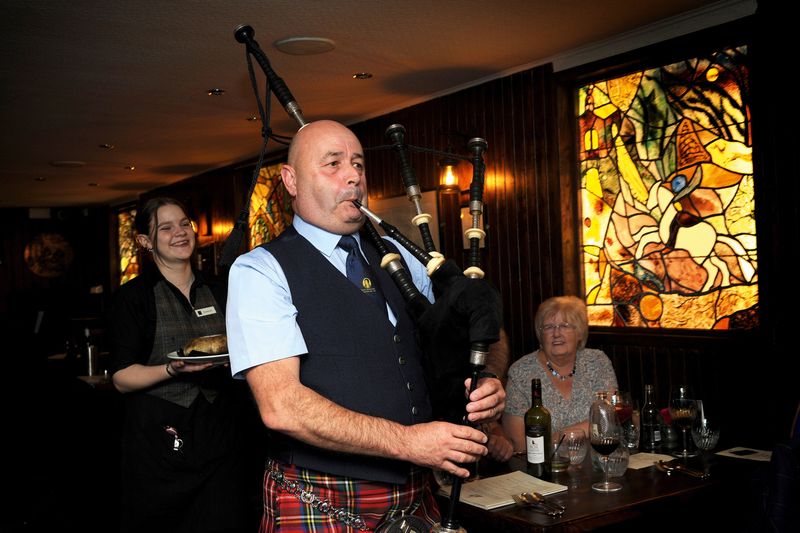
Having a bagpiper march in with the haggis is absolutely iconic and adds serious drama to the evening. But let's be honest, hiring a professional piper isn't cheap, and it's not always practical for smaller gatherings.
If your budget or space doesn't stretch to a live piper, don't panic. You can play recorded bagpipe music to create atmosphere instead.
It won't have quite the same impact, but it still sets the tone nicely.
Ultimately, the piper is traditional but entirely optional. Focus on getting the food and speeches right, and your guests will have a brilliant time regardless of whether there's a piper present.
How Much Food You Should Plan Per Guest
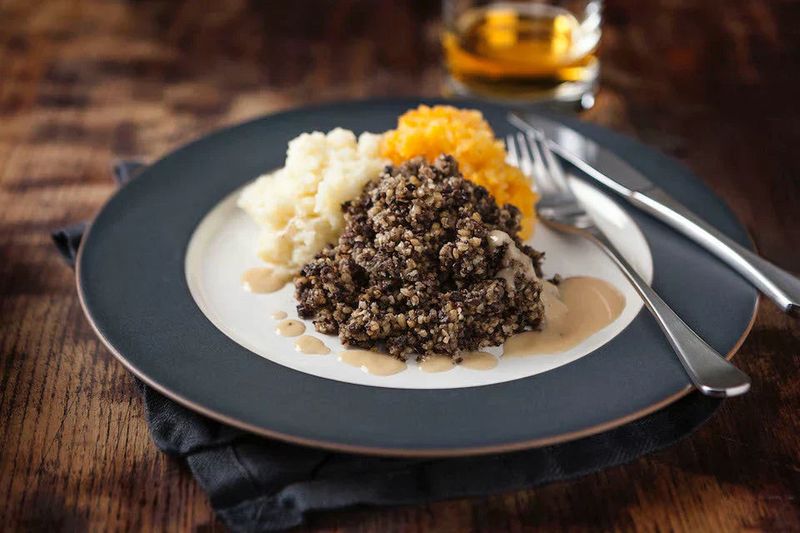
Portion planning can make or break your Burns Night. For haggis, aim for roughly 150 to 200 grams per person as the main course.
Pair that with about 100 grams each of neeps and tatties per guest.
If you're serving a starter like Scotch broth or Cullen skink, keep portions modest, around 200 millilitres per bowl, so guests aren't too full before the main event.
Desserts like cranachan or clootie dumpling should be hearty but not overwhelming. A modest serving ensures everyone finishes satisfied without feeling stuffed.
Better to have slight leftovers than leave anyone hungry at the end of the night.
Simple Starters That Won't Steal The Show
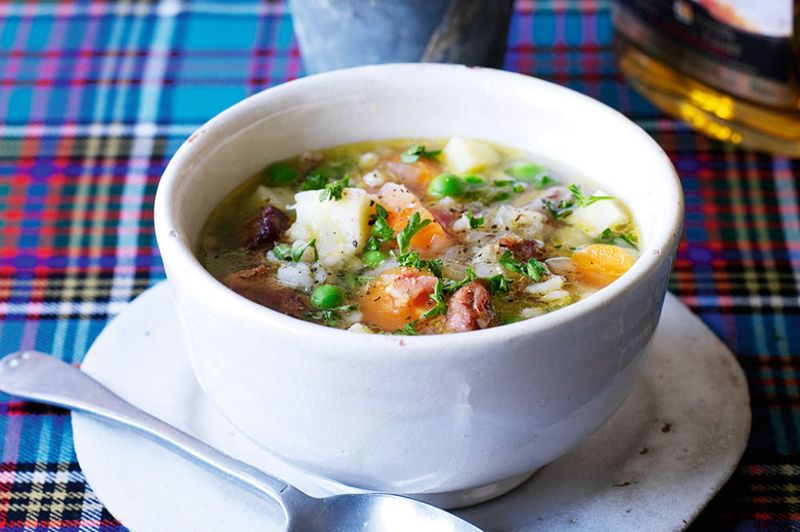
Your starter should warm guests up without overshadowing the haggis. Scotch broth is a classic choice: a hearty soup made with lamb or mutton, barley, carrots, and leeks.
It's filling but not too heavy.
Cullen skink is another brilliant option. This creamy smoked haddock soup from northeast Scotland has loads of flavour and feels authentically Scottish without requiring fancy techniques.
Keep portions reasonable and avoid anything too rich or complicated. The starter is there to set the mood and whet appetites, not compete with the main course.
Simple, traditional, and tasty wins every time at a Burns Supper.
Traditional Drinks That Pair Well With Burns Night Food

Whilst many Burns Night celebrations feature a dram of something strong, there are plenty of other traditional Scottish drinks that pair beautifully with the meal. Irn-Bru, Scotland's iconic orange fizzy drink, is a fun and nostalgic choice that guests will love.
For something more sophisticated, try Scottish mineral water or ginger beer, which complements the richness of haggis brilliantly. Apple juice or cloudy lemonade also work well, offering a refreshing contrast to the savoury dishes.
Don't forget tea or coffee to accompany dessert. A proper brew rounds off the evening nicely and keeps the atmosphere warm and convivial throughout the celebration.
Easy Desserts That Still Feel Authentic
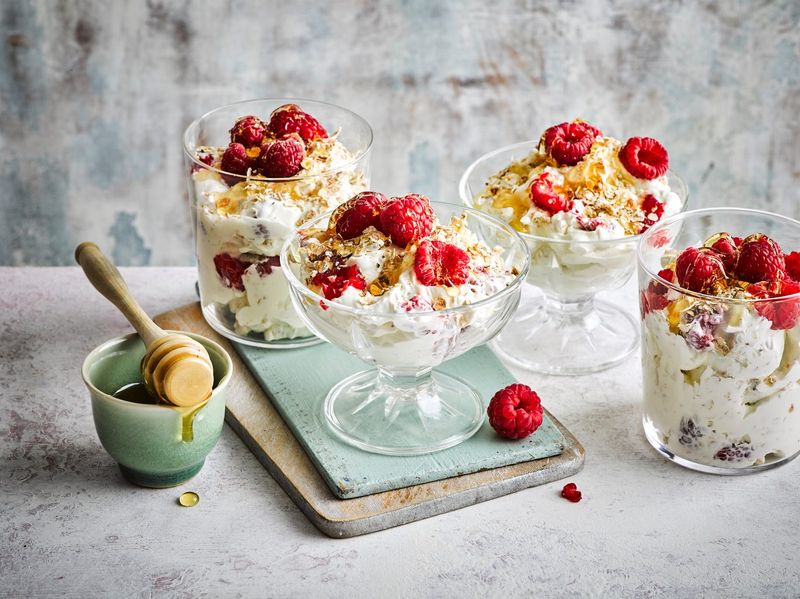
Cranachan is the quintessential Burns Night dessert: whipped cream layered with toasted oatmeal, fresh raspberries, and honey. It's dead simple to assemble and looks gorgeous served in individual glasses.
Clootie dumpling is another traditional option. This spiced fruit pudding, boiled in a cloth, has a rich, warming flavour and pairs beautifully with custard or cream.
If you're short on time, a Scottish cheese board with oatcakes, Arran Cheddar, Caboc, and Lanark Blue offers a savoury alternative that still feels authentically Scottish. Any of these choices will impress without adding stress to your evening.
Common Burns Night Mistakes First-Time Hosts Make
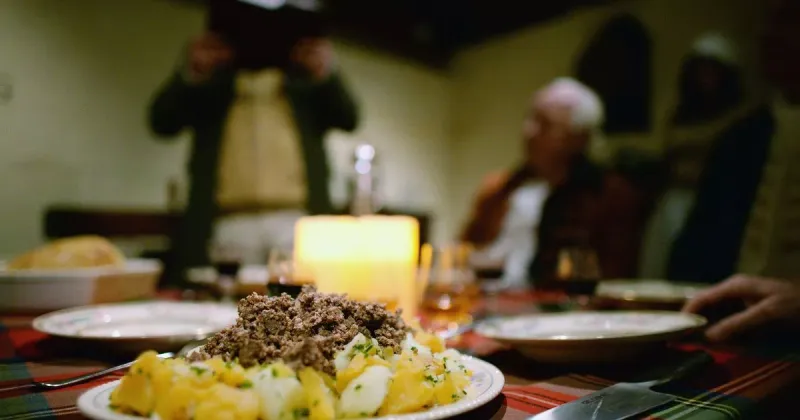
One big mistake is overcomplicating the menu. Stick to traditional dishes rather than trying to reinvent the wheel with fancy twists that don't fit the occasion.
Another common error is forgetting to rehearse the "Address to a Haggis" beforehand. It's a long poem in Scots dialect, and stumbling through it kills the moment.
Practice makes perfect.
Finally, don't underestimate timing. Serving the haggis too early or too late throws off the whole evening's rhythm.
Plan your cooking schedule carefully, and you'll avoid unnecessary stress whilst keeping guests happy and well-fed throughout the night.
How To Keep Burns Night Traditional Without Overcomplicating It
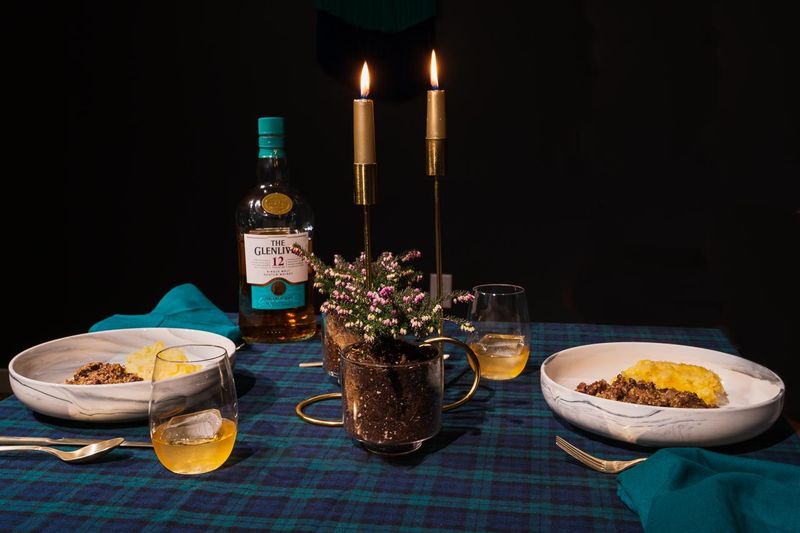
Tradition doesn't have to mean stress. Focus on the core elements: haggis, neeps, tatties, a simple starter, and a classic dessert.
That's your foundation sorted.
For the ceremony, keep speeches short and heartfelt rather than overly formal. The "Address to a Haggis" is non-negotiable, but beyond that, let the evening flow naturally with good food and friendly conversation.
Remember, Burns Night celebrates community, poetry, and Scottish culture, not perfection. Your guests will appreciate authentic effort over fussy presentation any day.
Keep it simple, keep it traditional, and most importantly, keep it fun. That's what Robert Burns would've wanted.