













Eating well doesn’t have to mean spending more. With a few simple swaps and some cleverer use of store-cupboard staples, it’s possible to make nutrient-rich meals at a smaller cost of ready-made versions.
The recipes in this article are shared as simple ideas with basic preparation guidance, not detailed cooking instructions. You can adapt the ingredients, amounts, and methods to fit your preferences, dietary requirements, and what you have on hand.
1. Chickpea Patties

Mash tinned chickpeas with grated beetroot, chopped onion and a pinch of cumin, then form into patties and bake until golden. They work well in wholemeal buns or served with salad.
Chickpeas provide a good source of plant protein and fibre, and this recipe uses ingredients that are generally inexpensive but filling. Baking instead of frying also helps keep the recipe lighter.
2. Turmeric Lentil Soup
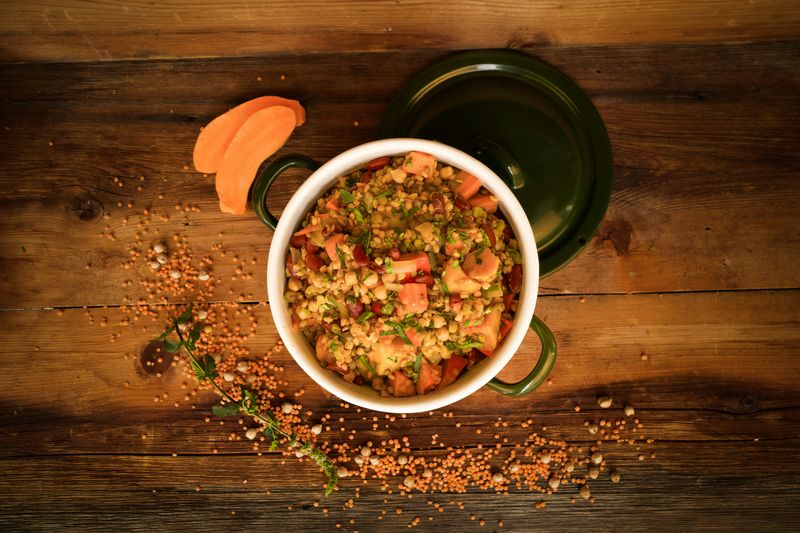
Red lentils become soft and creamy when simmered with grated turmeric root, garlic and vegetable stock. The gentle spice gives the soup a warm golden colour.
Lentils are high in protein and fibre, and turmeric contains naturally occurring compounds studied for their potential health benefits. Serve with bread for a complete meal.
3. Berry Banana Blitz
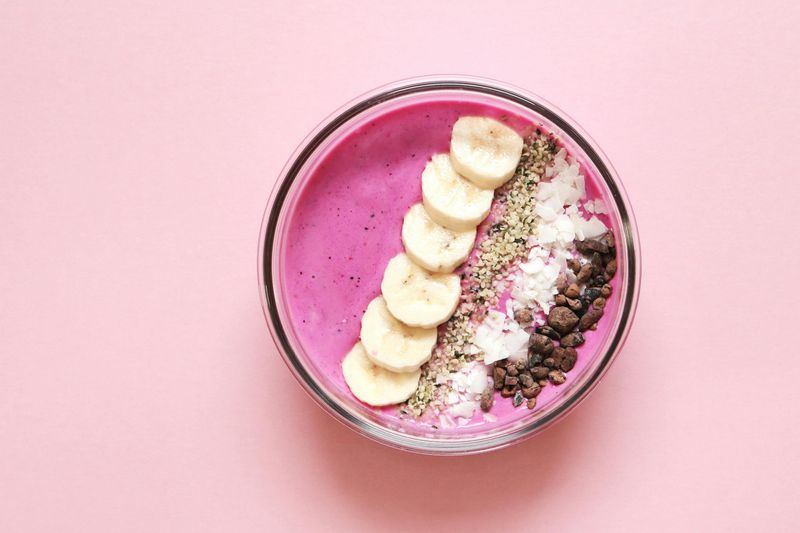
Blend frozen mixed berries with a ripe banana and a splash of milk or plant-based alternative. Add a spoonful of porridge oats for extra texture and slow-release energy.
Frozen berries often cost less than fresh and still contain vitamins and antioxidants. The banana adds natural sweetness and potassium without needing extra sugar.
4. Sardine Toast

Combine tinned sardines with lemon juice and spread on wholemeal toast. Finish with cucumber slices and a little black pepper.
Sardines are a source of omega-3 fatty acids and protein, and tinned versions are affordable and have a long shelf life. This makes them an easy choice for quick lunches.
5. Mushroom Barley Risotto
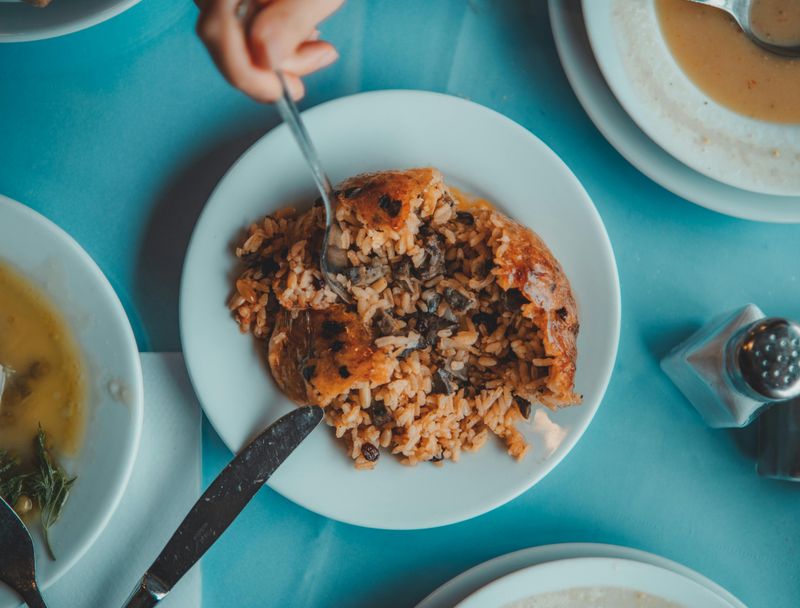
Pearl barley simmered with mushrooms, garlic and thyme makes a hearty dish with a creamy texture. A squeeze of lemon before serving lifts the flavour.
Barley is high in fibre, and mushrooms can contribute small amounts of vitamin D, making this a balanced and cost-effective meal.
6. Cabbage Patch Stir-Fry

Shred savoy cabbage and cook with grated carrot, sliced onion and garlic. Add a splash of soy sauce and sprinkle with sesame seeds.
Cabbage is affordable and contains vitamin C and fibre. This stir-fry works as a side dish or as part of a main meal when served with rice or noodles.
7. Broccoli Cheese Soup

Simmer chopped broccoli with onion in vegetable stock until tender, then blend and stir in grated cheese.
This is a good way to use broccoli that’s slightly past its peak freshness. It contains vitamin C, while the cheese adds calcium and flavour.
8. Beetroot Chocolate Muffins

Fold grated raw beetroot into muffin batter along with cocoa powder and vanilla, then bake until a skewer inserted into the centre comes out clean.
Beetroot also brings a subtle earthy depth that works well with chocolate while contributing fibre and vitamins.
These muffins can be enjoyed warm or cooled and stored in an airtight container, and they freeze well, making them convenient to have on hand for snacks or lunchboxes.
9. Apple Cinnamon Breakfast Bars
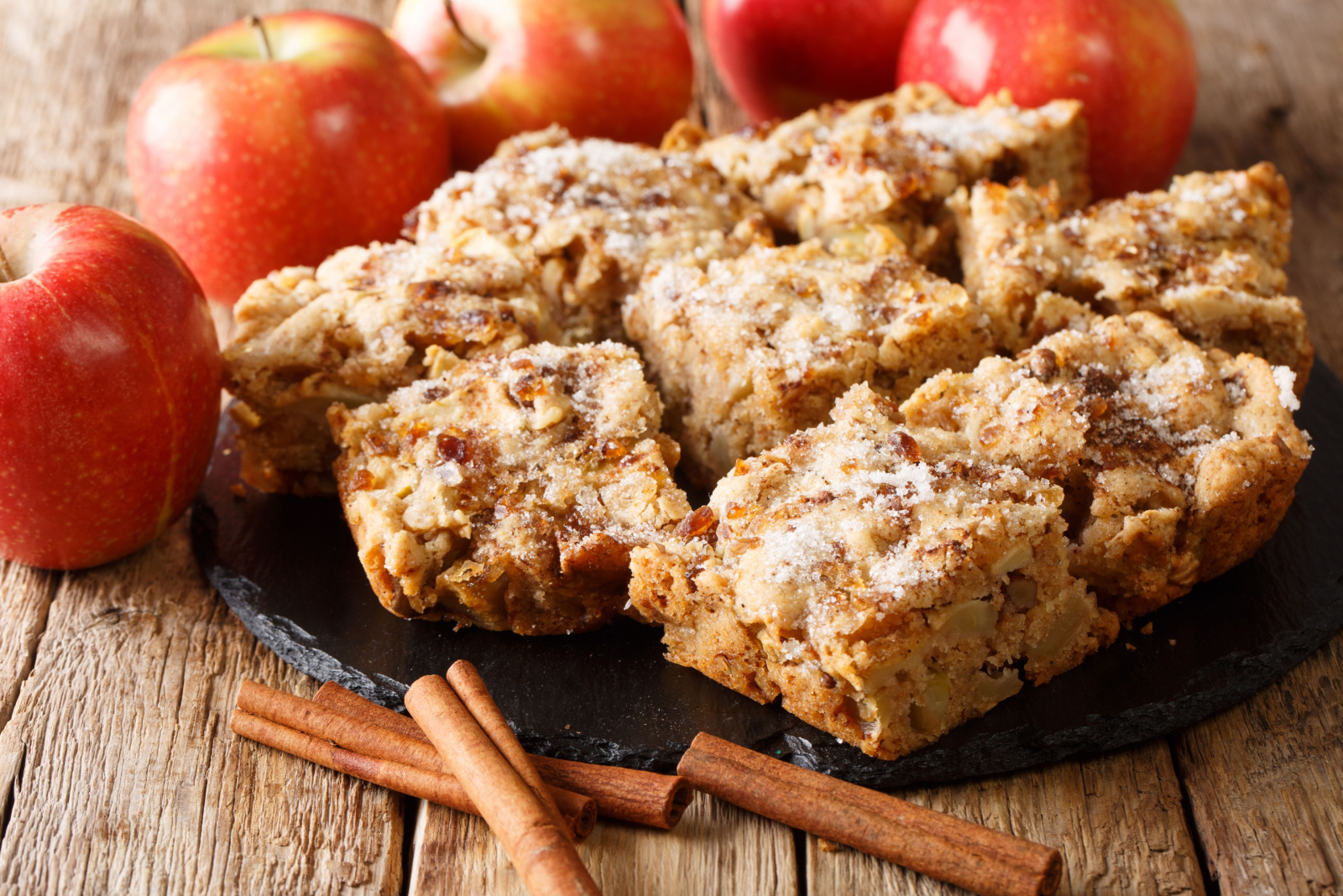
Combine rolled oats with grated apple, cinnamon, honey, and milk, pressing the mixture into a baking tin before baking until golden. The apple adds moisture and natural sweetness, while cinnamon brings warmth and aroma, making them an inviting choice for mornings.
These bars store well in an airtight container, so they’re useful for busy weekdays or to pack in lunchboxes. They also work as a filling snack between meals, and you can easily add extras such as chopped nuts or dried fruit for variety.
10. Red Pepper Hummus
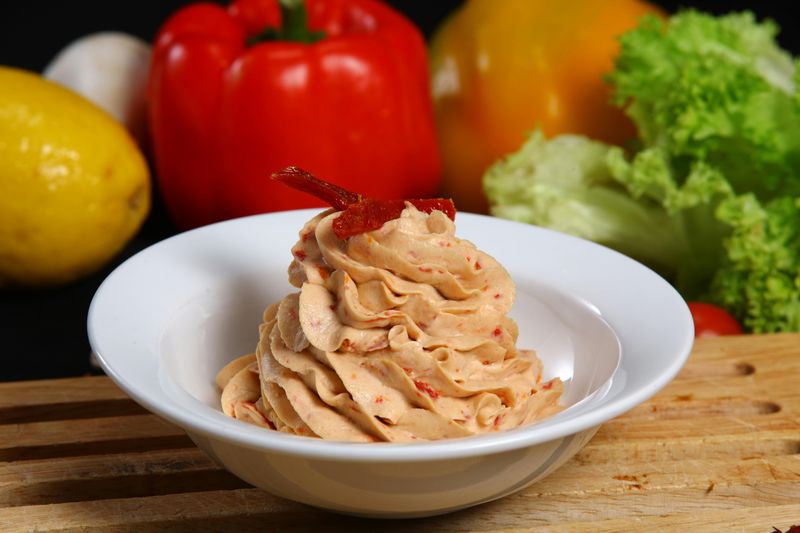
Blend chickpeas with roasted red pepper, garlic, lemon juice, and olive oil until smooth. The peppers give the hummus a bright colour and a subtle sweetness that complements the earthy flavour of the chickpeas.
Homemade hummus can be more economical than shop-bought versions and allows you to adjust the flavour to your liking.
It’s versatile enough to serve as a dip with vegetables, spread on sandwiches, or spoon over salads for extra protein and flavour.
11. Black Bean Brownies
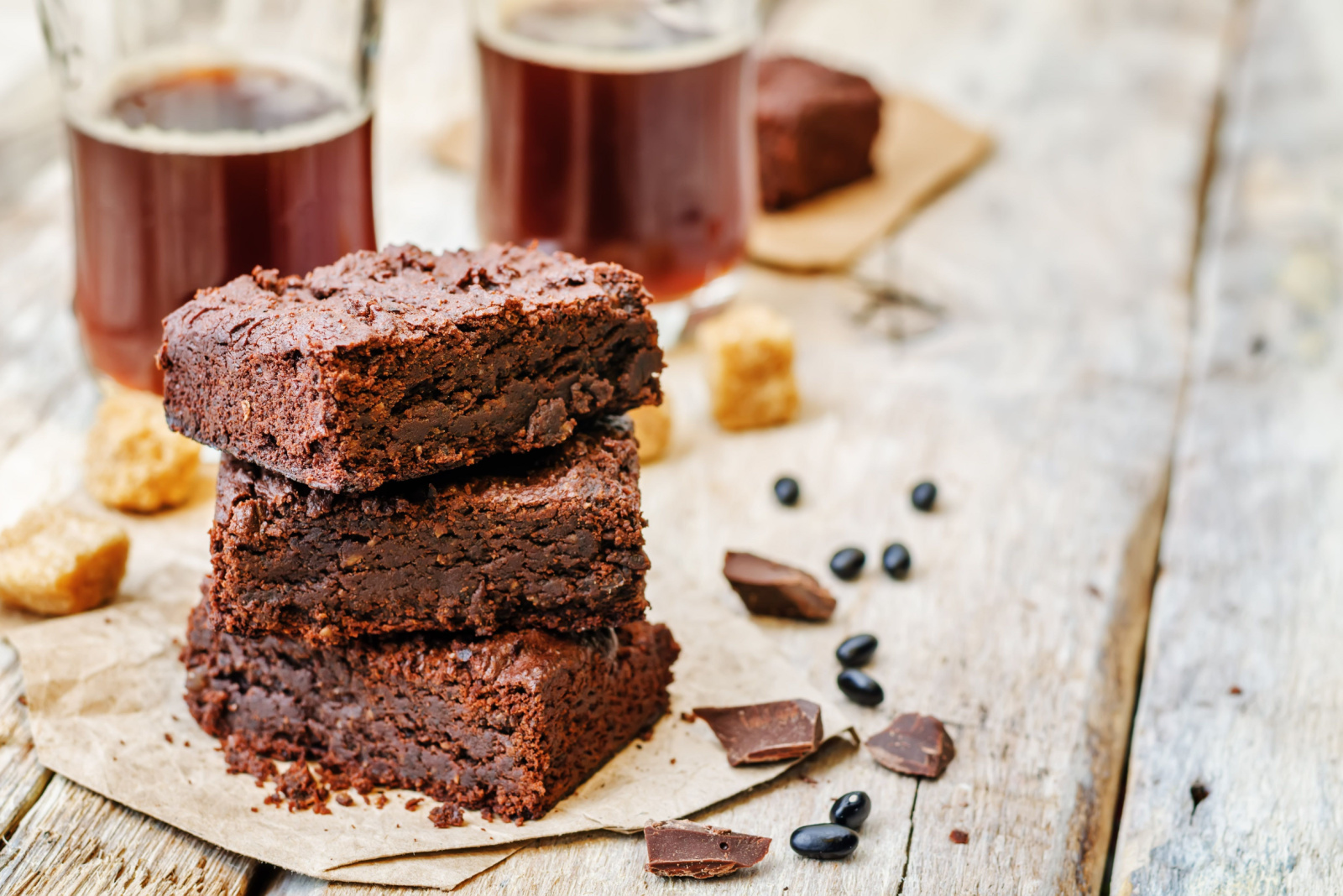
Blend tinned black beans with cocoa powder, vanilla, honey, and nut butter, then bake until the brownies are set but still soft in the middle. Using beans instead of some of the flour adds extra protein while keeping the texture rich.
These brownies have a more substantial bite than traditional recipes and can be stored in the fridge for several days. They’re also a good way to incorporate beans into your diet in a sweet dish, and you can add chopped nuts or dark chocolate pieces for extra flavour.
12. Cinnamon Apple Porridge
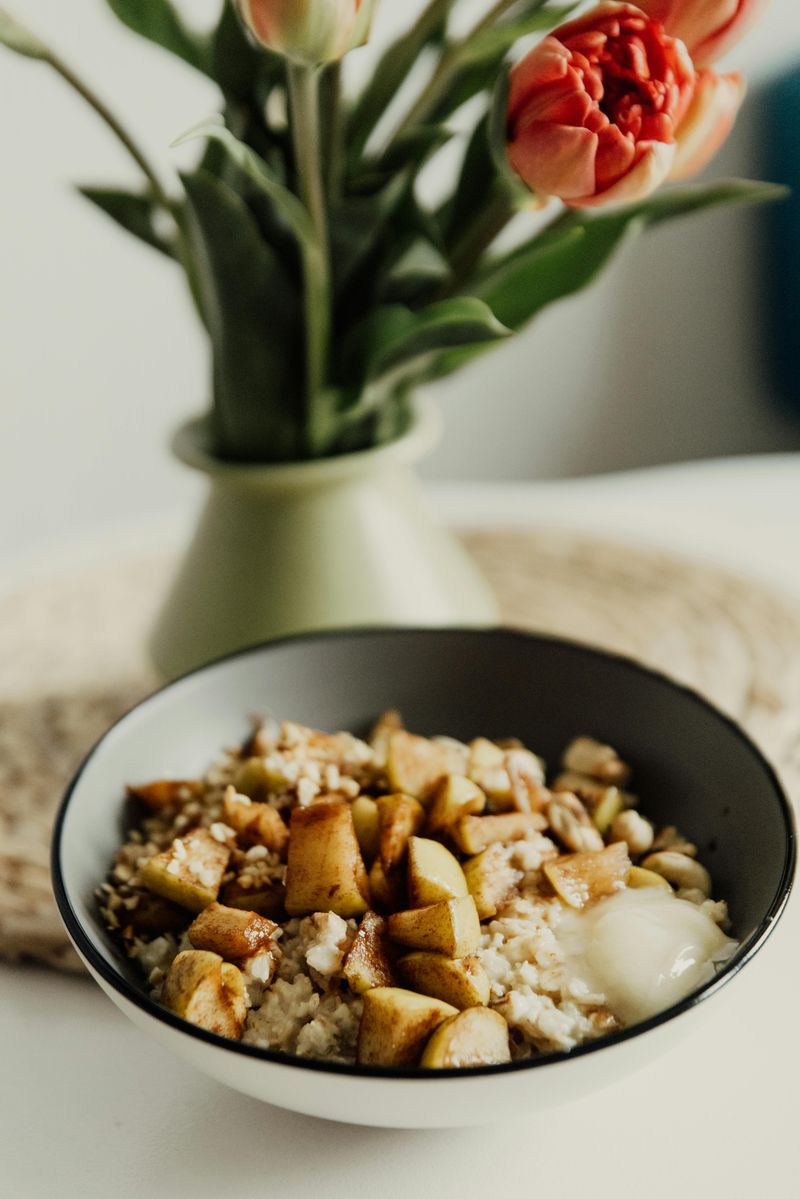
Cook oats with diced apple, cinnamon, and milk until thick and creamy. The apple becomes tender as it cooks, blending with the oats to create a naturally sweet base.
Oats are a source of slow-release energy, while apples contribute fibre and flavour. This porridge can be made with dairy or plant-based milk and topped with a small drizzle of honey or a scattering of nuts for added texture.
13. Tuna Stuffed Peppers
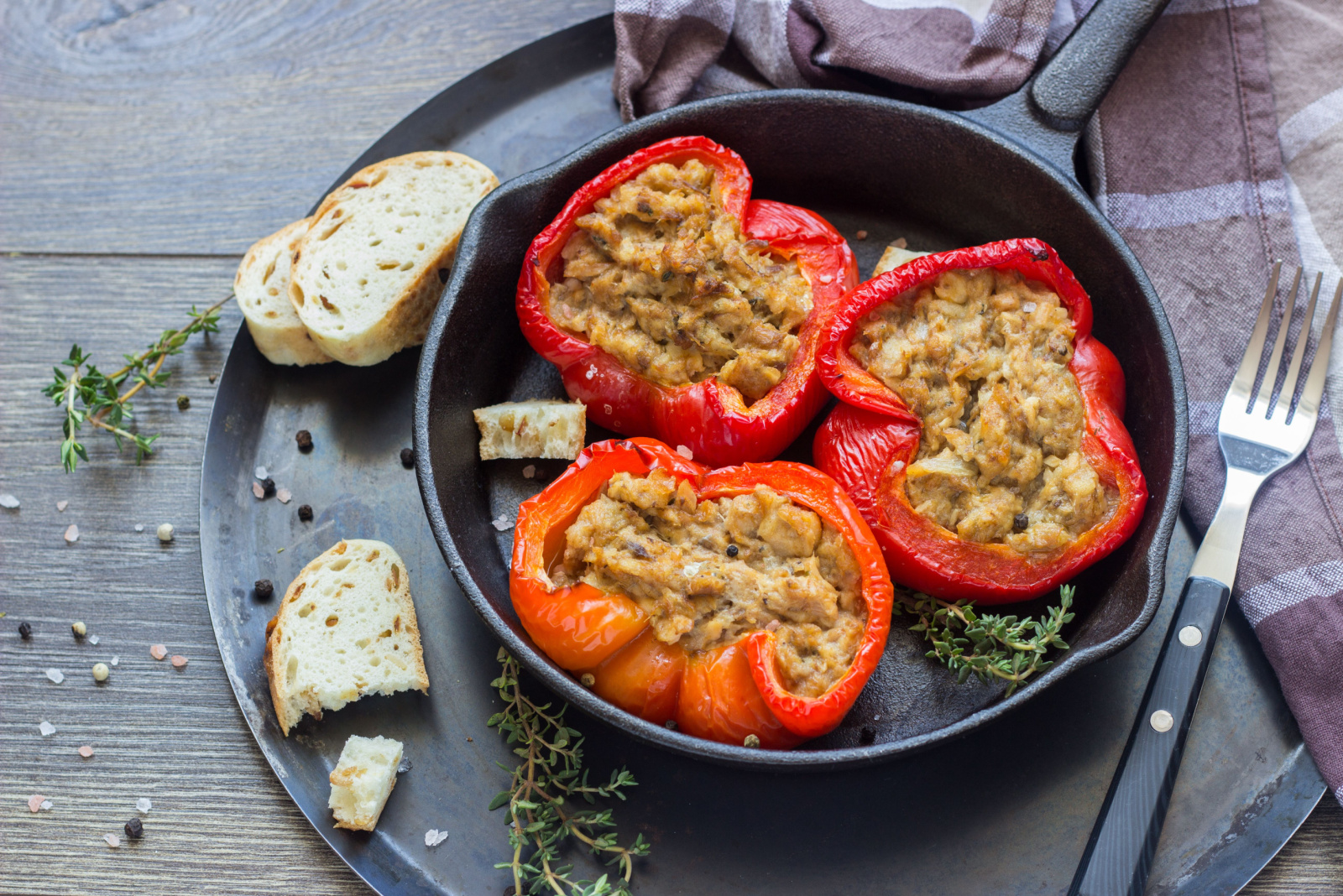
Fill halved peppers with a mixture of tinned tuna, cooked brown rice, and chopped tomato, then bake until the peppers are tender. The heat softens the peppers and helps the flavours blend together.
This dish is a good way to use leftover rice, and the filling can be varied by adding herbs, sweetcorn, or a little grated cheese.
14. Banana Oat Cookies

Mash ripe bananas with rolled oats and a little cinnamon, then place spoonfuls of the mixture on a baking tray and bake until lightly golden and firm.
These cookies are naturally sweet without added sugar, making them a lighter choice for a snack or breakfast on the go.
They taste best on the day they’re baked but will keep for a couple of days in an airtight container, and you can add extras like chopped nuts or raisins for more texture and flavour.



