













Our eyes need the right nutrients to stay healthy as we get older. Just like the rest of our body, what we eat can make a big difference in how well our eyes work over time. These foods are packed with vitamins and minerals that protect vision and may help prevent common age-related eye problems.
This article is for general informational purposes only and should not replace professional medical or dietary advice. Eye health can be influenced by many factors, including genetics, lifestyle, and medical conditions. Always consult an optometrist, ophthalmologist, or qualified healthcare professional before making dietary or lifestyle changes related to vision.
1. Kale, Spinach & Other Leafy Greens
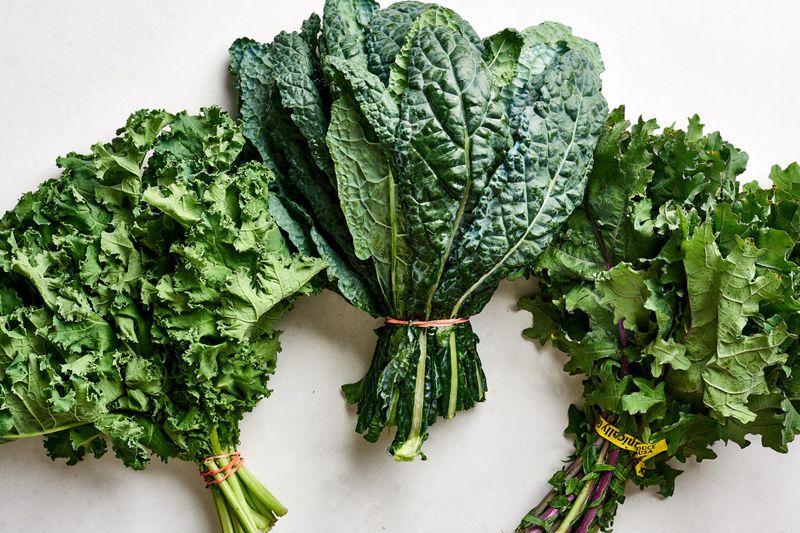
Leafy greens are loaded with lutein and zeaxanthin - natural pigments that collect in the eye’s macula and help filter high-energy light. They also bring vitamin C and a bit of vitamin E, both of which act as antioxidants.
You don’t need huge portions; a handful tossed into a smoothie or omelette goes a long way. If salads aren’t your thing, a quick garlic sauté makes them surprisingly moreish.
2. Egg Yolks

Egg yolks naturally contain lutein and zeaxanthin, and the fat in the yolk helps your body absorb them. They also provide small amounts of vitamin A and other nutrients useful for healthy vision.
Scrambled, poached, or boiled - pick what you enjoy and keep the rest of your plate balanced. Personally, I love a soft-boiled egg over spinach for a double win.
3. Orange & Yellow Vegetables
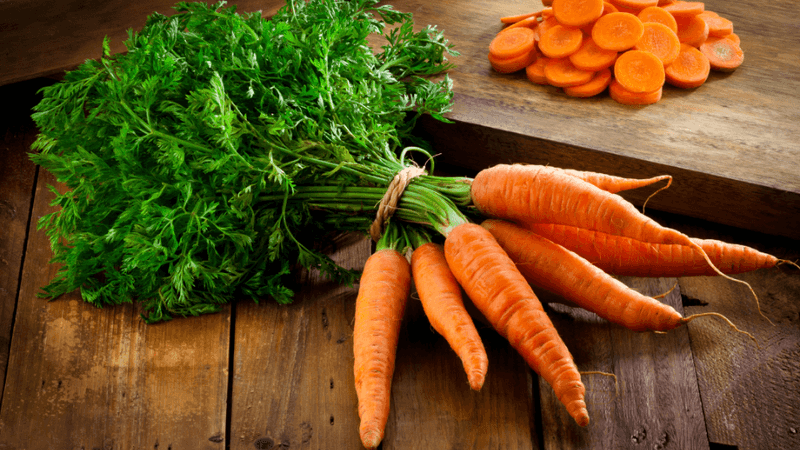
These bright veg are rich in beta-carotene, which your body can convert to vitamin A - important for normal vision, especially if intake is low.
They also add fibre and other antioxidants that support overall eye health. Roasting brings out their natural sweetness without much effort. Think trays of carrots and sweet potato alongside your usual dinner.
4. Broccoli, Peas & Other Green Veggies
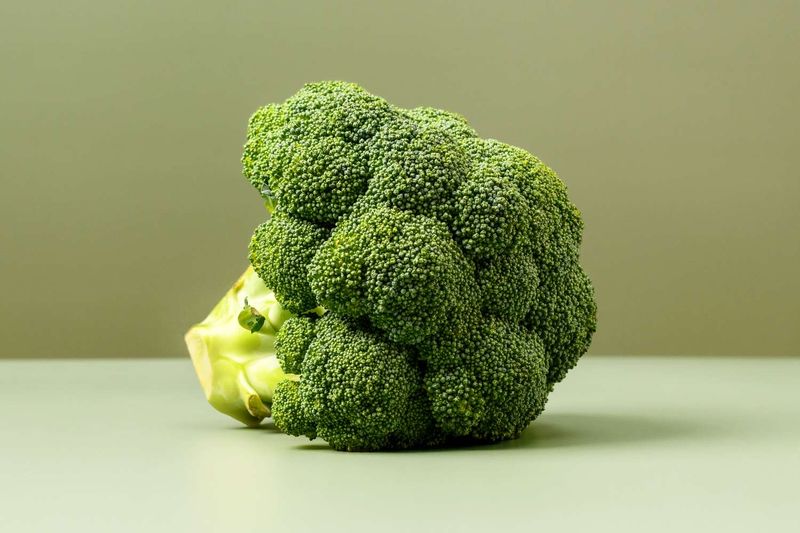
Broccoli and peas offer vitamin C plus a little lutein and zeaxanthin - a nice everyday top-up. Regularly eating a mix of green veg supports the tiny structures in and around the eye. Steamed, stir-fried, or tossed into pasta, they’re easy weekday additions.
If you keep frozen peas on hand, you’re never far from a quick, eye-friendly side.
5. Berries & Colourful Fruits
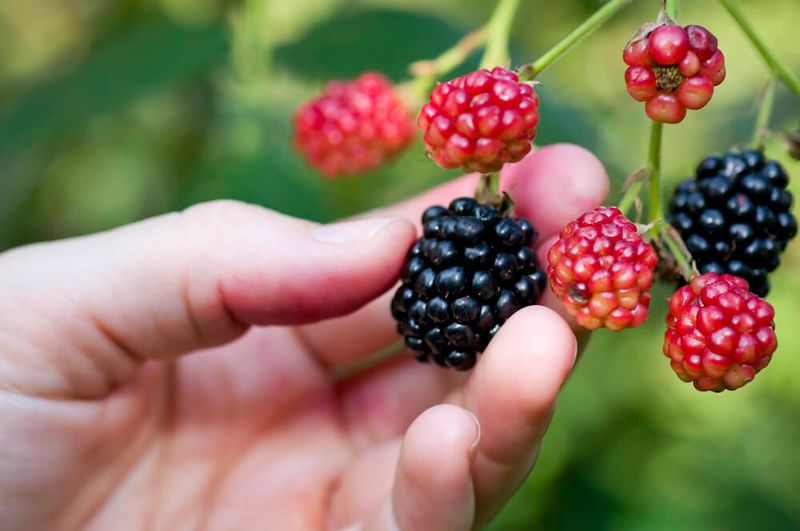
Blueberries, strawberries, and other colourful fruits bring vitamin C and plant antioxidants that help protect body tissues, eyes included.
Variety matters: mixing colours means a wider spread of helpful compounds. Spoon them over yoghurt, blend into smoothies, or snack straight from the punnet. Simple habit, solid payoff.
6. Fatty Fish

These fish are rich in omega-3s, including DHA - a fat that’s a structural part of the retina. Eating oily fish regularly is linked in research to better long-term eye health, though it isn’t a guarantee against disease. Grill, bake, or tin-open sardines for a speedy lunch.
Two fish meals a week is a practical target many people can hit.
7. Nuts & Seeds
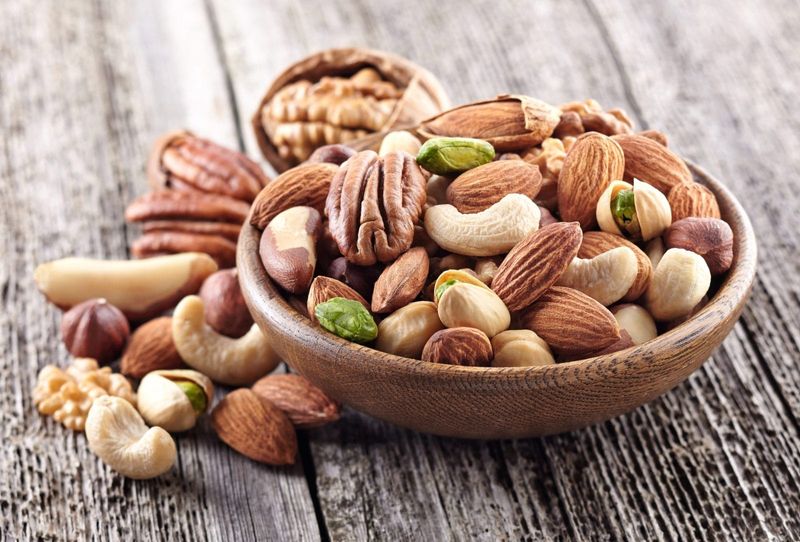
Nuts and seeds provide vitamin E and healthy fats that help protect cells from everyday wear and tear. Some (like walnuts and flax) also add plant omega-3s.
A small handful as a snack or sprinkled over porridge is all you need. Keep a jar on the counter - you’ll actually remember to use them.
8. Legumes & Beans
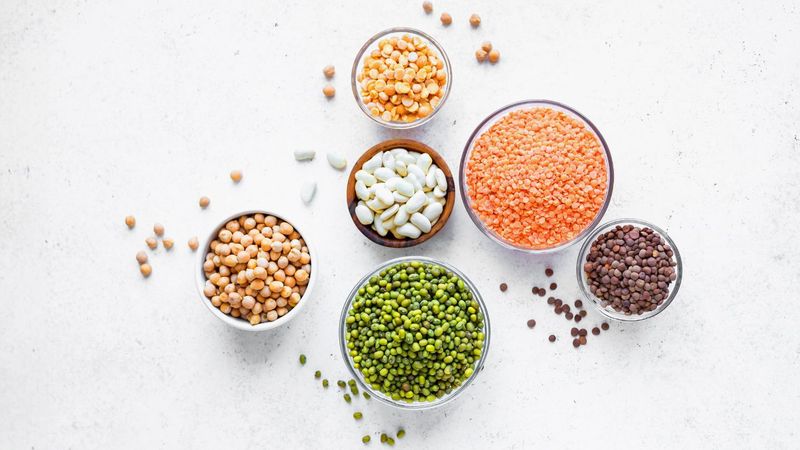
Beans and lentils don’t get much hype, but they quietly support eye health thanks to their zinc content. Zinc helps vitamin A reach the retina, where it plays a role in vision, particularly in low light. They also bring fibre and plant protein, which benefit your overall health.
Toss chickpeas into a salad or add lentils to soup for an easy, budget-friendly way to give your eyes a little extra care.
9. Olive Oil & Healthy Plant Oils

Extra virgin olive oil brings healthy fats that help your body absorb fat-soluble nutrients like lutein and vitamin E from veggies. It also contains antioxidants called polyphenols, which may help reduce everyday stress on body tissues, including those in the eyes.
The key is using it in place of more heavily processed oils rather than treating it like a supplement. A drizzle over roasted veg or a simple salad dressing is all it takes to work it into your routine.



