













Berries are nature's little flavour bombs, packed with sweet-tart goodness and vibrant colours. Adding them to your cooking can transform ordinary dishes into something truly special.
From breakfast to puddings and even savoury meals, these tiny fruits bring both nutritional benefits and amazing taste to your table.
This article is for general information and inspiration only. Flavour, texture, and availability of berries may vary depending on season and location.
1. Blueberries
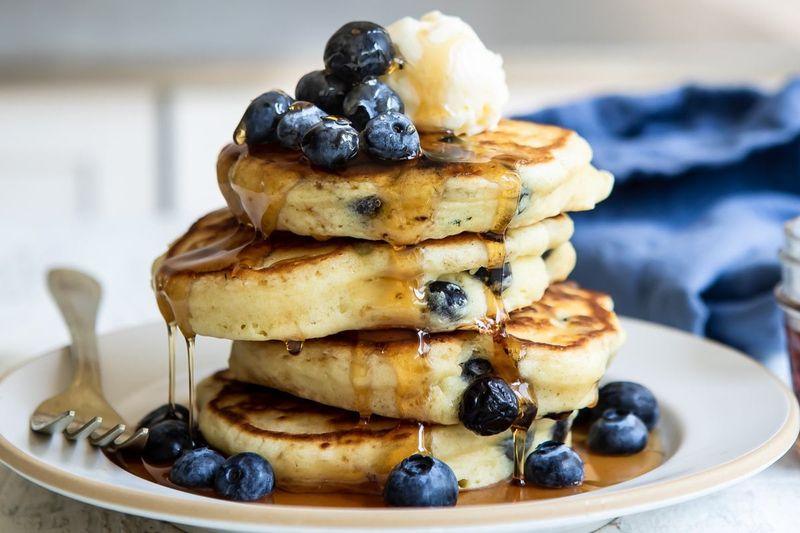
Little blue powerhouses that bring a subtle sweetness to morning pancakes and summer puddings. Their flavour intensifies when cooked, creating a jammy consistency perfect for fillings.
Wild blueberries offer more intense flavour than cultivated ones, though they're smaller. Try them frozen in smoothies – they actually retain more nutrients this way!
2. Strawberries
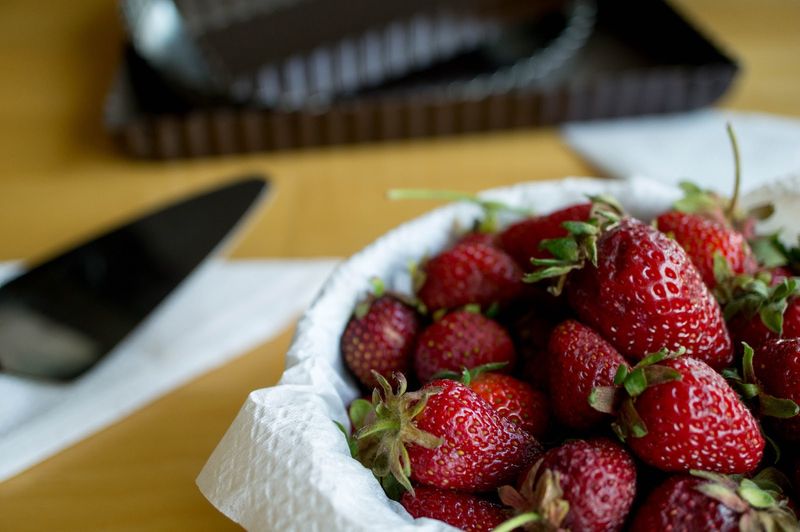
Britain's summer favourite adds instant charm to any dessert. Their natural sweetness means you can reduce added sugar in recipes, while their juicy texture creates moisture in bakes.
For the best flavour, look for fully red berries with no white shoulders. A splash of balsamic vinegar or black pepper surprisingly enhances their natural sweetness in both sweet and savoury dishes.
3. Raspberries
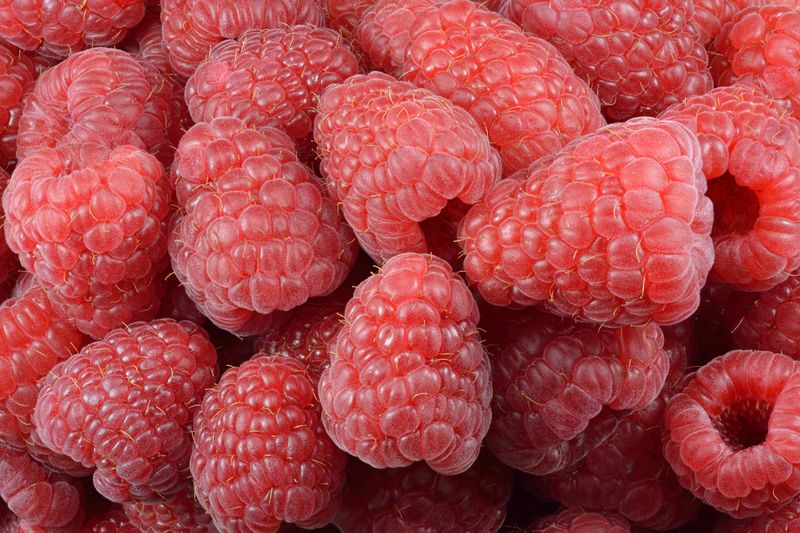
Delicate jewels that bring tartness and brightness to creamy desserts. Their seeds add pleasant texture to smoothies and morning porridge, while their colour bleeds beautifully into batters.
Yellow varieties offer a milder, honey-like flavour compared to their red cousins. Crush a handful into vinaigrette for a fruity twist on salad dressing that pairs wonderfully with goat's cheese.
4. Blackberries
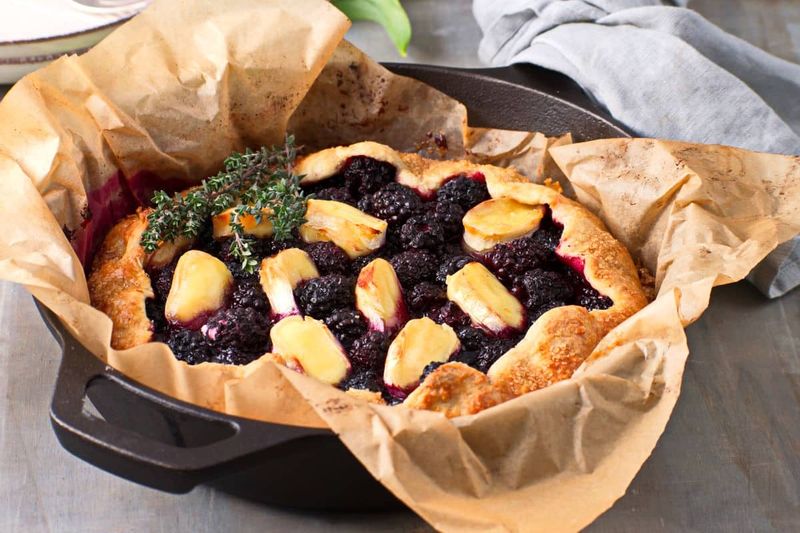
Foraged favourites that bring deep, wine-like notes to autumn baking. Their natural acidity makes them perfect partners for rich meats like duck or venison in savoury sauces.
The hedgerow varieties tend to have more complex flavour than shop-bought ones. For best results in cooking, pick berries that are fully black but still firm – overripe ones can become too seedy.
5. Cranberries
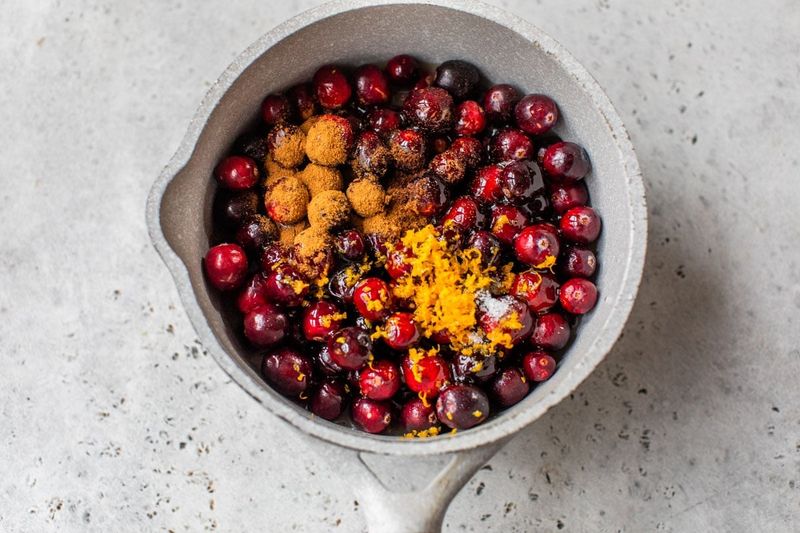
Festive staples that bring welcome sharpness to cut through rich holiday meals. Their extreme tartness needs sweetening in most recipes, but that's what makes them special.
Beyond sauce, try them dried in scones or fresh in quick breads. Their high pectin content means they naturally thicken jams without added setting agents, creating perfect preserves for cheese boards.
6. Gooseberries
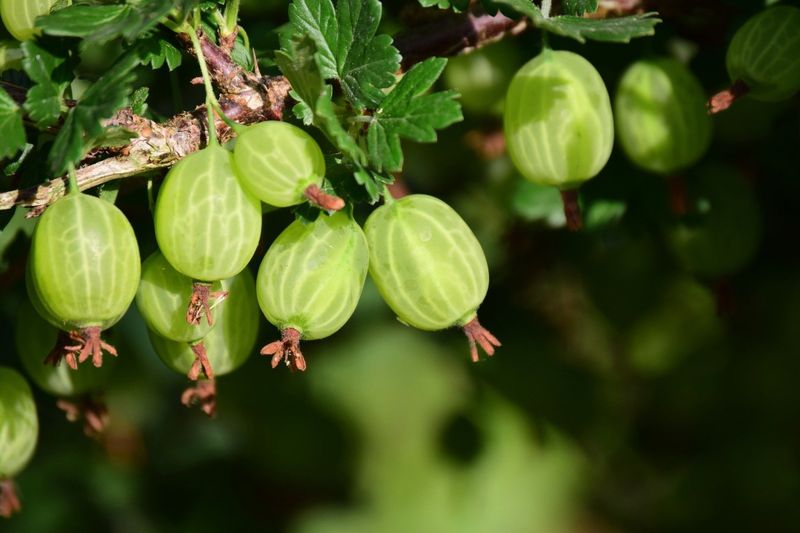
Traditional British treasures that bring a wonderful sourness to summer puddings and crumbles. Green varieties offer more tartness while red ones bring additional sweetness to your recipes.
A sprinkle of elderflower enhances their flavour beautifully. Try them in a fool – gently stewed then folded through whipped cream – for a proper English dessert that balances sharp and sweet perfectly.
7. Lingonberries
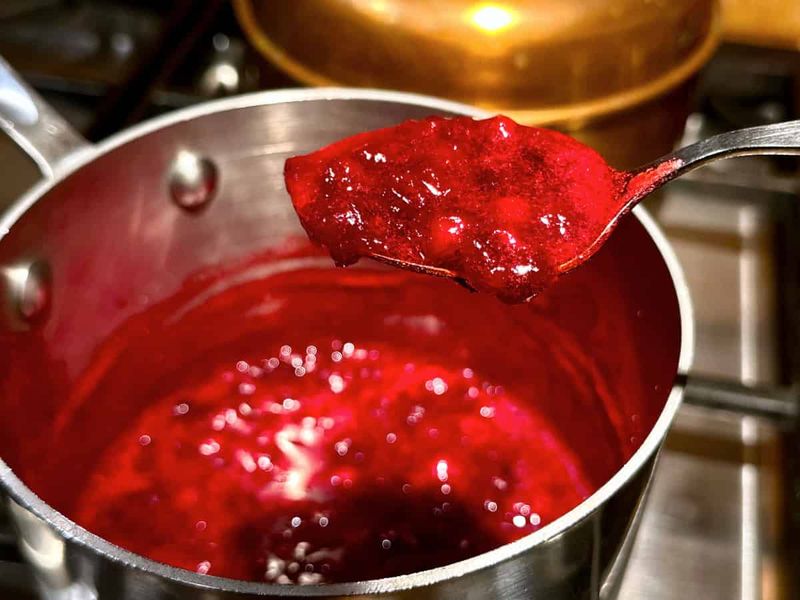
Scandinavian gems that bring cranberry-like tartness with unique forest undertones. Their natural preservative properties mean traditional preparations keep for ages without refrigeration.
Wonderful companions to game meats and Swedish meatballs. Unlike most berries, they don't lose their shape when cooked, making them perfect for preserves where you want whole berries suspended in jelly.
8. Elderberries
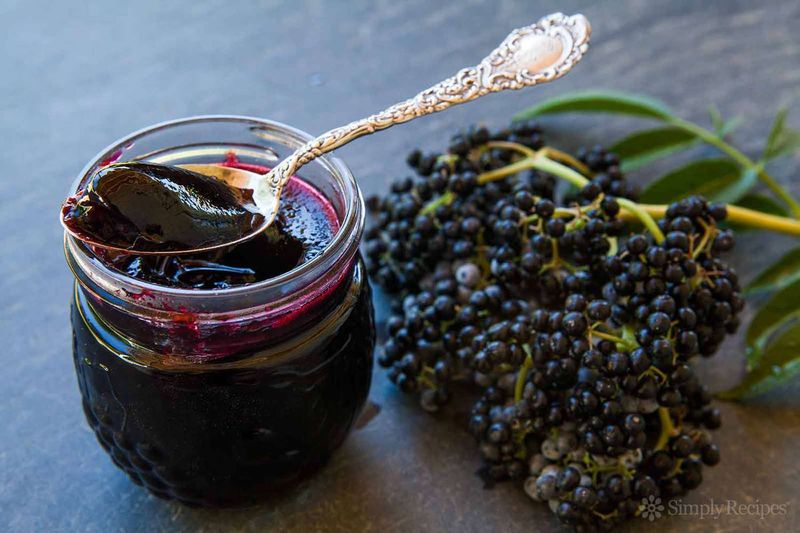
Hedgerow treasures that bring medicinal benefits alongside their distinctive flavour. Always cook them thoroughly as raw berries contain mild toxins that cooking destroys.
The flavour pairs beautifully with apples in pies and crumbles, adding complexity that feels somehow ancient and comforting.
9. Boysenberries
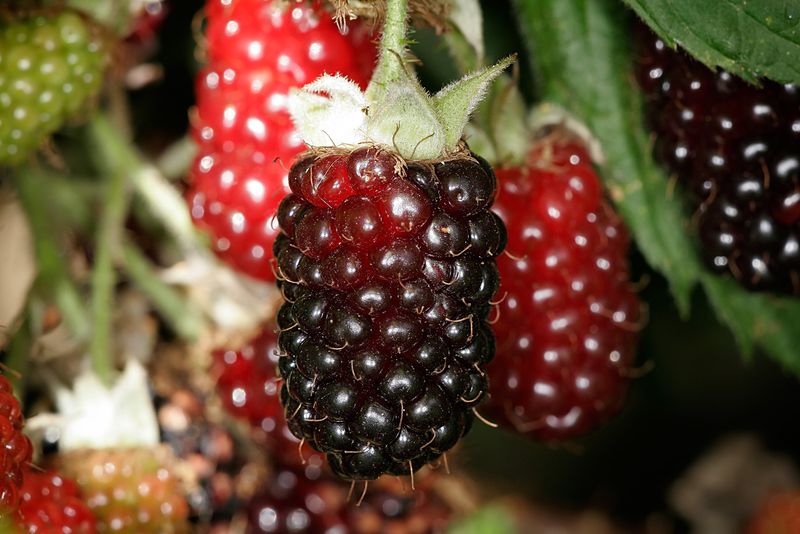
Hybrid wonders combining the best qualities of blackberries, raspberries and loganberries. Their complex flavour makes them extraordinary in homemade ice cream.
Less common in shops but worth seeking out at farmers' markets. The large, juicy berries break down quickly when cooked, creating velvety sauces perfect for drizzling over vanilla ice cream or pound cake.
10. Mulberries
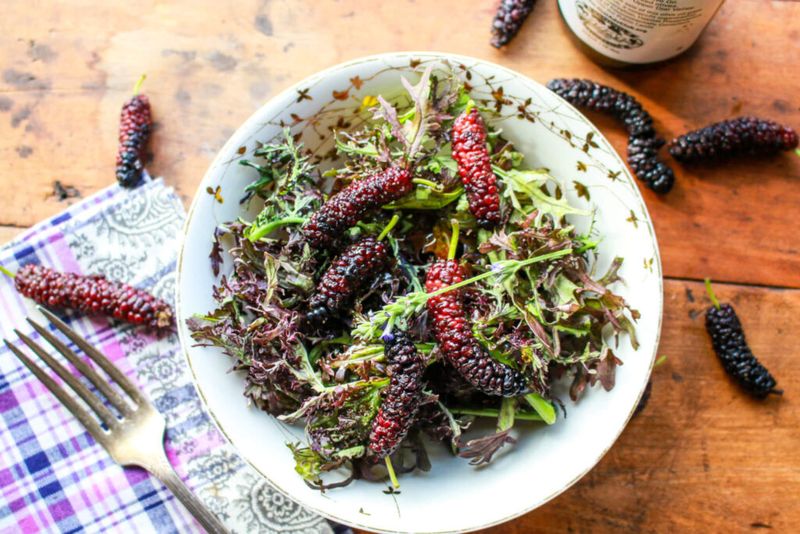
Ancient delights that stain fingers purple but reward with honey-sweet flavour. Unlike other berries, they come in varying lengths rather than uniform shapes, adding visual interest to dishes.
Fresh mulberries are fragile and don't transport well, making them rare treats. Their subtle flavour works beautifully in custards and bread puddings where they won't be overwhelmed by stronger ingredients.



