













Prunes have a reputation that often sells them short, despite being far more versatile than many people expect.
Beyond their familiar role in the kitchen, they offer a mix of nutrients that quietly support everyday wellbeing.
Taking a closer look might change how often they make it into your shopping basket.
All information is provided for general interest only and does not replace medical or nutritional advice. Health effects may vary depending on individual circumstances, portion sizes, and overall diet. Consult a qualified healthcare professional for personalised advice.
1. Supports Digestive Health
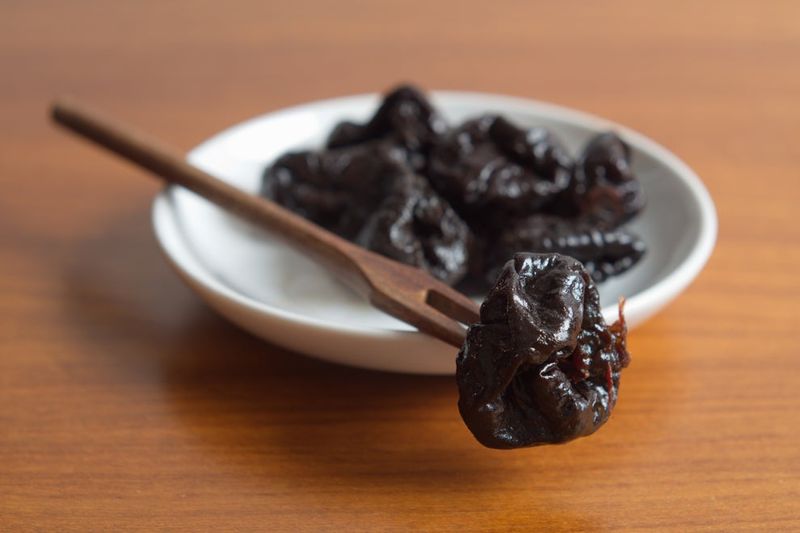
Prunes are well known for their role in supporting normal digestion in a gentle way.
They contain a mix of fibre and naturally occurring compounds that help keep things moving.
Sorbitol, which occurs naturally in prunes, draws water into the stool and makes it softer.
Together, these properties can help digestion feel more comfortable without relying on artificial ingredients.
2. Helps Maintain Regular Bowel Movements
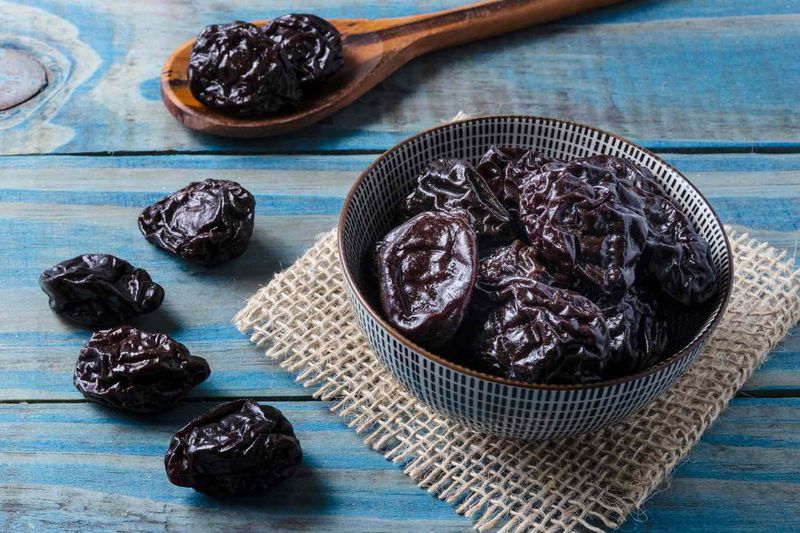
Including prunes in your diet can support regular bowel habits for many people.
Their combination of soluble and insoluble fibre adds bulk while also softening stool.
This dual action helps promote easier and more predictable movement through the digestive tract.
They are often chosen as a food-based option rather than a processed alternative.
3. Contributes To Bone Health
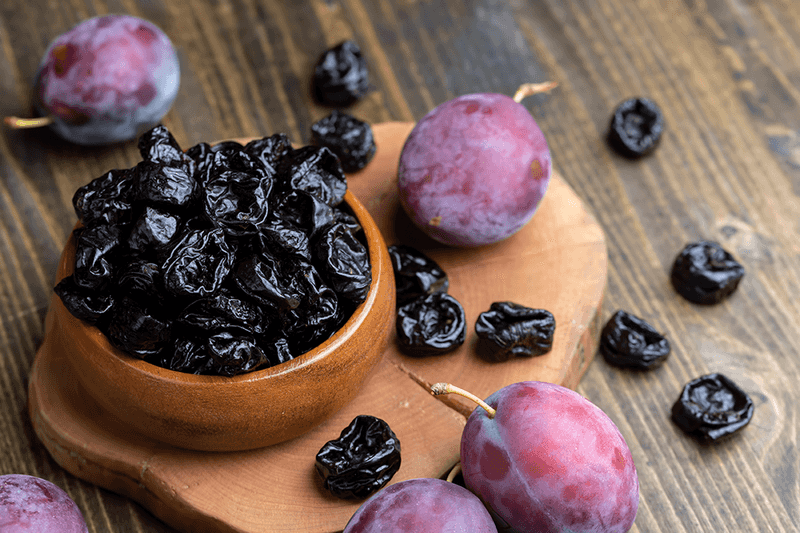
Prunes contain nutrients that play a role in maintaining normal bone function.
These include vitamin K, potassium, and small amounts of trace minerals such as boron.
Research has linked prune consumption with markers associated with bone maintenance, particularly in older adults.
They are best viewed as one supportive part of an overall balanced diet for bone health.
4. Provides A Good Source Of Dietary Fibre
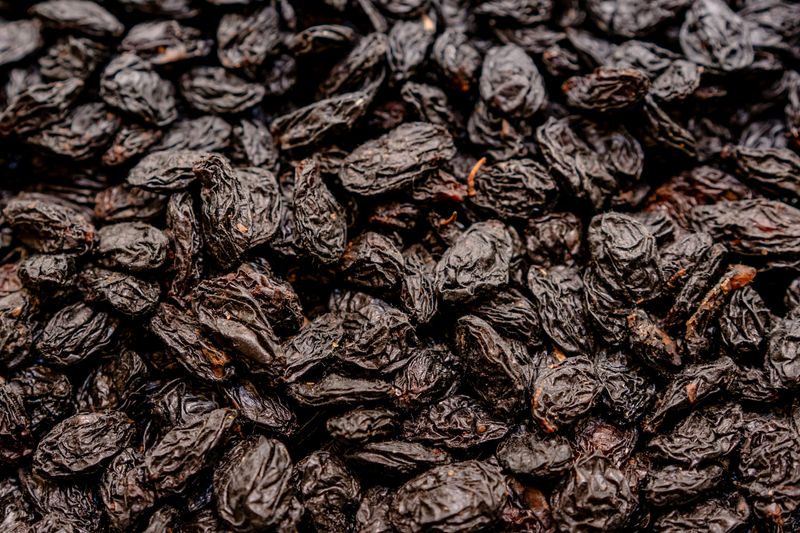
Prunes offer a convenient way to increase daily fibre intake.
Each prune contains a mix of fibre types that support digestion in different ways.
Soluble fibre helps slow digestion, while insoluble fibre adds bulk to stool.
This combination supports digestive comfort while helping you feel more satisfied after eating.
5. Supports Heart Health Through Potassium Intake
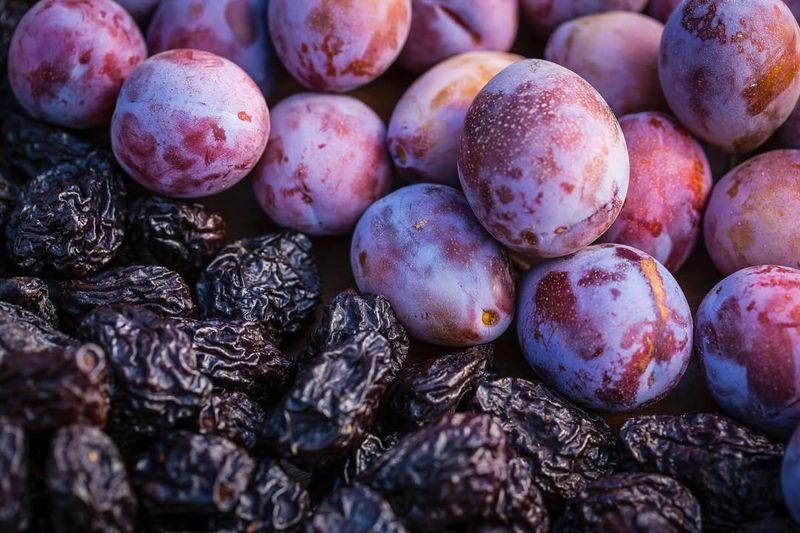
Potassium is essential for normal muscle and nerve function, including the heart.
Prunes naturally contain potassium, which contributes to maintaining normal blood pressure.
A diet that includes potassium-rich foods is widely recommended as part of heart-conscious eating.
Adding prunes can help increase potassium intake without relying on supplements.
6. Contains Antioxidants That Help Protect Cells
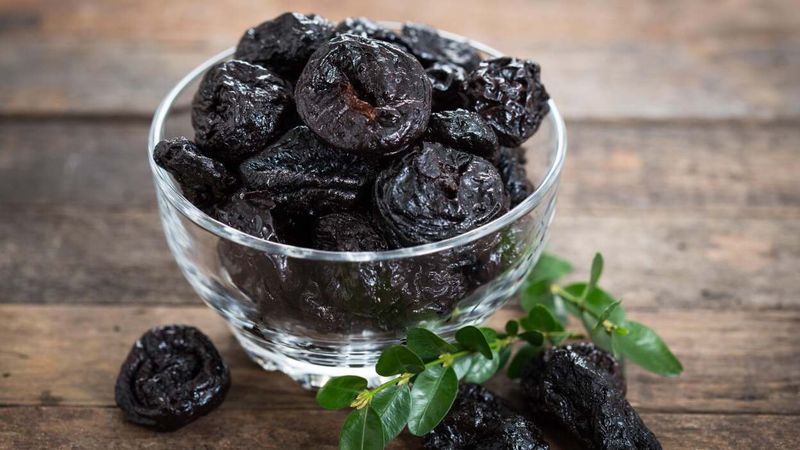
Prunes contain naturally occurring antioxidants, including phenolic compounds.
These substances help protect cells from oxidative stress caused by everyday metabolic processes.
Antioxidants are found in many fruits and vegetables, and prunes are one such source.
Regularly eating a variety of antioxidant-rich foods supports overall cellular health.
7. May Help With Blood Sugar Control When Eaten In Moderation
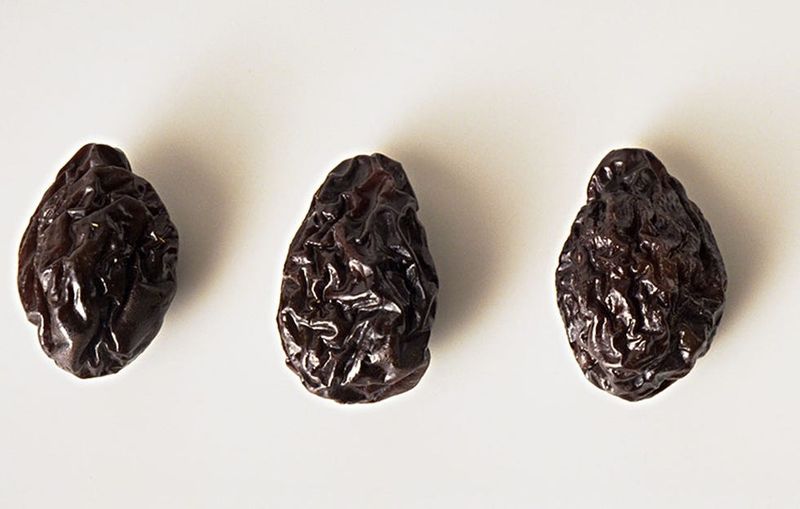
Despite their sweetness, prunes have a relatively low glycaemic index compared with many dried fruits.
Their fibre content slows the absorption of sugars into the bloodstream.
This can help avoid sharp rises in blood sugar when they are eaten as part of a balanced meal.
Portion size still matters, especially for those monitoring carbohydrate intake.
8. Aids Satiety And Appetite Control
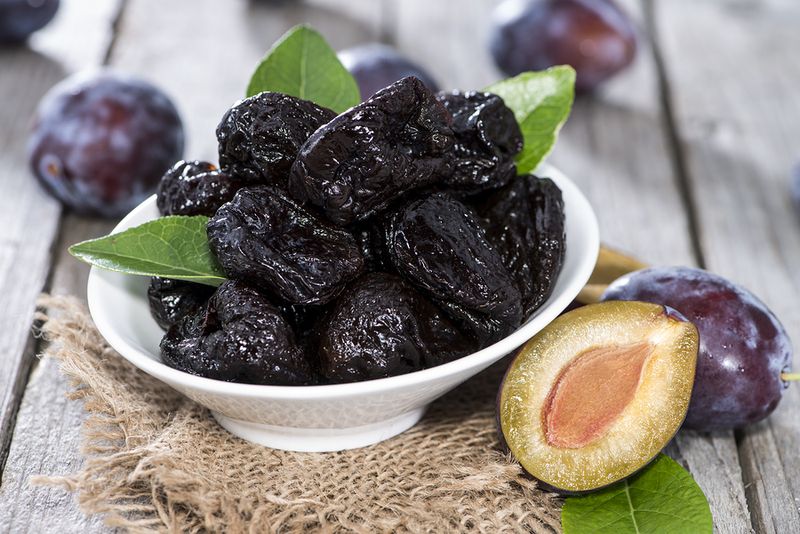
Prunes are filling for their size, largely due to their fibre content.
Fibre slows digestion, which helps you feel satisfied for longer after eating.
This can make prunes a useful snack between meals rather than highly refined options.
They offer sweetness without the rapid hunger rebound that some snacks cause.
9. Supports Gut Health Through Prebiotic Fibre
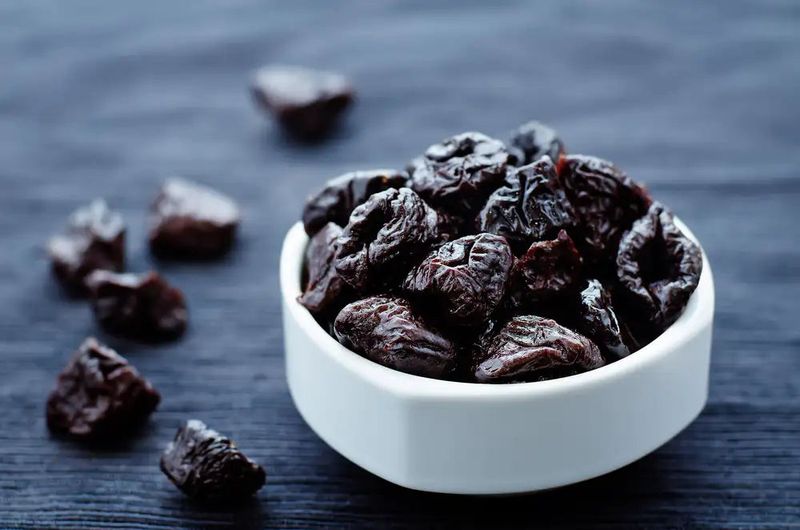
Certain fibres in prunes act as prebiotics, meaning they feed beneficial gut bacteria.
A healthy balance of gut bacteria supports normal digestion and nutrient absorption.
Prebiotic foods help maintain this balance by encouraging beneficial microbes to thrive.
Including prunes alongside other fibre-rich foods supports overall gut function.
10. Provides Natural Energy From Carbohydrates
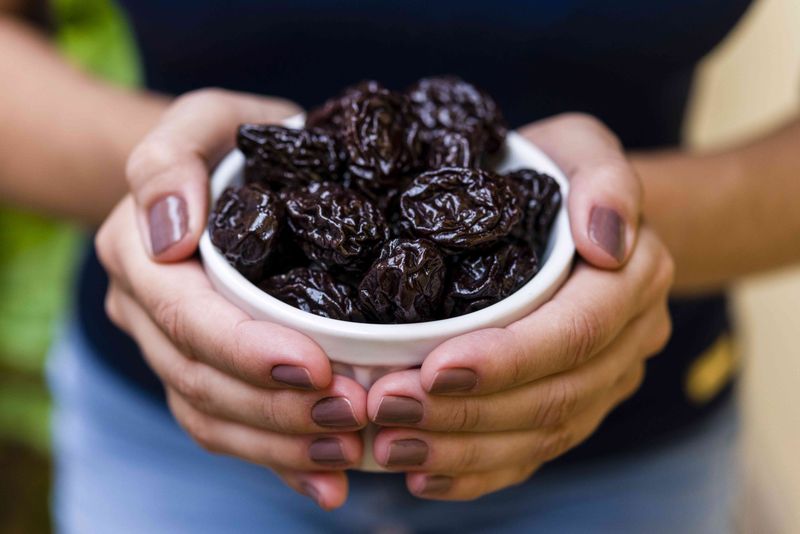
Prunes contain natural carbohydrates that the body can use for energy.
Their fibre helps slow how quickly this energy is released.
This makes them suitable for steady energy rather than quick spikes.
They work well as part of meals or snacks when you want something naturally sweet and sustaining.



