













Walking into a fish market or the seafood section of a grocery store can feel overwhelming with so many choices on display. Lobster often stands out as the ultimate treat, but freshness is the one factor that makes or breaks the experience. If a lobster has already lost its vitality, the meat can turn soft and the flavour becomes dull.
Knowing how to spot the signs before you buy ensures your meal lives up to expectations.
This article is for general information only. It highlights freshness tips for buying lobster and is not a substitute for professional food safety advice.
Signs Your Lobster Isn’t Fresh
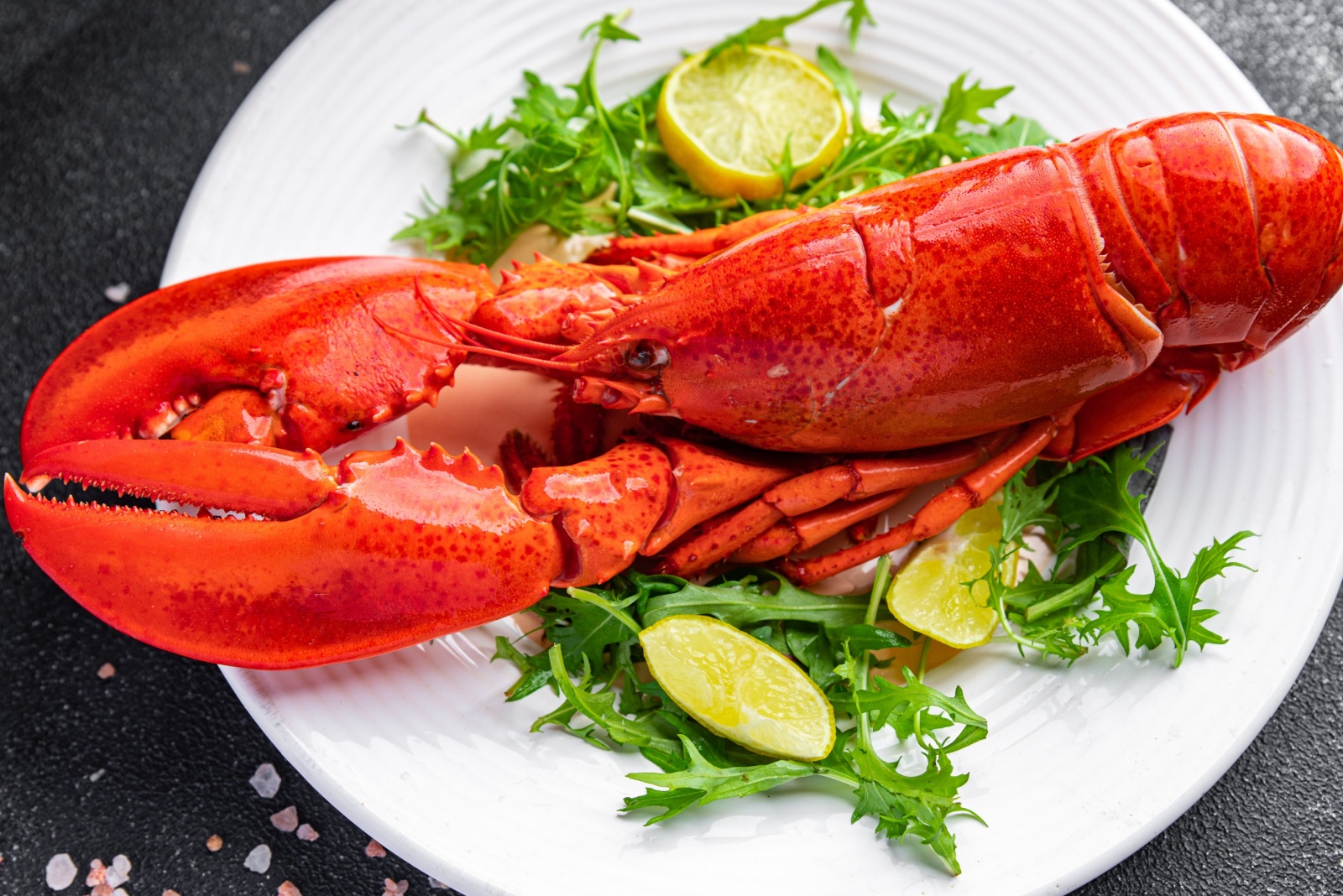
Knowing what to look for can save you from bringing home a poor-quality lobster. A lively lobster will have a tail that springs back under the body and claws that feel firm. Limp tails, weak claws, or cloudy eyes suggest it isn’t at its best.
Discolouration on the shell or an unpleasant smell is another clear signal to move on. Keep any questionable lobster apart from the rest, since one past its prime can affect those around it.
Why Freshness Matters So Much
Freshness doesn’t just affect safety - it shapes the entire dining experience. Lobsters that have lost vitality quickly change in texture and lose flavour. Refrigeration may delay the decline, but quality begins to slip almost right away.
Cooking guidelines also differ: a lobster that isn’t at peak freshness requires a higher internal temperature, around 145°F instead of 135°F, to ensure it’s safe to enjoy.
Bringing Out The Best In Lobster
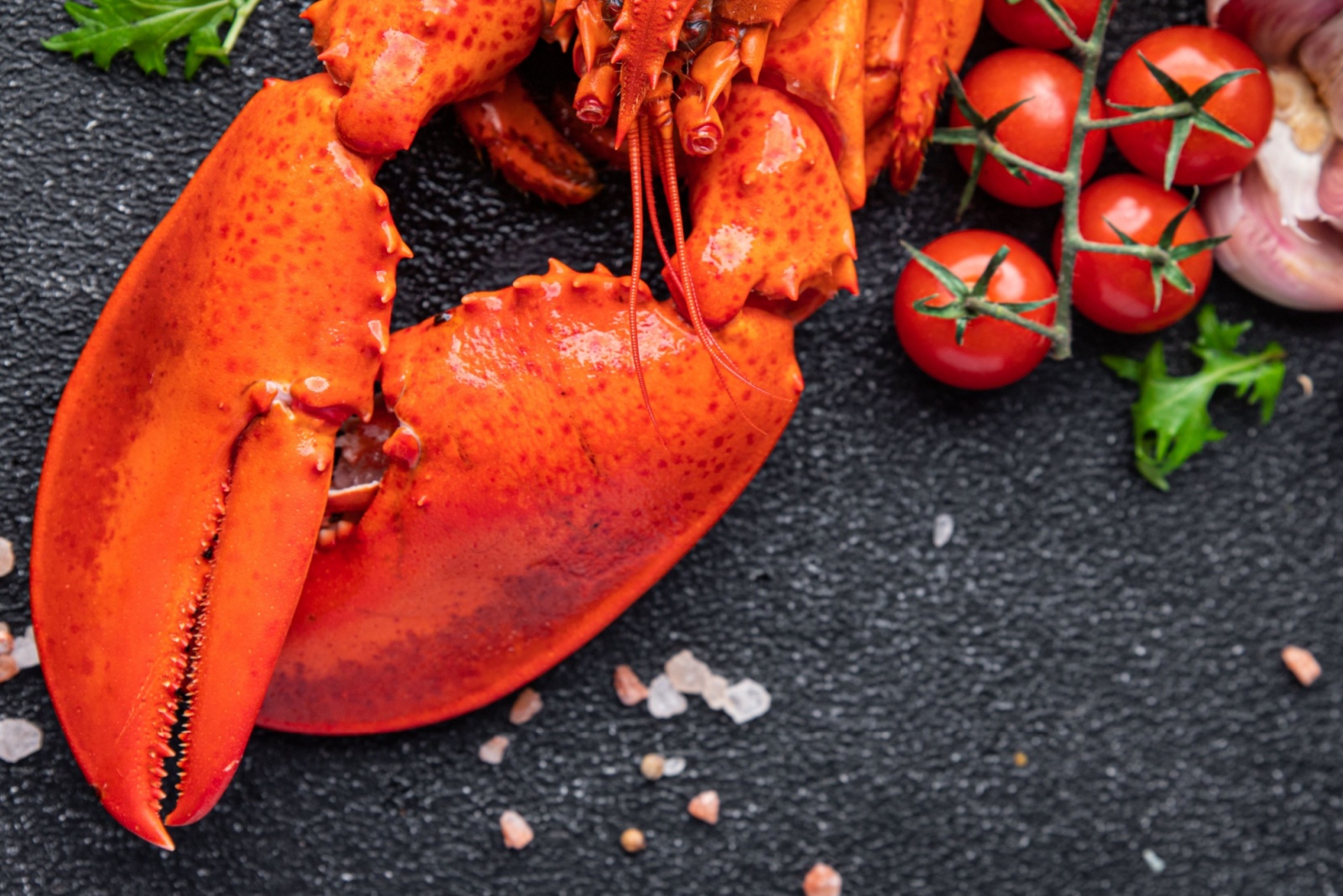
When you do bring home a lobster that’s still full of life, the difference is unmistakable. Sweet, firm meat and vibrant flavour turn a simple meal into something memorable.
By paying attention to the details - from shell colour to tail movement - you protect your investment and ensure every bite feels like a celebration.



