













American cuisine has given the world countless treasures – from juicy burgers to decadent cheesecakes. But not every culinary creation has been a smashing success.
Hidden in diners, supermarket shelves, and family cookbooks are some truly questionable foods that even the most patriotic Americans quietly avoid.
Ready for a stomach-churning tour of America's food failures? Here are eleven dishes that make people politely decline second helpings.
1. Scrapple
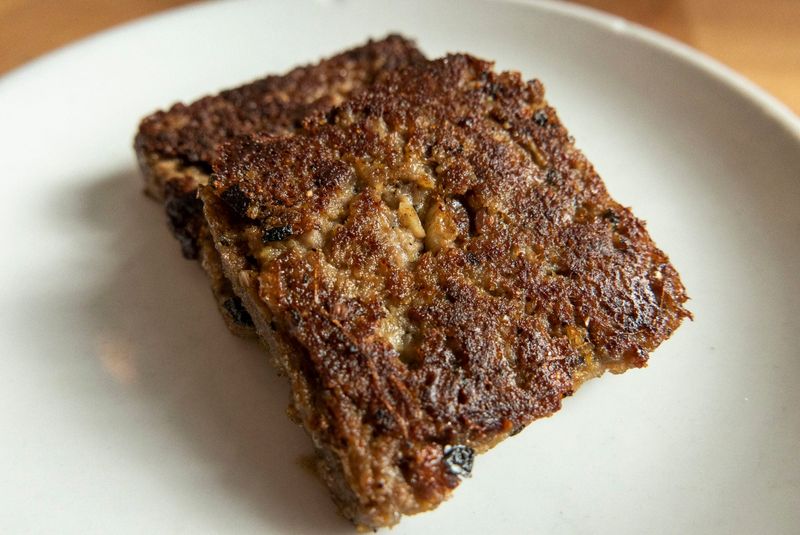
Created by German settlers in Pennsylvania, scrapple combines pork scraps and trimmings with cornmeal and spices, formed into a loaf that's sliced and fried. The grey-brown appearance doesn't exactly scream 'eat me!'
Most Americans outside the Mid-Atlantic region recoil at the very concept. 'Everything but the oink' isn't just a cute saying – it's a literal ingredient list including hearts, livers, and other bits most prefer not to contemplate.
Despite passionate defenders in places like Philadelphia, this breakfast meat remains firmly in the 'acquired taste' category that few are actually keen to acquire.
2. Ambrosia Salad
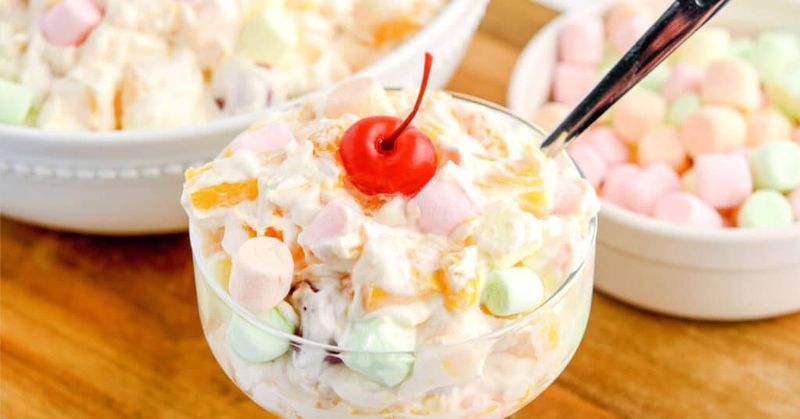
Lurking at potlucks nationwide, this bizarre concoction combines canned fruit, marshmallows, coconut, and enough mayonnaise to make anyone question their life choices. Its unnaturally bright colours and strange textural contrasts create an unsettling eating experience.
The dish emerged during the mid-20th century when convenience foods were considered modern marvels. Today, it survives primarily through nostalgic grandmothers who insist 'everyone loves it' despite full serving bowls returning to the kitchen.
Young Americans encountering this 'salad' for the first time typically respond with confusion, then horror, upon learning mayonnaise and marshmallows share the same bowl.
3. Circus Peanuts
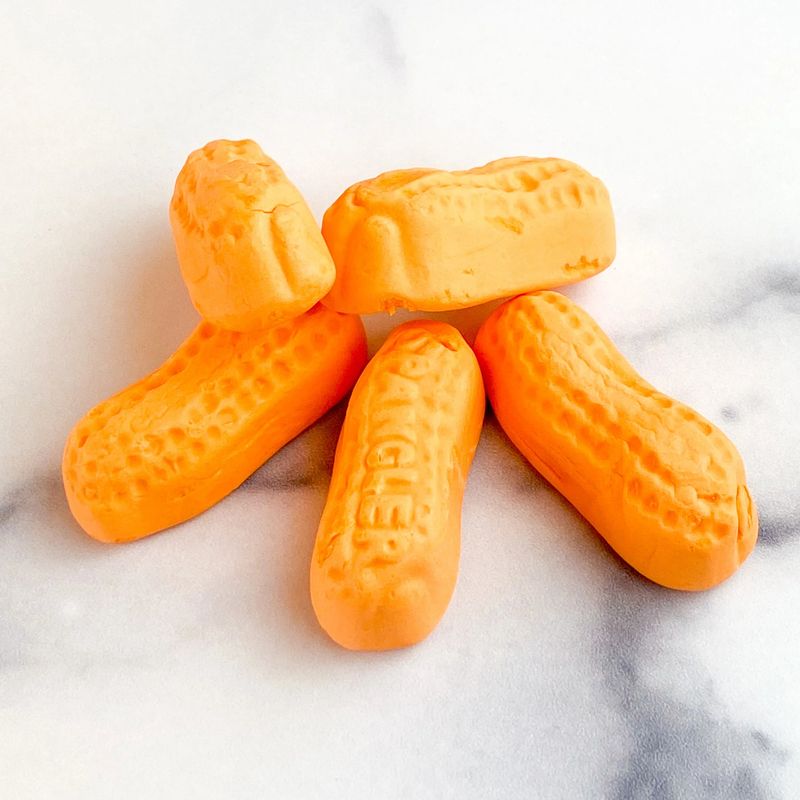
These orange, peanut-shaped marshmallow abominations have somehow survived since the 1800s, despite tasting nothing like peanuts or any recognisable flavour. The texture resembles stale foam that dissolves into a gritty paste when chewed.
Mysteriously, they're banana-flavoured, though this information rarely helps improve their reputation. Found in convenience stores across America, they're purchased almost exclusively by confused grandparents or people playing practical jokes.
A 2021 candy ranking by CandyStore.com placed Circus Peanuts as America's most hated sweet treat. Yet manufacturers continue producing millions annually, raising serious questions about who's actually eating them.
4. Liver And Onions
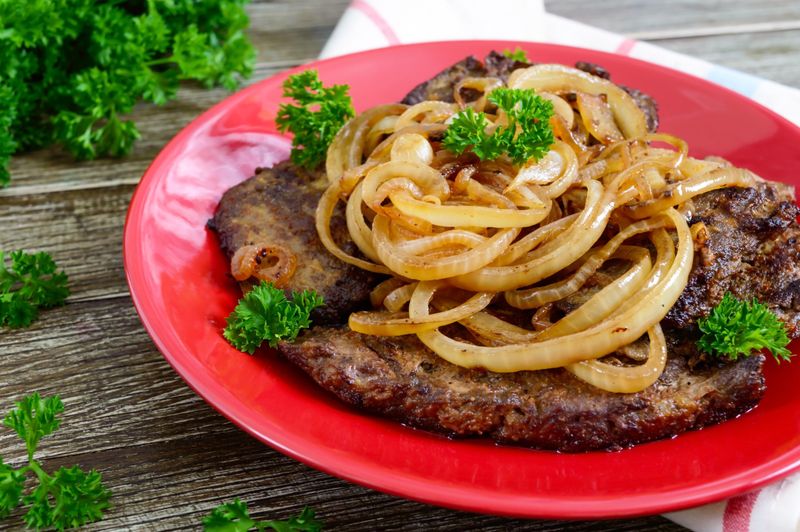
Once a common American dinner, liver and onions has fallen dramatically from grace. The distinctive metallic taste and knowledge you're eating an organ designed to filter toxins doesn't exactly stimulate the appetite.
Children across generations have developed creative strategies to avoid this dish – from hiding it in napkins to feeding it to obliging family dogs. The heavy, iron-rich flavour combined with the slippery texture creates an experience that haunts many childhood memories.
While nutritionists praise its vitamin content, most Americans would rather take supplements than face a plate of this grey-brown offering. It remains on some diner menus, ordered primarily by nostalgic octogenarians.
5. Jellied Consommé
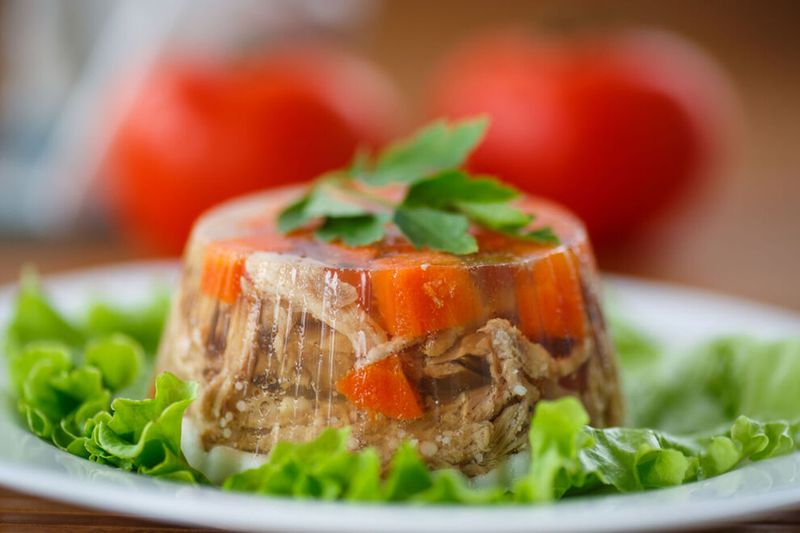
A relic from mid-century dinner parties, jellied consommé is essentially meat stock that's been cooled until it achieves the consistency of a wobbly paperweight. Served cold, often with vegetables suspended inside like prehistoric insects in amber.
The dish appears in countless vintage cookbooks, frequently photographed in ring moulds for maximum visual impact. Modern Americans encountering these recipes typically respond with a mixture of fascination and revulsion.
While aspic dishes remain popular in some European and Asian cuisines, Americans have largely abandoned the concept of savoury meat jellies. The sight of a quivering tower of beef-flavoured gelatin is enough to clear most buffet tables.
6. Spam And Banana Sandwiches
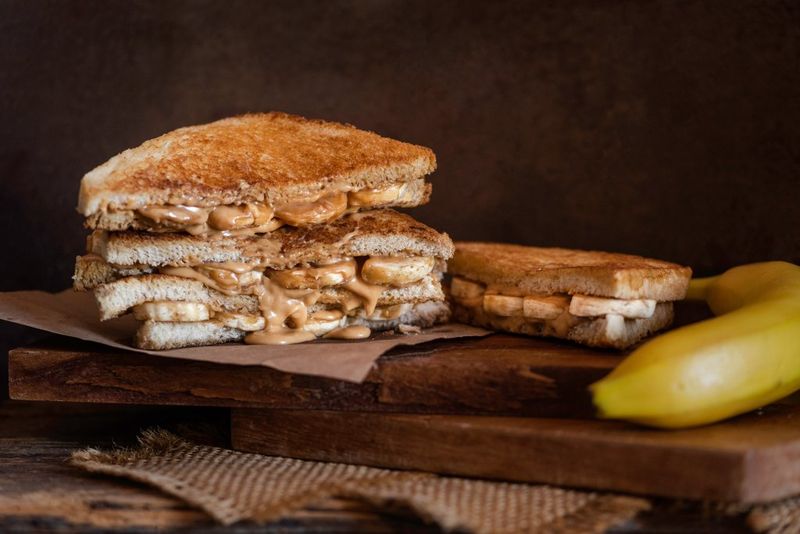
Made famous by Elvis Presley, this bizarre combination features fried Spam, sliced bananas, and peanut butter between bread slices. It represents a culinary mashup that even the King's most devoted fans struggle to embrace.
The sweet-salty-processed meat combo creates a flavour profile that food scientists might classify as 'challenging'. While Spam itself has found renewed appreciation in some culinary circles, its banana partnership remains firmly in the novelty category.
Adventurous food bloggers occasionally attempt this sandwich for content, their facial expressions telling the true story. Despite occasional nostalgic revivals, this combination remains firmly in America's culinary rejection pile.
7. Watergate Salad
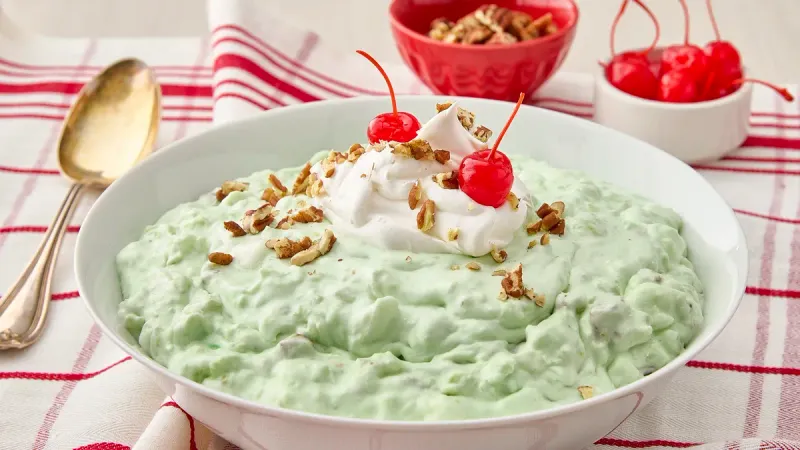
This radioactive-green dessert combines pistachio pudding mix, crushed pineapple, marshmallows, and whipped topping into something that resembles alien terrain more than food. Named after the infamous political scandal, it's equally controversial on the dinner table.
Popular during the 1970s when convenience foods reigned supreme, it represents an era when artificial colours and flavours were considered modern and sophisticated. The unnaturally vivid hue alone is enough to make today's natural-food enthusiasts recoil.
While some Midwestern families still serve it at holiday gatherings, most Americans under 40 have never encountered this peculiar dish – and many would prefer to keep it that way.
8. Prune Whip
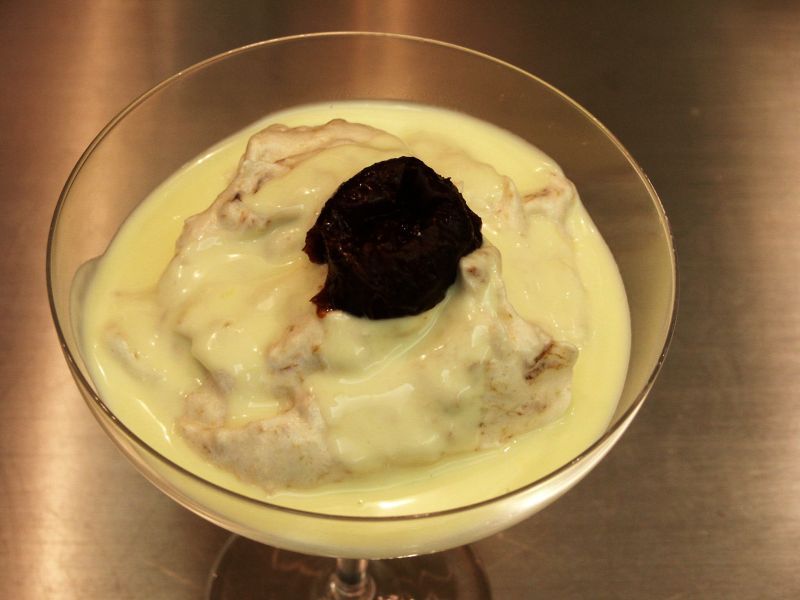
A dessert born from hard times, prune whip combines stewed prunes with egg whites to create a mousse-like substance that's simultaneously bland and overwhelming. Its brownish-purple appearance does it no favours in the appeal department.
Recipe cards for this creation lurk in grandmother's recipe boxes nationwide, though they rarely see the light of day. The dish gained popularity during the Great Depression and wartime rationing when sugar and other dessert ingredients were scarce.
Modern Americans typically encounter prune whip only in vintage cookbooks or historical food demonstrations. When served, it's met with polite smiles and discreetly discarded napkins – a dessert that even the most dedicated sweet tooth struggles to appreciate.
9. Mock Apple Pie
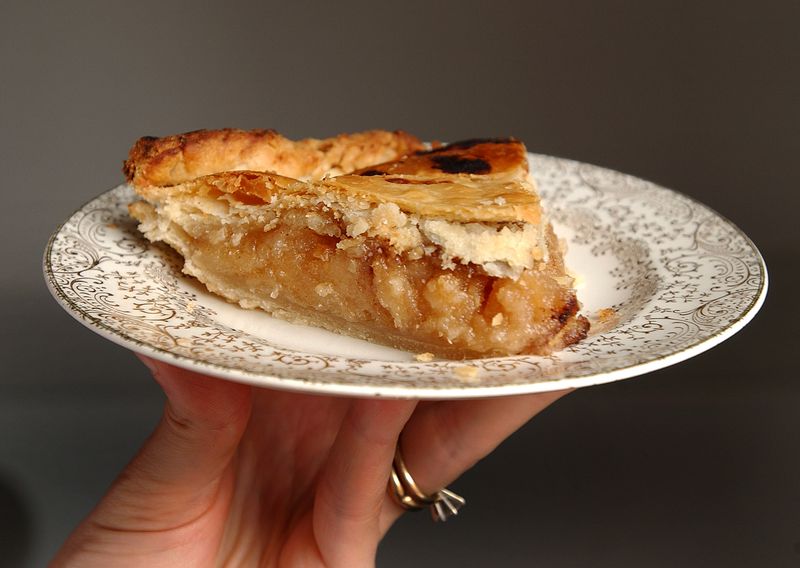
Invented during the Great Depression, this bizarre creation uses crushed Ritz crackers soaked in lemon-flavoured syrup to mimic apple pie filling. The lack of actual fruit doesn't stop it from appearing eerily similar to the real thing.
The recipe gained widespread popularity during World War II when apples were scarce or expensive. Remarkably, the chemical reaction between the crackers and syrup creates a texture similar to cooked apples, though the flavour falls decidedly short.
While praised for its ingenuity, most modern Americans prefer waiting until apple season rather than embracing this curious substitution. It remains primarily as a historical curiosity rather than a genuine dessert option.
10. Cincinnati Chili
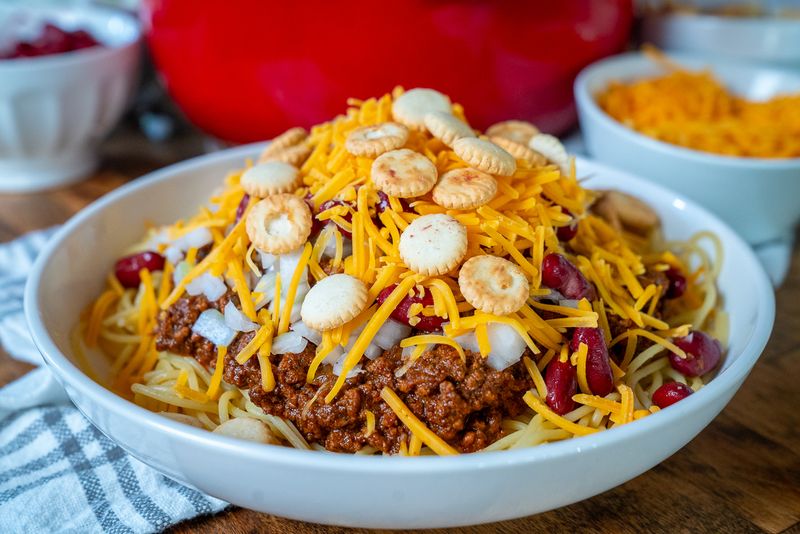
Cincinnati chili serves thin, watery meat sauce spiced with cinnamon and chocolate over spaghetti, then buried under mountains of shredded cheese. Locals defend it passionately, but visitors often find themselves bewildered by this odd regional specialty.
The soupy consistency and unusual spice profile (featuring allspice, cloves, and sometimes cocoa) create a jarring experience for those expecting traditional chili. Served in 'ways' – two-way (pasta and chili), three-way (adds cheese), four-way (adds onions), and five-way (adds beans).
Food critics have been particularly unkind, with Deadspin infamously describing it as 'diarrhea sludge.' Despite this, Cincinnati residents remain fiercely loyal to their controversial culinary creation.
11. Head Cheese
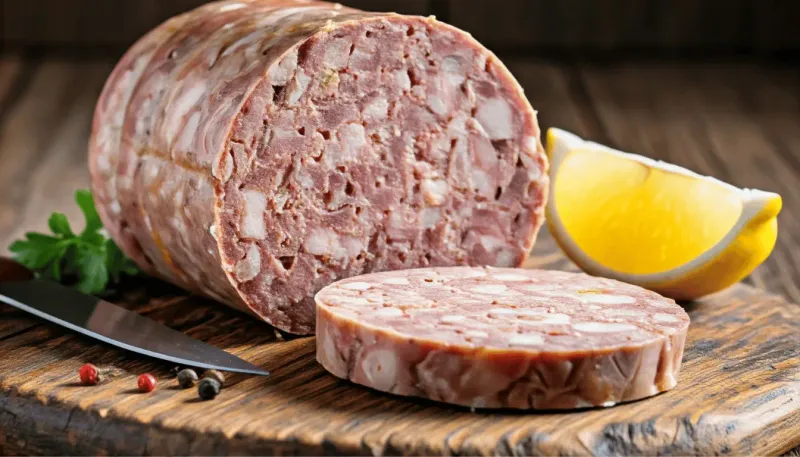
Despite its name, head cheese contains no dairy whatsoever – it's a cold cut made by boiling a cleaned animal head (typically pig) and solidifying the resulting meat and gelatin into a loaf. The transparent jelly holding bits of meat creates a mosaic effect that's visually distinctive and deeply unappetizing.
Found in delicatessens across America, particularly in areas with strong European heritage. The texture combines chewy meat bits with jiggly gelatin, creating an experience many find difficult to embrace.
While some food enthusiasts praise its nose-to-tail sustainability, most Americans quickly pass it over in the deli case. The name alone is enough to deter the curious, before they even learn about the actual ingredients.
Comments
No Comments