













Winter often leaves routines feeling heavy, and February is no exception. Adding more vegetables known for their anti-inflammatory properties can help bring variety, colour, and nutritional balance back to everyday meals.
Many winter staples are naturally rich in antioxidants, fibre, and plant compounds that support overall wellbeing during colder months. Focusing on seasonal produce also keeps cooking practical and affordable.
The vegetables below are widely available in February and can be worked into soups, roasts, stir-fries, and simple side dishes without complicated preparation.
All information is provided for general interest only – it is not medical advice. Nutritional benefits may vary depending on individual health needs and preparation methods.
Consult a qualified healthcare professional for personalised dietary guidance. Photos are for illustrative purposes only.
1. Kale
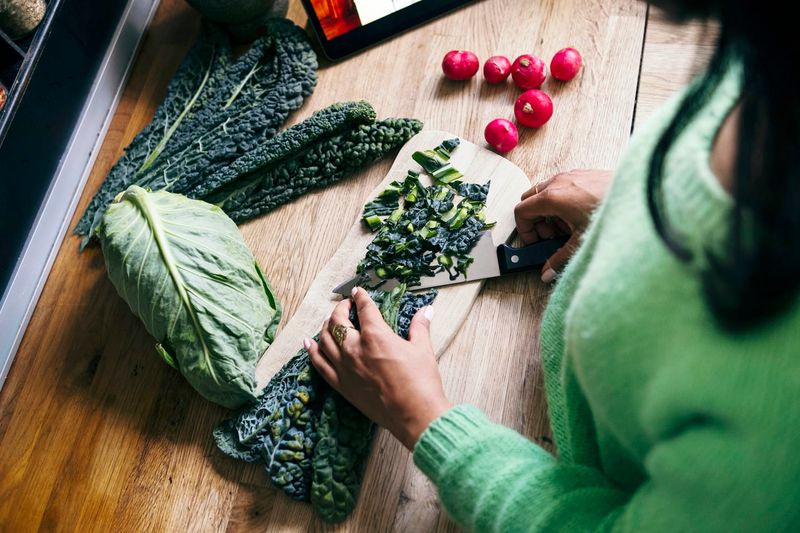
Dark, leafy, and ridiculously good for you, kale has earned its superfood reputation without breaking a sweat. Loaded with quercetin and kaempferol, two flavonoids that sound like characters from a sci-fi novel but actually help your body calm down inflammation, this green powerhouse deserves a spot on your plate.
Beta-carotene and vitamin C team up here to protect your cells from damage whilst supporting your immune system. Massaging raw kale with a bit of olive oil softens those tough leaves, making salads far more enjoyable than you'd expect.
2. Brussels Sprouts
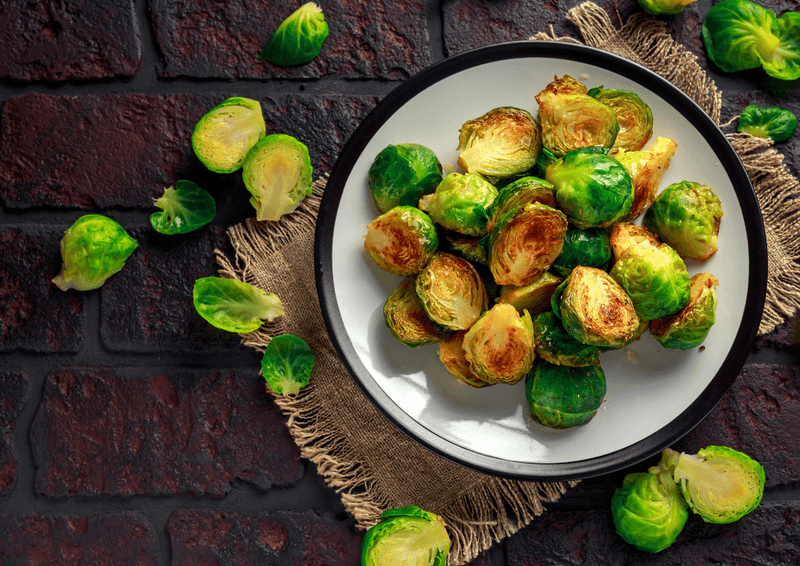
Love them or loathe them, Brussels sprouts pack a serious nutritional punch that's hard to ignore. When you chop or chew these mini cabbages, they release glucoraphanin, which transforms into sulforaphane, a compound with impressive anti-inflammatory and anticancer properties that scientists get rather excited about.
Roasting them until the edges go crispy and caramelised changes everything if you've only ever had them boiled to mush. Their slightly nutty flavour pairs brilliantly with garlic, and they're in peak season throughout February.
3. Red Cabbage
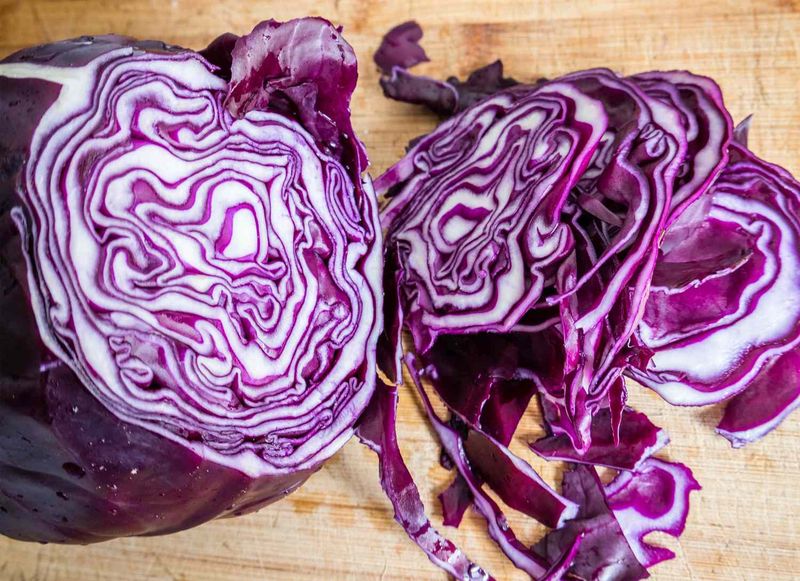
That gorgeous purple hue isn't just for show. Red cabbage gets its striking colour from anthocyanins, powerful antioxidants that help reduce inflammation and support your cardiovascular system in ways that pale green cabbage simply can't match.
Shredding it raw into slaws adds crunch and colour to winter meals, whilst braising it with a splash of vinegar and a touch of sweetness creates a side dish that's proper comfort food. It stores brilliantly in the fridge too, lasting weeks without losing its nutritional oomph or vibrant appearance.
4. Broccoli
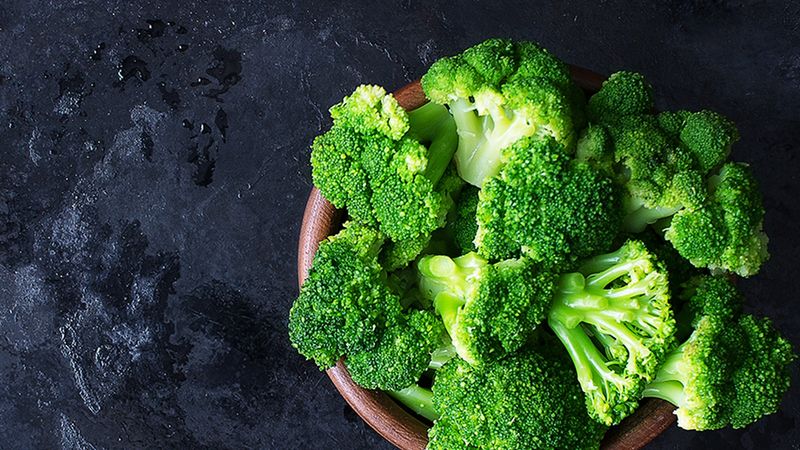
Broccoli might remind you of school dinners, but hear me out. This cruciferous champion contains compounds that support your liver's natural detoxification processes whilst delivering a hefty dose of vitamin C to keep inflammation in check and your immune system firing on all cylinders.
Steaming it just until tender-crisp preserves more nutrients than boiling it into oblivion. The florets and stems are both edible, so don't bin those stalks.
Roasting brings out a slightly sweet, nutty flavour that even broccoli skeptics find surprisingly pleasant.
5. Spinach
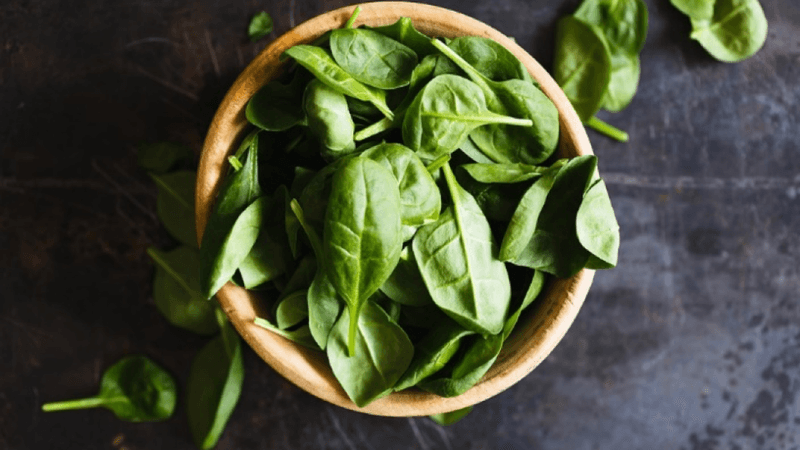
Popeye was onto something with his spinach obsession, though he probably didn't know about lutein, beta-carotene, or vitamin K. These protective compounds work together to reduce your risk of cardiovascular issues whilst fighting inflammation throughout your body, making spinach far more than just a cartoon sailor's fuel.
Baby spinach wilts beautifully into pasta dishes, curries, and soups without turning slimy. It's also brilliant raw in salads, especially when paired with something acidic like lemon juice or balsamic vinegar to help your body absorb all that iron.
6. Carrots
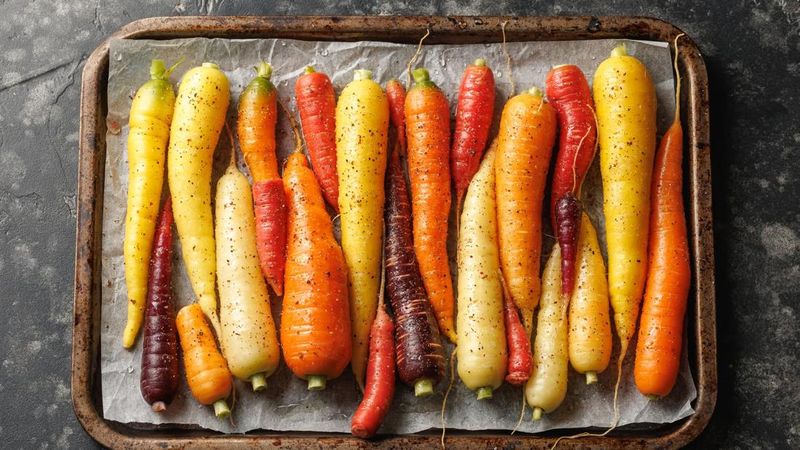
Crunchy, sweet, and packed with beta-carotene that your body cleverly converts into vitamin A, carrots are the unsung heroes of anti-inflammatory eating. That bright orange pigment acts as an antioxidant, protecting your cells from damage whilst supporting your immune system and keeping your vision sharp even on gloomy February days.
Raw carrot sticks are brilliant for snacking, but roasting them concentrates their natural sugars into something almost dessert-like. They're also dead cheap, available year-round, and last ages in the fridge without going sad and floppy.
7. Sweet Potatoes
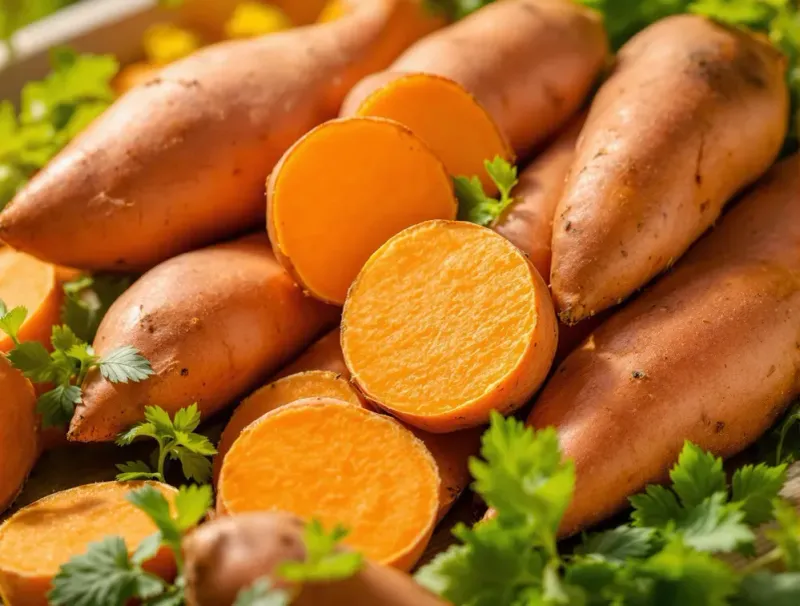
Forget ordinary spuds for a moment. Sweet potatoes, especially the purple-skinned varieties, are absolutely loaded with anthocyanins that tackle inflammation whilst supporting healthy insulin sensitivity in ways that regular potatoes simply can't compete with.
Their natural sweetness means you don't need to smother them in butter to make them taste good, though a bit never hurt anyone. Baking them whole until the flesh goes soft and caramelised creates a meal that's both comforting and genuinely nutritious, perfect for chilly February evenings when you need something warming.
8. Leeks
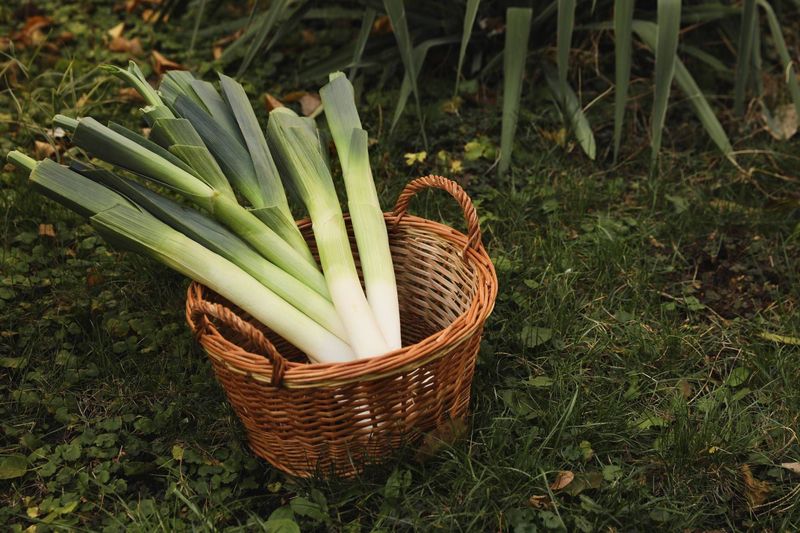
Often overlooked in favour of their more pungent onion cousins, leeks bring a gentle, slightly sweet flavour along with kaempferol and allicin, compounds that help your body modulate its inflammatory response. They're particularly rich in antioxidants that neutralise free radicals, those troublesome molecules that contribute to chronic inflammation and cellular damage.
Slicing them into rounds and sautéing until soft creates a brilliant base for soups and stews. Make sure you wash them thoroughly though, as dirt loves hiding between those layers.
9. Beetroot
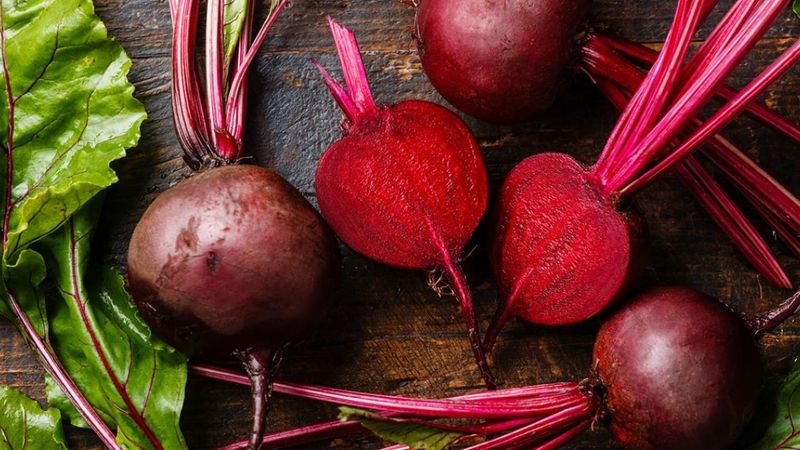
Beetroot's earthy flavour divides opinion, but its health benefits are impossible to argue with. Betalains give beets that stunning crimson colour whilst providing serious anti-inflammatory effects, and the nitrates they contain support heart health and might even improve your athletic performance if you're into that sort of thing.
Roasting whole beetroots until tender makes peeling them ridiculously easy, and their natural sweetness intensifies beautifully. Just mind your fingers and chopping board, because that juice stains absolutely everything it touches.
10. Cauliflower
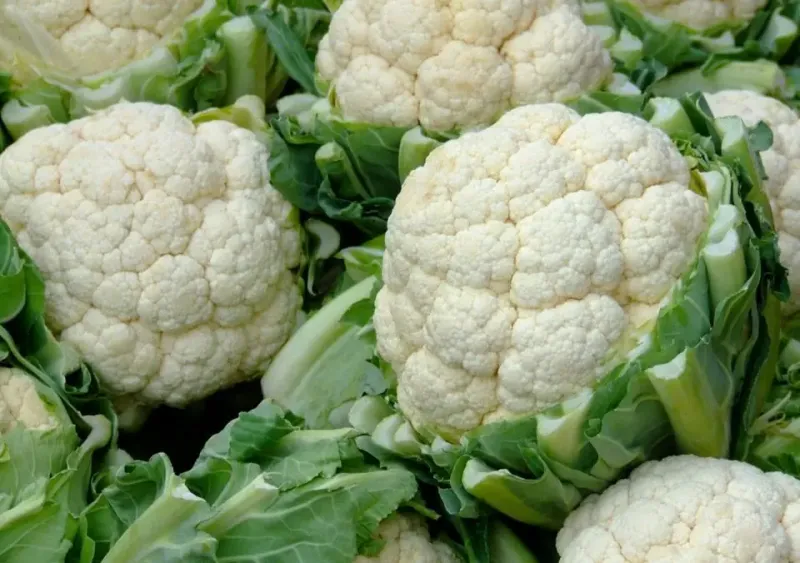
Cauliflower has become trendy lately, appearing in everything from pizza bases to rice substitutes, but its anti-inflammatory credentials have nothing to do with food fads. This cruciferous vegetable supports your liver's natural detoxification processes whilst delivering vitamin C that helps reduce inflammation throughout your body.
Its mild flavour makes it incredibly versatile in the kitchen. Roasting it until golden brings out a nutty sweetness, whilst blitzing it into soups creates a creamy texture without needing loads of dairy.
It's also brilliant at absorbing whatever flavours you throw at it.



