










The word salad comes from the Latin for salt, because Romans seasoned their raw greens with plenty of it. So one of the oldest sides on record was named after its seasoning, not its leaves.
I find that oddly comforting. It suggests cooks have always known the extra bits on the plate can carry a meal.
A plain chop or a simple fillet only needs a good partner to feel finished. The trick is having a few reliable ideas that suit whatever ends up in the pan.
I love a side that asks for very little and gives back loads. So which ones deserve a permanent spot in your weeknight rotation?
1. Crushed New Potatoes With Herbs
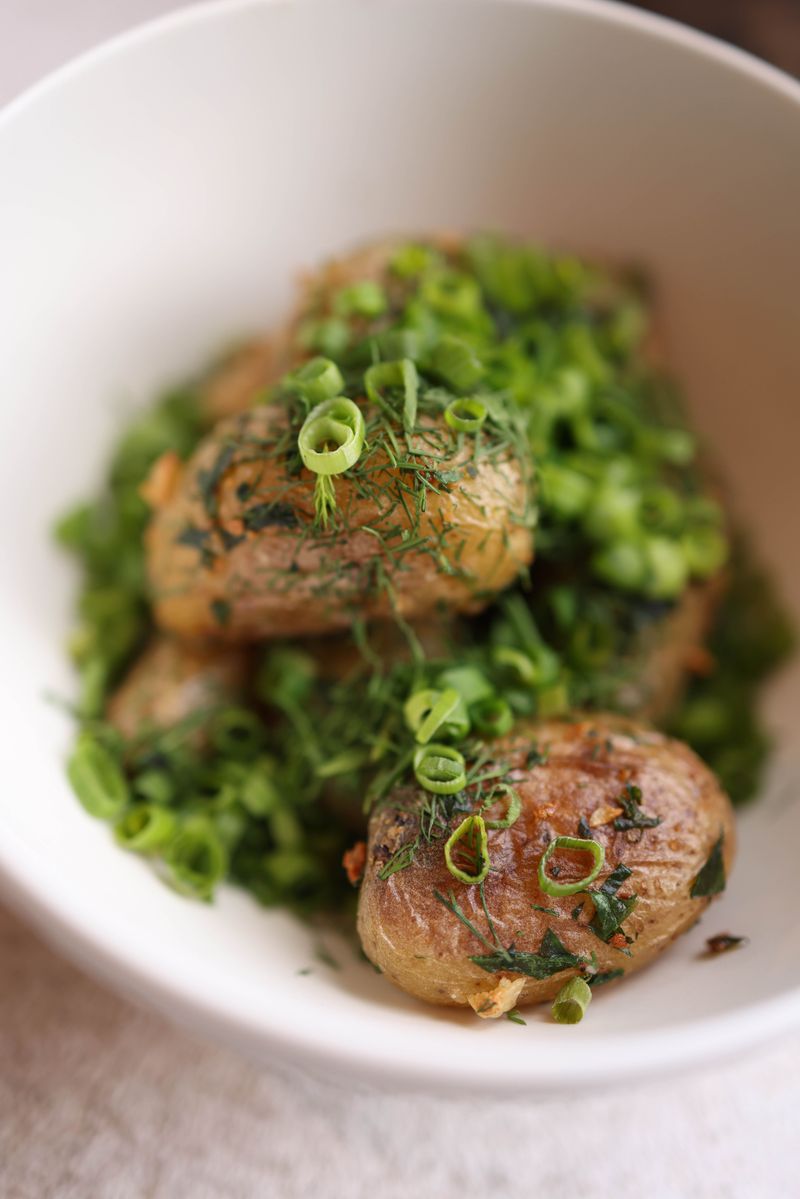
Boiled potatoes get a lot more interesting once you give them a firm squash. Those rough, broken edges are where the crunch happens.
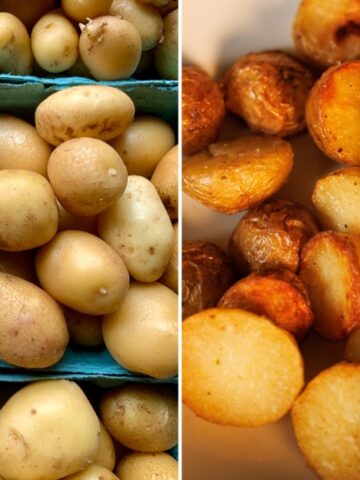
Boil about 750g of new potatoes in their skins until a knife slides in easily. Drain them well and let them steam dry for five minutes, because wet potatoes won't crisp.
Tip them onto a tray and press each one gently with a potato masher or the base of a mug. Drizzle with olive oil, season with sea salt and roast at 200°C for around 30 minutes, until golden.
Toss through chopped parsley and chives just before serving so the herbs stay green. You can add a crushed garlic clove in the last ten minutes if you like. They sit happily beside roast chicken, lamb chops or a piece of baked salmon, and they soak up any pan juices going spare.
2. Green Salad With Lemon Dressing
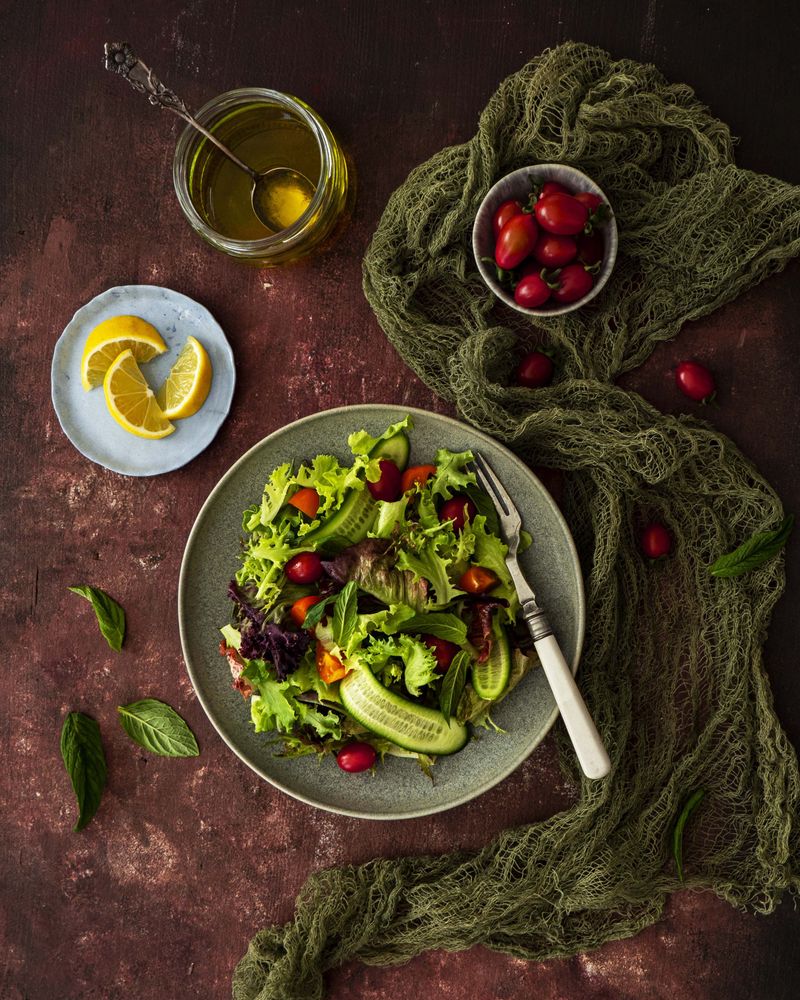
Here's the side that asks the least of you and still makes heavy food feel lighter. A bowl of crisp leaves is a welcome break on a plate full of richness.
Mix soft lettuce with peppery rocket, then add sliced cucumber if you have some. Wash the leaves and dry them properly in a salad spinner or clean tea towel. Damp leaves make the dressing slide off and pool at the bottom.
For the dressing, shake three tablespoons of extra virgin olive oil with one of lemon juice in a jar. Add half a teaspoon of Dijon mustard, a pinch of salt and some black pepper. The mustard helps the oil and lemon stay blended.
Dress the leaves just before serving so they don't wilt. It sits beside lasagne, steak or a cheesy pie with ease. Simple, sharp and crunchy, it's the plate's quiet palate cleanser.
3. Garlic Yoghurt Flatbreads

Bread without any proving time sounds like a cheat, and it sort of is. Self-raising flour and natural yoghurt do the heavy lifting here.
Mix 250g of self-raising flour with 250g of natural yoghurt and a pinch of salt until you have a soft dough. Split it into six pieces and roll each one out to about the thickness of a pound coin.
Cook them in a hot, dry frying pan for two or three minutes on each side. You'll see bubbles puff up and brown patches appear, which is exactly what you want.
While they're hot, brush them with butter mixed with crushed garlic and chopped parsley. Tear them up for dipping into curry, stew or soup, or use them to scoop up a salad. Leftovers freeze well, and a quick spell in a hot pan brings them back to life.
4. Honey-Roasted Carrots and Parsnips
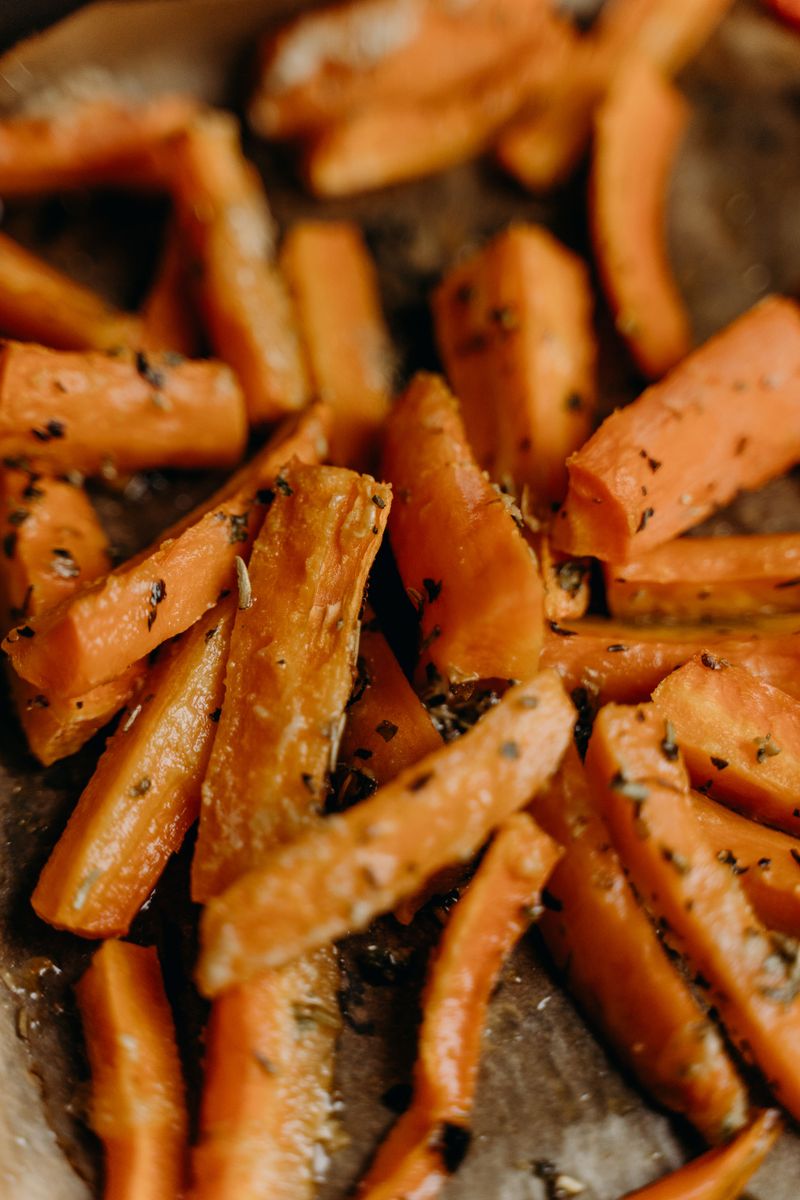
Parsnips taste sweeter after a cold snap, as frost helps turn some of their starch into sugar. Pair them with carrots and honey, and the oven does the rest.
Peel 500g of each and cut them into batons of a similar size. Matching sizes means they'll cook at the same rate, so nothing ends up burnt or crunchy.
Toss them with two tablespoons of olive oil, salt and a few thyme sprigs. Spread them out in a single layer and roast at 200°C for about 35 minutes. Add a tablespoon of runny honey for the final ten minutes, since added earlier it can catch and scorch.
Of course, they belong next to a Sunday roast. They're just as good with pork chops, sausages or a lentil stew midweek. Peel and chop them in the morning, keep them in the fridge, and tea is halfway done.
5. Spiced Basmati Rice
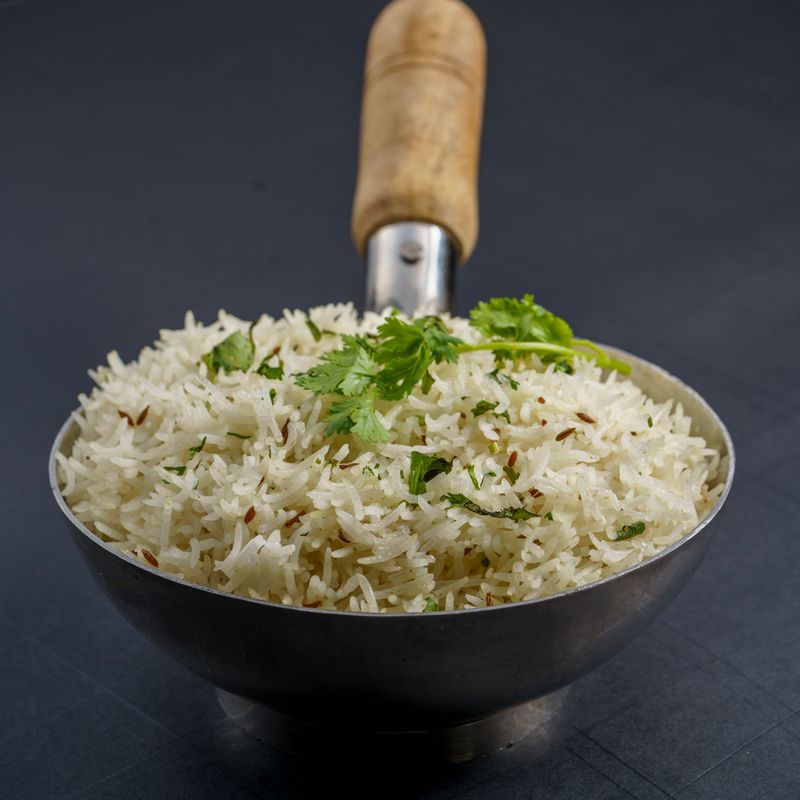
Plain rice is fine, but a few whole spices make it smell like a takeaway kitchen. The extra effort amounts to about one minute.
Rinse 250g of basmati rice in cold water until the water runs mostly clear. That washes off surface starch, which keeps the grains separate instead of gluey.
Heat a tablespoon of rapeseed oil in a pan with a lid. Add a teaspoon of cumin seeds, a small cinnamon stick and two bay leaves, and stir until fragrant. Tip in the rice, stir to coat, then pour in 450ml of stock.
Bring it to the boil, cover tightly, and cook on the lowest heat for 10 minutes. Leave it covered off the heat for another five, then fluff with a fork. Fish out the whole spices before serving.
It suits curry, of course, though grilled chicken and roasted vegetables enjoy its company too.
6. Creamy Coleslaw
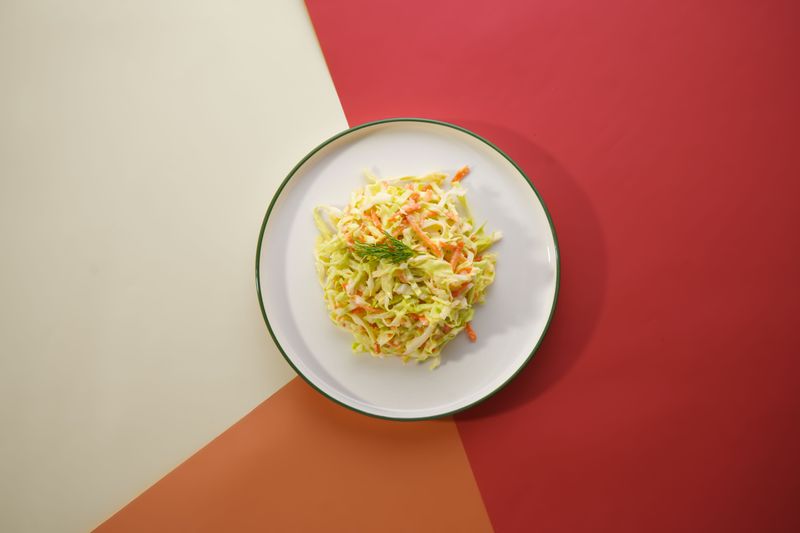
Coleslaw comes from the Dutch word koolsla, meaning cabbage salad. Homemade versions are a world away from the watery tubs.
Finely shred half a small white cabbage and grate two carrots. Add a couple of sliced spring onions for a mild oniony kick.
For the dressing, mix four tablespoons of mayonnaise with two of natural yoghurt. Stir in a teaspoon of Dijon mustard and a splash of white vinegar, then season well. The yoghurt adds tang and keeps it from feeling too heavy.
Cabbage releases water as it sits, so dress it no more than a few hours before eating. Keep the dressing and veg separate if you're prepping ahead. Pile it next to chippy-style fish, jacket potatoes, pulled pork or a barbecue spread.
That cool crunch against something hot and crispy is hard to beat.
7. Griddled Courgettes With Lemon and Mint
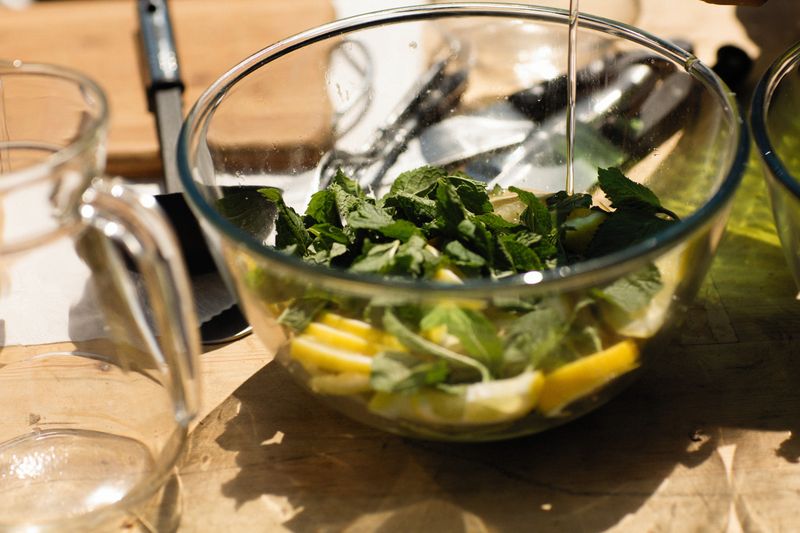
Courgettes are mostly water, so they turn soggy if you're timid with the heat. Get the griddle pan smoking hot first.
Slice two courgettes lengthways into strips about 5mm thick. Brush them lightly with olive oil rather than oiling the pan, which helps prevent smoking.
Lay them on the griddle and leave them alone for two or three minutes. Moving them too soon stops those dark stripes forming. Flip, cook the other side, and work in batches so they don't steam.
Pile them onto a plate while still hot and squeeze over half a lemon. Scatter with torn mint, a little salt and some extra oil. They're good warm or at room temperature, so they can sit while you finish the rest.
Try them with lamb koftas, grilled fish or halloumi any night of the week.
8. Garlic Mushrooms With Thyme
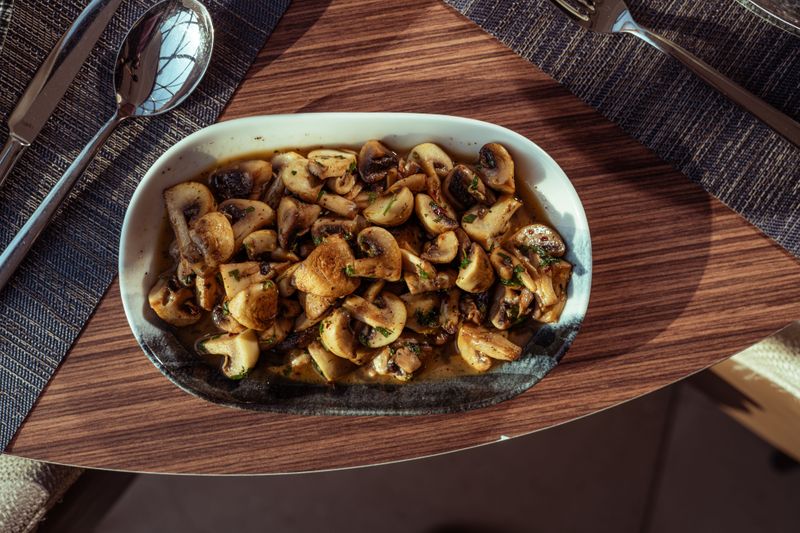
Mushrooms brown beautifully, as long as you give them space. Crowd the pan and they'll sweat into a grey puddle instead.
Wipe 400g of chestnut mushrooms with damp kitchen paper and slice them thickly. Heat a large frying pan with a little oil until it's properly hot.
Add the mushrooms in a single layer and resist stirring for a couple of minutes. Once they're golden underneath, toss them and add a knob of butter. Then stir in two sliced garlic cloves and a few thyme leaves.
Cook for one more minute, keeping the garlic from burning, which turns it bitter. Season only at the end, since salt pulls water out of mushrooms early on. A squeeze of lemon lifts the earthiness.
Spoon them over steak, chicken breast or a pork chop, or pile them onto toast for a quick lunch.
9. Cheesy Baked Leeks
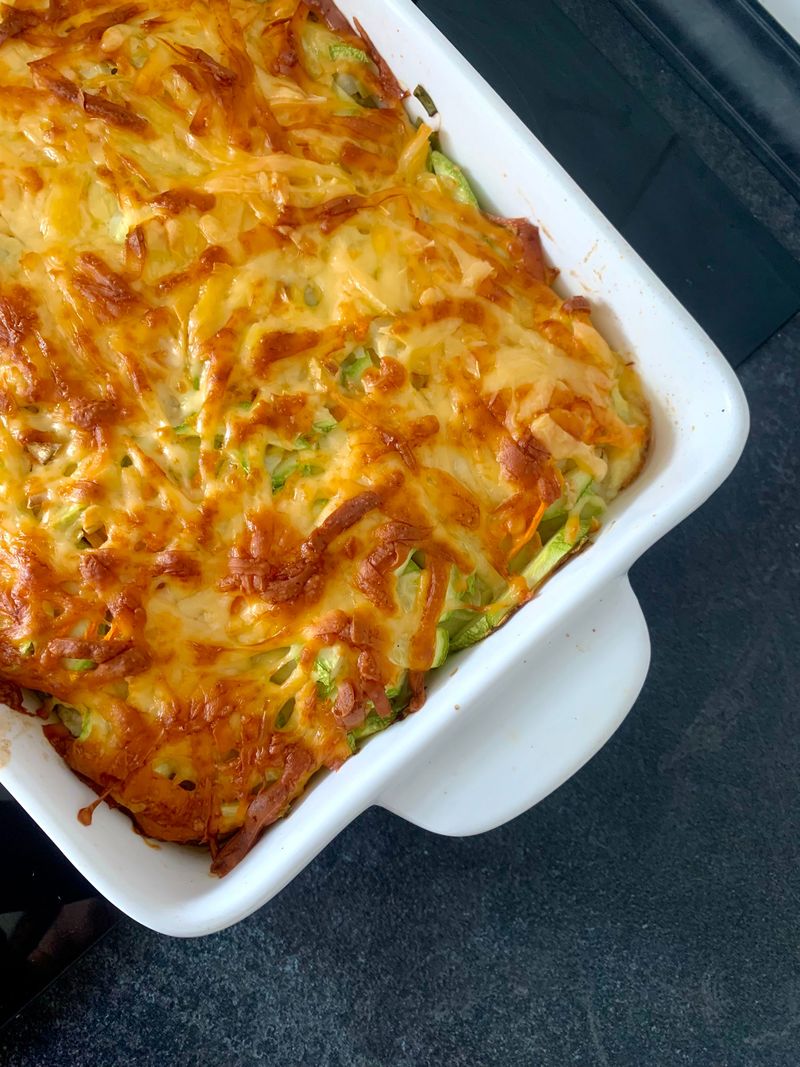
Leeks hide grit between their layers, so give them a good rinse first. After that, a cheese sauce turns them into pure comfort.
Slice three leeks into chunky rounds and soften them in a little butter for about eight minutes. Tip them into a buttered ovenproof dish.
Make a white sauce by melting 30g of butter, stirring in 30g of plain flour, then whisking in 400ml of milk. Keep stirring until thick, then add 80g of grated mature Cheddar and a teaspoon of mustard. A grating of nutmeg suits it well.
Pour the sauce over the leeks, scatter with breadcrumbs and more cheese, and bake at 200°C for about 20 minutes. Let it rest briefly, as the sauce will be scalding. Serve it beside roast chicken, gammon or sausages, and expect the dish to come back scraped clean.
10. Butter Beans With Sage and Garlic
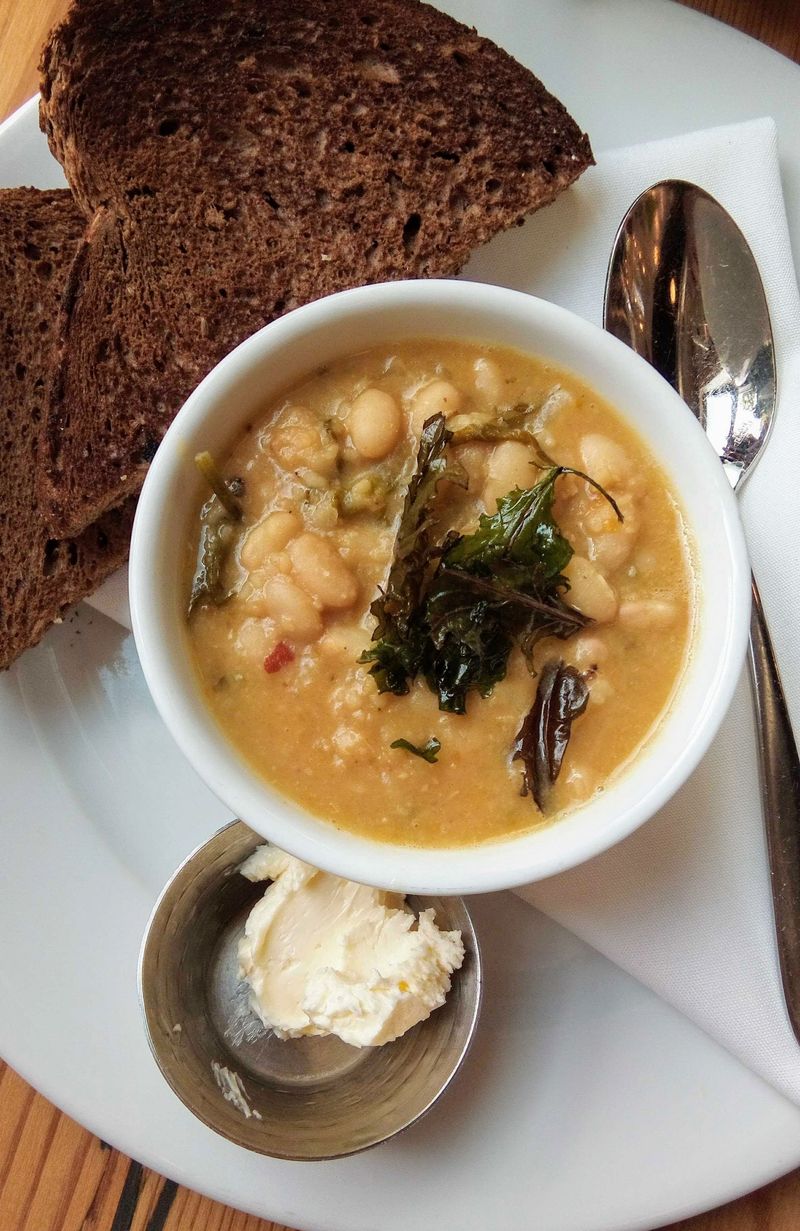
A tin of butter beans in the cupboard is basically a side dish waiting to happen. Ten minutes and some sage do the rest.
Warm three tablespoons of olive oil in a frying pan over medium heat. Add a handful of sage leaves and fry until crisp, then lift them out onto kitchen paper.
Add two sliced garlic cloves to the same oil and cook gently until just golden. Tip in a drained 400g tin of butter beans with a splash of stock. Simmer for five minutes, crushing a few beans with a fork to thicken the juices.
Season, add a squeeze of lemon, and scatter the crispy sage on top. The beans are soft and creamy, which pairs nicely with roast pork, chicken thighs or sausages. Mop up the leftovers with crusty bread.
11. Roasted Beetroot With Feta
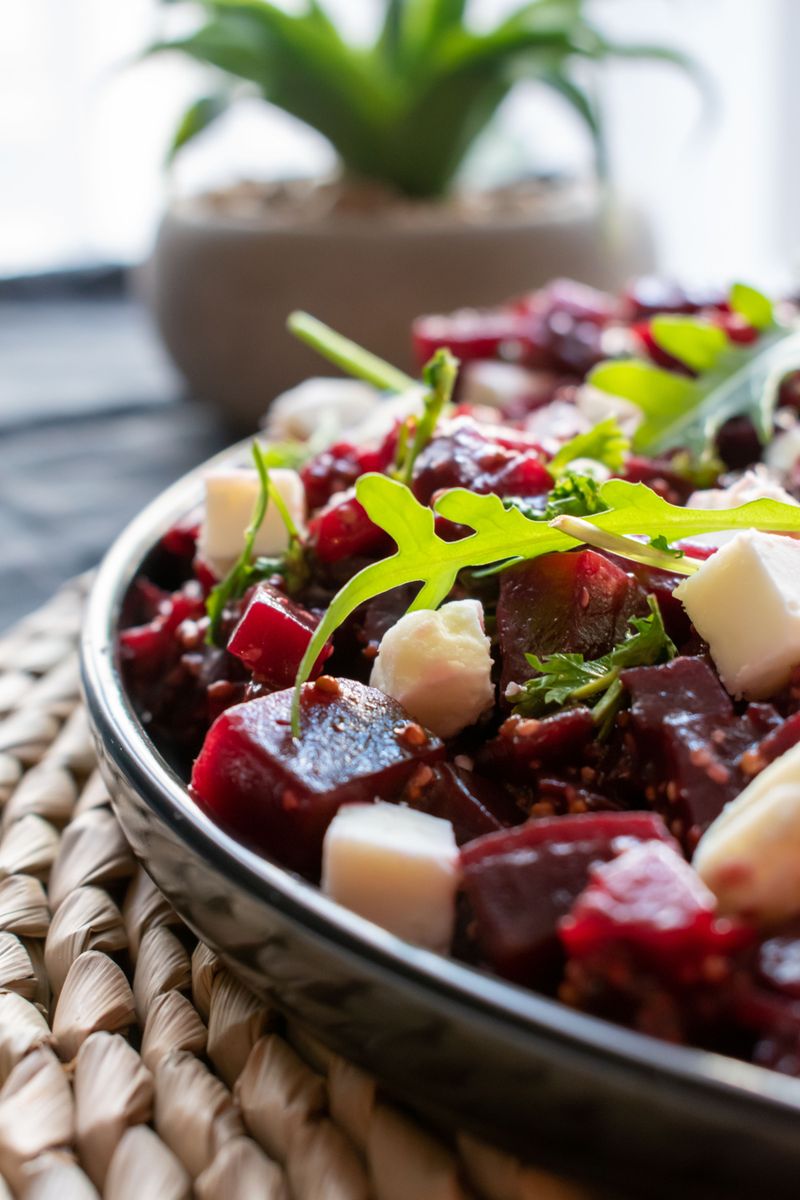
Beetroot stains everything it touches, so wear gloves or accept pink fingers. The colour on the plate makes up for it.
Wrap four medium raw beetroot in foil and roast at 200°C for about an hour, until a knife slides in easily. Once cool enough to handle, rub off the skins with kitchen paper.
Cut them into wedges and toss with olive oil, a splash of balsamic vinegar and a little honey. Crumble over 100g of feta and scatter with torn mint leaves.
Short on time? Vacuum-packed cooked beetroot works fine, just avoid the jarred kind in sharp vinegar. The earthy sweetness and salty cheese play off each other neatly.
Serve it with roast lamb, mackerel or a frittata. It's equally happy as part of a mezze-style spread for friends.