











Medieval cooks are said to have kept a pottage bubbling over the fire for days, topping it up as they went. The pot rarely started from scratch, so the flavour kept building.
That old trick has real science behind it. As a stew rests, sharp onion and garlic notes soften and the ingredients settle into one rounded taste.
I love that a fridge can do some of the cooking for you overnight. It turns a cold January evening into a reward for yesterday's effort.
So which dishes improve while you sleep, and which ones are worth making in double batches? I've rounded up the ones that earn their space in the fridge.
1. Lamb Tagine
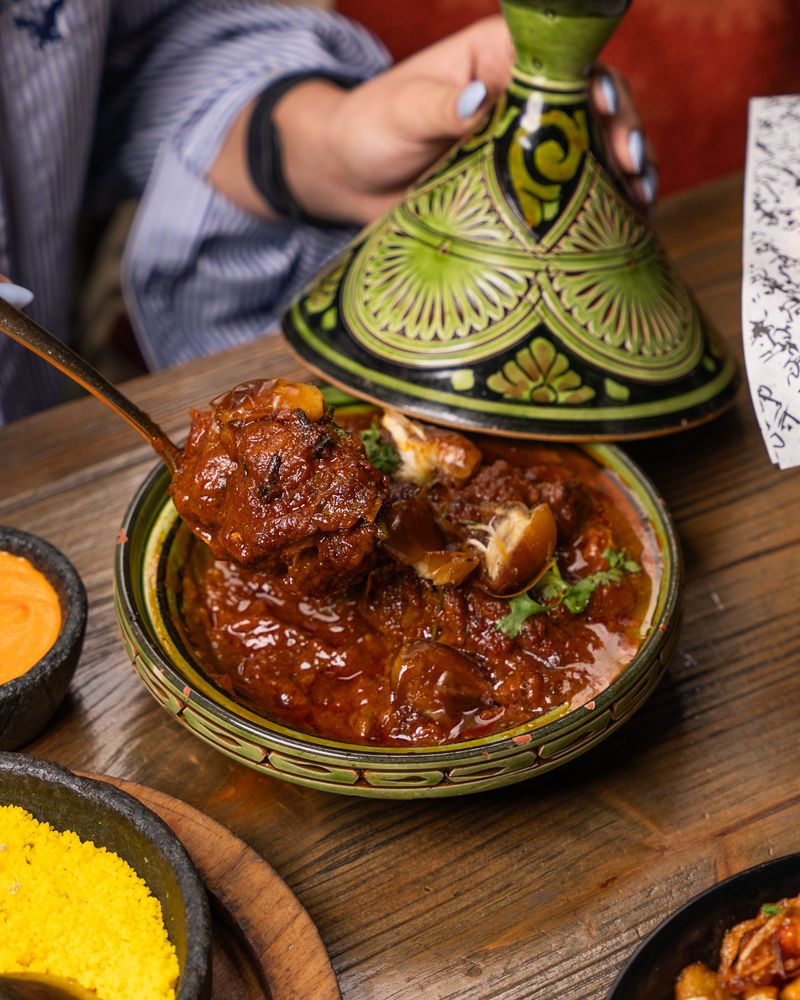
Moroccan cooks built the tagine pot with a tall cone lid that sends steam dripping back onto the food. It's a slow, patient dish, and it gets even more patient once the hob goes off.
Overnight, the cinnamon, cumin and ginger stop competing and start cooperating. Dried apricots soak up more of the sauce, so they turn plump and sticky by the next evening.
Shoulder of lamb is the cut to buy here. Its connective tissue melts into gelatine during a long, gentle braise, which gives the sauce body when it sets in the fridge.
Cool the tagine quickly, cover it and chill within two hours, then eat it within two days. Reheat until it's piping hot right through, adding a splash of water if the sauce has thickened.
A spoonful of fresh coriander and a handful of toasted almonds on top bring back some brightness, though skip the nuts if anyone at the table has an allergy.
2. Beef Stew With Dumplings
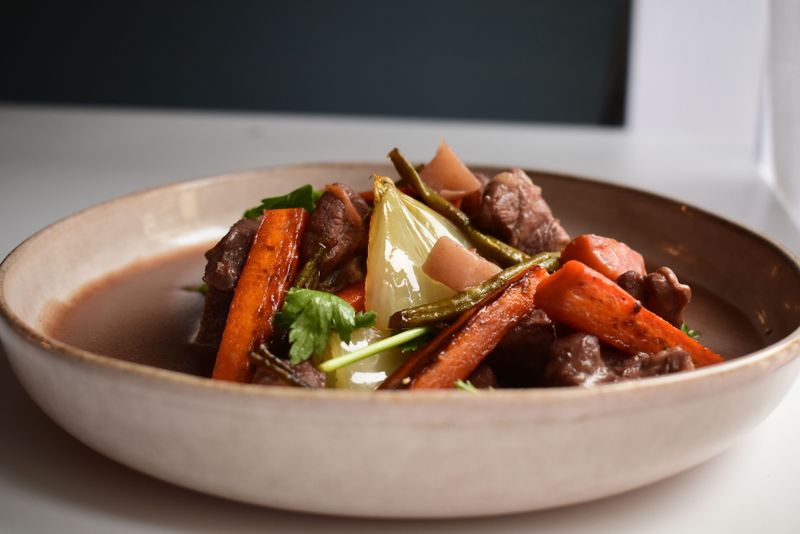
Few things say British winter like a pot of beef stew with fluffy suet dumplings bobbing on top. The good news is that the stew itself improves overnight, so you can split the job across two days.
Brown chunks of chuck steak in batches first, since crowding the pan makes the meat steam instead of colour. Beef stock, onions, carrots and a spoonful of tomato purée give plenty of depth on their own.
Here's the smart bit. Make the stew a day ahead and chill it, then lift off the solid fat that sets on the surface.
Dumplings are best freshly cooked, so leave them until the reheat. Bring the stew to a steady simmer, drop in balls of self-raising flour and suet dough, then cover for about 20 minutes.
You get tender beef with a deeper gravy, plus dumplings that are light rather than soggy. Your second-day self will be grateful.
3. Chilli Con Carne

Chilli con carne is famously a dish that people make on Sunday and quietly hope lasts until Tuesday. Two days in the fridge does wonders for it.
Fresh from the pan, the cumin and chilli powder can taste a bit separate and dusty. After a night's rest, they blend into the beef and tomato, and the kidney beans soak up the sauce like little sponges.
A square of dark chocolate or a pinch of cinnamon stirred in near the end adds a rounded richness. Neither will make the chilli taste sweet, just deeper.
Reheat portions on the hob rather than warming the whole pot over and over. Each round of cooling and reheating gives bacteria another chance, so only reheat once.
Spoon it over rice, pile it onto a jacket potato, or stuff it into tortillas with grated Cheddar. One batch, three very different teas, and not one of them feels like a repeat.
4. Lancashire Hotpot
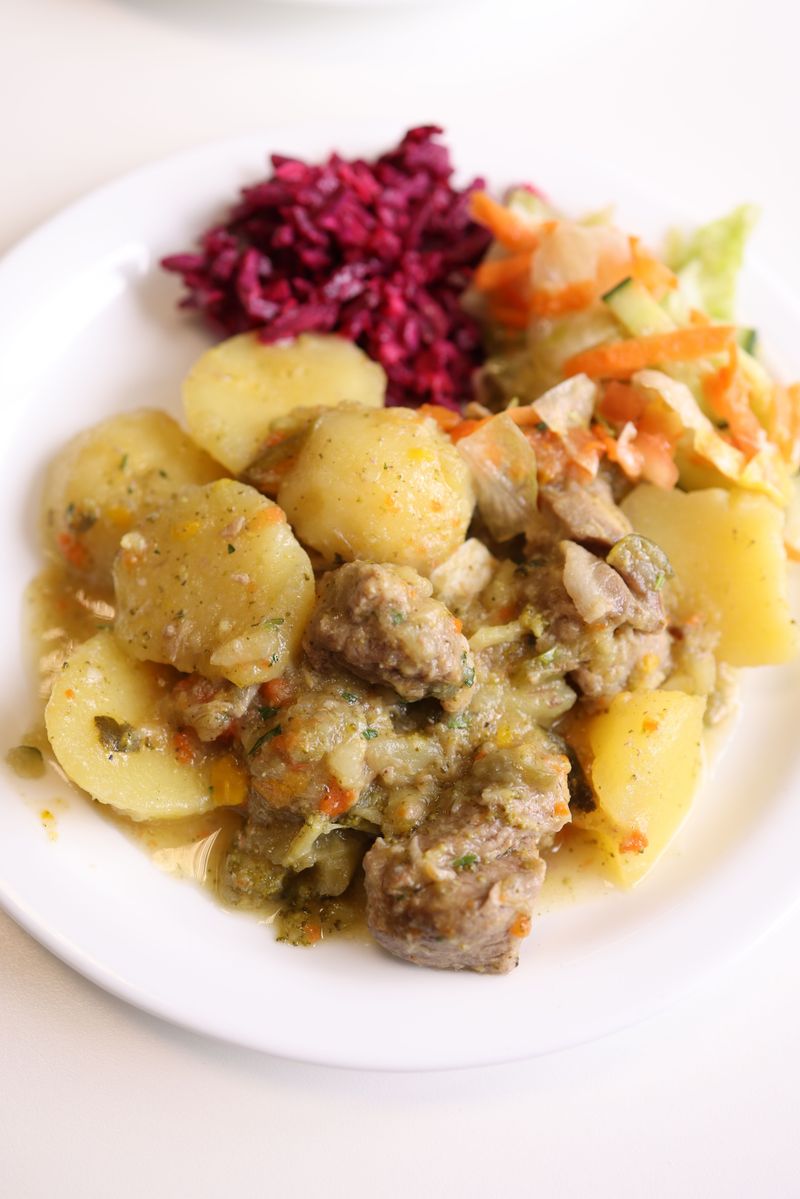
Lancashire hotpot is said to come from mill towns, where a pot could cook slowly while families worked long shifts. It was built for patience from day one.
Under that roof of sliced potatoes sits lamb, onions and stock, cooked low until the meat falls apart. The bottom layer of potato drinks up the juices, which is why the dish thickens and sets so well overnight.
Next day, those flavours have had time to settle into one savoury whole. The onions have softened into sweetness and the gravy clings rather than runs.
To bring back the crispy top, reheat it in the oven at 180°C for around 30 to 40 minutes. Check it's steaming hot in the middle before serving.
Pickled red cabbage on the side is the classic Lancashire partner, and the sharpness cuts right through the richness. It's a plate that tastes of northern grit and good sense.
5. Chicken Tikka Masala
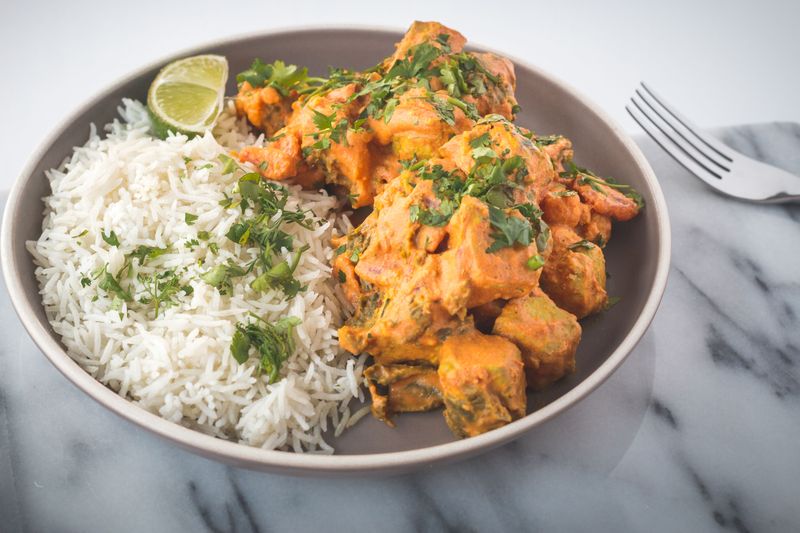
A takeaway favourite that's often linked to Glasgow, though its exact origin is still debated. Wherever it began, the next-day version is something of a quiet triumph.
Spiced sauces like this one rely on garam masala, cumin, turmeric and ginger. Overnight, the harsh edges of raw spice fade, and the tomato and cream base turns smooth and well blended.
Marinate the chicken in yoghurt and spices for a few hours before cooking. The yoghurt helps keep the meat tender, so it doesn't turn rubbery when you reheat it.
Leftover rice needs extra care, as it can carry bacteria that survive cooking. Cool it fast, chill it within an hour or so, and reheat it only once until steaming.
Warm a naan under the grill, scatter fresh coriander over the curry and dinner is sorted in minutes. Arguably, it beats queueing at the takeaway on a wet Friday.
6. Scotch Broth
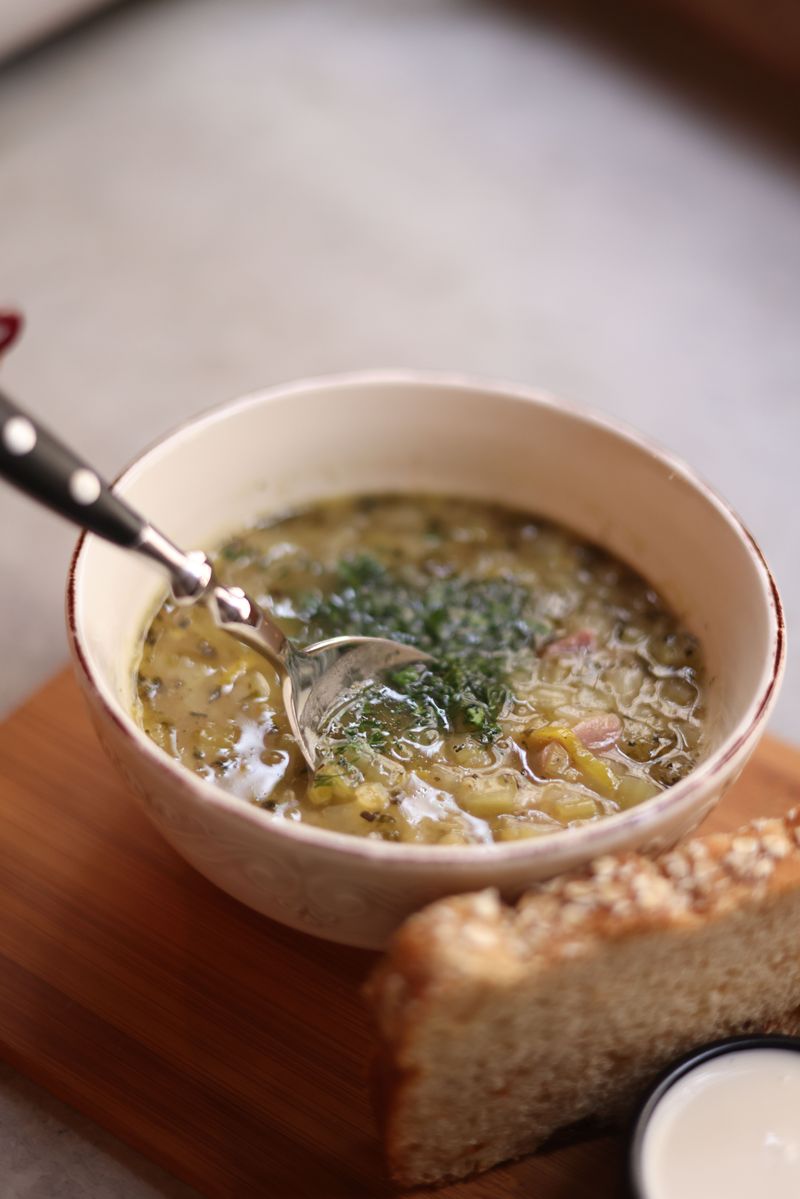
Pearl barley is the quiet hero of Scotch broth, and it keeps working long after you've switched the hob off. By the next day, the soup is noticeably thicker and heartier.
Traditionally, it's made with lamb or mutton plus barley, dried split peas, leeks, carrots and swede. Soak the split peas first if your packet says so, as this speeds up cooking.
As the soup rests, the barley releases starch and absorbs liquid. That turns a thin broth into something closer to a spoonable stew.
When you reheat it, add a little hot water or stock to loosen it back up. Taste for salt afterwards, because diluting can flatten the seasoning.
Serve it with a hunk of crusty bread or some oatcakes for a properly Scottish lunch. It's a bowl that feels like a thick jumper on a raw, grey afternoon.
7. Lasagne
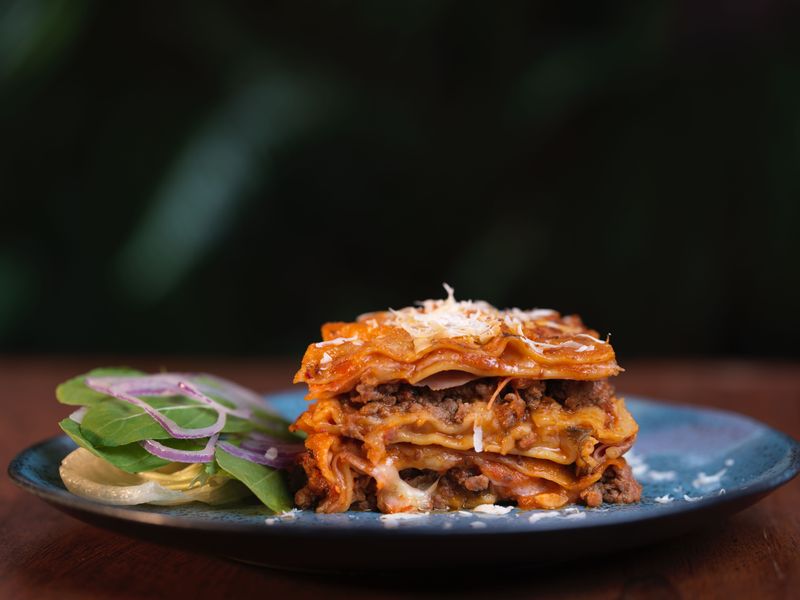
Cut into lasagne straight from the oven and it slumps across the plate like a tired toddler. Give it a night in the fridge, though, and you'll get neat, tidy slices.
Resting lets the béchamel and ragù firm up between the pasta sheets. The flavours of the meat sauce, nutmeg-scented white sauce and Parmesan also have time to mingle.
Slow-cook the ragù for at least two hours if you can. Minced beef and pork together give a richer result than beef alone.
Reheat individual slices covered in foil at around 180°C until piping hot through the centre. A splash of water in the dish stops the edges drying out.
A simple rocket salad with lemon dressing makes a sharp, peppery side. Honestly, a cold-fridge lasagne might be the most generous thing you can leave for your future self.
8. Split Pea and Ham Soup
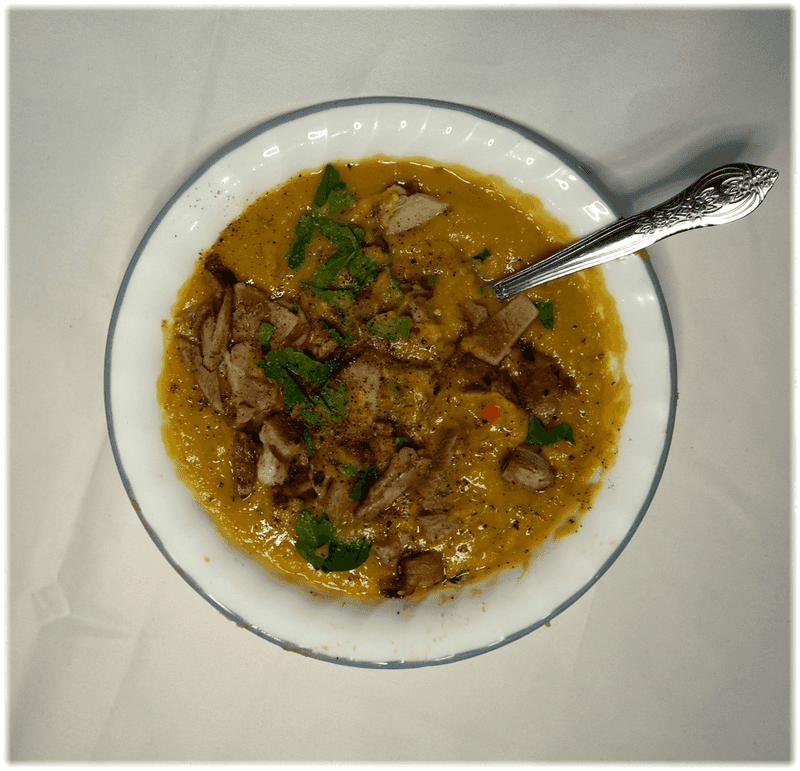
Old Londoners nicknamed thick yellow fog a pea-souper, after this very soup. That tells you how dense a good bowl can get, especially by day two.
Simmer a ham hock with dried split peas, onion, carrot and celery for a couple of hours. Shred the meat back into the pot once it falls off the bone.
Overnight, the soup sets almost solid in the fridge. Split peas are rich in starch, so they keep thickening as they cool.
Loosen it with water or stock while reheating, stirring often so it doesn't catch on the bottom. Ham hock is salty, so hold back on extra salt until the end.
A swirl of cream or a crack of black pepper finishes it nicely. Your kitchen will smell like a farmhouse for hours.
9. Cottage Pie
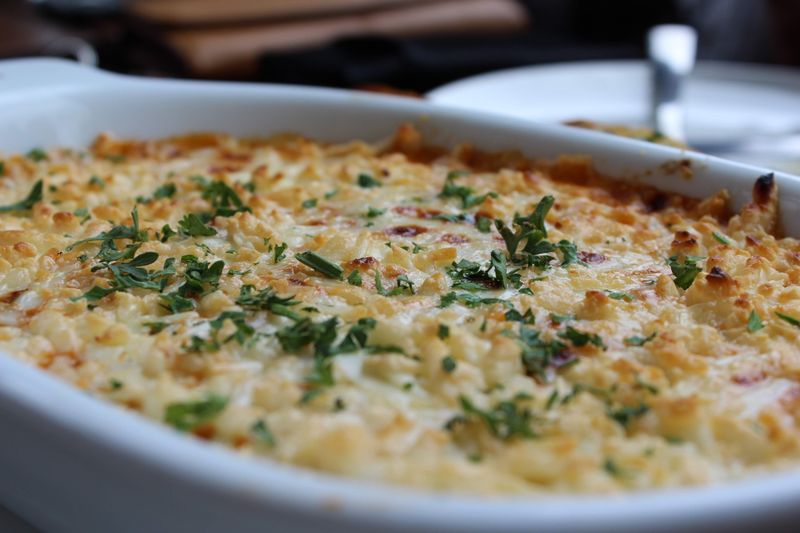
Cottage pie uses beef while shepherd's pie uses lamb, and that difference starts friendly arguments in plenty of British kitchens. Either way, both reward a night's rest.
Cook the minced beef with onions, carrots, stock and a dash of Worcestershire sauce until rich and thick. Let it cool before topping with mash, so the potato doesn't sink.
Chilling the assembled pie lets the filling firm up and the flavours settle. It also means a tired weeknight only requires an oven and patience.
Run a fork across the mash to make ridges, which crisp up beautifully in the heat. Bake at 190°C for 35 to 45 minutes from chilled, until golden and steaming in the centre.
Serve with buttered peas or a pile of steamed greens. It's the sort of tea that makes Monday feel slightly less like Monday.
10. Dal Makhani
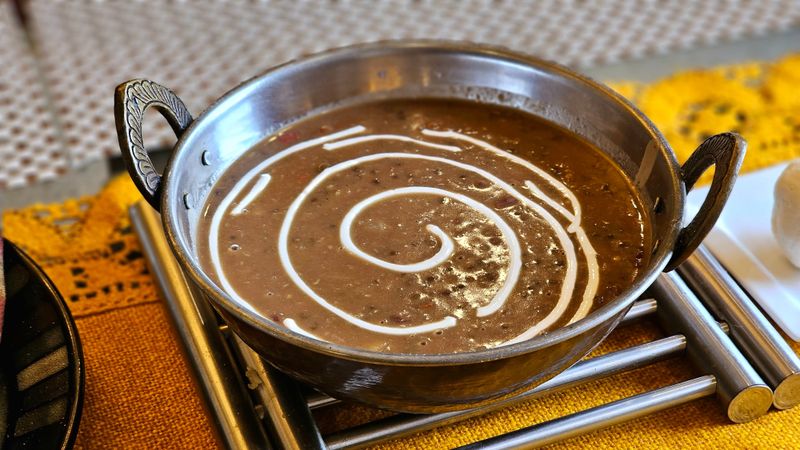
Some Punjabi restaurants simmer dal makhani for hours, sometimes overnight. That alone hints at how happily it handles a night in your fridge.
Whole black urad lentils and red kidney beans cook slowly with tomatoes, ginger, garlic and spices. Butter and cream go in near the end, making it rich and silky.
As it rests, the lentils break down a little more and thicken the sauce. The spices mellow, giving a deep, earthy flavour that's hard to rush.
Soak the dried lentils and kidney beans overnight before cooking. Raw kidney beans must be boiled hard for at least ten minutes, as undercooked ones can make you ill.
Loosen leftovers with hot water while reheating, then finish with a knob of butter. Scoop it up with naan and enjoy a meat-free supper that's anything but light on comfort.
11. Bread and Butter Pudding
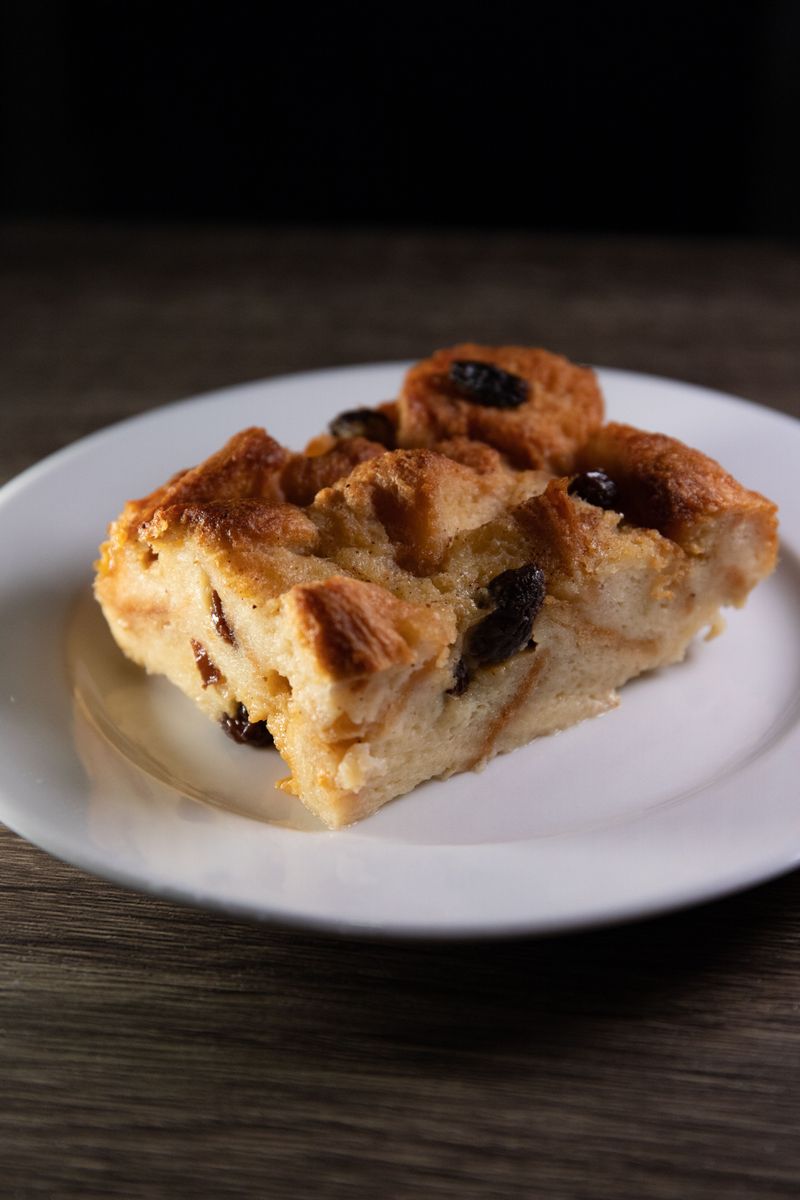
Thrifty cooks invented bread and butter pudding as a way to rescue stale bread. Slightly dry bread is actually better here, since it soaks up custard without falling apart.
Layer buttered bread with sultanas in a dish, then pour over a custard of eggs, milk and cream. A pinch of nutmeg and some lemon zest add warmth and lift.
Leave it to soak for at least 30 minutes before baking, or overnight in the fridge. That rest gives a soft, wobbly centre and a crisp, golden top.
Bake at around 180°C for 35 to 40 minutes, until just set with a slight wobble. Leftover portions can be eaten cold or reheated until piping hot, never left out overnight.
Brioche or leftover panettone make a richer version worth trying. A pudding born from frugality that still feels like a treat is a pretty good way to finish winter.