









When tomatoes first arrived in Britain in the 1500s, many people grew them as garden curiosities rather than food. Some herbalists of the time were deeply suspicious of the fruit and its strong smell.
Tomatoes are botanically a fruit, since they grow from a flower and carry seeds. Yet nobody reaches for one when making a fruit salad, and I find that oddly charming.
Tinned tomatoes are picked ripe and packed quickly, which is why they shine in a simmering pan. That makes a decent bowl of tomato soup easy to pull together on a grey weekday.
The trouble is that a plain bowl can feel a bit lonely on its own. I love how little effort it takes to change that, so which small tweak will win you over first?
1. Crispy Fried Capers
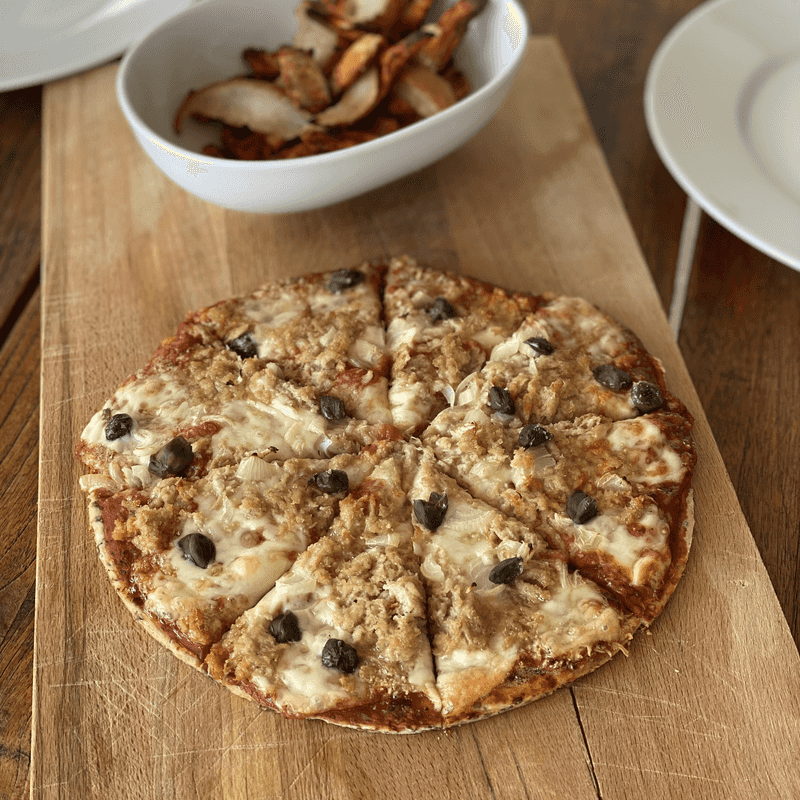
Capers are tiny pickled flower buds, and a hot pan makes them burst open like miniature crisps. Scatter them on tomato soup and you get salty crunch in place of soggy toppings.
Rinse a tablespoon of capers, then pat them very dry with kitchen paper. Wet capers spit hard in hot oil, so drying them properly keeps your hands safe.
Heat a few tablespoons of olive oil in a small frying pan over a medium heat. Fry the capers for a minute or two until they open and turn crisp.
Lift them onto kitchen paper with a slotted spoon to drain. Their sharp, briny tang cuts through the sweetness of the tomatoes in a really clever way.
Save the flavoured oil for drizzling over the bowl too, since it carries a gentle caper taste. You only need a small spoonful per serving, because these little buds pack serious flavour.
2. Crème Fraîche Swirl
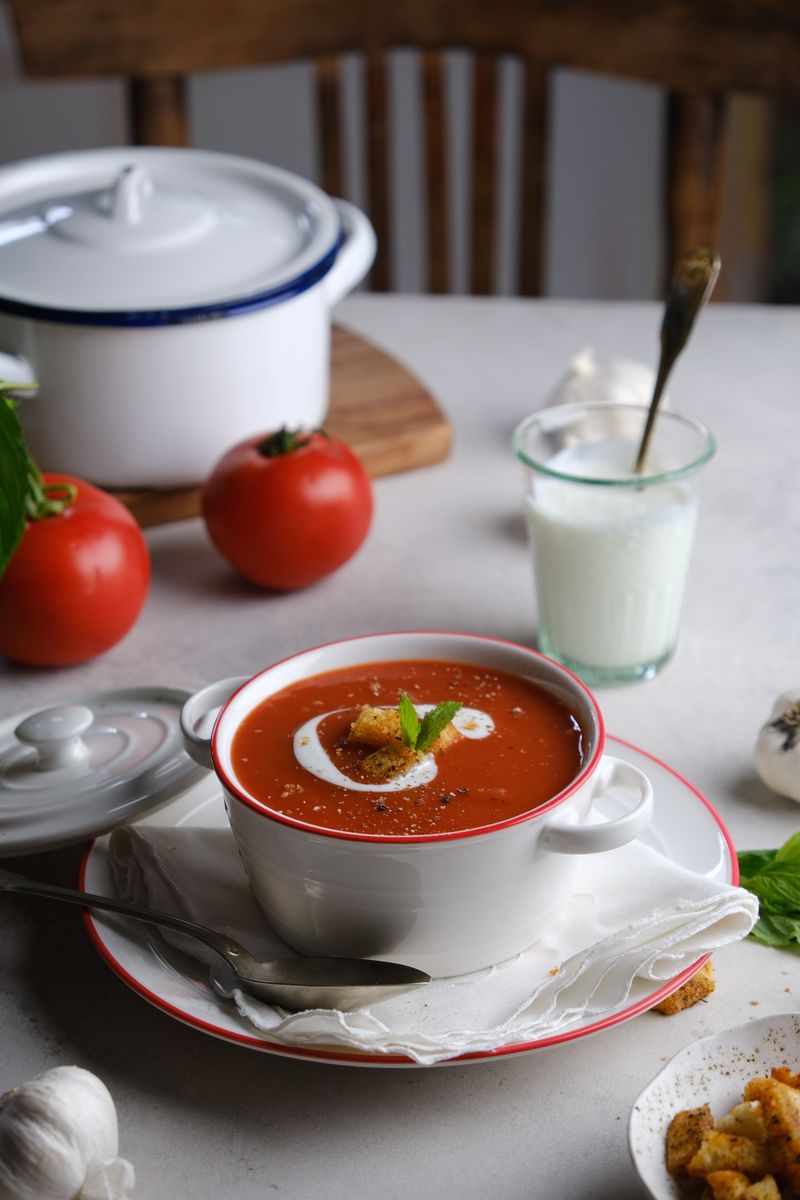
A spoonful of something cool and creamy can make a bowl look like it came from a café. Crème fraîche is a handy choice because its higher fat content helps it resist splitting in hot soup.
Ladle the soup into bowls first, then add a small dollop on top. Drag a teaspoon or skewer through it to make a loose swirl.
The tang matches the acidity of tomatoes nicely, while the richness softens any sharp edges. You also get a striking contrast of white against deep red.
Natural yoghurt works if that's what's in the fridge. Stir a couple of spoonfuls of hot soup into it before adding, as this tempering step helps stop it curdling.
Double cream gives a richer finish, though it melts in faster and leaves less of a pattern. Finish with freshly cracked black pepper for a little aromatic bite.
3. Cheese on Toast Soldiers
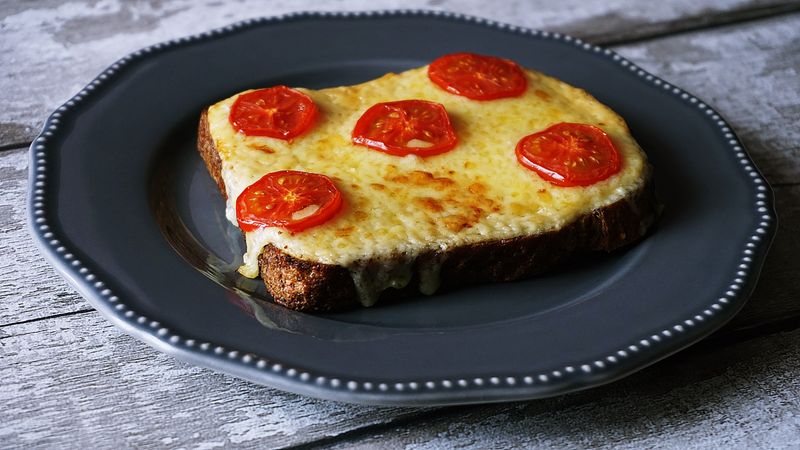
Toast soldiers aren't just for boiled eggs at breakfast. Load them with bubbling Cheddar and they become the best dunkers tomato soup could ask for.
Toast slices of sturdy bread lightly on both sides under the grill. Cover one side with grated mature Cheddar, then return them until the cheese bubbles and browns in spots.
Keep an eye on things, because cheese goes from golden to scorched very quickly. Let the toast sit for a minute, then cut it into strips.
Mature Cheddar brings a salty sharpness that balances the soup's natural sweetness. The crisp edges hold up to a quick dip, while the middle soaks up a little soup.
A thin scrape of English mustard under the cheese adds a pleasant kick for grown-up bowls. Serve them straight away so the cheese stays stretchy, rather than setting into a stiff layer.
4. Basil Pesto Drizzle
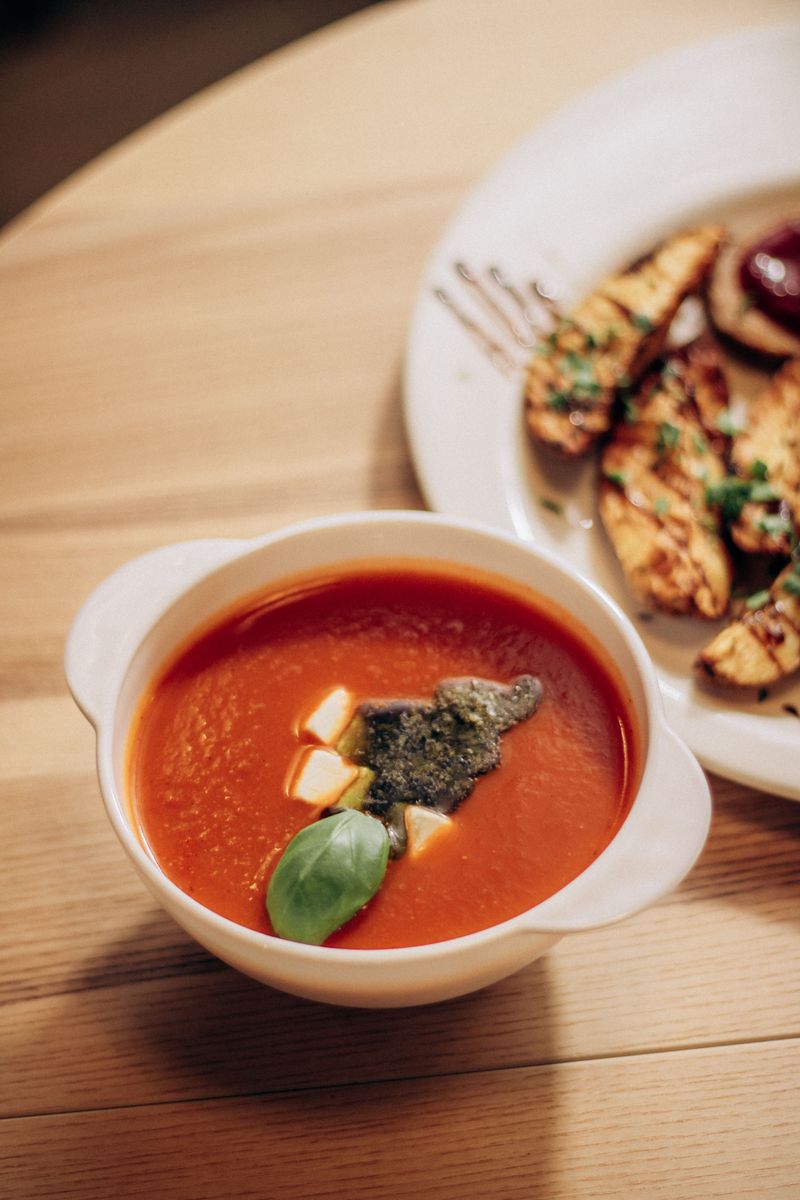
Basil and tomato have shared Italian plates for generations, so this pairing barely needs an introduction. Pesto simply brings that partnership to your soup bowl in one easy spoonful.
Classic pesto Genovese blends basil, pine nuts, garlic, hard cheese and olive oil. Pine nuts and cheese can both trigger allergies, so check before serving it to guests.
Loosen a tablespoon of pesto with a splash of olive oil so it drizzles smoothly. Spoon it over hot soup in dots or ribbons, and the heat releases its herby scent.
Fresh basil gives a peppery lift, while the cheese adds savoury depth. The oil also lends a silky richness to each mouthful.
Shop-bought jars do the job perfectly well on a busy evening. Homemade pesto tastes brighter, though, and a quick blitz in a small food processor takes only minutes.
5. Spiced Roasted Chickpeas
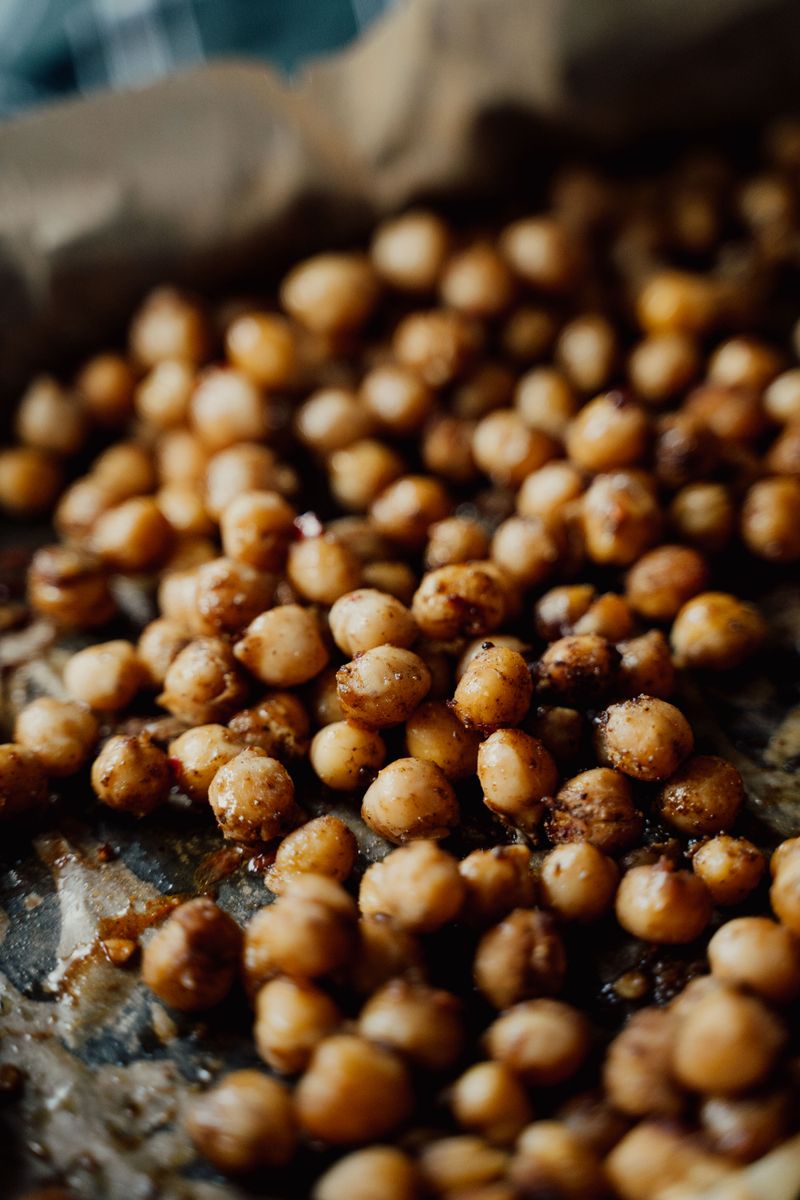
Croutons have competition, and it comes straight out of a tin. Roasted chickpeas turn crunchy in the oven and stay that way on top of soup for a good while.
Drain and rinse a 400g tin, then dry the chickpeas thoroughly with kitchen paper. Moisture is the main thing standing between you and proper crunch.
Toss them with a little rapeseed oil, smoked paprika and ground cumin. Roast in a single layer at 200°C, or 180°C fan, for 25 to 30 minutes, shaking the tray halfway.
Smoky spices bring warmth that suits tomatoes really well. The chickpeas add extra bite and make a light bowl more filling.
They're also handy if you need a topping without bread. Once cool, keep any extras in an open bowl rather than a sealed tub, since trapped moisture can soften them.
6. Garlic and Herb Croutons
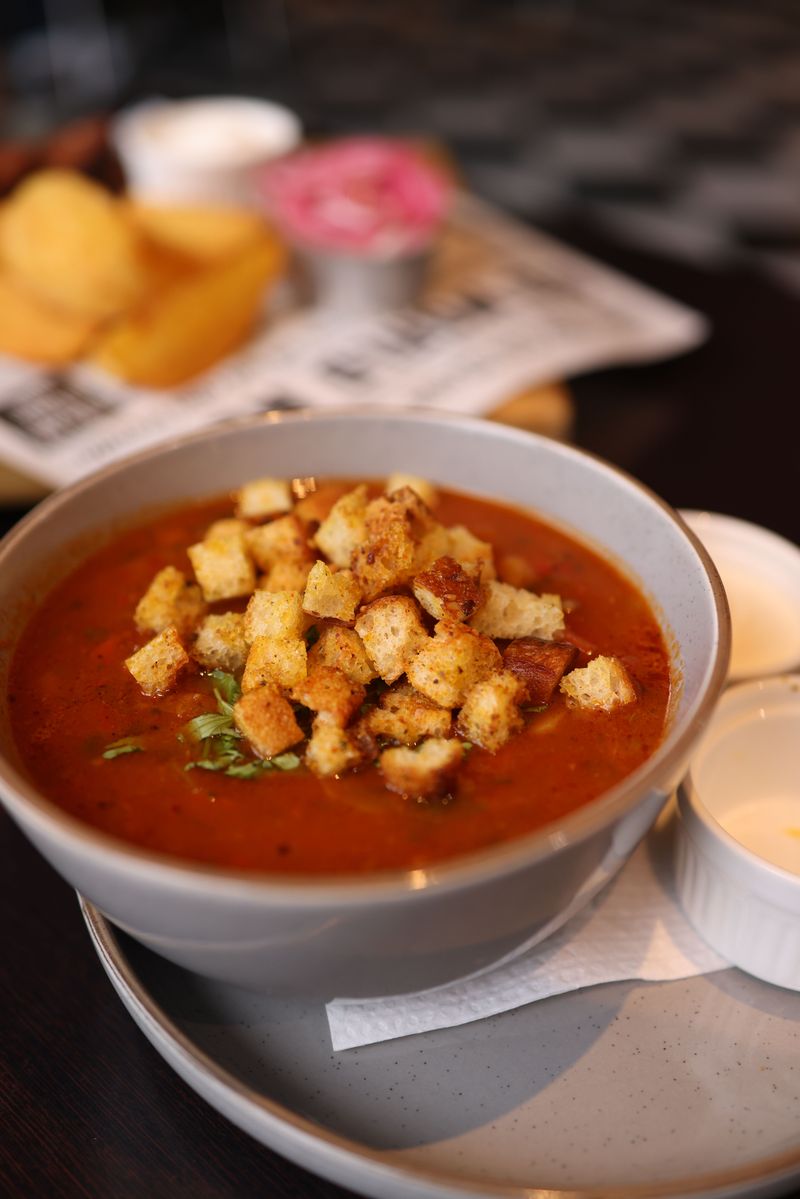
Stale bread finally gets its moment of glory here. Day-old loaves crisp up better than fresh ones, because they hold less moisture.
Cut the bread into cubes of about 2cm. Toss with olive oil, a crushed garlic clove, a pinch of salt and some dried thyme or oregano.
Spread the cubes out on a baking tray with plenty of space. Bake at 180°C, or 160°C fan, for 10 to 15 minutes, turning once, until golden all over.
The outside goes crunchy while the centre keeps a slight chew. Drop them on just before eating, so they soak up a little soup without turning to mush.
Sourdough gives a sturdier crouton with a pleasant tang. You also rescue that end-of-loaf crust from the bin, which feels like a small kitchen victory.
7. Gremolata
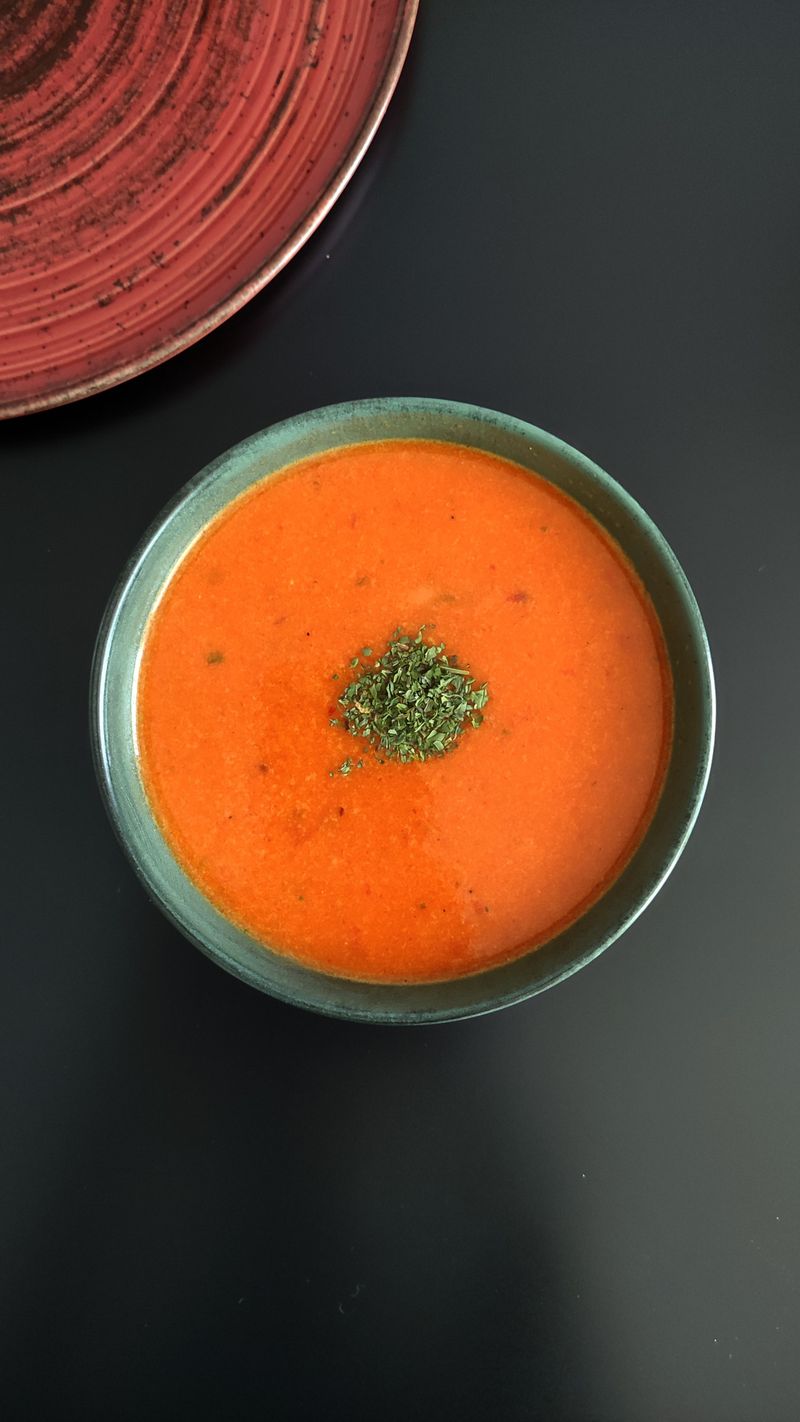
Milan's classic osso buco usually arrives with a sprinkle of gremolata on top. That same zingy mix works wonders on a bowl of tomato soup.
You need just three ingredients: flat-leaf parsley, lemon zest and garlic. Chop them together very finely on a board until they look almost like green confetti.
Zest only the yellow layer of the lemon, since the white pith tastes bitter. A small clove of garlic is plenty, as raw garlic is quite strong.
Scatter a teaspoon or two over each hot bowl right before serving. The lemon brightens the tomatoes, while parsley adds a clean, grassy note.
It feels fresh rather than heavy, which suits springtime bowls especially well. Make it close to serving time, because the herbs and zest lose their freshness as they sit.
8. Chilli and Garlic Oil
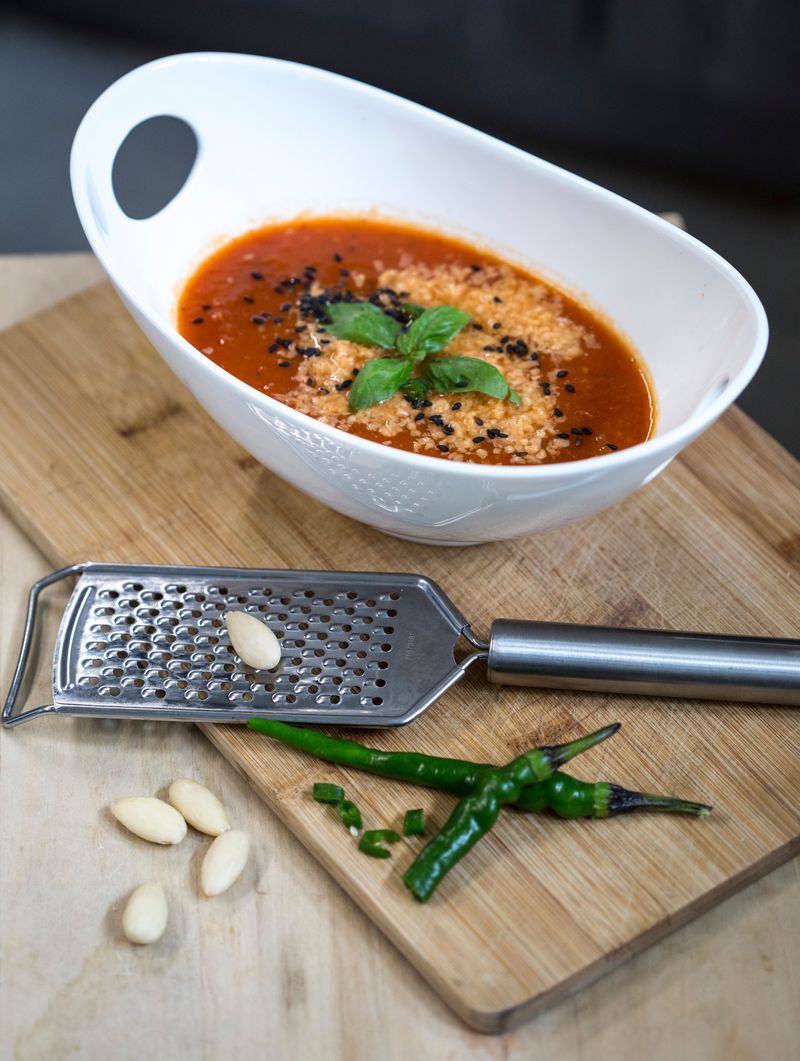
A few red drops on the surface can wake up a sleepy bowl in seconds. Chilli and garlic oil adds warmth, gloss and a fragrant hit of flavour.
Warm three tablespoons of olive oil in a small pan over a low heat. Add a thinly sliced garlic clove and a pinch of dried chilli flakes.
Cook gently for a few minutes until the garlic smells sweet and barely colours. Burnt garlic tastes bitter, so pull the pan off the heat early if in doubt.
Spoon a little over each bowl and let the heat spread through the soup. Garlic in oil can carry a botulism risk if left at room temperature.
Keep any leftovers in the fridge and use them within a few days. Making a small amount fresh is the simplest option anyway.
9. Roasted Cherry Tomatoes
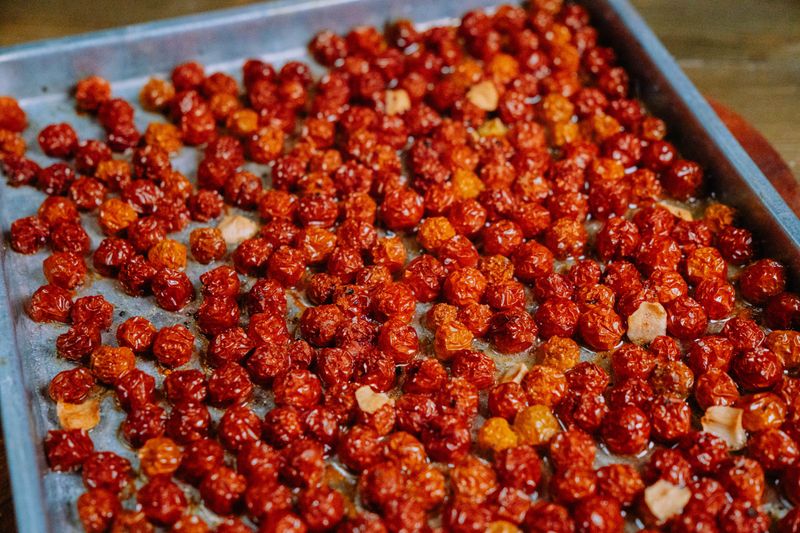
Adding tomatoes to tomato soup sounds a bit like sending coals to Newcastle. Roasting changes them enough to earn their place, though.
Tip cherry tomatoes onto a baking tray with olive oil, salt and pepper. Roast at 200°C, or 180°C fan, for about 15 to 20 minutes until they blister and slump.
The oven's heat concentrates their sugars and gives them sticky, caramelised skins. Pile a few on each bowl and they bring juicy little pops of sweetness.
Leaving them on the vine makes a showy topping for guests. A drizzle of balsamic glaze adds tangy depth if you have a bottle handy.
Watch out when you bite in, since roasted tomatoes hold scalding juice inside. You get layers of the same fruit at different stages, which makes the bowl taste deeper.
10. Soft-Boiled Egg
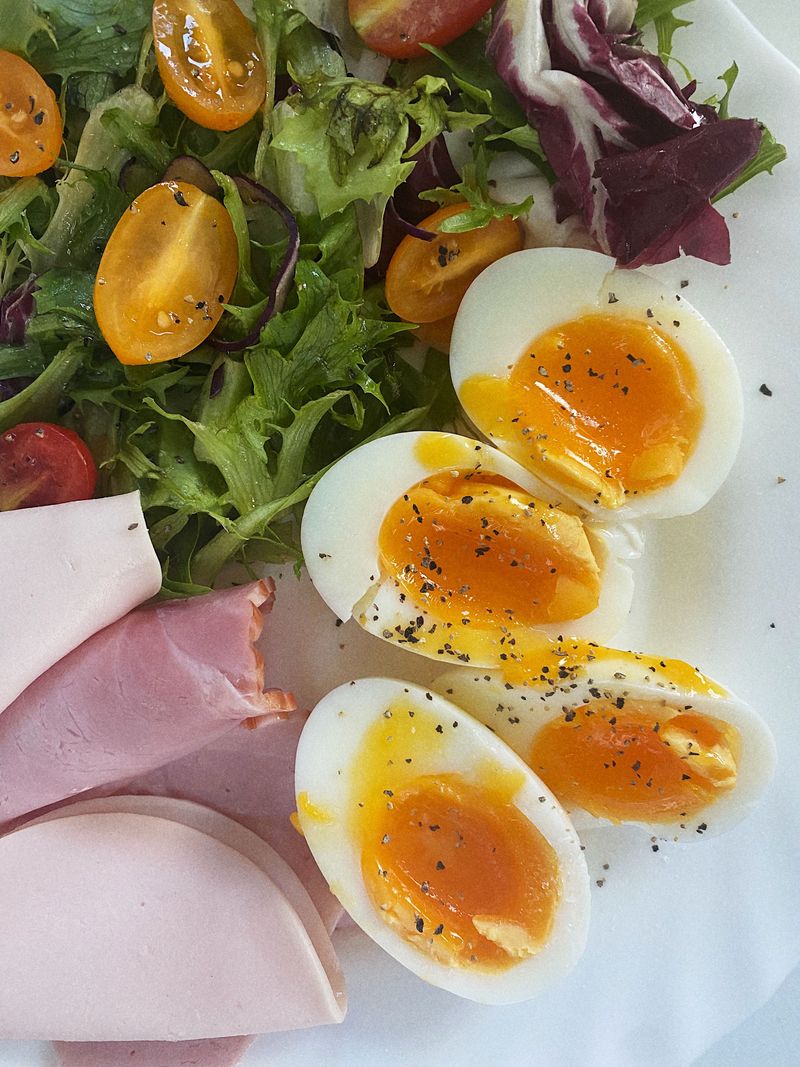
Eggs cooked in tomato sauce star in shakshuka across North Africa and the Middle East. A soft-boiled egg brings a similar idea to your soup, without the extra washing up.
Lower an egg into simmering water using a spoon to avoid cracking. Cook for six to seven minutes, then cool it briefly in cold water before peeling.
Halve it and settle it gently on top of the soup. Once the yolk breaks, it ripples through the tomato and adds creamy richness without cream.
The egg also turns a light lunch into something that keeps you going until tea. In the UK, British Lion eggs are considered safe to eat runny for most people.
That includes pregnant women, young children and older people. Scatter snipped chives over the top, then break that yolk and enjoy the best bowl of the week.