








Every corner of the United Kingdom has a delicious story to tell through its food. From flaky pastries to sticky toffee puddings, local treats have been passed down through generations and remain deeply tied to the places that created them.
Whether you are planning a trip around Britain or just curious about what makes each city unique, these iconic eats are worth knowing about. Get ready to explore some of the most beloved traditional treats the UK has to offer.
1. Eccles Cakes – Manchester
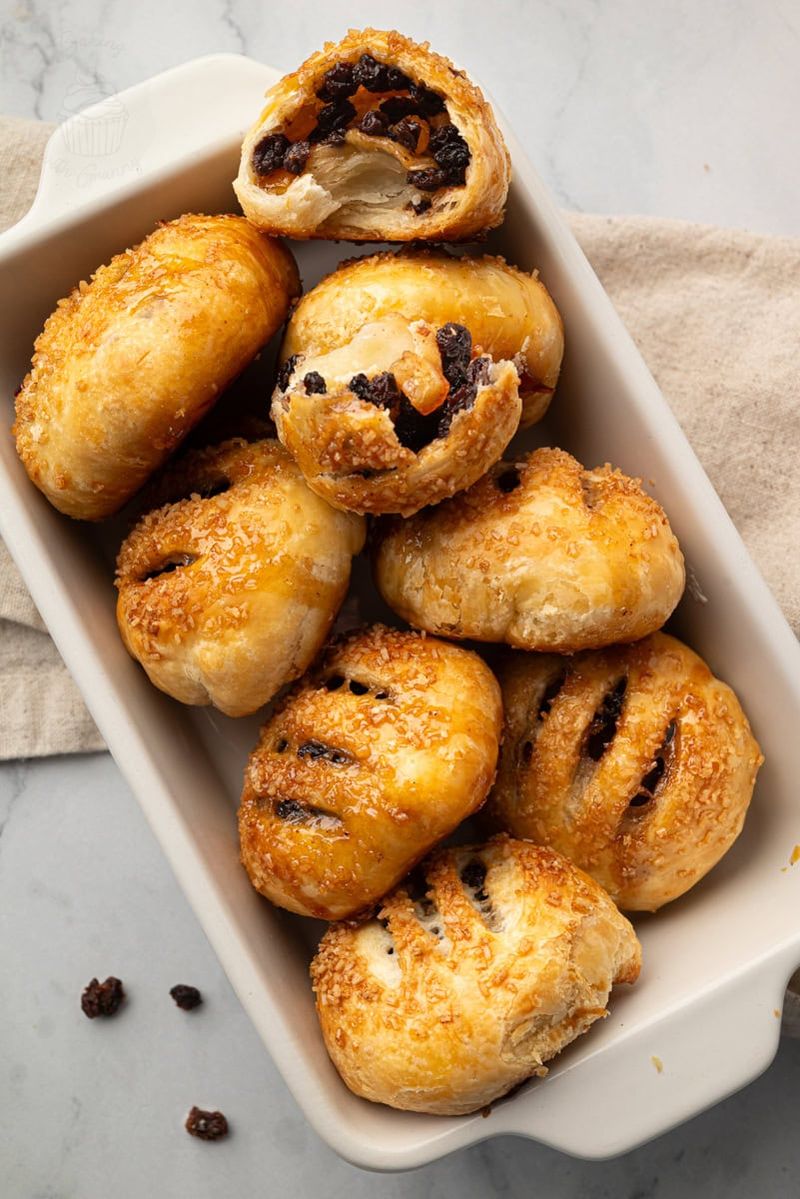
Crumbly, buttery, and packed with sweet currants, Eccles cakes have been a Manchester staple since the late 1700s. Named after the town of Eccles, just outside the city, these round pastries are made with flaky rough puff pastry folded around a sticky mix of dried fruit and spices.
They pair brilliantly with a sharp Lancashire cheese, which might sound odd but tastes amazing. You can still find them freshly baked in Manchester bakeries today, keeping a centuries-old tradition very much alive.
2. Chelsea Buns – London
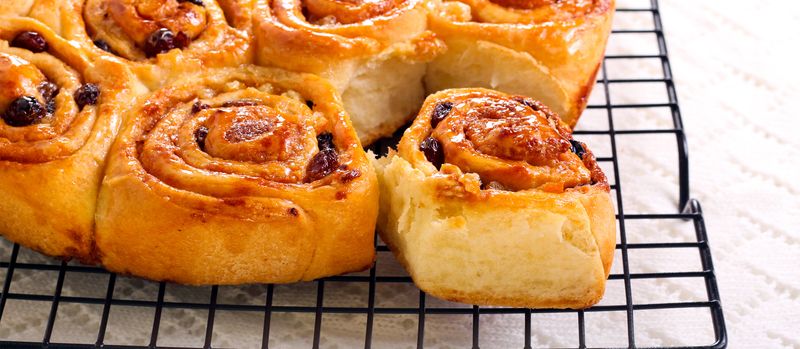
Long before fancy croissants took over London cafes, Chelsea buns were the city's go-to sweet treat. Originating from the Old Chelsea Bun House in the 18th century, these spiral-shaped pastries are stuffed with currants, cinnamon, and sugar, then glazed until gloriously sticky.
They were so popular that King George III and Queen Charlotte were said to be regular customers. Picking one apart layer by layer is honestly one of life's simple pleasures.
London bakeries still serve them warm and fresh.
3. Grasmere Gingerbread – Grasmere, Lake District
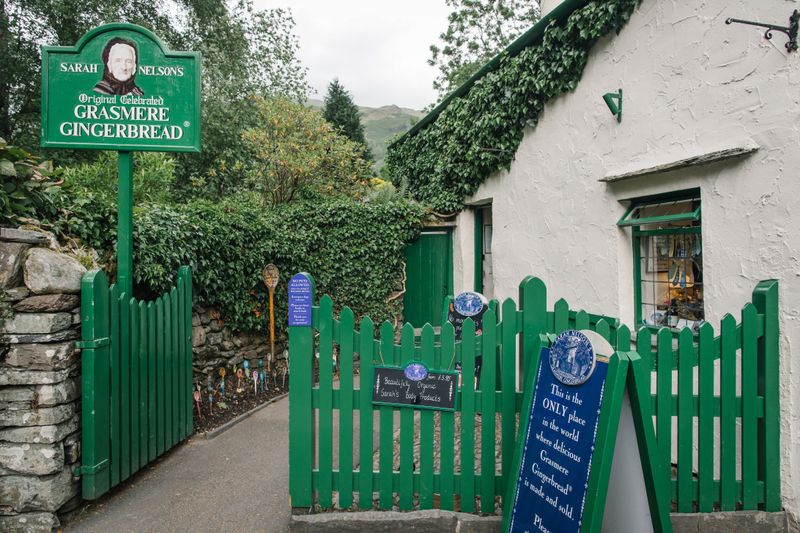
Tucked inside a tiny church cottage in the village of Grasmere, Sarah Nelson's Gingerbread Shop has been making the same secret recipe since 1854. This is not your average soft gingerbread.
Grasmere gingerbread is a unique cross between a biscuit and a cake, with a spiced, crumbly texture unlike anything else.
The recipe is so closely guarded that it is kept under lock and key. Visitors travel from all over the world just to buy a small wrapped parcel of this legendary treat.
4. Dundee Cake – Dundee, Scotland
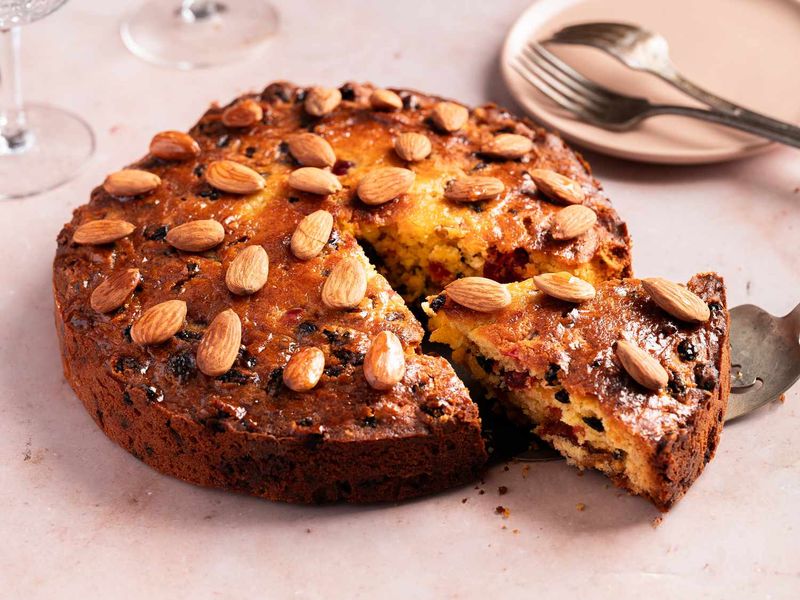
Rich, dense, and beautifully decorated with whole almonds on top, Dundee Cake is Scotland's answer to a proper fruit cake. It originated in Dundee during the 19th century, likely developed by the famous Keiller marmalade company using leftover candied peel from their production.
Unlike heavy Christmas cakes, it has a lighter texture with a citrusy warmth from the orange peel. It is traditionally served in slices alongside a strong cup of Scottish tea, making it the ideal afternoon companion on a grey Scottish day.
5. Welsh Cakes – Cardiff, Wales
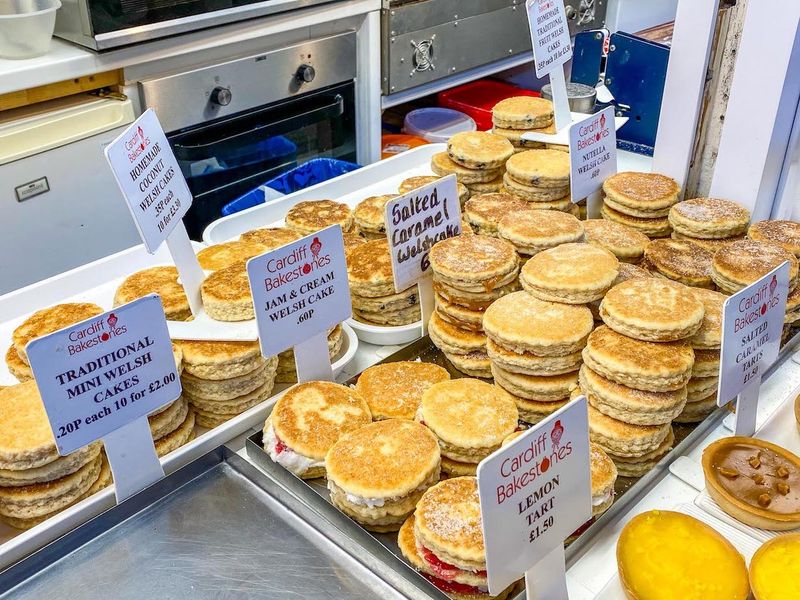
Welsh cakes are proof that simple ingredients can create something truly magical. Made from flour, butter, sugar, eggs, and dried fruit, these small griddle cakes are cooked on a flat iron pan called a bakestone.
They are crispy on the outside and soft in the middle, dusted with a little caster sugar.
Cardiff's famous Cardiff Market has been selling freshly made Welsh cakes for over a century. Eaten warm, they are absolutely irresistible.
Every Welsh family seems to have their own slightly different recipe passed down through generations.
6. Bakewell Tart – Bakewell, Derbyshire
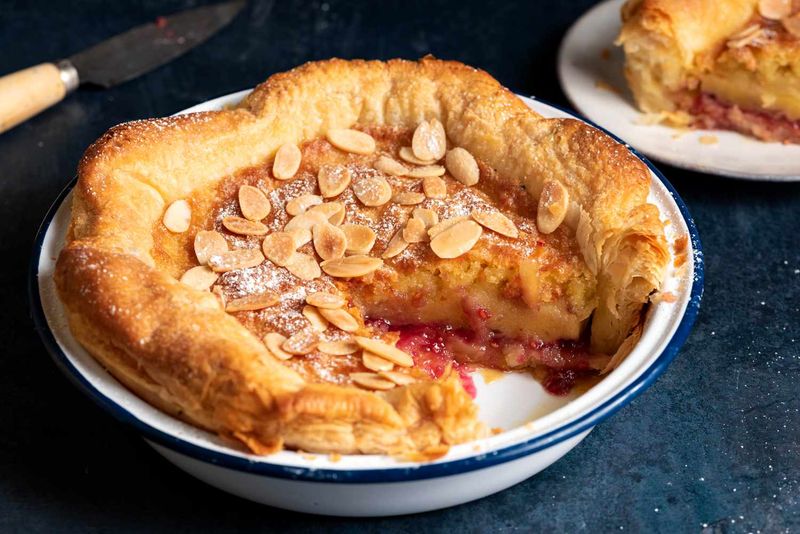
Ask anyone from Bakewell and they will quickly correct you: it is a Bakewell Pudding, not a tart. The original version, made with flaky pastry and an egg-and-almond filling over jam, was supposedly created by accident at the White Horse Inn in the 1800s.
The tart version came later and became the more popular supermarket staple. Visiting Bakewell and biting into an authentic pudding from one of the original shops is a completely different, far richer experience.
The town is essentially built around this legendary dessert.
7. Cornish Pasty – Truro, Cornwall
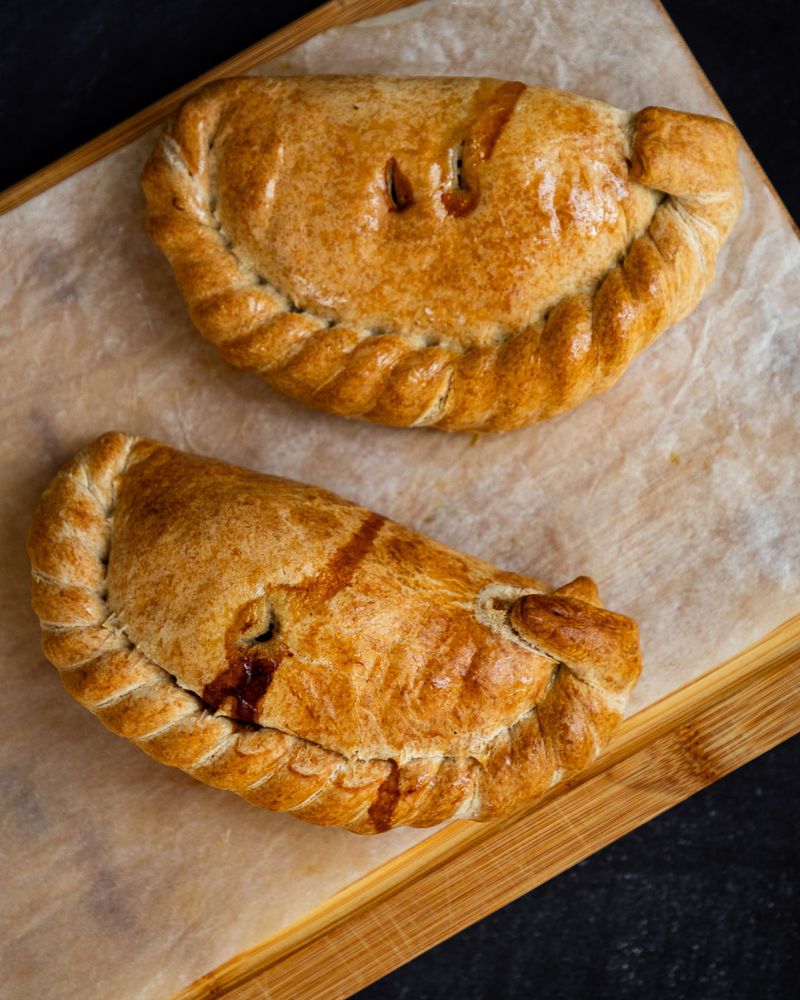
Few foods carry as much regional pride as the Cornish pasty. Originally made for tin miners who needed a hearty, portable lunch, these D-shaped pastries are filled with beef, potato, swede, and onion, crimped along the top edge.
The thick crust served as a handle that miners could hold with dirty hands and then discard.
Cornwall fought hard to earn Protected Geographical Indication status for the pasty in 2011, meaning only pasties made in Cornwall can officially carry the Cornish name. Every bite is a taste of real working-class history.
8. Yorkshire Parkin – Leeds, Yorkshire
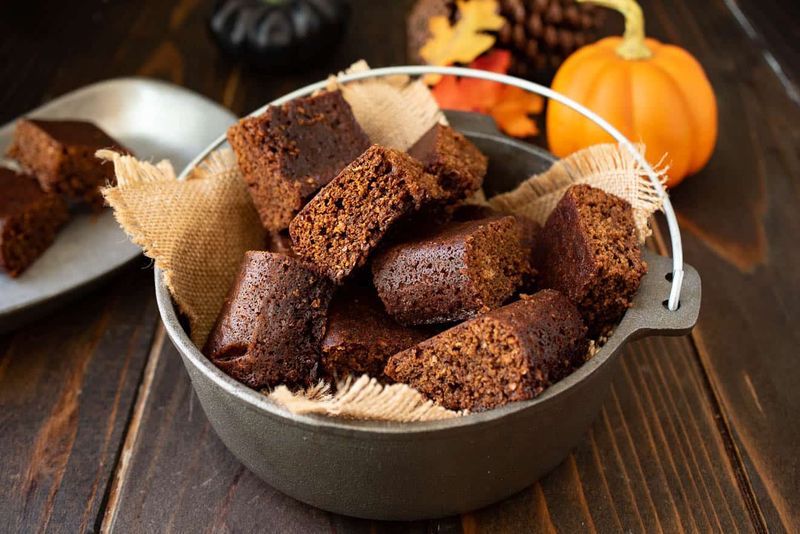
Sticky, dark, and deeply spiced with ginger and treacle, Yorkshire Parkin is the kind of cake that warms you from the inside out. Traditionally eaten on Bonfire Night in November, this oat-based cake actually gets better with age.
Most Yorkshiremen will tell you it needs at least a week in a tin before it reaches its peak stickiness.
Leeds and the surrounding Yorkshire towns have been baking Parkin for centuries. The combination of black treacle, oats, and ground ginger gives it a bold flavour that is completely unique to northern England.
9. Shortbread – Edinburgh, Scotland
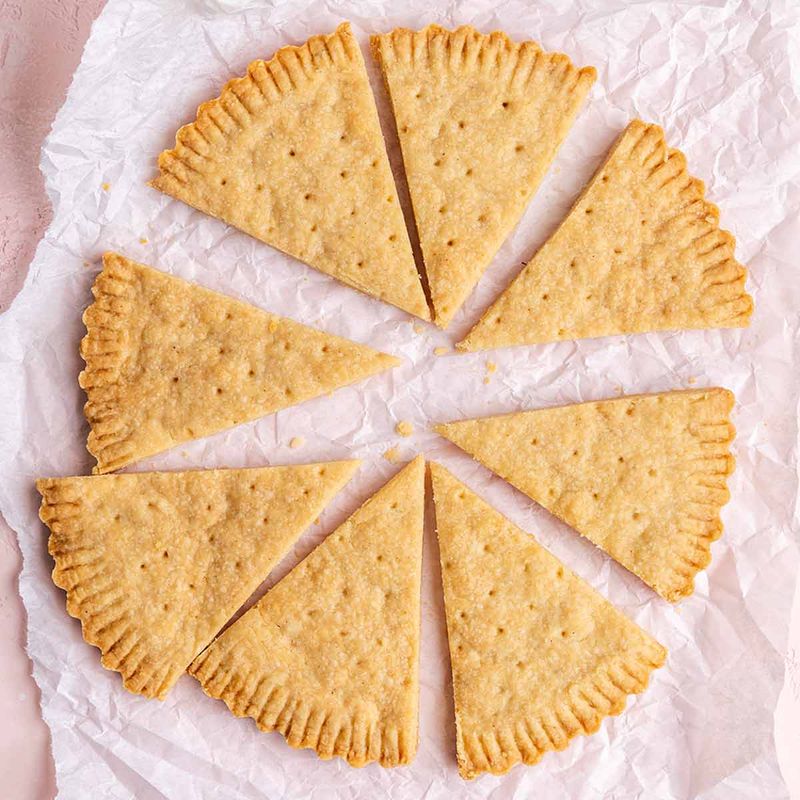
Scotland's gift to the biscuit world, shortbread is made with just three ingredients: butter, sugar, and flour. Yet somehow, when made properly in Edinburgh, it tastes like nothing else on earth.
Mary Queen of Scots is often credited with popularising shortbread in the 16th century, though the recipe has evolved over time.
Edinburgh bakeries and confectioners still produce stunning versions, often pressed into traditional moulds decorated with thistles. Buttery, crumbly, and just slightly sweet, it is dangerously easy to eat an entire tin without noticing.
10. Singing Hinnies – Newcastle, Tyne and Wear
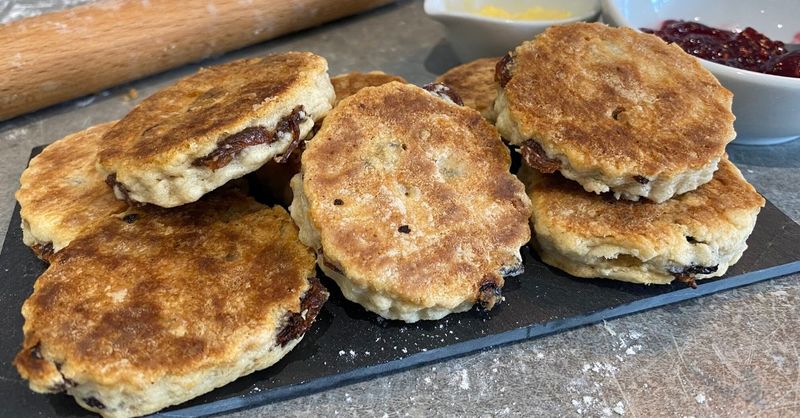
The name alone is enough to make you curious. Singing Hinnies are traditional Northumbrian griddle cakes that get their unusual name from the sizzling sound they make as they cook on the pan.
In the local Geordie dialect, "hinny" is a term of endearment, making these little cakes feel like a warm hug from Newcastle itself.
Made with flour, lard, currants, and cream, they are eaten hot with butter melting all over them. They are rare to find outside the northeast, which makes them a genuinely special local discovery.
11. Bara Brith – Aberystwyth, Wales
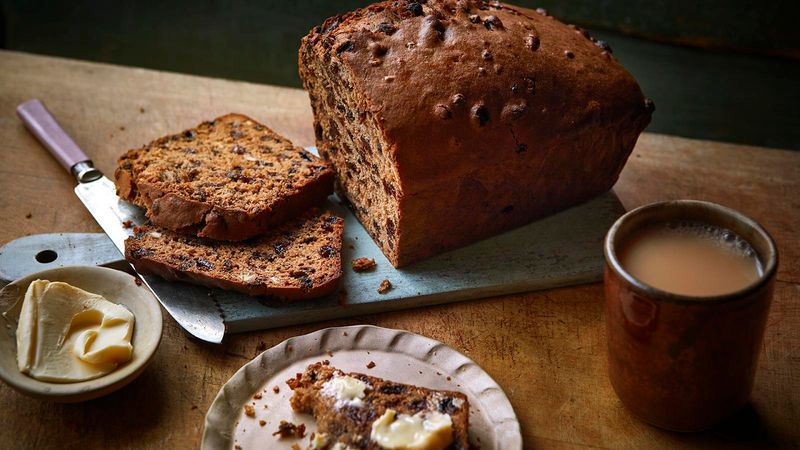
Bara Brith means "speckled bread" in Welsh, and one look at this fruit-packed loaf tells you exactly why. Dried fruit is soaked overnight in strong tea, then mixed with flour, sugar, and spices to create a deeply flavourful, moist loaf.
It is not exactly a cake and not quite a bread, but something wonderfully in between.
Aberystwyth and towns across mid-Wales are especially proud of this tradition. Served thickly sliced with salted butter, Bara Brith is a staple at Welsh tea tables and community events throughout the year.
12. Maids of Honour – Richmond, London
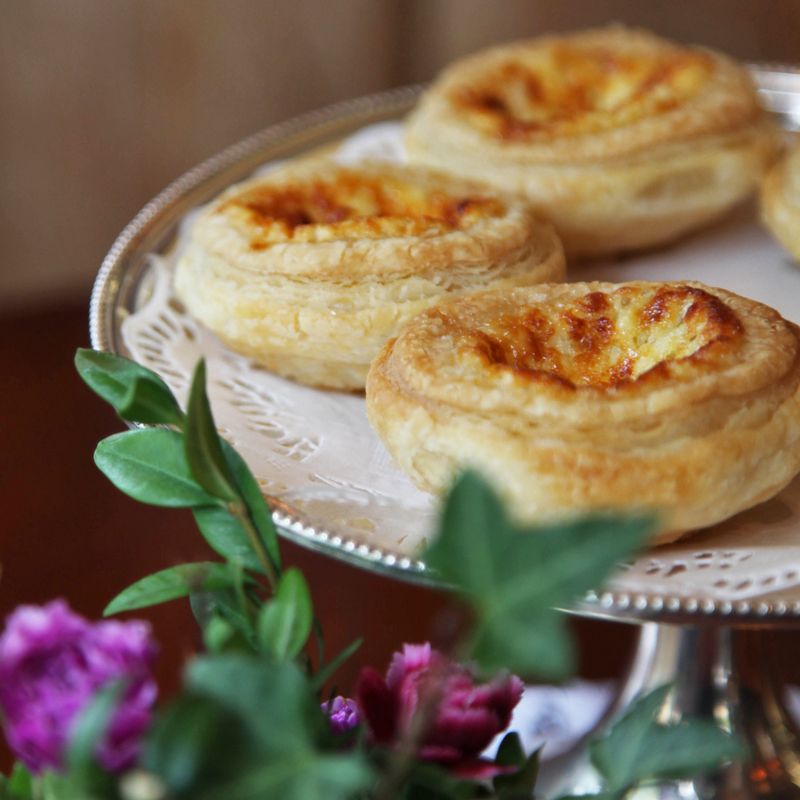
Dating back to the court of Henry VIII, Maids of Honour are small pastry tarts filled with a mixture of almond, curd cheese, and lemon. Legend has it that Henry VIII discovered the tarts being eaten by his maids of honour at Richmond Palace and loved them so much he kept the recipe secret.
The Original Maids of Honour shop in Richmond has been baking them since 1850 and still uses a closely guarded recipe. They are buttery, light, and subtly sweet, with a flavour that feels genuinely historic.
13. Coventry Godcakes – Coventry
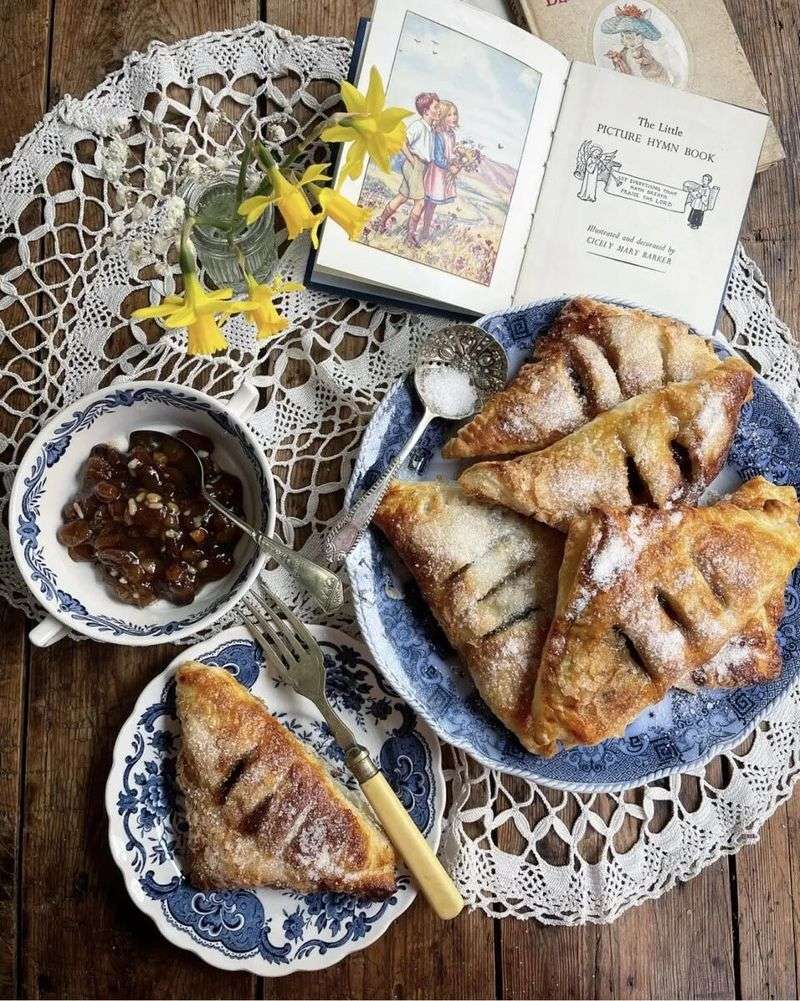
Shaped like a triangle to represent the Holy Trinity, Coventry Godcakes have a history stretching back to medieval times. These puff pastry treats are filled with mincemeat and glazed with a sweet icing, traditionally given by godparents to their godchildren on New Year's Day as a blessing for the year ahead.
The larger the cake, the wealthier the godparent. While they nearly disappeared entirely, local bakers in Coventry have worked hard to revive this charming tradition.
Finding one today feels like holding a piece of genuine medieval history in your hands.
14. Fat Rascals – York, Yorkshire
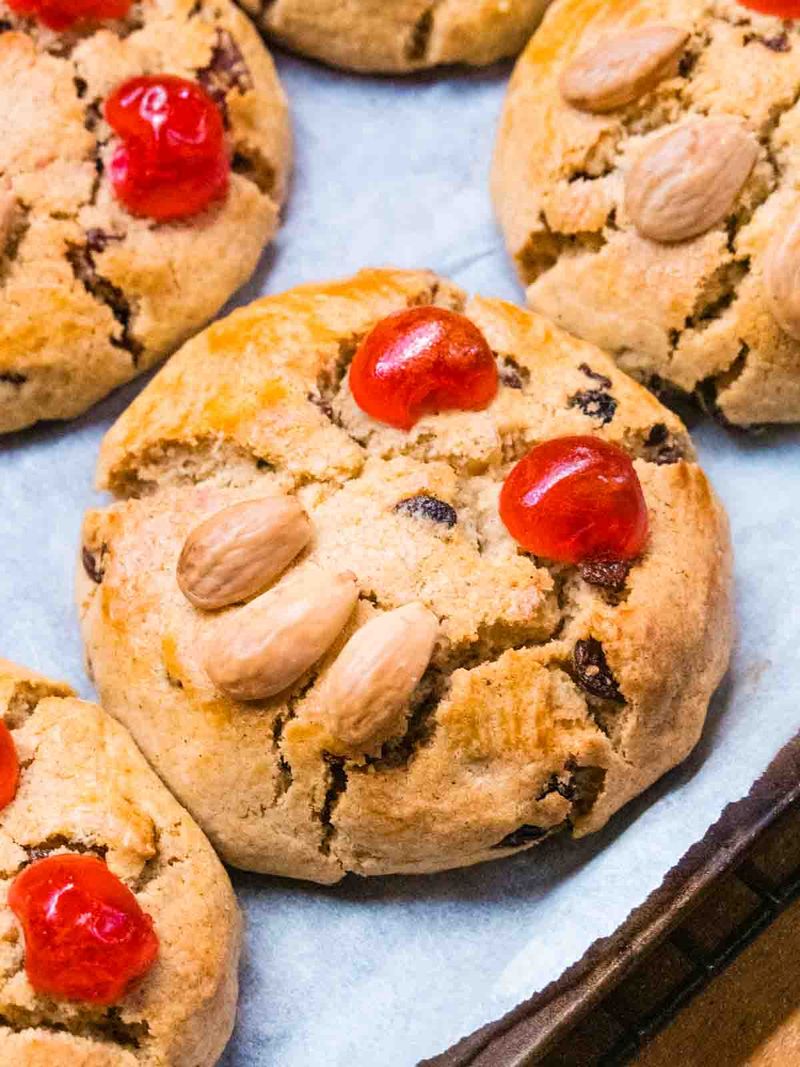
Fat Rascals are gloriously chunky, fruit-studded scone-like cakes that have been made in York for well over 150 years. Bettys Tea Rooms, York's iconic cafe, has become the most famous home of the Fat Rascal, decorating each one with two cherry eyes and almond teeth to give them a cheeky little face.
Made with flour, butter, dried fruit, and a hint of spice, they are best eaten slightly warm with a generous spread of clotted cream. One Fat Rascal is honestly more than enough for most people, but somehow a second always seems tempting.
15. Forfar Bridie – Forfar, Scotland
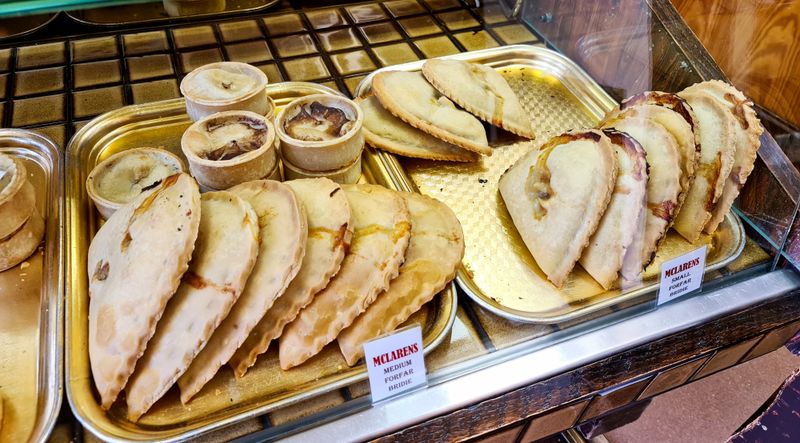
Think of the Forfar Bridie as Scotland's answer to the Cornish pasty, but with its own proud and distinct identity. Made from shortcrust pastry filled with minced beef and onion, it is folded into a horseshoe shape and baked until golden.
Unlike pasties, there are no vegetables inside, just pure, simple, deeply satisfying meat filling.
The town of Forfar in Angus has been producing these since the 1800s, with local butchers each claiming the best recipe. They are portable, filling, and a genuine piece of Scottish culinary pride.
Comments
No Comments