








Britain is packed with towns that take serious pride in their local grub. From crumbly pastries to tangy cheeses, many UK towns have become legends thanks to one special dish or ingredient.
These foods often have histories stretching back hundreds of years, shaped by local farmers, bakers, and butchers who passed down their recipes. Get ready to explore 15 incredible traditional foods tied to the towns that made them famous.
1. Melton Mowbray Pork Pie – Melton Mowbray, Leicestershire
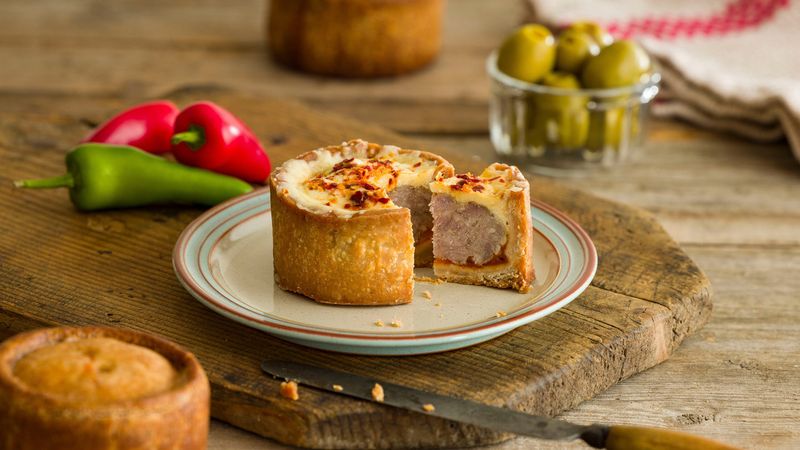
Cracking open a Melton Mowbray pork pie reveals something truly special inside. Unlike ordinary pork pies, the meat inside is made from uncured pork, giving it a naturally pink, juicy look.
The pastry is hand-raised, meaning it is shaped entirely by hand without a tin.
This pie has been made in the Leicestershire town since the 18th century. It even holds Protected Geographical Indication status, meaning only pies made in the area can carry that famous name.
2. Cornish Pasty – Cornwall
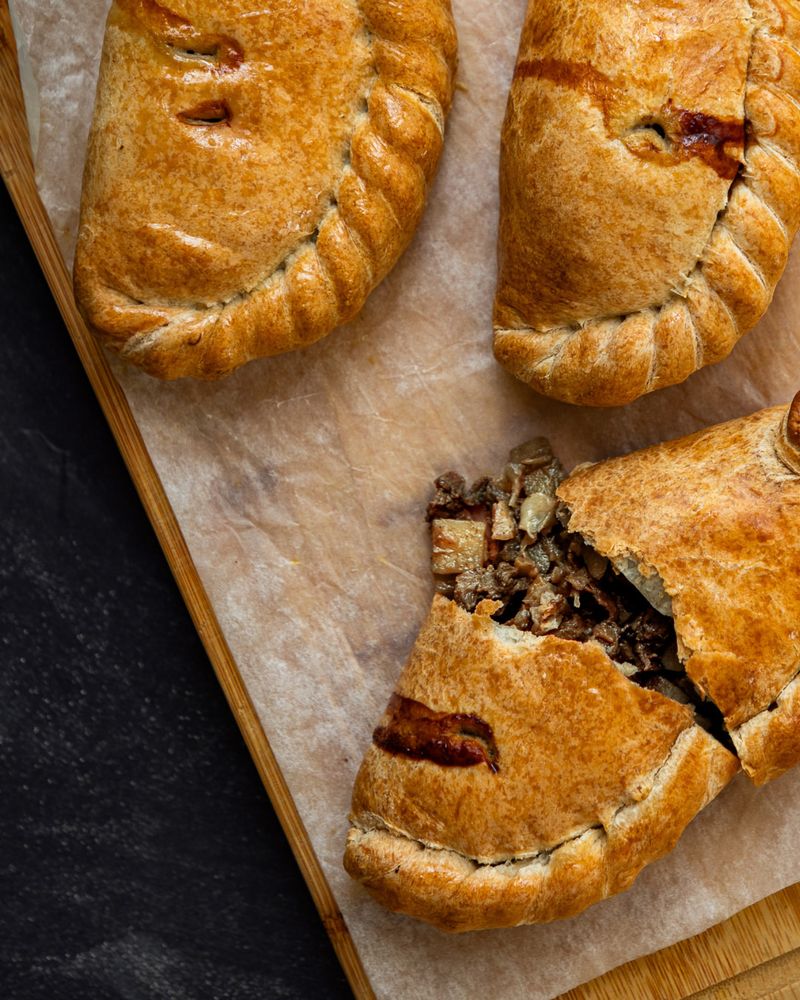
Miners once carried these D-shaped parcels underground as their lunch, holding the thick crimped edge with dirty hands before tossing it away. That crusty edge was never meant to be eaten.
The Cornish pasty is stuffed with beef, potato, swede, and onion, all seasoned simply.
Cornwall fought hard to earn Protected Geographical Indication status for this beloved pastry in 2011. Today, bakeries across the county still follow the traditional recipe with fierce local pride.
3. Stilton Cheese – Stilton, Cambridgeshire
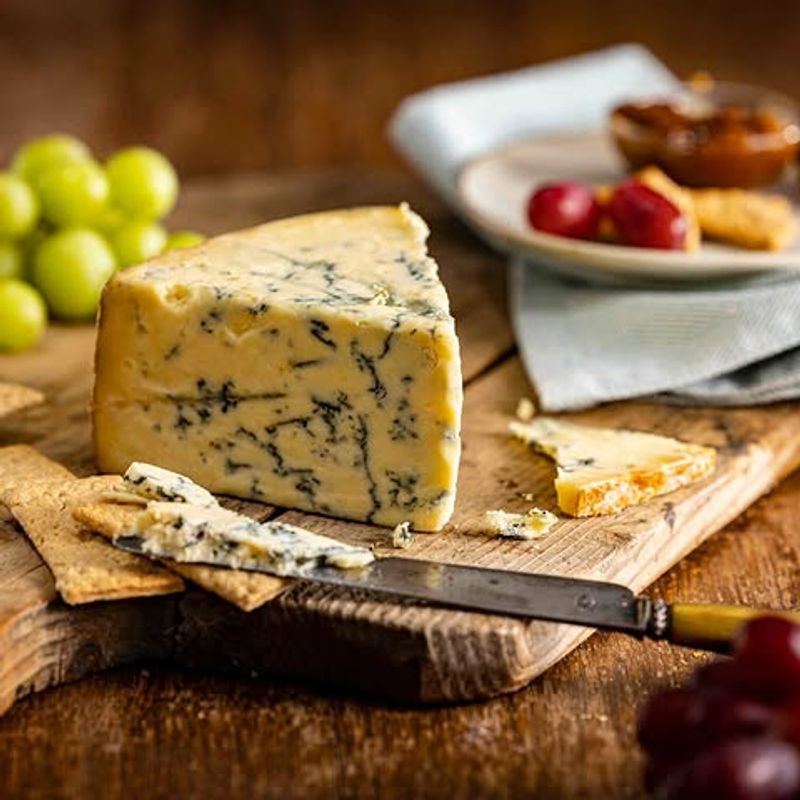
Here is a fun twist: Stilton cheese cannot actually be made in the village of Stilton itself. The name comes from the Bell Inn in Stilton, where a local trader sold the cheese to travellers in the 1700s.
The cheese is actually produced in Leicestershire, Nottinghamshire, and Derbyshire.
Its bold, creamy, blue-veined flavour makes it a classic on every Christmas cheeseboard. With Protected Designation of Origin status, the recipe and production method are strictly controlled.
4. Bakewell Pudding – Bakewell, Derbyshire
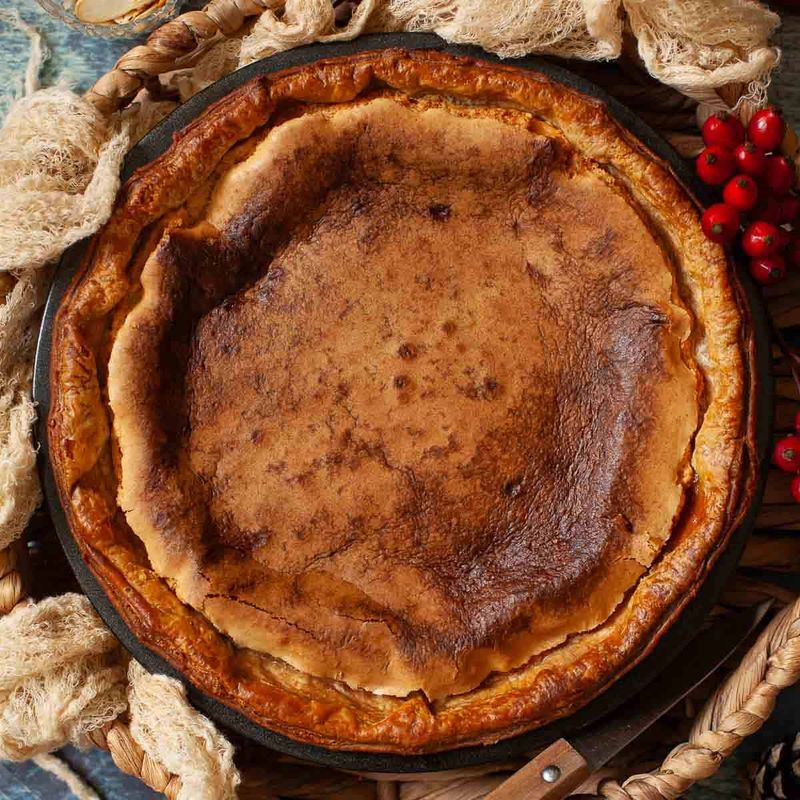
Forget the Bakewell tart you find in supermarkets. The original Bakewell pudding is something entirely different, and the town of Bakewell insists you know it.
Legend says it was created by accident in the 1800s when a cook at the White Horse Inn misread a recipe.
The result was a flaky pastry case filled with a rich egg-and-almond mixture. Two shops in Bakewell still claim to hold the original secret recipe, and both are worth visiting.
5. Yorkshire Pudding – Yorkshire
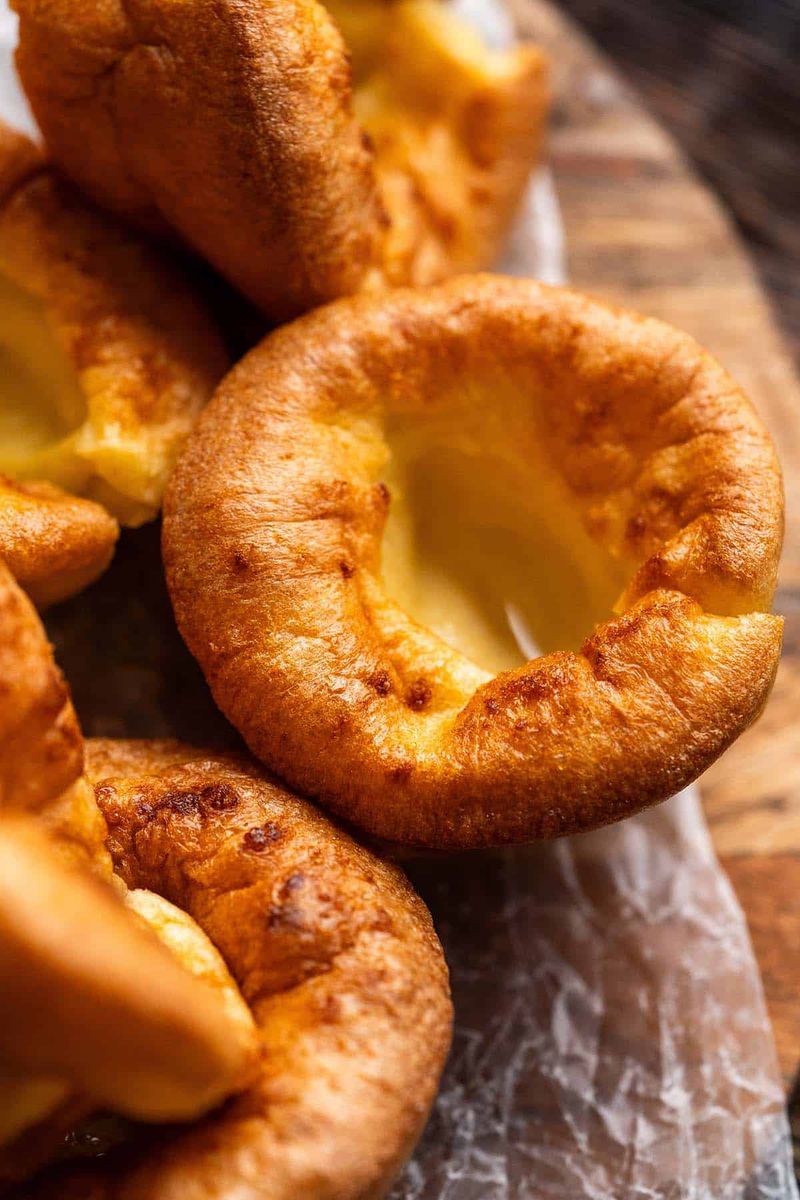
Nobody does a Sunday roast quite like Yorkshire, and the pudding that carries its name is the star of the plate. Light, crispy on the outside, and soft inside, a proper Yorkshire pudding is made from a simple batter of eggs, flour, and milk cooked in sizzling hot fat.
The recipe dates back to 1737, first appearing in a cookery book called The Whole Duty of a Woman. Yorkshire people take enormous pride in getting the perfect rise every single time.
6. Arbroath Smokie – Arbroath, Scotland
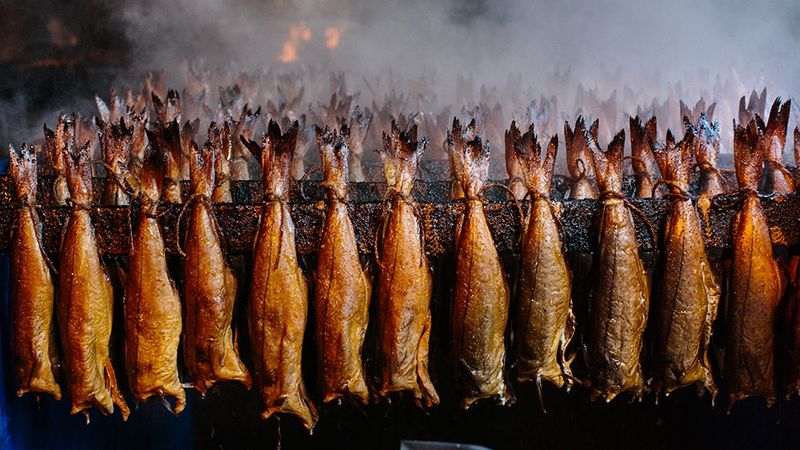
Walking through Arbroath harbour, you might catch the incredible smoky smell drifting from the barrels where haddock are being prepared. Arbroath smokies are whole haddock, cleaned and salted, then hot-smoked over hardwood in traditional pits covered with hessian sacks.
This method has been used since the 1800s, originally in the nearby village of Auchmithie. The smokie earned Protected Geographical Indication status in 2004, ensuring only fish smoked near Arbroath can carry the name.
7. Eccles Cake – Eccles, Greater Manchester
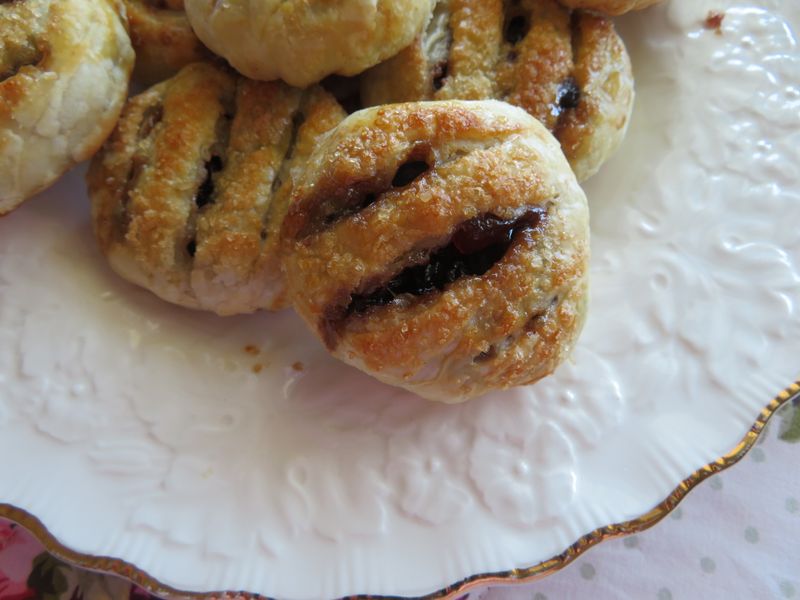
Small, round, and packed with sticky currants, the Eccles cake is a pastry that punches well above its weight in flavour. First sold commercially by James Birch in Eccles back in 1793, these little treats quickly spread across the country.
The pastry is buttery and flaky, surrounding a sweet filling of currants, butter, and spices like mixed peel and nutmeg. They are best enjoyed warm, and locals often pair them with a strong cup of Lancashire cheese on the side.
8. Bath Oliver Biscuit – Bath, Somerset
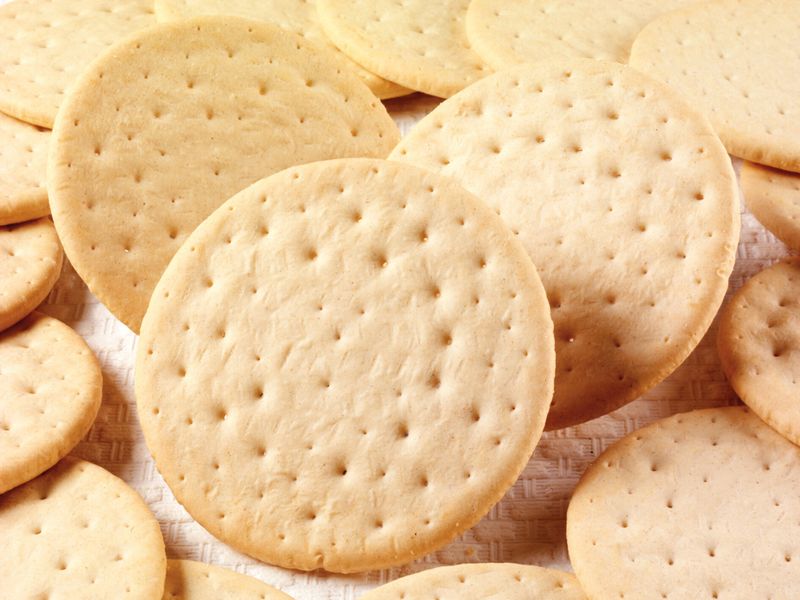
Crisp, dry, and slightly bland on their own, Bath Olivers were never meant to be eaten alone. These thin, unsweetened biscuits were invented by Dr William Oliver of Bath in the 18th century as a healthier alternative to richer foods for his patients taking spa treatments.
When paired with good cheese or pate, they truly shine. The doctor left the recipe to his coachman, who made a fortune selling them.
Today they remain a sophisticated cracker beloved by cheese lovers.
9. Gloucester Old Spot Pork – Gloucestershire
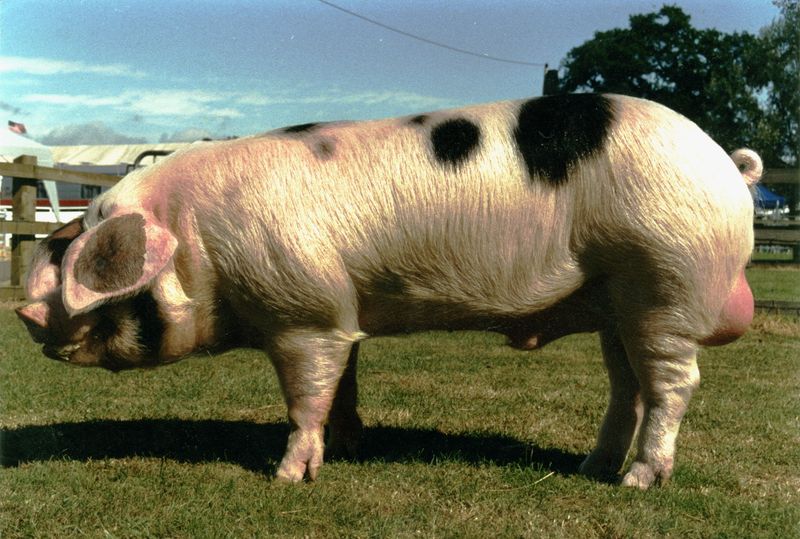
Gloucester Old Spot pigs are one of Britain's oldest and most charming native breeds, known for their black spots and friendly personalities. The meat they produce is rich, well-marbled, and full of flavour compared to modern commercial pork.
Farmers in Gloucestershire have raised this breed for centuries, traditionally feeding them on orchard windfalls and dairy by-products. The breed nearly disappeared in the 20th century but passionate farmers brought it back.
Today it is celebrated as a true taste of rural England.
10. Whitby Kippers – Whitby, North Yorkshire
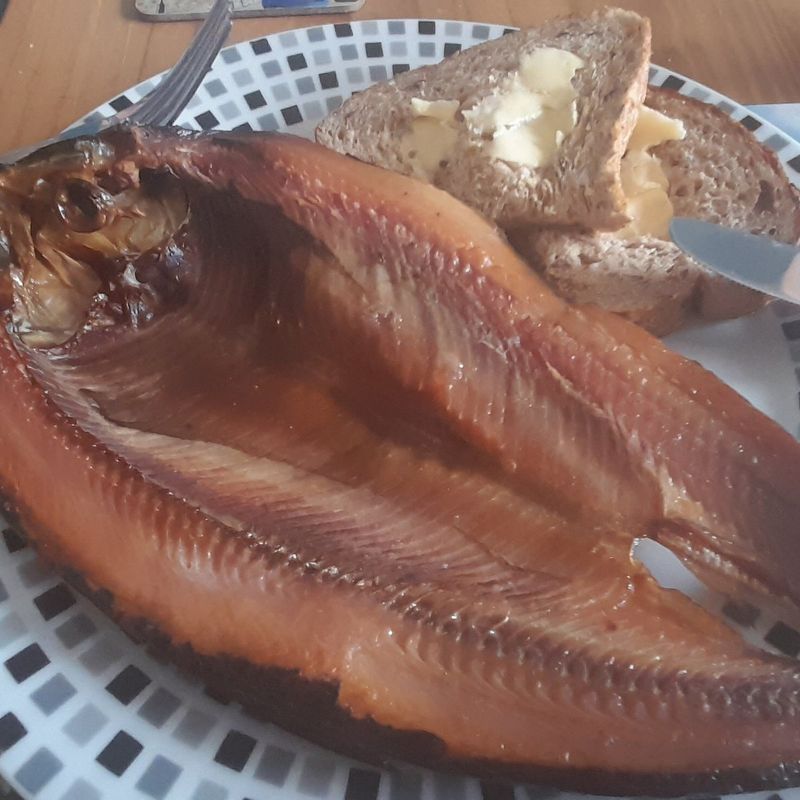
Whitby has been a fishing port for centuries, and the kipper is one of its most iconic products. A kipper is a herring that has been split open, salted, and cold-smoked over oak chips, giving it that deep golden colour and intensely savoury taste.
The town became famous for kippers in the 1800s when smokehouse businesses thrived along its harbour. Grilled and served with butter on toast, Whitby kippers are still a breakfast tradition that many visitors make a special trip for.
11. Dundee Cake – Dundee, Scotland
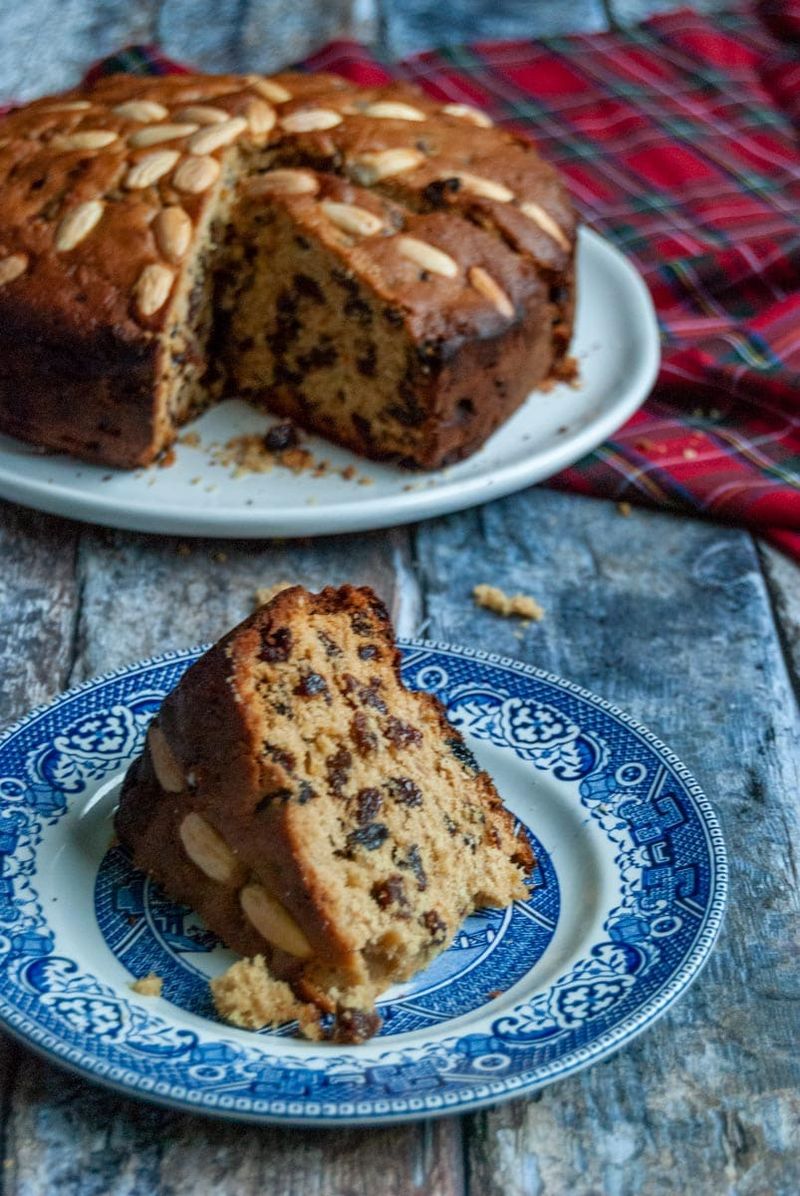
Rich with dried fruits, orange peel, and whisky, the Dundee cake is Scotland's answer to the classic fruit cake, but lighter and far more elegant. Its most recognisable feature is the beautiful pattern of whole blanched almonds arranged in circles on top.
The cake is believed to have been created by the Keiller marmalade company in Dundee during the 19th century. It became a symbol of Scottish baking excellence and is still baked in homes and bakeries across Scotland today.
12. Coventry Godcakes – Coventry, West Midlands
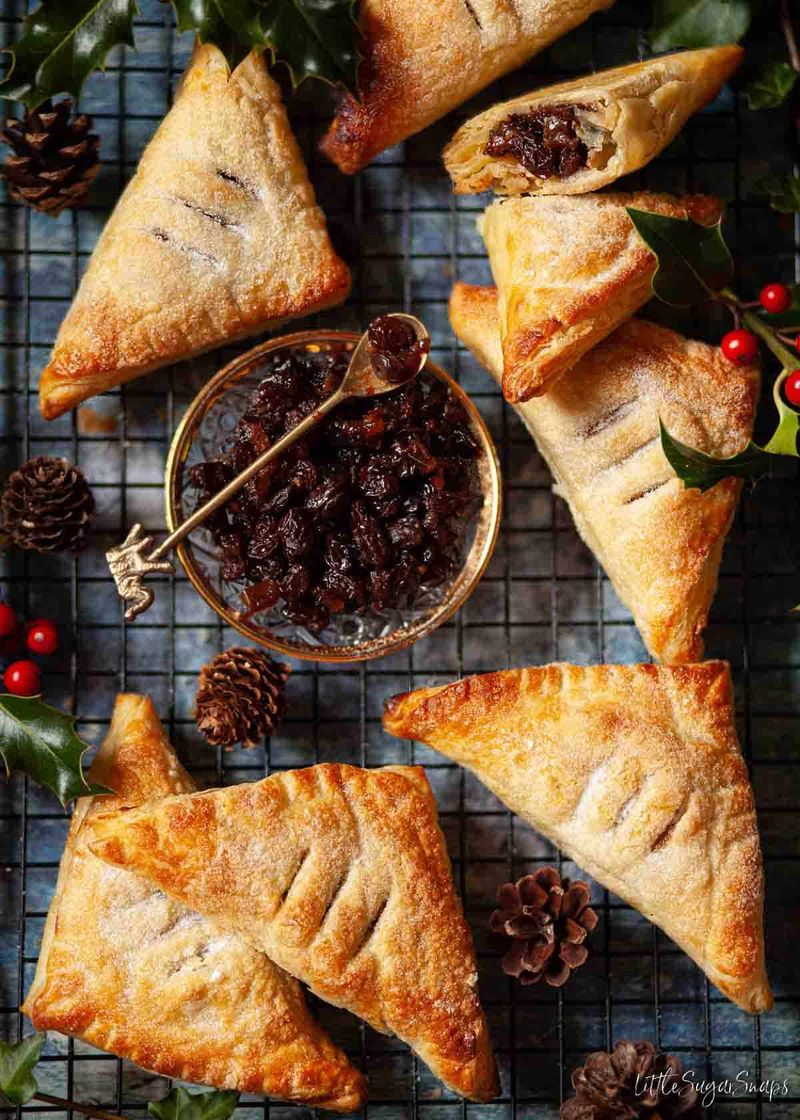
Not many people outside the Midlands have heard of Coventry Godcakes, which makes them even more fascinating. These triangular pastries were traditionally given by godparents to their godchildren on New Year's Day as a blessing gift, which is where the name comes from.
Filled with mincemeat and made from flaky puff pastry, they are similar to mince pies but shaped into a three-cornered triangle. The tradition dates back to medieval times, and local bakeries in Coventry have recently started reviving this forgotten treat.
13. Grasmere Gingerbread – Grasmere, Cumbria
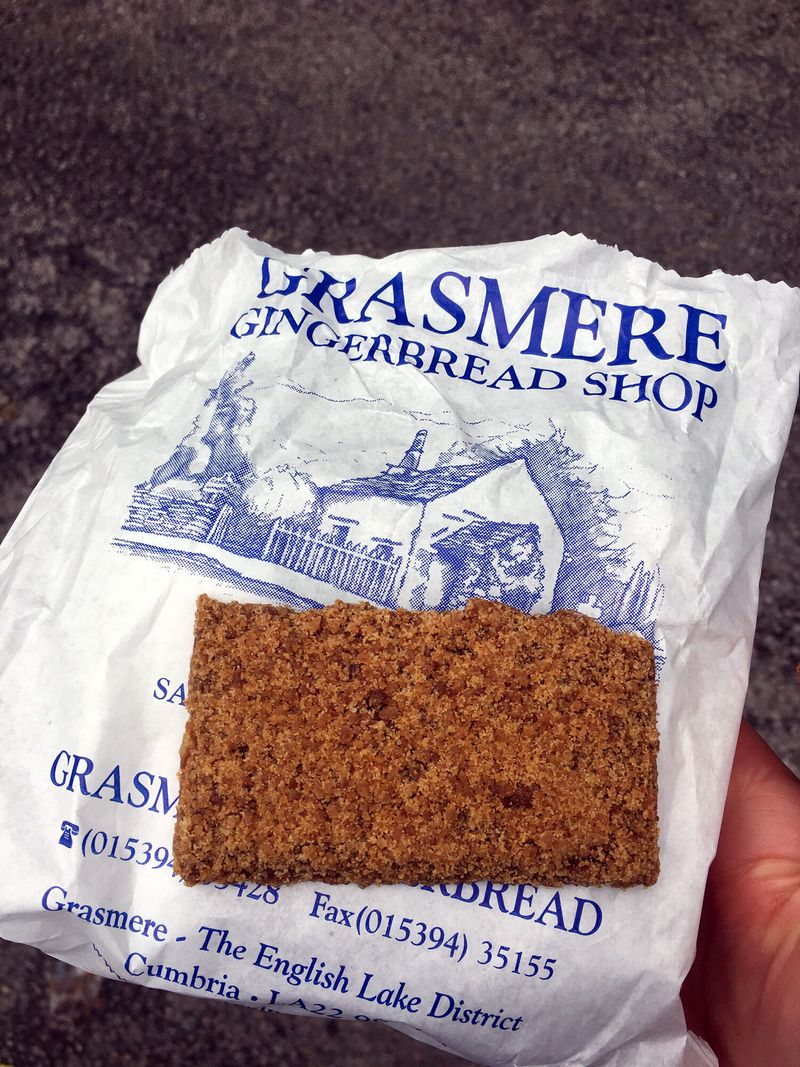
One tiny shop in the village of Grasmere has been selling the same gingerbread recipe since 1854, and the secret has never been shared publicly. Sarah Nelson created this uniquely crumbly, spiced treat that sits somewhere between a biscuit and a soft gingerbread cake.
The shop still wraps each piece in traditional waxed paper and sells out daily during tourist season. Visitors travel to the Lake District specifically to taste it.
There is simply nothing else quite like it anywhere in Britain.
14. Wensleydale Cheese – Hawes, North Yorkshire
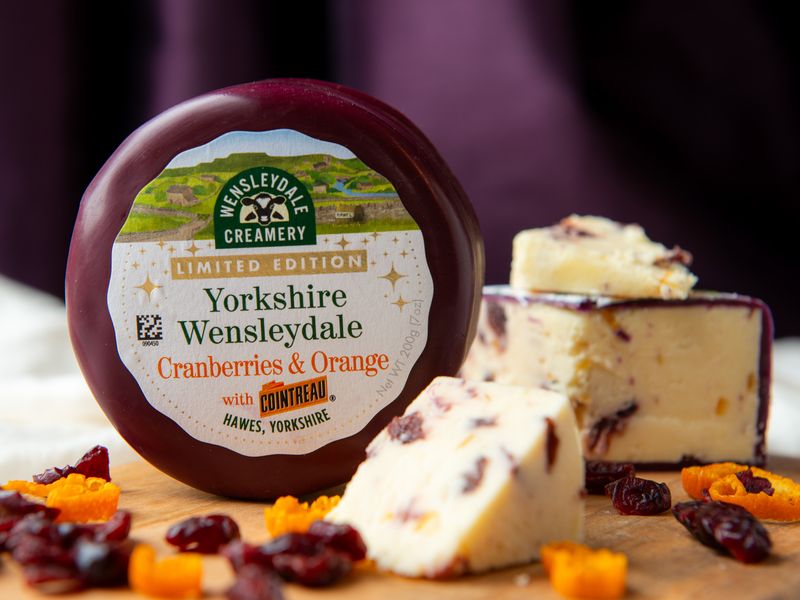
Wallace and Gromit made this cheese world-famous, but Wensleydale had already been delighting food lovers for centuries before a cartoon dog got involved. Made in the Yorkshire Dales town of Hawes, this white, crumbly cheese has a mild, honey-like sweetness that sets it apart from other British cheeses.
French monks originally brought the recipe to the area in the 12th century. The Wensleydale Creamery in Hawes nearly closed in 1992 but was saved by local workers who bought it and kept the tradition alive.
15. Jellied Eels – London's East End
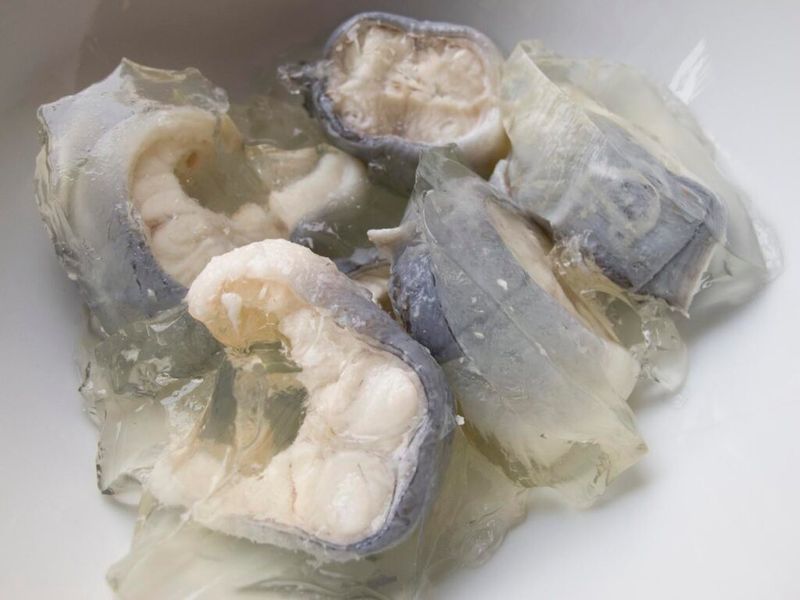
Jellied eels might not sound appealing, but for generations of East Londoners, they were everyday street food sold from stalls and tiny pie-and-mash shops across the city. River eels were once so plentiful in the Thames that they became a cheap, nutritious staple for working-class families.
The eels are boiled in spiced stock that sets into a natural jelly when cooled. Some East End shops have been serving them since the Victorian era, keeping a culinary tradition alive that most of the world has never tried.
Comments
No Comments