













Europe is a continent packed with incredible food traditions, and salads are no exception. From creamy potato dishes in Germany to bright, herb-filled bowls in Greece, every country has its own unique take on what a salad can be.
These recipes have been passed down through generations and tell a story about the culture and ingredients of each region. Get ready to explore 25 traditional European salads that might just inspire your next meal.
1. Greek Horiatiki (Village Salad)
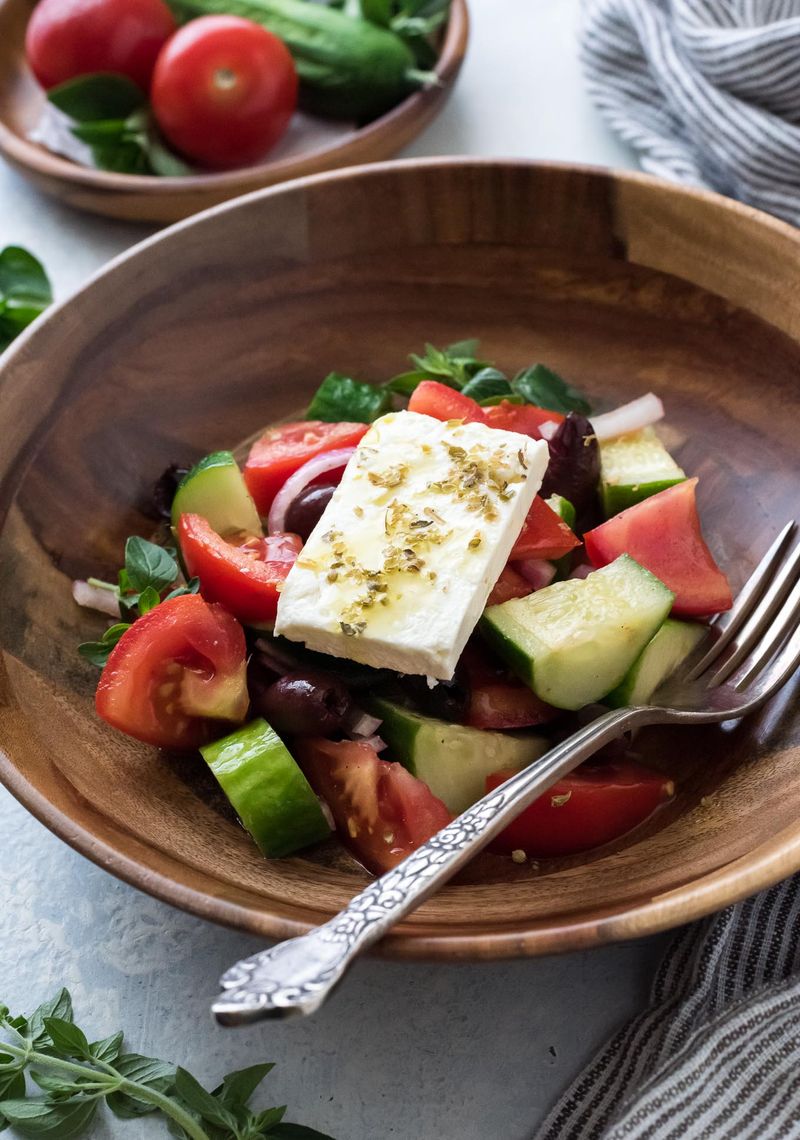
Few salads in the world are as iconic as Greece's Horiatiki. Chunky tomatoes, crisp cucumbers, red onion, green olives, and a generous slab of feta cheese come together with a splash of good olive oil.
No lettuce here — just bold, honest ingredients.
Traditionally eaten in Greek villages during summer, this salad celebrates simplicity. The salty feta perfectly balances the sweetness of ripe tomatoes, making every bite satisfying.
A sprinkle of dried oregano is the finishing touch that ties it all together.
2. French Niçoise Salad
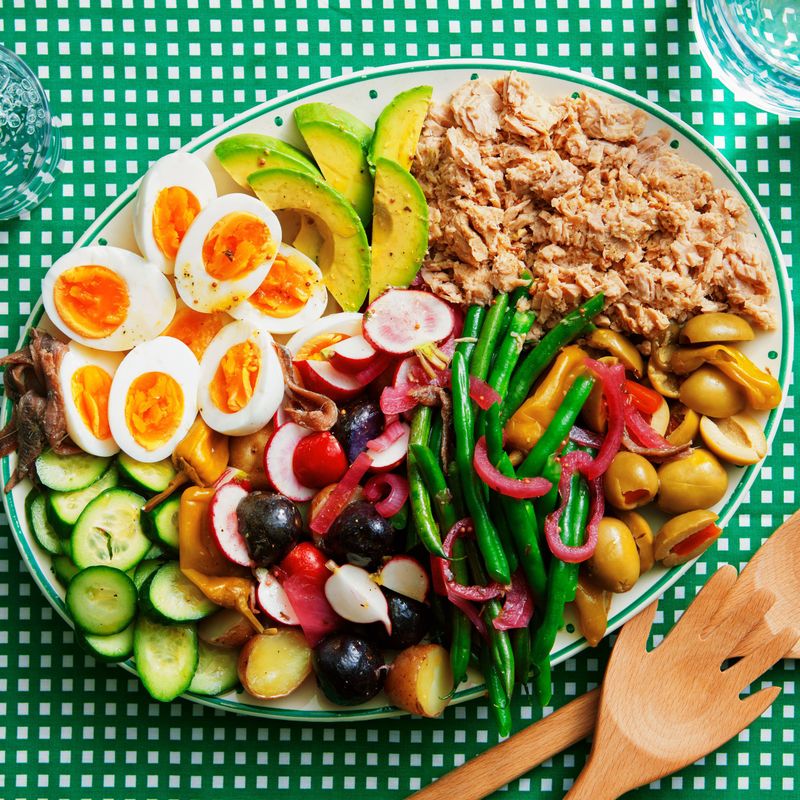
Born in the sunny city of Nice in southern France, this salad is a meal all on its own. Tuna, hard-boiled eggs, green beans, anchovies, tomatoes, and black olives are arranged beautifully on a platter and dressed with a tangy vinaigrette.
What makes Niçoise special is its balance — salty, creamy, crunchy, and fresh all at once. French chefs argue passionately about whether potatoes belong in the authentic version.
Wherever you stand on that debate, the result is always delicious.
3. Russian Olivier Salad
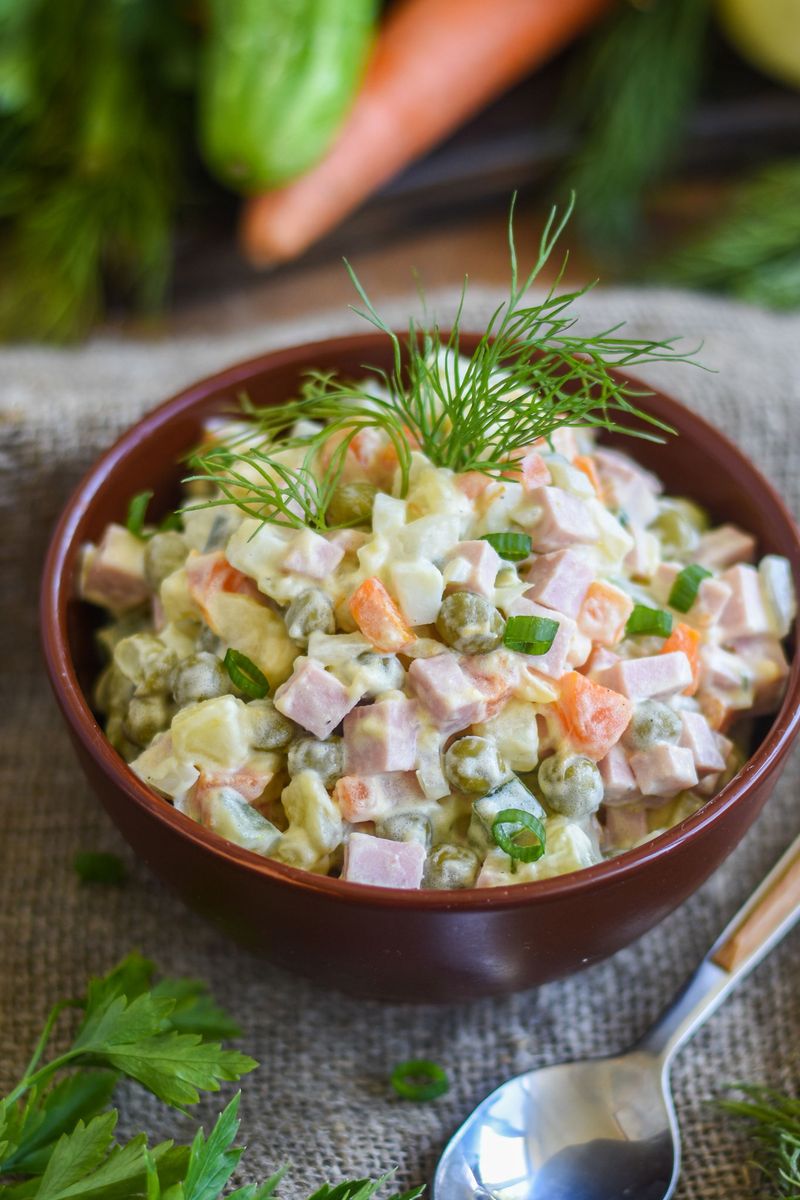
Walk into almost any Russian home during New Year's celebrations and you will find Olivier salad on the table. Diced potatoes, carrots, pickles, boiled eggs, peas, and bologna sausage are mixed together with a generous amount of mayonnaise.
Originally invented by Belgian chef Lucien Olivier in 19th-century Moscow, the recipe has evolved over decades. Today, it is considered a symbol of Russian comfort food.
Rich, filling, and deeply nostalgic, it brings families together every holiday season without fail.
4. Spanish Ensaladilla Rusa
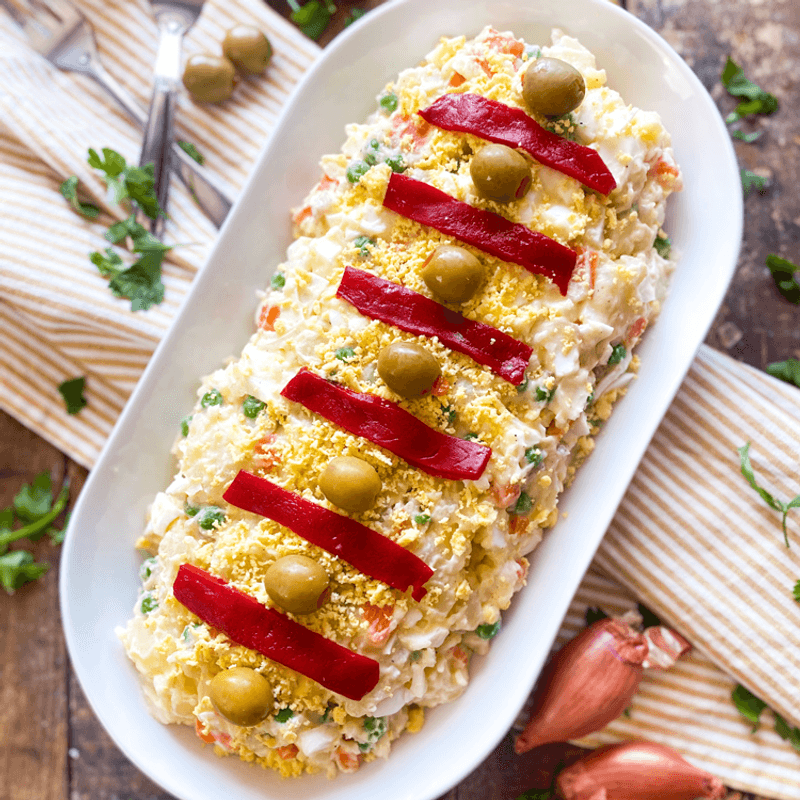
Spain put its own spin on the classic potato salad and created something truly addictive. Ensaladilla Rusa features boiled potatoes, carrots, peas, tuna, and roasted red peppers, all bound together with thick, homemade-style mayonnaise.
You will find this dish in almost every tapas bar across the country, served on a small plate as a starter. The Spanish version tends to be creamier and heartier than its Russian cousin.
Topped with sliced olives, it looks as good as it tastes.
5. Italian Panzanella
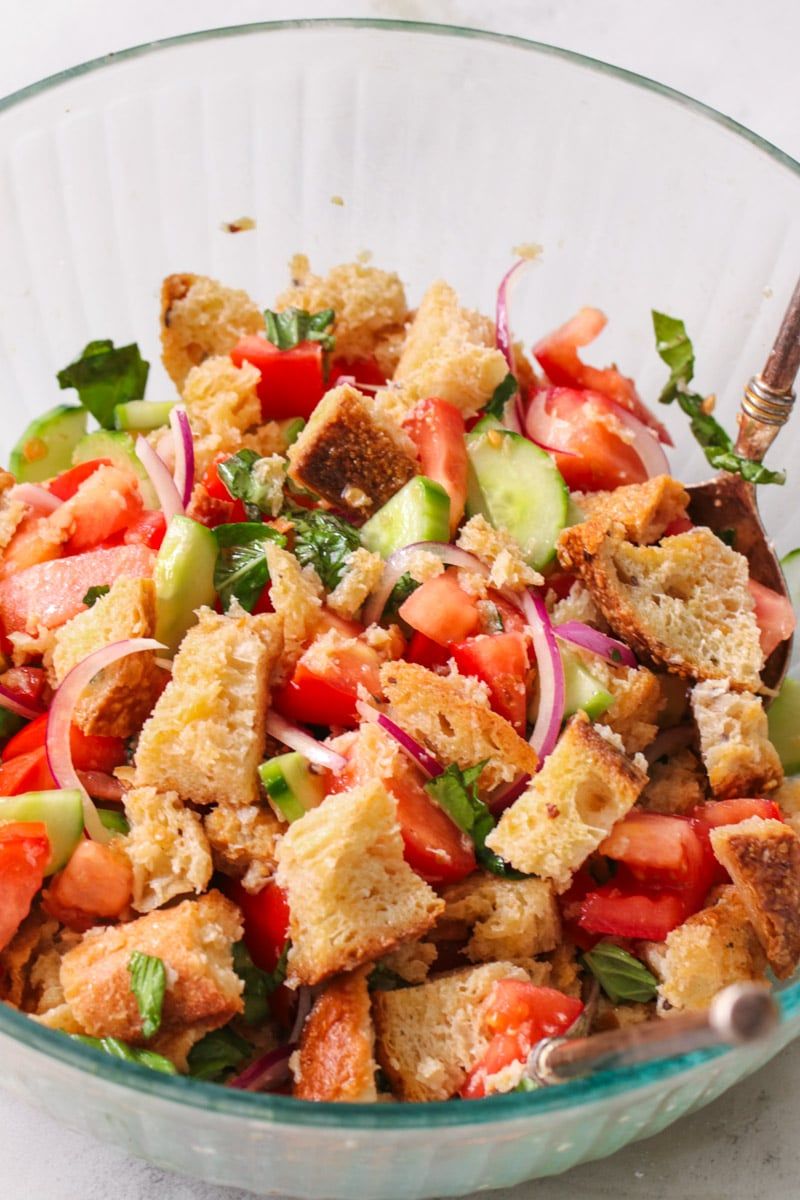
Panzanella is what happens when Italian cooks refuse to waste a single thing. Stale bread is soaked in ripe tomato juice, then tossed with fresh tomatoes, cucumber, red onion, and handfuls of fragrant basil.
A drizzle of olive oil and a splash of red wine vinegar seal the deal.
This Tuscan classic is best made in summer when tomatoes are at their peak sweetness. The bread soaks up all those wonderful juices and becomes the star of the dish rather than just a side.
6. German Kartoffelsalat (Potato Salad)
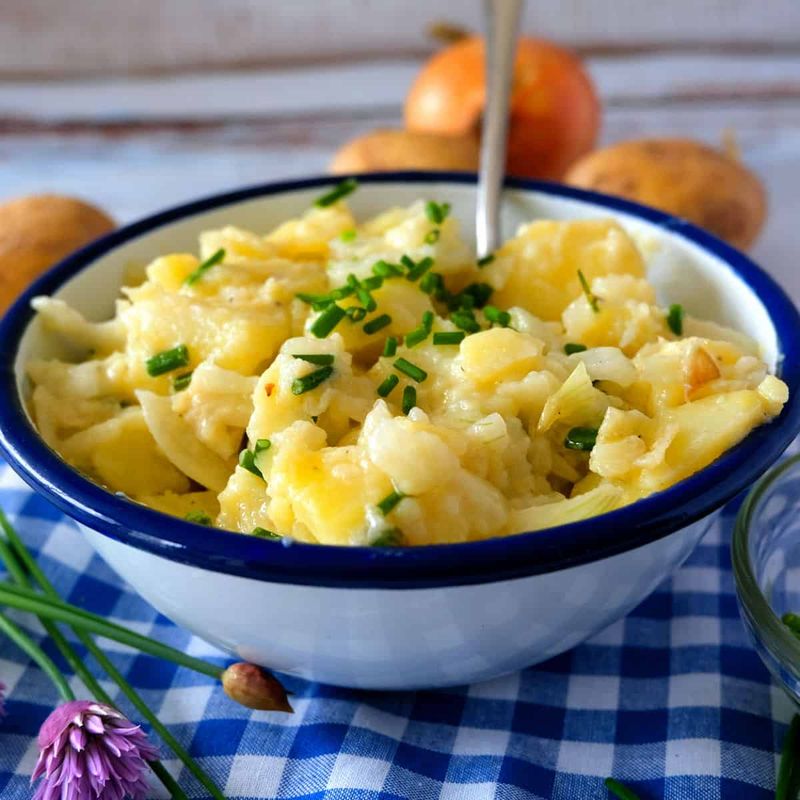
Germany takes potato salad very seriously, and rightfully so. Kartoffelsalat varies by region — in the south, it is dressed with a tangy vinegar and mustard broth with onions and bacon, while in the north, a creamy mayonnaise version is more popular.
The vinegar-based Swabian style is particularly beloved because it lets the potato flavor shine through. Served warm or at room temperature, it is a staple at barbecues, family gatherings, and Christmas markets.
Simple ingredients, but the result is deeply satisfying and comforting.
7. Polish Mizeria (Cucumber Salad)
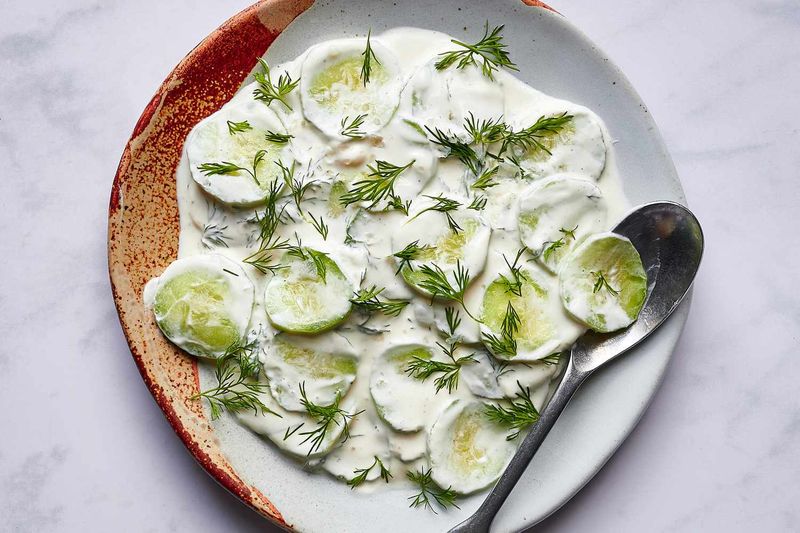
Despite its melancholy-sounding name — mizeria means misery in Polish — this salad is anything but sad. Thinly sliced fresh cucumbers are mixed with tangy sour cream, a pinch of sugar, fresh dill, and a squeeze of lemon or vinegar.
Legend says the dish got its name from a homesick Italian queen who missed Mediterranean food after marrying into Polish royalty. Whether the story is true or not, Mizeria has been a beloved side dish in Poland for centuries.
Cool, creamy, and refreshing, it pairs beautifully with meat dishes.
8. Turkish Shepherd's Salad (Çoban Salatası)
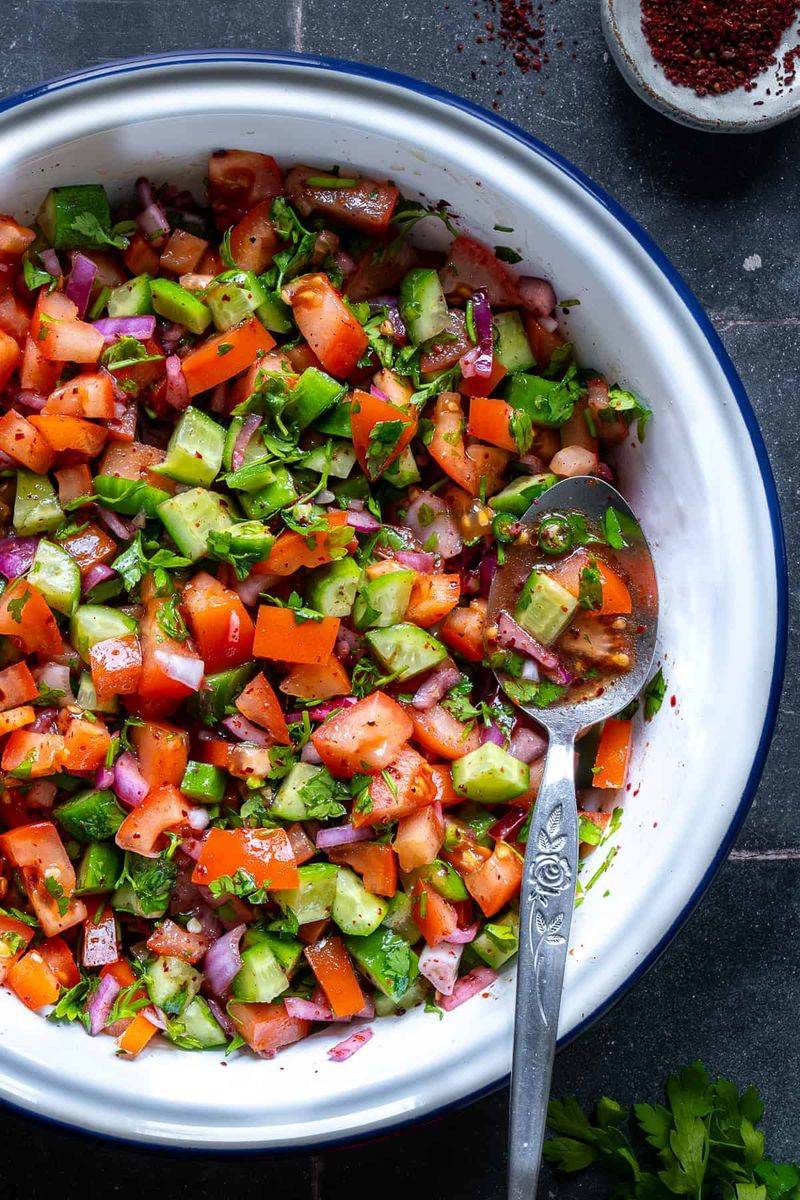
Crisp, colorful, and wonderfully fresh, Turkish Shepherd's Salad is a celebration of simple vegetables at their best. Everything is diced small — tomatoes, cucumbers, green peppers, red onion, and flat-leaf parsley — then dressed with lemon juice and olive oil.
A dusting of sumac adds a beautiful purple color and a tart, fruity flavor that sets this salad apart. Found across Turkey and neighboring countries, it is served alongside grilled meats, kebabs, and rice dishes.
Every bite feels light and energizing.
9. Romanian Salată de Boeuf
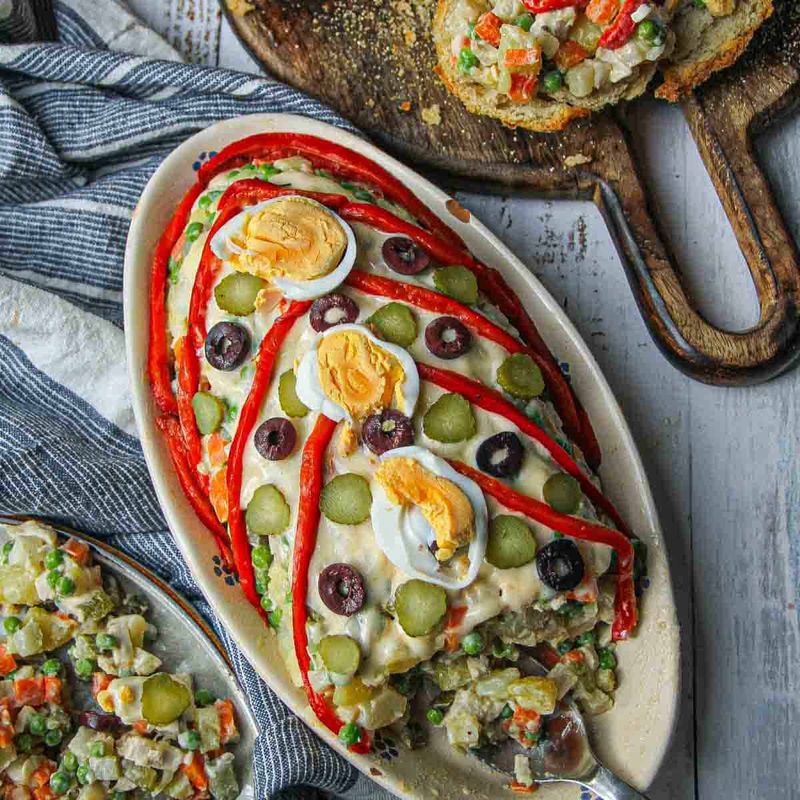
Salată de Boeuf is Romania's crown jewel of celebration food. Made with boiled beef, root vegetables, pickles, and peas all bound in mayonnaise, it is carefully shaped into a dome and decorated with olives and egg slices for special occasions.
Despite its name meaning beef salad, some families swap the meat for chicken or even leave it out entirely. No Romanian Christmas or Easter table is complete without it.
The effort that goes into making and decorating it shows just how much this dish is loved and treasured.
10. Swedish Smörgåsbord Herring Salad
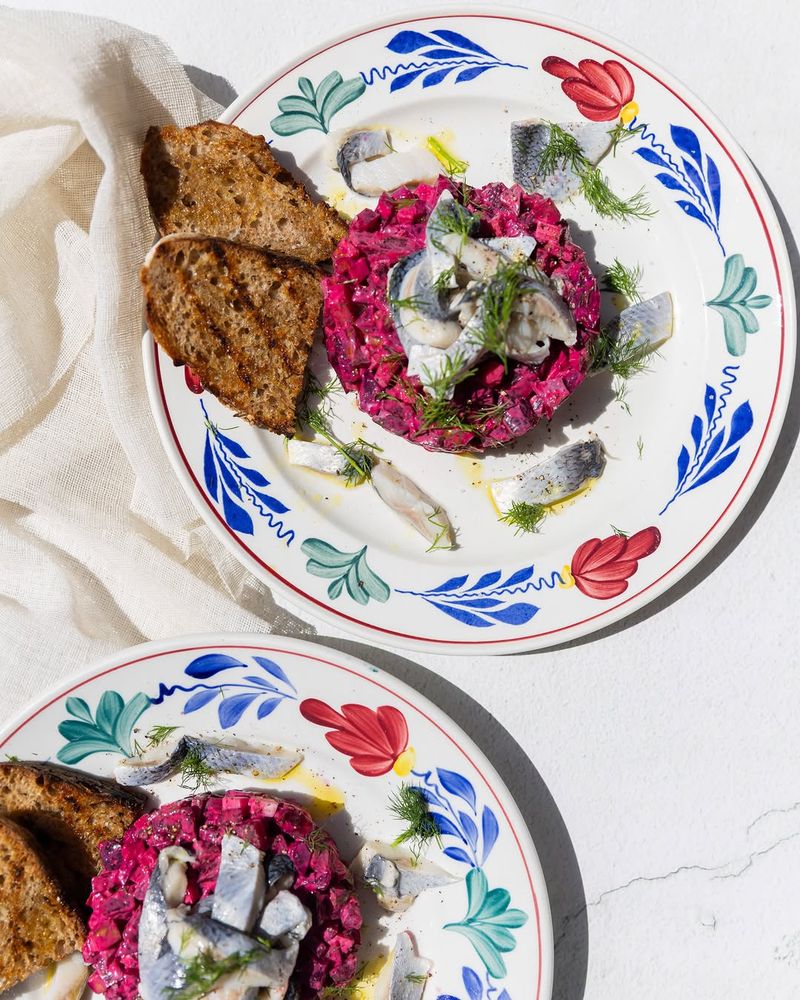
Herring has been a cornerstone of Swedish cooking for centuries, and this salad showcases it beautifully. Pickled herring is combined with diced beets, apple, onion, and sometimes potato, then dressed with a creamy sour cream or vinegar-based sauce.
The result is a striking magenta-colored dish with a flavor that swings between sweet, sour, and savory. Served during Midsummer and Christmas celebrations, it is a dish that Swedes grow up eating and never forget.
The beet and apple combination sounds unusual but works brilliantly.
11. Hungarian Cucumber Salad (Uborkasaláta)

Hungary's cucumber salad is elegantly simple, yet packed with character. Ultra-thin cucumber slices are salted, squeezed dry, then soaked in a sweet-and-sour vinegar dressing brightened with a generous dusting of Hungarian sweet paprika.
Unlike creamy versions found elsewhere, Uborkasaláta is light and tangy, making it the perfect companion to heavy Hungarian meat dishes like goulash or stuffed peppers. The paprika gives it a gentle warmth and a gorgeous reddish hue.
It takes minutes to prepare but tastes like it took much longer.
12. Croatian Blitva Salad
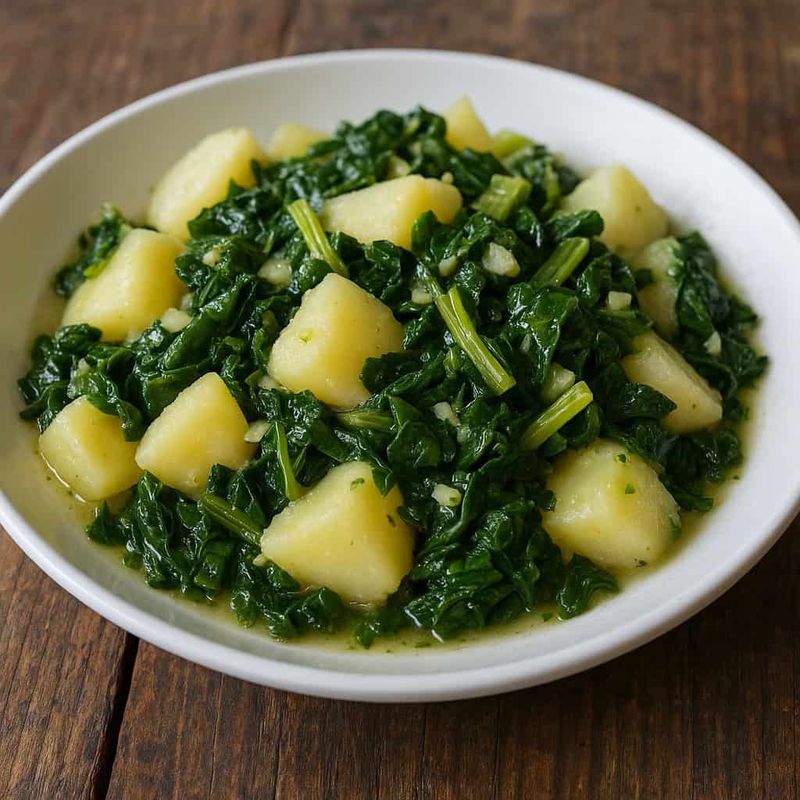
Along the Dalmatian coast of Croatia, blitva — Swiss chard — is treated like a national treasure. Boiled together with chunks of potato, then dressed simply with crushed garlic, olive oil, and sea salt, it is unpretentious and deeply nourishing.
Croatians have eaten this dish for generations, particularly in coastal villages where fresh greens and good olive oil are always on hand. It is rustic food at its finest — proof that you do not need complicated techniques or fancy ingredients to create something truly memorable and satisfying.
13. Bulgarian Shopska Salad
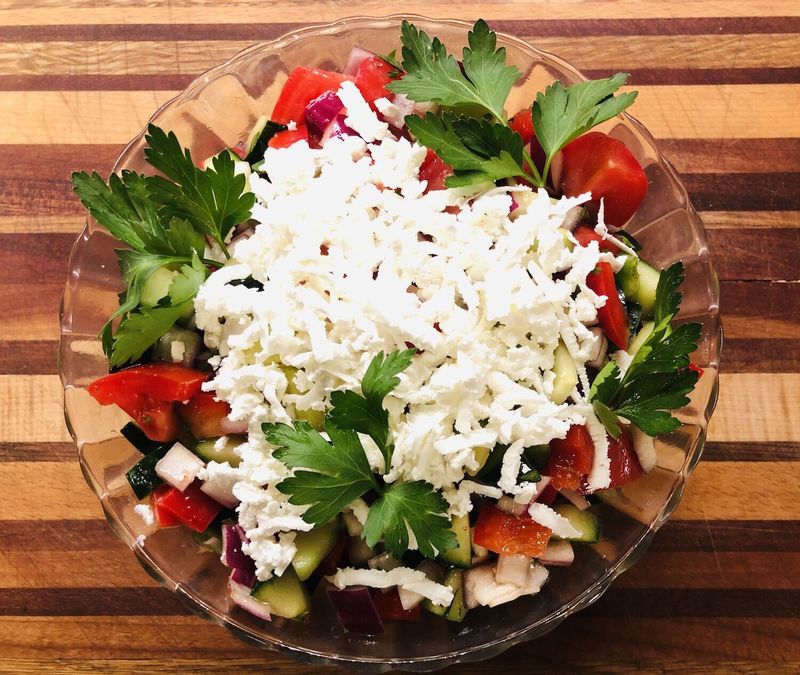
Bulgaria's most beloved salad mirrors the colors of the national flag — red tomatoes, green cucumbers and peppers, and a snowy white topping of grated sirene cheese. It is fresh, bright, and bursting with summer flavor.
Shopska salad originated in the Shopluk region around Sofia and has since become a symbol of Bulgarian cuisine. The sirene cheese, similar to feta but slightly less salty, is grated rather than crumbled, which gives the salad a beautiful fluffy appearance.
A drizzle of sunflower oil finishes it perfectly.
14. Portuguese Bacalhau Salad
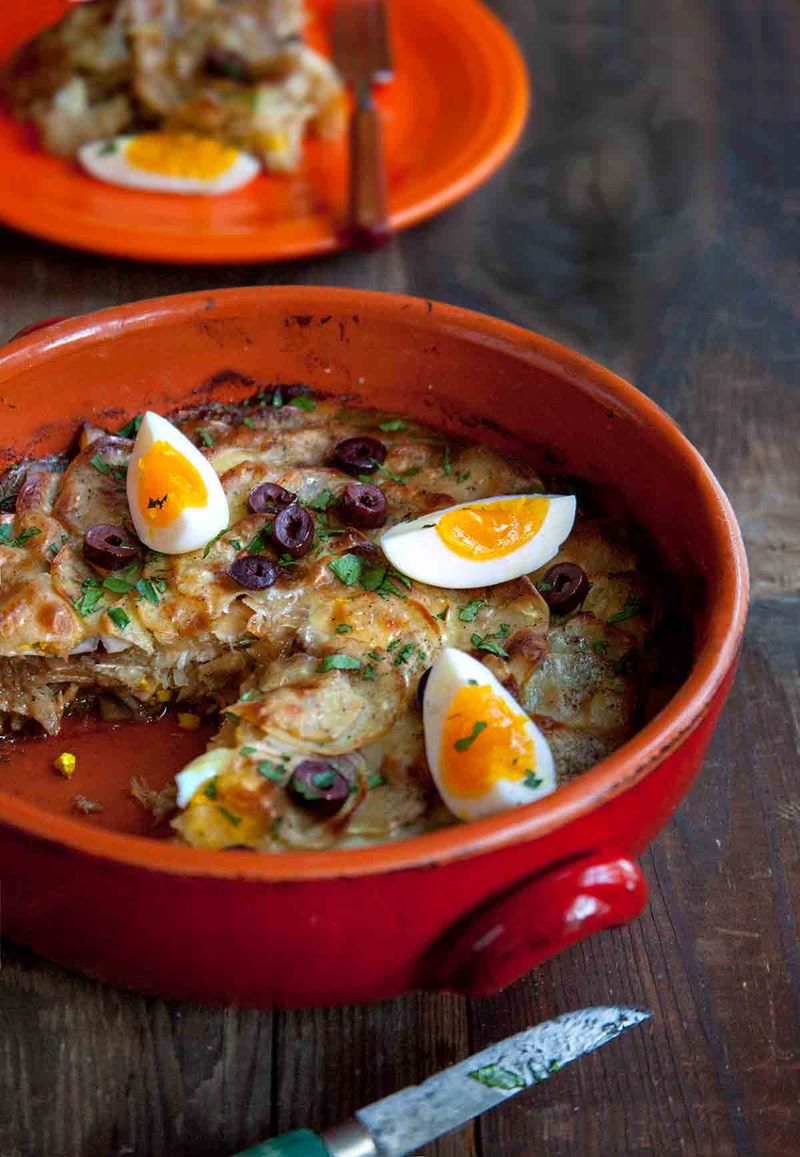
Portugal's deep love affair with salted cod — bacalhau — extends to its salads. Shredded rehydrated cod is combined with boiled potatoes, hard-boiled eggs, black olives, and thinly sliced red onion, then generously dressed with Portugal's finest olive oil.
It is said that there are 365 ways to cook bacalhau in Portugal, one for every day of the year. This salad version, sometimes called Bacalhau à Gomes de Sá, is hearty and satisfying enough to serve as a main course.
Fresh parsley adds a pop of color and brightness.
15. Finnish Rosolli Salad
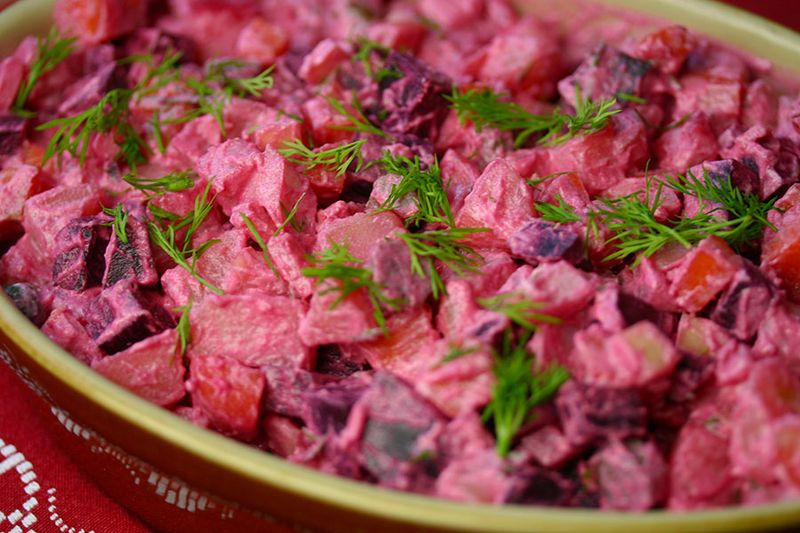
Rosolli is Finland's traditional Christmas salad, and its distinctive pink color makes it instantly recognizable on any holiday table. Diced beets, carrots, potatoes, pickles, and apple are mixed together, then topped with a cream dressing tinted pink from beet juice.
The combination of sweet beet, tart pickle, and creamy dressing sounds unusual, but it works in a wonderfully balanced way. Finnish families prepare Rosolli every December without exception.
It is one of those dishes that tastes like childhood memories and holiday warmth all at once.
16. Austrian Erdäpfelsalat (Viennese Potato Salad)
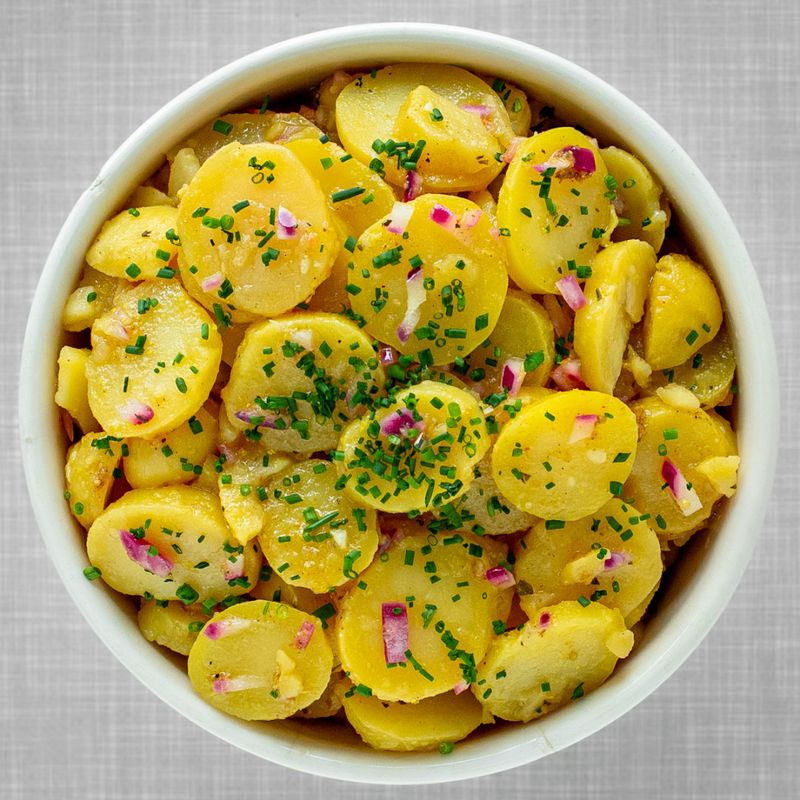
Vienna's version of potato salad is refreshingly light compared to its mayonnaise-heavy cousins. Waxy potatoes are sliced while still warm and tossed in a dressing made from beef broth, white wine vinegar, mustard, and finely chopped onion.
The warm potatoes absorb the savory broth dressing beautifully, creating a silky, tangy result that feels both elegant and comforting. Traditionally served alongside Wiener Schnitzel, Erdäpfelsalat is a dish that Viennese food lovers feel genuinely proud of.
Fresh chives scattered on top add color and mild onion flavor.
17. Serbian Srpska Salata
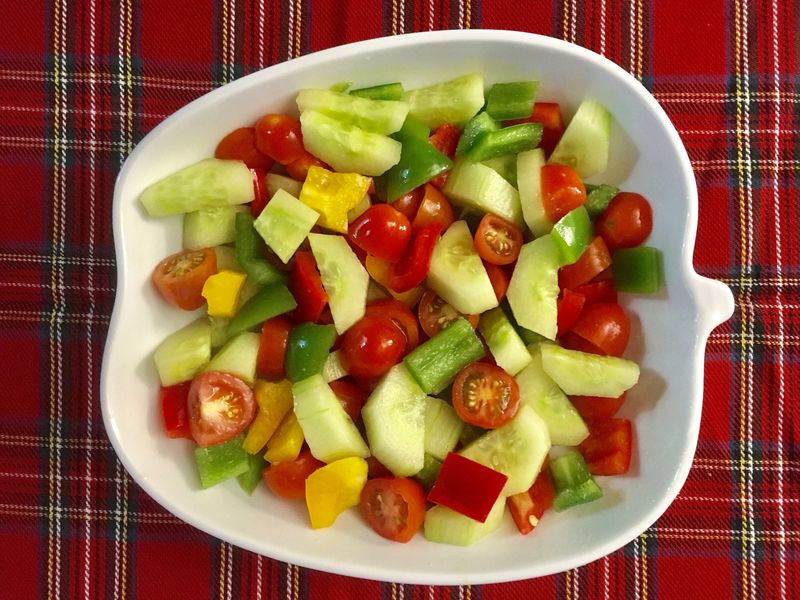
Srpska salata is the backbone of Serbian cuisine — a straightforward, no-fuss salad that appears at virtually every meal from breakfast to dinner. Tomatoes, cucumbers, green peppers, and raw onion are roughly chopped and drizzled with sunflower oil.
Sometimes crumbled white cheese is added on top for extra richness. What makes this salad special is its absolute honesty — no dressings, no garnishes beyond salt and oil.
Serbians believe that good, fresh vegetables need nothing more to shine. It is the kind of salad that makes you appreciate quality produce.
18. Dutch Huzarensalade (Hussar Salad)
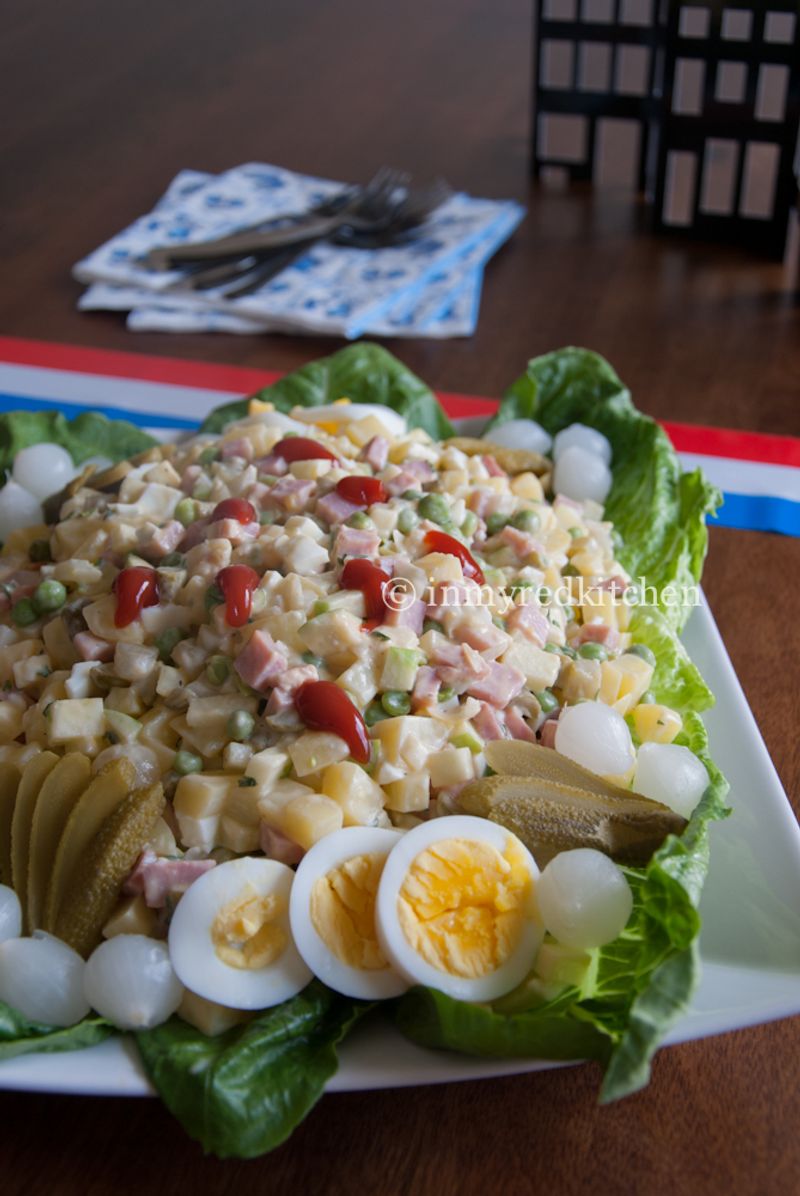
Dutch Hussar Salad has a name with military flair, and its bold combination of ingredients lives up to the title. Diced potatoes, beets, pickles, apple, and cold cooked meat are stirred together with mayonnaise into a hearty, colorful mixture.
The contrast between sweet apple, tangy pickles, and earthy beets makes every forkful interesting. Huzarensalade has been a Dutch staple since the 19th century and remains a popular choice for holiday buffets and family gatherings.
Decorated with egg slices and gherkins on top, it always looks festive and inviting.
19. Ukrainian Vinegret Salad
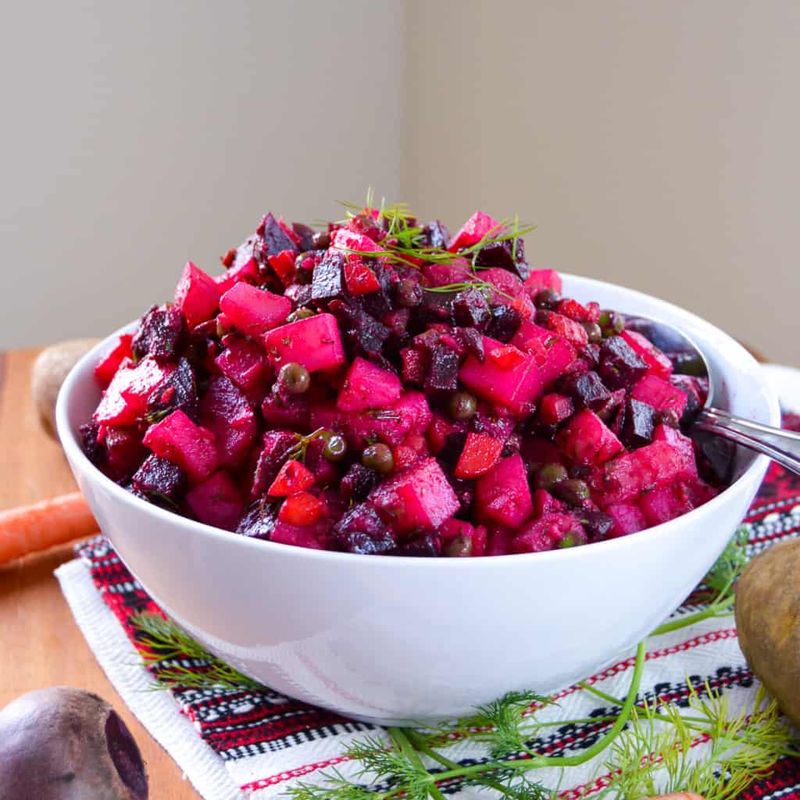
Ukraine's Vinegret is one of Eastern Europe's most visually dramatic salads. Boiled beets, potatoes, and carrots are diced small, then mixed with pickled cucumbers and sauerkraut, turning the entire dish a gorgeous deep purple-red color.
Dressed simply with sunflower oil rather than mayonnaise, it is lighter than it looks and packed with earthy, tangy flavor. Vinegret has been eaten in Ukraine and Russia for over 200 years.
It is affordable, filling, and nutritious — qualities that have kept it on family tables through every generation.
20. Catalan Esqueixada (Salt Cod Salad)
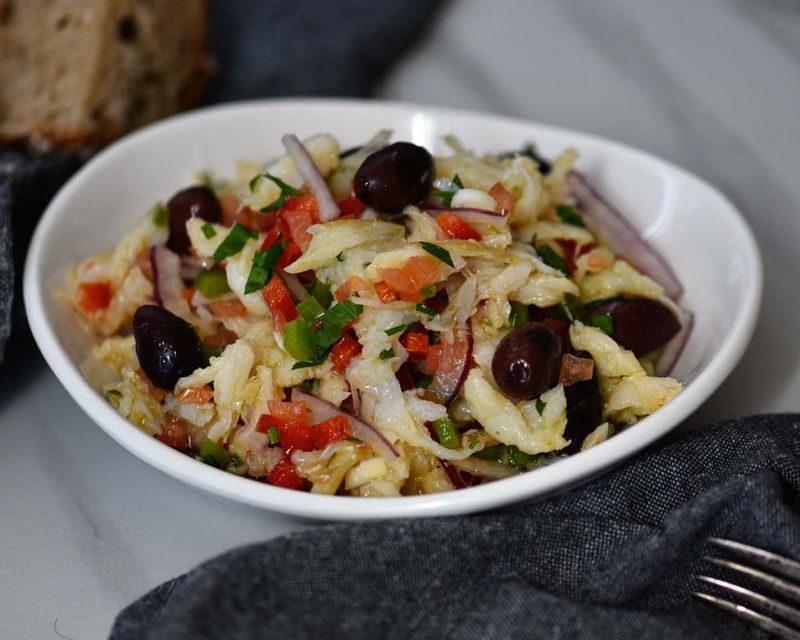
Esqueixada is Catalonia's answer to summer eating — cool, tangy, and utterly refreshing. Raw shredded salt cod, soaked overnight to remove excess salt, is combined with fresh tomatoes, roasted peppers, black olives, and sometimes white beans, then dressed with olive oil and sherry vinegar.
The name comes from the Catalan word meaning to shred or tear, which describes exactly how the fish is prepared. No cooking required beyond soaking the cod.
Eaten as a tapa or starter, it captures the bold, sun-drenched flavors of Mediterranean Catalonia in every bite.
21. Czech Vlašský Salát (Czech Potato Salad)
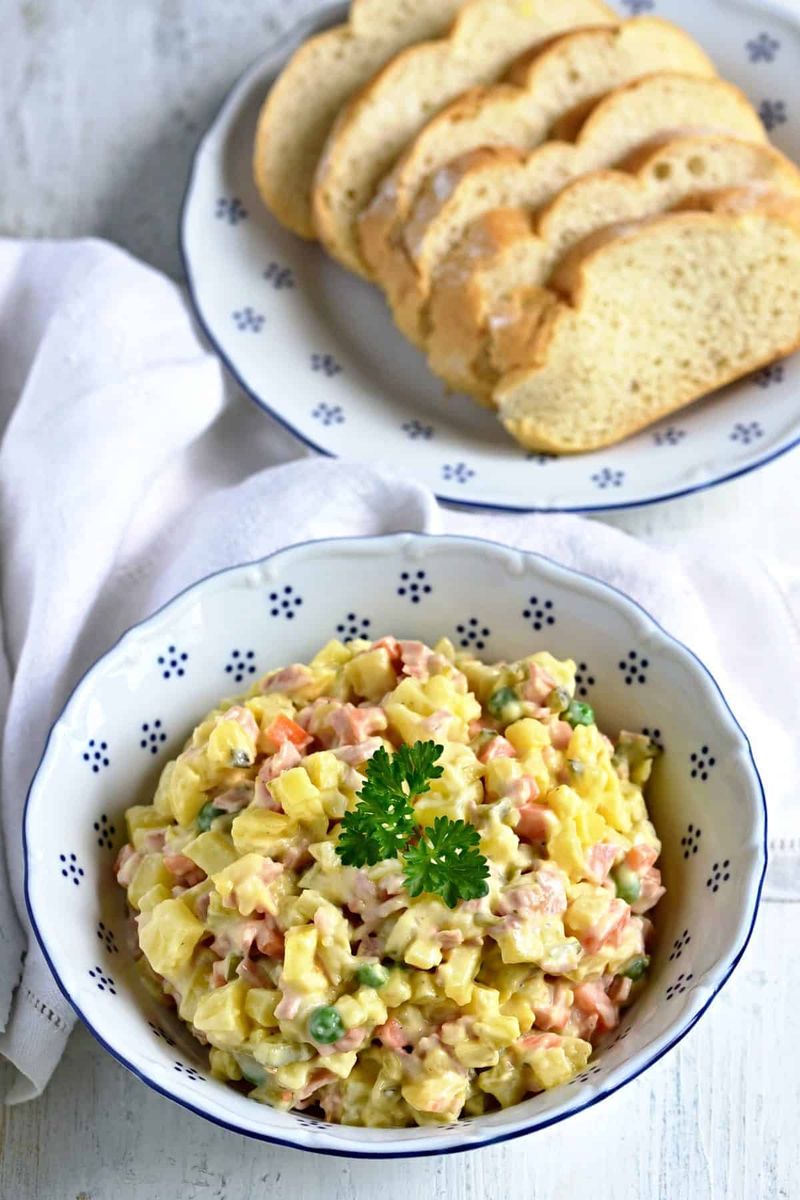
In Czech households, Christmas Eve dinner is not complete without a big bowl of Vlašský Salát. Boiled potatoes, carrots, pickles, peas, ham, and hard-boiled eggs are diced and folded into thick, tangy mayonnaise to create a rich, filling salad.
The name translates loosely as Italian salad, though there is nothing particularly Italian about it — the name likely reflects old European fashion trends in naming dishes. Prepared the day before Christmas to let the flavors meld overnight, it is one of those dishes that somehow tastes even better the next day.
22. Latvian Rāceņu Salāti (Turnip Salad)
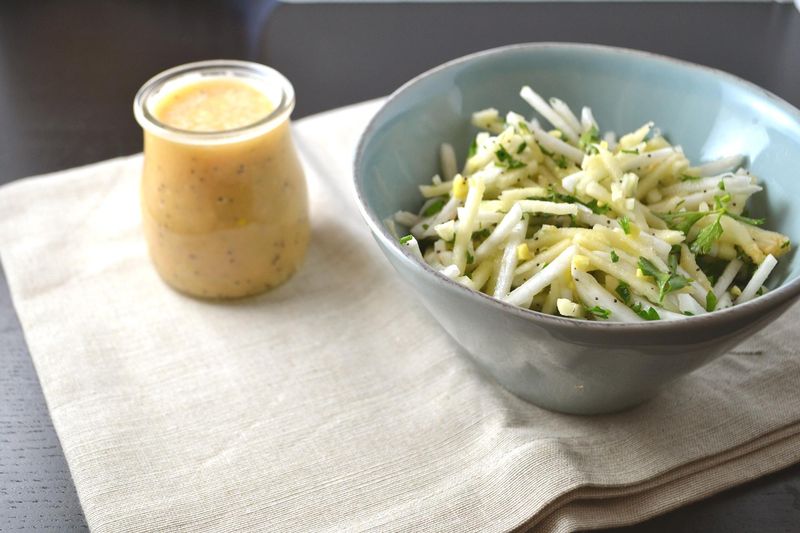
Latvia's turnip salad might not sound glamorous, but it is a surprisingly delightful dish that has sustained Baltic families through long winters for generations. Grated raw turnips are combined with shredded carrots and apple, then dressed with a light honey and lemon dressing.
The natural sweetness of apple balances the peppery bite of raw turnip, while honey smooths everything together. Rich in vitamin C, this salad was historically eaten during winter months when fresh greens were scarce.
Simple, nutritious, and unexpectedly tasty, it deserves far more international attention than it currently receives.
23. Macedonian Tavče Gravče Salad Platter
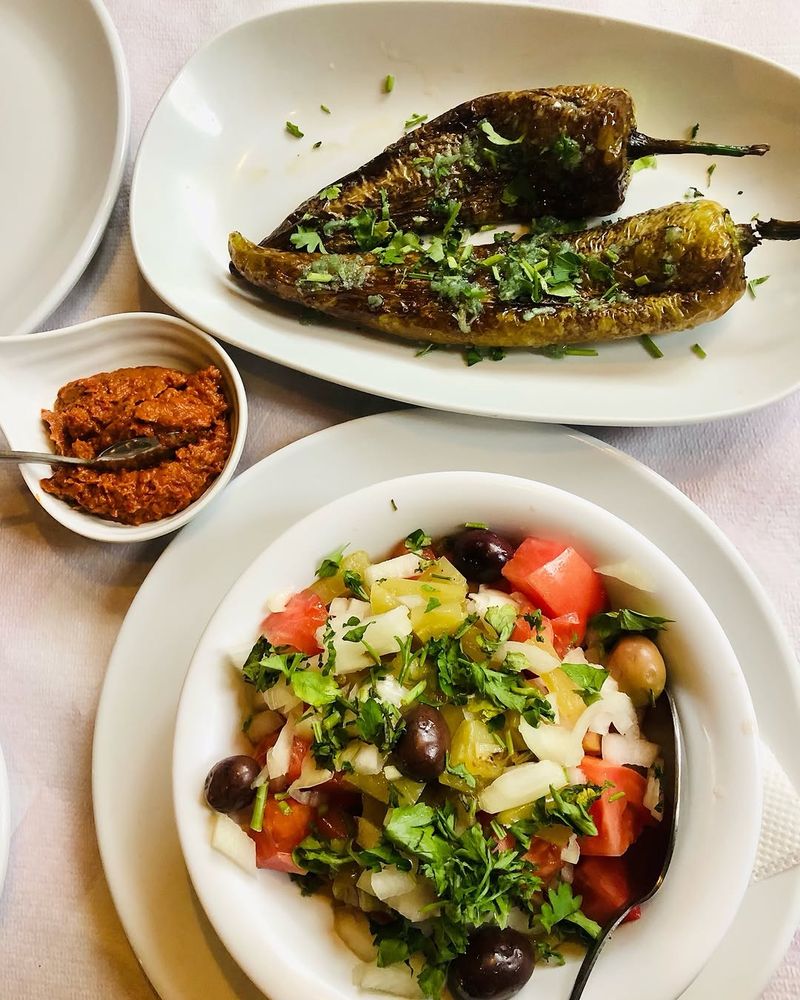
Macedonia's food culture centers around bold, hearty flavors, and its traditional salad platters reflect that spirit. A typical Macedonian salad features chopped tomatoes, roasted red peppers, green onions, and flat-leaf parsley, dressed generously with local sunflower oil.
Often served alongside the famous baked bean dish Tavče Gravče, this salad acts as a bright, fresh counterpoint to the rich, smoky beans. Roasted peppers are a particularly beloved ingredient across North Macedonia, adding depth and sweetness.
The combination is humble but completely satisfying in the best possible way.
24. Maltese Ġbejniet Salad
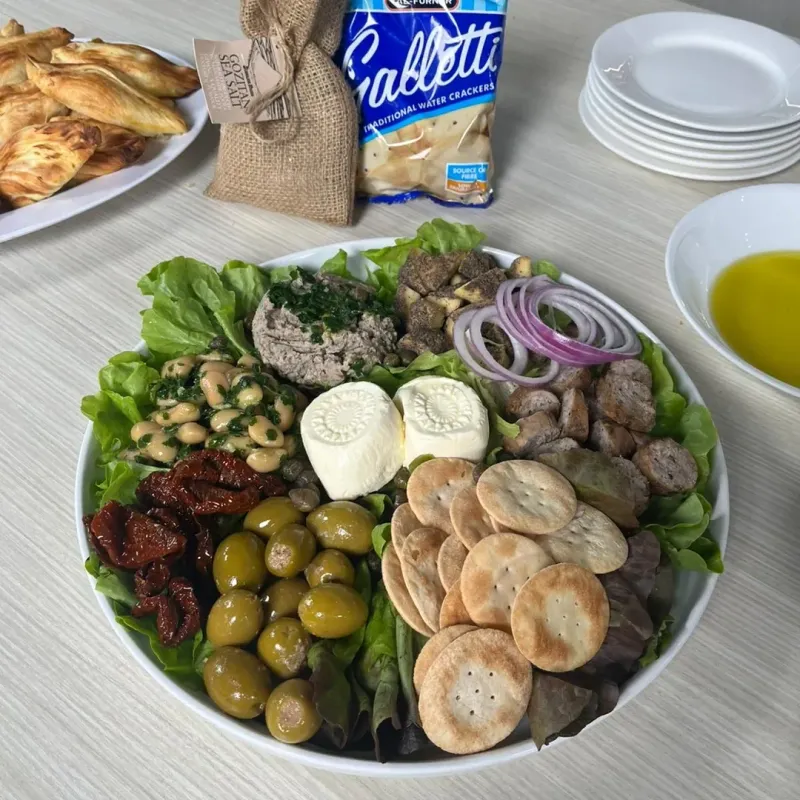
Malta's tiny size belies the richness of its food culture, and the Ġbejniet salad is a perfect example. Small rounds of traditional Maltese sheep's milk cheese — either fresh or peppered — are placed over a bed of greens, cherry tomatoes, cucumber, capers, and fresh mint.
A simple dressing of local olive oil and lemon juice ties it all together. The capers, which grow wild on Malta's sun-baked limestone walls, add a punchy, briny flavor that makes this salad uniquely Maltese.
Light yet satisfying, it is perfect for warm Mediterranean afternoons.
25. Norwegian Waldorf-Inspired Sursild Salad
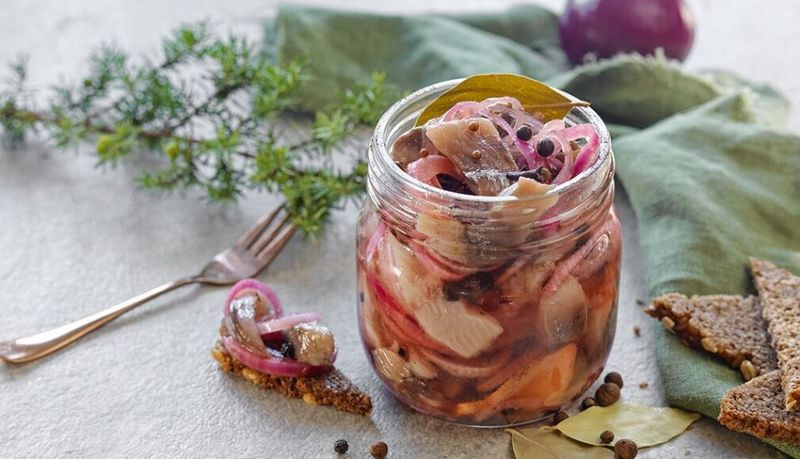
Norway's take on a herring salad borrows the freshness of a Waldorf but keeps things firmly Scandinavian. Marinated herring is paired with crisp apple, celery, and red onion, then dressed in a tangy mixture of sour cream and whole-grain mustard.
The combination of sweet apple and sharp mustard against the rich, cured herring is genuinely exciting for the taste buds. Norwegians serve this at Easter and Christmas buffets, known as koldtbord.
Fresh dill, a beloved herb in Norwegian cooking, is scattered on top to finish the dish with a burst of green freshness.


Comments
No Comments