













Indian food in Britain goes far beyond the beloved chicken tikka masala. Across India's 28 states, there are thousands of dishes bursting with unique flavours, spices, and cooking traditions that most Britons have never had the chance to try.
From coastal fish curries to mountain lentil stews, each region tells its own delicious story. Getting to know these dishes opens up a whole new world of incredible eating.
1. Laal Maas – Rajasthan's Fiery Lamb Curry
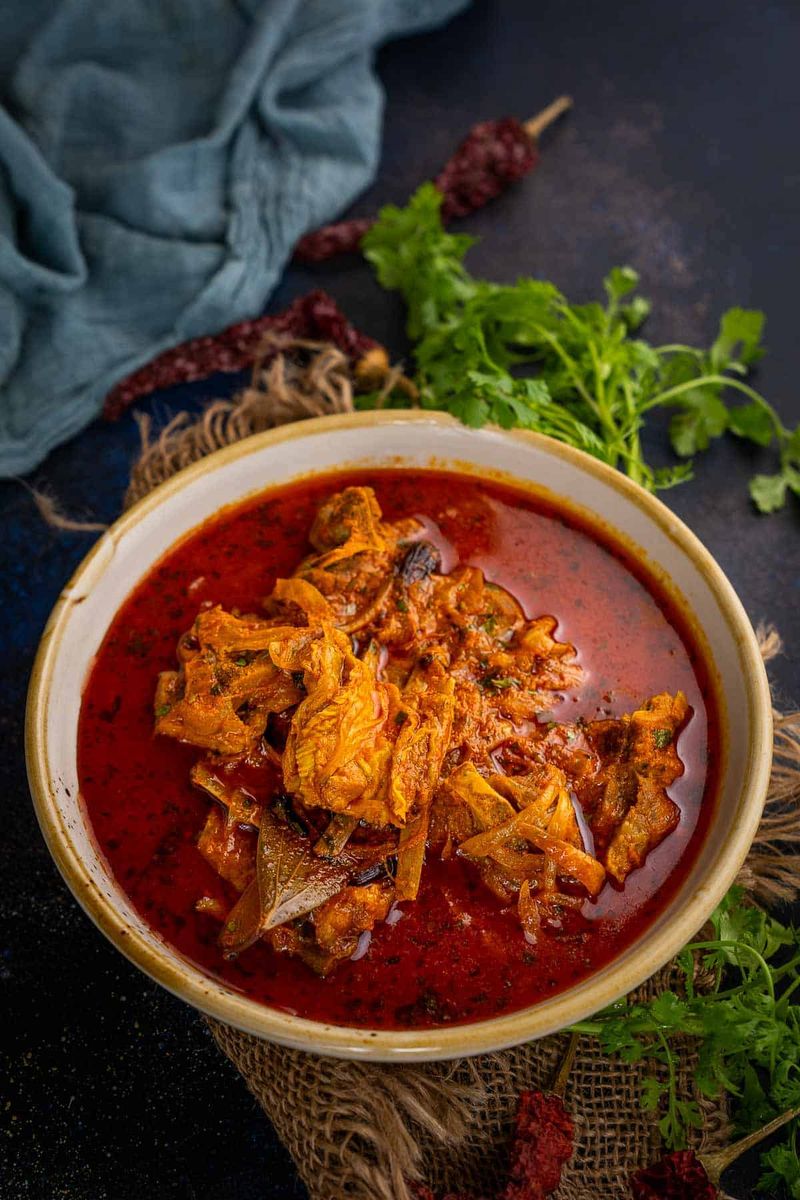
Forget everything you think you know about lamb curry. Laal Maas from Rajasthan is a bold, fiery dish cooked with Mathania red chillies that give it a colour so vivid it almost glows.
Originally a hunter's dish, it was slow-cooked over open fires in the desert.
The heat builds slowly and beautifully. Paired with bajra roti, it is a meal that demands your full attention.
British lamb lovers would absolutely fall for this one.
2. Kosha Mangsho – Bengal's Sunday Slow-Cooked Mutton
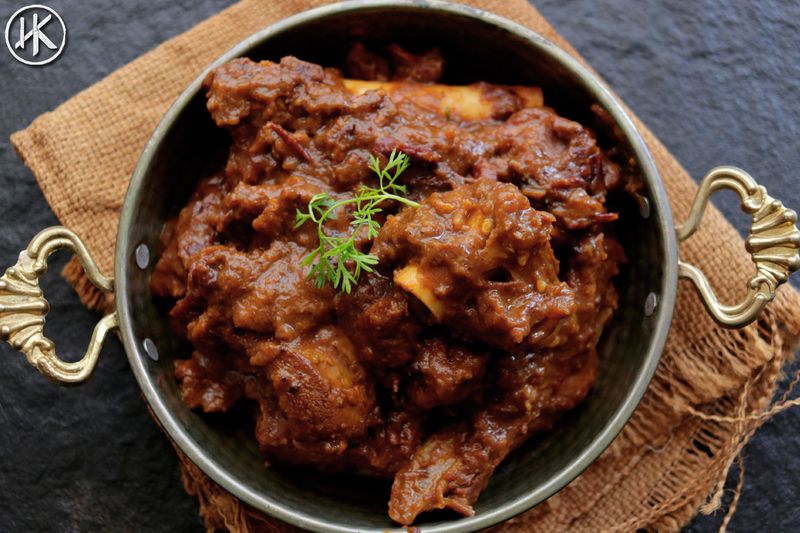
Sunday lunch in Bengal smells like Kosha Mangsho. This slow-cooked mutton curry gets its deep, almost chocolatey colour from caramelised onions and a careful layering of spices over low heat for hours.
There are no shortcuts here, and that patience pays off brilliantly.
Served with luchi, a puffed fried bread, it is the kind of dish that brings families together. Britons who love a proper slow roast would genuinely connect with this Bengali treasure.
3. Bisi Bele Bath – Karnataka's One-Pot Wonder
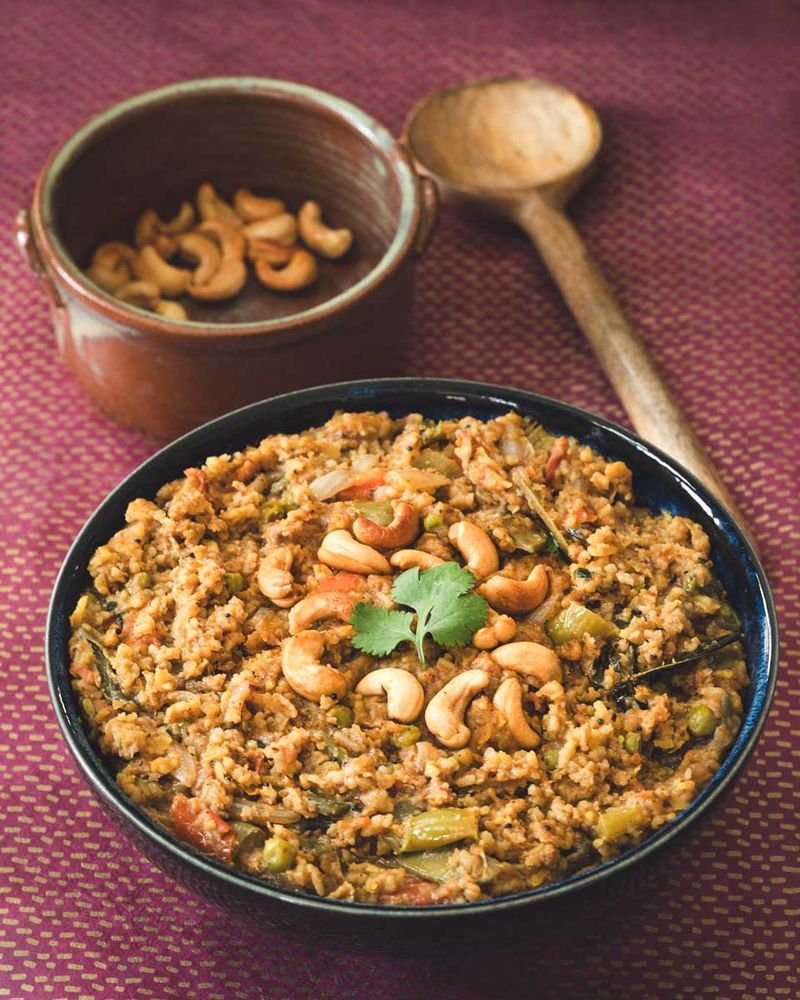
Rice, lentils, vegetables, and a special spice powder all cooked together in one pot. Bisi Bele Bath from Karnataka is comfort food at its most honest.
The name literally means hot lentil rice in Kannada, and it absolutely delivers on that promise.
A spoonful of ghee on top and a scattering of fried cashews finish the dish perfectly. Think of it as India's answer to a hearty risotto, but with far more personality and warmth.
4. Rogan Josh – Kashmir's Fragrant Lamb Masterpiece
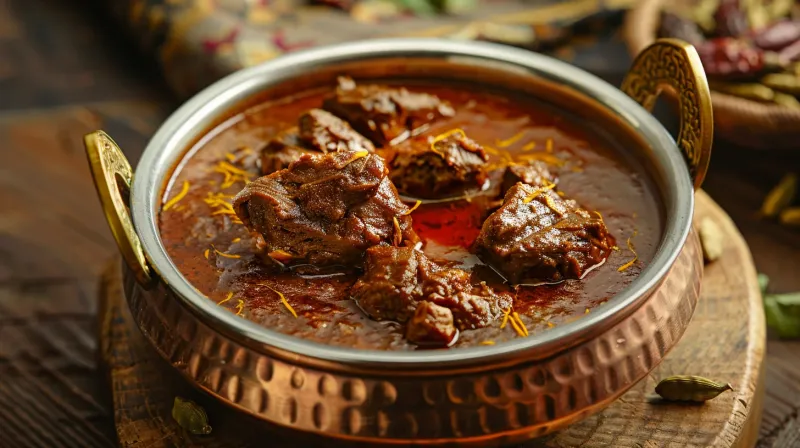
Rogan Josh might ring a bell from British curry houses, but the real Kashmiri version is something else entirely. Authentic Rogan Josh uses no onion or garlic.
Instead, it relies on asafoetida, dried ginger, and the gorgeous colour of Kashmiri dried chillies for its soul.
The sauce is silky, aromatic, and surprisingly mild. It is a dish deeply connected to the Wazwan, Kashmir's grand ceremonial feast tradition, and every bite carries that sense of occasion.
5. Chettinad Chicken – Tamil Nadu's Most Daring Curry
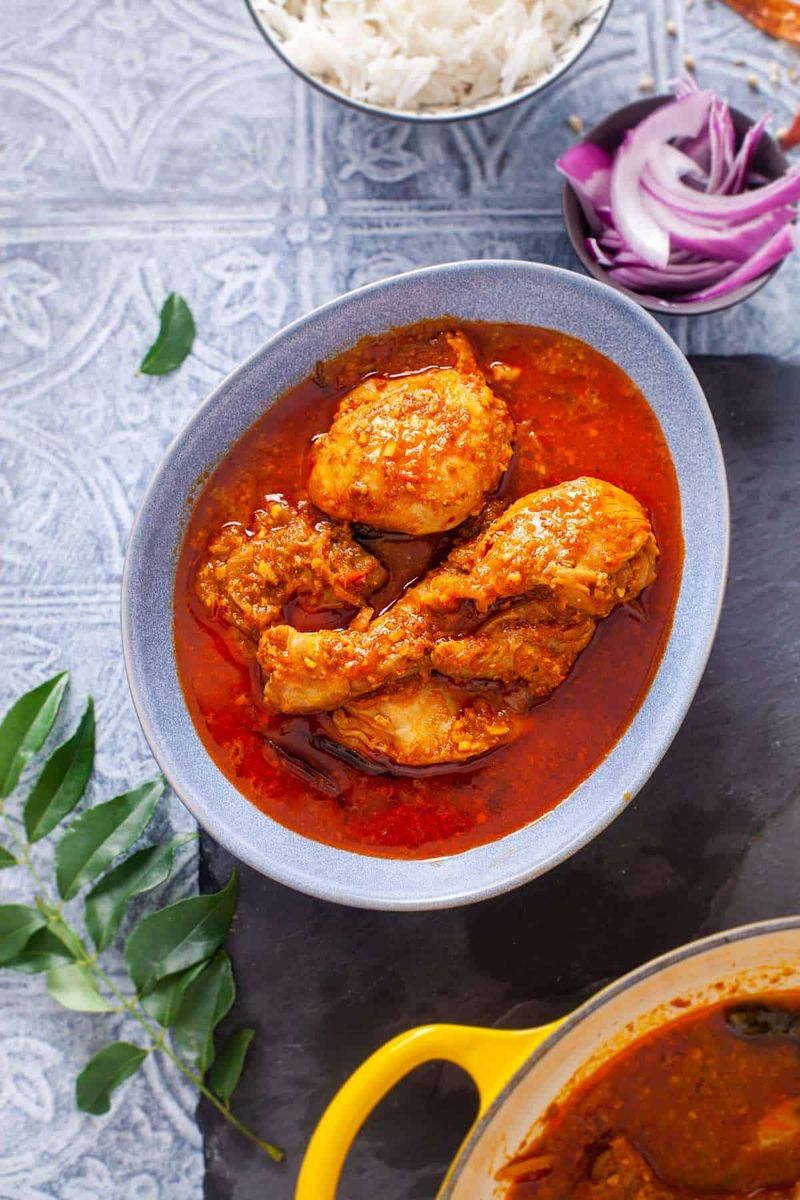
Chettinad cooking from Tamil Nadu is not for the faint-hearted, and that is precisely why it deserves more attention. This chicken curry uses a staggering array of whole spices, including kalpasi stone flower and marathi mokku, which are almost impossible to find in standard British supermarkets.
The flavour is dark, complex, and fiercely aromatic. Chettinad cuisine developed in the homes of wealthy spice traders, and you can taste that richness in every single mouthful.
6. Paya Soup – A Slow-Simmered Northern Treasure
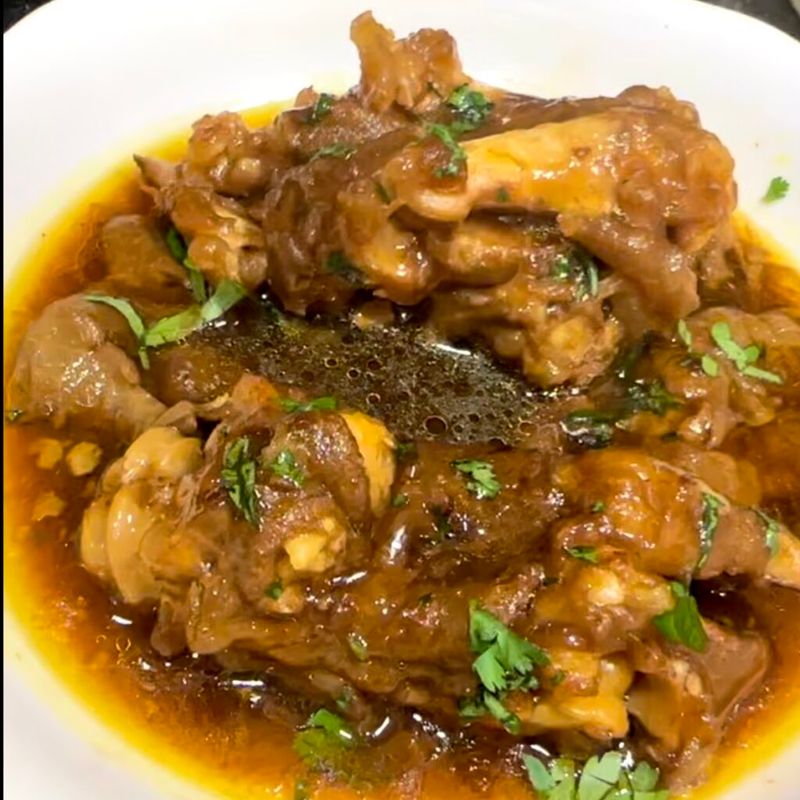
Paya is exactly the kind of dish that rewards early risers. Made from slow-simmered goat or lamb trotters, this North Indian and Hyderabadi speciality produces a deeply gelatinous, golden broth that is considered a warming cure-all across many communities.
Street stalls in Lucknow and Lahore-influenced neighbourhoods serve it at dawn, when the cold demands something truly restorative. Britons who enjoy bone broth would find Paya instantly familiar yet fascinatingly different in its spicing.
7. Saraswat Fish Curry – Goa's Coastal Hindu Classic
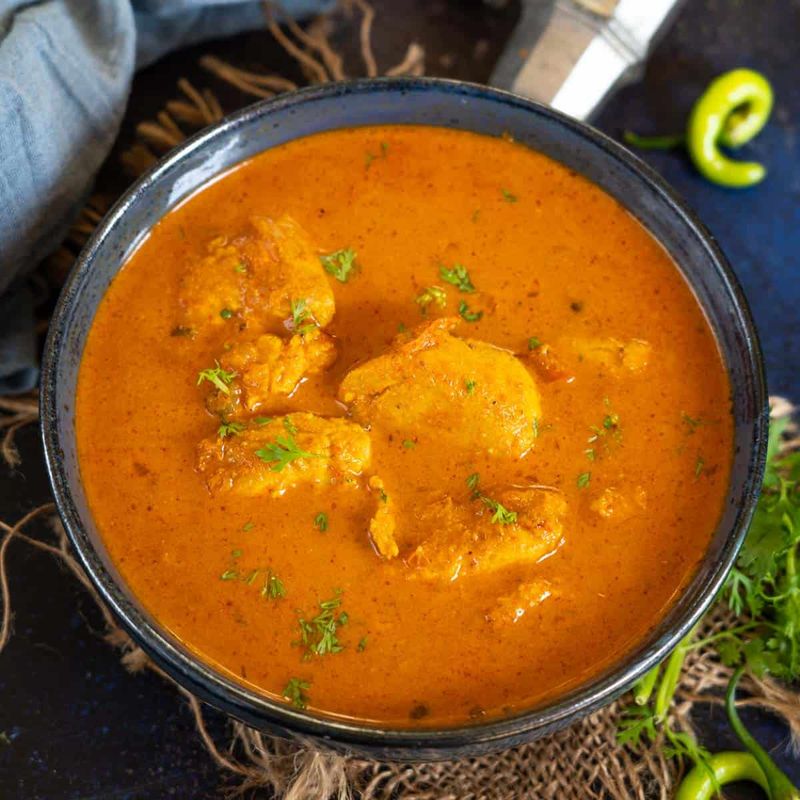
Most Britons know Goan fish curry through its Portuguese-influenced, vinegar-spiked versions. But the Saraswat community of Goa has its own equally brilliant tradition using kokum fruit instead of tamarind for a gentler, fruitier sourness that lifts the whole dish.
Fresh coconut milk forms the base, and the spicing is subtle enough to let the fish shine. Pomfret or kingfish work beautifully here.
Anyone who loves a Thai coconut curry would find this a natural and delightful next step.
8. Dal Baati Churma – Rajasthan's Desert Feast
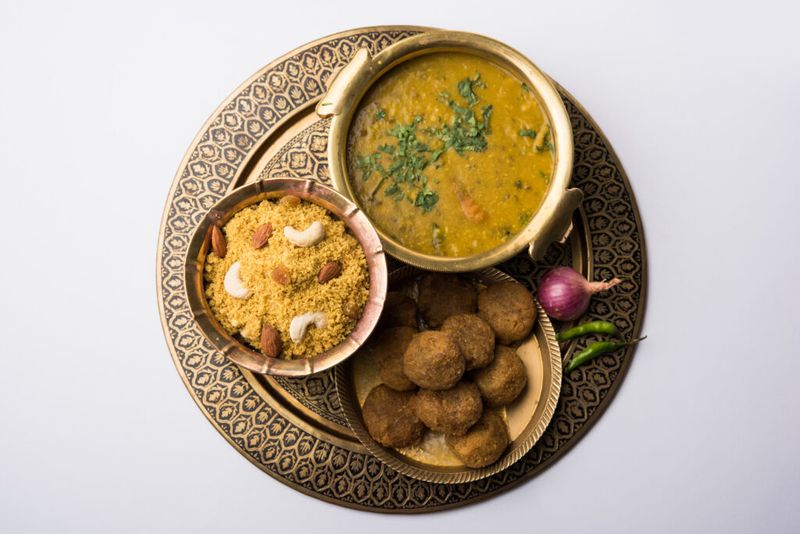
Imagine bread that is baked in hot desert sand, then dunked into spiced lentils and finished with a sweet crumbled wheat dessert all in one sitting. That is Dal Baati Churma, and it is one of the most theatrical eating experiences Rajasthan has to offer.
The baati are dense, crusty rolls that soak up the dal magnificently. The churma adds a sweet, nutty contrast that rounds everything off.
Street food, celebration food, and soul food all rolled into one.
9. Appam with Stew – Kerala's Sunday Morning Ritual
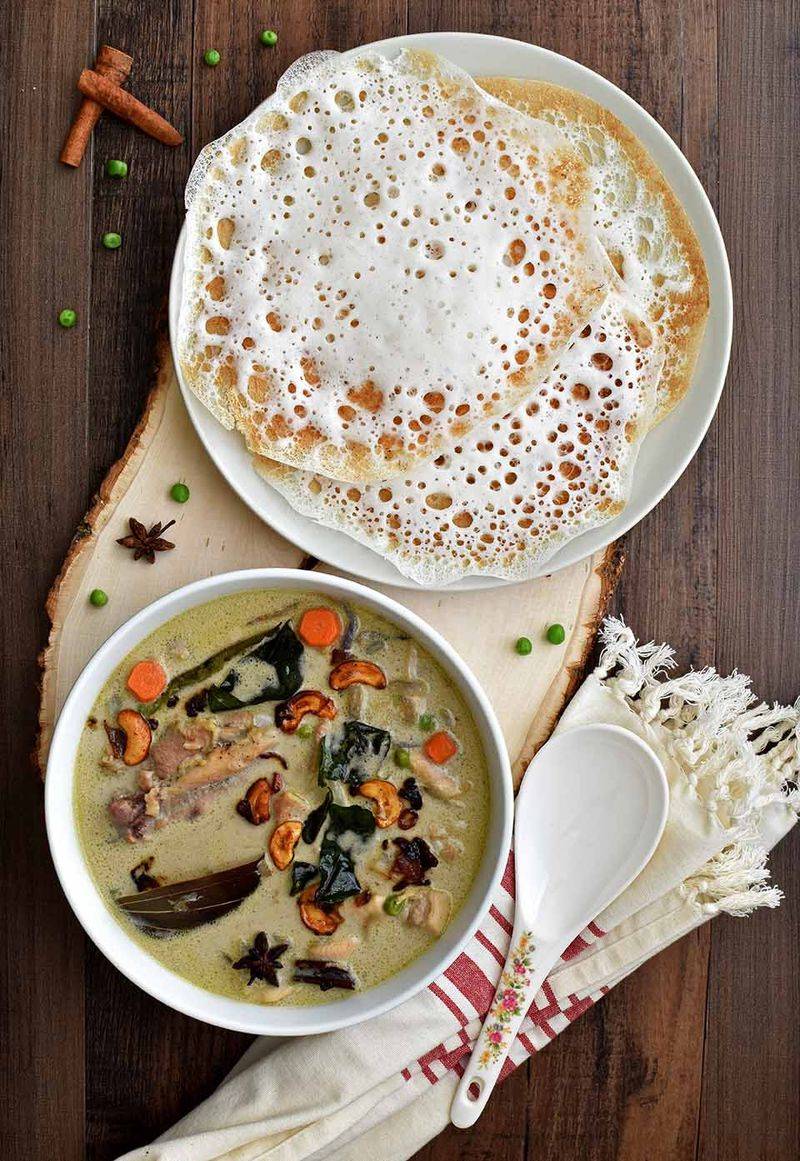
Appam are lacy, bowl-shaped rice pancakes with crispy edges and a soft, spongy centre, and they are one of Kerala's most beautiful creations. Paired with a mild coconut milk stew loaded with vegetables or chicken, they make a breakfast combination that feels almost impossibly good.
The stew is gentle and fragrant with whole spices and curry leaves. This dish has roots in Kerala's Syrian Christian community, giving it a fascinating cultural depth that goes well beyond the plate.
10. Thukpa – Ladakh's Noodle Soup from the Mountains
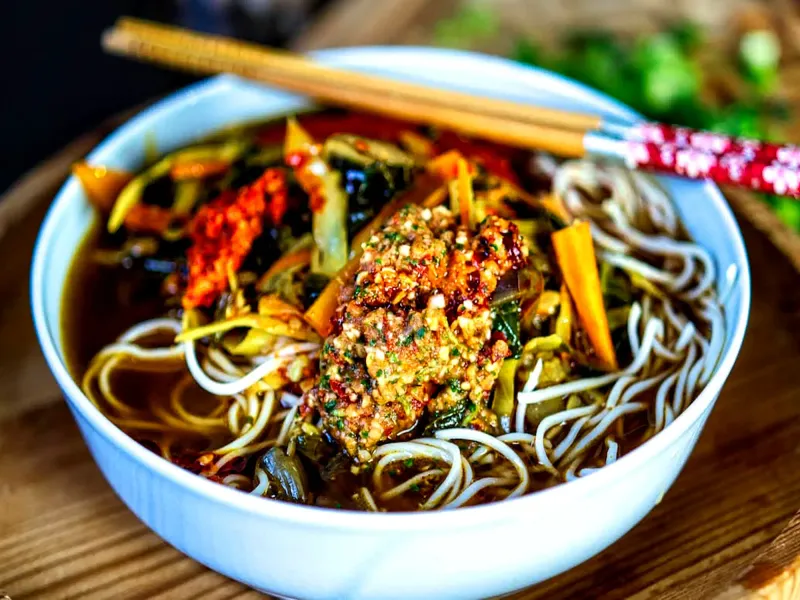
Up in the high-altitude landscapes of Ladakh, where temperatures plunge well below freezing, Thukpa is the dish that keeps people going. This hearty noodle soup blends Tibetan and North Indian influences into something that feels like a warm hug in a bowl.
Hand-pulled noodles swim in a spiced meat or vegetable broth alongside leafy greens and root vegetables. It is rustic, nourishing, and deeply satisfying.
Britons who love a good ramen or pho would immediately appreciate Thukpa's honest warmth.
11. Undhiyu – Gujarat's Winter Vegetable Extravaganza
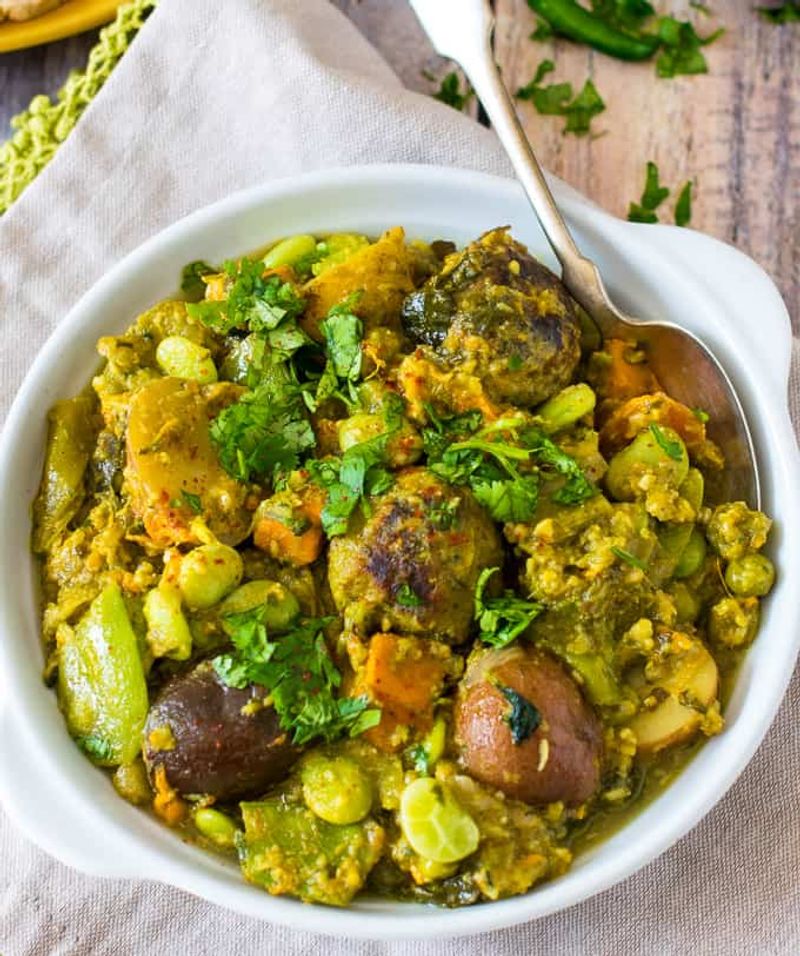
Undhiyu is a dish with a dramatic origin story. The name comes from the Gujarati word for upside down, because traditionally the clay pot was buried underground and cooked with heat from above.
The result is a slow, smoky melding of winter vegetables and spiced dumplings.
Eaten mainly during the winter harvest festival of Uttarayan, this is a celebratory dish tied to kite-flying season. The combination of textures and spices makes it genuinely unlike anything else in Indian cooking.
12. Macher Jhol – Bengal's Everyday Fish Curry
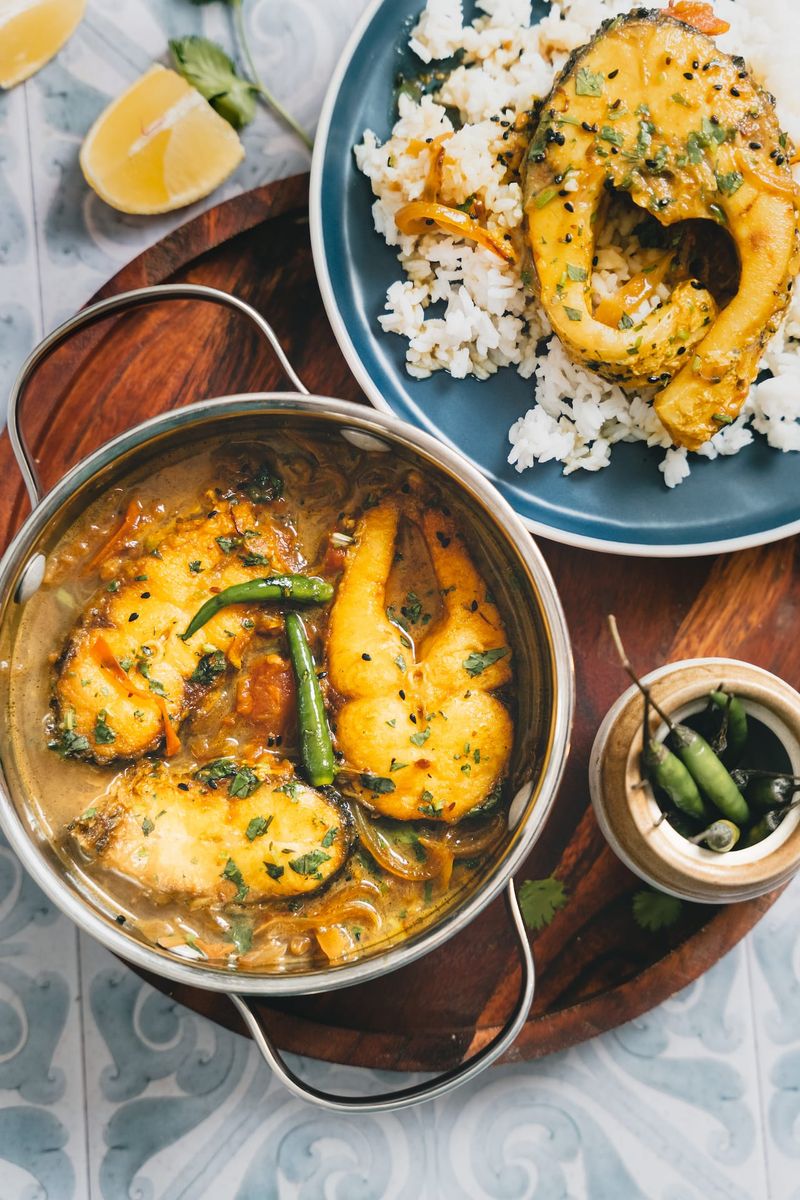
There is a reason Bengalis are fiercely proud of their fish. Macher Jhol is the everyday fish curry that anchors Bengali cooking, a light, clear broth built on turmeric, ginger, and green chillies that lets the freshwater fish take centre stage without any fuss.
Rohu or katla fish are traditional choices. This is not a heavy, cream-laden curry.
It is clean, vibrant, and deeply comforting. British fish lovers who prefer something lighter and brighter than standard curry house offerings should absolutely try this.
13. Hyderabadi Haleem – A City's Most Beloved Dish
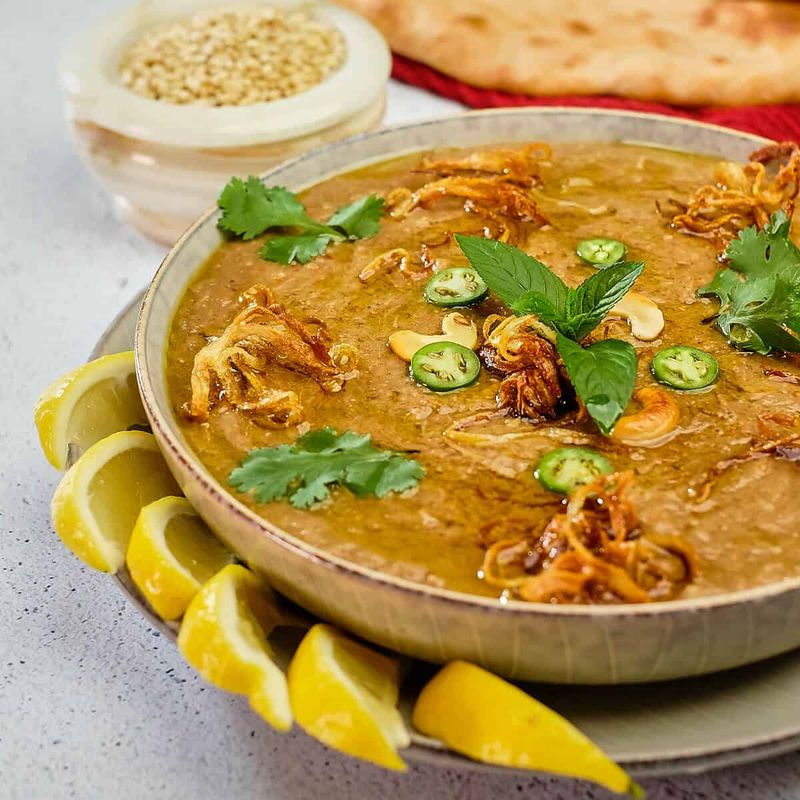
Haleem has a fan base in Birmingham and Bradford, but most versions sold in Britain barely scratch the surface of what Hyderabad's original achieves. Slow-cooked for hours until wheat, lentils, and mutton meld into a silky, porridge-like consistency, it is one of the world's great slow-food dishes.
Fried onions, mint, and a squeeze of lemon finish it off. Hyderabadi Haleem was granted a Geographical Indication tag in 2010, making it India's first meat product to receive that honour.
14. Bhapa Doi – Bengal's Steamed Yogurt Dessert
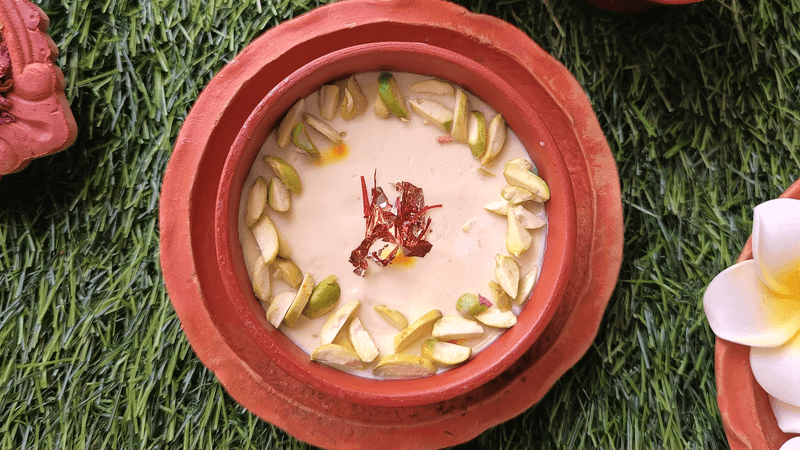
Most people associate Indian desserts with gulab jamun or kheer, but Bengal has something far more elegant up its sleeve. Bhapa Doi is a steamed yogurt dessert, set smooth and creamy in an earthen pot, sweetened with condensed milk and perfumed with saffron or cardamom.
It takes just a handful of ingredients to make, yet the result is quietly spectacular. Think of it as India's answer to a baked cheesecake, but lighter, tangier, and somehow even more satisfying on a warm afternoon.
15. Pathiri with Chicken Curry – Malabar's Midnight Favourite
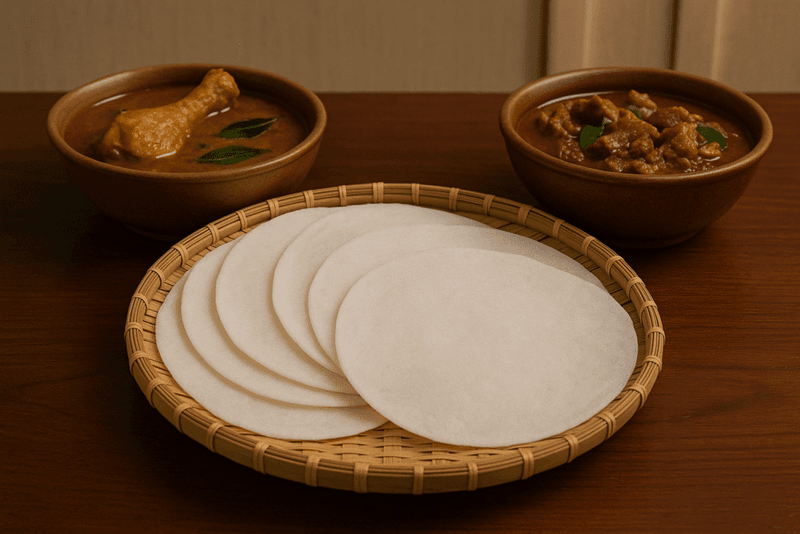
Along Kerala's Malabar coast, the Muslim community has developed one of India's most sophisticated and underappreciated culinary traditions. Pathiri are thin, delicate rice flour flatbreads that are softer than any roti and pair extraordinarily well with a rich, coconut-based Malabar chicken curry.
The curry uses a roasted coconut paste that gives it a depth most British curry lovers have never encountered. Eaten late at night after celebrations, Pathiri is a dish wrapped in community, warmth, and extraordinary flavour.
16. Poha – Madhya Pradesh's Beloved Breakfast Flattened Rice
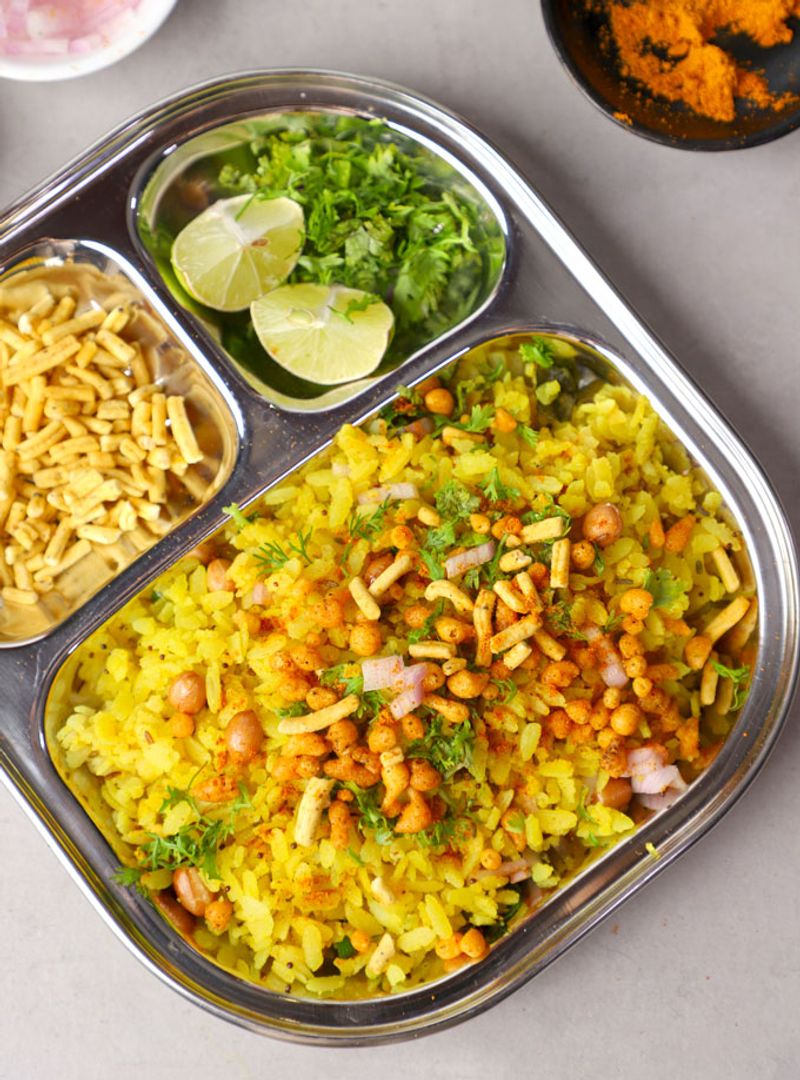
Walk through Indore at 8am and the smell of Poha cooking is everywhere. Flattened rice tossed with mustard seeds, curry leaves, onion, and turmeric, this breakfast dish is fast, affordable, and genuinely delicious in a way that feels effortless.
Indori Poha is particularly famous for its topping of sev and fennel seeds.
It is light enough to eat every single morning without boredom. Britons who enjoy a quick, healthy, flavourful start to the day should add this to their breakfast rotation immediately.
17. Modak – Maharashtra's Sacred Sweet Dumpling
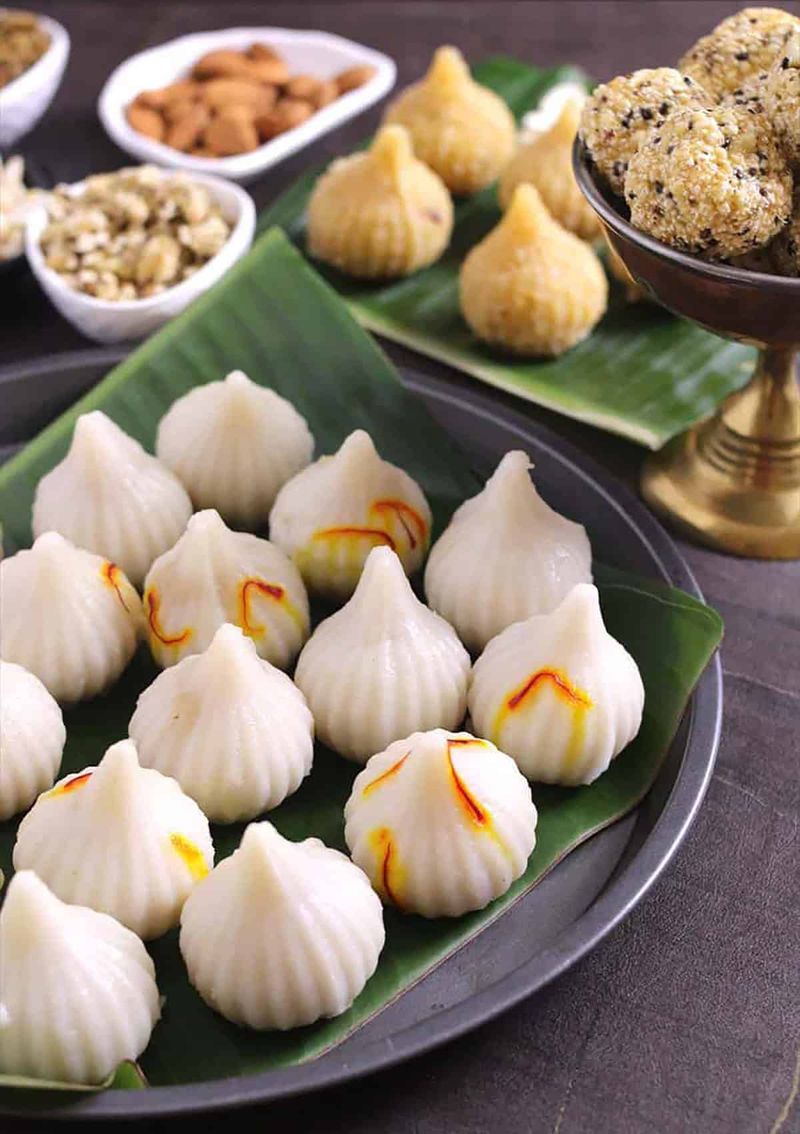
Modak holds a special place in Maharashtra that goes beyond food. These steamed dumplings filled with coconut and jaggery are the favourite offering to Lord Ganesha, made by families across the state during the Ganesh Chaturthi festival with enormous love and care.
The outer shell is made from rice flour and should be thin enough to see the filling through it. Biting into a perfectly made Modak reveals a warm, sweet, fragrant centre.
It is the kind of food that carries genuine emotional meaning in every bite.
18. Akki Roti – Karnataka's Rice Flour Flatbread
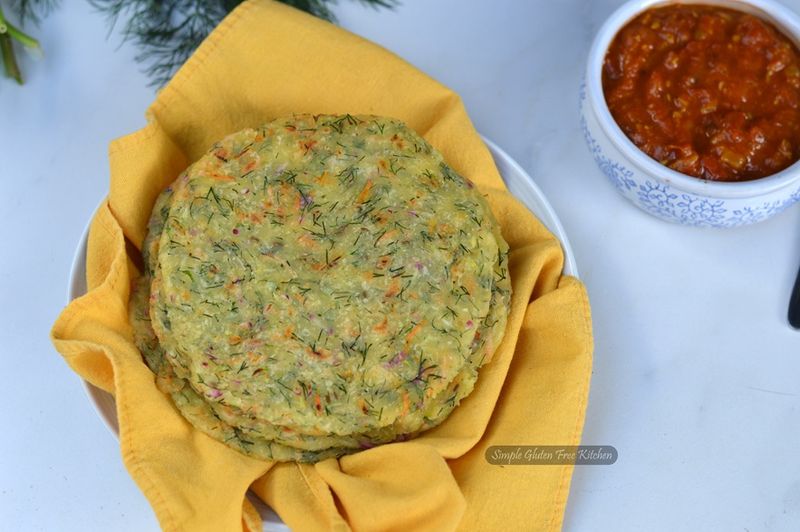
Rice is the grain that defines South Indian cooking, and Karnataka's Akki Roti shows just how brilliantly versatile it can be. Made from rice flour mixed with onion, green chilli, coconut, and fresh coriander, these flatbreads are pressed directly onto a hot griddle and cooked until golden.
They are crispy at the edges and soft in the middle, with flavour baked right into the dough itself. Paired with a simple coconut chutney, Akki Roti proves that sometimes the most straightforward cooking is the most satisfying.
19. Jadoh – Meghalaya's Pork and Rice One-Pot Dish
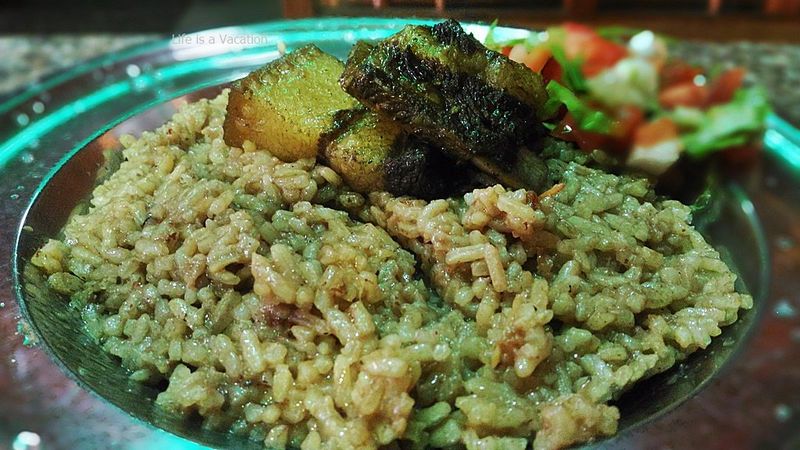
Most Britons know very little about the food of India's northeastern states, and that is a genuine shame. Jadoh is a Khasi tribal dish from Meghalaya made with red rice and pork cooked together with turmeric, ginger, and black sesame seeds into a deeply satisfying one-pot meal.
The pork is fatty and tender, the rice takes on a beautiful golden hue, and the whole thing has a smoky, earthy quality that is completely unique. It is unpretentious, ancient, and absolutely worth discovering.
20. Zunka Bhakar – Maharashtra's Rustic Farmer's Meal
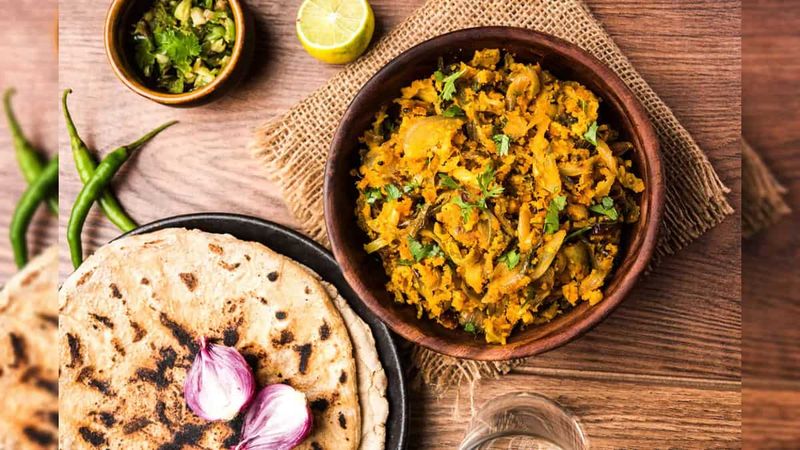
There is something deeply honest about Zunka Bhakar. A dish born from necessity in the farming communities of rural Maharashtra, Zunka is made from chickpea flour tempered with mustard seeds, garlic, and dried chilli, cooked dry until crumbly and intensely flavoured.
Bhakar is the thick, unleavened sorghum flatbread that accompanies it. Together they form a meal that requires almost nothing but delivers everything.
Britons who appreciate simple, punchy, peasant-style cooking would find this combination unexpectedly moving in its straightforwardness.
21. Iromba – Manipur's Fermented Fish and Vegetable Mash
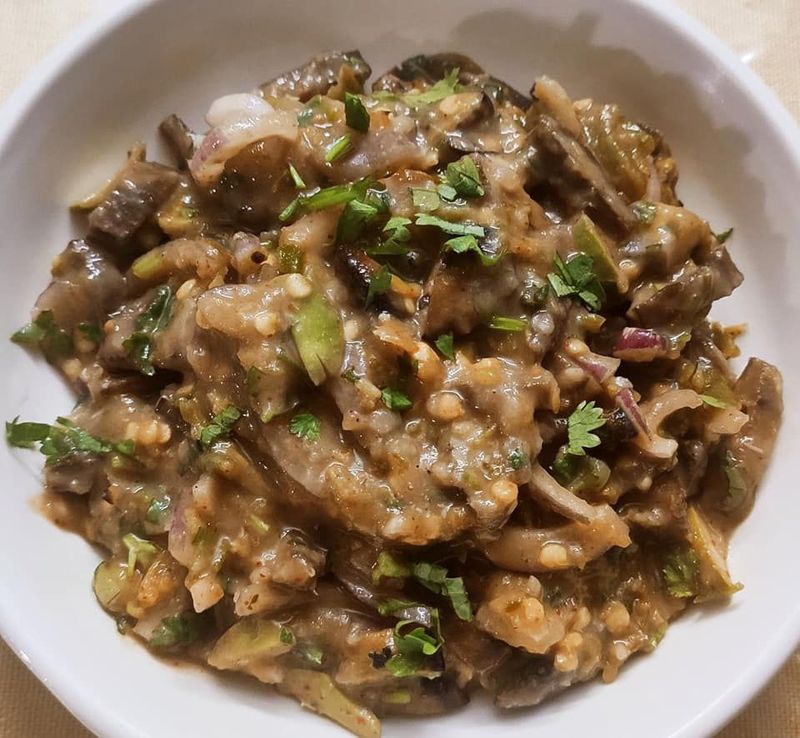
Fermented fish is the backbone of Manipuri cooking, and Iromba is where that tradition shines most brightly. This dish is a mash of boiled vegetables, including potato, bamboo shoots, and yam, combined with ngari, a pungent fermented fish paste, and roasted dried chillies.
It sounds unusual, but the result is a deeply savoury, umami-rich dish that works beautifully alongside plain steamed rice. Adventurous Britons who enjoy the funkiness of anchovy paste or Worcestershire sauce would find Iromba surprisingly familiar territory.
22. Thalipeeth – Maharashtra's Multigrain Spiced Pancake
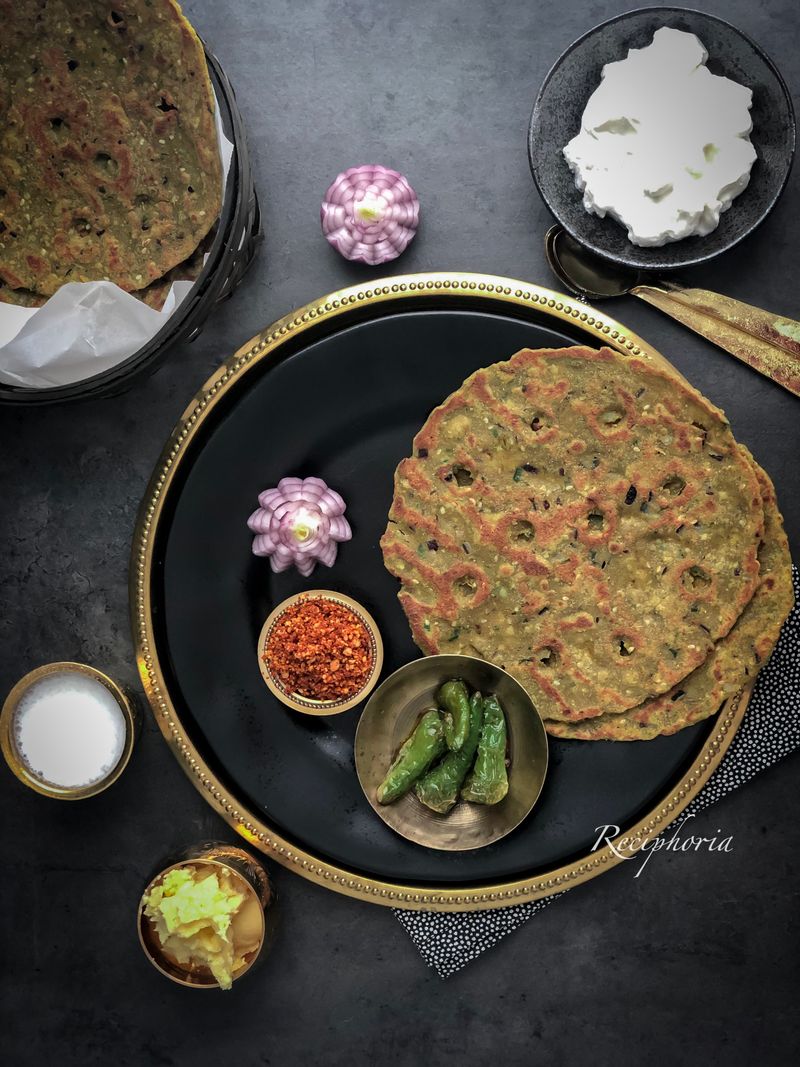
Thalipeeth is the kind of breakfast that keeps you going until dinner. A thick, spiced flatbread made from a special flour blend called bhajanee, which combines roasted rice, wheat, lentils, and millet, it is pressed flat on a griddle with a hole in the centre to help it cook evenly.
Smothered with fresh white butter, it is one of Maharashtra's most satisfying morning meals. Britons interested in ancient grain cooking would find Thalipeeth a brilliant and nutritious discovery worth making at home.
23. Muton Rara – Punjab's Double Mutton Showstopper
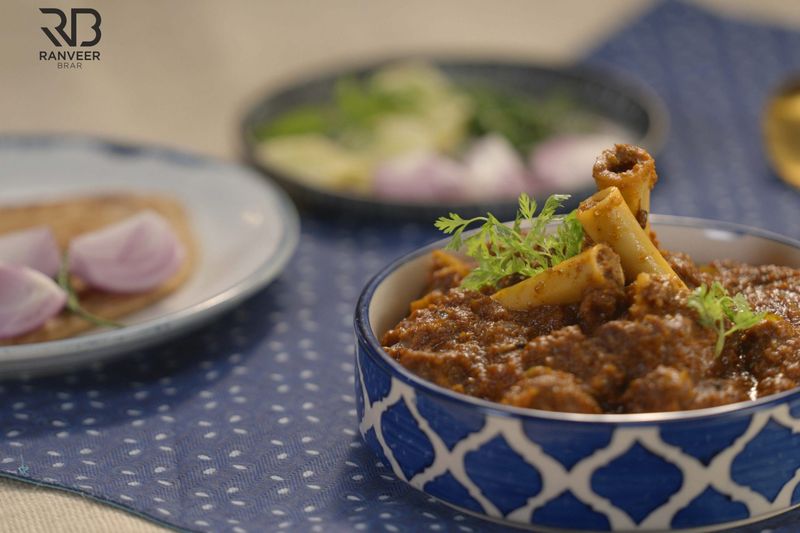
Punjab is famous for its bold, unapologetic cooking, and Mutton Rara is one of its most impressive achievements. The dish combines minced mutton and bone-in mutton pieces in the same curry, giving you two entirely different textures in a single, deeply spiced gravy.
The mince melts into the sauce, enriching it, while the bone-in pieces add substance and depth. Served with thick tandoori roti, this is a dish built for serious meat lovers.
Britons who love a proper lamb dish will be completely won over.
24. Pithore – Rajasthan's Chickpea Flour Cake
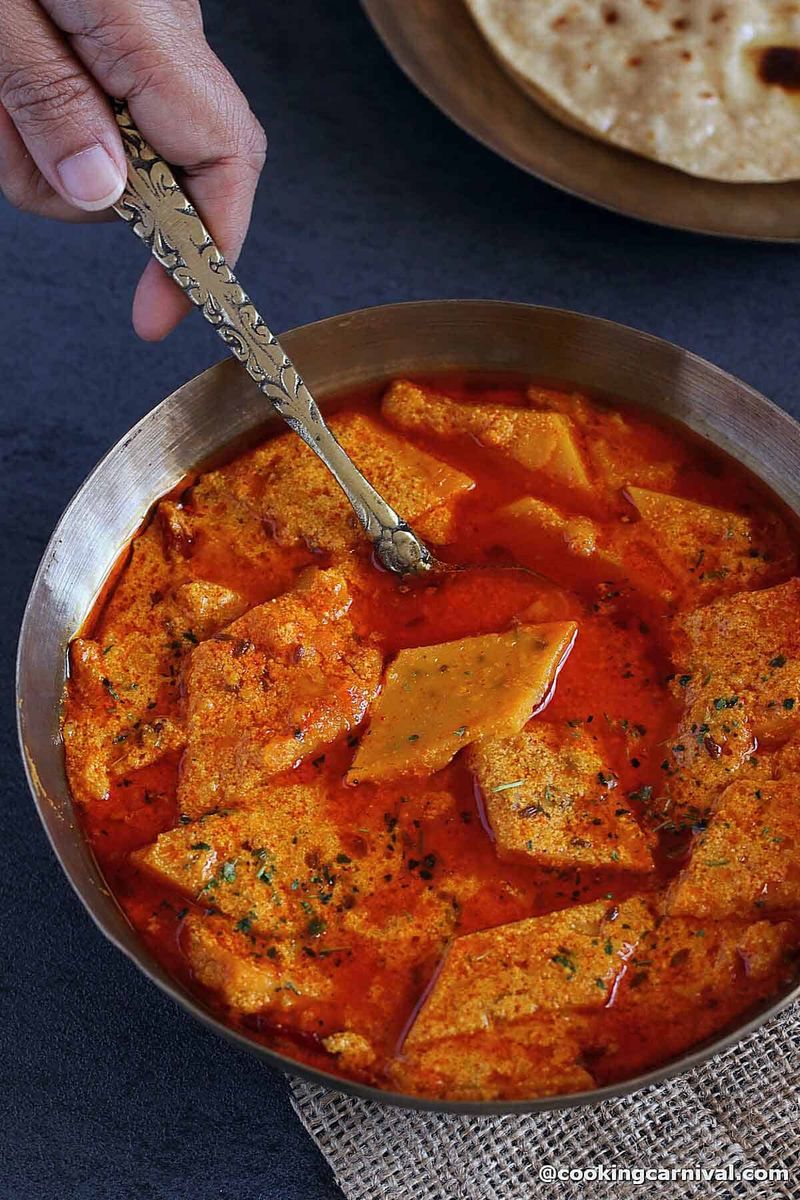
Rajasthan's arid landscape meant that cooks had to be endlessly inventive with shelf-stable ingredients, and Pithore is a brilliant example of that ingenuity. Chickpea flour is cooked with spices into a thick paste, poured flat to set, then cut into squares and shallow-fried until golden.
The texture is firm on the outside and slightly yielding inside, almost like a spiced polenta cake. Served with tamarind chutney, it works equally well as a snack or a starter.
Britons who love arancini or polenta fries should try this immediately.
25. Puttu and Kadala Curry – Kerala's Iconic Morning Duo
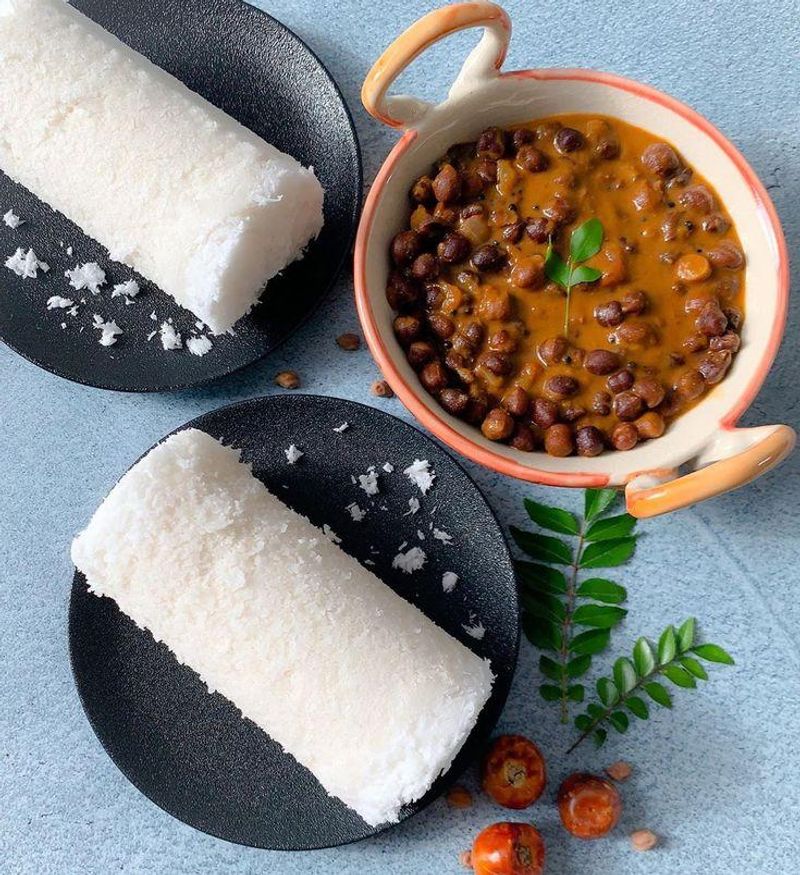
Every morning in Kerala, the sound of steam escaping a Puttu maker signals something wonderful is coming. Puttu are cylindrical rice cakes layered with grated coconut and steamed until fluffy.
On their own they are pleasant, but paired with Kadala curry, a fiery black chickpea stew, they become something truly spectacular.
The contrast between the mild, slightly sweet Puttu and the dark, intensely spiced Kadala is one of Indian cooking's greatest flavour pairings. Britons visiting Kerala are often completely unprepared for how good this combination is.

Comments
No Comments