













As we get older, our bodies change in ways that affect how we process food. What worked just fine at 30 might not be so great at 65 or beyond.
Certain foods can raise the risk of heart disease, high blood pressure, diabetes, and other health concerns that become more common with age. Knowing which foods to cut back on can make a real difference in how you feel every day.
1. Processed Deli Meats

Grab a sandwich and you might not think twice about the cold cuts inside, but processed deli meats like bologna, salami, and hot dogs are packed with sodium and preservatives called nitrates. These additives have been linked to higher risks of heart disease and certain cancers.
Older adults are especially sensitive to high sodium intake, which can raise blood pressure quickly. Swapping deli meats for grilled chicken or canned tuna is a simple, satisfying switch.
2. White Bread

White bread might feel like a comfort food staple, but it is made from refined flour that has had most of its fiber and nutrients stripped away. Without that fiber, it causes blood sugar to spike quickly, which is a concern for older adults managing or trying to prevent type 2 diabetes.
Whole grain or sprouted grain bread offers far more nutritional value. Making the switch is one of the easiest upgrades you can make to your daily meals.
3. Sugary Breakfast Cereals
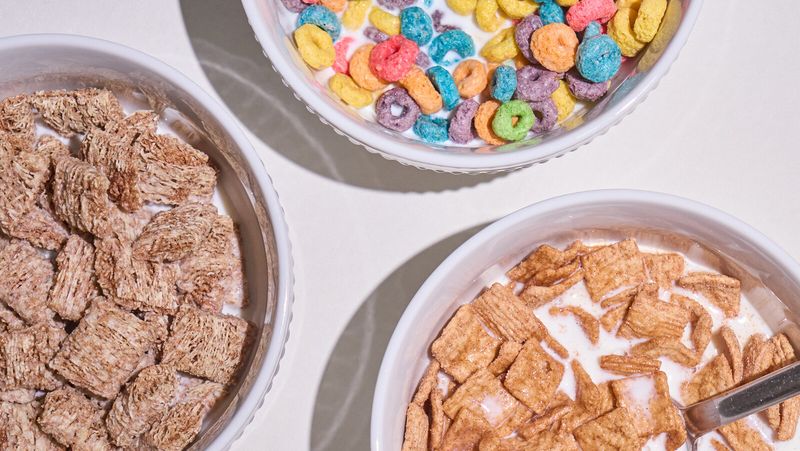
Many breakfast cereals marketed as quick and easy are loaded with added sugar, sometimes containing more than a candy bar in a single serving. Starting the day with a sugar rush can lead to energy crashes, weight gain, and blood sugar instability.
For older adults, keeping blood sugar steady throughout the morning is key to maintaining energy and focus. Oatmeal with fresh berries or eggs with vegetables are far better ways to kick off the day.
4. Fried Foods

There is something undeniably satisfying about crispy fried food, but the oils used in deep frying are often high in unhealthy trans fats and saturated fats. These fats clog arteries over time and put extra strain on the heart, which already works harder as we age.
Older adults with slower metabolisms also have a harder time burning off excess calories from fried foods. Baking, air frying, or grilling can give you similar textures with far fewer health consequences.
5. Canned Soups
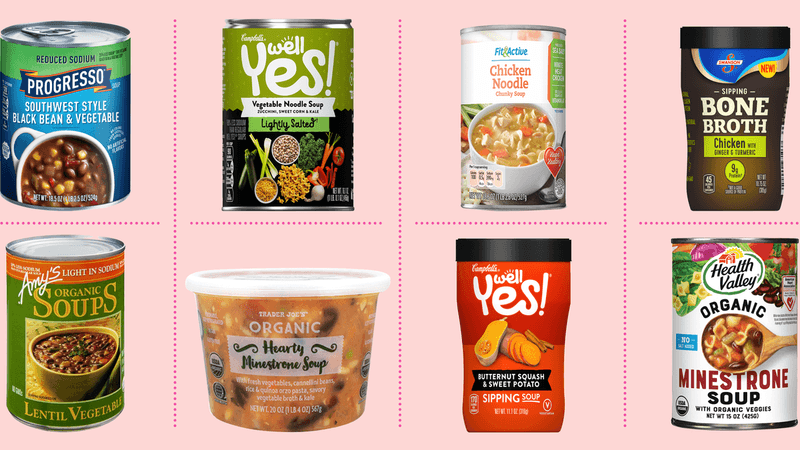
Canned soups seem like a cozy, effortless meal, especially on cold days. The problem is that many popular brands contain shocking amounts of sodium, sometimes over 800 milligrams per half-cup serving.
Older adults who eat canned soup regularly may unknowingly be consuming far more salt than recommended in a single meal.
High sodium intake is directly tied to hypertension and fluid retention. Low-sodium or homemade soups are much gentler on the cardiovascular system and taste just as comforting.
6. Margarine
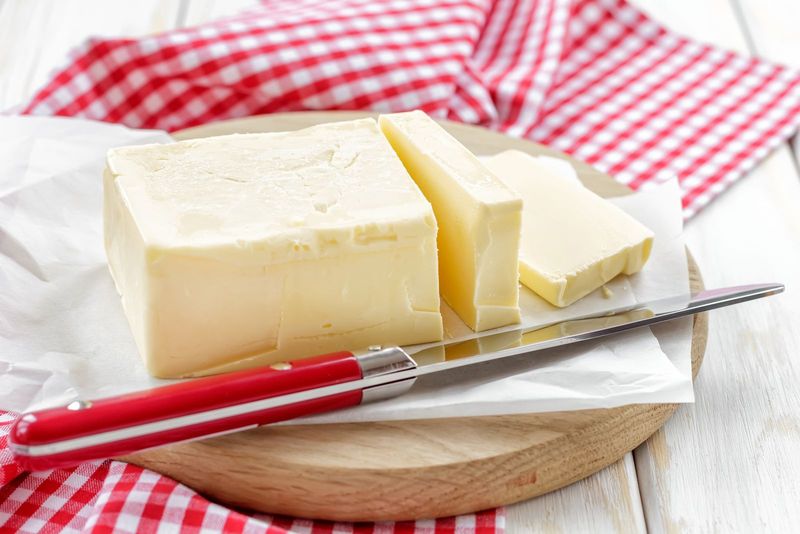
For decades, margarine was promoted as a healthier alternative to butter, but many older varieties contain partially hydrogenated oils loaded with trans fats. Trans fats are among the most harmful dietary fats known, raising bad cholesterol while lowering the good kind simultaneously.
Even newer margarines can contain additives that are not ideal for aging bodies. Small amounts of real butter or heart-healthy olive oil are generally better choices for cooking and spreading on food.
7. Soda and Sugary Drinks
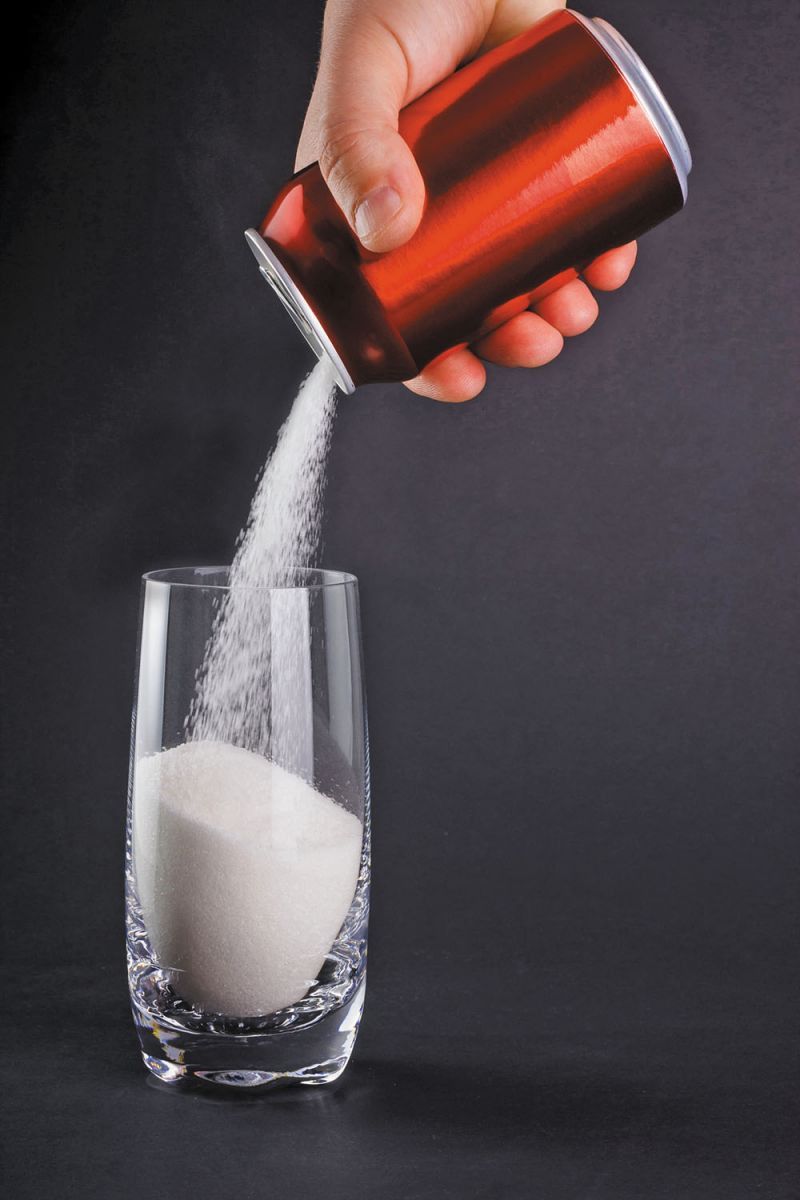
A cold soda might feel refreshing, but each can typically contains around 10 teaspoons of sugar with zero nutritional benefit. For older adults, this sugar overload can accelerate insulin resistance, promote weight gain around the belly, and even weaken bones by leaching calcium.
Diet sodas are not a perfect fix either, since artificial sweeteners have their own set of concerns. Sparkling water with a squeeze of lemon or a splash of 100 percent fruit juice is a much smarter swap.
8. Alcohol

Moderate alcohol consumption has long been debated, but the reality for older adults is that the body processes alcohol more slowly with age. This means even small amounts can affect balance, coordination, and medication effectiveness, raising the risk of dangerous falls.
Alcohol also disrupts sleep patterns, weakens the immune system, and can worsen conditions like acid reflux and liver disease. Cutting back significantly or avoiding it altogether is one of the most protective choices an older adult can make.
9. Full-Fat Dairy Products
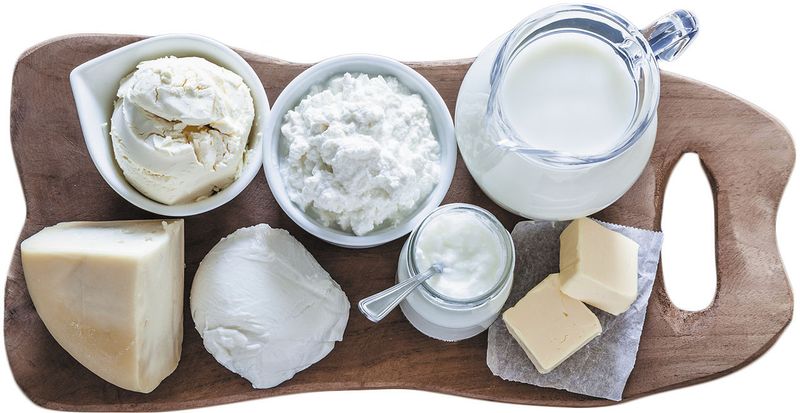
Whole milk, heavy cream, and full-fat cheese taste rich and satisfying, but they are dense in saturated fat, which can raise LDL cholesterol levels over time. For older adults already managing cardiovascular risk factors, this added fat burden can be significant.
Switching to low-fat or fat-free dairy versions still provides calcium and protein without the saturated fat load. Greek yogurt and reduced-fat cheeses are tasty alternatives that support bone health without putting extra stress on the heart.
10. Packaged Snack Cakes
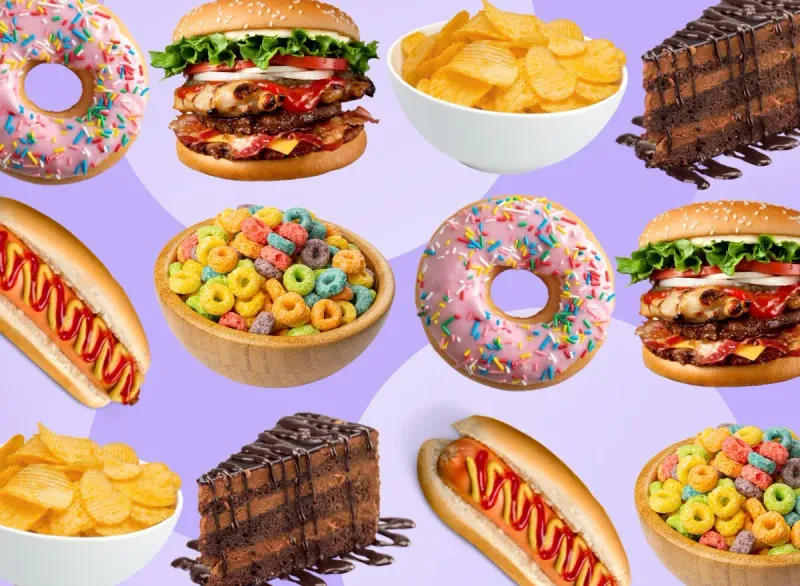
Those little wrapped cakes sitting on store shelves have an almost supernatural shelf life, which should tell you something about what is inside them. Snack cakes are typically made with refined flour, hydrogenated oils, artificial flavors, and enormous amounts of added sugar.
For older adults, regularly eating these treats can contribute to inflammation, weight gain, and blood sugar spikes. Fresh fruit, a small handful of nuts, or a piece of dark chocolate are far more satisfying snack options that actually support your health.
11. Fast Food Burgers
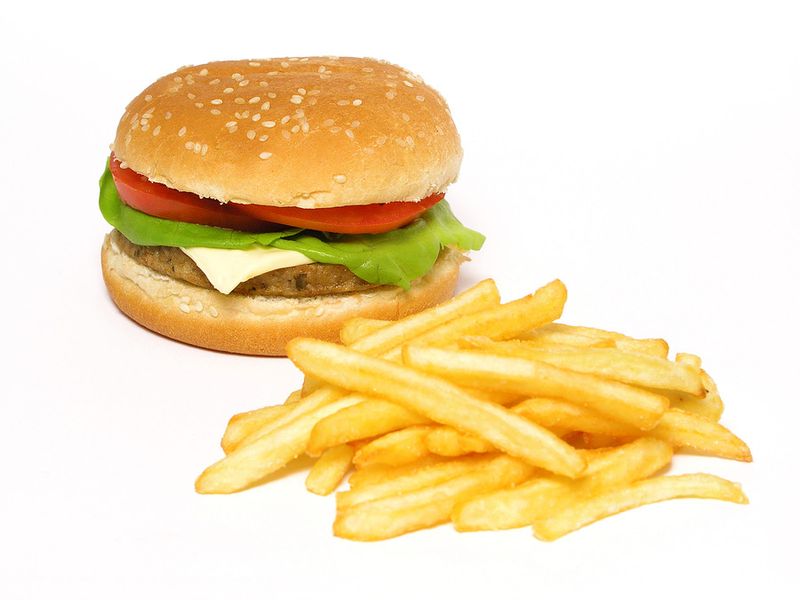
Fast food burgers are convenient and undeniably tasty, but they combine several problematic ingredients in one meal: high sodium, saturated fat, refined carbohydrates from the bun, and calorie counts that can exceed what many older adults need in an entire day.
Frequent fast food consumption has been linked to higher rates of obesity, heart disease, and metabolic syndrome. Cooking at home gives you full control over ingredients, and a homemade burger with a whole grain bun and fresh vegetables can actually be a balanced meal.
12. Pickles and Pickled Foods
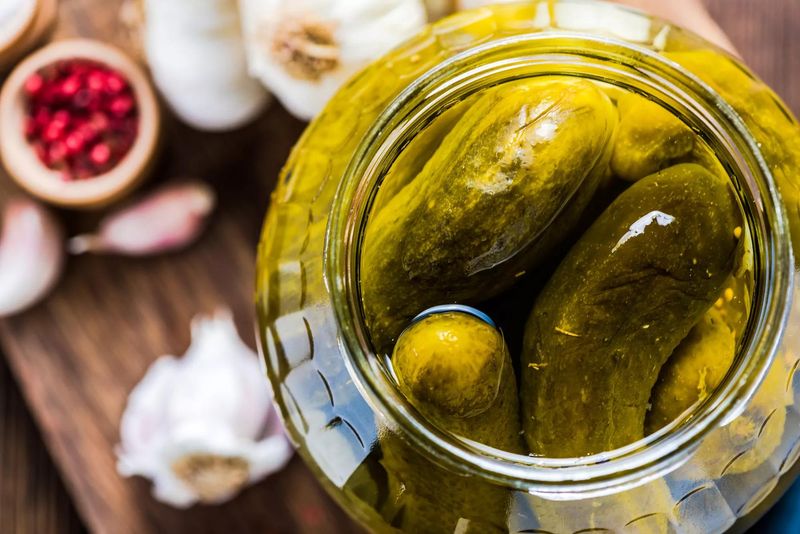
Pickles get points for being low in calories, but they carry a hidden downside: extremely high sodium content. Just two pickle spears can contain over 600 milligrams of sodium, nearly a third of the daily recommended limit for older adults who need to watch their blood pressure.
Fermented pickles do offer some probiotic benefits, but the sodium trade-off is significant. Enjoying them occasionally rather than daily keeps things balanced without missing out on the tangy crunch you love.
13. Potato Chips
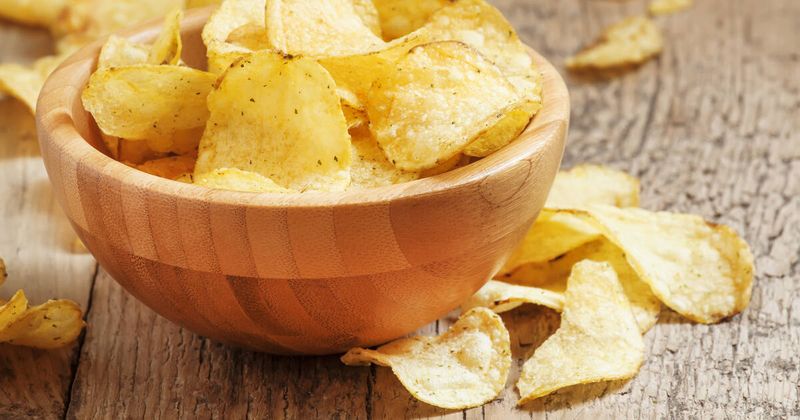
Crunchy, salty, and nearly impossible to stop eating, potato chips are a classic snack with a not-so-classic nutritional profile. They are high in sodium, low in fiber, and often cooked in oils that add unhealthy fats without any real nutritional payoff.
For older adults, the combination of high salt and empty calories can quietly contribute to weight gain and elevated blood pressure over time. Air-popped popcorn with light seasoning or roasted chickpeas can scratch that crunchy craving in a much healthier way.
14. Frozen Dinners
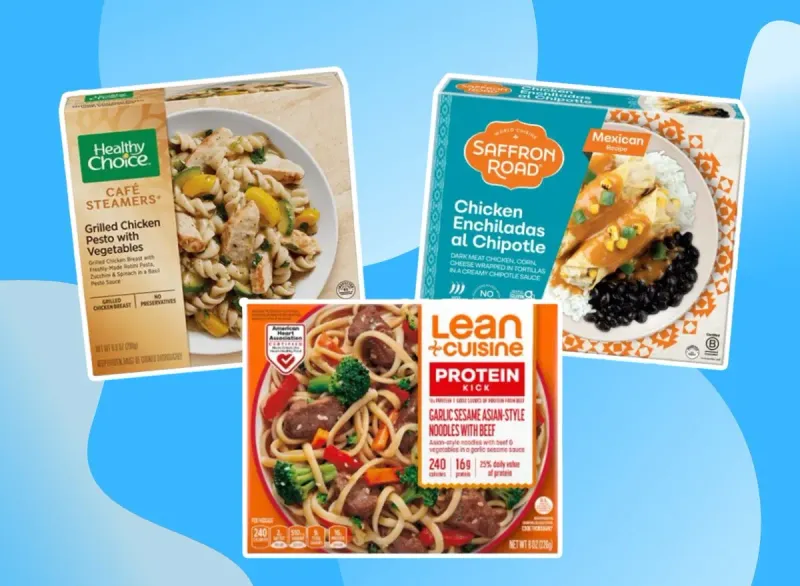
Frozen dinners promise convenience, but most are engineered with sodium, preservatives, and artificial additives to extend their shelf life and boost flavor. A single frozen meal can easily contain more than 1,000 milligrams of sodium, making it a blood pressure nightmare for older adults.
Portion sizes in frozen meals are also often misleading. Batch cooking on weekends and freezing your own portioned meals gives you the same convenience without the sodium overload and mystery ingredients hiding in commercial frozen dinners.
15. Refined Pasta

Pasta night is beloved by many, but traditional white pasta is made from refined wheat that digests rapidly and causes blood sugar to rise sharply. Over time, frequent blood sugar spikes can strain the pancreas and increase insulin resistance, a serious concern for older adults.
Whole wheat, chickpea, or lentil-based pasta varieties offer more fiber and protein, slowing digestion and keeping blood sugar more stable. These options taste surprisingly similar and pair perfectly with the same sauces you already enjoy.
16. Bacon
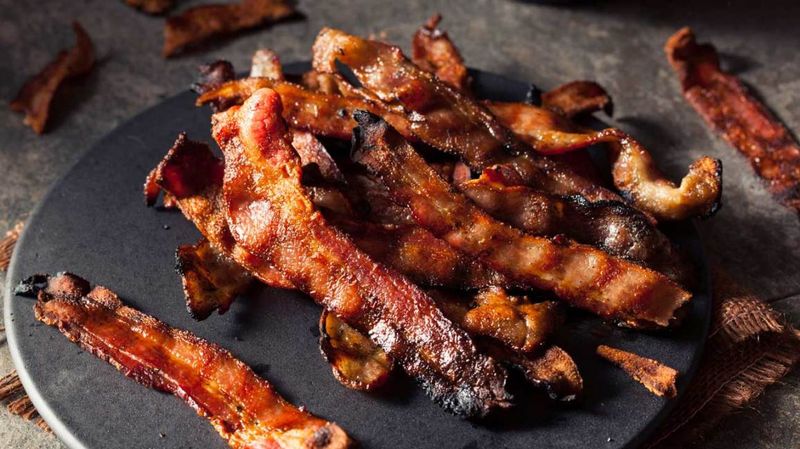
Few smells are as tempting as bacon frying in the morning, but this breakfast staple is one of the most processed meats available. Bacon is loaded with saturated fat, sodium, and nitrates, a combination that research consistently links to higher rates of heart disease and colorectal cancer.
Older adults who enjoy a savory breakfast can look to turkey bacon in moderation, or better yet, eggs with sauteed vegetables and a slice of avocado for a satisfying, heart-friendlier morning meal.
17. High-Sodium Condiments
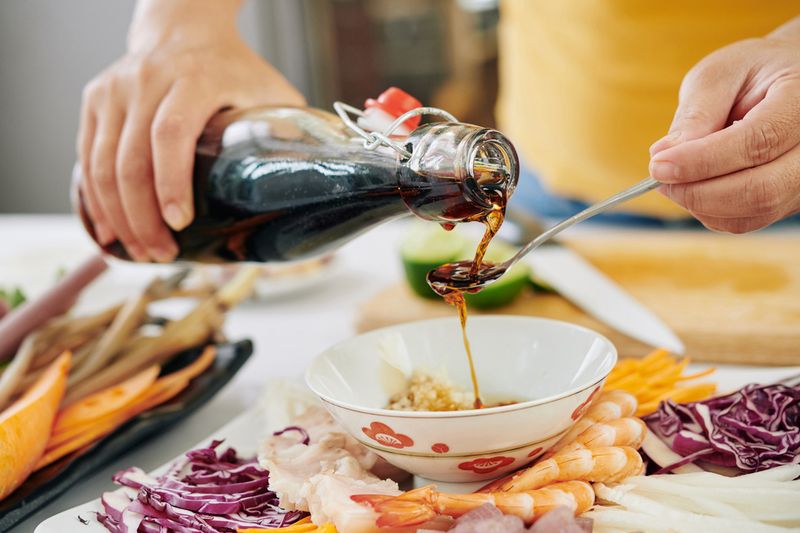
Condiments like soy sauce, ketchup, and certain salad dressings seem harmless in small amounts, but they add up fast. A single tablespoon of soy sauce contains nearly 900 milligrams of sodium, and most people use far more than that without measuring.
For older adults managing blood pressure or kidney health, these hidden sodium sources can push daily intake well beyond safe limits. Reading labels carefully and choosing low-sodium versions of your favorite condiments is a painless way to protect your health.
18. Pastries and Donuts

Walking past a bakery display is a genuine test of willpower, and it is easy to see why. Donuts and pastries are made with refined flour, sugar, and often shortening or partially hydrogenated oils, creating a triple threat of empty calories, blood sugar spikes, and unhealthy fats.
Older adults who enjoy something sweet with their morning coffee might try a small portion of whole grain toast with almond butter and banana slices instead. The sweetness is real, and the nutritional value is incomparably better.
19. Ice Cream

Ice cream holds a special place in many hearts, but eating it regularly is not the best idea for older adults. It is high in saturated fat and sugar, and many flavors contain artificial additives and colorings that offer no nutritional benefit whatsoever.
Dairy-based ice cream can also be hard to digest for the many adults who develop some degree of lactose intolerance with age. A small scoop on special occasions is perfectly fine, but frozen fruit blends or low-sugar frozen yogurt make better everyday alternatives.
20. Energy Drinks

Energy drinks might seem like a quick fix for afternoon fatigue, but they pack a dangerous punch for older adults. Most contain extremely high levels of caffeine, sugar, and stimulants like taurine and guarana that can cause rapid heart rate, elevated blood pressure, and even cardiac events.
As the heart becomes more sensitive with age, these stimulants pose a real risk. A short walk, a glass of water, or a small cup of green tea are much safer and surprisingly effective ways to boost energy naturally.
21. Cured and Smoked Meats
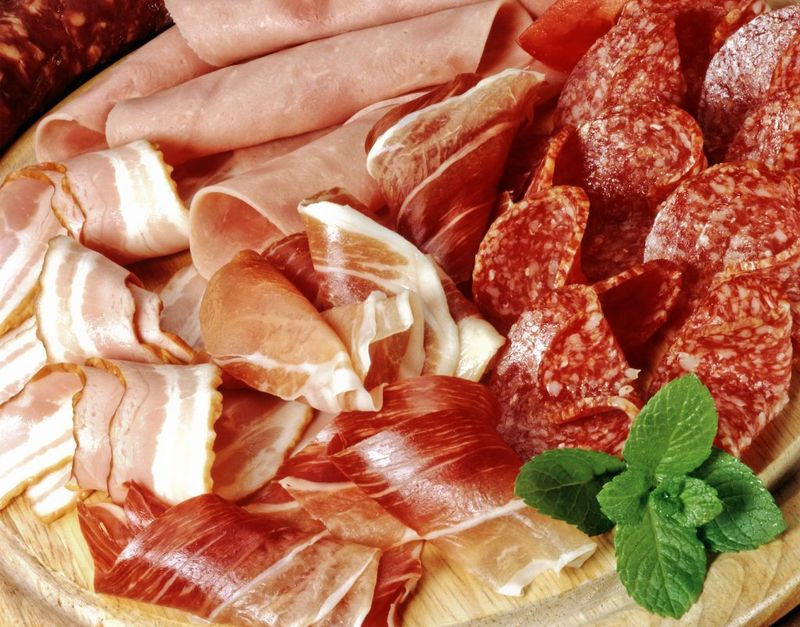
Charcuterie boards have become trendy, but the cured and smoked meats featured on them come with health trade-offs worth knowing. Smoking and curing processes create compounds called polycyclic aromatic hydrocarbons and nitrosamines, both of which have been linked to increased cancer risk with regular consumption.
Older adults who love the bold flavors of smoked meats might enjoy them occasionally as a treat rather than a regular protein source. Fresh grilled fish or lean poultry delivers comparable satisfaction with far fewer health concerns.
22. White Rice
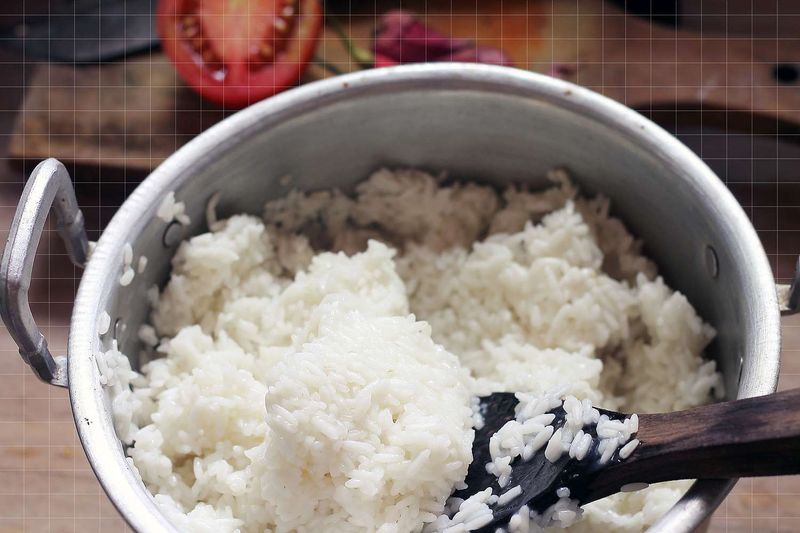
White rice is a dietary staple for billions of people worldwide, but its nutritional story is less impressive than it appears. Like white bread and refined pasta, white rice is a processed grain that digests quickly, causing blood sugar to spike and then crash, leaving you hungry again soon after.
For older adults managing blood sugar or weight, switching to brown rice, quinoa, or cauliflower rice can make a meaningful difference. These alternatives provide more fiber, vitamins, and minerals that white rice simply cannot match.
23. Butter in Large Amounts

Butter adds rich flavor to almost everything, but using it generously and frequently is something older adults should reconsider. It is one of the most concentrated sources of saturated fat in the typical diet, and high saturated fat intake is closely associated with elevated LDL cholesterol and cardiovascular disease risk.
Using butter sparingly and replacing it with olive oil or avocado for cooking can dramatically reduce saturated fat intake without sacrificing flavor. A small pat of butter on occasion is not the problem; daily heavy use is.
24. Spicy Foods
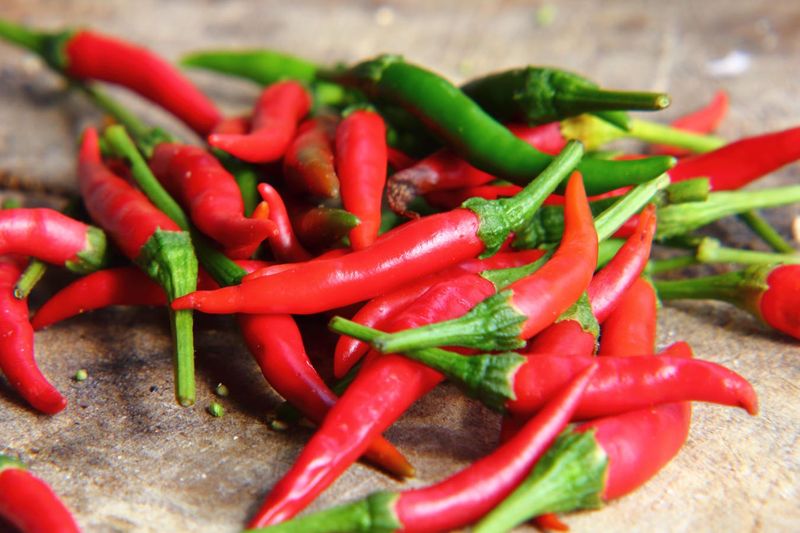
Spicy food lovers may find this one hard to accept, but heavily spiced meals can become increasingly problematic as we age. Older adults are more prone to acid reflux and gastroesophageal reflux disease, and spicy foods are among the top triggers for both conditions.
Digestive systems also slow down with age, making it harder to process intense flavors without discomfort. Enjoying milder versions of your favorite spicy dishes or using herbs like cumin and turmeric instead of hot peppers can keep meals flavorful without the painful aftermath.
25. Grapefruit Juice

Grapefruit juice sounds like a healthy breakfast choice, and nutritionally it has merit, but for older adults taking certain medications it can be genuinely dangerous. Grapefruit contains compounds that interfere with an enzyme responsible for breaking down many common medications, including statins, blood pressure drugs, and some anticoagulants.
This interference can cause medication levels in the blood to rise to unsafe levels, leading to serious side effects. If you take any prescription medications, checking with your doctor or pharmacist about grapefruit is an absolute must.




Comments
No Comments