













Food is one of the best ways to explore the world without leaving your kitchen. Every country has special ingredients that make their dishes unique, flavorful, and exciting.
Adding international ingredients to your cooking can completely transform everyday meals into something extraordinary. Whether you are a beginner or an experienced home cook, these 24 ingredients from around the globe are absolutely worth trying.
1. Miso Paste (Japan)
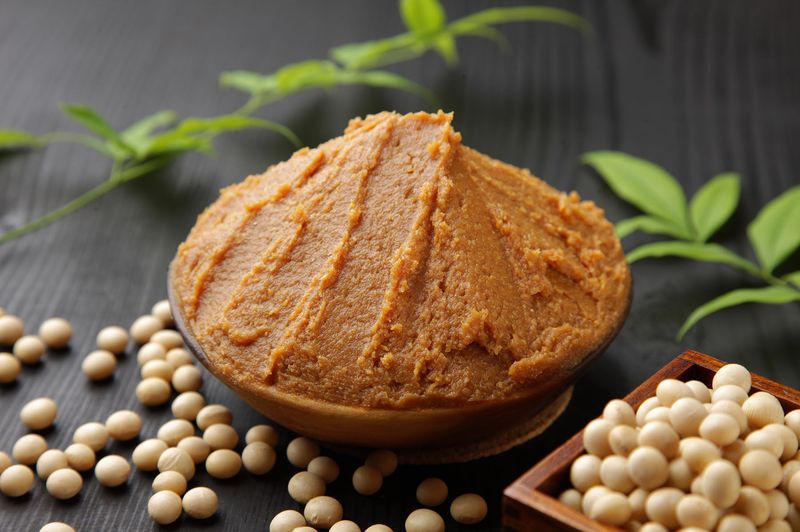
Miso paste is one of Japan's most beloved kitchen staples, made by fermenting soybeans with salt and a special mold called koji. The result is a thick, salty, deeply savory paste that can transform soups, marinades, and salad dressings instantly.
Stir a spoonful into warm broth for a quick miso soup, or mix it with butter to create an incredible glaze for roasted vegetables. White miso is milder, while red miso packs a stronger punch.
2. Sumac (Middle East)
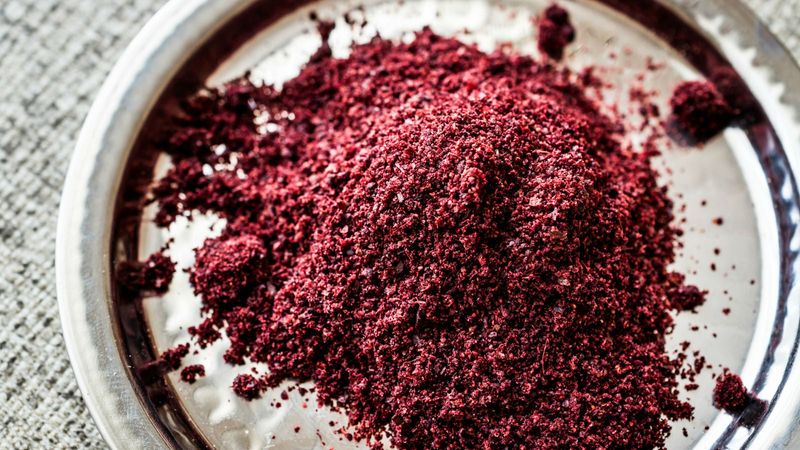
Bright, tangy, and beautifully crimson, sumac is a spice ground from dried berries that grow across the Middle East and Mediterranean regions. It delivers a tart, lemony flavor without any liquid, making it incredibly useful when you want acidity without adding juice.
Sprinkle it over grilled chicken, roasted cauliflower, or hummus for an instant flavor upgrade. Many cooks use sumac as a finishing spice, dusting it on dishes right before serving for maximum color and zing.
3. Harissa (North Africa)
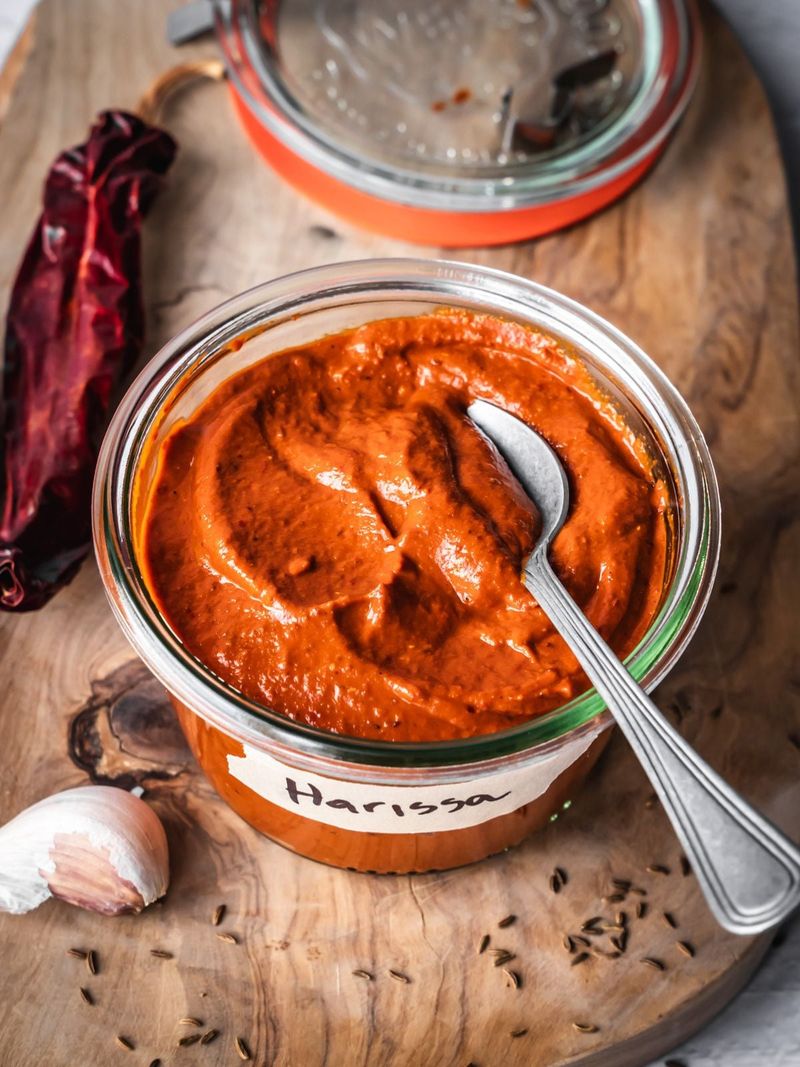
Harissa is a fiery, aromatic chili paste from North Africa, especially popular in Tunisian and Moroccan cooking. Made from roasted red peppers, hot chilies, garlic, and spices like cumin and coriander, it delivers heat with serious depth of flavor.
Use it as a marinade for lamb or chicken, stir it into couscous, or mix a small amount into plain yogurt for a quick dipping sauce. A little goes a long way, so start small and build up.
4. Tamarind (South Asia & Latin America)
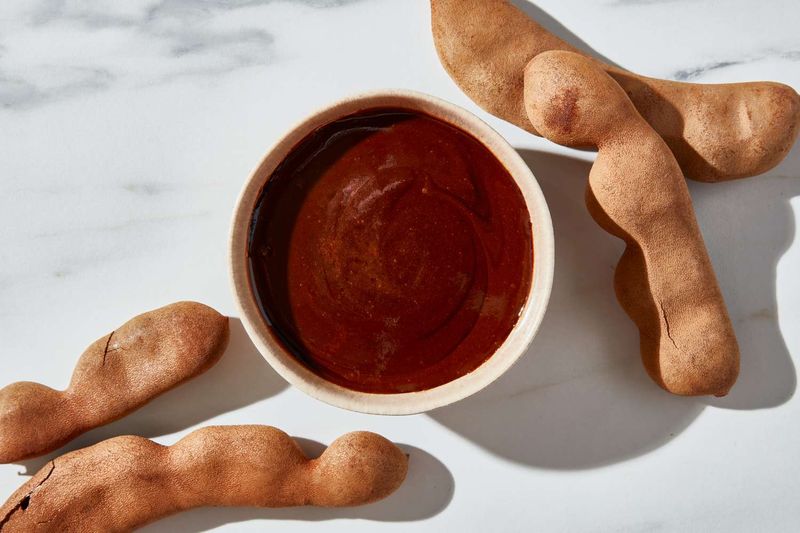
Tamarind is a sticky, dark fruit paste with a flavor that is simultaneously sweet, sour, and slightly fruity. Originally from Africa but deeply embedded in South Asian, Southeast Asian, and Latin American cuisines, it is the secret behind the tangy punch in pad Thai and many chutneys.
Buy it as a block, paste, or concentrate from most Asian grocery stores. Dissolve it in warm water and use the liquid in sauces, drinks, or stews for an unforgettable complexity.
5. Gochujang (South Korea)
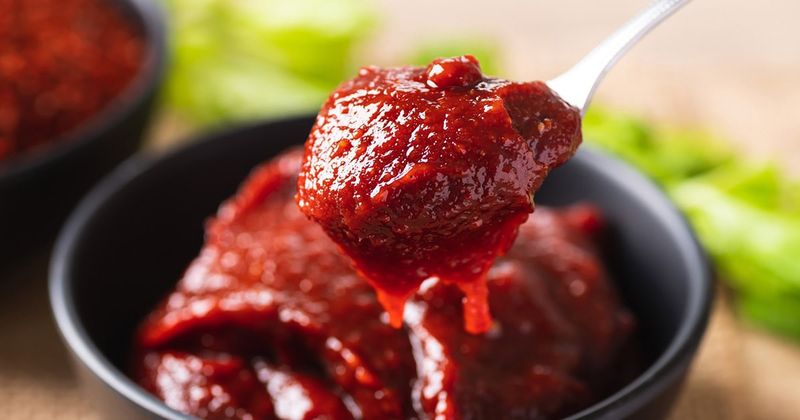
Gochujang is a thick, red Korean chili paste that combines heat, sweetness, and a deep fermented richness all in one jar. It has been a cornerstone of Korean cooking for centuries, made from red pepper powder, glutinous rice, fermented soybeans, and salt.
Mix it into stir-fries, rice bowls, or marinades for grilled meats. Even a small spoonful stirred into mayo or ketchup creates a sensational dipping sauce.
Once you try it, this paste will never leave your fridge.
6. Za'atar (Levant Region)
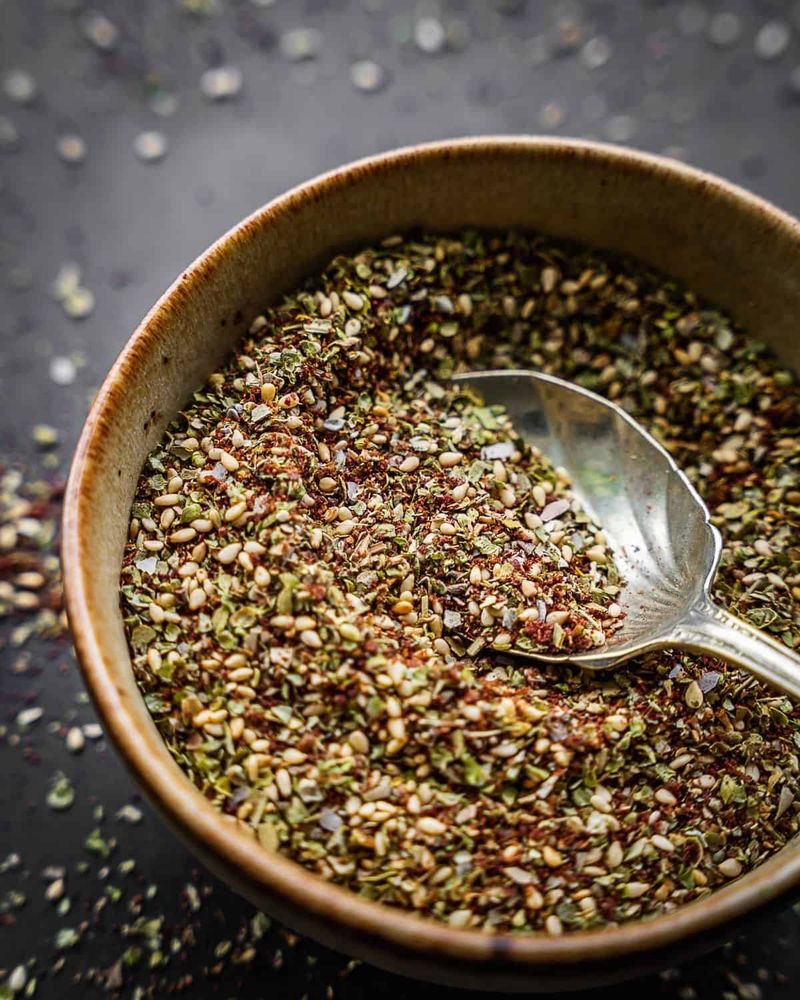
Za'atar is an herby, nutty, and slightly tangy spice blend from the Levant region, combining dried thyme, oregano, sesame seeds, and sumac. It smells incredible and adds an earthy, aromatic quality to anything it touches.
The most traditional way to enjoy it is mixed with olive oil and spread over warm flatbread. However, za'atar works brilliantly as a rub for roasted chicken, sprinkled over scrambled eggs, or mixed into labneh cheese.
Keep a jar on your counter at all times.
7. Fish Sauce (Southeast Asia)
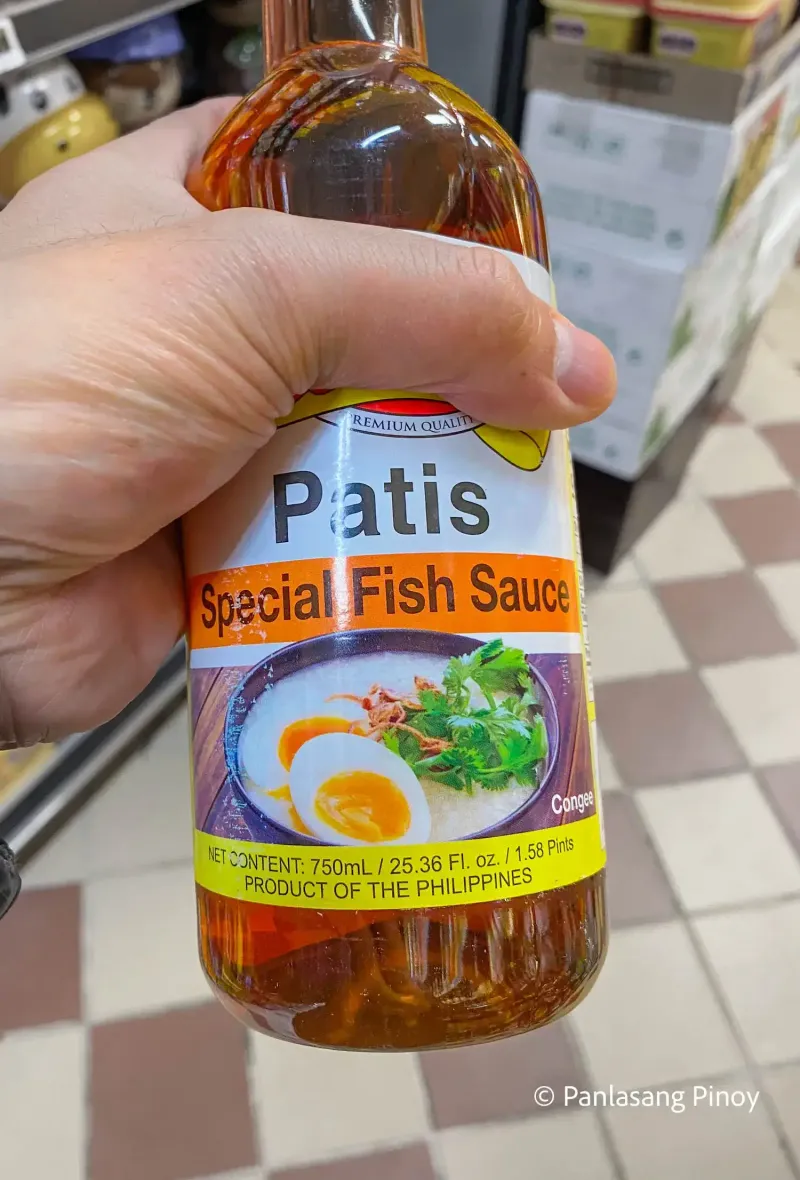
Fish sauce smells intense straight from the bottle, but do not let that scare you off. This fermented condiment, made from salted fish, is the umami backbone of Thai, Vietnamese, and Filipino cooking, adding a salty depth that no other ingredient can replicate.
Add a few drops to stir-fries, soups, noodle dishes, or even salad dressings to create a savory richness. Cooking it with heat mellows the aroma significantly.
Think of it as the Southeast Asian answer to soy sauce.
8. Preserved Lemons (Morocco)
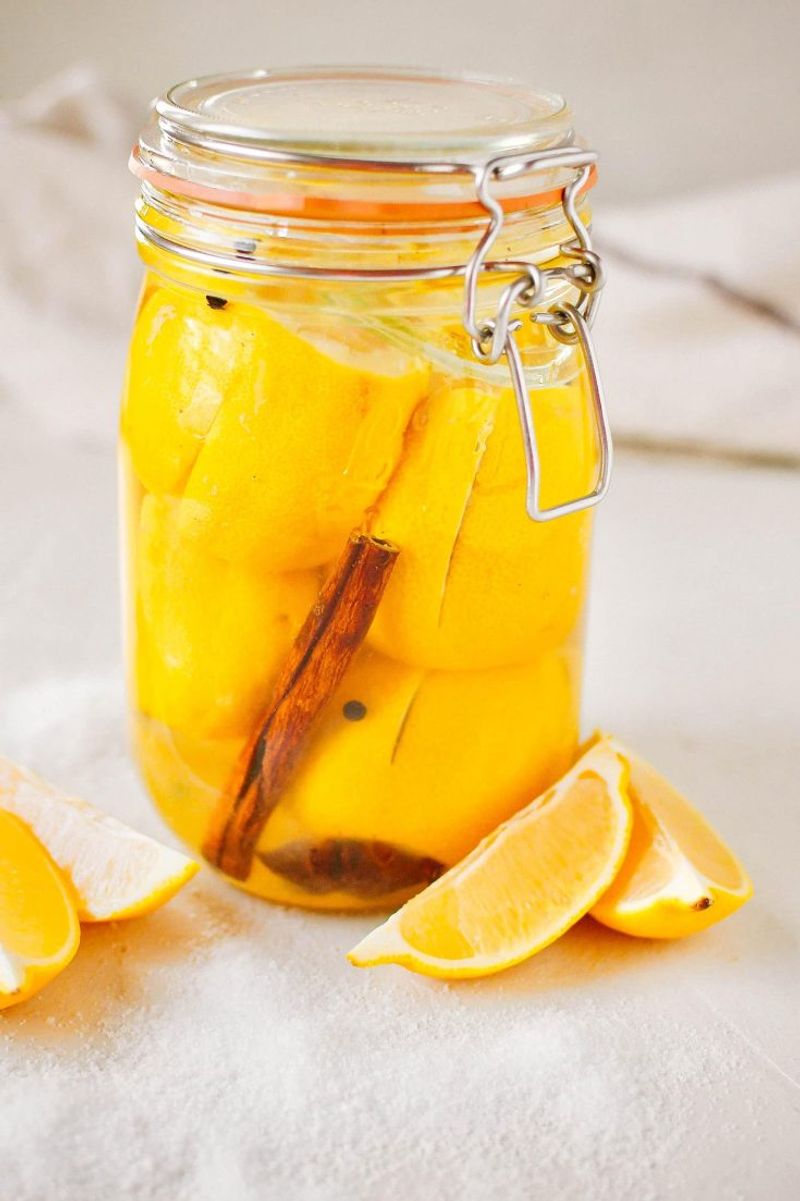
Preserved lemons are whole lemons cured in salt and their own juice for weeks until they develop a soft, intensely flavored rind. The pulp is usually discarded; it is the silky, complex rind that chefs prize for its mellow, briny citrus flavor.
Chop a small piece into chicken tagines, grain salads, or roasted vegetables to add a flavor that is hard to describe but impossible to forget. You can make your own at home or find jars at specialty grocery stores quite easily.
9. Berbere (Ethiopia)
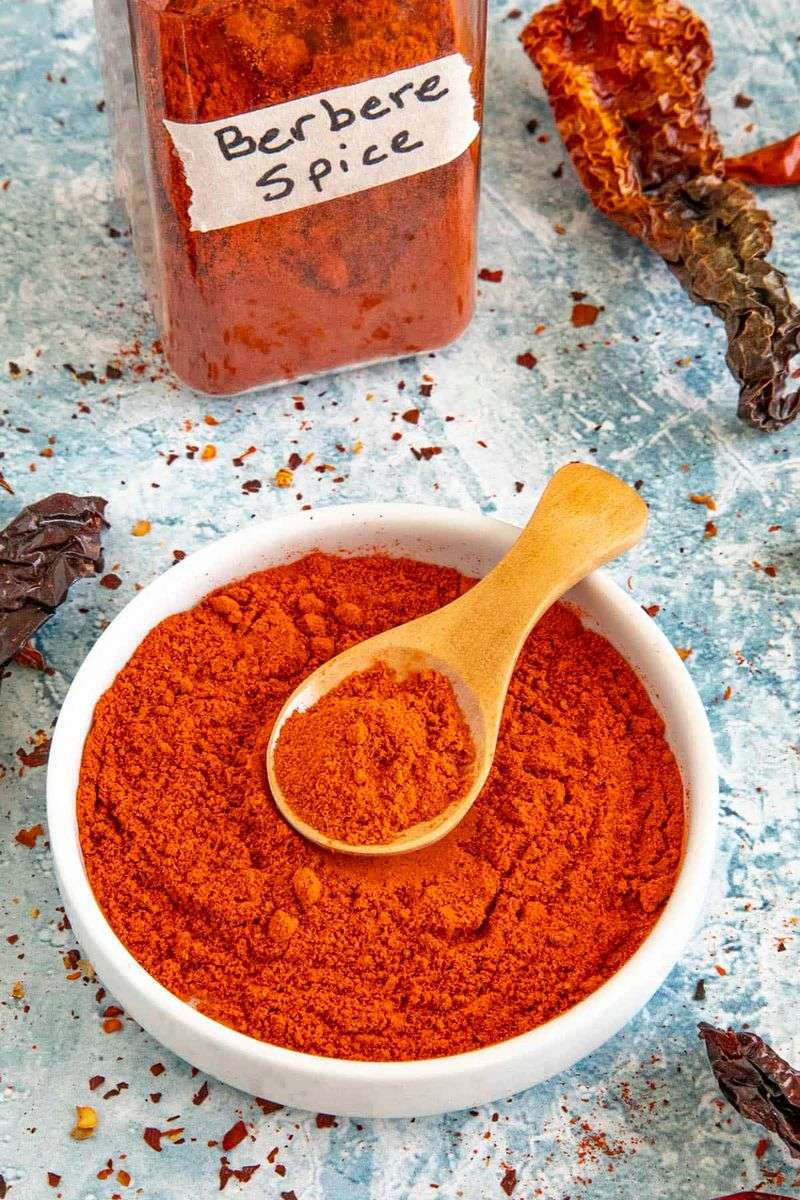
Berbere is an Ethiopian spice blend so complex it could practically be its own cuisine. Packed with chili peppers, fenugreek, coriander, ginger, cinnamon, and many more spices, it creates a warming, layered heat that builds slowly and lingers pleasantly.
Rub it onto chicken or lamb before roasting, stir it into lentil stews, or mix it with butter to make niter kibbeh, the Ethiopian spiced clarified butter. Berbere turns an ordinary pot of lentils into something genuinely spectacular and memorable.
10. Tahini (Middle East)
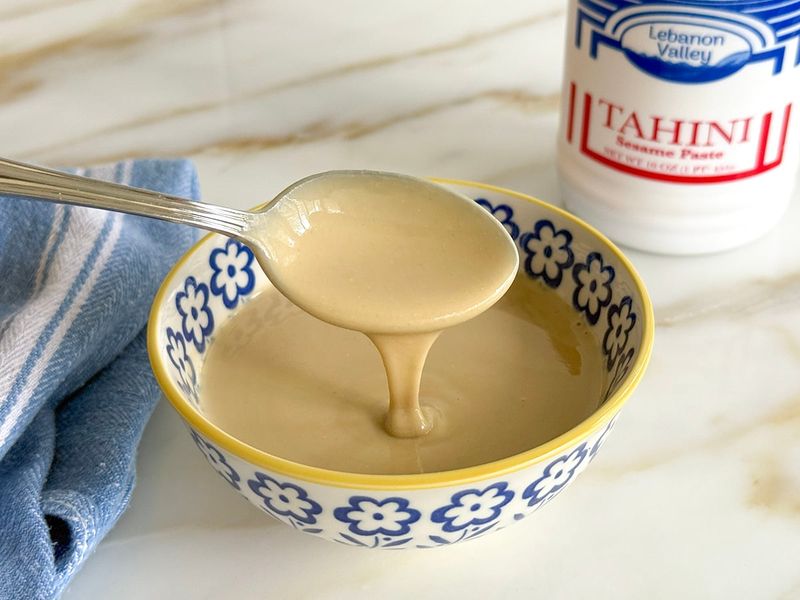
Tahini is pure ground sesame paste, and it is one of the most versatile ingredients you will ever keep in your kitchen. Nutty, slightly bitter, and wonderfully creamy, it is the ingredient that gives hummus its signature richness and depth.
Drizzle it over roasted vegetables, blend it into salad dressings, or swirl it into brownie batter for a surprisingly delicious dessert twist. Good tahini should pour smoothly like natural peanut butter.
Always stir it well before using, as the oil separates over time.
11. Kaffir Lime Leaves (Thailand)
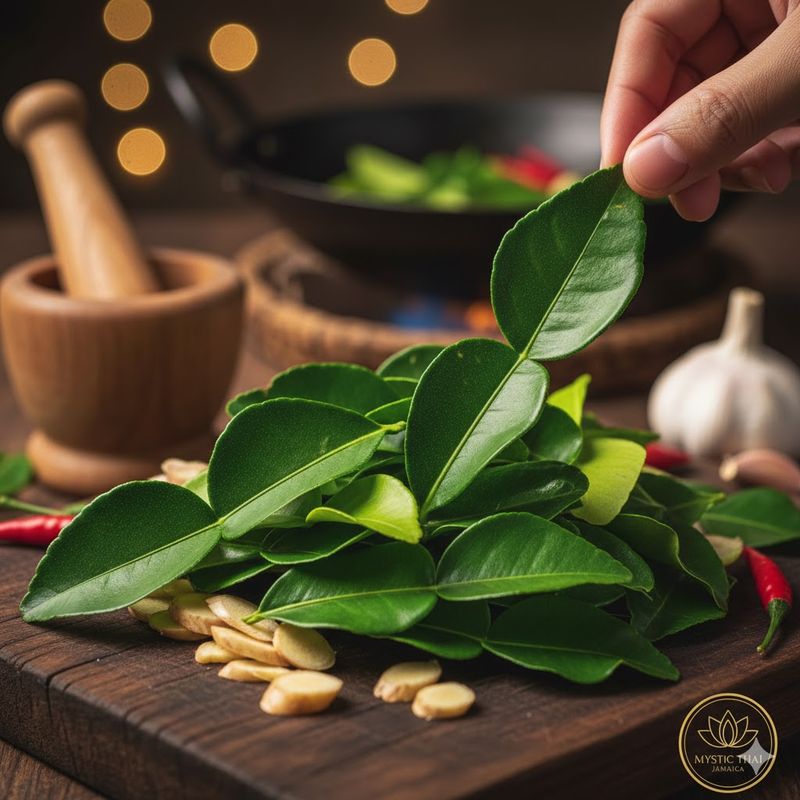
Kaffir lime leaves have one of the most distinctive and intoxicating aromas in all of cooking. Their bright, floral, citrusy fragrance is unmistakably Thai, and they are a core ingredient in curries, soups like tom kha, and stir-fries throughout Southeast Asia.
You can use them whole in broths and remove before eating, or slice them into very thin ribbons to add directly to dishes. Fresh leaves are best, but dried or frozen ones work well too.
Find them at Asian grocery stores or grow your own plant.
12. Ras el Hanout (Morocco)
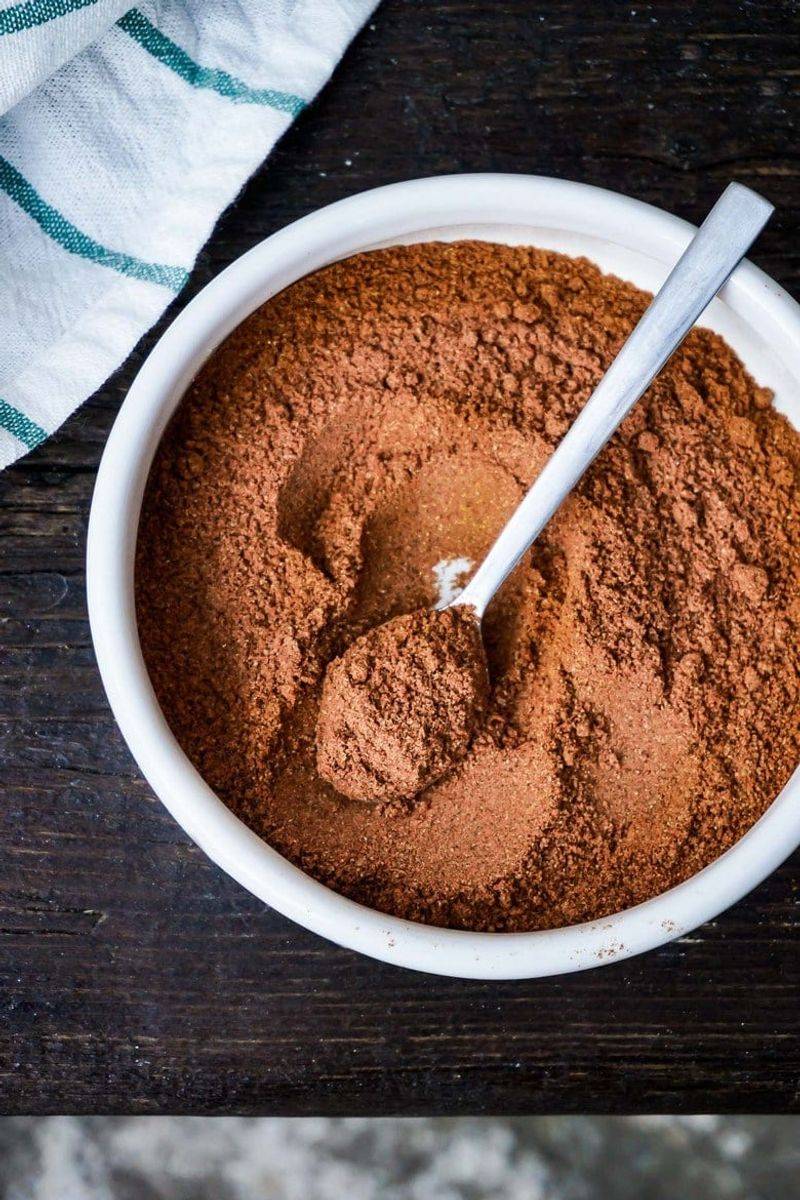
Ras el hanout literally translates to "head of the shop" in Arabic, meaning the best spices the merchant has to offer. This Moroccan spice blend can contain anywhere from 10 to 30 different spices, including rose petals, cardamom, cinnamon, turmeric, and nutmeg.
The result is a warm, floral, and deeply aromatic powder that makes lamb, chicken, and roasted vegetables sing. Rub it on meat before grilling or stir it into couscous with dried fruit for a sweet and savory side dish worth repeating.
13. Epazote (Mexico)
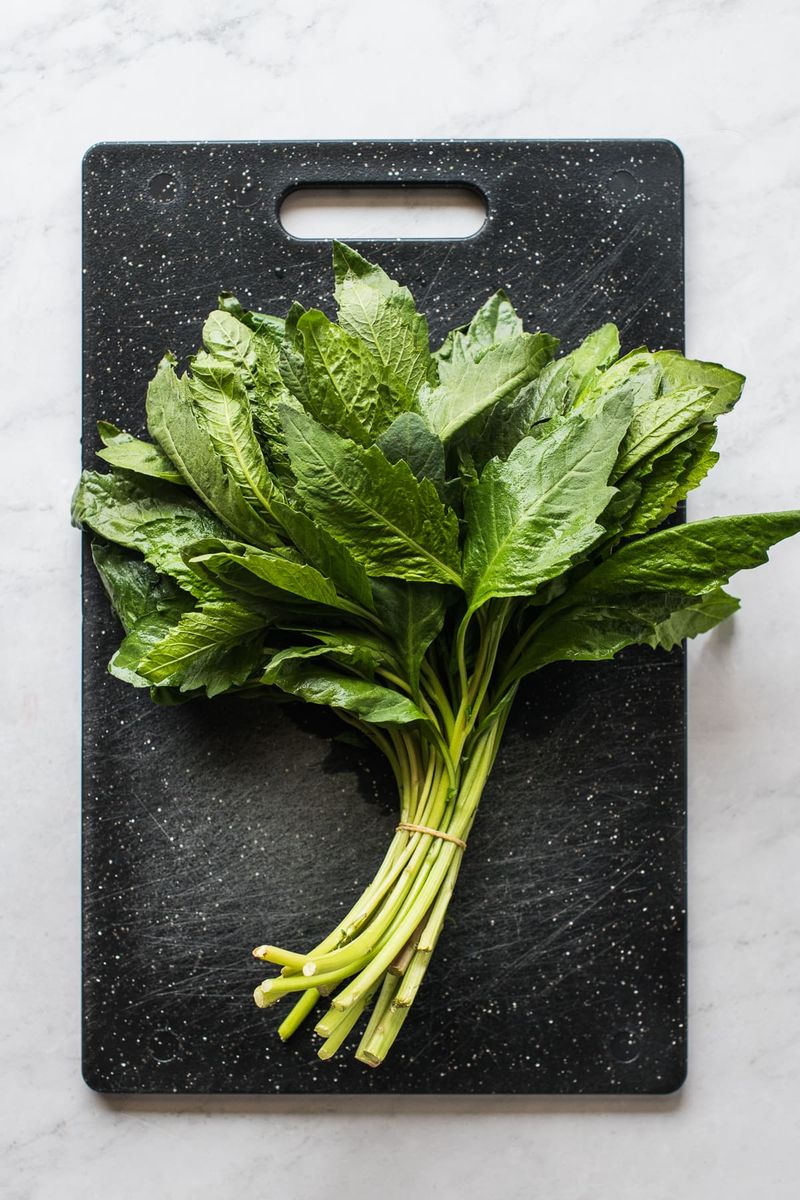
Epazote is a wild herb native to Central America and Mexico, with a pungent, medicinal aroma that might surprise you the first time you smell it. Despite its strong scent, it adds an earthy, savory dimension to Mexican black beans, quesadillas, and corn dishes that is genuinely irreplaceable.
Beyond flavor, epazote is traditionally added to beans because it is believed to reduce their gas-producing effects. Fresh epazote can be found at Latin markets, but dried works in a pinch.
Add a few leaves to your next pot of beans.
14. Shiso (Japan)
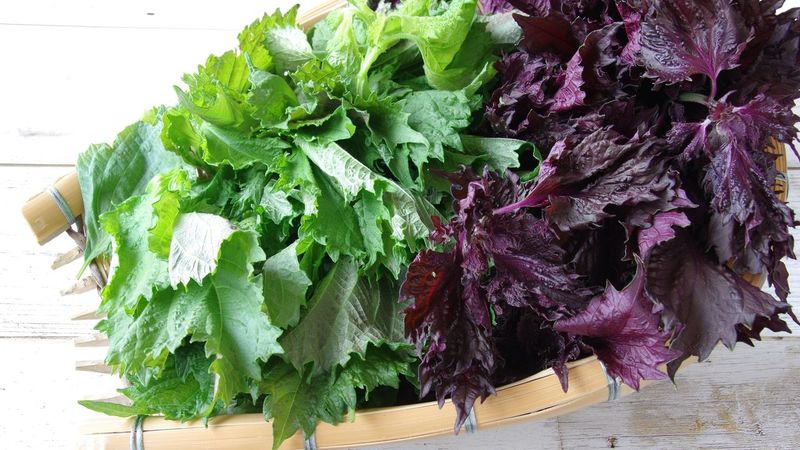
Shiso is a fragrant Japanese herb from the mint family that tastes like a cross between basil, mint, and anise. Its flavor is refreshing, slightly spicy, and completely unique, making it a favorite garnish for sashimi, sushi, and cold noodle dishes throughout Japan.
Chop it finely and mix into rice, use whole leaves as a wrap for grilled meats, or blend it into a vibrant green sauce. Both green and purple varieties exist, with green shiso being milder and more widely used in everyday cooking.
15. Annatto Seeds (Latin America & Caribbean)
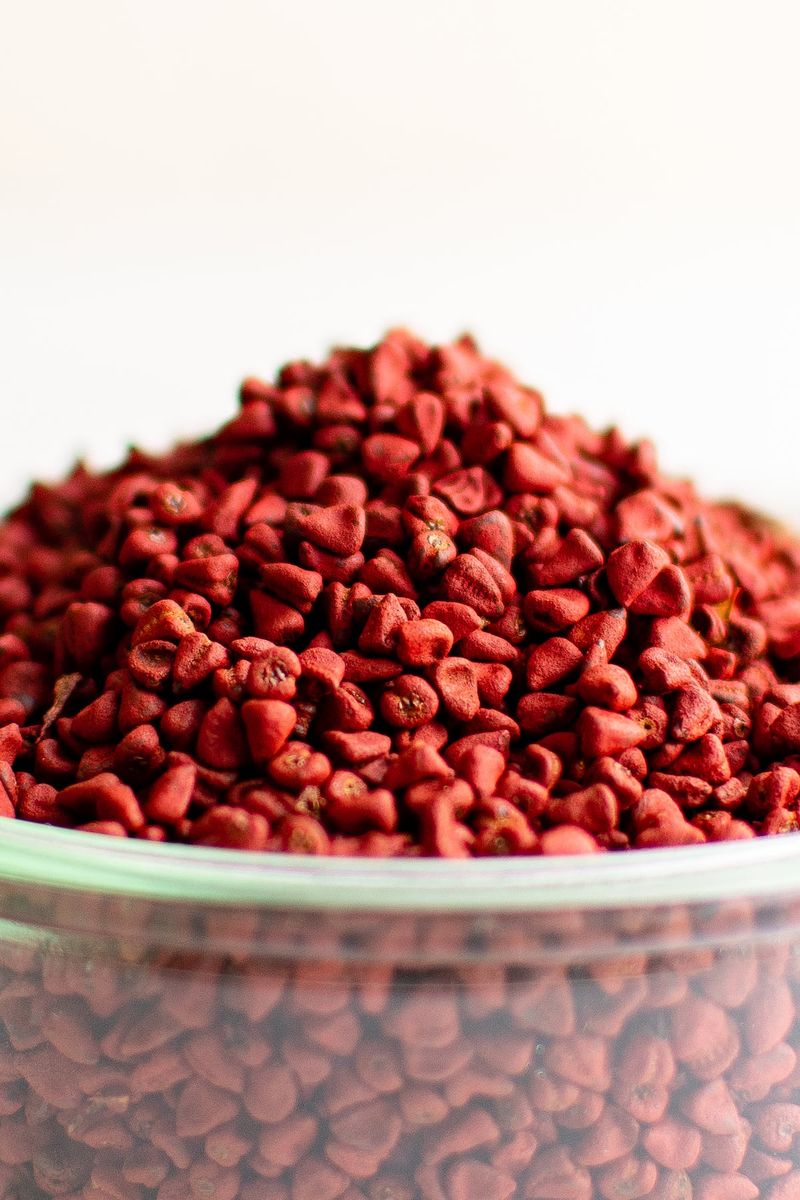
Annatto seeds come from the achiote tree and are responsible for the beautiful golden-orange color in many Latin American and Caribbean dishes. The seeds themselves have a mild, earthy, peppery flavor, but their main culinary superpower is coloring food a gorgeous natural orange-yellow hue.
Heat the seeds in oil to release their pigment, then use that oil to cook rice, chicken, or tamale dough. Annatto powder works just as well for convenience.
This is the natural alternative to artificial food coloring that has been used for centuries.
16. Fenugreek (India)
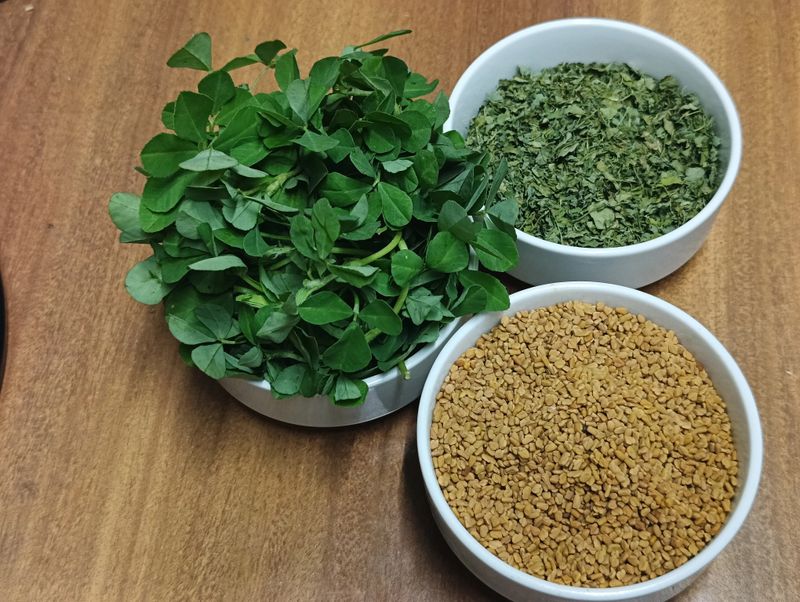
Fenugreek is one of the oldest cultivated plants in the world, used for thousands of years in Indian, Middle Eastern, and North African cooking. Its seeds have a slightly bitter, maple-like flavor, while the dried leaves, called kasuri methi, add an herby warmth to curries and flatbreads.
Toast fenugreek seeds in a dry pan before grinding to soften their bitterness. Crush dried fenugreek leaves between your palms and add them to butter chicken or dal right at the end of cooking for an authentic, restaurant-quality aroma.
17. Shaoxing Wine (China)
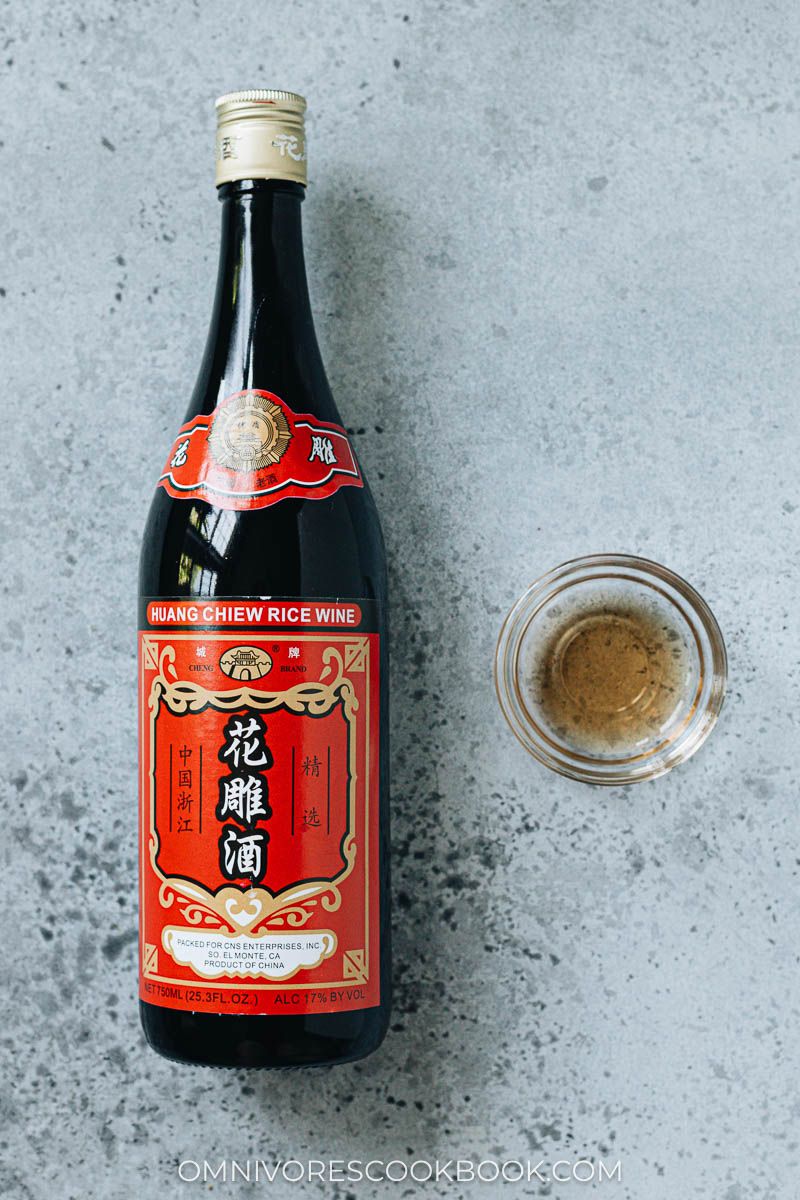
Shaoxing wine is a Chinese rice wine that has been brewed for over 2,500 years, and it is the secret ingredient behind the complex, slightly sweet depth in countless Chinese stir-fries, braises, and marinades. Its flavor is nutty, slightly caramel-like, and deeply savory.
Add a splash to stir-fried noodles, pork ribs, or dumplings to give them that authentic Chinese restaurant flavor you have been trying to recreate at home. Dry sherry makes a reasonable substitute if you cannot find it, but the real thing is far superior.
18. Ajwain (India)
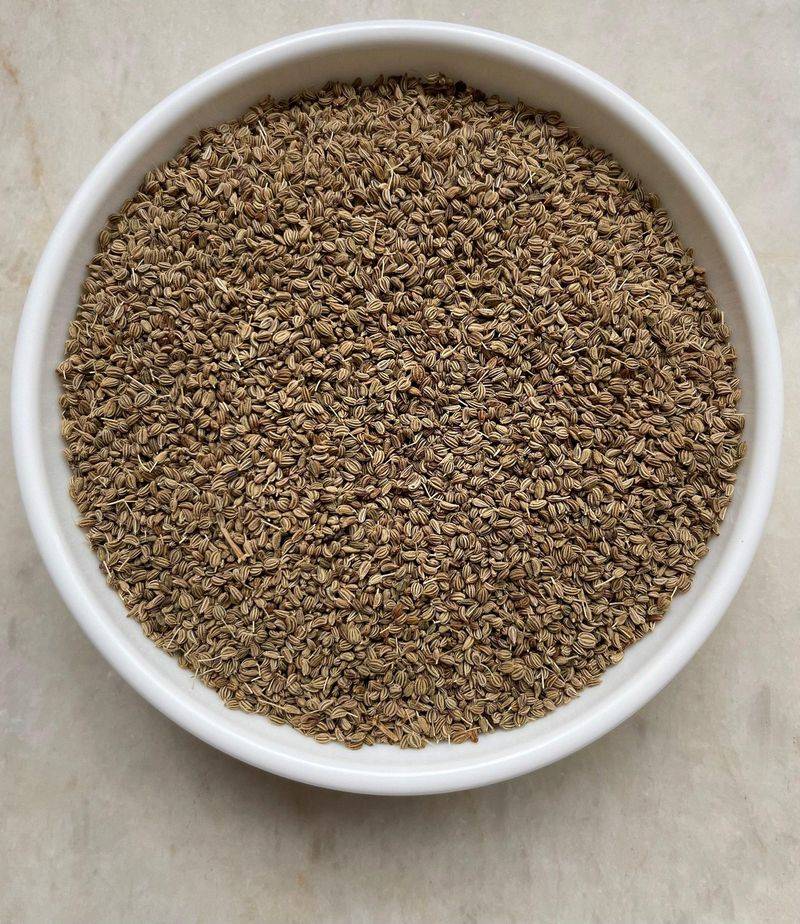
Ajwain seeds look like tiny caraway seeds but taste like concentrated thyme with a sharp, almost medicinal punch. They are a staple in Indian cooking, particularly in fried snacks like samosas, breads like paratha, and lentil dishes where their bold flavor cuts through richness beautifully.
Always use ajwain in small amounts because its flavor is very strong. Fry the seeds briefly in hot oil or ghee at the start of cooking to bloom their aroma before adding other ingredients.
The result is an incredible fragrant base for any Indian-inspired dish.
19. Dried Porcini Mushrooms (Italy)
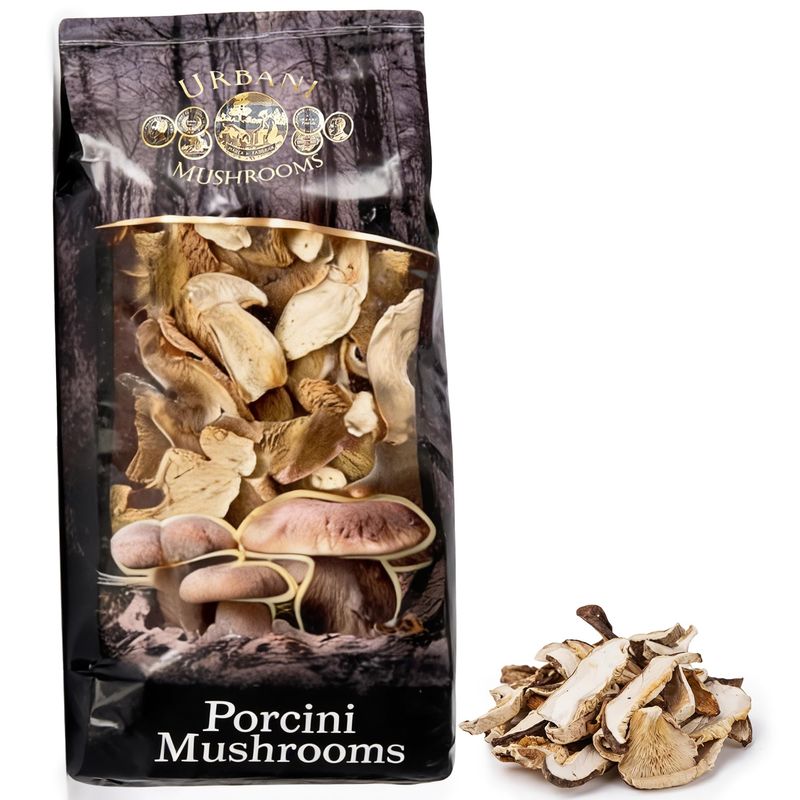
Dried porcini mushrooms are one of Italy's greatest pantry secrets. When fresh mushrooms are dried, their umami flavor becomes incredibly concentrated, giving pastas, risottos, and braised meats a deep, woodsy richness that fresh mushrooms simply cannot match at the same intensity.
Soak them in hot water for 20 minutes to rehydrate, then use both the mushrooms and the soaking liquid in your recipe. Strain the liquid carefully to remove any grit.
Even a small handful of dried porcini transforms a simple tomato sauce into something genuinely extraordinary.
20. Coconut Vinegar (Philippines)
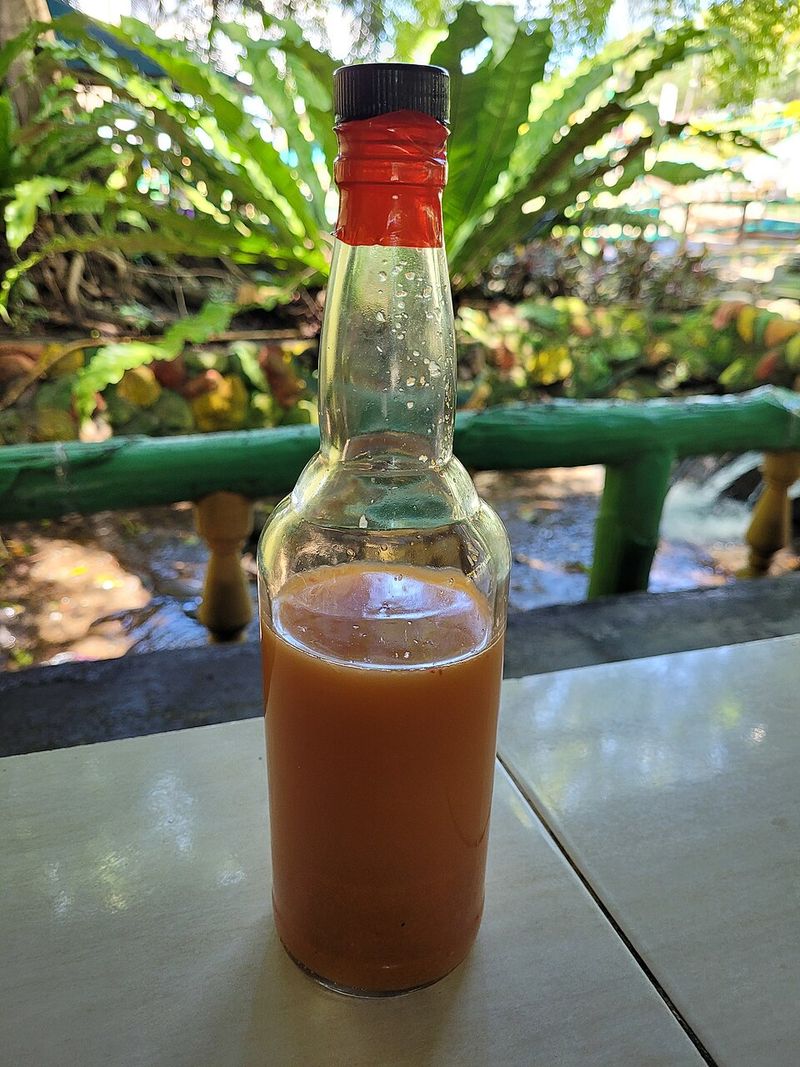
Coconut vinegar is made from fermented coconut sap or coconut water, and it is a staple condiment in Filipino cooking with a milder, slightly sweeter acidity than regular white vinegar. It is a key ingredient in adobo, the iconic Filipino braised dish of meat cooked in vinegar and soy sauce.
Its gentle tang makes it excellent for pickling vegetables, dressing salads, or deglazing pans. Health enthusiasts also love it because it contains probiotics and nutrients from the coconut sap.
Swap it for apple cider vinegar in any recipe for a tropical twist.
21. Urfa Biber (Turkey)
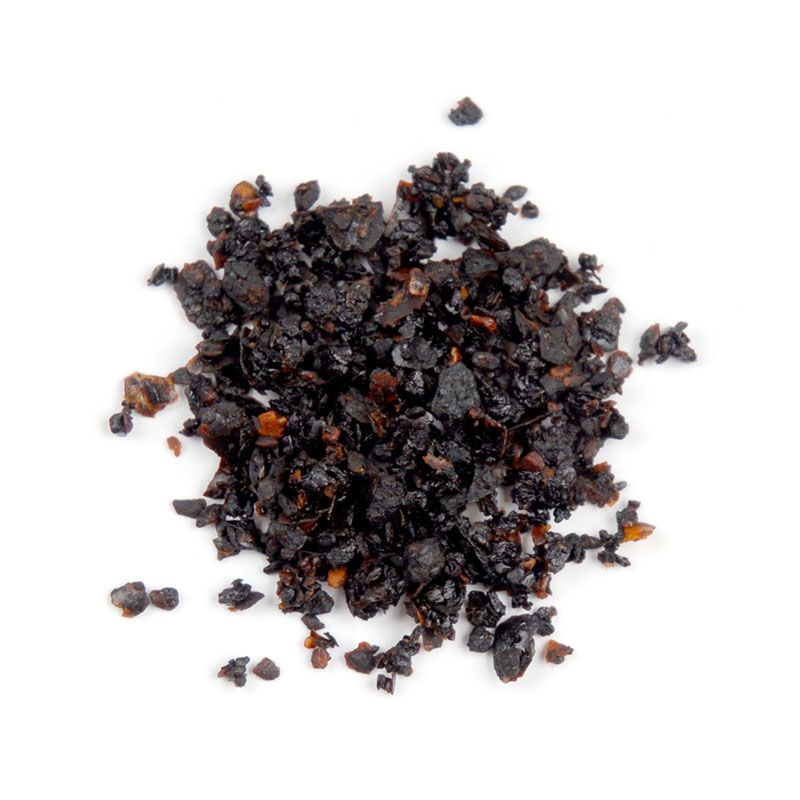
Urfa biber is a dried Turkish chili pepper with a flavor profile unlike any other chili you have tried. Deep burgundy-purple in color, it has a smoky, raisin-like sweetness with a slow, gentle heat that builds over time rather than hitting you immediately.
It is moody and complex in the best way.
Sprinkle it over roasted eggplant, pizza, eggs, or chocolate desserts for a surprising depth of flavor. Urfa biber also pairs beautifully with lamb and red meats.
Find it at Middle Eastern spice shops or order it online for a pantry game-changer.
22. Asafoetida (India & Iran)
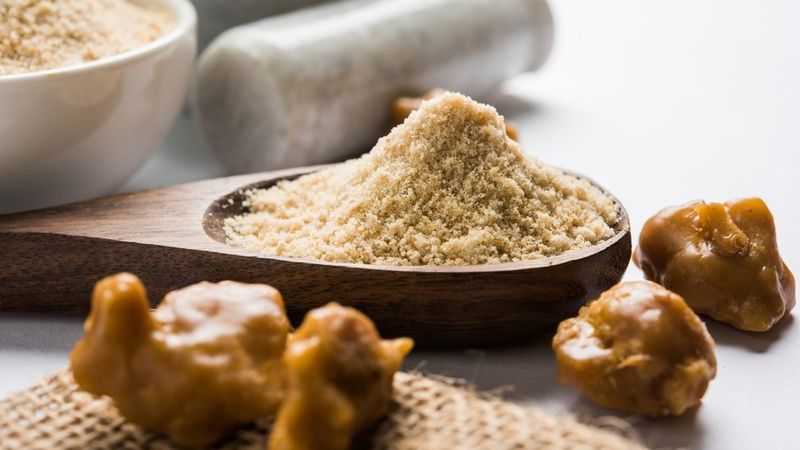
Asafoetida, also called hing, has one of the most pungent raw smells of any spice, often compared to garlic and onions combined into something almost overwhelming. But the moment it hits hot oil, it transforms into a soft, savory, onion-like aroma that makes lentil dishes and vegetable curries absolutely irresistible.
Because the flavor is so strong, you only need a tiny pinch. It is especially valuable in Indian vegetarian cooking as a substitute for onion and garlic.
Keep the jar tightly sealed because the smell will take over your entire spice cabinet.
23. Aji Amarillo Paste (Peru)
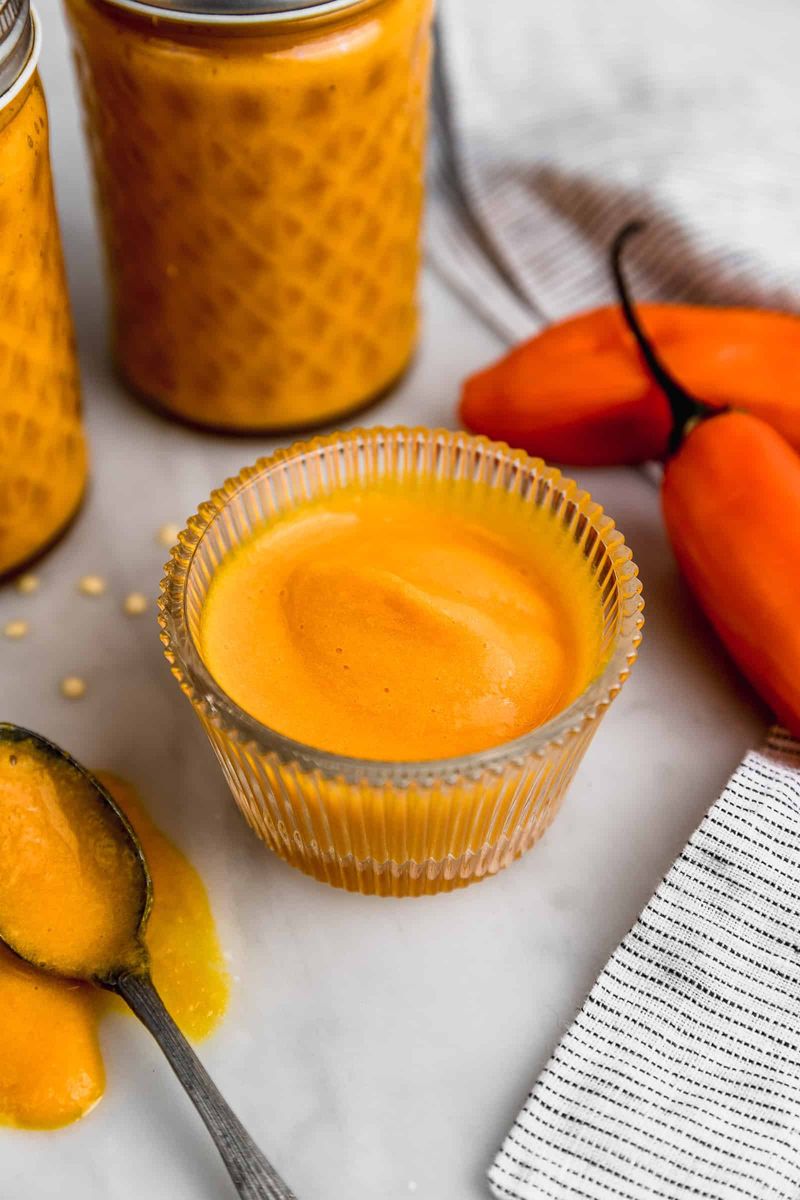
Aji amarillo is Peru's most important chili pepper, and it is the golden heart of Peruvian cuisine. This bright orange-yellow chili has a fruity, tropical heat with a flavor that is simultaneously bold and sunshine-like, completely unlike any other chili in the world.
The paste form makes it easy to use in sauces, marinades, and stews. Stir it into mayonnaise for a vibrant Peruvian-style dipping sauce, or add it to potato dishes for an authentic causa.
Once you taste it, ordinary hot sauce will feel boring by comparison.
24. Makrut Lime Zest (Southeast Asia)
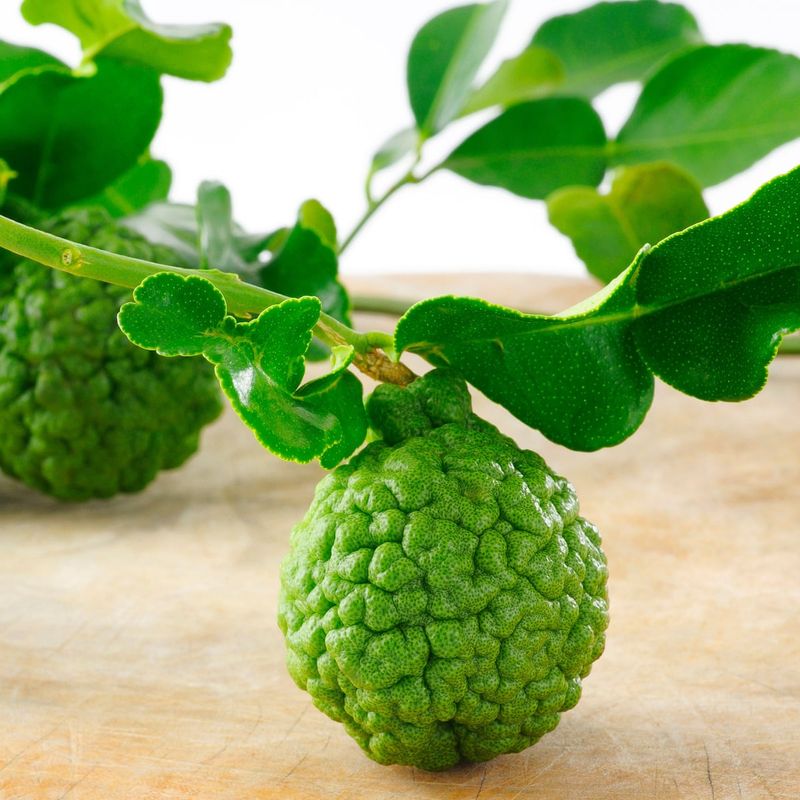
The makrut lime looks like a regular lime that had a very rough day, with a bumpy, wrinkled skin that is intensely aromatic and packed with fragrant oils. While the juice is rarely used in cooking, the zest and leaves are treasured throughout Southeast Asian cuisines for their bold, floral citrus punch.
Grate the zest into Thai curry pastes, coconut desserts, or seafood dishes for an electrifying citrus lift. A little zest goes a long way because the flavor is so concentrated.
Paired with galangal and lemongrass, it creates the holy trinity of Thai aromatics.




Comments
No Comments