










Cast your mind back to the early 2000s and chances are your taste buds will follow. Britain had its own unique food culture during that era, filled with snacks, sweets, and meals that felt like a big deal at the time.
From lunchbox staples to Friday night treats, these foods defined a generation. Get ready for a delicious trip down memory lane.
1. Turkey Twizzlers
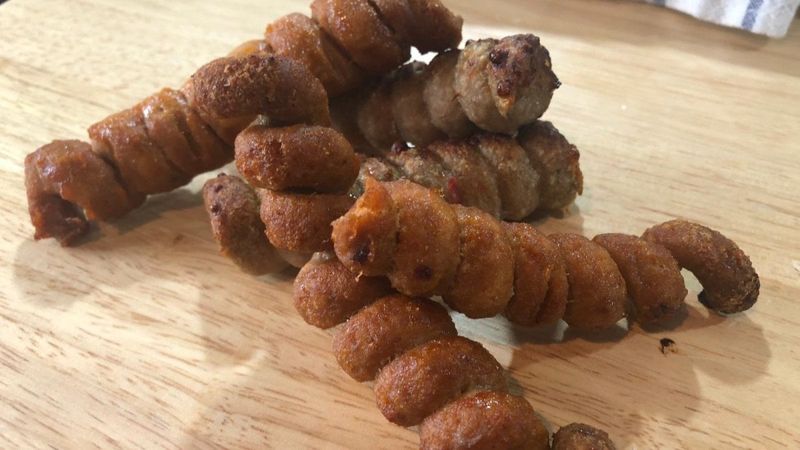
Before Jamie Oliver came along and ruined everything, Turkey Twizzlers were the undisputed kings of the school canteen. Kids across Britain would queue up just to get their hands on these spiral-shaped, processed turkey snacks.
They were salty, slightly chewy, and completely irresistible.
When they were pulled from school menus in 2005, a generation genuinely mourned. The good news is they made a comeback years later, giving nostalgic fans one more chance to relive the magic.
2. Sunny Delight
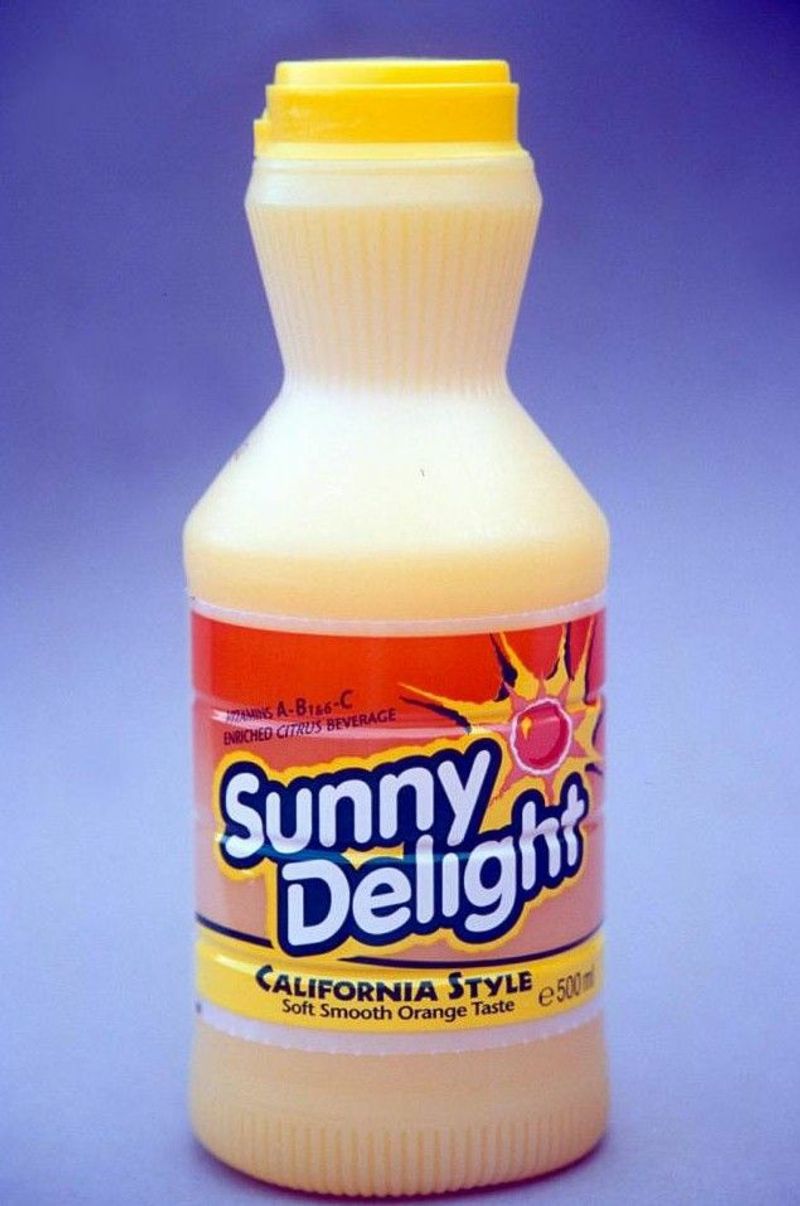
Sunny Delight was everywhere in the early 2000s, sitting proudly in supermarket fridges and lunchboxes alike. Parents bought it thinking it was a healthy fruit drink, but kids just knew it tasted amazing.
That tangy, sweet orange flavour was totally unique.
It sparked one of the most talked-about food controversies of the era when a child reportedly turned yellow after drinking too much. Whether true or urban legend, Sunny D never quite shook that story off.
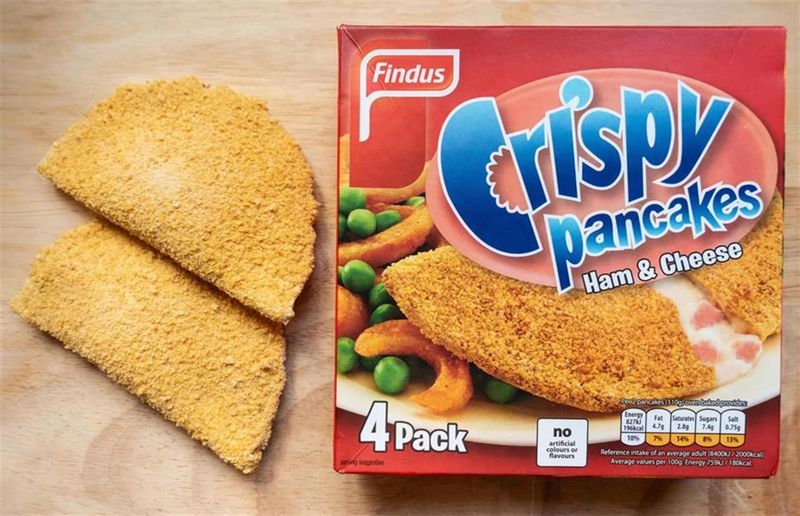
3. Findus Crispy Pancakes
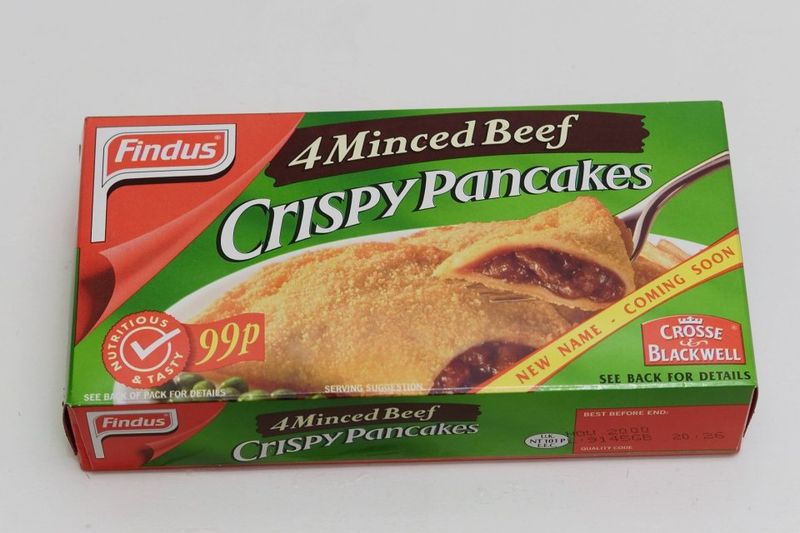
Few freezer meals caused as much excitement as Findus Crispy Pancakes. Pull one from the oven, bite in, and you would get a rush of scalding hot cheese or mince filling that was absolutely worth the burned tongue.
They were simple, filling, and deeply satisfying.
Mums across Britain relied on these for quick weeknight teas, and kids adored them without question. Finding one at the back of the freezer felt like striking gold on a school night.
4. Dairylea Lunchables
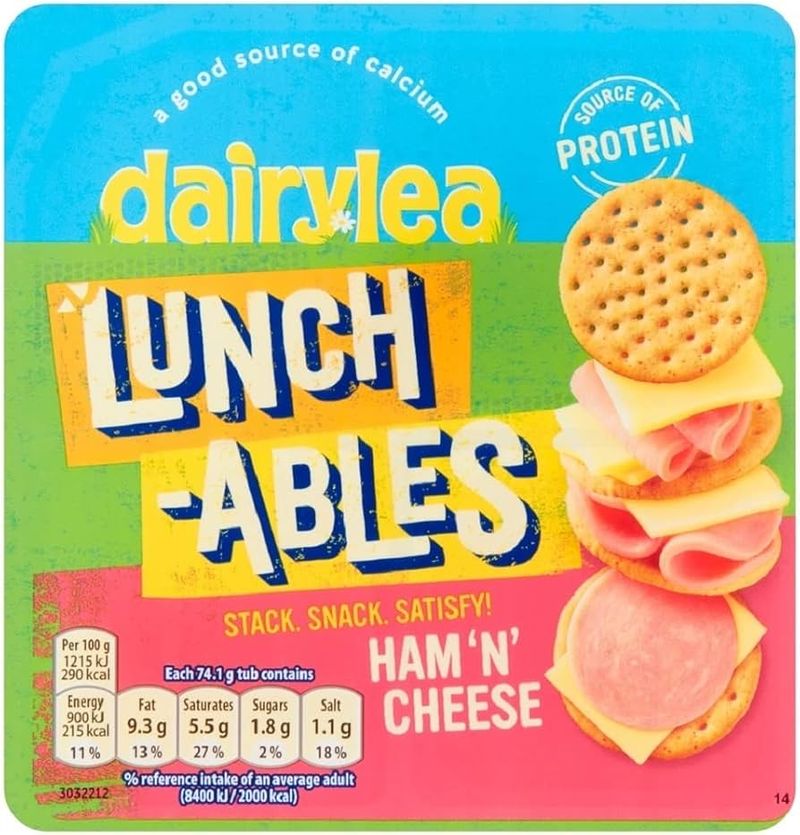
Opening a Dairylea Lunchables kit felt like assembling your own tiny meal, and that sense of control was thrilling for any kid. Crackers, processed cheese, and ham came neatly packed in a clever little tray.
You could eat them in any order you liked, which made them feel far more exciting than a regular sandwich.
They were a lunchbox status symbol in primary school. If you had Lunchables, you were basically living the dream.
5. Pot Noodle
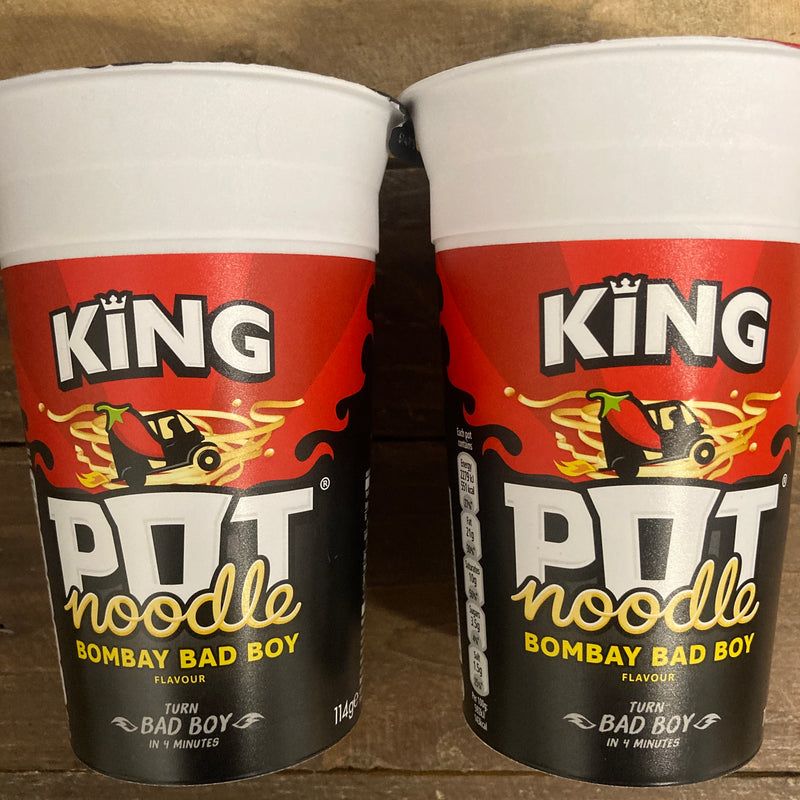
Pot Noodle was practically its own food group for British teenagers and students in the early 2000s. Boil a kettle, pour, wait three minutes, and somehow a full meal appeared.
The Bombay Bad Boy flavour had a cult following that bordered on obsessive.
Its cheeky, irreverent advertising made it even more iconic. Ads practically dared you to eat it, leaning into the idea that it was gloriously trashy.
That honesty made people love it even more.
6. Cheesestring
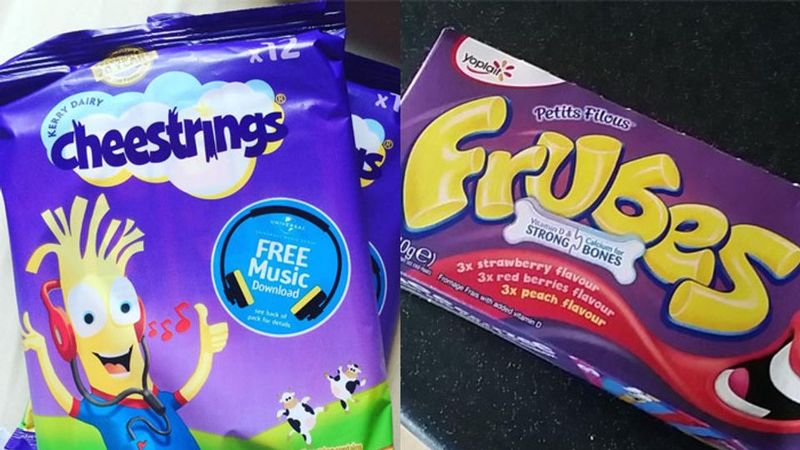
Pulling a Cheesestring apart strand by strand was practically a childhood ritual. Nobody actually ate them in one bite because that completely missed the point.
The peeling process was half the fun, and anyone who rushed it was doing it wrong.
They were everywhere in lunchboxes throughout the early 2000s, and the TV adverts with their bouncy jingle became completely unforgettable. Even now, spotting a Cheesestring in a supermarket triggers an immediate smile for most British millennials.
7. Alphabetti Spaghetti
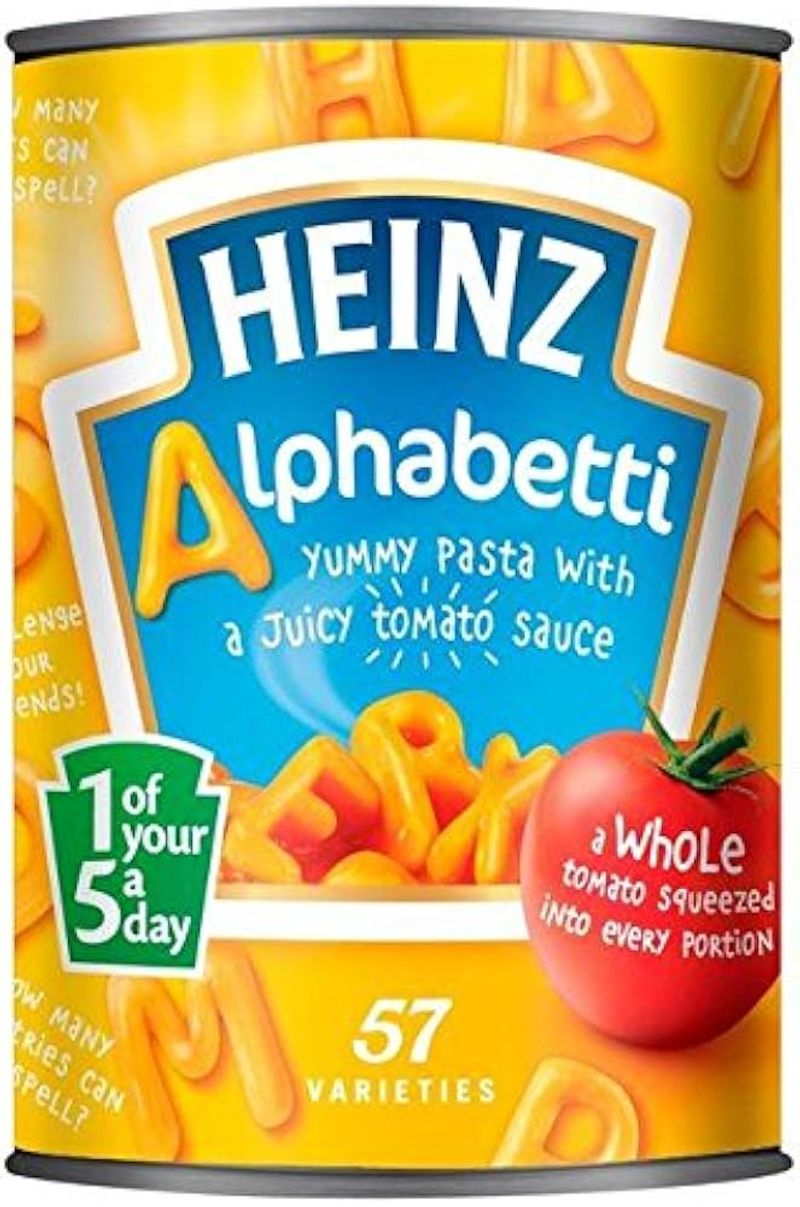
Alphabetti Spaghetti turned eating into a game, and that was its secret weapon. Spelling out rude words in the bowl before eating them was an unofficial national sport for British kids.
The tomato sauce was tangy and slightly sweet, clinging perfectly to every little letter.
Heinz had already cracked the baked beans market, but this was their playful masterpiece. Served on toast or straight from the bowl, it was comfort food with a cheeky educational twist built right in.
8. Angel Delight
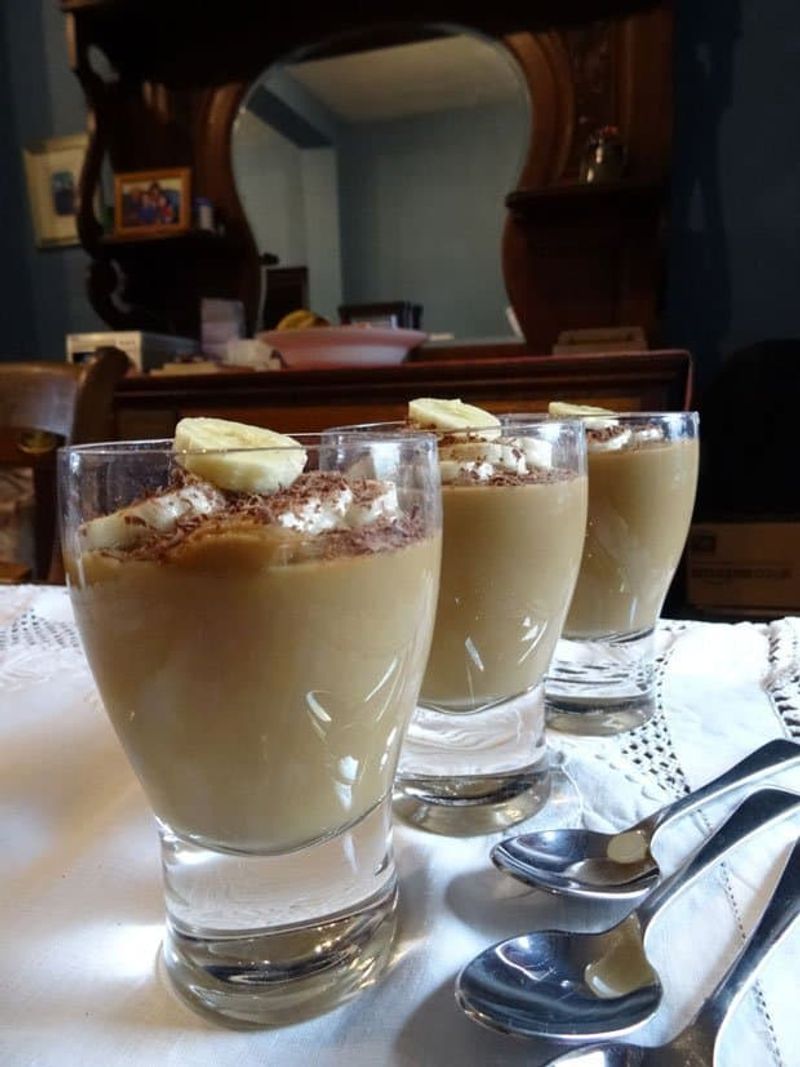
Angel Delight required almost zero cooking skill, which made it perfect for kids and busy parents alike. Tip the powder into milk, whisk furiously, and within minutes you had a fluffy, mousse-like pudding that tasted completely magical.
Butterscotch was arguably the greatest flavour humanity has ever produced.
It was a staple at birthday parties and school teas throughout the early 2000s. The satisfying wobble when you set the glass down never got old, no matter how many times you made it.
9. Micro Chips
Micro Chips were the laziest, most brilliant invention of the early 2000s. A tiny bag of oven chips cooked in minutes and produced a perfectly portioned snack that required almost no effort.
For latchkey kids letting themselves in after school, they were an absolute lifesaver.
They never quite tasted like proper chips, but that almost made them better. They had their own unique slightly-soft, slightly-crispy character that was completely their own.
Nostalgia for them is surprisingly fierce among British millennials.
10. Iced Gems
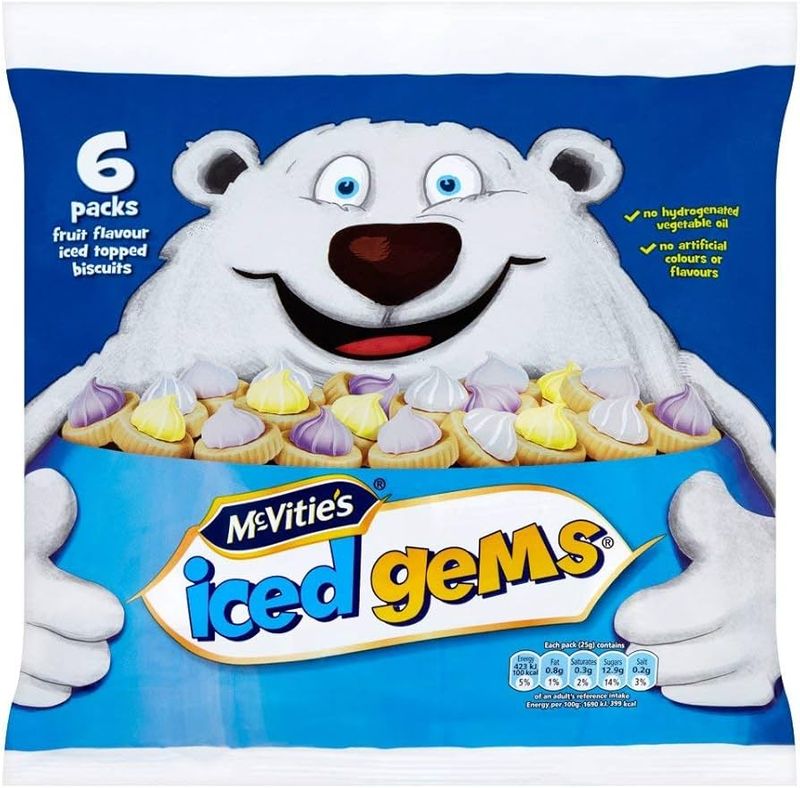
Iced Gems were dangerously addictive little biscuits topped with hard, pastel-coloured sugar icing. The technique was always to eat the icing first and then decide whether the plain biscuit underneath was even worth finishing.
Spoiler: it usually was not, but you ate it anyway.
They came in bags that seemed enormous but disappeared within minutes. Sharing them at a birthday party or pulling them from a party bag was one of those small childhood joys that genuinely made the whole day better.
11. Wagon Wheels
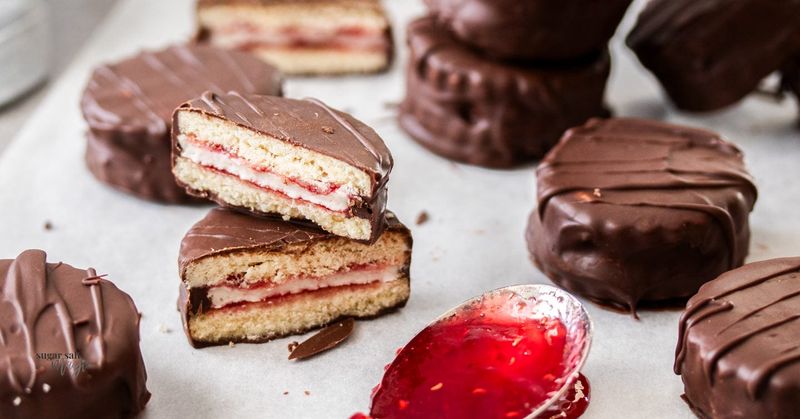
Every British kid of the early 2000s swore that Wagon Wheels had gotten smaller over the years. Whether or not that was true, they still hit differently to anything else in the biscuit tin.
Chocolate, marshmallow, and a hint of jam sandwiched between two biscuits was an unbeatable combination.
They were big enough to feel like a proper treat rather than just a snack. Dipping one into a mug of hot tea transformed it into something almost grown-up and deeply satisfying.
12. Hula Hoops
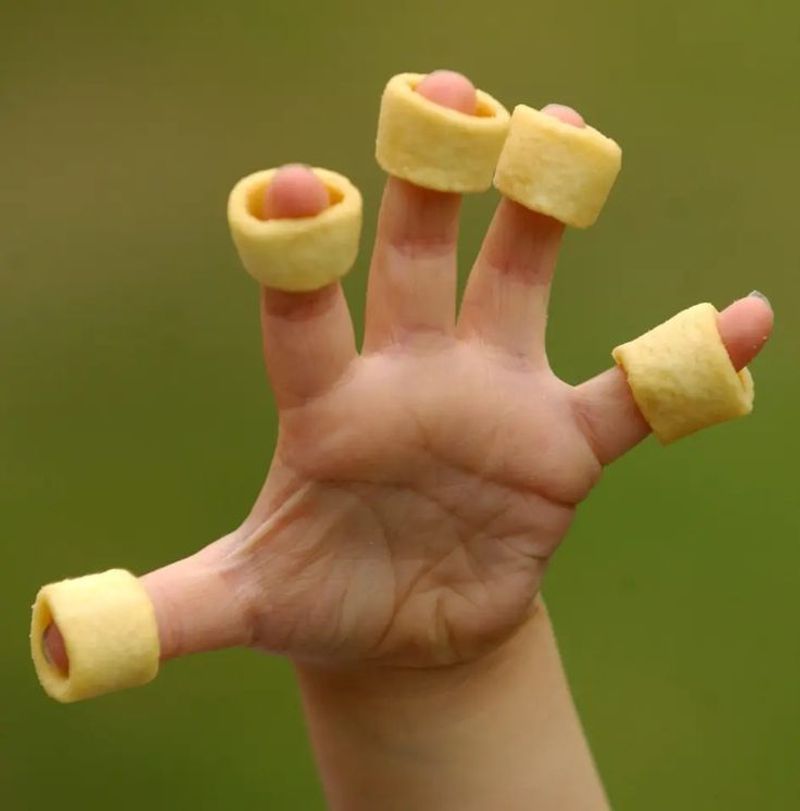
Hula Hoops were never just a crisp. Fitting them onto every finger before eating them off one by one was practically a rite of passage for British children.
The original salted flavour was the classic, but the prawn cocktail variety had a devoted fan base of its own.
Small, ring-shaped, and perfectly salty, they were lunchbox royalty throughout the early 2000s. Their satisfying crunch and the fun of wearing them as edible rings made them stand apart from every other crisp on the market.
13. Cadbury's Fudge
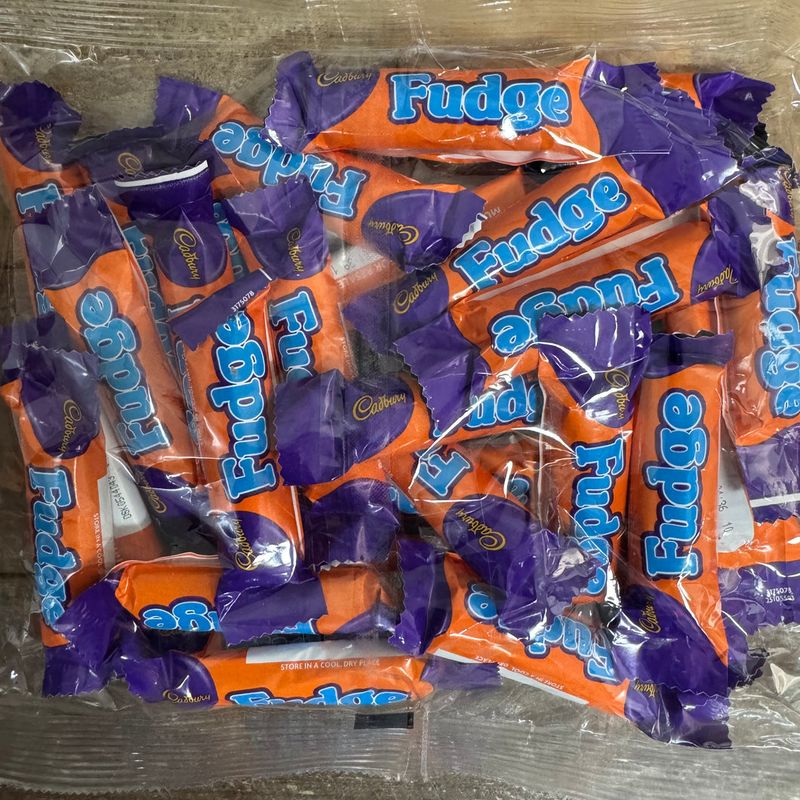
Cadbury's Fudge was the underrated hero of the British sweet shop. Soft, chewy, and covered in a thin layer of milk chocolate, it was the kind of treat that lasted longer than it had any right to.
One bar could keep a kid happy for a solid ten minutes of careful nibbling.
At just 10p from the corner shop, it was accessible to every pocket money budget. That affordability made it a constant presence in school bags and coat pockets across Britain throughout the early 2000s.
14. Spaghetti Bolognese from a Jar
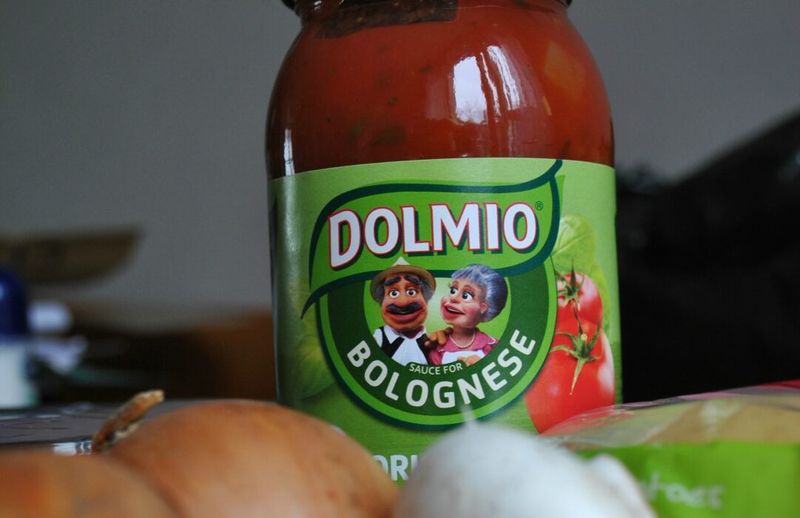
Dolmio Bolognese sauce from a jar was the cornerstone of weeknight dinners across Britain in the early 2000s. Fry some mince, tip in the jar, boil some pasta, and dinner was done.
The adverts with the Italian puppet family made it feel almost authentic.
For many British kids, this was their first experience of Italian food. It smelled incredible as it bubbled away on the hob, and the thick, herby sauce coating every strand of spaghetti felt genuinely comforting after a long school day.
15. Fruit Winders
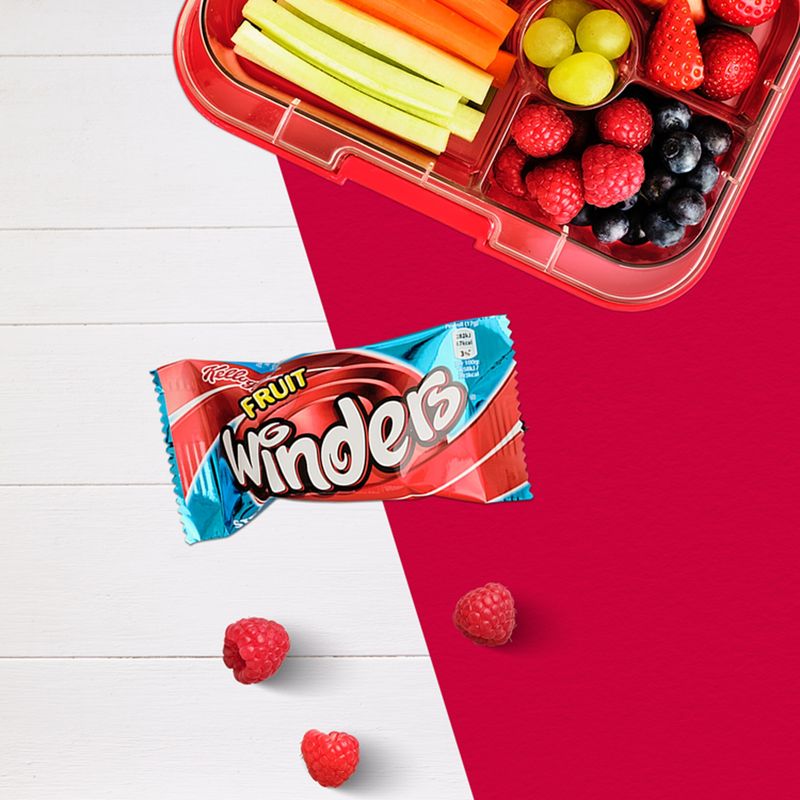
Fruit Winders were the snack that made you feel like you were doing something slightly rebellious at lunchtime. Unrolling that long strip of chewy, tangy fruit leather and trying to eat it in one go without tearing it was a genuine skill.
Strawberry was the superior flavour and anyone who disagrees is wrong.
They were marketed as a fruit snack, which gave parents just enough peace of mind to keep buying them. Kids just knew they were basically candy, and that made them even better.
16. Rustlers Burgers
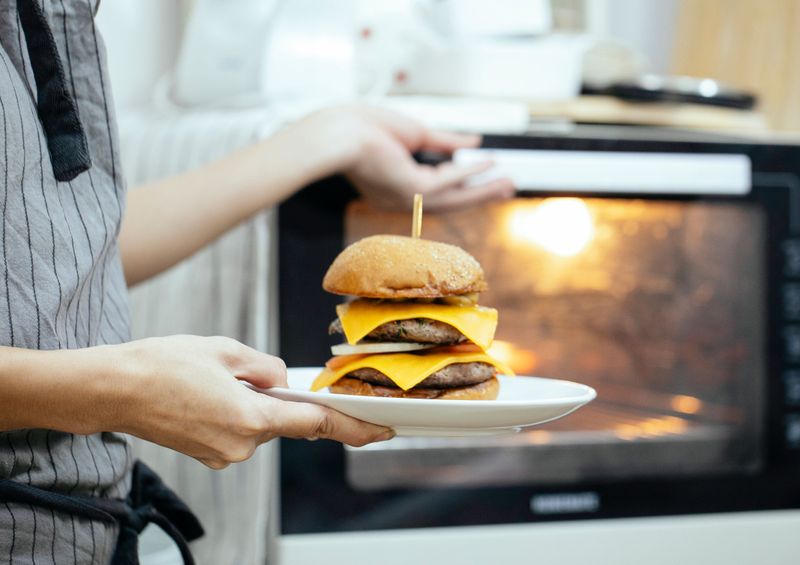
Rustlers Burgers promised a hot burger in under two minutes, and for teenagers home alone in the early 2000s, that was basically witchcraft. The microwave-ready packaging even came with a crisping sleeve to give the bun a slightly toasted texture.
It was never going to win any culinary awards, but it was hot and filling.
That faintly smoky, processed beef smell wafting through the house became oddly comforting. There was something brilliantly uncomplicated about Rustlers that made it a firm favourite.
17. Heinz Tomato Soup
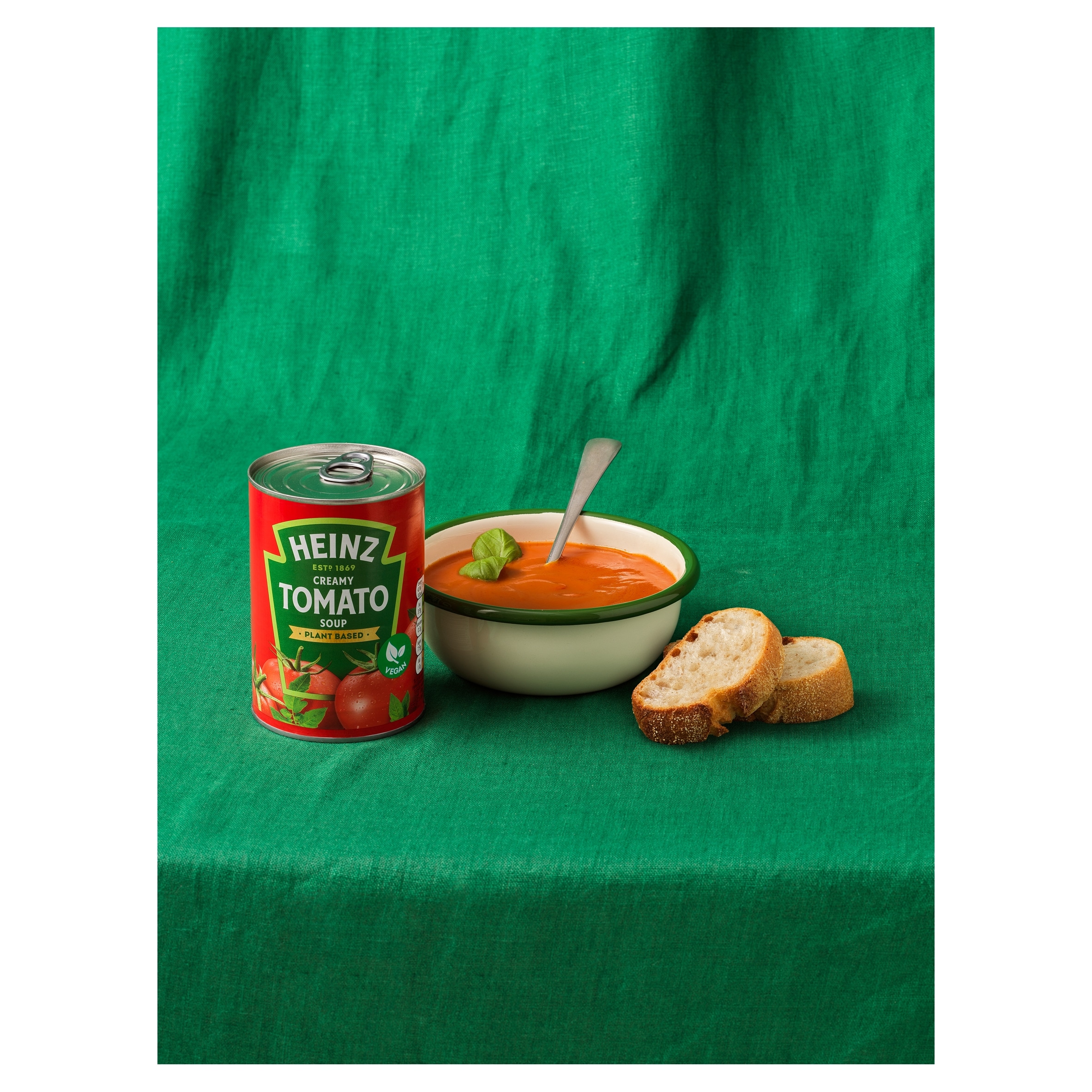
Few things said British comfort food in the early 2000s quite like a tin of Heinz Tomato Soup. Creamy, smooth, and intensely tomatoey, it was the go-to meal for sick days, cold afternoons, and whenever nobody could be bothered to cook properly.
Dunking white bread soldiers into it was absolutely mandatory.
The iconic red tin with its white label was as recognisable as anything in the supermarket. Its warmth and simplicity made it feel like a hug in a bowl every single time.
18. Penguin Biscuits
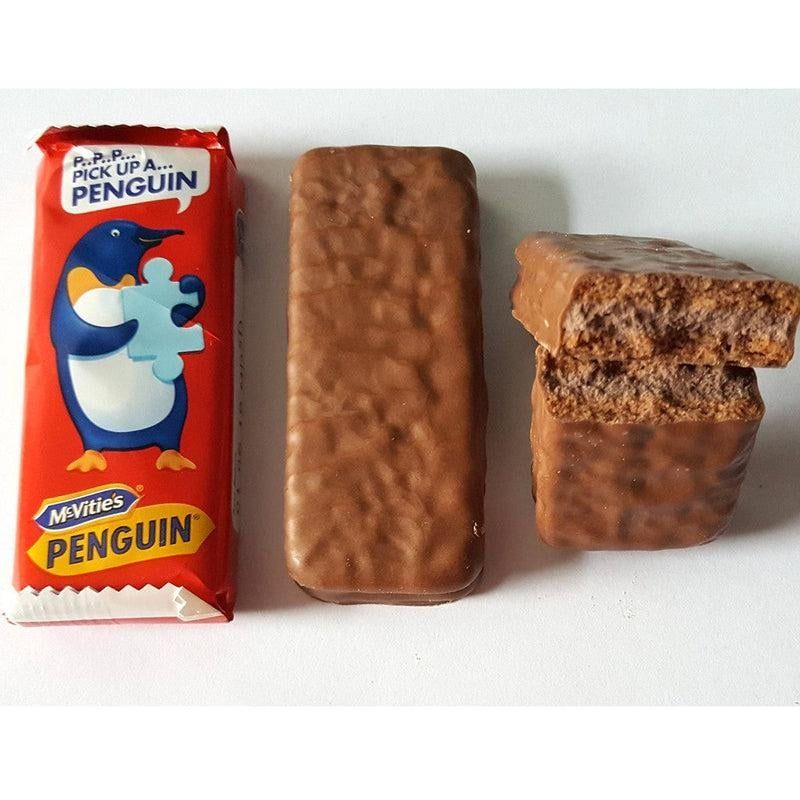
Every Penguin wrapper had a joke printed on the inside, and reading it aloud at lunchtime was practically compulsory. The biscuit itself was straightforward chocolate-covered wafer, but that little ritual made it feel special.
Swapping Penguin jokes with friends was a weirdly wholesome school lunchtime tradition.
They were reliable, tasty, and always satisfying. In a world of flashier, more exciting snacks, the humble Penguin biscuit kept showing up in lunchboxes across Britain because it consistently delivered exactly what it promised.
19. Quavers
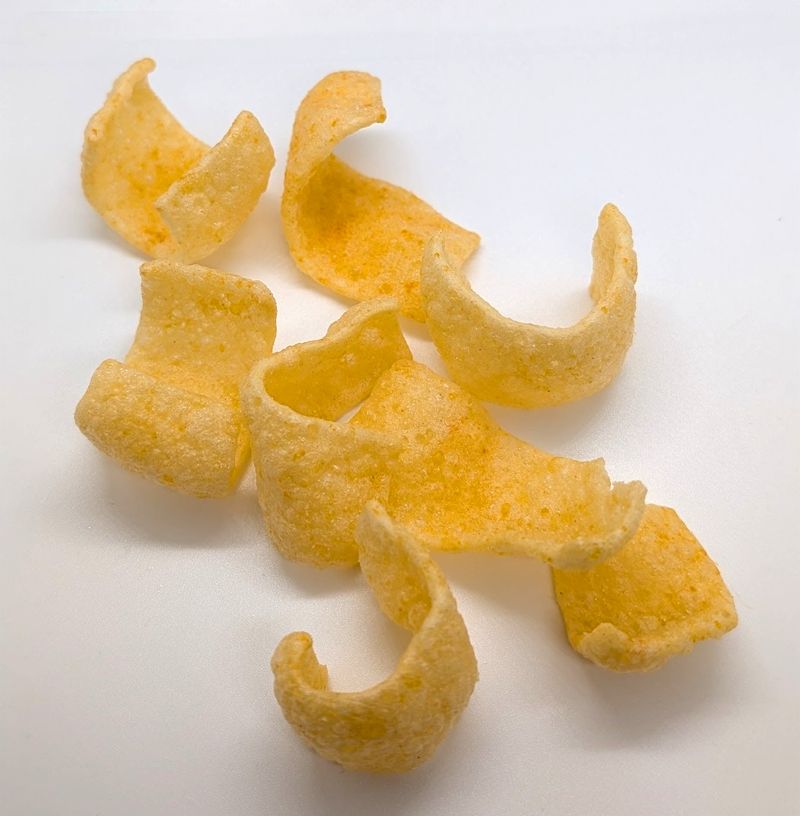
Quavers had a texture unlike any other crisp on the market. Light, airy, and almost dissolving on your tongue, they managed to deliver an intense cheese flavour without feeling heavy.
Popping an entire bag into your mouth in one go was a well-practiced move among British schoolchildren.
They were lighter than Wotsits and more refined than standard crisps, making them feel like a slightly sophisticated choice. Their distinctive curl shape made them instantly recognisable, and their mild flavour made them universally popular across lunchboxes throughout the early 2000s.
20. Birds Eye Fish Fingers
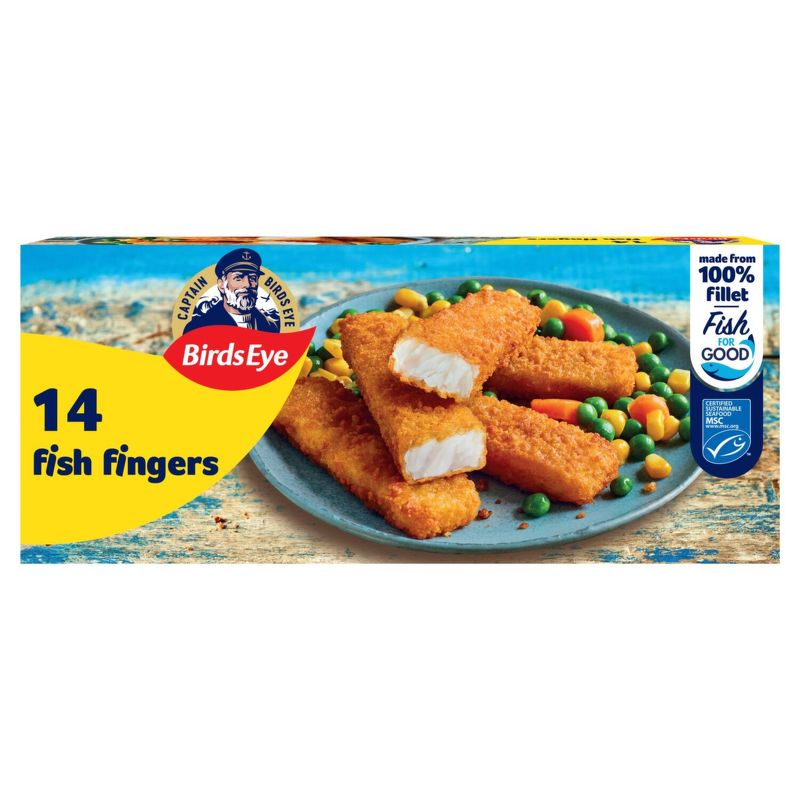
Fish fingers were the bedrock of British childhood tea times throughout the early 2000s. Birds Eye made the most recognisable version, with their bright orange breadcrumb coating hiding a flaky, white fish interior.
Served with chips and peas, this was the meal most British kids asked for on their birthdays.
Captain Birds Eye, the fictional sailor from the adverts, was almost as familiar as Father Christmas. The smell of fish fingers grilling under the oven grill remains one of the most powerfully nostalgic food memories for an entire generation.
21. Skips
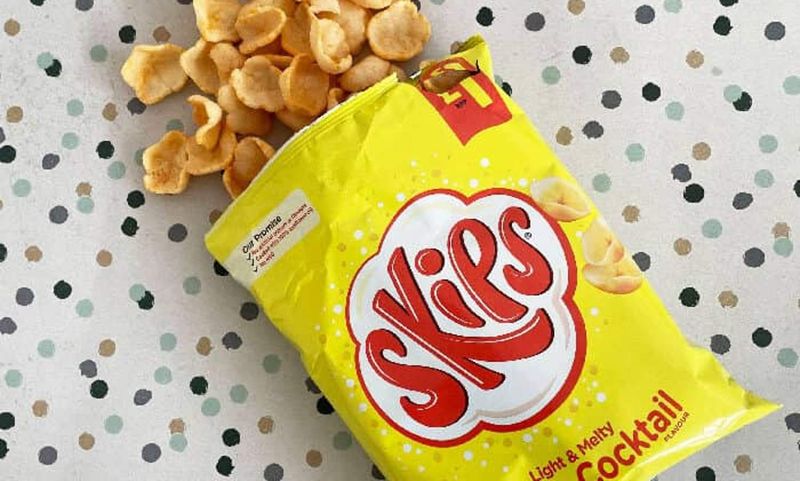
Skips were utterly bizarre and completely brilliant. These prawn cocktail-flavoured, prawn-shaped puffs dissolved almost immediately on contact with saliva, creating a flavour explosion that was hard to explain but impossible to forget.
They were lighter than air and vanished before you even had time to chew.
Despite their unusual concept, they were wildly popular in school tuck shops and lunchboxes across Britain. The prawn cocktail flavour was bold and tangy, which made them feel like a grown-up choice for kids who were clearly very sophisticated.
22. Frosties Cereal
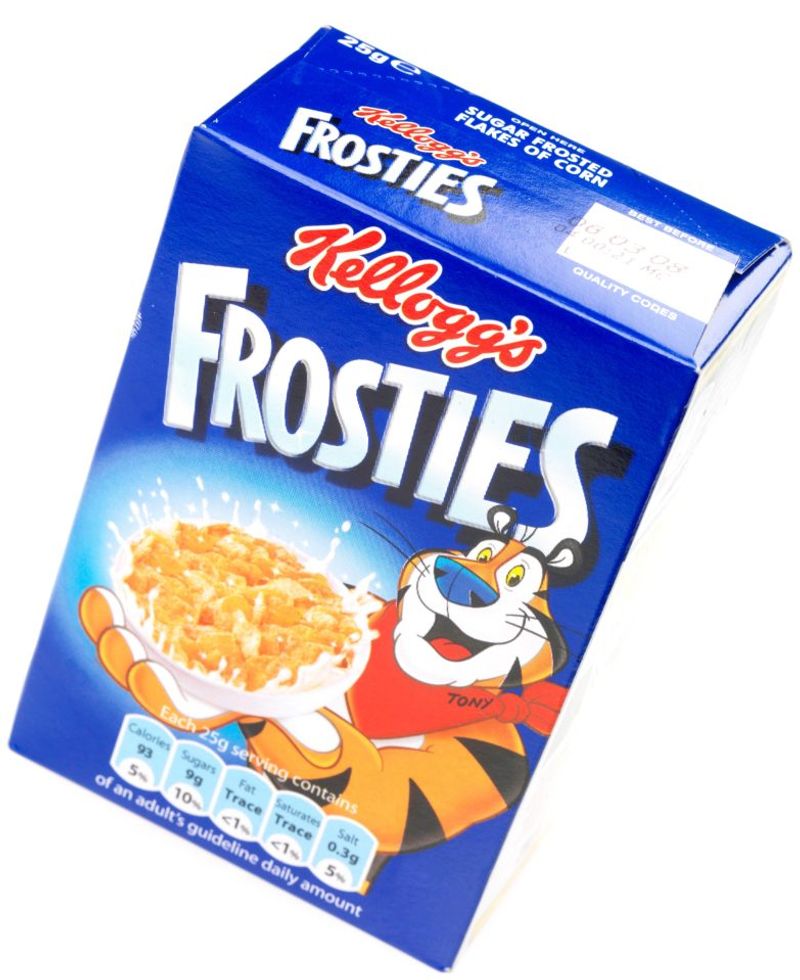
Tony the Tiger made Frosties feel like the most exciting cereal on the shelf, and honestly, he was not wrong. Those sugar-frosted corn flakes were crunchy, sweet, and turned the milk into something you genuinely wanted to drink afterwards.
Saturday mornings watching cartoons with a bowl of Frosties was a near-perfect experience.
The box itself was entertainment, with games and puzzles on the back to read while eating. Kellogg's knew exactly what they were doing when they put Tony front and centre on every single packet.
23. Microwave Popcorn
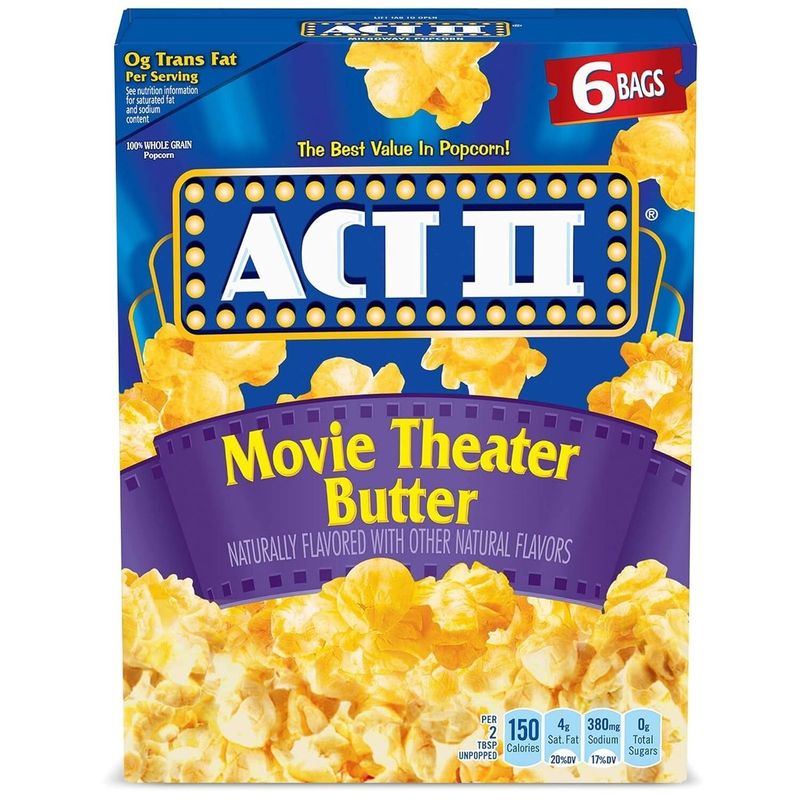
Microwave popcorn felt genuinely futuristic in the early 2000s. Watching the bag puff up in the microwave was almost as exciting as whatever film you were about to watch.
The smell that filled the house when it was done was absolutely irresistible and brought everyone running to the kitchen.
Toffee-flavoured microwave popcorn was a particular favourite for British families on movie nights. It marked the shift from cinema trips being special occasions to having a proper home cinema experience, even if the TV was only 28 inches.
24. Jaffa Cakes
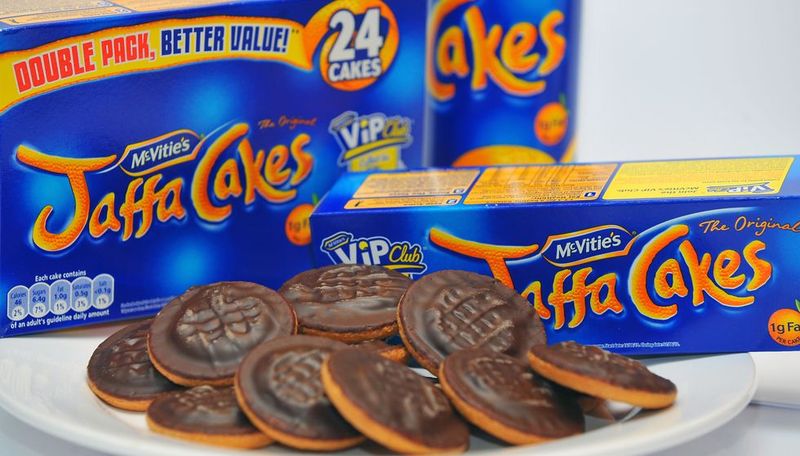
The great Jaffa Cake debate, cake or biscuit, raged throughout the early 2000s and has never truly been settled. McVitie's insisted it was a cake, and technically the law agreed, but eating one from a biscuit-style pack while dunking it in tea felt decidedly biscuit-like.
The three-layer combination of sponge, orange jelly, and dark chocolate was genius.
Eating the chocolate off first, then the jelly, and finally the sponge was the accepted method among true fans. Jaffa Cakes were a teatime staple that somehow appealed to every member of the family.




Comments
No Comments