













Some dishes look simple but are secretly tricky to pull off perfectly. Real home cooks know that getting these foods just right takes patience, practice, and a few hard-learned lessons.
From crispy edges to perfectly creamy centers, the difference between good and great often comes down to small details. These are the foods that separate the casual kitchen dabbler from the true home cook who really knows their stuff.
1. Scrambled Eggs
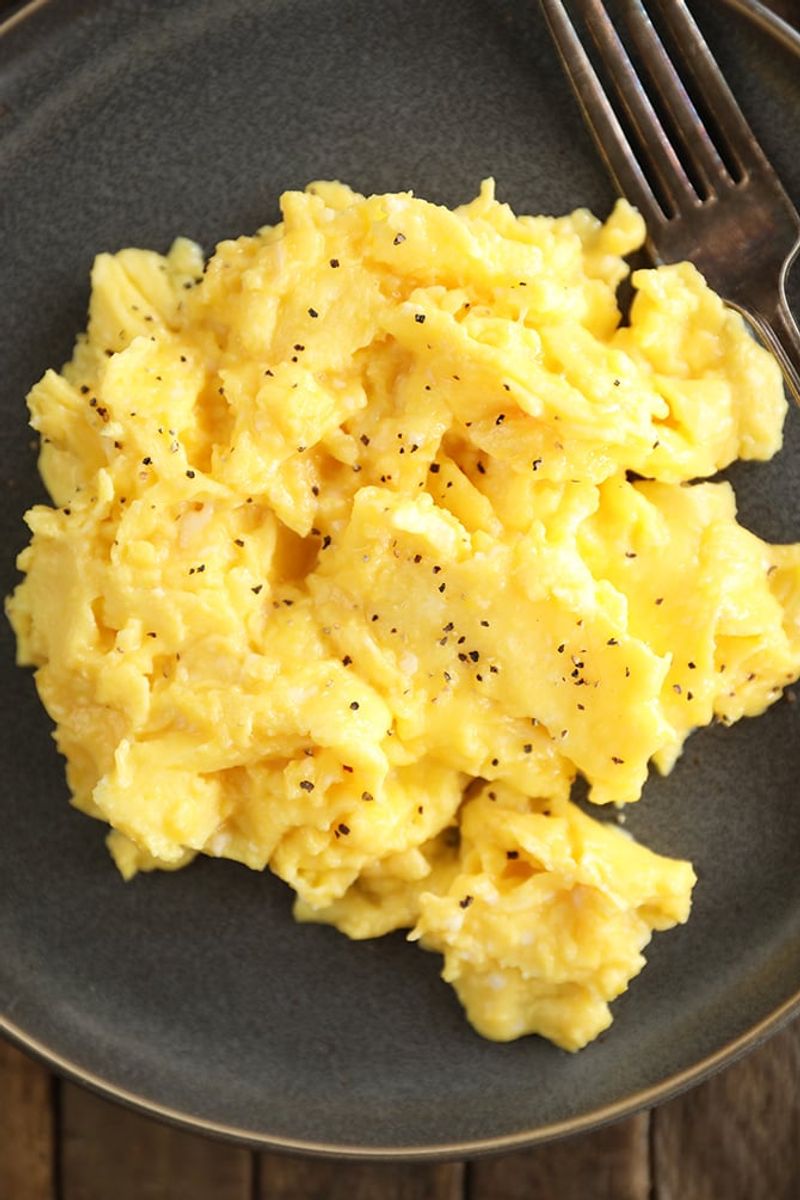
Ask any chef what separates a beginner from a seasoned cook, and scrambled eggs will almost always come up. The secret is low heat and patience.
Rushing them over high heat gives you rubbery, dry curds that nobody wants.
Real home cooks stir constantly, pull the pan off the heat often, and stop cooking just before the eggs look done. That carry-over heat finishes the job.
Butter, not oil, is non-negotiable here.
2. Roast Chicken
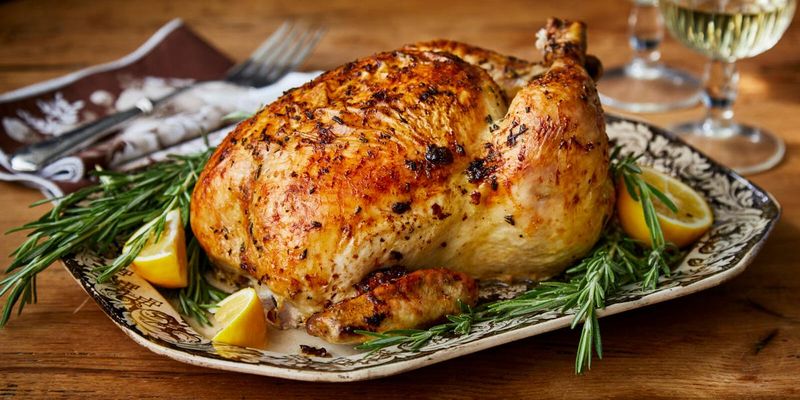
A beautifully roasted chicken is basically the home cook's badge of honor. The skin should shatter when you bite it, and the meat underneath should be juicy all the way through.
Getting both right at the same time is the challenge.
Drying the bird in the fridge overnight, using high heat, and letting it rest before carving are the three moves that make all the difference. Trussing helps, but a dry brine is the real game-changer.
3. Caramel
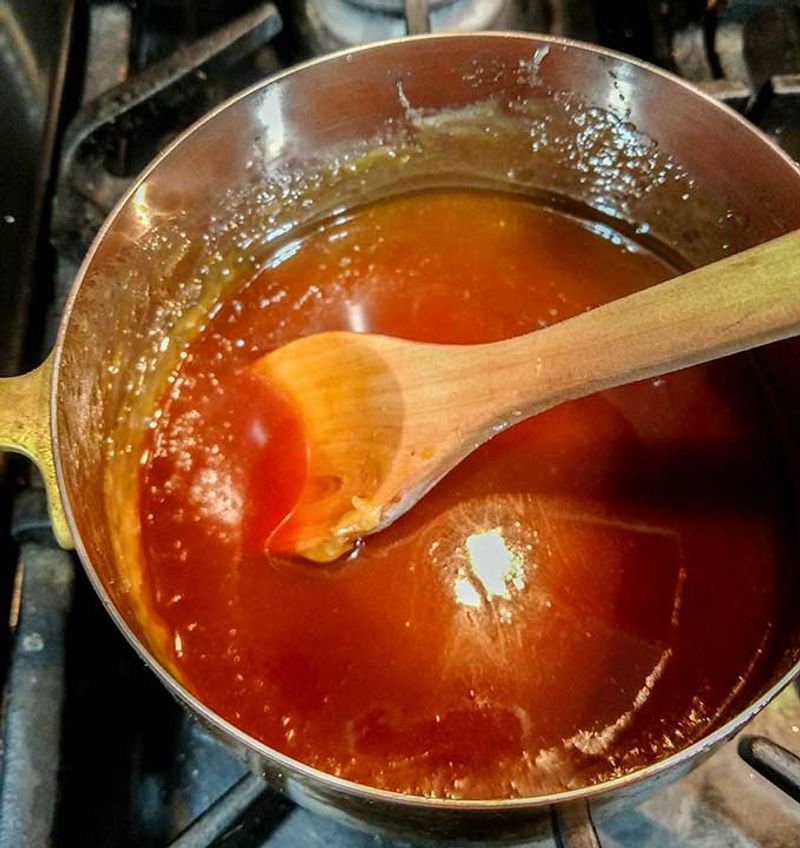
Caramel has a reputation for being dramatic, and honestly, it earns it. One moment you have golden, nutty perfection, and thirty seconds later you have bitter, burnt sugar that smells like regret.
Knowing when to pull it off the heat is everything.
Experienced home cooks never stir once the sugar melts, watch for that deep amber color, and always add warm cream, never cold. Cold cream causes violent splattering that can burn you badly.
4. Pasta al Dente
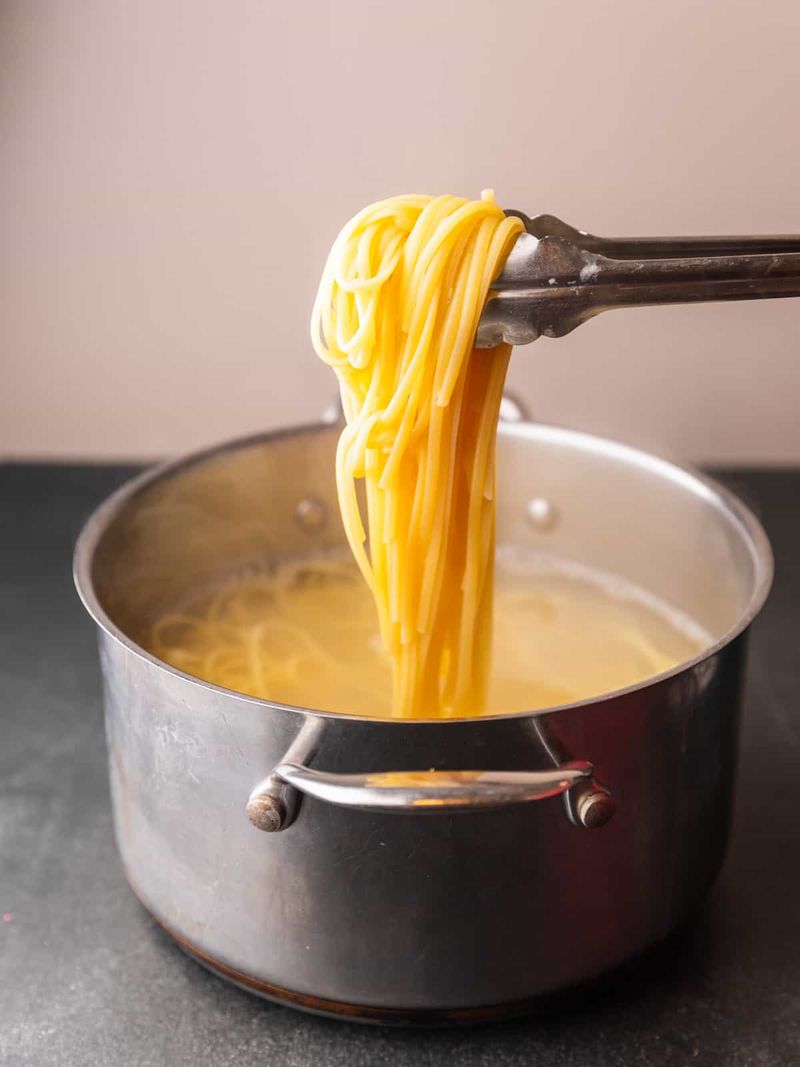
Mushy pasta is a culinary crime, and yet it happens in kitchens everywhere. Cooking pasta to the perfect al dente texture means it still has a tiny bit of bite in the center, which most people actually undercook or overcook.
The fix is simple but takes practice: taste it a full minute before the package says it is done. Finishing it in the sauce for the last minute lets it absorb flavor and reach that ideal texture naturally.
5. Hollandaise Sauce

Hollandaise is the sauce that has made grown adults cry in the kitchen. It is a warm emulsion of egg yolks and butter, and it breaks without warning if the heat gets too high.
Getting it silky and stable is a real skill.
The trick is a double boiler, constant whisking, and adding the butter incredibly slowly. Home cooks who nail it know that a broken hollandaise can often be saved by whisking in a cold egg yolk.
6. Beef Steak
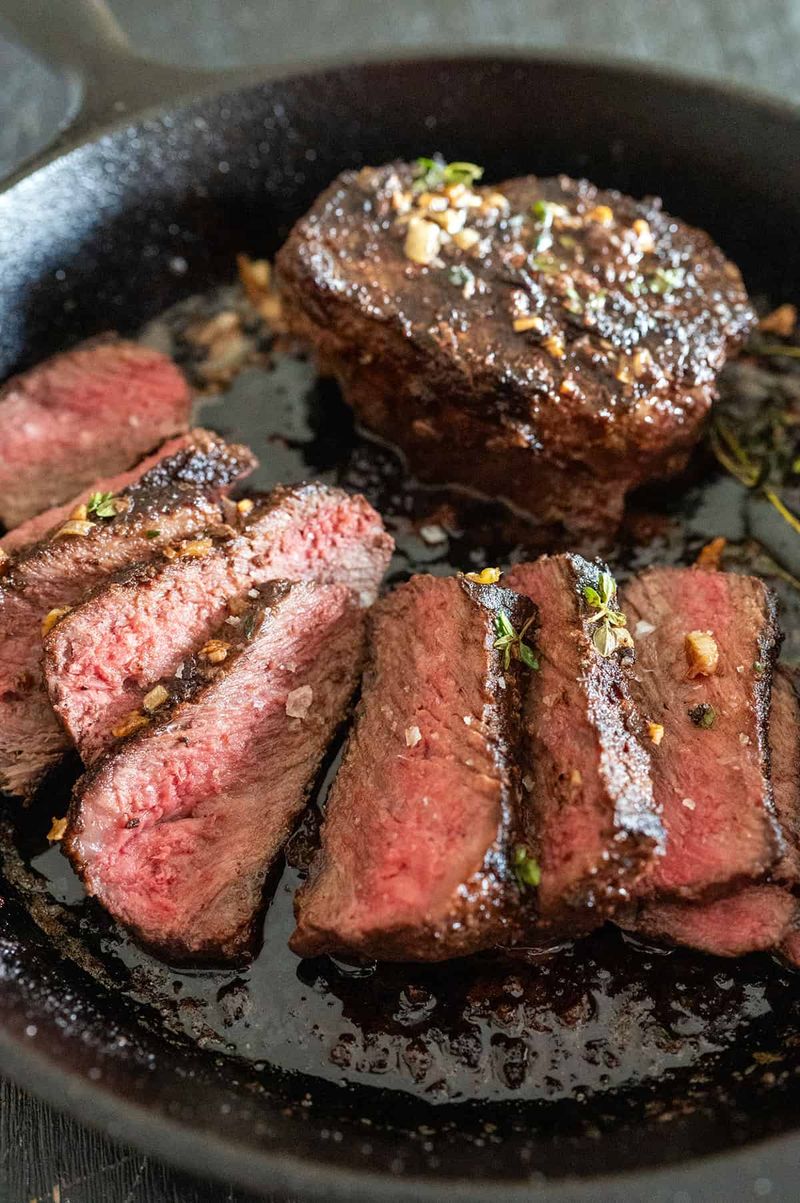
Nothing stings quite like paying good money for a quality steak and then overcooking it. Getting a proper sear while keeping the inside pink and juicy requires understanding heat, timing, and the importance of letting the meat rest.
Proper home cooks bring the steak to room temperature first, use a screaming hot cast iron pan, and flip only once. Resting for five minutes after cooking lets the juices redistribute so every bite stays tender and flavorful.
7. Bread
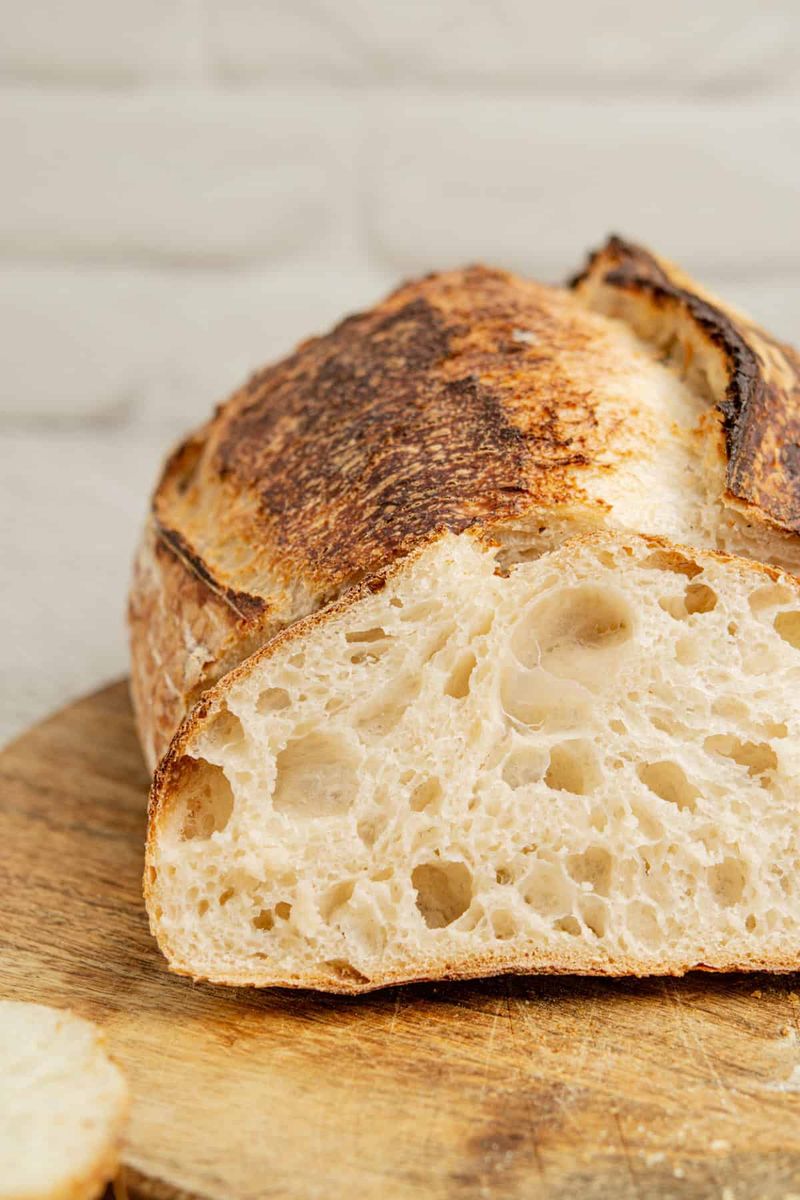
Homemade bread is one of those things that smells incredible but can go very wrong very fast. Dense, gummy loaves are the result of under-proofing, wrong flour ratios, or baking at the wrong temperature.
It takes a few bad batches to learn the feel.
Experienced bakers know to trust the dough more than the clock. Proper proofing, a hot oven, and steam in the first ten minutes of baking create that crackly crust and pillowy interior everyone is chasing.
8. Risotto
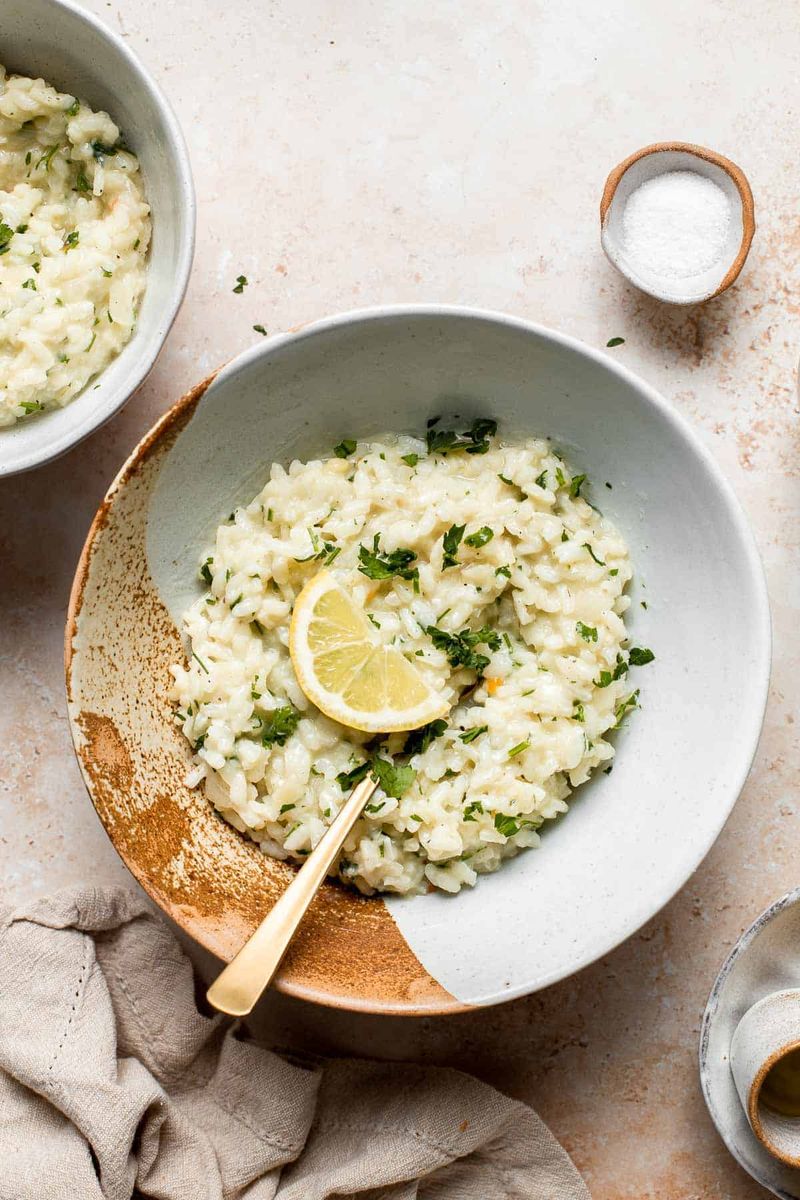
Risotto has a reputation for being fussy, and it genuinely requires your full attention. Walk away for five minutes and you will come back to either crunchy rice or a gluey, over-stirred mess.
The process demands presence.
Real home cooks add warm stock one ladle at a time, stirring steadily to coax out the starch. The final step, called mantecatura, involves stirring in cold butter and cheese off the heat to create that famous creamy, flowing consistency.
9. Custard
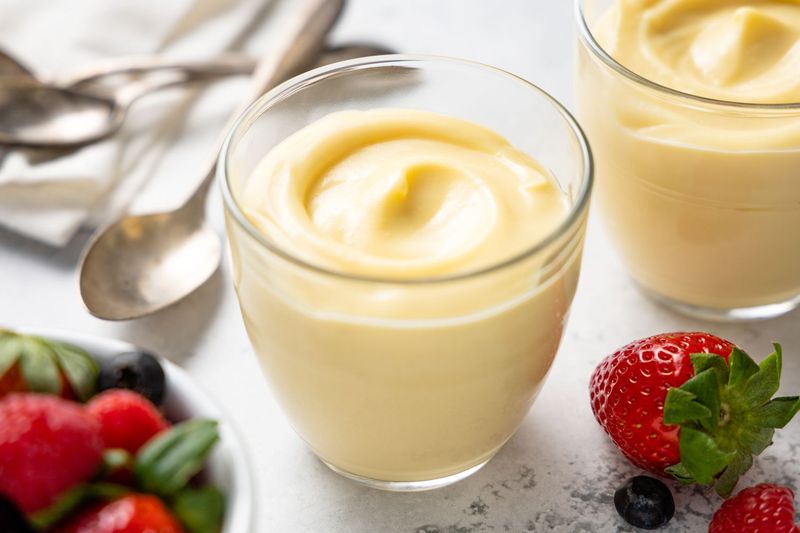
Custard is deceptively simple on paper but notoriously easy to ruin. Too much heat scrambles the eggs, giving you sweet, lumpy bits floating in warm milk, which is nobody's idea of a good dessert.
Temperature control is everything.
Smart home cooks use a thermometer and pull the custard off heat at around 82 degrees Celsius. Straining it through a fine sieve catches any bits that cooked too fast.
Patience and low heat are the two most important ingredients.
10. Fried Rice
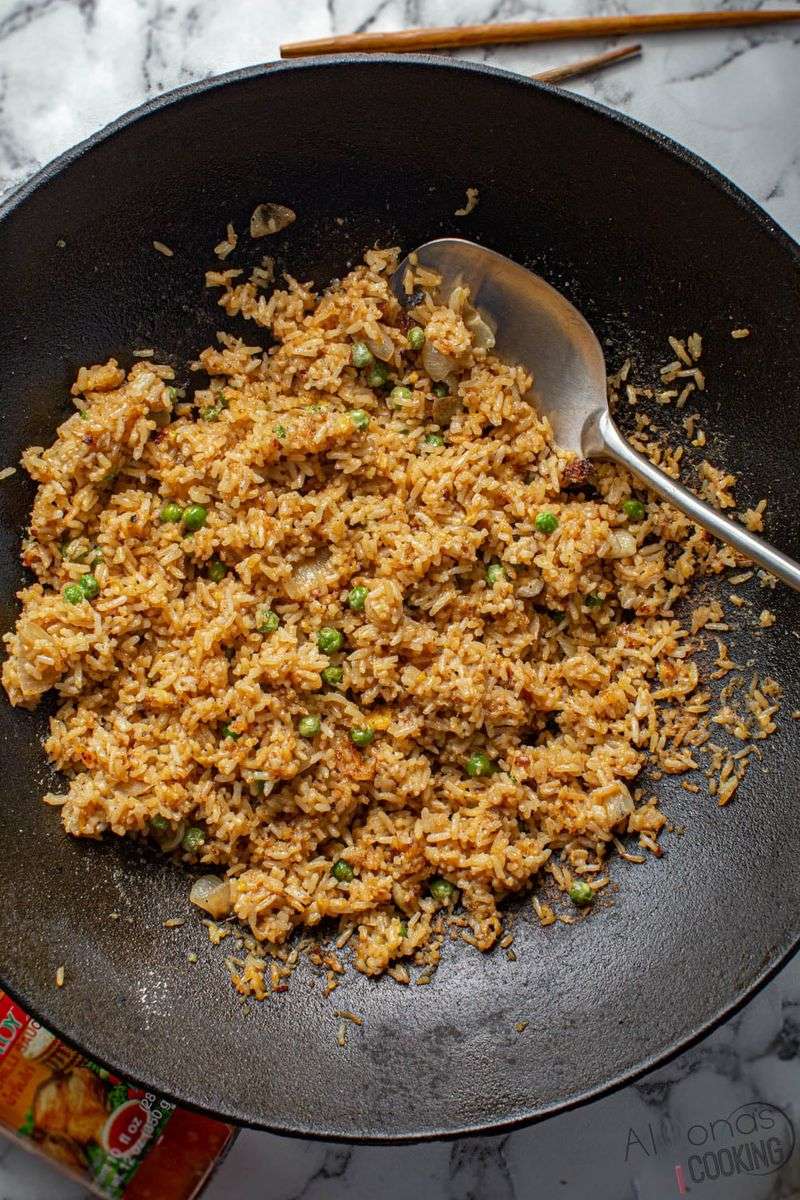
Day-old rice is not just a recommendation for fried rice, it is practically a requirement. Fresh rice is too moist and steams instead of frying, leaving you with a clumpy, sticky disappointment instead of those satisfying individual grains.
The other secret is high heat and not overcrowding the pan. Home cooks who get it right use a screaming hot wok, add ingredients in stages, and move quickly.
That slightly smoky, charred flavor is called wok hei, and it is worth chasing.
11. Pie Crust
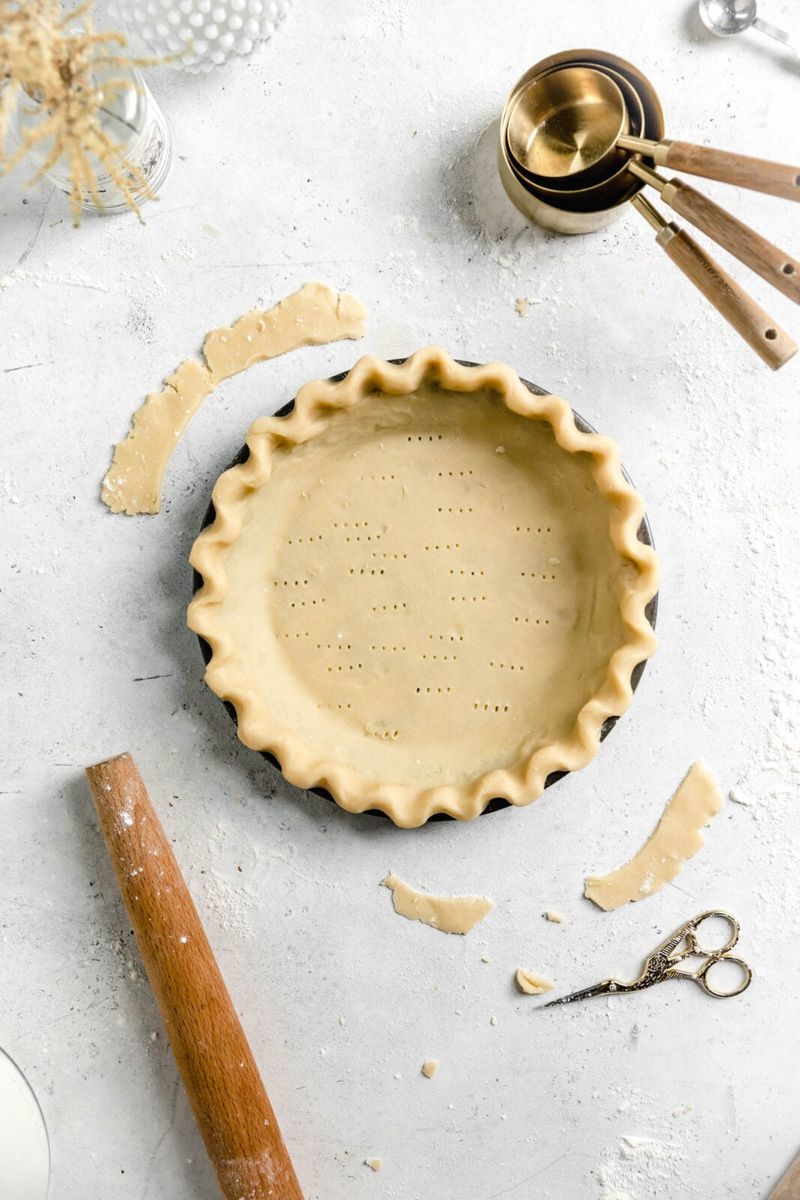
A truly flaky pie crust is one of the most satisfying things a home baker can produce. But overwork the dough even slightly and it turns tough and dense, more like a cracker than the buttery, tender layers you were going for.
The key is keeping everything cold, handling the dough as little as possible, and letting it rest in the fridge before rolling. Visible chunks of butter in the dough are a good sign, not a mistake.
Those chunks create flaky layers when baked.
12. Poached Eggs
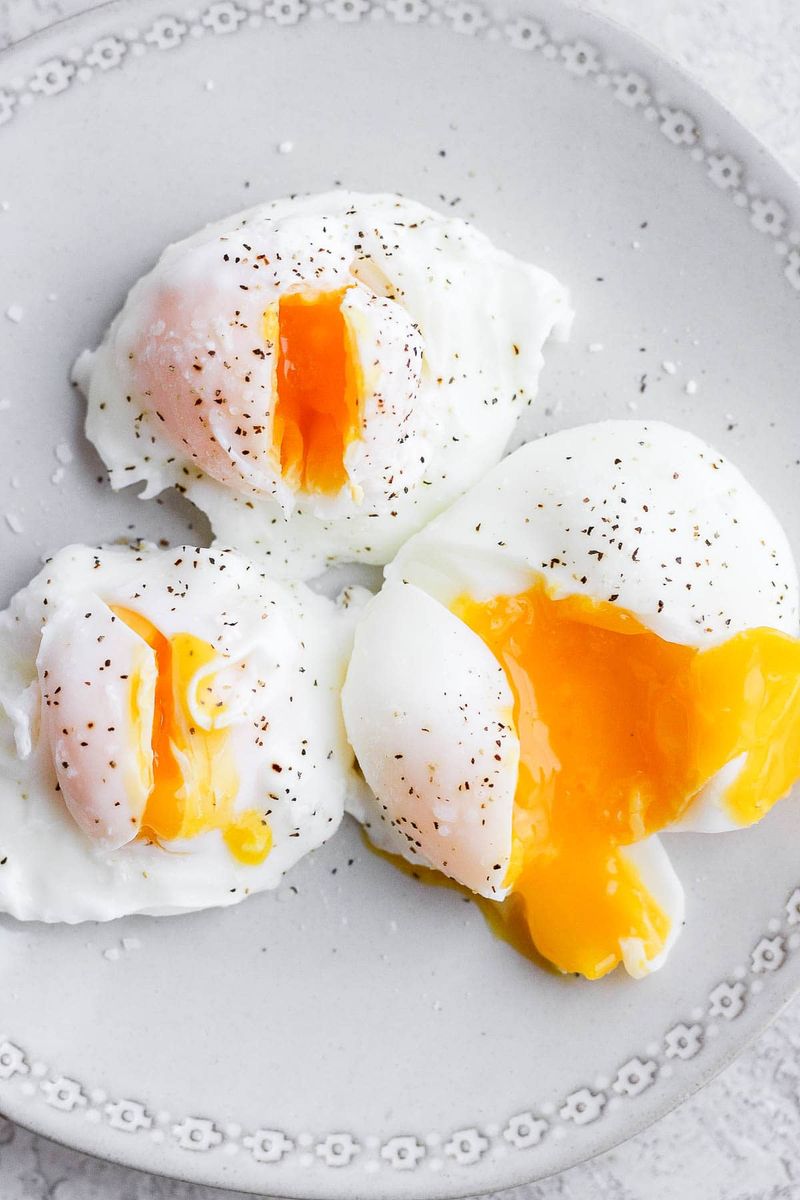
Poached eggs are the source of more kitchen anxiety than almost anything else on this list. The whites spread, the yolks overcook, and the whole thing falls apart in the water.
Getting them neat and perfect feels like a small miracle the first time it works.
Fresh eggs hold together better than older ones because the whites are tighter. A splash of vinegar in simmering, not boiling, water helps them set quickly.
Sliding eggs in gently from a small bowl makes all the difference.
13. Mashed Potatoes
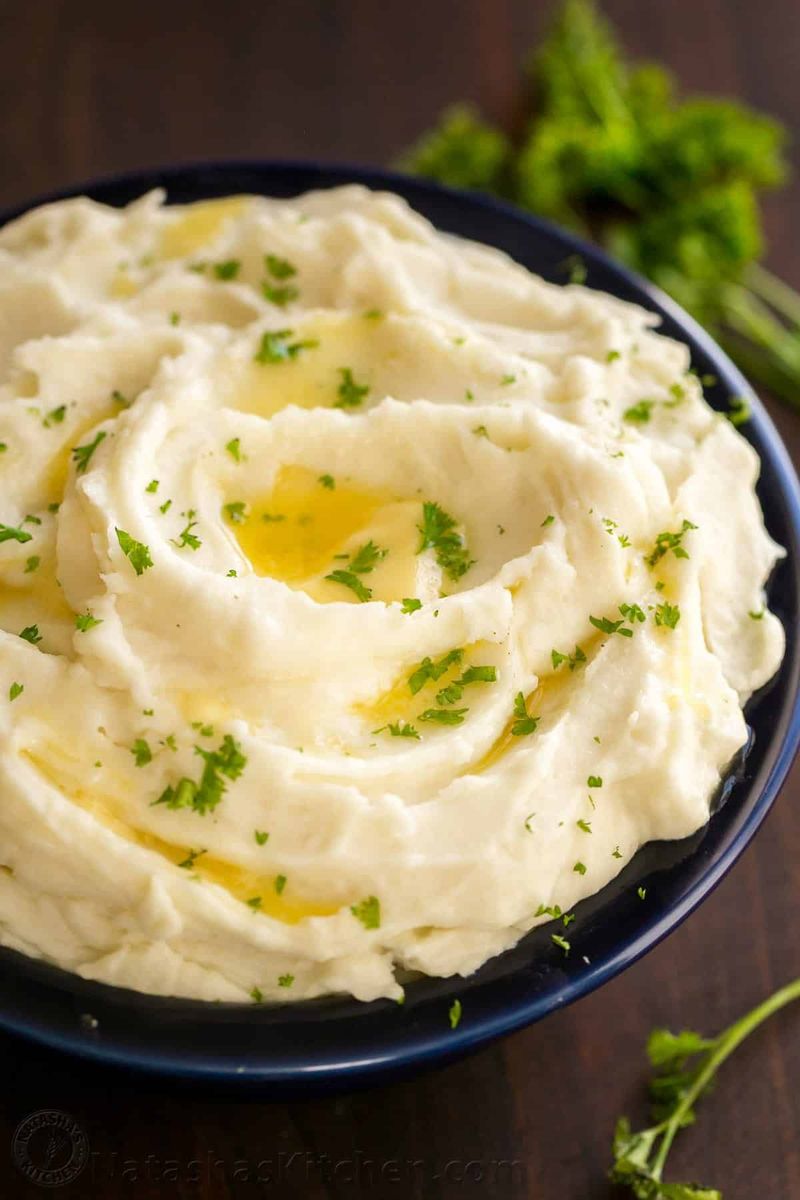
Mashed potatoes seem humble, but getting them silky smooth without becoming gluey takes real know-how. The enemy is overworking the starch, which happens the second you reach for an electric mixer and go too far.
Home cooks who nail this dish use a ricer or hand masher, warm their butter and cream before adding them, and season generously at every stage. Yukon Gold potatoes are the preferred variety for their naturally buttery flavor and smooth finish when mashed.
14. Mayonnaise
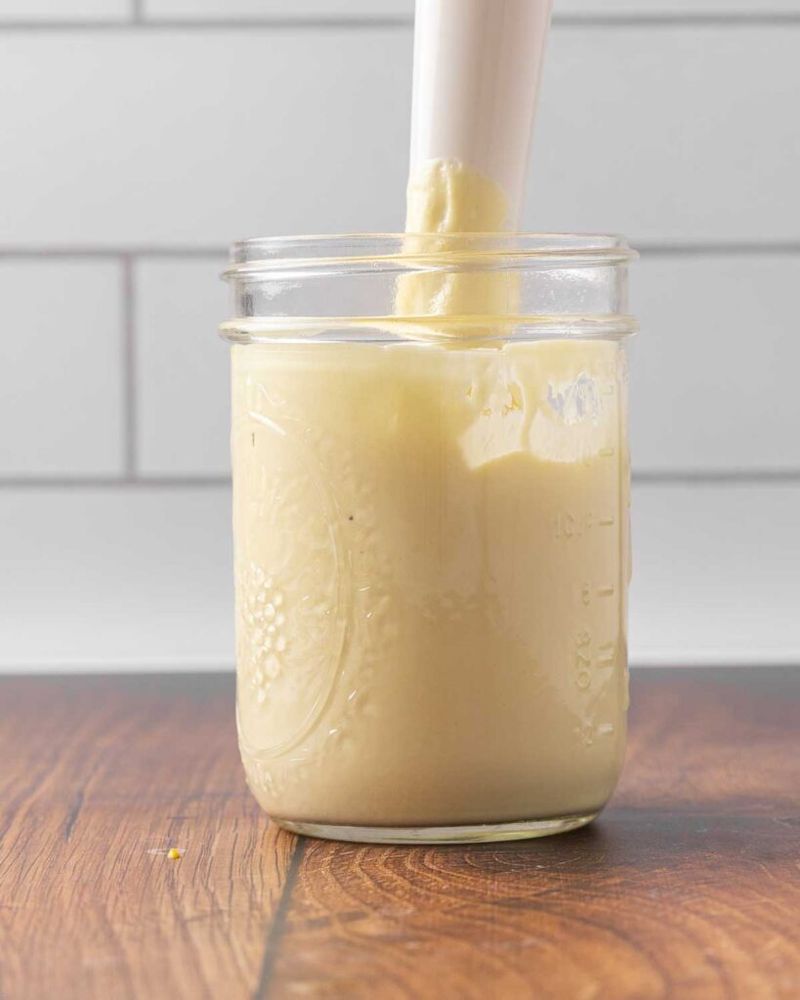
Store-bought mayonnaise is fine, but homemade mayo is on a completely different level. It is richer, fresher, and you can flavor it however you like.
The catch is that it is an emulsion, meaning it can break apart if you rush the process.
Adding oil drop by drop at the very start is the most critical step. Once the emulsion forms and thickens, you can pour more steadily.
Using room temperature eggs and a neutral oil like sunflower gives the smoothest, most stable result.
15. Chocolate Chip Cookies
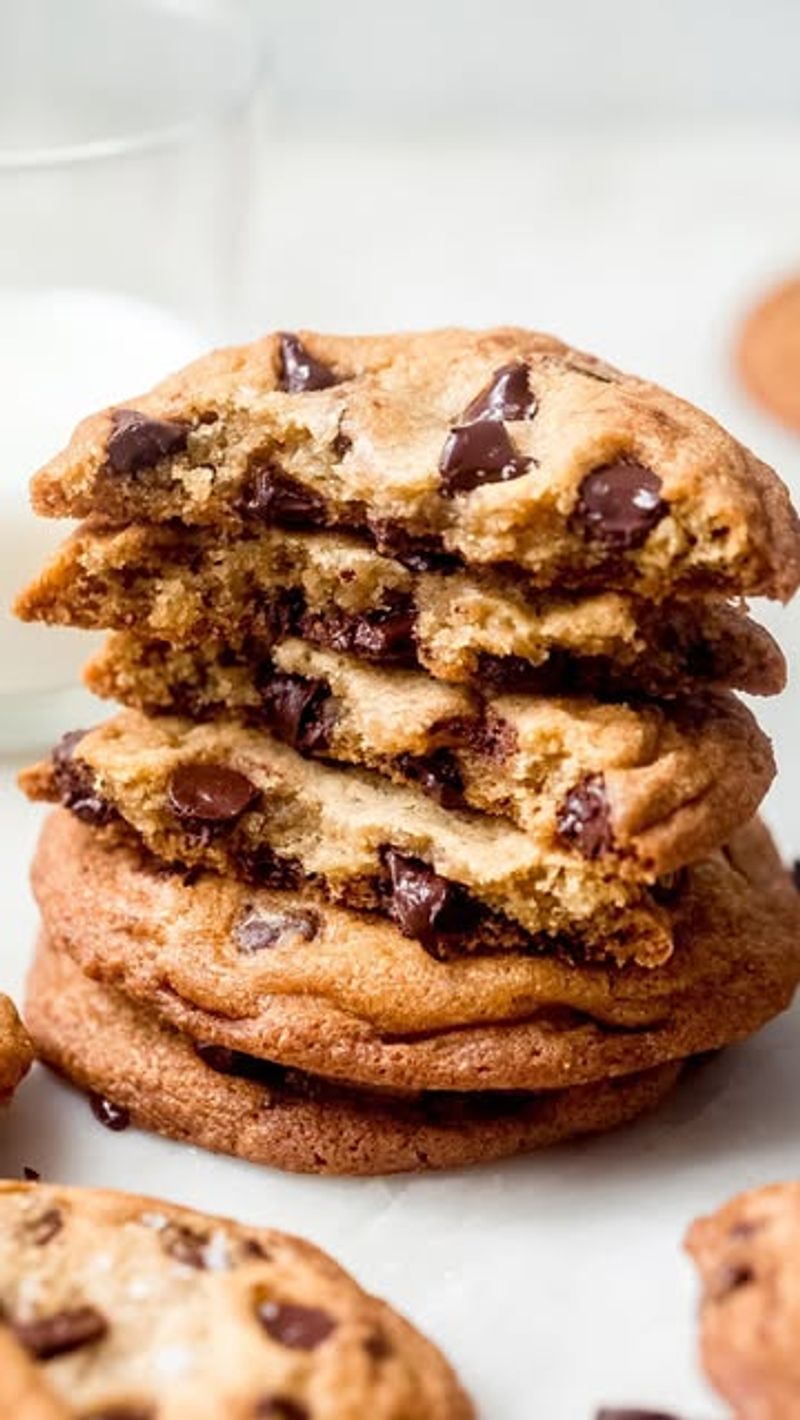
Everyone thinks they can bake chocolate chip cookies, but truly great ones, crispy on the edges and chewy in the middle with deep flavor, are harder to achieve than most people realize. Tiny decisions change everything.
Browning the butter first adds a nutty, toffee depth that no recipe shortcut can replicate. Chilling the dough overnight develops flavor.
Pulling them from the oven when they look underdone is the most nerve-wracking but most important step of all.
16. French Omelette
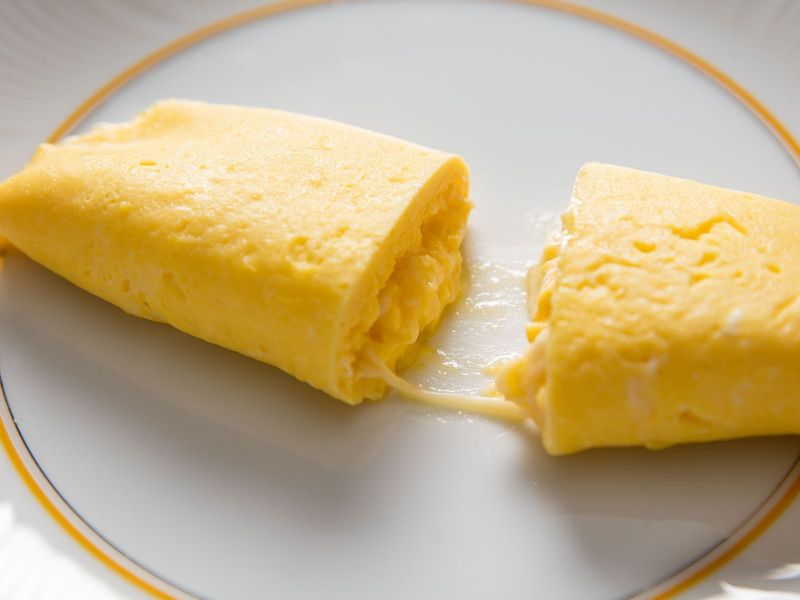
The French omelette is proof that simplicity is the hardest thing to master. Three eggs, a little butter, and constant motion over medium heat should produce a pale, smooth cylinder with a creamy, barely-set interior.
Most people get scrambled eggs instead.
The technique involves constant small movements with a fork while shaking the pan simultaneously. It takes practice and a forgiving attitude toward your early attempts.
Once it clicks, though, you will make it for every special breakfast without thinking twice.
17. Pork Crackling
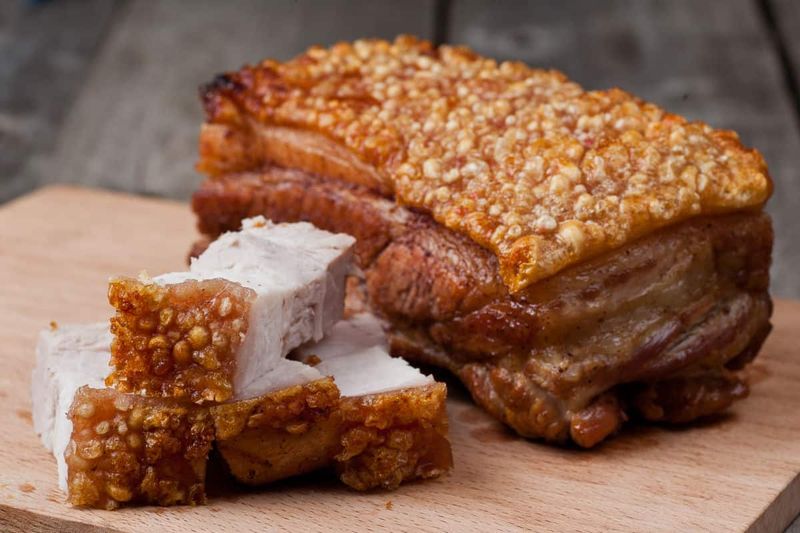
Pork crackling is the kind of thing that makes people argue passionately at the dinner table. Soggy or chewy skin is a genuine disappointment, and achieving that loud, shattering crunch requires specific preparation well before the roast even hits the oven.
Scoring the skin deeply, drying it uncovered in the fridge overnight, and starting with a very high blast of heat are the three non-negotiable steps. Salt draws moisture out, and dry skin blisters into crackling.
Wet skin just steams and stays soft.
18. Lemon Curd
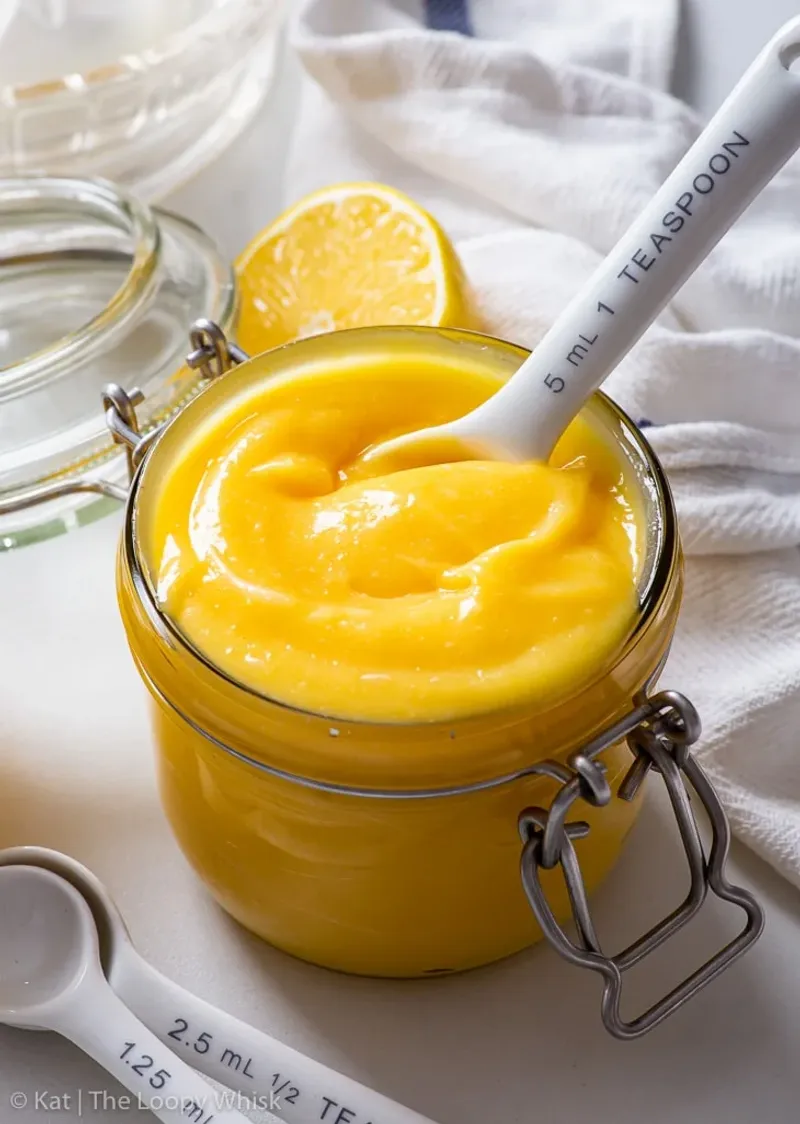
Lemon curd is one of those fridge staples that tastes far more impressive than the effort involved, once you know what you are doing. But cook it wrong and you end up with sweet lemon-flavored scrambled eggs, which is exactly as unpleasant as it sounds.
Constant stirring over low heat is the key. Using a heavy-bottomed pan and a wooden spoon or silicone spatula prevents hot spots that cook the eggs unevenly.
Adding cold butter at the end gives it that gorgeous, glossy richness.
19. Bechamel Sauce
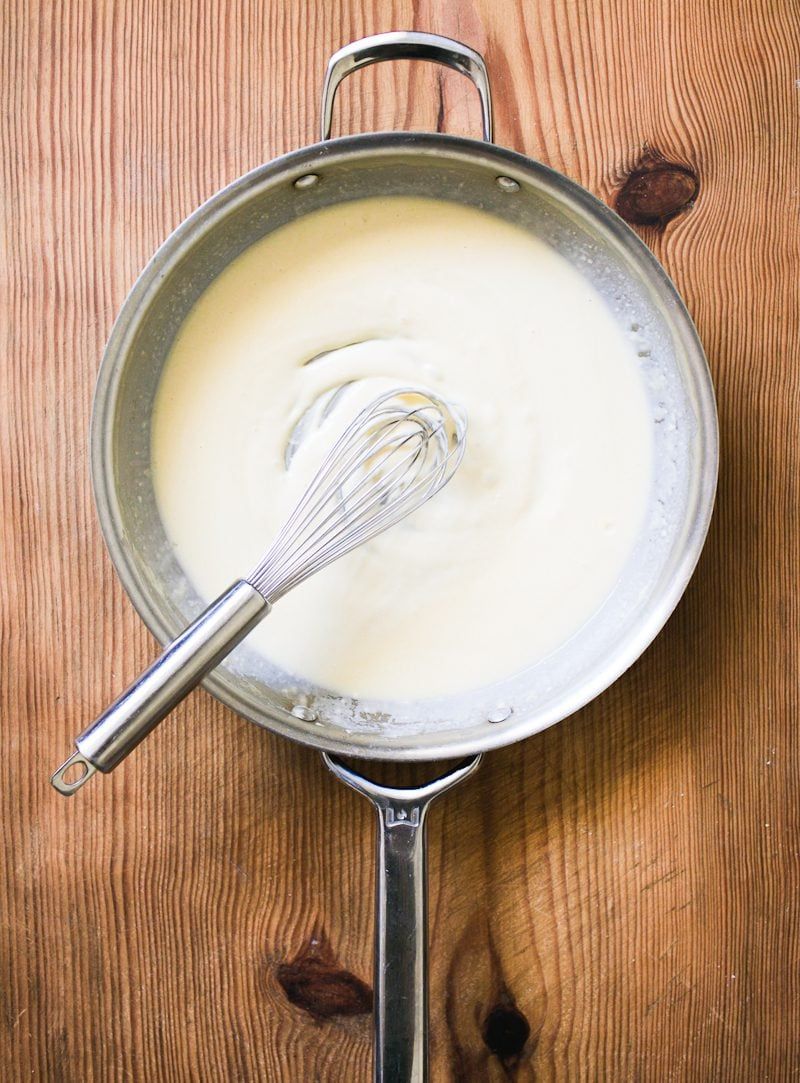
Bechamel is the mother sauce that shows up in lasagna, mac and cheese, moussaka, and countless other dishes. When it goes wrong, it is either lumpy from rushed flour cooking or thin and flavorless from not enough time on the stove.
Cooking the butter and flour together into a roux for a full two minutes before adding any milk is what gets rid of that raw flour taste. Adding warm milk gradually while whisking constantly prevents lumps from forming and keeps the sauce silky smooth.
20. Meringue
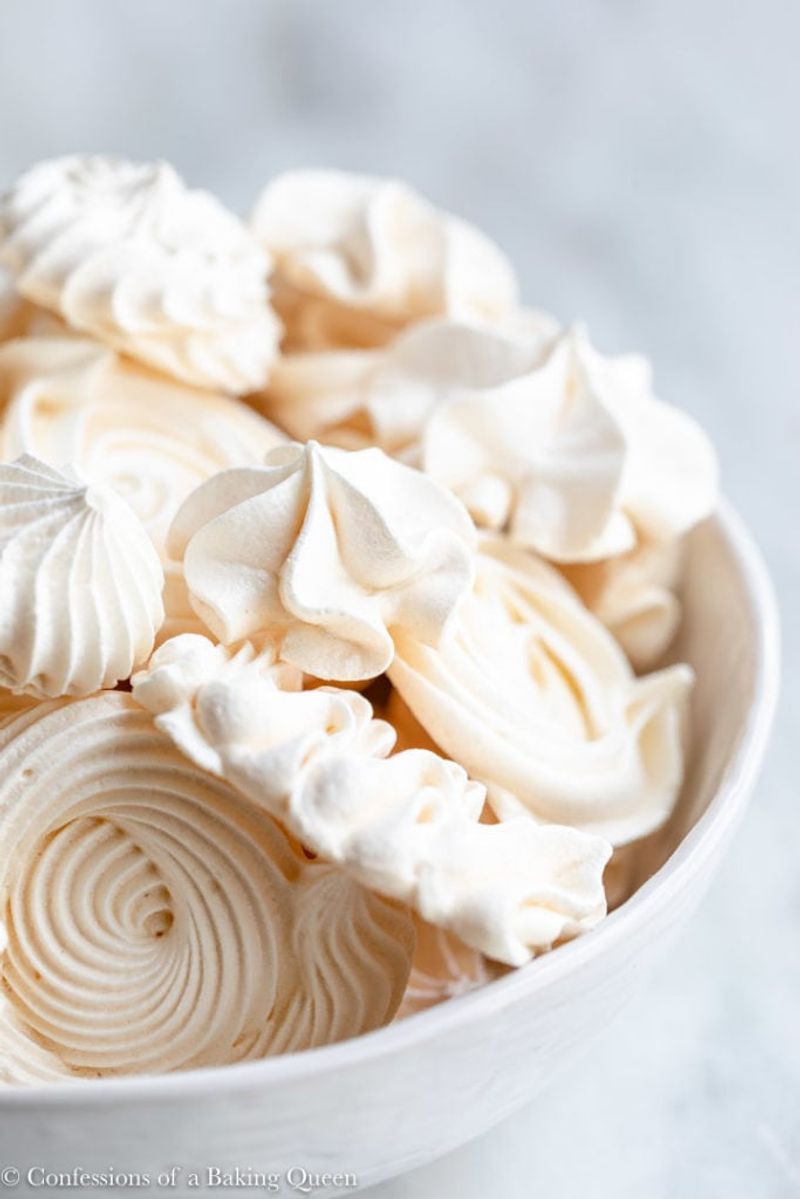
Meringue looks ethereal and tastes like a cloud, but it is deeply unforgiving. A single drop of egg yolk or grease in the bowl and the whites simply refuse to whip properly.
Even humidity on a rainy day can make meringue weep and collapse.
Home bakers who consistently nail meringue know to use a spotlessly clean metal or glass bowl, never plastic. Adding sugar gradually once soft peaks form, and baking low and slow, gives you that crisp shell with a marshmallowy center that makes it all worthwhile.
21. Bone Broth
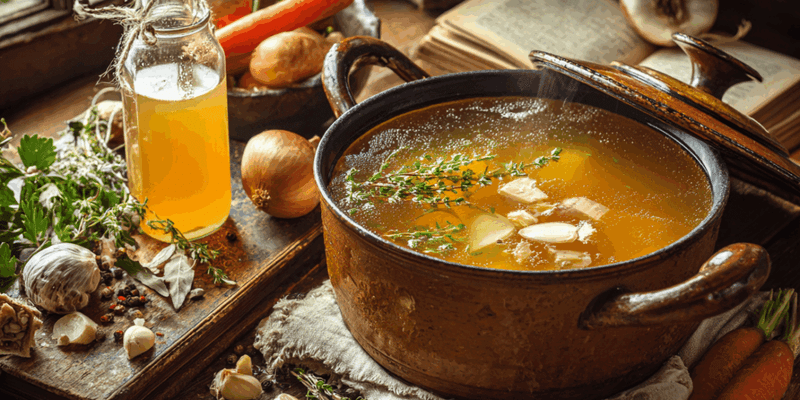
Bone broth has been on every wellness list for years, but making a truly rich, gelatinous batch at home is not as simple as tossing bones in water. The depth of flavor comes from roasting the bones first and simmering for a very long time.
Twelve to twenty-four hours is standard for a proper bone broth. Adding a splash of apple cider vinegar helps draw minerals from the bones.
Skimming the foam in the first hour keeps the finished broth clear and clean-tasting rather than murky.
22. Jam
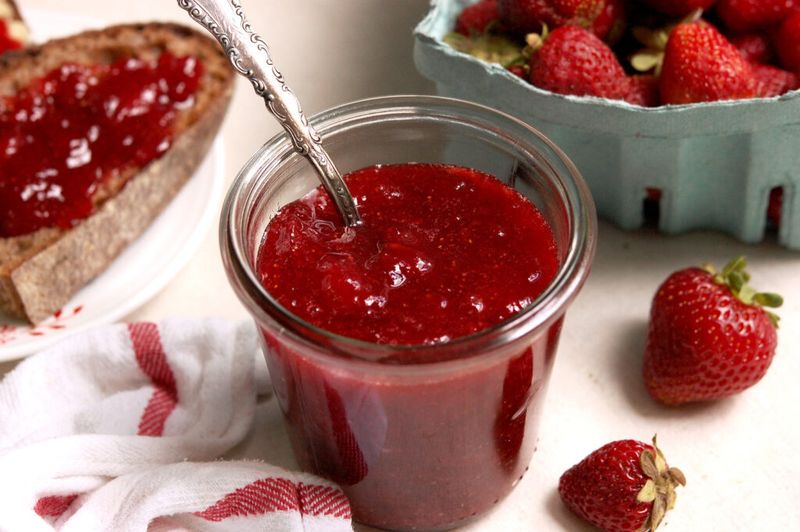
Homemade jam sounds wholesome and easy until you realize that getting it to set properly is genuinely tricky. Under-cook it and you have sweet fruit syrup.
Over-cook it and you have a sticky, overly firm slab that barely spreads on toast.
The wrinkle test on a cold plate is the most reliable way to check if jam has reached setting point. Using fruit with natural pectin, like apples or citrus peel, helps achieve a good set without relying entirely on commercial pectin products.
23. Tempering Chocolate
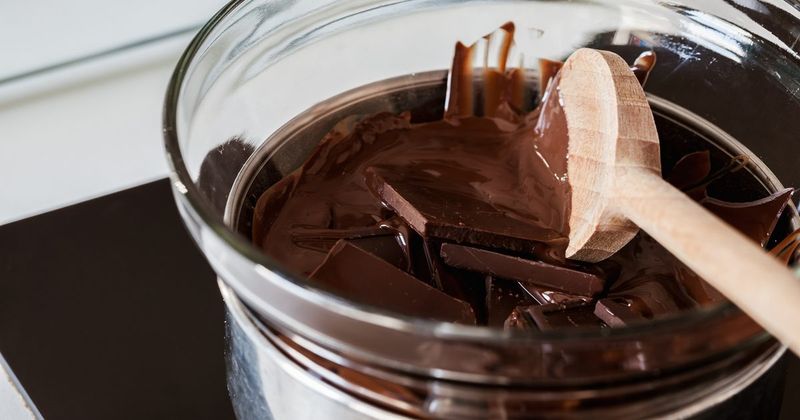
Tempered chocolate has a satisfying snap, a glossy shine, and melts cleanly on the tongue. Untempered chocolate is dull, streaky, and soft, which is fine for brownies but a disaster if you are making truffles or chocolate bark meant to impress.
The process involves melting chocolate, cooling it down while stirring, then gently rewarming it to specific temperatures depending on the type of chocolate. Milk, dark, and white chocolate each have their own temperature ranges.
A thermometer is not optional here.
24. Choux Pastry
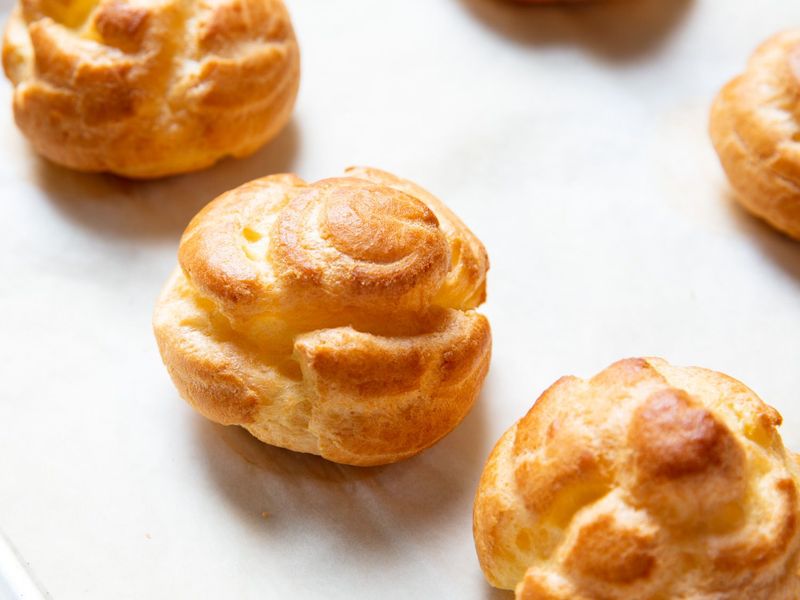
Choux pastry is the foundation of eclairs, profiteroles, and cream puffs, and it behaves unlike any other dough because it is cooked twice. The first cook happens on the stovetop, the second in the oven, and both stages have to go right.
Getting the dough to the right consistency before adding eggs is critical. It should pull away cleanly from the sides of the pan.
Adding eggs one at a time and checking the batter falls slowly off a spoon in a V-shape means it is ready to pipe.




Comments
No Comments