













Britain has a long and proud history with fish, stretching back centuries along its coastlines, rivers, and harbors. Yet beyond fish and chips, so many incredible traditional recipes have quietly faded from dinner tables.
From smoky kippers to creamy potted shrimp, British fish cookery is full of bold flavors and clever techniques worth rediscovering. These recipes are simple, satisfying, and surprisingly easy to make at home.
1. Cullen Skink
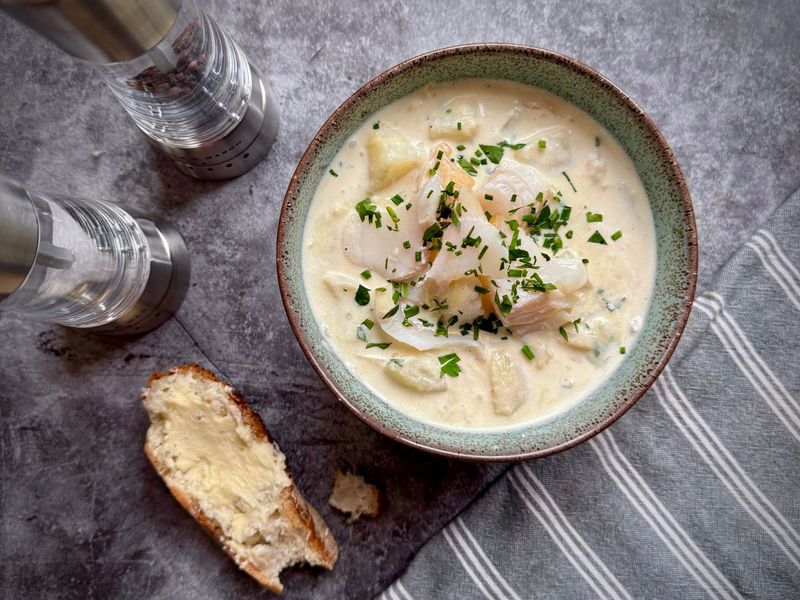
Scotland gave the world this gloriously smoky, creamy soup, and honestly, it deserves a permanent spot on every British table. Cullen Skink is made with smoked haddock, potatoes, and onions, slow-cooked until thick and comforting.
The name comes from the fishing village of Cullen in Moray, Scotland, where this dish has been a staple for generations. One bowl feels like a warm hug on a cold day.
Try it with thick crusty bread for a truly satisfying meal.
2. Potted Shrimp
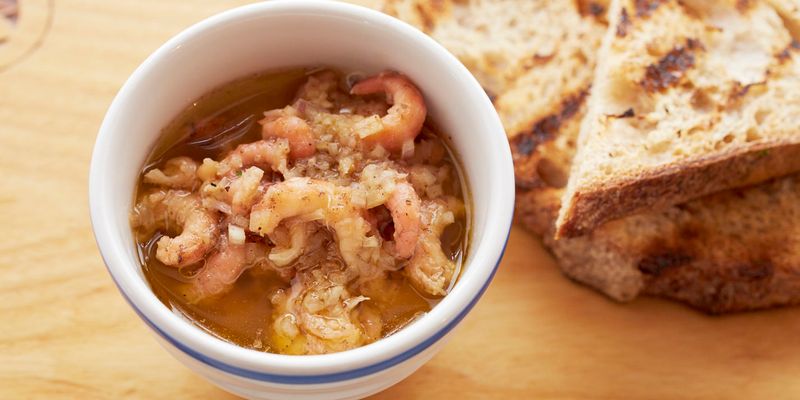
Potted shrimp might be one of Britain's most elegant forgotten starters. Tiny brown shrimp are packed into ramekins and sealed under spiced clarified butter flavored with mace, nutmeg, and a pinch of cayenne.
Morecambe Bay in Lancashire has been famous for this recipe since at least the 1800s. Served chilled with thin toast, it is surprisingly rich and deeply flavorful.
The spiced butter is the real star here, so do not skip the seasoning.
3. Kedgeree
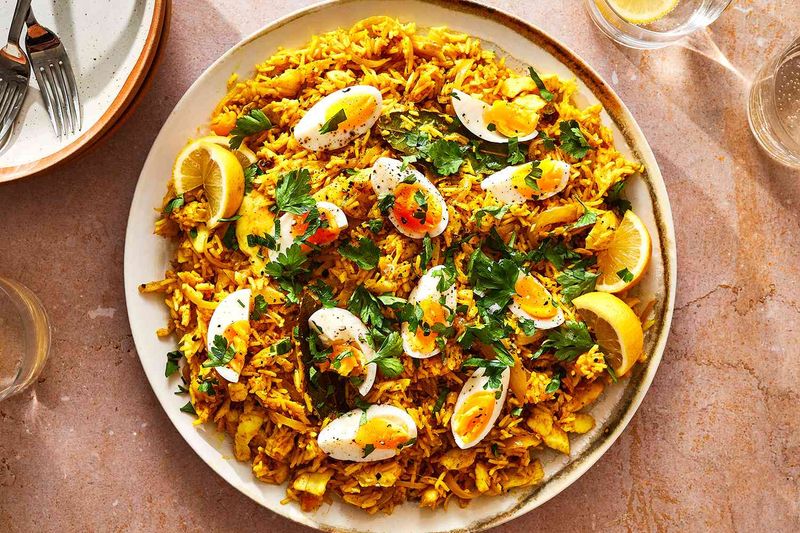
Once a staple of the Victorian breakfast table, kedgeree blends smoked haddock with spiced rice, boiled eggs, and fresh herbs in a way that feels both hearty and exotic. Its roots trace back to the Indian dish khichdi, brought home by British colonists.
Today it works brilliantly as a brunch or light dinner option. The smoky fish and warm spices make it deeply satisfying.
Cook the eggs just until jammy for the best texture.
4. Stargazey Pie
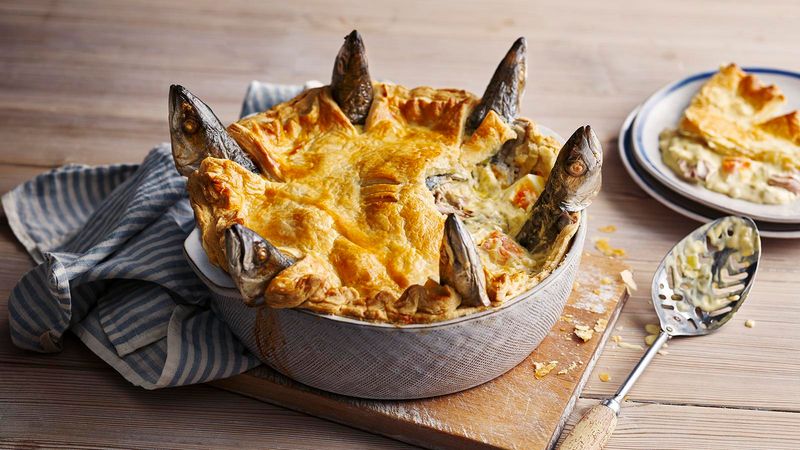
Few dishes look as dramatic as Stargazey Pie, a Cornish classic where whole fish heads poke through a golden pastry crust as if gazing at the stars. The dish traditionally uses pilchards and dates back to the village of Mousehole in Cornwall.
Legend says it was created to honor a brave fisherman named Tom Bawcock who saved his village from starvation. The filling is creamy and savory beneath that spectacular crust.
It is a true conversation starter at any dinner table.
5. Smoked Haddock Rarebit
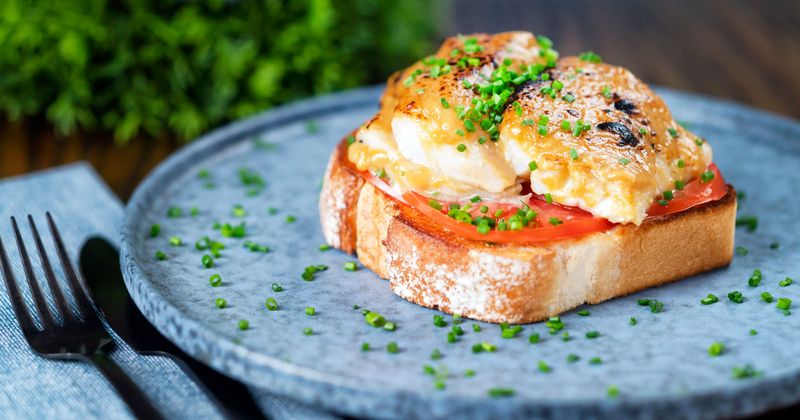
Welsh rarebit is already a beloved British classic, but adding smoked haddock takes it to a completely different level of deliciousness. The salty, smoky fish pairs beautifully with the sharp, mustard-spiked cheese sauce poured over thick toast.
Broiled until golden and bubbling, this dish comes together in under 20 minutes and feels far fancier than it actually is. It makes an excellent quick weeknight supper.
Sharp cheddar works best, but a mix with gruyere is even more indulgent.
6. Arbroath Smokie Pate
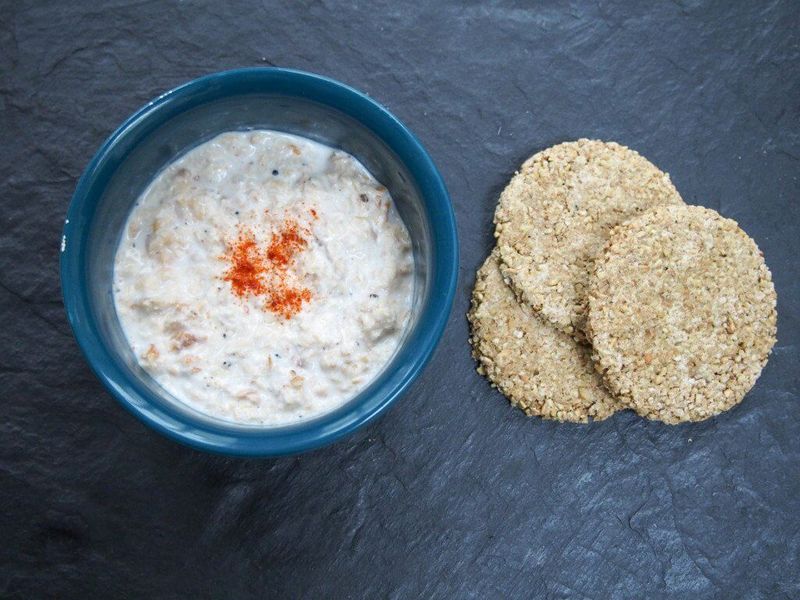
Arbroath Smokies are hot-smoked haddock from the Scottish town of Arbroath, and they carry a protected geographical status just like Champagne or Parma ham. Turning them into a creamy pate is one of the most delicious things you can do with this ingredient.
Blended with cream cheese, lemon juice, and a little horseradish, the result is smoky, rich, and absolutely addictive. Spread it generously on oatcakes for a proper Scottish snack.
It keeps well in the fridge for several days too.
7. Soused Herrings
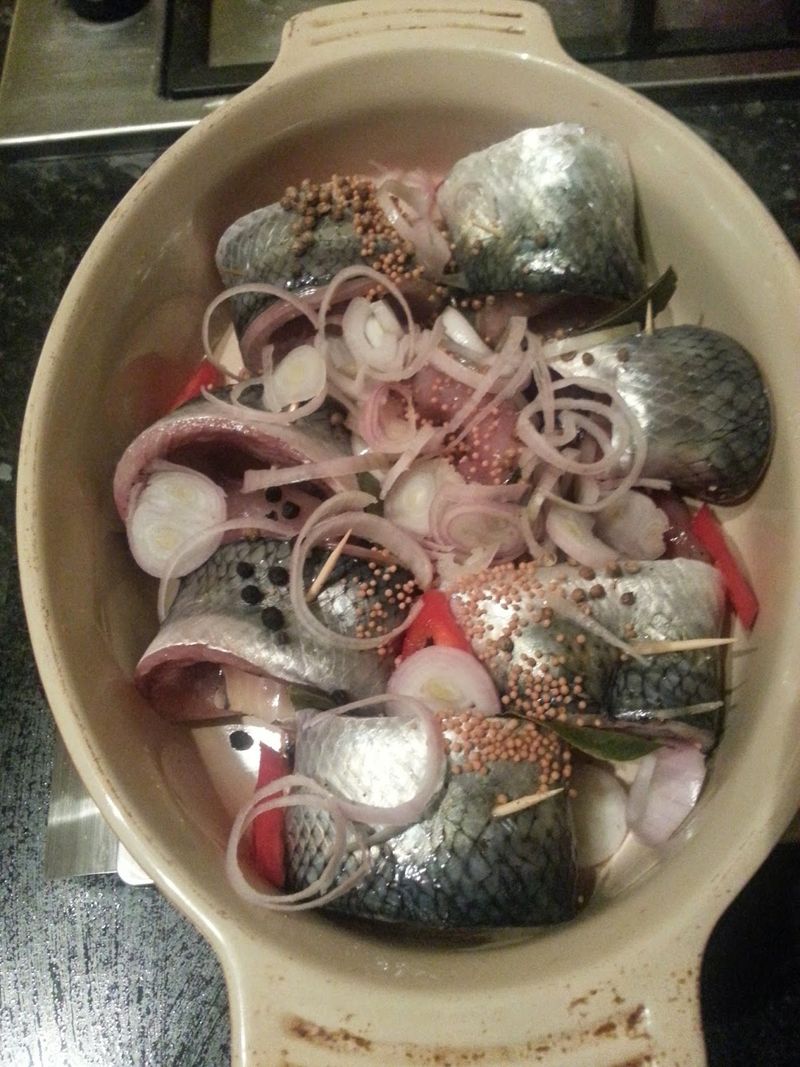
Before refrigeration existed, sousing fish in vinegar was the smartest way to preserve a good catch, and the flavor it creates is wonderfully tangy and complex. Herrings are rolled around pickled onions, secured with toothpicks, and baked or simmered in spiced vinegar.
The result is tender, tangy fish with a satisfying bite. Soused herrings are typically served cold with brown bread and butter.
They are an acquired taste for some, but absolute heaven for those who love bold, pickled flavors.
8. Grilled Dover Sole with Brown Butter
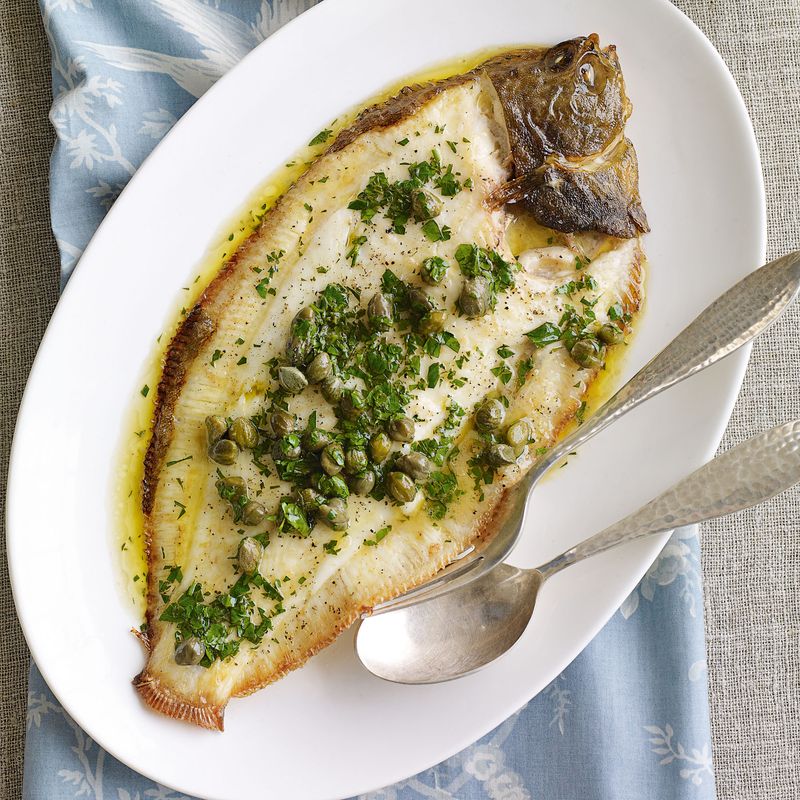
Dover sole is one of Britain's most prized fish, and the simplest preparation is often the best. Grilled whole and finished with nutty browned butter, lemon juice, and capers, this dish lets the delicate, sweet flavor of the fish take center stage.
It has been a staple of classic British restaurants for decades, yet it rarely appears in home kitchens. That is a shame, because it is genuinely easy to prepare.
Ask your fishmonger to skin and trim the fish to save time.
9. Jellied Eels
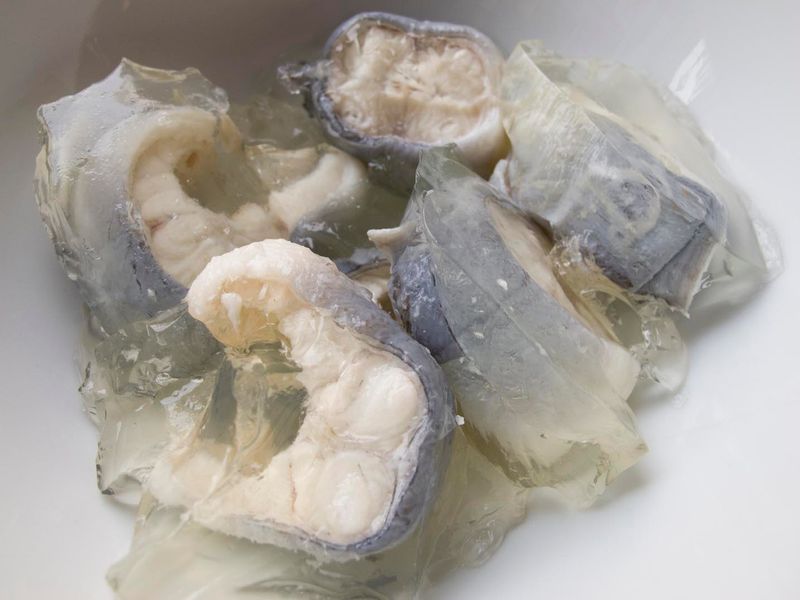
No food divides opinion in London quite like jellied eels, but this East End classic has been feeding Londoners since the 18th century. Chunks of eel are simmered in a spiced stock that sets into a savory, wobbly jelly when cooled.
Street vendors and pie-and-mash shops have served this dish for generations. The flavor is mild and slightly briny, and the texture is unlike anything else.
Try it with a splash of malt vinegar and an open mind for the full experience.
10. Cockle and Laverbread Cakes
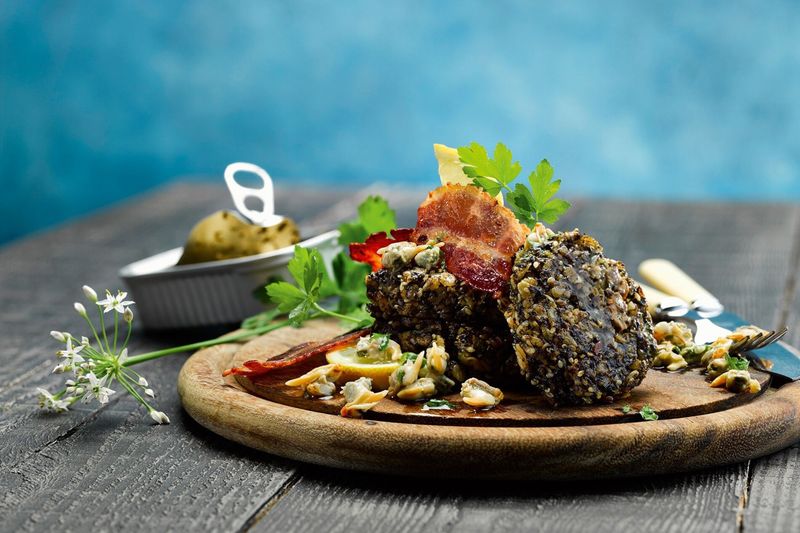
Wales has a coastal food tradition that most people never hear about, and laverbread is its most unique ingredient. Made from pureed seaweed, laverbread is mixed with oats and cockles, then pan-fried into crispy little cakes with a deeply savory, oceanic flavor.
Traditionally served as part of a Welsh breakfast, these cakes are equally good as a starter or light lunch. The combination of seaweed and shellfish sounds unusual but tastes wonderfully balanced.
Serve with a squeeze of lemon and a cool dollop of tartare sauce.
11. Baked Stuffed Mackerel
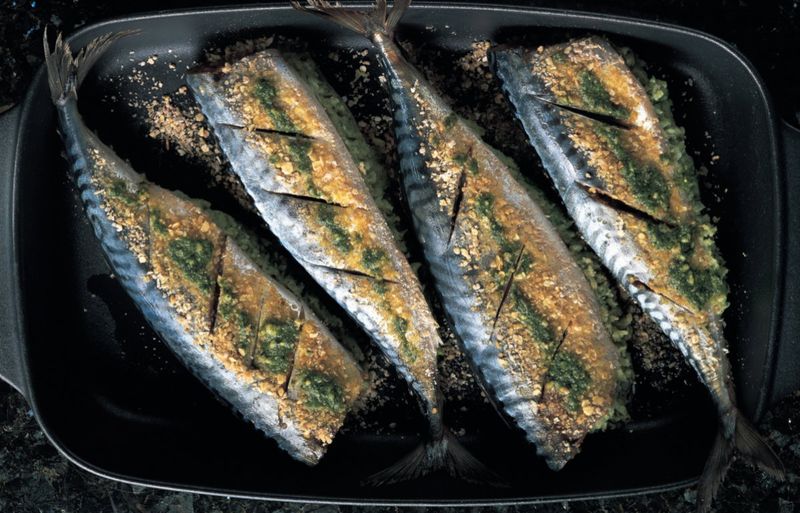
Mackerel is one of the most sustainable, affordable, and nutrient-packed fish in British waters, yet it rarely gets the gourmet treatment it deserves. Stuffed with a savory mix of breadcrumbs, lemon zest, capers, and fresh herbs, then baked until the skin is crisp, it is absolutely spectacular.
The natural oiliness of the fish keeps the stuffing moist and flavorful throughout cooking. Mackerel season peaks in summer, making this a brilliant warm-weather dinner.
Pair it with a sharp gooseberry sauce to cut through the richness.
12. Whitebait Fritters
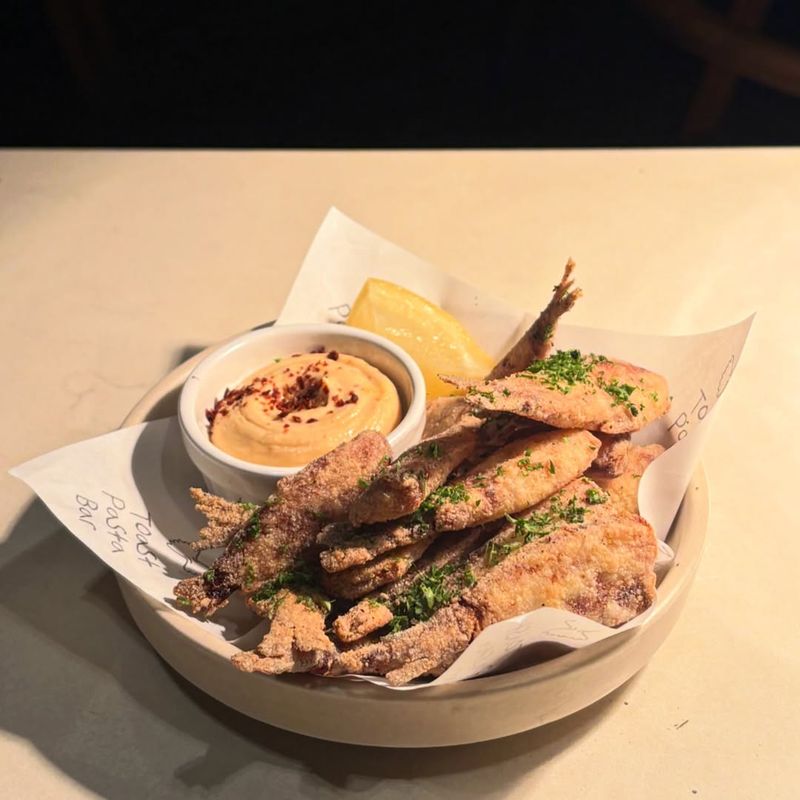
Walk into any traditional British seaside pub and there is a good chance whitebait is on the menu. These tiny whole fish, lightly dusted in seasoned flour and fried until perfectly crisp, are one of Britain's most satisfying snacks.
They were once so popular in London that annual whitebait dinners were held by politicians along the Thames in the 1800s. Eat them whole, bones and all, with a squeeze of lemon.
They are crunchy, salty, and completely irresistible once you start.
13. Trout with Almonds
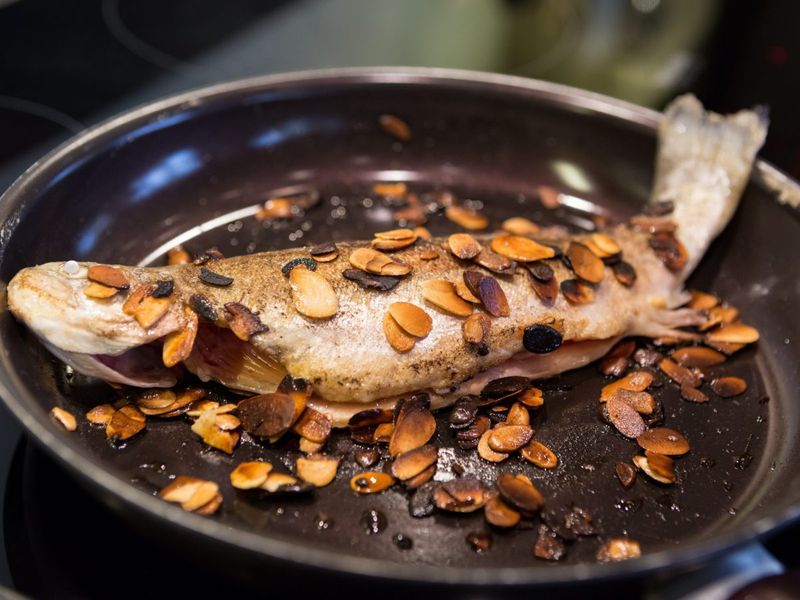
Trout with almonds was a restaurant favorite throughout Britain in the 1960s and 70s, and it deserves a serious comeback. Pan-fried trout is finished with golden toasted almonds sizzled in butter, creating a gorgeous contrast between the tender fish and the crunchy nuts.
British river trout has a clean, mild flavor that works beautifully with this simple preparation. The whole dish comes together in about 15 minutes.
Add a splash of white wine to the butter for a slightly more sophisticated pan sauce.
14. Smoked Salmon Blinis with Creme Fraiche
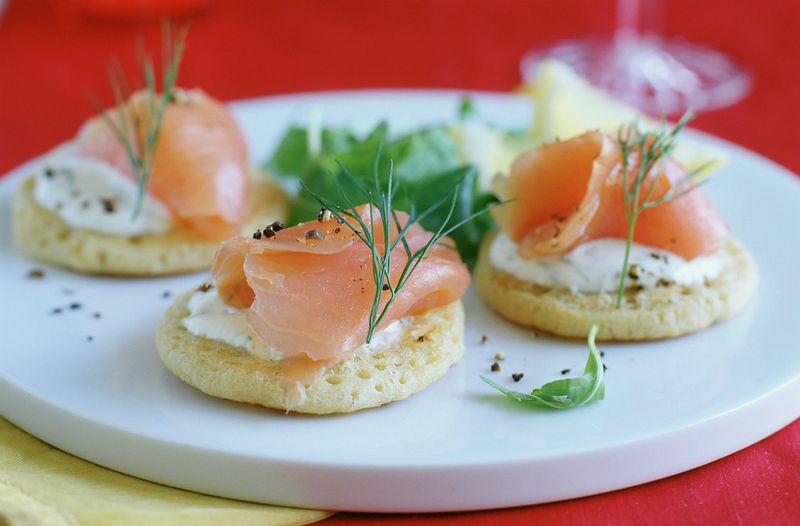
Scotland produces some of the finest smoked salmon in the world, and pairing it with light, fluffy blinis and cool creme fraiche is a combination that never goes out of style. Tiny and elegant, these bites have appeared on British party tables for decades.
The key is making the blinis fresh and keeping them warm before topping. A little squeeze of lemon and a few capers add brightness to balance the rich, silky salmon.
They disappear faster than almost any other party food.
15. Fish Pie with Cheesy Mash
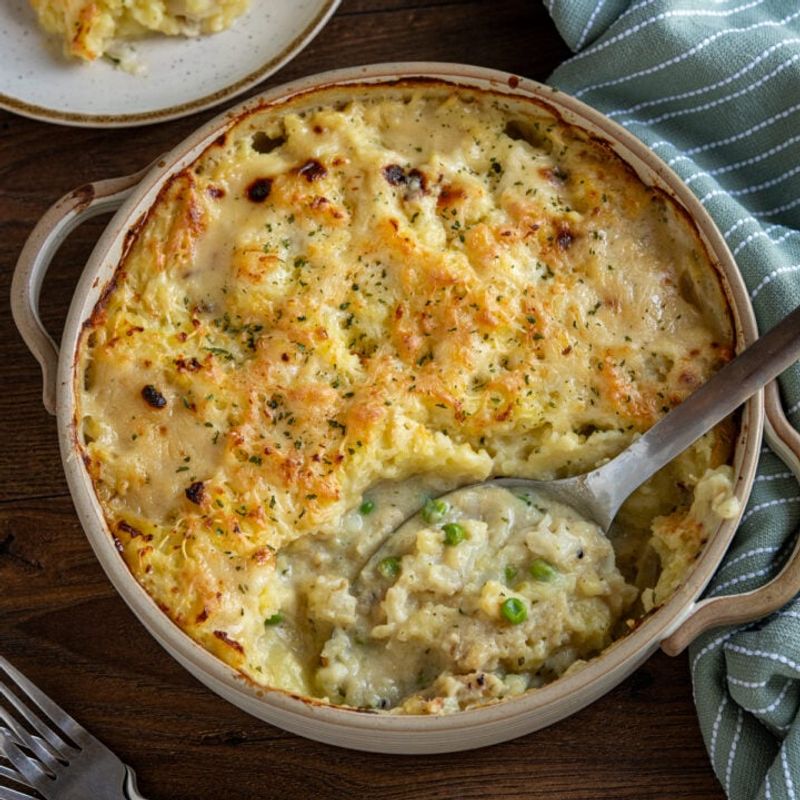
Fish pie is British comfort food at its finest, and the version with a cheesy mashed potato topping is arguably the best of all. A creamy sauce loaded with smoked haddock, salmon, and prawns sits beneath a thick layer of mash browned golden in the oven.
This is a dish that feeds a crowd and always earns compliments. Adding a handful of spinach or peas to the filling sneaks in extra vegetables without anyone noticing.
Use a mix of fish for the most interesting flavor.
16. Poached Salmon with Hollandaise
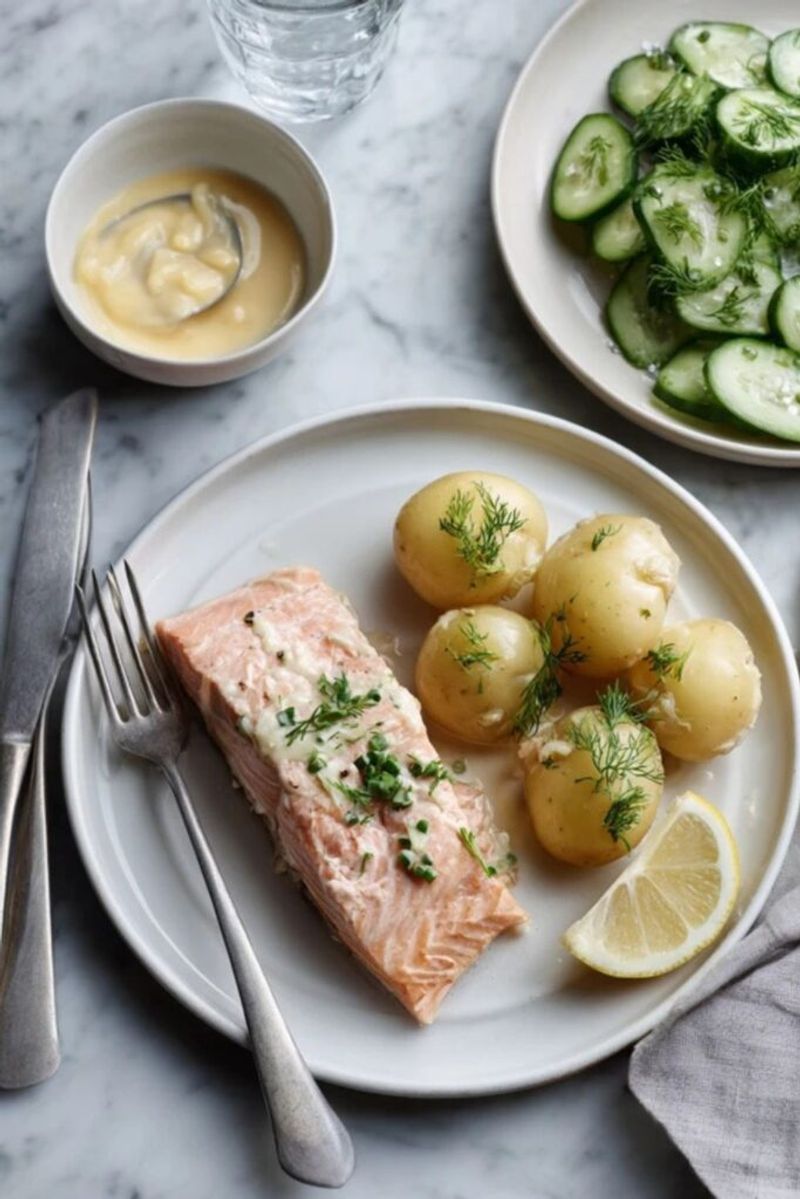
For generations, a whole poached salmon with hollandaise sauce was the centerpiece of elegant British summer gatherings, from garden parties to Wimbledon picnics. The fish is gently cooked in a court bouillon of wine, herbs, and vegetables until just set and silky.
Rich, buttery hollandaise alongside cool cucumber and fresh dill makes every bite feel celebratory. It looks impressive but is far less intimidating to cook than people assume.
Serve it slightly warm or at room temperature for the best flavor.
17. Dressed Crab
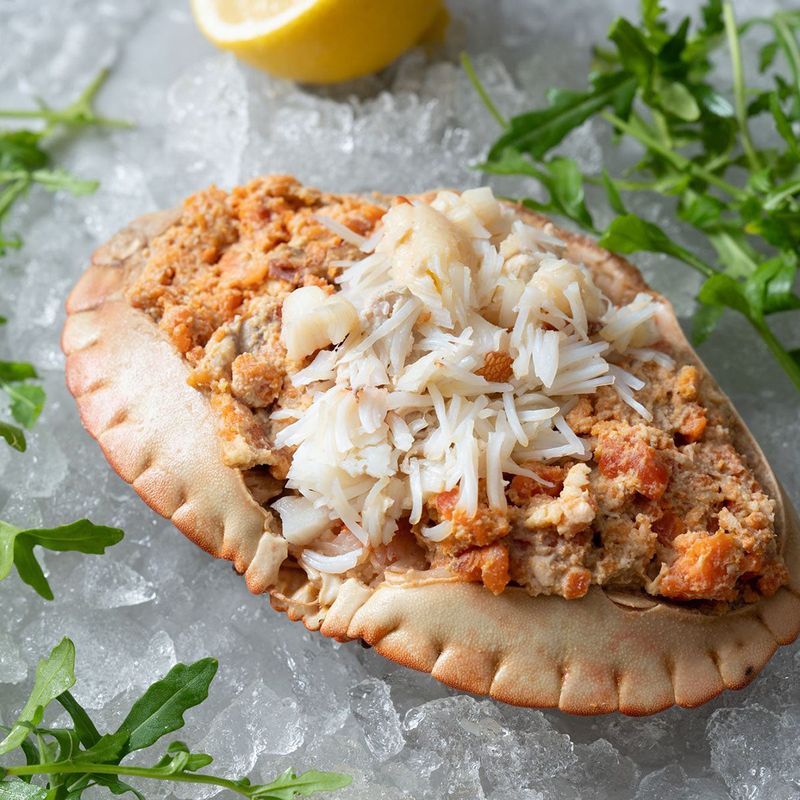
Buying a fresh whole crab and dressing it yourself is one of those kitchen skills that feels incredibly rewarding once you have done it. The brown meat is mixed with breadcrumbs, mustard, and lemon, while the white meat is left clean and sweet.
Both are arranged back into the shell for a presentation that looks stunning on the table. British coastal towns like Cromer in Norfolk are famous for their exceptional crabs.
Serve it simply with good brown bread and cold butter.
18. Eel Pie
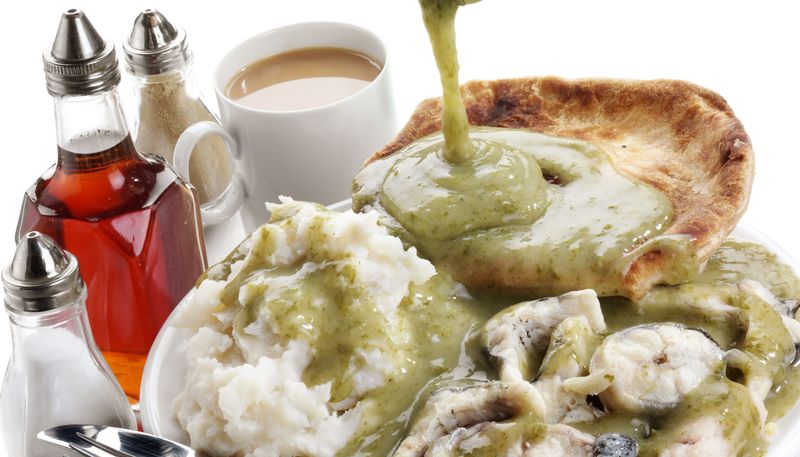
Before the Thames became heavily polluted, eels were so abundant in London that eel pie became a working-class staple. The dish, made famous by the pie-and-mash shops of East London, features tender eel chunks in a thick parsley liquor sauce beneath flaky shortcrust pastry.
A handful of traditional pie-and-mash shops still serve it today, keeping this extraordinary piece of culinary history alive. The flavor is earthy, savory, and surprisingly delicate.
It pairs perfectly with a generous pour of classic green parsley liquor.
19. Sprats with Mustard Sauce
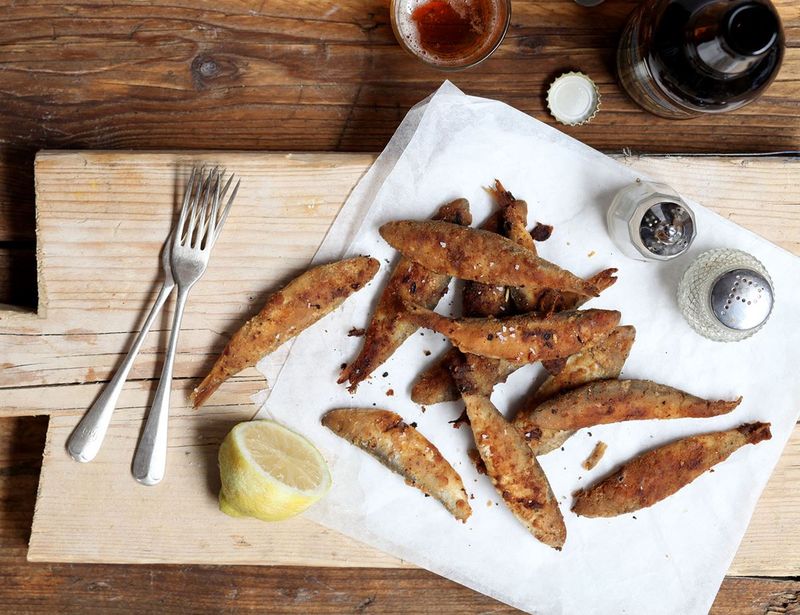
Sprats are tiny, inexpensive fish related to herrings, and they have fed British coastal communities for centuries. Pan-fried whole until crispy, they develop a wonderfully rich, slightly smoky flavor that pairs brilliantly with a sharp, creamy mustard sauce.
In parts of Norfolk and Suffolk, sprats are still smoked and sold at local markets in autumn. They cook in just minutes and cost very little, making them one of the best-value fish dishes in British cooking.
Eat them with your fingers for the full experience.
20. Mussel and Cider Broth
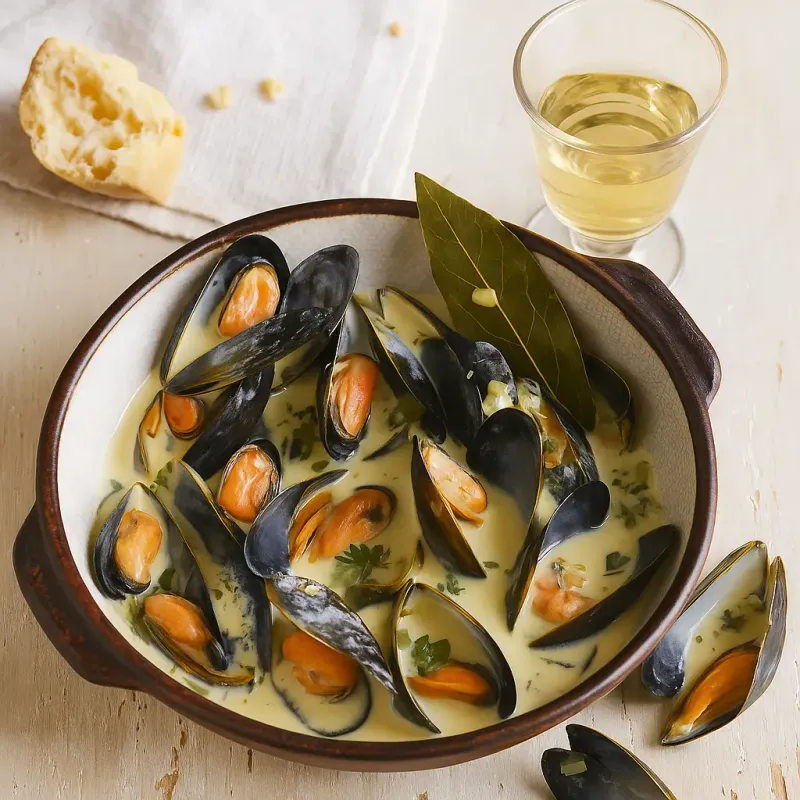
Mussels steamed in dry cider instead of white wine is a brilliantly British twist on the classic moules mariniere. The cider adds a gentle sweetness and fruity depth that complements the briny mussels in the most wonderful way.
Cream, shallots, garlic, and fresh thyme round out the broth into something you will want to mop up with every last piece of bread. British mussels from Scotland and Wales are world-class in quality.
This whole dish takes under 20 minutes from start to finish.
21. Kipper Pate on Toast
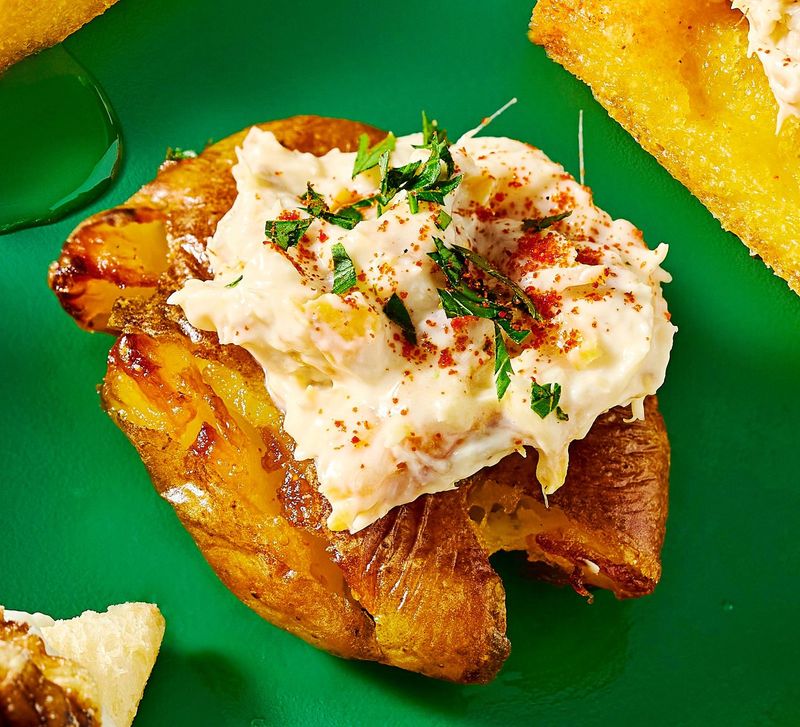
Kippers, which are cold-smoked split herrings, have been a British breakfast tradition since the 19th century. Blending them into a smooth, creamy pate with butter, lemon, and horseradish creates something far more versatile and just as delicious.
Spread thickly on hot wholemeal toast, it makes a quick and deeply satisfying snack or starter. The smokiness is bold and unmistakable, so a little goes a long way.
Kippers from the Isle of Man or Loch Fyne are considered among the finest in the world.
22. Smoked Mackerel Fishcakes
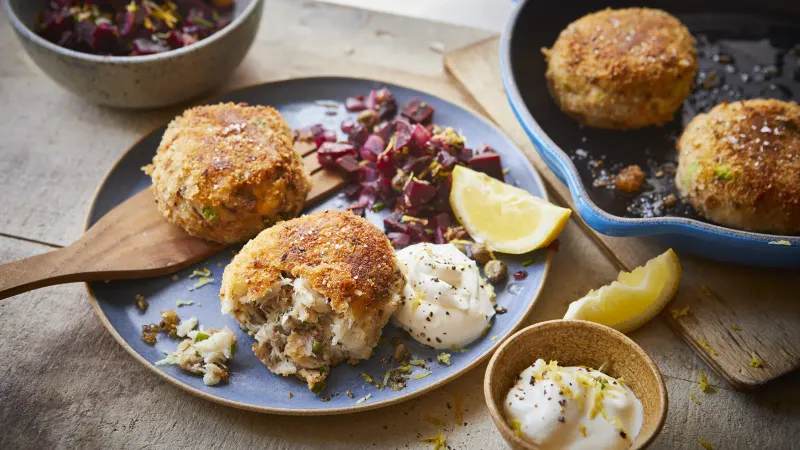
Smoked mackerel fishcakes are a step up from the standard cod variety and have a bold, punchy flavor that stands up beautifully to a horseradish or caper sauce. Flaked smoked mackerel is mixed with mashed potato, spring onions, and a squeeze of lemon, then formed into patties and pan-fried golden.
They are fantastic for using up leftover mashed potato and come together quickly on a weeknight. The crispy exterior against the soft, smoky filling is a genuinely satisfying combination.
Serve with a dressed watercress salad.
23. Baked Cod with Breadcrumb and Herb Crust
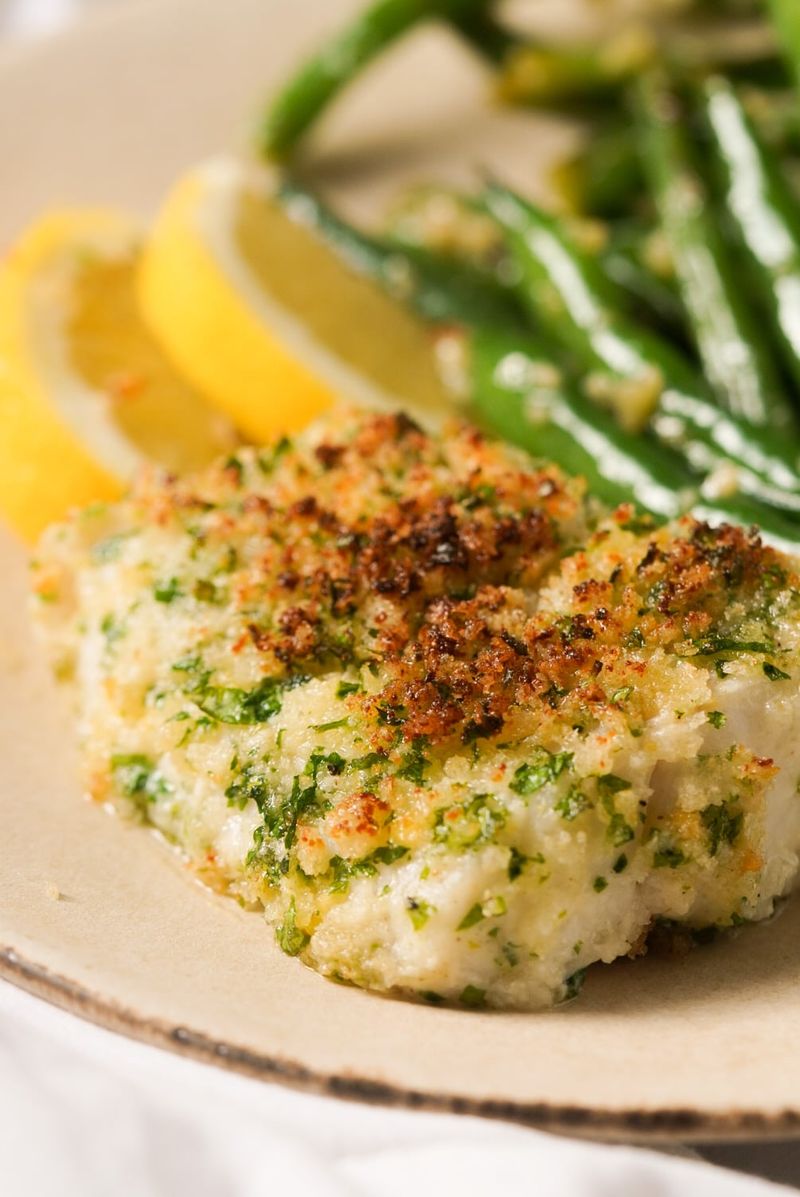
Cod has been central to British fishing culture for centuries, and this simple baked preparation shows off its beautiful flaky texture without overcomplicating things. A crunchy topping of breadcrumbs, parsley, lemon zest, and garlic bakes onto the fish like a golden crown.
The result is moist, tender fish with an irresistible crunchy top in every single bite. It takes about 20 minutes in the oven and works brilliantly with roasted tomatoes or buttered greens alongside.
Dijon mustard spread under the crust adds a sneaky extra layer of flavor.
24. Oysters with Shallot Vinegar
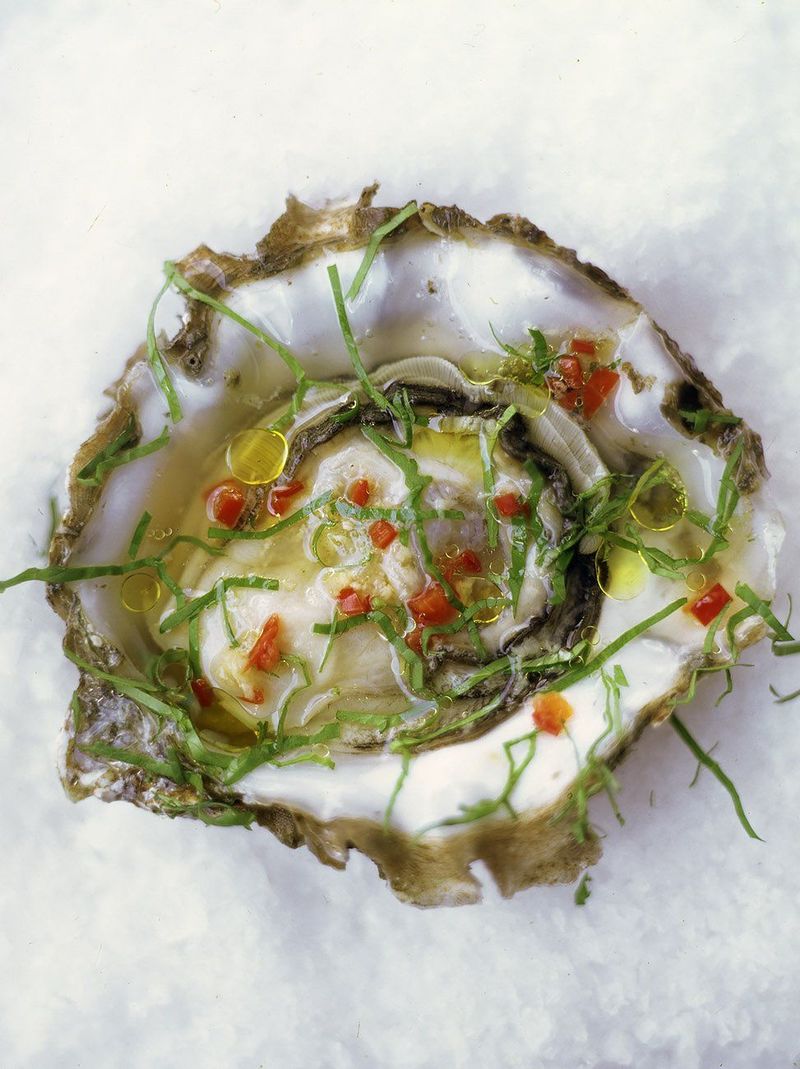
Britain has an extraordinary oyster heritage, with native flat oysters from Colchester and Whitstable having been harvested since Roman times. Served raw on ice with nothing more than a classic shallot vinegar mignonette, they are one of the purest, most elegant foods in British cooking.
The sharp, tangy dressing lifts the natural brininess of the oyster without masking it. Shucking them at home takes practice but is deeply satisfying once mastered.
A cold glass of dry English sparkling wine alongside makes this a genuinely special occasion.




Comments
No Comments