













Long before electric ovens and food processors existed, people around the world were already making incredible foods using clever, time-tested methods. From fermented drinks to stone-ground breads, these ancient techniques have survived for thousands of years because they simply work.
Many of these foods taste better, last longer, or carry deeper meaning than anything you could pop in a microwave. Get ready to explore 23 traditional foods that prove old-school cooking is still pretty amazing.
1. Sourdough Bread
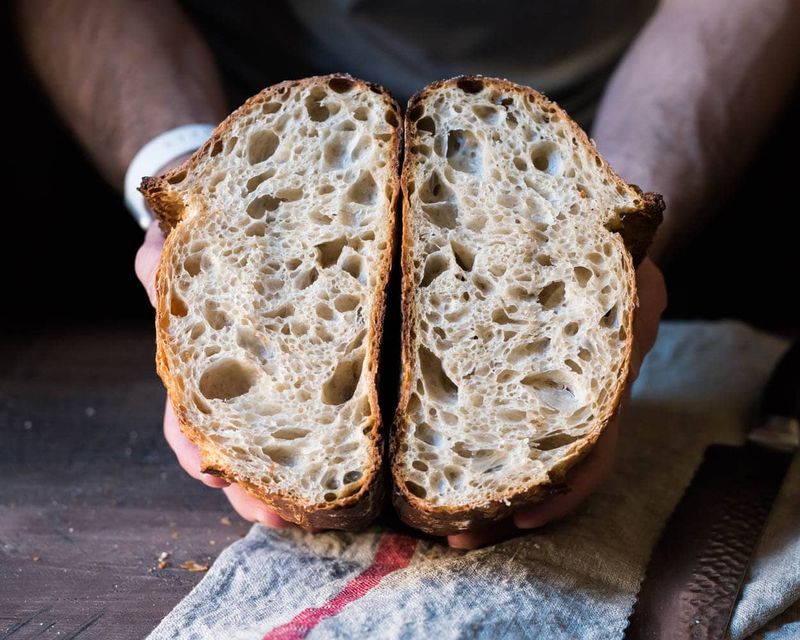
Before commercial yeast existed, bakers kept a bubbly mixture of wild yeast and bacteria alive in a jar called a starter. That starter is what makes sourdough bread rise and gives it that famous tangy flavor.
Some families have passed their starters down for generations, meaning the same living culture might be over 100 years old.
Sourdough is also easier to digest than regular bread because fermentation breaks down gluten over time.
2. Injera
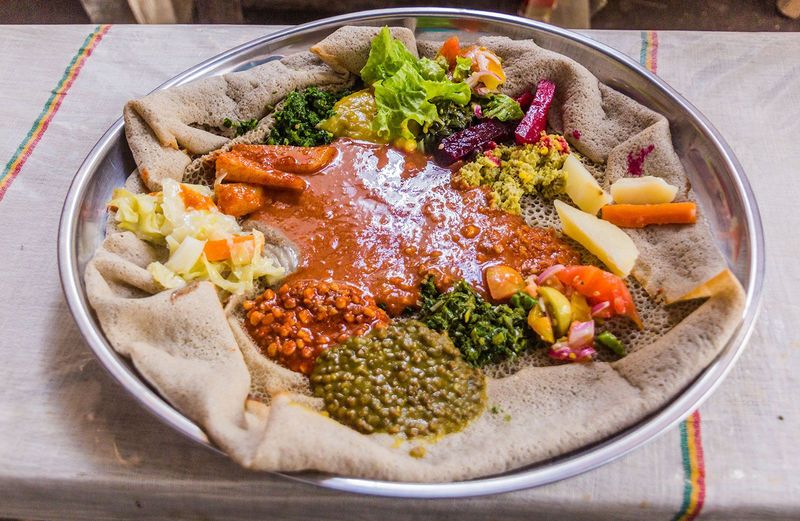
Injera is a spongy flatbread from Ethiopia that has been eaten for thousands of years. Made from teff, one of the world's oldest grains, the batter is fermented for several days before cooking on a flat clay griddle called a mitad.
The result is a slightly sour, bubbly bread that doubles as both plate and utensil.
Families traditionally gather around one large injera, scooping up stews together as a shared, communal experience.
3. Miso
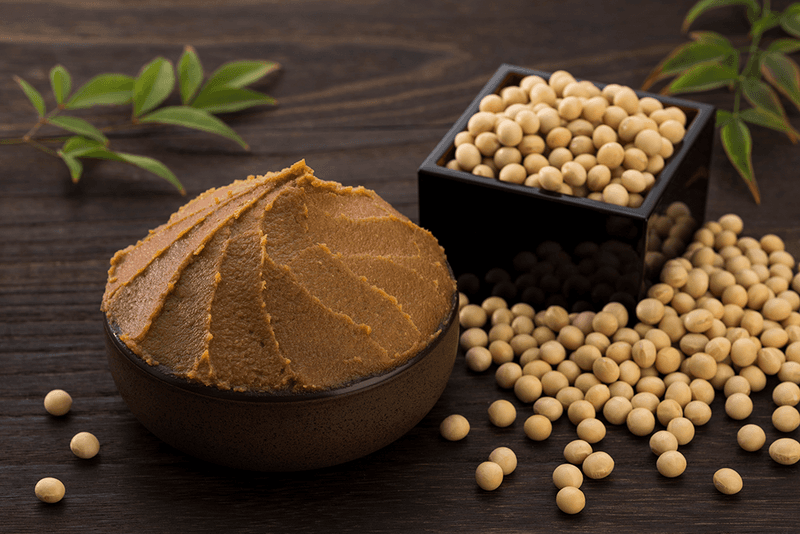
Miso is a thick paste made from fermented soybeans, salt, and a mold called koji. It has been a staple in Japanese cooking for over 1,300 years and was once considered a luxury food reserved for samurai and nobles.
The fermentation process can take anywhere from a few weeks to several years.
Longer-aged miso develops a deeper, richer flavor. Today it is most famous as the base for miso soup, enjoyed by millions every morning in Japan.
4. Natto
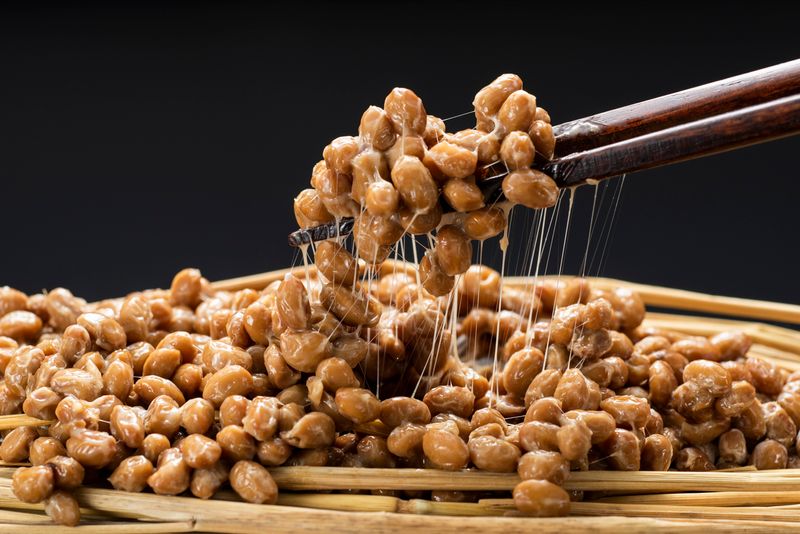
Natto is one of Japan's most polarizing foods. These sticky, stringy fermented soybeans have a powerful smell and a flavor that takes some getting used to, but they have been eaten in Japan for over 1,000 years.
The fermentation process uses a bacterium called Bacillus subtilis, which was originally found naturally on rice straw.
Natto is packed with vitamin K2 and protein, making it one of the most nutritious traditional breakfasts in the world.
5. Kvass
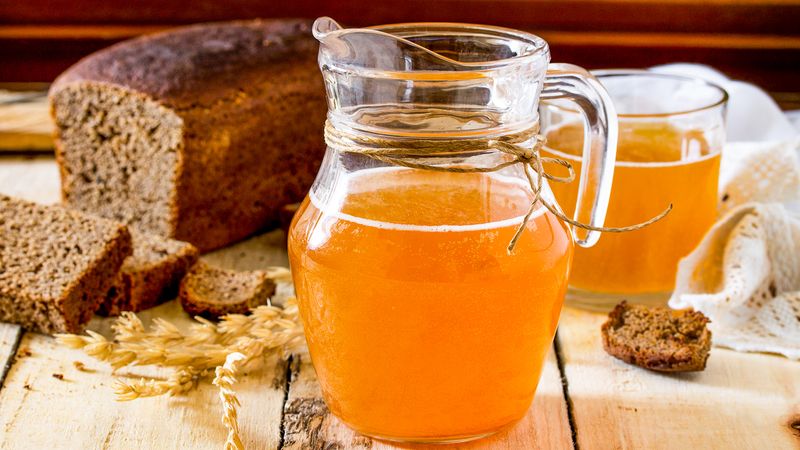
Kvass is an ancient fermented drink from Eastern Europe made from stale rye bread and water. Historians believe people have been drinking it for over 1,000 years across Russia, Ukraine, and neighboring countries.
The fermentation only takes a day or two, creating a lightly fizzy, mildly tangy drink with very low alcohol content.
During medieval times, kvass was safer to drink than water because fermentation killed harmful bacteria, making it a daily staple for all ages.
6. Kimchi
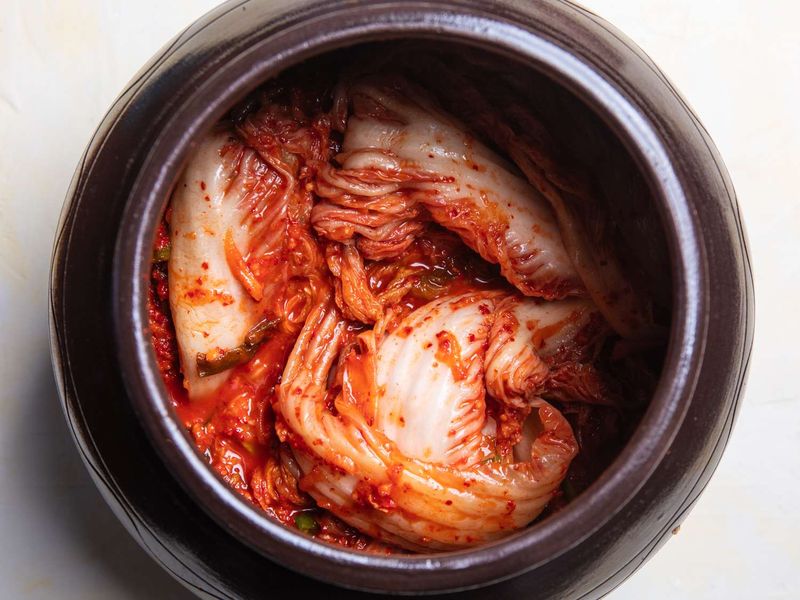
Kimchi is Korea's most beloved fermented food, made from salted cabbage mixed with garlic, ginger, chili, and other vegetables. Koreans have been making kimchi for over 2,000 years, originally as a way to preserve vegetables through cold winters.
Traditionally, it was buried underground in large clay pots called onggi to ferment slowly.
Today kimchi is eaten at nearly every Korean meal. Scientists have studied it extensively for its probiotic benefits and immune-boosting properties.
7. Poi
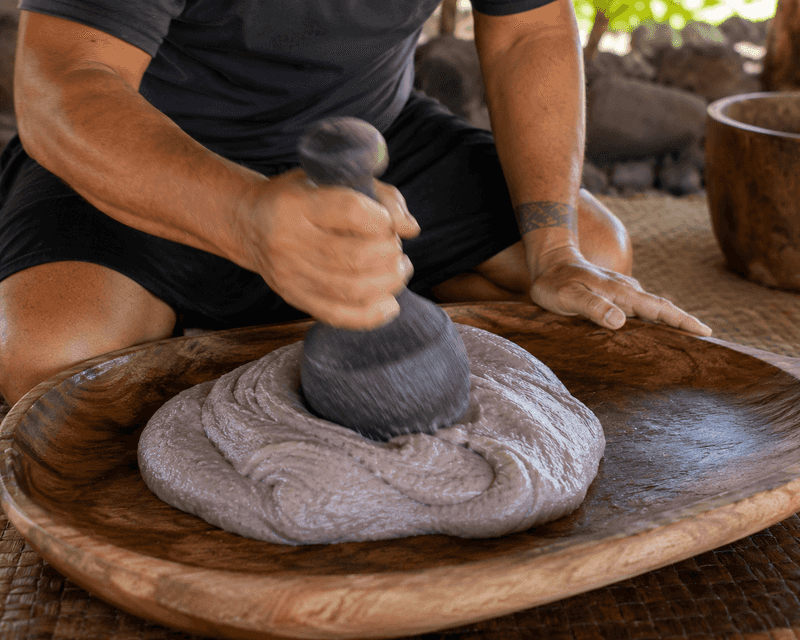
Poi comes from Hawaii and is made by pounding cooked taro root on a large stone board called a papa ku'i poi until it becomes a smooth, sticky paste. Native Hawaiians have been making poi for centuries, and the taro plant itself is considered sacred in Hawaiian culture.
The pounding process takes significant strength and skill.
Poi can be eaten fresh or left to ferment for a few days, which gives it a pleasantly sour taste loved by many locals.
8. Gravlax
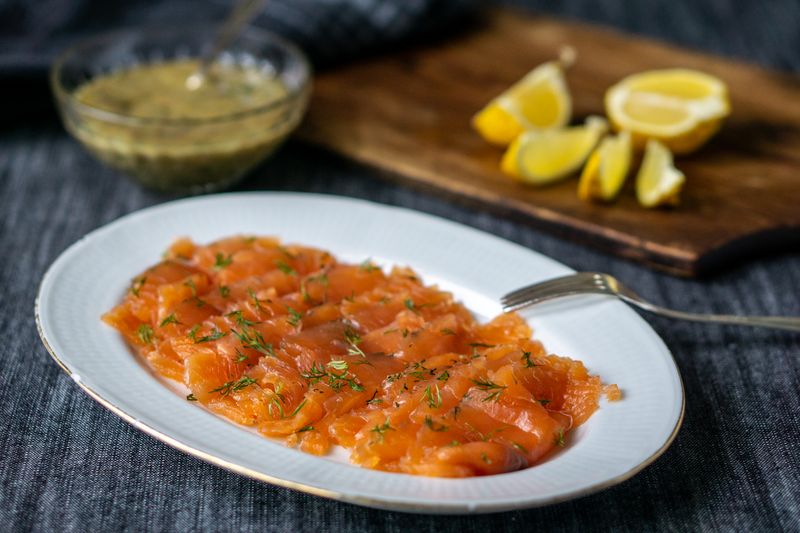
Gravlax is a Scandinavian cured salmon dish with a name that literally means "buried salmon." Hundreds of years ago, fishermen would bury salted salmon in the ground to ferment it slightly. Today the method has been refined: fresh salmon is packed in salt, sugar, and dill, then left in the refrigerator to cure for two to three days.
No heat is ever used. The salt does all the preserving work, creating silky, flavorful slices that melt on your tongue.
9. Masa Tortillas
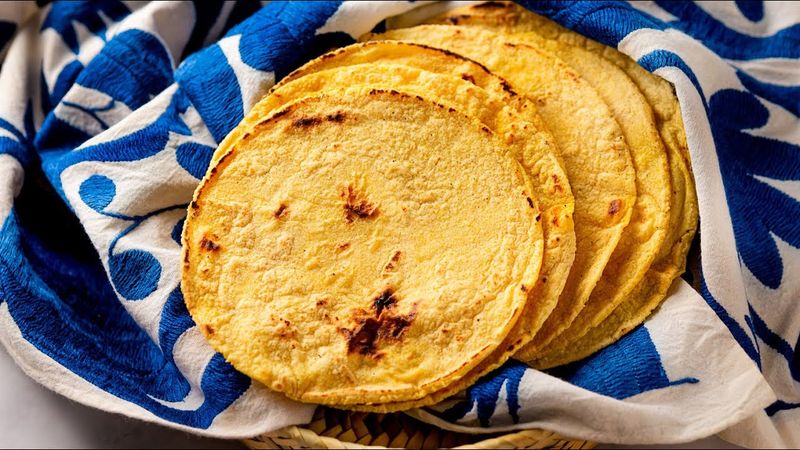
Tortillas made from masa use a process called nixtamalization, which dates back at least 3,500 years in Mesoamerica. Dried corn kernels are soaked and cooked in an alkaline solution made from lime or wood ash, which softens them and unlocks nutrients that plain corn does not have.
The treated corn is then ground into a dough called masa.
Without nixtamalization, people who relied heavily on corn would develop a vitamin deficiency called pellagra. This ancient technique literally saved lives.
10. Preserved Lemons
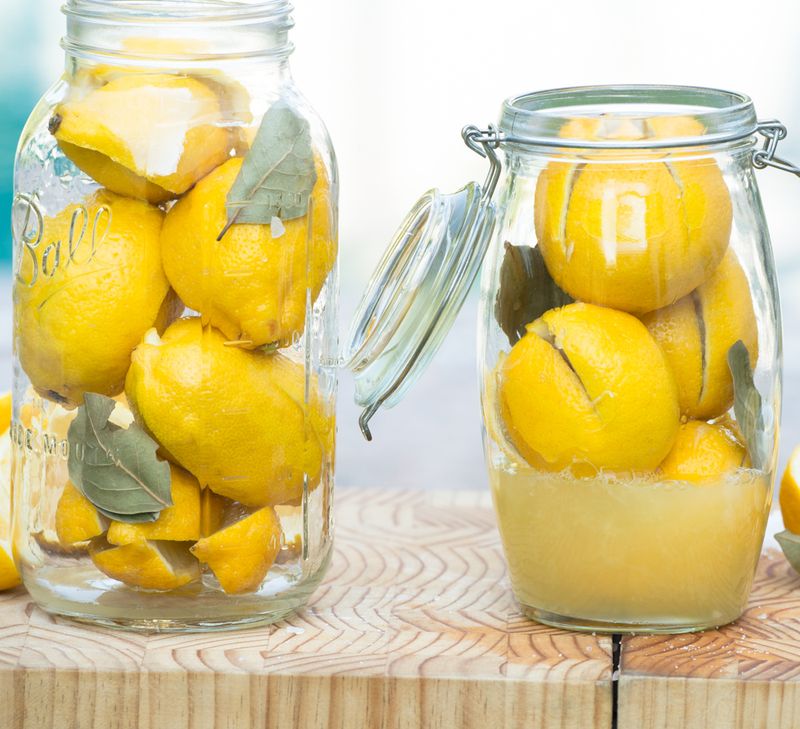
Preserved lemons are a cornerstone of North African and Middle Eastern cooking, made simply by packing whole lemons in an enormous amount of salt and leaving them to ferment in their own juice for weeks. The salt breaks down the rind, transforming it into something soft, intensely flavored, and completely different from a fresh lemon.
Cooks in Morocco have used preserved lemons for centuries to add a deep, complex citrus flavor to tagines and salads that fresh lemons simply cannot replicate.
11. Tempeh
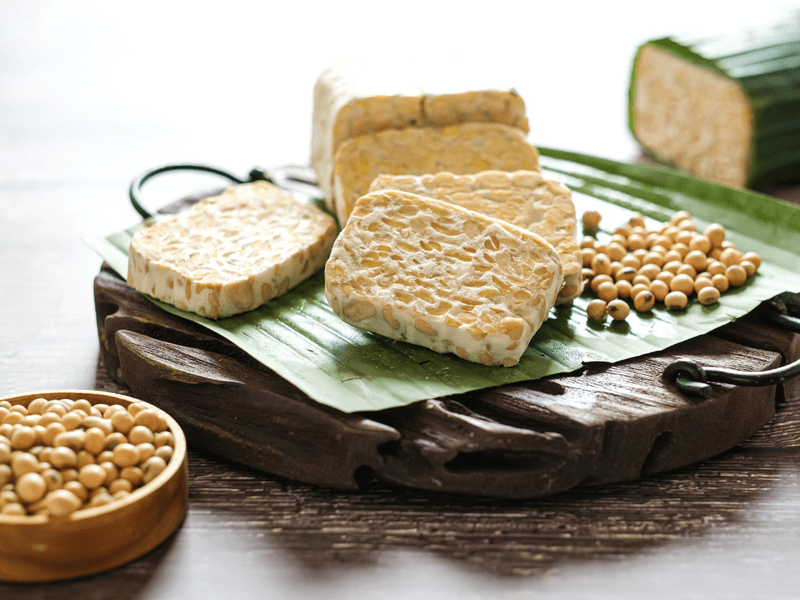
Tempeh originated in Indonesia around 300 years ago and is made by fermenting cooked soybeans with a mold called Rhizopus oligosporus. The mold binds the soybeans together into a firm, sliceable cake with a nutty, mushroom-like flavor.
Traditionally it was wrapped in banana leaves and left in a warm place to ferment overnight.
Tempeh is a powerhouse of plant-based protein and is easier to digest than regular soybeans. It remains a daily food staple across Indonesia and Malaysia.
12. Haggis
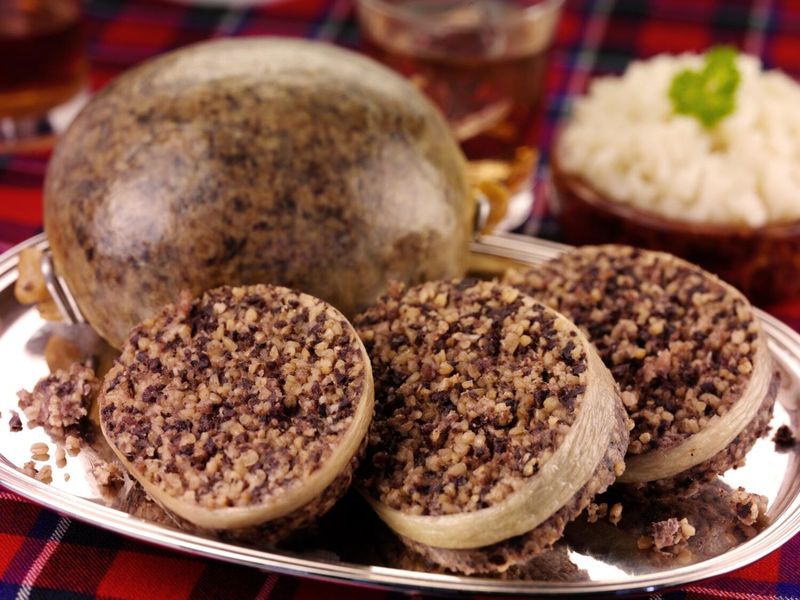
Haggis is Scotland's national dish, made from sheep's offal including the heart, liver, and lungs mixed with oatmeal, onions, and spices, then cooked inside a sheep's stomach. This type of cooking goes back to medieval times when nothing from a slaughtered animal was wasted.
Every edible part was used, and encasing food in a stomach was a practical preservation method.
Despite its unusual ingredients, haggis has a savory, peppery flavor that many people find surprisingly delicious on first taste.
13. Cheese Made in Clay Pots
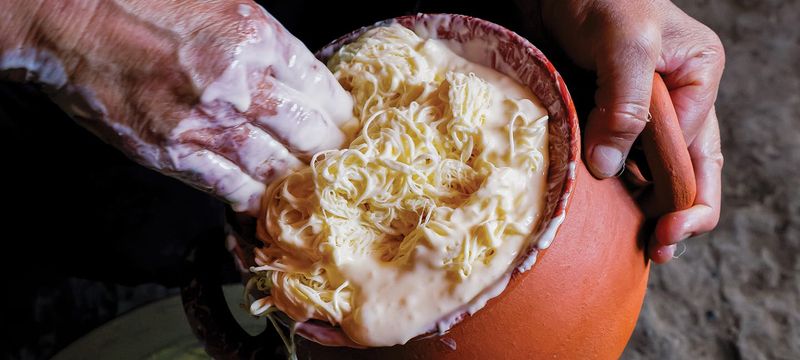
Cheese has been made for at least 7,500 years, with some of the earliest evidence found in clay pots from ancient Poland. Early cheesemakers would pour fresh milk into porous clay pots, which allowed whey to drain while helpful bacteria soured and thickened the milk into cheese.
The clay itself harbored beneficial microbes that gave each batch a unique flavor.
Many artisan cheesemakers today still use clay vessels to honor this incredibly old tradition and recreate those complex, earthy flavors.
14. Pemmican
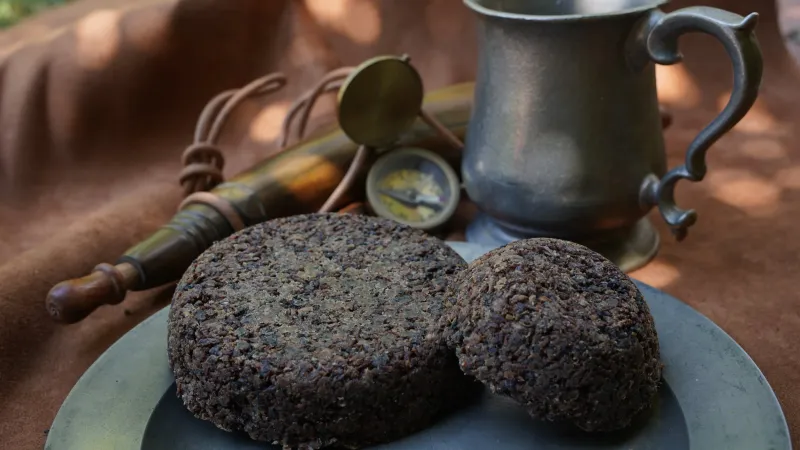
Pemmican was invented by Indigenous peoples of North America as the ultimate survival food. Lean meat was dried over fire, then pounded into powder and mixed with melted fat and sometimes dried berries.
The fat sealed out air and moisture, allowing pemmican to last for years without refrigeration in any climate.
European explorers and fur traders quickly adopted it for long expeditions. Nutritionally dense and incredibly shelf-stable, pemmican was basically the energy bar of the ancient world.
15. Sauerkraut
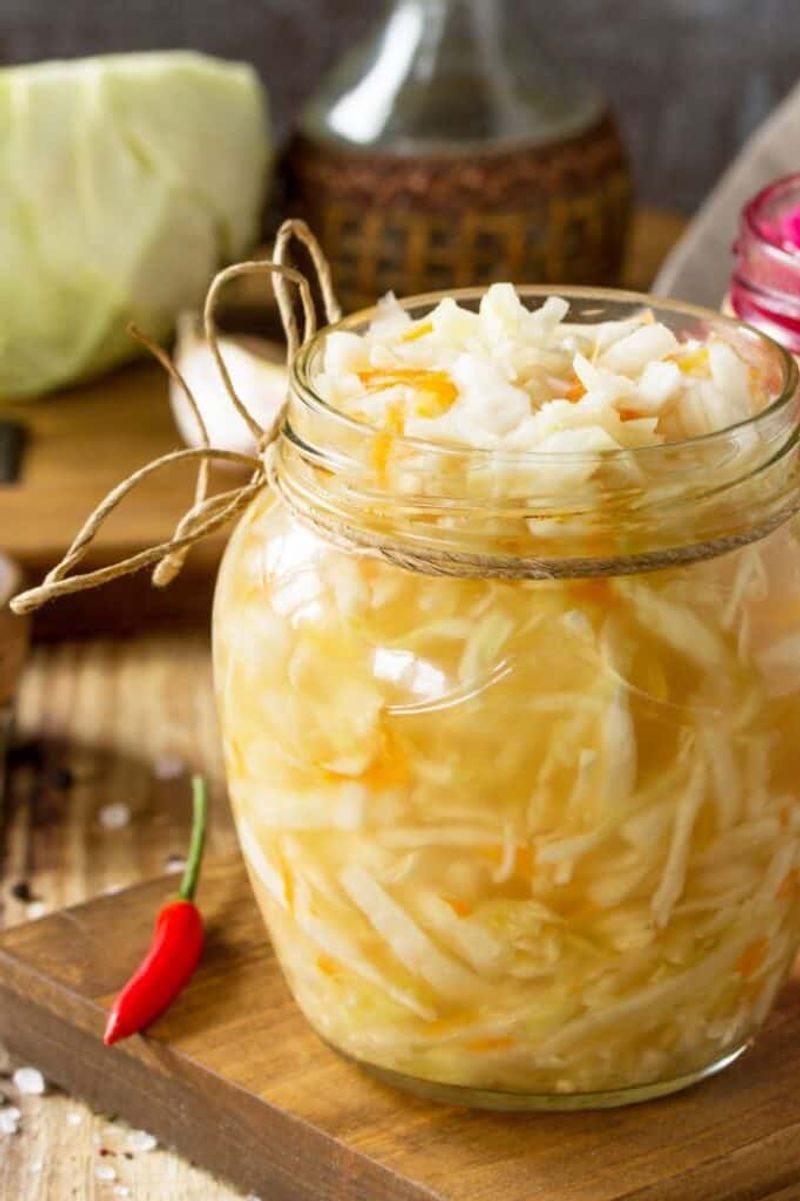
Sauerkraut is simply shredded cabbage fermented in its own juice using salt. Workers building the Great Wall of China over 2,000 years ago are believed to have eaten a version of it to stay healthy on long work projects.
The fermentation happens naturally when salt draws out moisture from the cabbage, creating a brine where beneficial bacteria thrive.
German immigrants later popularized sauerkraut in Europe and America. It is rich in probiotics and vitamin C, making it both delicious and genuinely good for your gut.
16. Tsampa
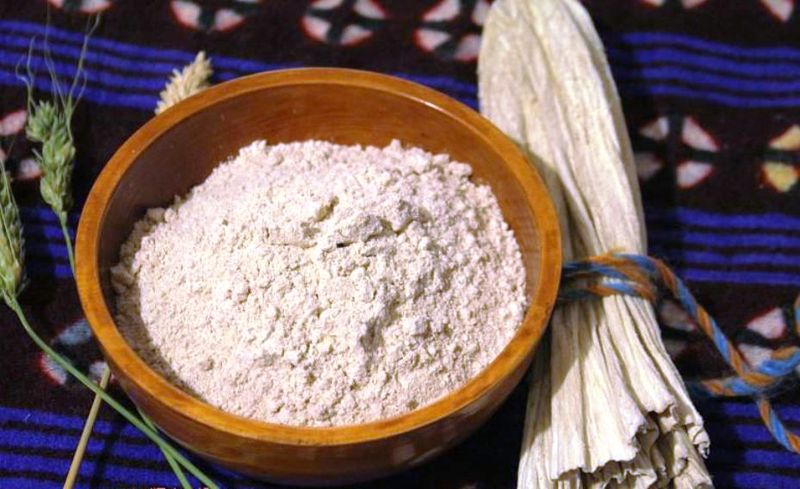
Tsampa has been the staple food of Tibet for thousands of years. Made from roasted barley flour, it is mixed with butter tea or water to form a dense, doughy ball eaten by hand.
The barley is roasted over fire before grinding, which gives tsampa its distinctive nutty, smoky flavor and makes it easy to prepare anywhere.
At elevations above 14,000 feet where little else grows, tsampa has sustained Tibetan communities, monks, and high-altitude travelers for countless generations.
17. Garum
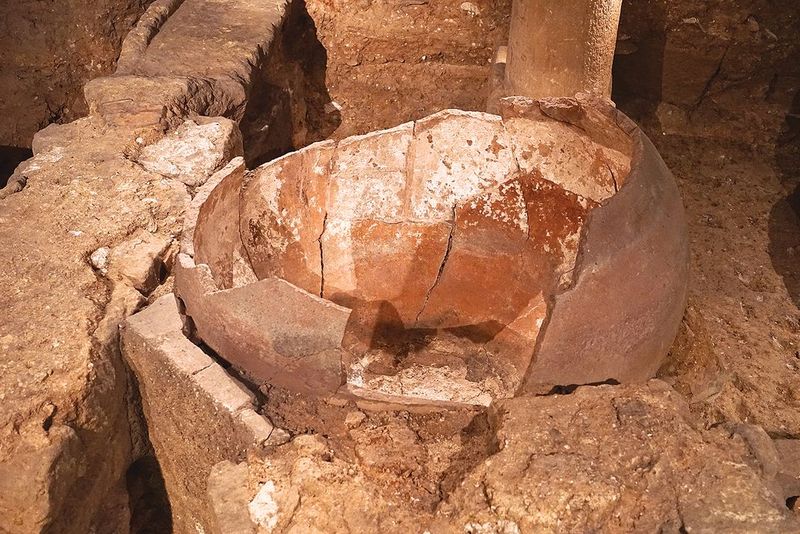
Garum was the ancient Roman equivalent of today's fish sauce and one of the most popular condiments in the Roman Empire. It was made by layering fish and salt in large clay pots and leaving them in the sun to ferment for months.
The liquid that drained from the bottom was garum, a deeply savory, umami-rich sauce.
Romans put it on almost everything, from meat to desserts. Modern fish sauce from Southeast Asia uses a nearly identical method, proving just how timeless this technique really is.
18. Bannock

Bannock is a simple flatbread made from flour, water, and fat that has been baked on hot stones or over open fires for centuries. Indigenous peoples of North America and early Scottish settlers both developed their own versions of this straightforward bread.
The stone-baking method requires no pots or pans, just a flat rock heated by fire.
Bannock became especially important for travelers and hunters who needed a reliable, portable food source with minimal supplies on long journeys through the wilderness.
19. Vinegar from Wine

Wine vinegar is one of the oldest condiments in human history, likely discovered by accident when wine was left exposed to air and turned sour. Ancient Egyptians, Babylonians, and Romans all used wine vinegar for cooking, preserving food, and even as medicine.
The transformation happens because bacteria convert alcohol into acetic acid over time.
The Orleans method, developed in France during the Middle Ages, used wooden barrels and a vinegar mother to slowly produce high-quality wine vinegar. Many traditional producers still follow this exact process today.
20. Smoked Salmon
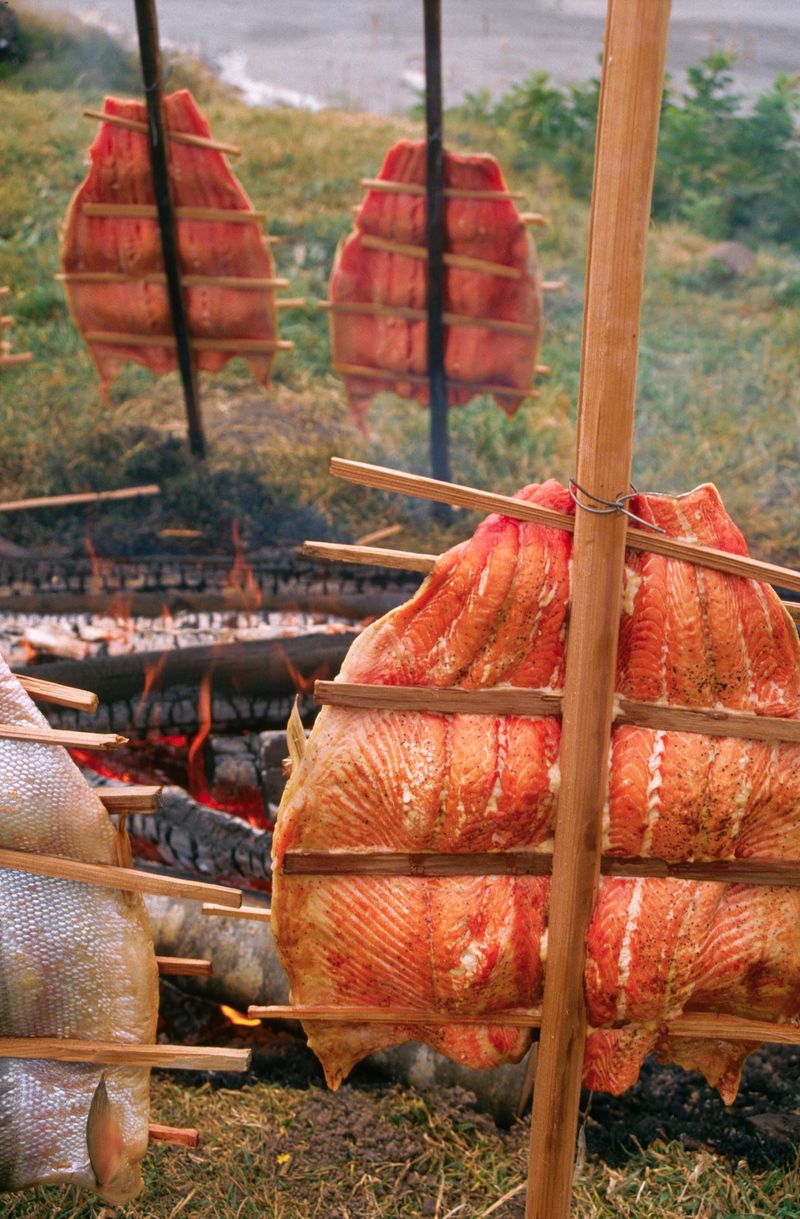
Smoking fish over wood fires is one of humanity's oldest food preservation methods, dating back tens of thousands of years. Indigenous communities along the Pacific Northwest coast of North America developed incredibly refined smoking techniques, using specific woods like alder to create distinct flavors.
The smoke dries the fish while depositing antimicrobial compounds that prevent spoilage.
Cold smoking and hot smoking produce very different results in texture and taste. Both methods are still widely used today by traditional fishermen and artisan producers worldwide.
21. Ugali
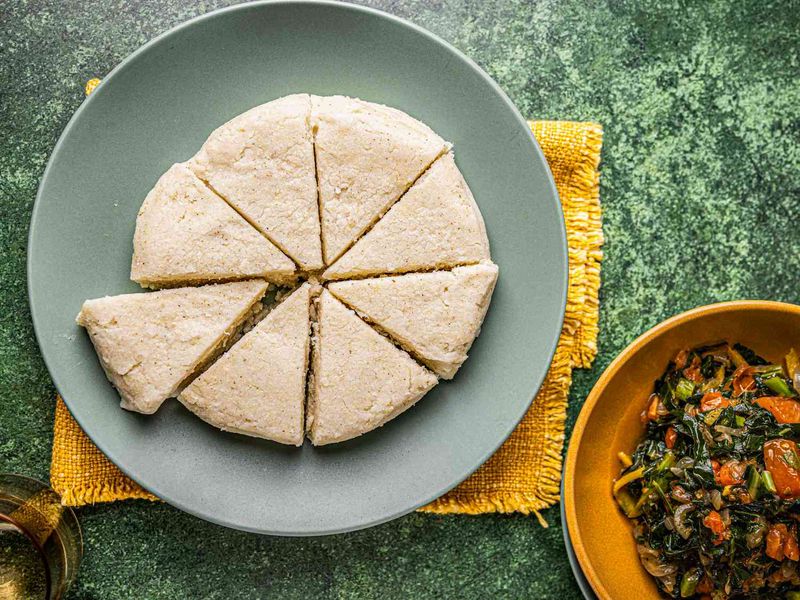
Ugali is a thick porridge made by stirring cornmeal or sorghum flour into boiling water until it forms a stiff, moldable dough. It has been a fundamental food across East and Central Africa for centuries, made in clay pots over open fires using the same basic technique every single time.
The process requires constant stirring and real muscle.
Ugali is eaten by hand, pinched into small balls and used to scoop up stews and vegetables. Simple ingredients, ancient method, and it feeds millions of people every single day.
22. Dulce de Leche
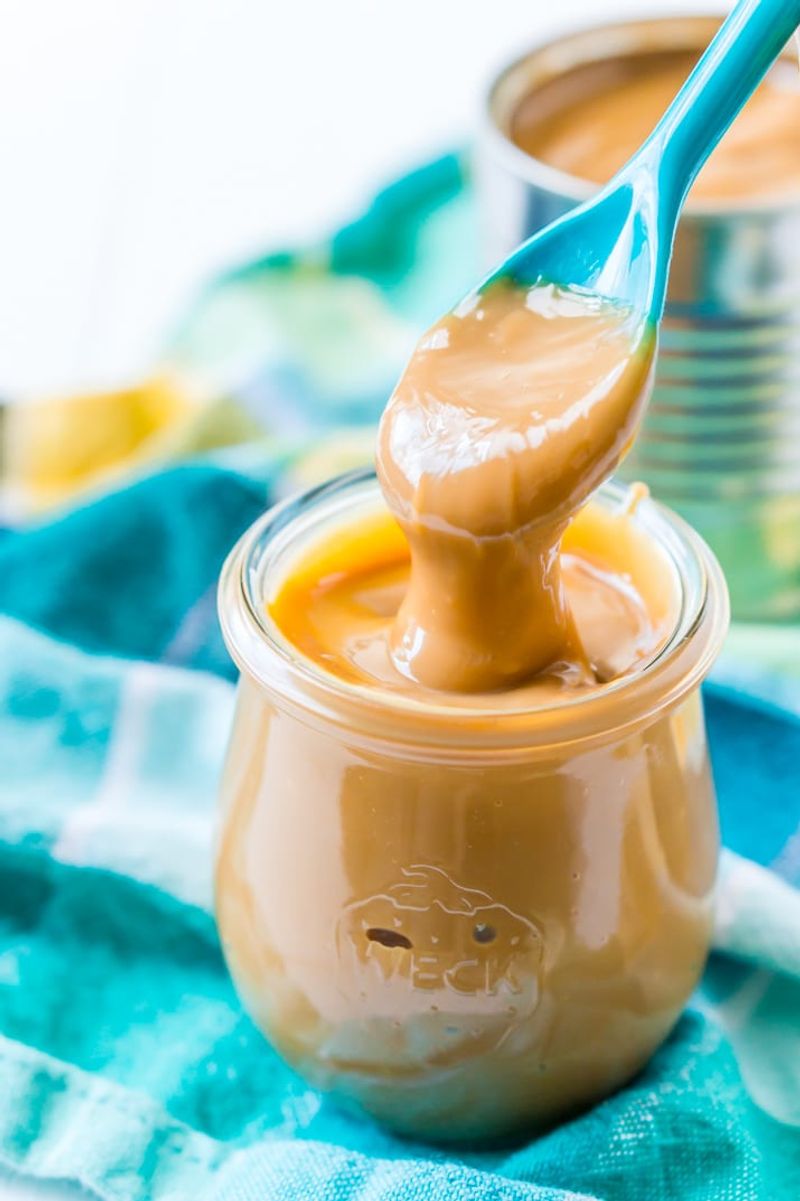
Dulce de leche is a caramel-like spread made by slowly cooking sweetened milk for hours until it thickens and turns a rich, golden brown. Argentina and Uruguay both claim it as their own, and the technique of reducing milk over low heat dates back to the early 19th century in South America.
The slow cooking causes a chemical reaction called the Maillard reaction.
Traditionally made in copper pots over wood fires, dulce de leche requires patience and constant attention so it does not burn or stick.
23. Ogi (Fermented Cereal Porridge)
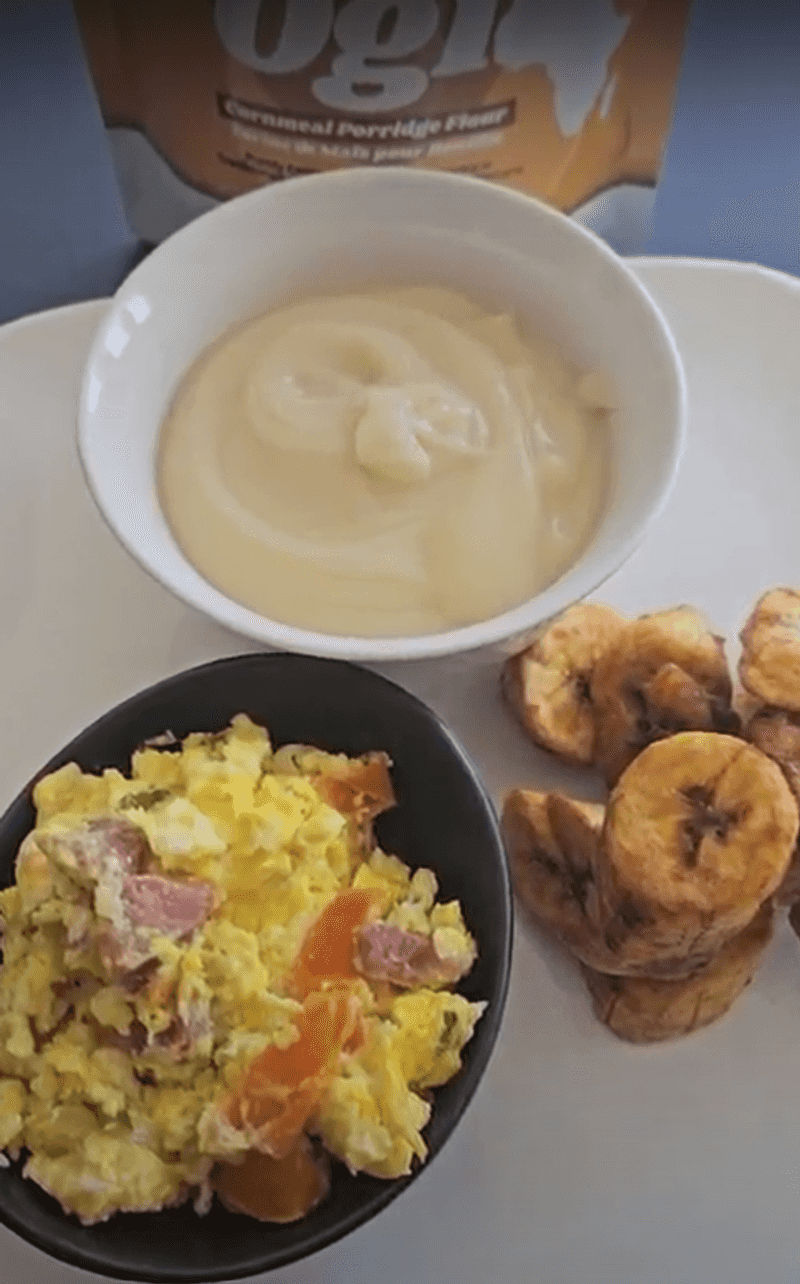
Ogi is a fermented cereal porridge from West Africa made from corn, sorghum, or millet that has been soaked in water for several days to ferment before being ground and cooked. The fermentation process improves digestibility and increases the nutritional value of the grain significantly.
It has been a weaning food for babies in Nigeria and across West Africa for generations.
Ogi has a pleasantly sour flavor and a smooth, silky texture. Making it properly takes several days of patient preparation using techniques passed down through family tradition.




Comments
No Comments