













Grocery shopping should be simple, but somehow it never quite is. You walk in for milk and bread, and suddenly you are standing in an aisle, deeply conflicted about which brand of pasta sauce deserves your loyalty.
These everyday choices feel surprisingly weighty, like tiny life tests disguised as errands. Sound familiar?
You are definitely not alone in this supermarket struggle.
1. Choosing Between Two Nearly Identical Cereals
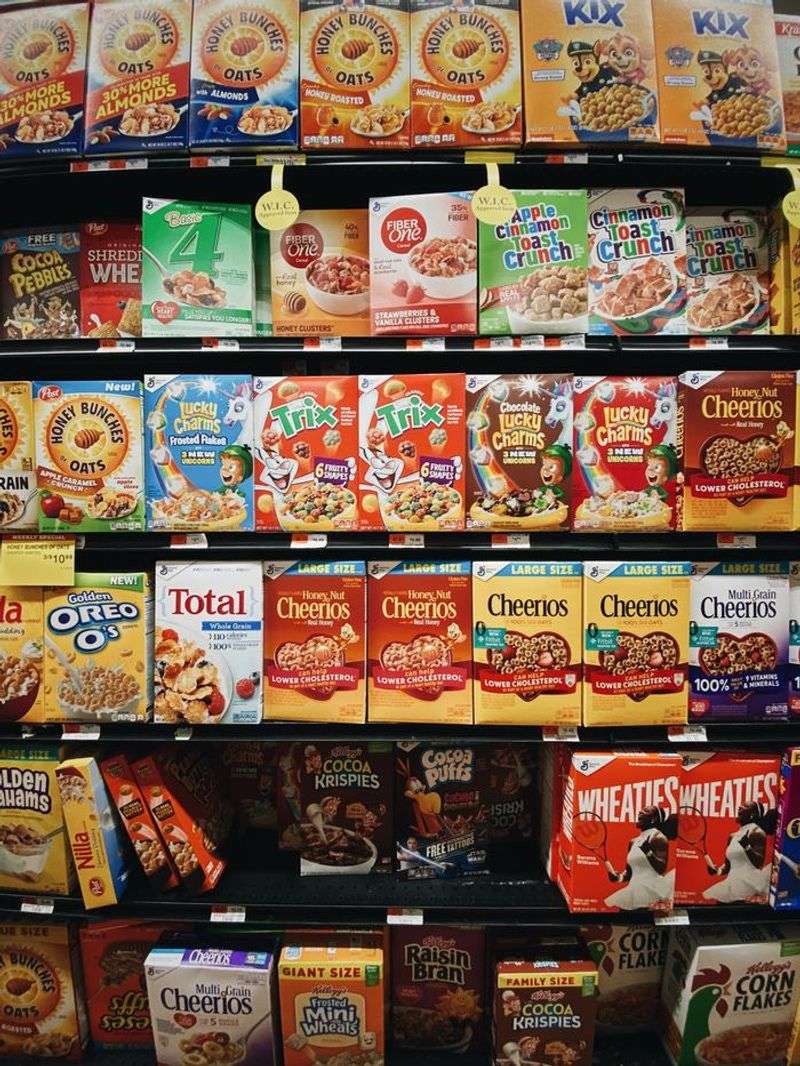
Both boxes have the same cartoon mascot, the same crunch promise, and almost the same price. Yet here you stand, frozen, as if picking the wrong one will ruin your entire morning routine.
You flip them over, read the nutrition labels like a scientist, and squint at the serving sizes.
Somehow, a 10-cent difference feels like a financial crossroads. You eventually grab one, second-guess yourself, and maybe switch it out before reaching the next aisle.
2. Picking the Right Checkout Line

Scanning every lane like a chess grandmaster, you calculate cart sizes, item counts, and whether that one cashier looks fast or slow. You commit to a line, and immediately the other lane speeds up.
Classic.
Studies actually show people switch lines more often than they admit, and it rarely saves time. Still, the strategic analysis feels completely justified in the moment.
It is basically applied mathematics wrapped in mild frustration and a loyalty card.
3. Deciding How Many Bananas Is the Right Amount
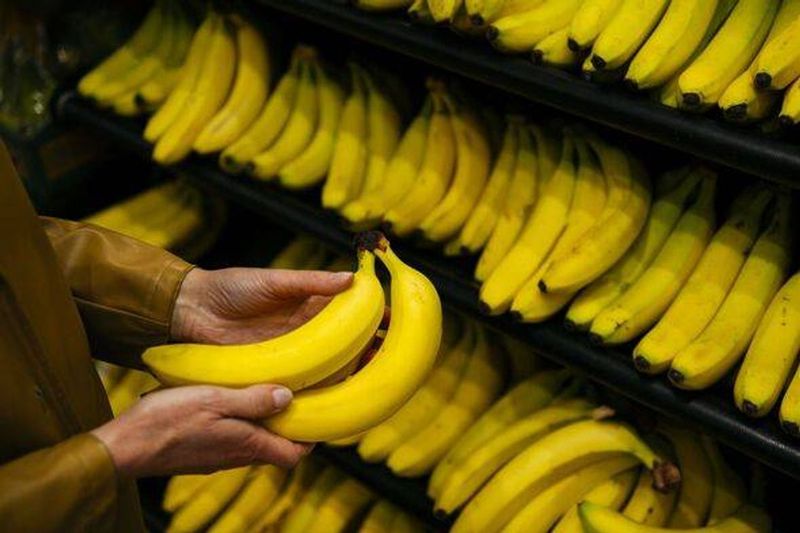
Too few and you run out by Wednesday. Too many and you are making emergency banana bread by Friday.
The banana math is genuinely stressful, and it happens every single week without getting easier.
You also have to factor in ripeness. Do you grab the green ones that will be perfect in four days, or the yellow ones for today?
This is the kind of planning that feels like it belongs in a project management meeting, not produce.
4. Generic Brand vs. Name Brand Peanut Butter

The store brand is 40% cheaper and the ingredients list looks almost identical. Logic says grab it.
But loyalty, nostalgia, and that little nagging voice say something different entirely. Peanut butter is serious business in most households.
Some people have done blind taste tests at home and honestly cannot tell the difference. Others insist the name brand has a creamier texture that simply cannot be replicated.
Either way, the pause in front of that shelf is always longer than it should be.
5. Selecting the Freshest Loaf of Bread
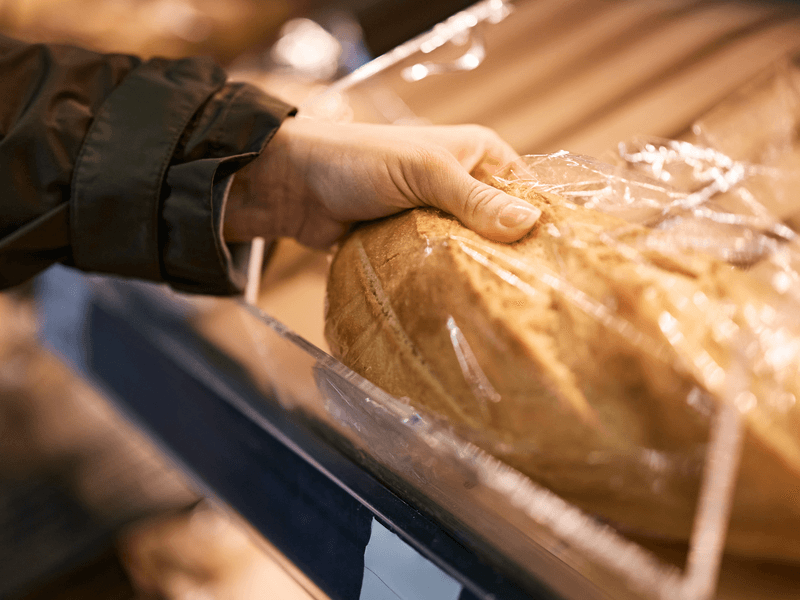
Everyone knows the trick: reach to the back for the freshest loaf. But how far back is too far back?
And is the person next to you judging your dedication to fresh bread? Probably not, but it feels that way.
Bread freshness is genuinely important, especially if you are not planning to eat it all at once. A few extra days on the expiry date can make the difference between toast and compost.
So the reach is totally worth the mild social awkwardness.
6. Organic or Regular Produce: The Eternal Debate
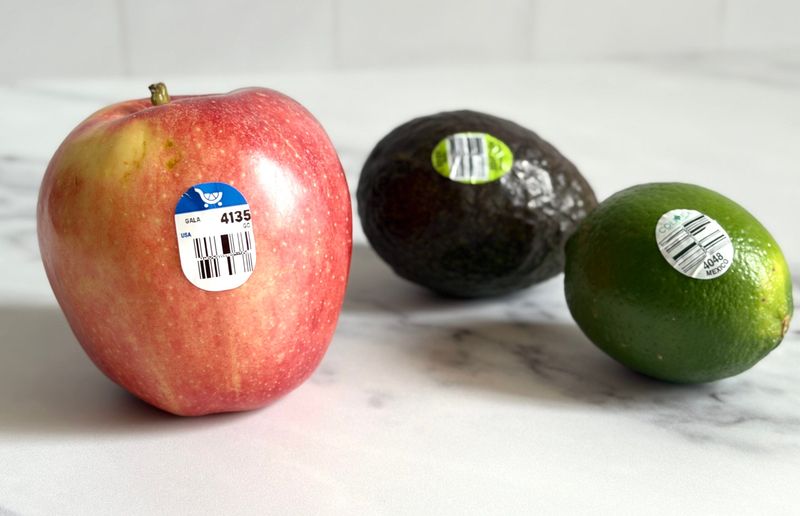
Organic costs more, sometimes double. Regular is right there, looking perfectly fine and unbothered by the price difference.
The guilt trip starts the moment you reach for the cheaper option, though.
The truth is that for some fruits and vegetables, organic matters more than others. Thin-skinned produce like strawberries absorbs more pesticides, while avocados with thick skin are less of a concern.
A little research goes a long way in making this decision feel less like a moral crisis every week.
7. Whether to Grab a Basket or a Cart
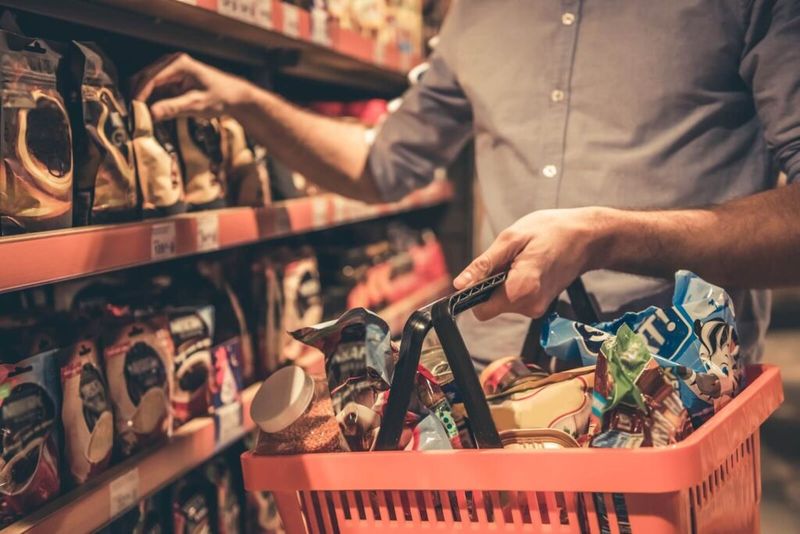
You only need a few things, so a basket makes sense. But what if you see something you forgot to put on the list?
A cart offers freedom. A basket demands discipline.
This is basically a commitment issue dressed in retail clothing.
Going with the basket and then regretting it halfway through the store is a universal experience. Your arm is aching, your balance is off, and you are now doing a full grocery run with no proper support.
Cart next time. Always the cart.
8. Choosing Between Two Yogurt Flavors You Love
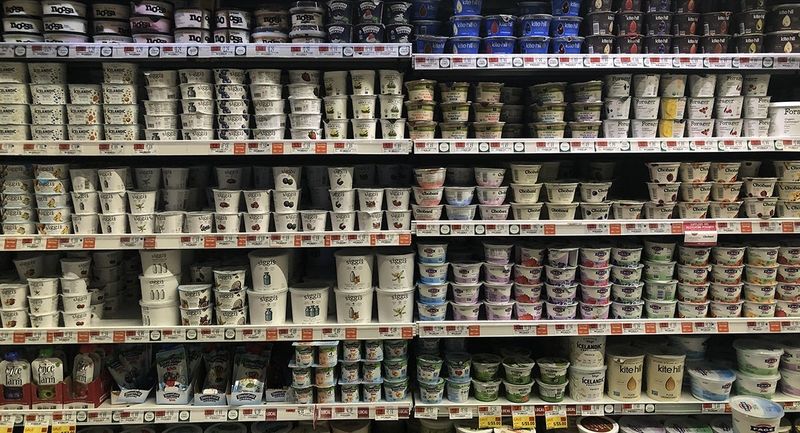
You love both. You cannot decide.
You briefly consider buying both, then remember you are trying to be reasonable. The internal negotiation that follows is surprisingly intense for a Tuesday afternoon dairy run.
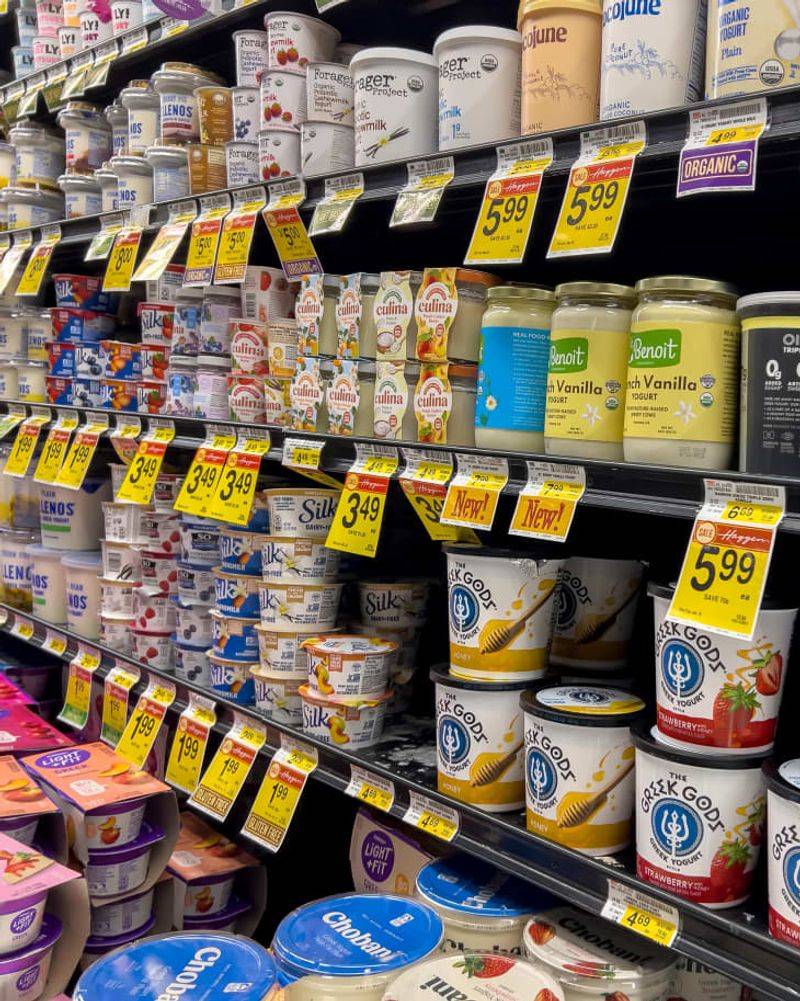
Yogurt choices have quietly multiplied over the years, with dozens of brands, flavors, and styles crowding the shelves. Greek, Icelandic, low-fat, full-fat - it is a lot.
Sometimes picking just one flavor feels like the smallest yet somehow most personal decision of the whole shopping trip.
9. Figuring Out If the Avocados Are Actually Ripe
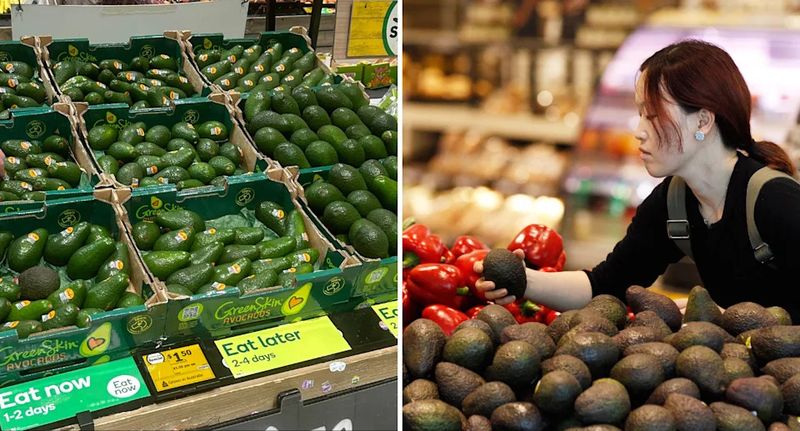
Squeeze too hard and you bruise it. Squeeze too soft and you have no idea what you are working with.
Avocado ripeness detection is practically a skill you have to develop over years of guacamole-related disappointments.
The color is one clue, but not the only one. Checking under the little stem nub is a trick many people swear by.
If it is green underneath, great. If it is brown, skip it.
If the whole stem is already gone, someone else already checked and put it back. Proceed with caution.
10. Deciding Whether to Buy the Big Pack or the Small One
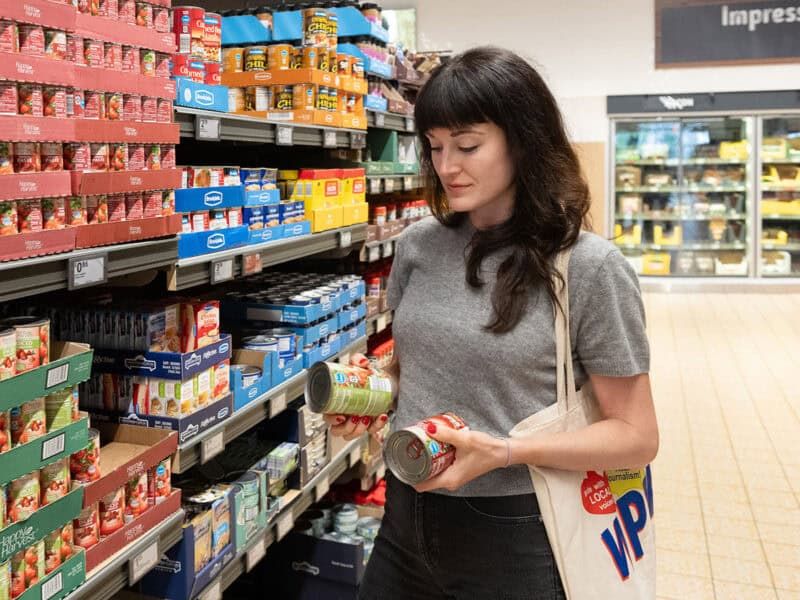
Bulk buying feels smart until you remember the last time you bought the jumbo pack of something and threw half of it away. The math says big is better, but the waste says otherwise.
It is a classic optimism versus reality situation.
Unit price labels on shelves exist exactly for this reason. Checking that tiny price-per-ounce number can completely flip your decision.
Sometimes the smaller pack is actually the better deal. Other times, the giant version saves you real money.
Either way, the calculator app on your phone becomes your most trusted shopping companion.
11. Picking the Least Bruised Apples From the Bin
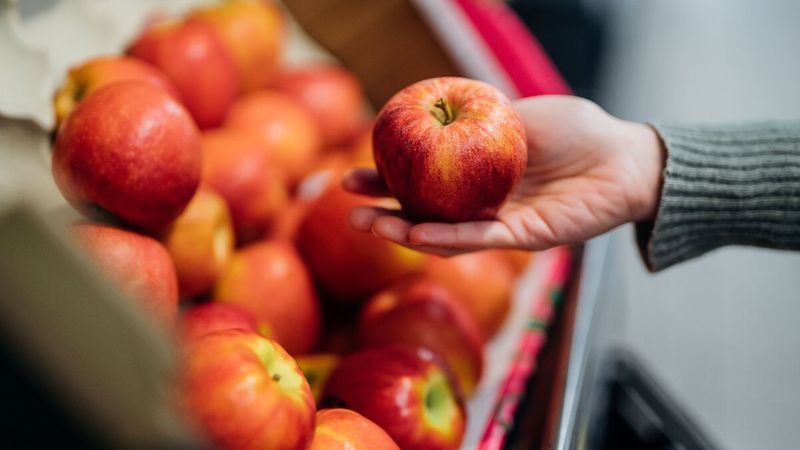
Digging through the apple bin with the focus of a gemologist is completely normal behavior, and yet it always feels slightly embarrassing. You are just trying to get six good ones.
Is that so much to ask?
Bruised apples are not ruined, but nobody wants to pay full price for fruit that is already halfway to sauce. Taking an extra minute to find the firm, unblemished ones is a reasonable investment of your time.
You earned those apples. Pick the good ones without apology.
12. Reading Every Ingredient on a New Snack

Something new catches your eye, and suddenly you are deep in an ingredient list that includes words you cannot pronounce. You Google one of them.
You read a Reddit thread. You are now seven minutes into a snack aisle rabbit hole.
Being label-conscious is genuinely a good habit, especially with heavily processed foods. But there is a version of this that tips into full-on analysis paralysis.
Sometimes a snack is just a snack. Other times, your ingredient research is the most educational part of the whole shopping trip.
13. Choosing a Wine When You Know Nothing About Wine

You need a bottle for dinner, but the wine aisle is an overwhelming wall of labels, regions, and grape varieties. You default to judging by the label design, which feels wrong but also very human.
The prettier bottle usually wins.
There is no shame in this approach. Research actually shows that attractive packaging significantly influences purchasing decisions.
If you want a more reliable method, price point around the 10-15 dollar range often hits a quality sweet spot without requiring a sommelier degree to navigate.
14. Debating Whether to Buy Pre-Cut Vegetables
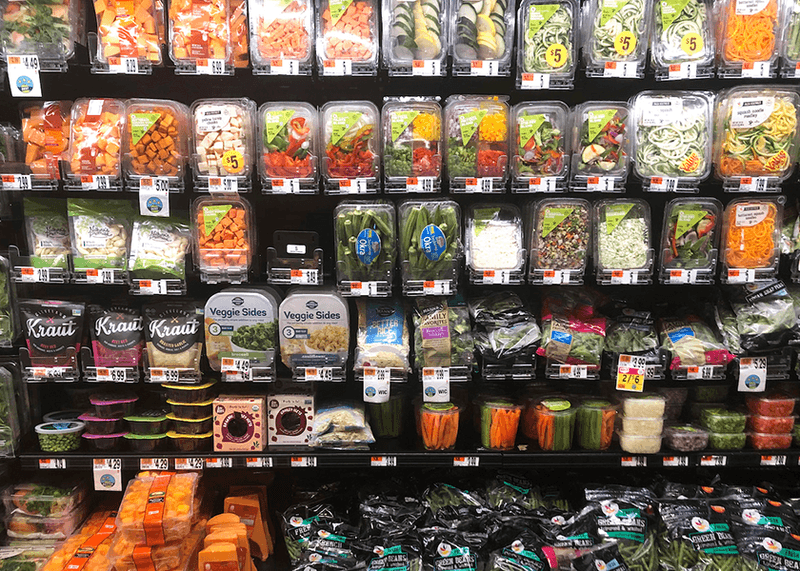
Pre-cut veggies cost significantly more, but they also save real time and effort. You run through the mental calculation: how busy is this week, how motivated will you actually be to chop things on a Wednesday night?
Honest answer: probably not very motivated. The convenience tax is real, but so is the fact that pre-cut vegetables actually get eaten more often than whole ones that sit in the crisper drawer untouched.
Paying a little extra for produce you will genuinely use is not laziness. It is self-awareness.
15. Figuring Out Which Eggs Are Worth the Price
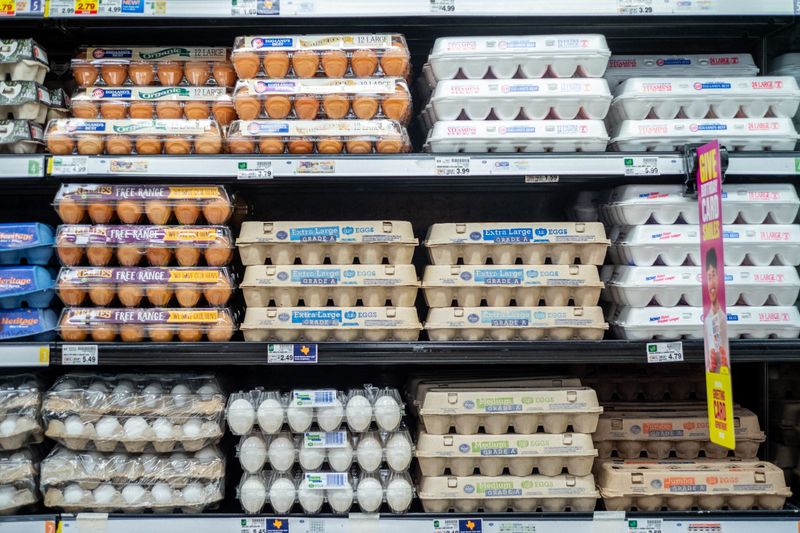
Cage-free, free-range, pasture-raised, organic - the egg section has become its own philosophical corner of the supermarket. Each label carries a different promise and a noticeably different price tag to match.
The differences between these labels are real but nuanced. Pasture-raised hens generally have more outdoor space and a more natural diet, which does affect the egg quality.
If budget allows, they are worth the upgrade. If not, regular eggs are still a perfectly solid source of protein.
No wrong answer here, just different priorities.
16. Grabbing the Right Amount of Deli Meat
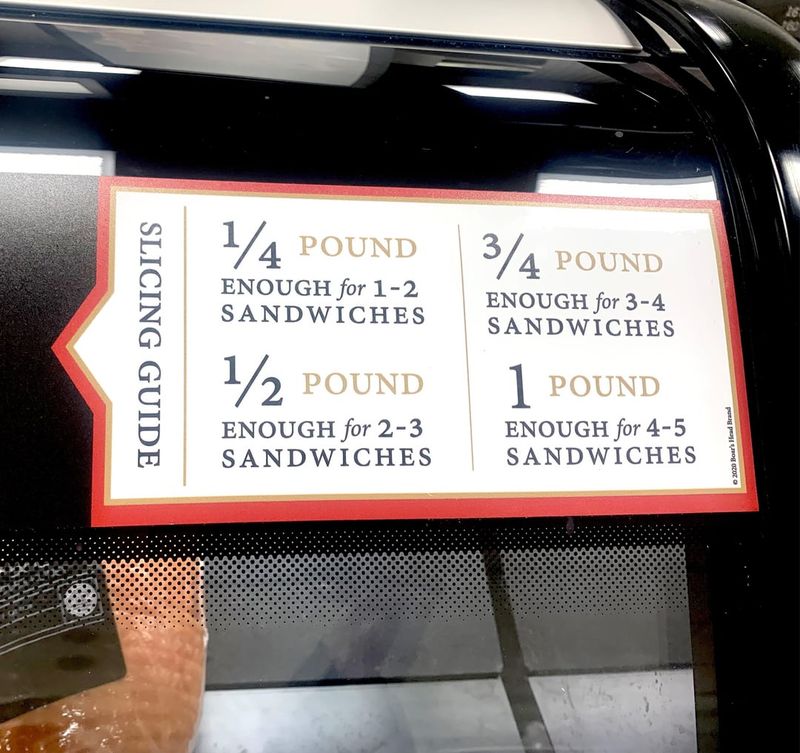
Half a pound sounds right until you are watching it pile up and realize you either way over-ordered or are about to run out by Thursday. Deli quantities are genuinely hard to visualize before you are standing there in real time.
A good rule of thumb is about two to three ounces per sandwich serving. Do the math before you walk up to the counter and you will feel much more confident placing your order.
Bonus: you avoid the awkward "a little more, a little less" back-and-forth that always takes longer than expected.
17. Deciding If That Sale Price Is Actually a Deal
Two for five dollars sounds great until you remember it was always two for four dollars last month. Supermarket sale pricing can be genuinely misleading, and stores count on the fact that most shoppers do not track regular prices.
Keeping a rough mental note of what your staple items usually cost is one of the most practical money-saving habits you can build. Price comparison apps and grocery store loyalty programs can also help you spot the real deals from the ones that just look good on a bright yellow tag.
18. Choosing Between Salted and Unsalted Butter
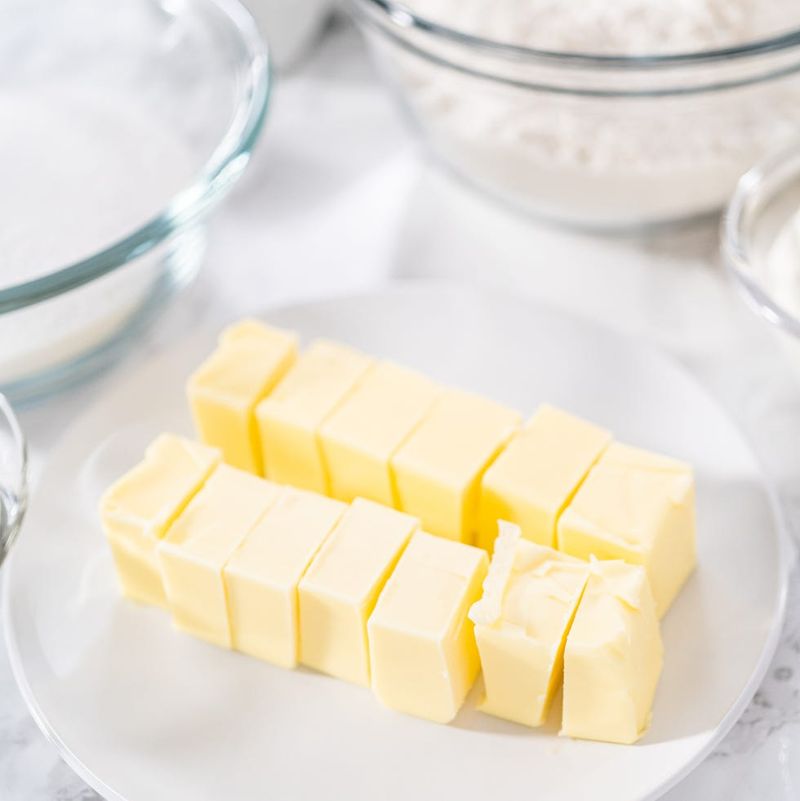
For baking, unsalted is the standard recommendation because it gives you control over total salt content. For spreading on toast, salted wins every time.
But what if you only want to buy one kind and use it for everything?
Most home cooks go with unsalted as their default and just add a pinch of salt when needed. It is the more flexible option.
That said, salted butter on warm bread is one of life's genuine pleasures, and no baking rule should stand between you and that experience.
19. Picking the Best Looking Tomatoes
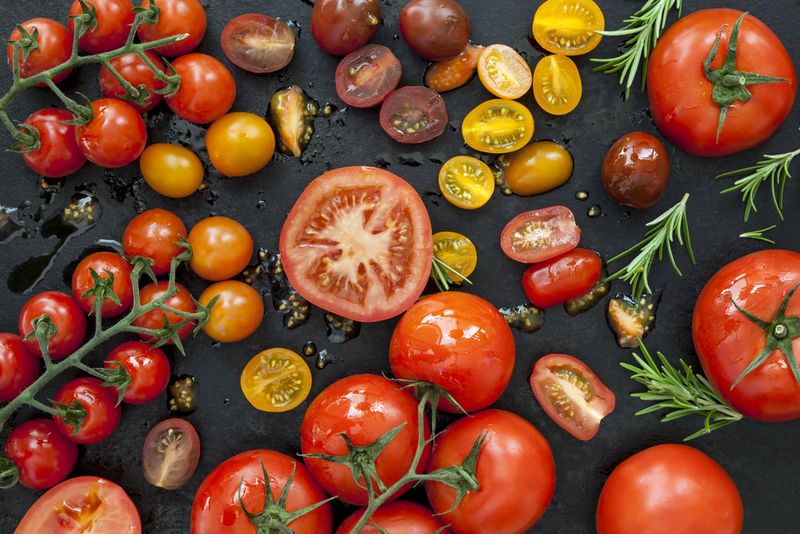
Tomatoes are tricky. They look beautiful in the store and then taste like nothing at home.
The ones that smell earthy and slightly sweet at the stem are usually the best bet, but not every store keeps them at the right temperature for that test to work.
Vine-ripened tomatoes tend to have more flavor than the standard round ones. Heirloom varieties, when available, are often even better.
Buying tomatoes in peak summer season is the single biggest upgrade you can make to your tomato experience without changing anything else.
20. Deciding Whether to Try the New Flavor of Something Familiar
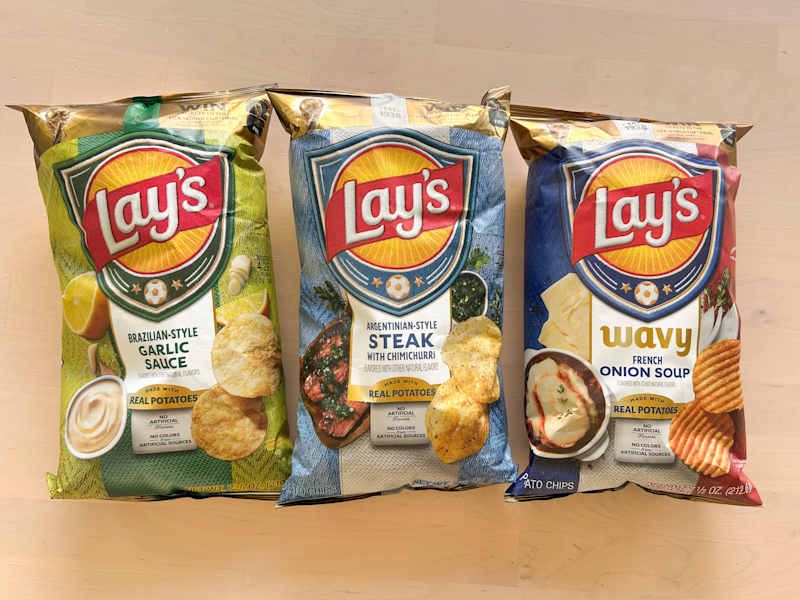
Your go-to snack just released a sriracha mango edition. You are intrigued.
You are also suspicious. What if it ruins the memory of the original?
This is a low-stakes gamble that somehow feels surprisingly personal.
Limited-edition flavors are a marketing strategy that works precisely because of this tension. Brands know curiosity is powerful.
Sometimes the new flavor is a revelation. Sometimes it is deeply regrettable.
Either way, the story you get out of it is usually worth the few dollars spent on the experiment.
21. Figuring Out If You Need More Olive Oil
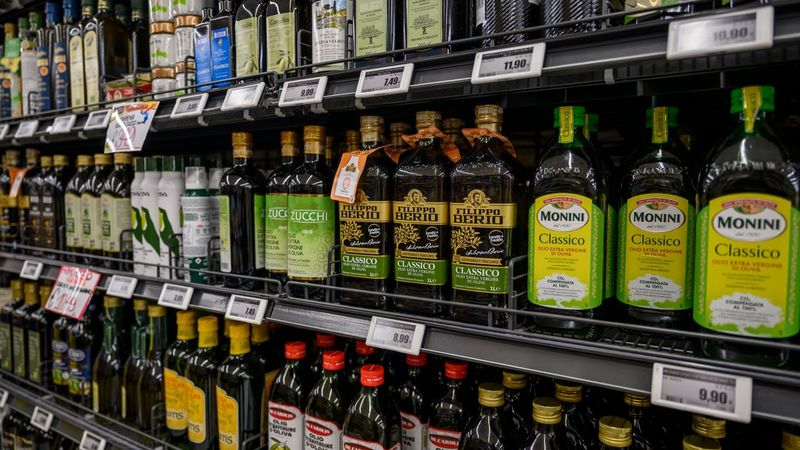
You are pretty sure there is some left at home. But is it enough?
Running out mid-recipe is one of those small domestic catastrophes that feels completely avoidable in hindsight. Still, buying a whole new bottle when there is half one at home also feels wasteful.
A simple fix is keeping a running grocery list on your phone and updating it the moment something runs low. It sounds obvious, but most people still rely on memory alone, which is exactly how you end up with three jars of cumin and no olive oil.
22. Choosing Between Two Nearly Identical Pasta Sauces
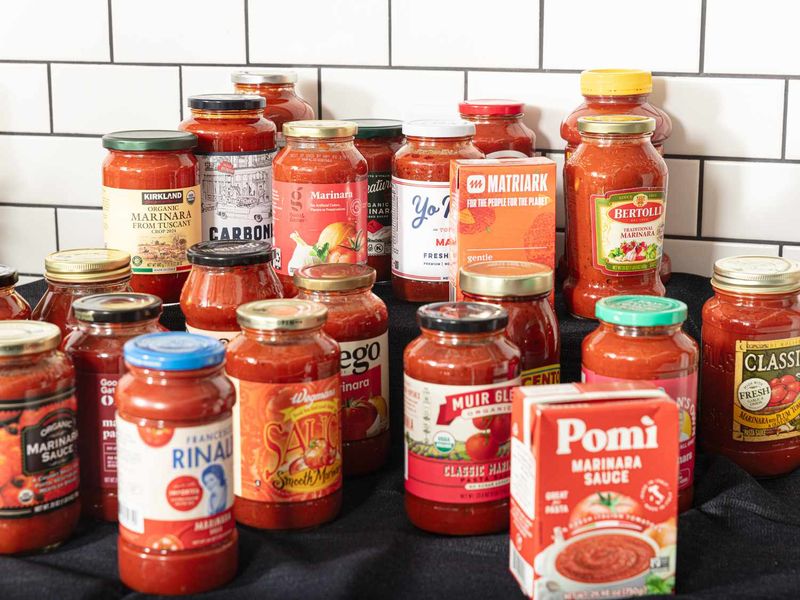
Both have tomatoes, garlic, and basil. Both cost about the same.
One has a slightly fancier label and the other has been in your cabinet before but you cannot quite remember if it was good. The sauce standoff begins.
Pasta sauce is oddly personal. Some people are fiercely loyal to one brand for years, while others treat every shopping trip as a fresh audition.
Sugar content is a useful thing to check - some brands add quite a bit, which changes the flavor profile significantly. Read the label and trust your instincts.
23. Deciding If You Really Need That Impulse Buy Near the Register
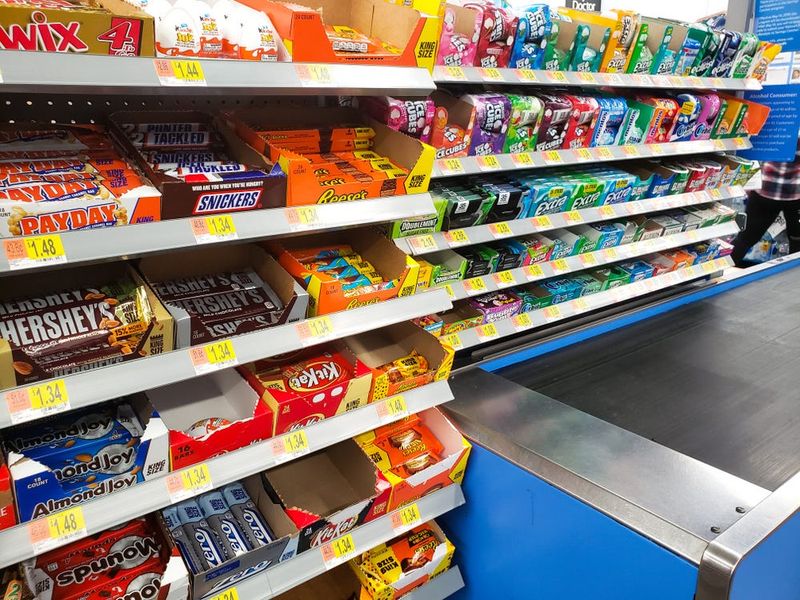
The checkout aisle is a masterclass in retail psychology. Those small, affordable items placed right at eye level while you wait are not there by accident.
They are engineered to catch you at your most bored and least guarded moment.
Recognizing the tactic does not always stop you from grabbing the chocolate bar anyway, and honestly, that is okay sometimes. But if impulse buys are adding up on your receipts, a simple trick is keeping your phone out and focused on something else while you wait.
Boredom is the enemy of a tight grocery budget.




Comments
No Comments