













Sometimes a dish just tastes flat, and you cannot figure out why. The secret is often a splash of something bright and tangy.
Acidity wakes up flavors, balances richness, and ties all the ingredients together. From citrus fruits to fermented vegetables, these 23 foods prove that a little sour power can turn an ordinary meal into something truly memorable.
1. Lemon Juice
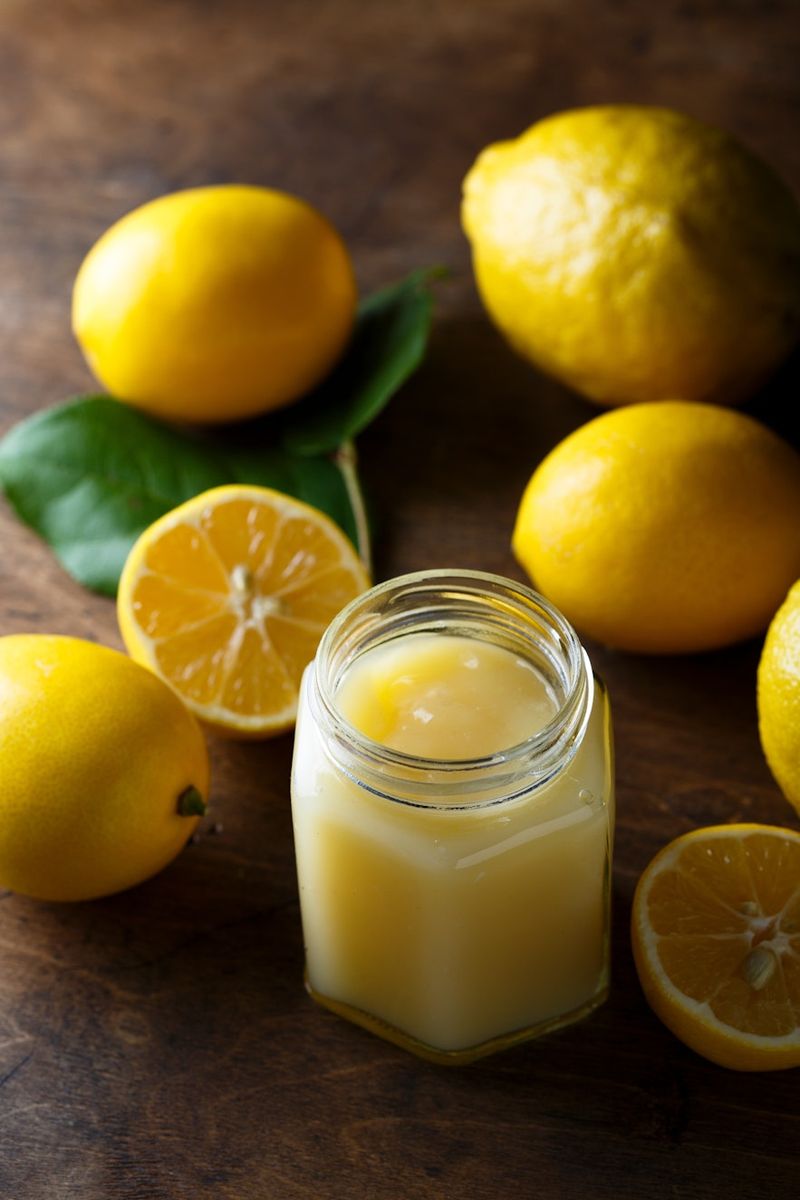
A squeeze of lemon juice is one of the quickest fixes in any cook's toolkit. It brightens dull flavors almost instantly and cuts through heavy, fatty dishes with ease.
Try adding it at the very end of cooking so the fresh citrus punch stays strong. Even a tiny drizzle over roasted vegetables or pasta can make every bite feel more alive and balanced.
2. White Wine Vinegar
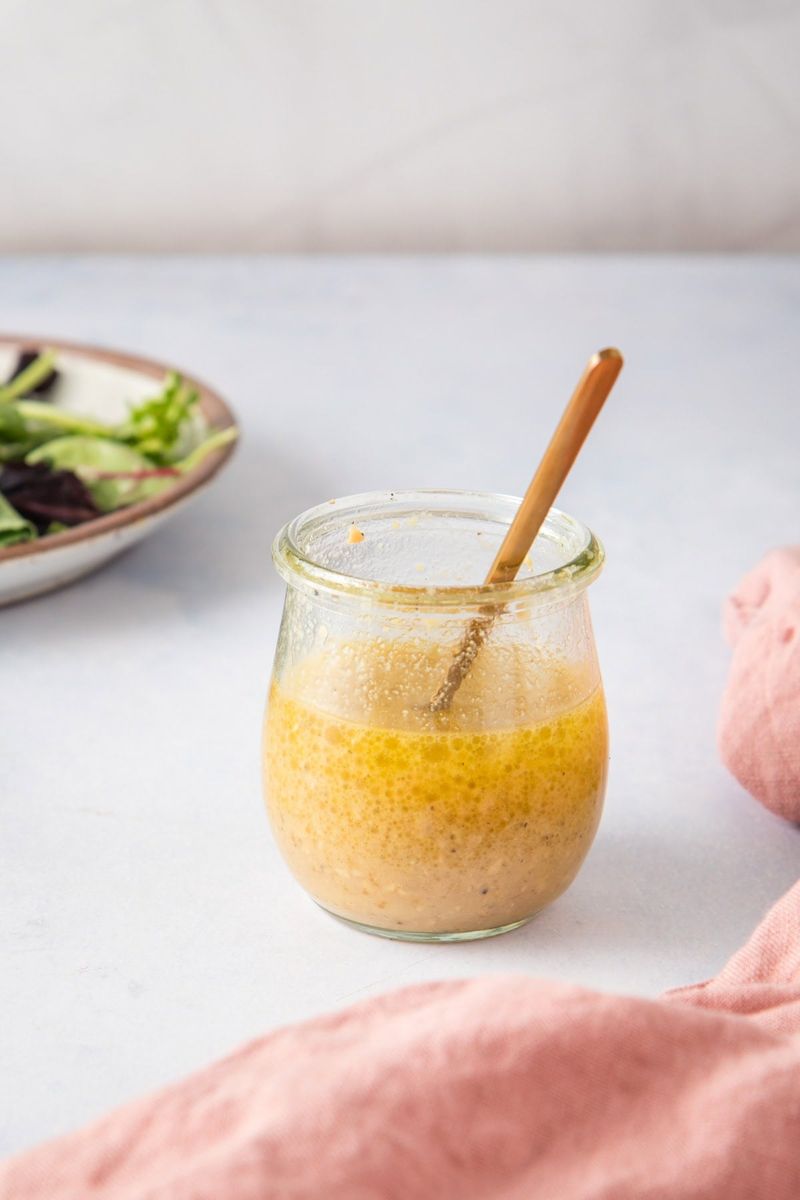
White wine vinegar has a clean, crisp sharpness that works beautifully in salad dressings and light sauces. Unlike harsher vinegars, it adds brightness without overpowering the other flavors on your plate.
Chefs often use it to deglaze pans after searing meat, picking up all those delicious browned bits. A small splash can also perk up a creamy soup that feels a little too heavy or one-dimensional.
3. Apple Cider Vinegar

Apple cider vinegar carries a fruity, mellow tang that pairs wonderfully with hearty dishes like pulled pork, coleslaw, and braised greens. It has a more rounded flavor compared to plain white vinegar.
Many home cooks add a small spoonful to bean dishes to help balance the earthiness. It also works as a secret ingredient in barbecue sauces, giving them that irresistible sweet-and-sour depth that keeps people coming back for more.
4. Tomatoes
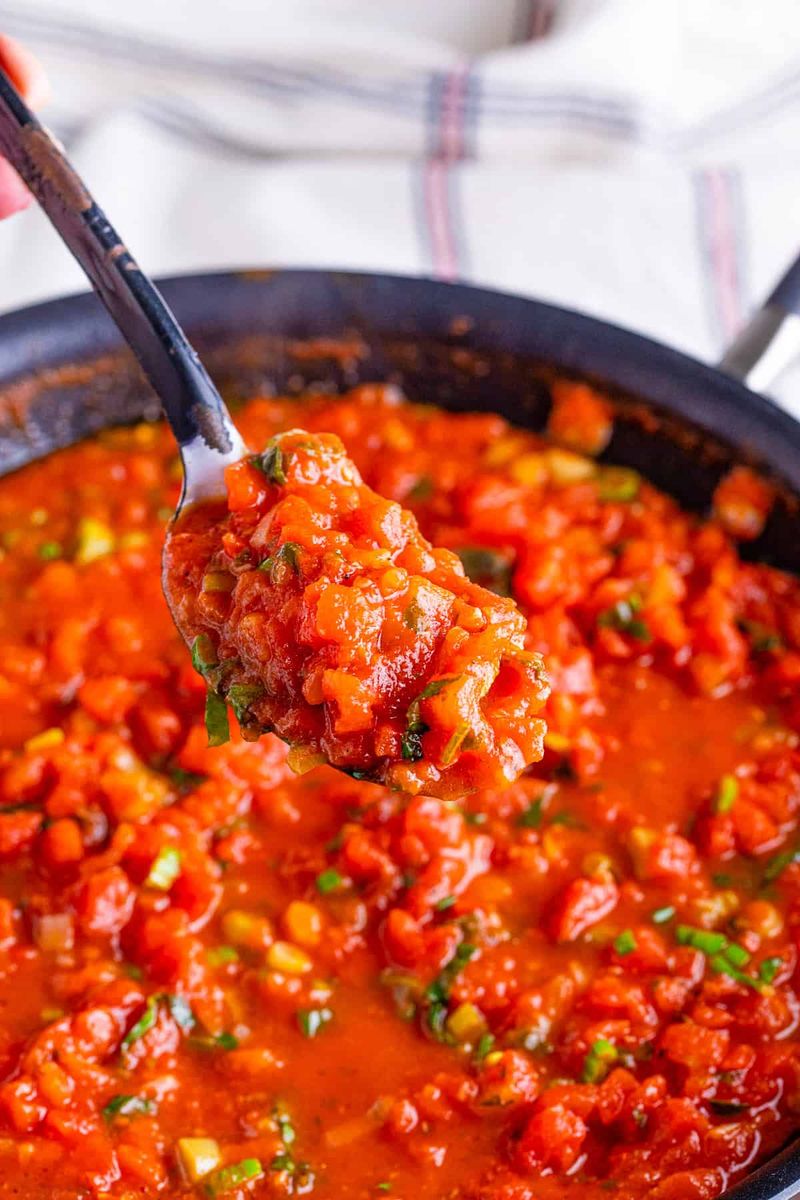
Tomatoes are naturally acidic, and that quality is exactly what makes them so useful in cooking. Their bright tang keeps rich meat sauces, stews, and chilis from tasting too heavy or greasy.
Fresh tomatoes add a juicy burst of acidity to sandwiches and salads, while canned tomatoes build a slow, deep sourness in long-cooked dishes. Either way, they are one of the most reliable flavor-balancing ingredients in any kitchen pantry.
5. Greek Yogurt
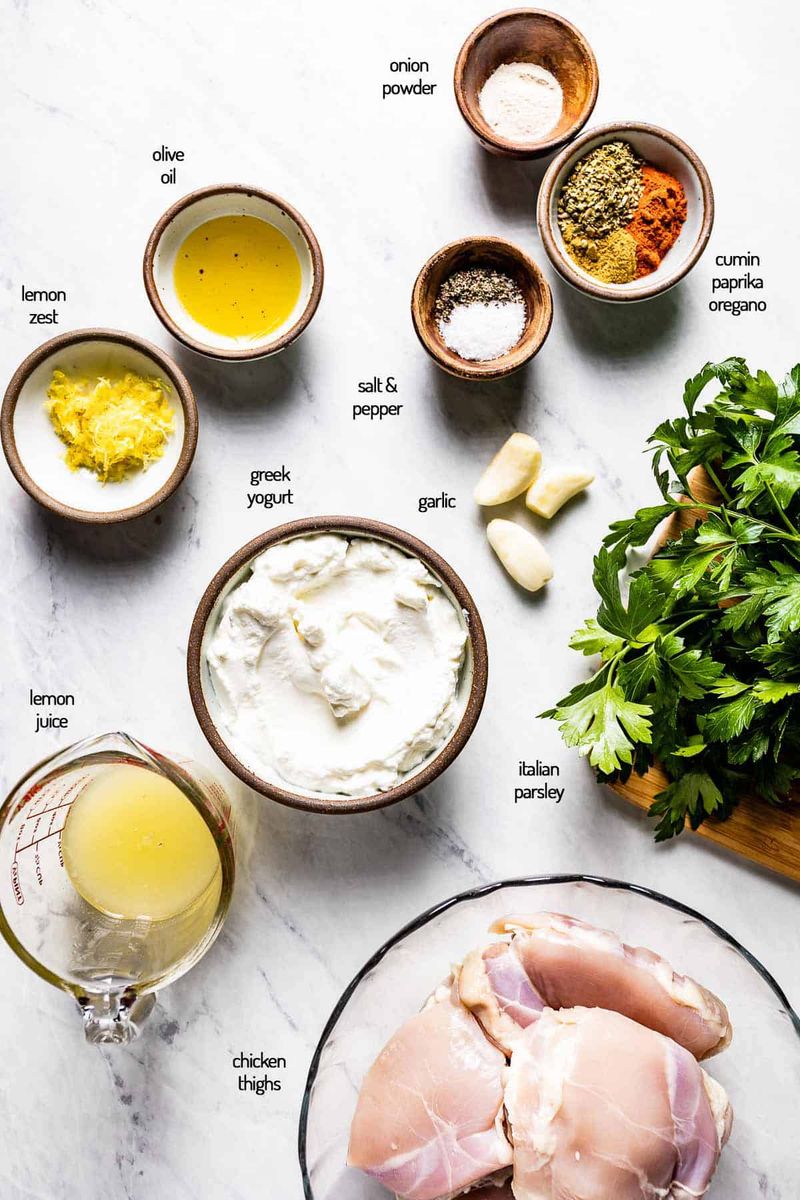
Greek yogurt brings a cool, tangy creaminess that can rescue a dish that feels too spicy or too rich. Stirred into sauces or used as a topping, it adds acidity in a gentle, smooth way.
It works brilliantly as a marinade base for chicken, since the lactic acid helps tenderize the meat. Swapping sour cream for Greek yogurt in dips and dressings gives you the same bright flavor with a slightly lighter finish.
6. Lime Juice
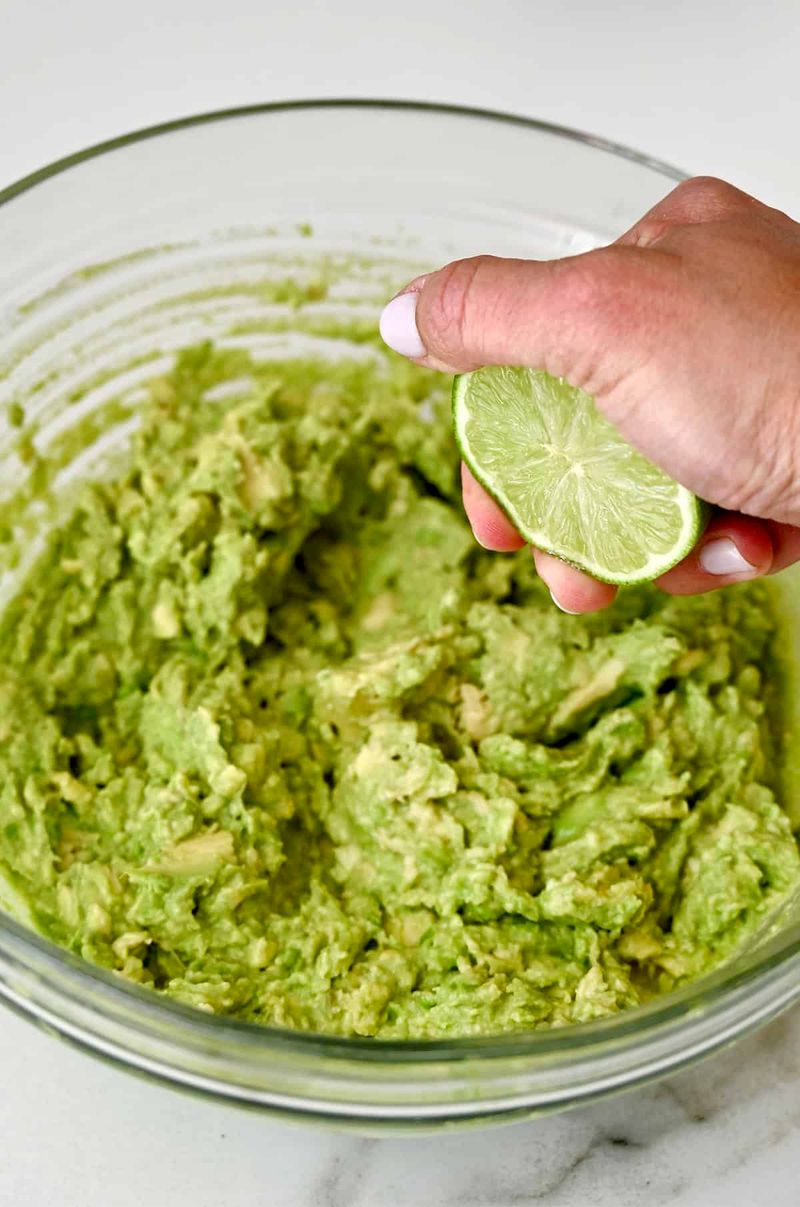
Lime juice is sharper and more aromatic than lemon, making it the go-to acid in Mexican, Thai, and Vietnamese cooking. A squeeze over tacos, curries, or noodle dishes adds a floral brightness that lifts the whole plate.
Fresh lime zest is just as powerful, packed with fragrant oils that add another layer of flavor. Keep a few limes on hand and you will always have an easy way to rescue a meal that tastes flat or muddy.
7. Sauerkraut

Sauerkraut is fermented cabbage, and its punchy sourness can cut right through rich, fatty foods like sausages, pork chops, and grilled meats. The fermentation process creates lactic acid, which gives it that signature tang.
Beyond its role as a classic topping, sauerkraut can be stirred into potato salad or added to grilled cheese sandwiches for an unexpected twist. A little goes a long way, and it makes heavy meals feel surprisingly fresh and well-balanced.
8. Tamarind
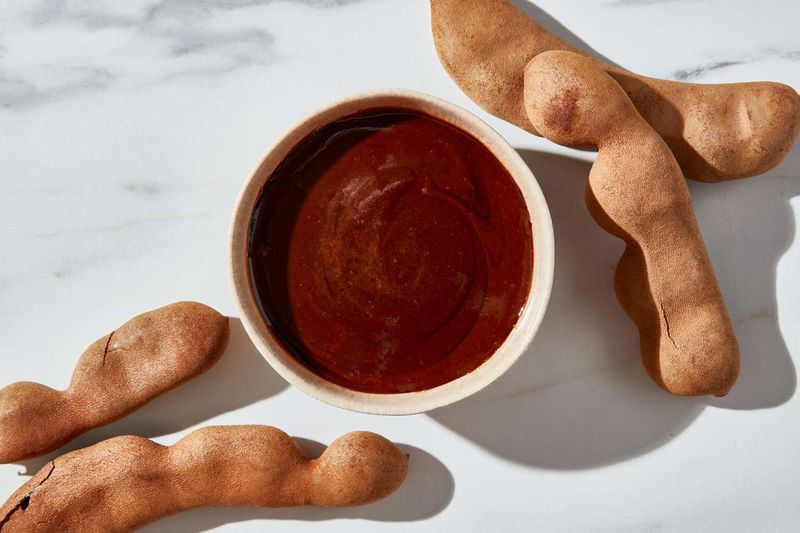
Tamarind is a tropical fruit that produces one of the most complex sour flavors in the cooking world. It is both fruity and tangy, with a slight sweetness that makes it different from vinegar or citrus.
Popular across South Asian, Mexican, and Middle Eastern cuisines, tamarind shows up in chutneys, pad thai, and marinades. Just a spoonful of tamarind paste added to a sauce or stir-fry can give it a rich, layered depth that is hard to achieve any other way.
9. Buttermilk
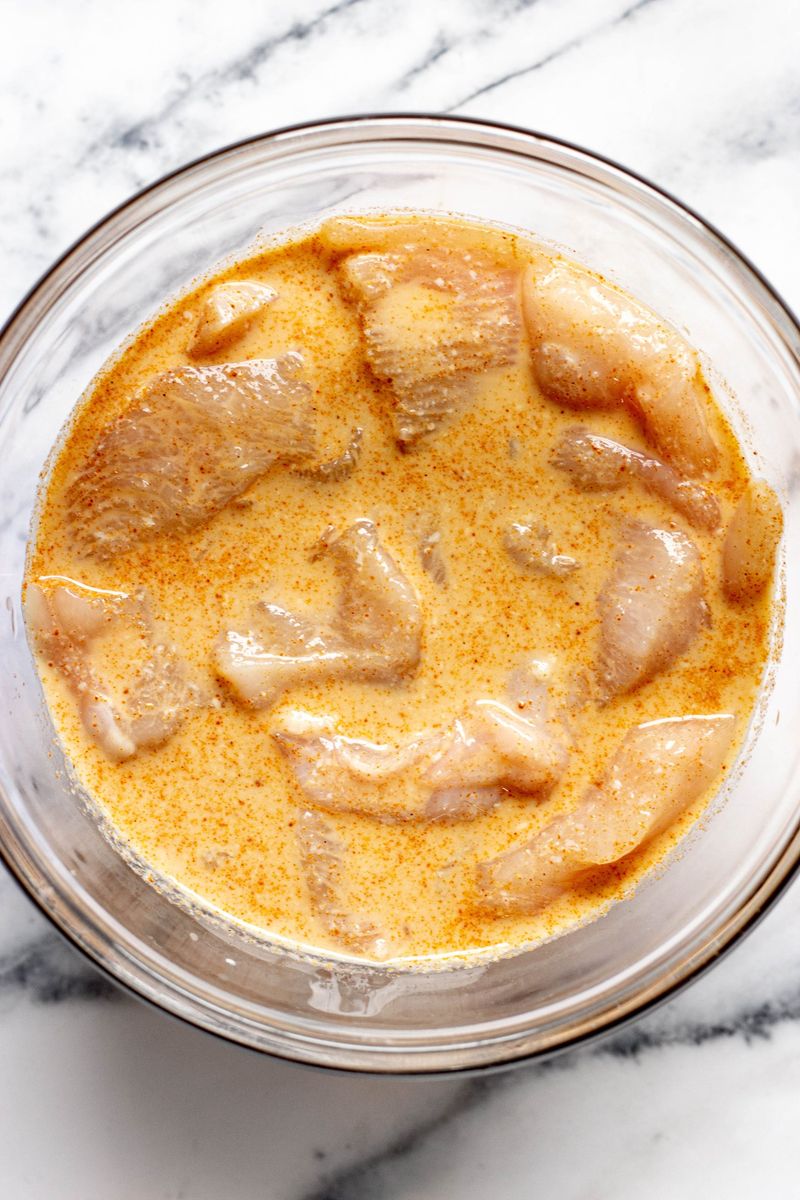
Buttermilk has a gentle, creamy sourness that is perfect for tenderizing proteins and adding a subtle tang to baked goods. Fried chicken marinated in buttermilk turns out incredibly juicy and flavorful every single time.
Beyond frying, it brightens up salad dressings, especially classic ranch, giving them that signature cool tang. Even adding a splash to mashed potatoes instead of regular milk makes them taste noticeably lighter and more interesting without changing their texture much.
10. Pickles
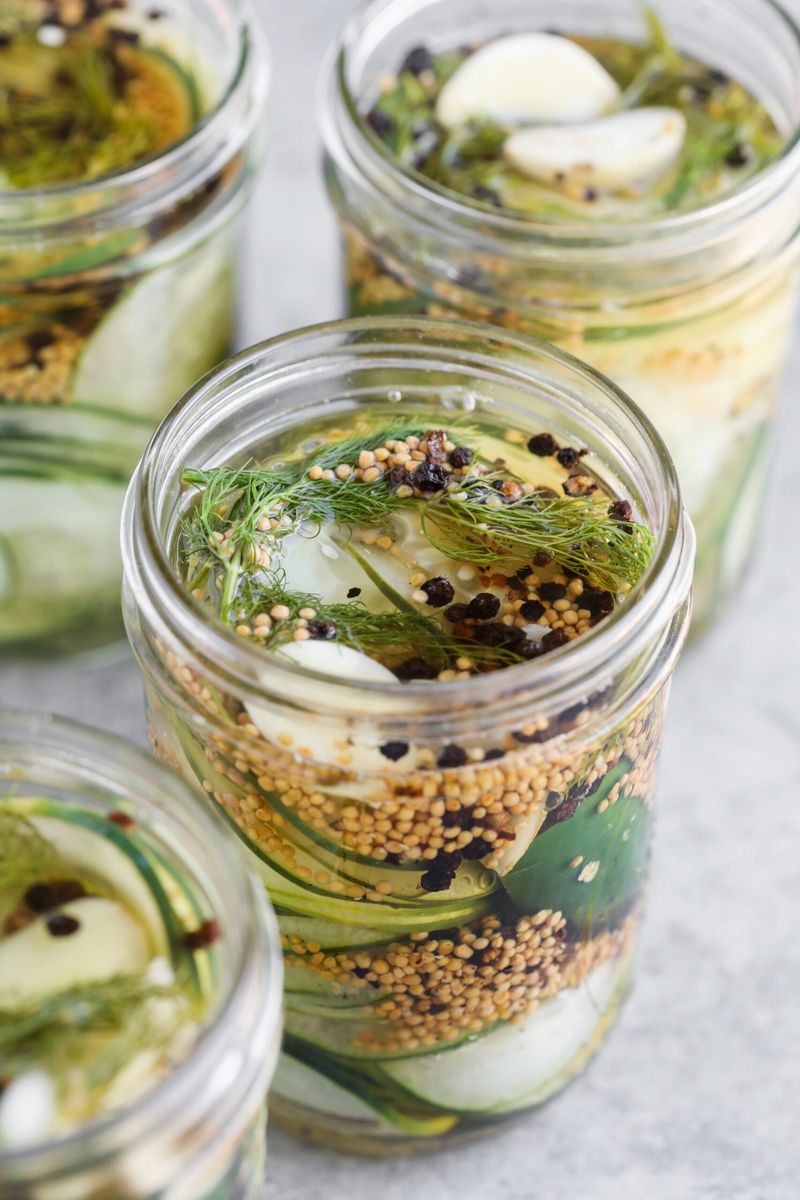
Pickles are basically acidity in crunchy form, and their sharp brine can snap a rich, heavy dish right into focus. Everyone knows they belong on a burger, but their uses go far beyond sandwiches.
Chopped pickles stirred into potato salad or tuna salad add a bright, briny punch that makes the whole dish more exciting. Even a small pour of pickle juice into a marinade or sauce can add a bold tangy kick that wakes up every other flavor around it.
11. Balsamic Vinegar
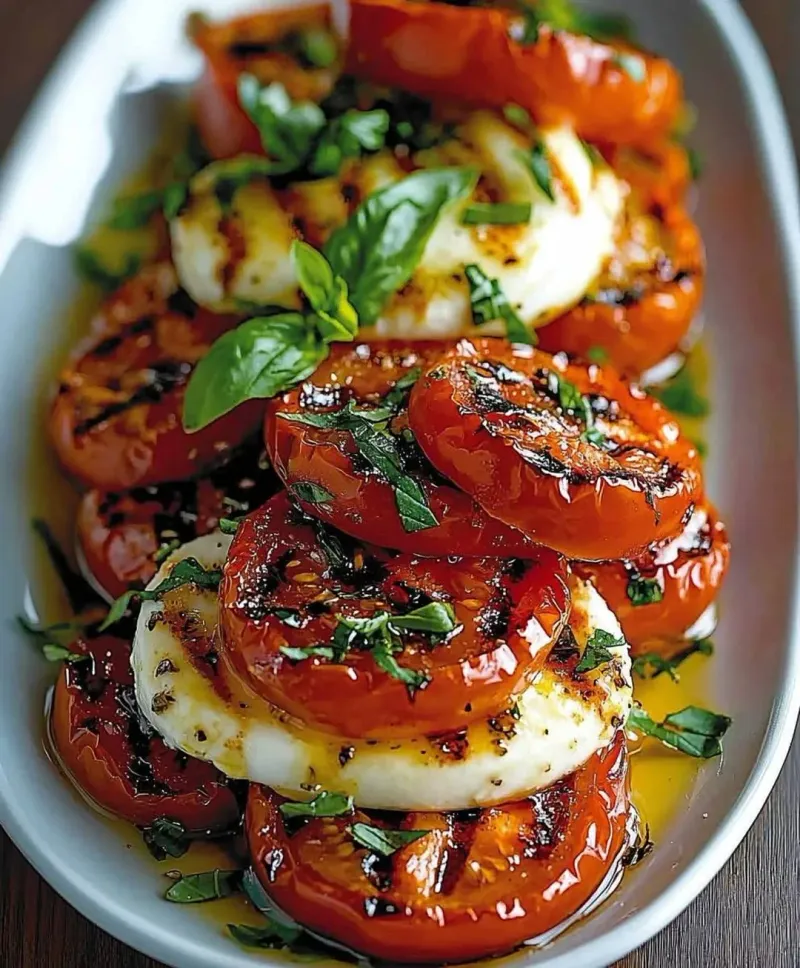
Balsamic vinegar is rich, syrupy, and wonderfully tangy with a touch of natural sweetness. It is one of those ingredients that can make a simple dish feel elegant without any extra effort at all.
Drizzle it over strawberries, roasted vegetables, or grilled meats for an instant upgrade. Aged balsamic from Modena, Italy, has been made the same way for centuries, slowly concentrating in wooden barrels until it develops its famous deep, complex flavor that balances sweet and sour perfectly.
12. Kimchi
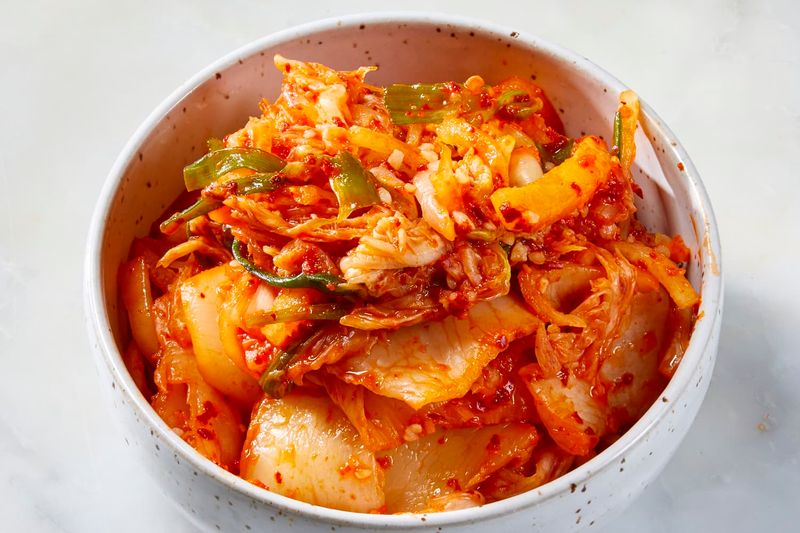
Kimchi is a Korean fermented vegetable dish, usually made with cabbage and chili, and its bold sourness can transform a plain bowl of rice into something genuinely exciting. The longer it ferments, the tangier and more complex it gets.
Beyond rice, kimchi works as a topping for tacos, grilled meats, and even scrambled eggs. It adds acidity, heat, and crunch all at once, which is pretty remarkable for one ingredient.
Kimchi has been a staple in Korean cooking for over a thousand years.
13. Capers
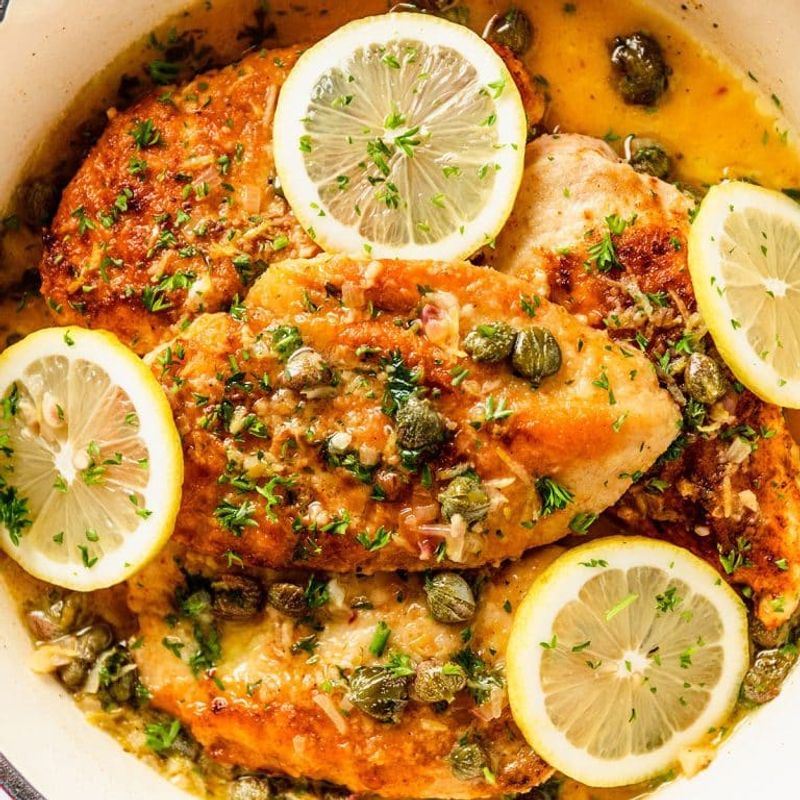
Capers are tiny, briny flower buds preserved in salt or vinegar, and their sharp, tangy pop is surprisingly powerful for their small size. They are a classic partner for smoked salmon, pasta puttanesca, and chicken piccata.
Adding capers to a sauce or salad introduces both acidity and a savory depth that is hard to get from vinegar alone. Rinse them before using if you want a lighter flavor, or use them straight from the jar for a more intense, briny punch.
14. Sumac
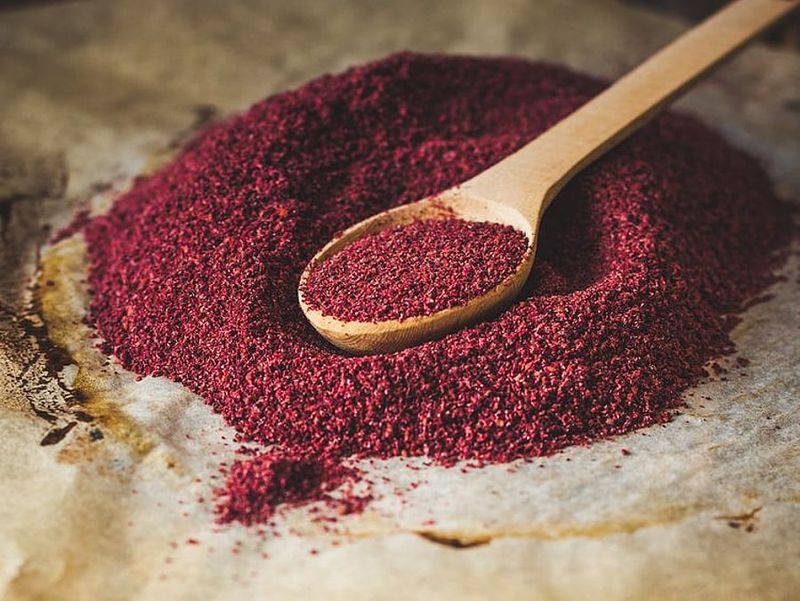
Sumac is a deep red spice ground from dried berries, and it delivers a fruity, lemony sourness that is completely unlike any other ingredient. It is widely used in Middle Eastern cooking, sprinkled over salads, grilled meats, and flatbreads.
What makes sumac special is that it adds acidity without adding any liquid, which is perfect when you want brightness without changing the texture of a dish. A pinch over hummus or roasted chicken adds a gorgeous color and a tangy flavor boost that feels fresh and vibrant.
15. Fermented Hot Sauce
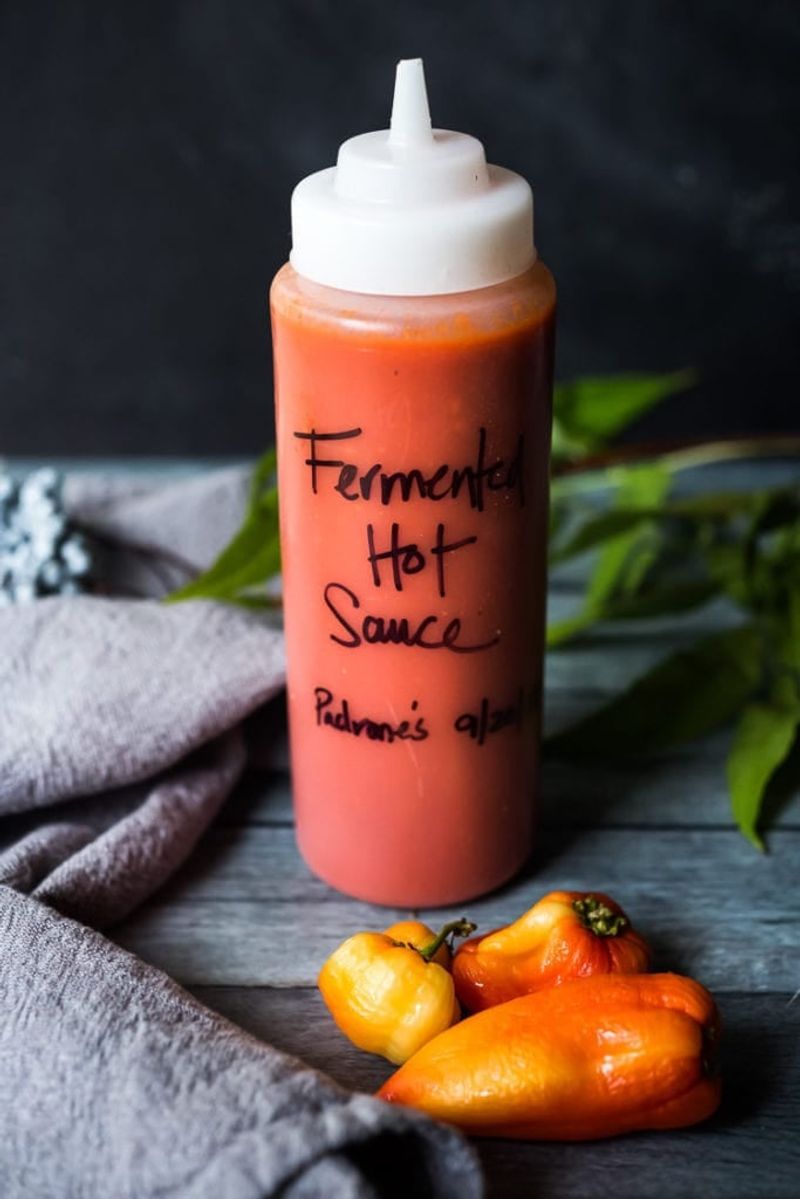
Fermented hot sauce brings both heat and acidity to a dish, which is a powerful combination for rescuing flat or bland food. The fermentation process creates lactic acid, giving it a tangy depth that regular hot sauce simply does not have.
A few dashes over eggs, pizza, or roasted vegetables can completely change the flavor profile of a meal. Louisiana-style sauces like Tabasco and Crystal are famous examples, but craft fermented hot sauces come in hundreds of exciting flavor combinations worth exploring.
16. Orange Juice
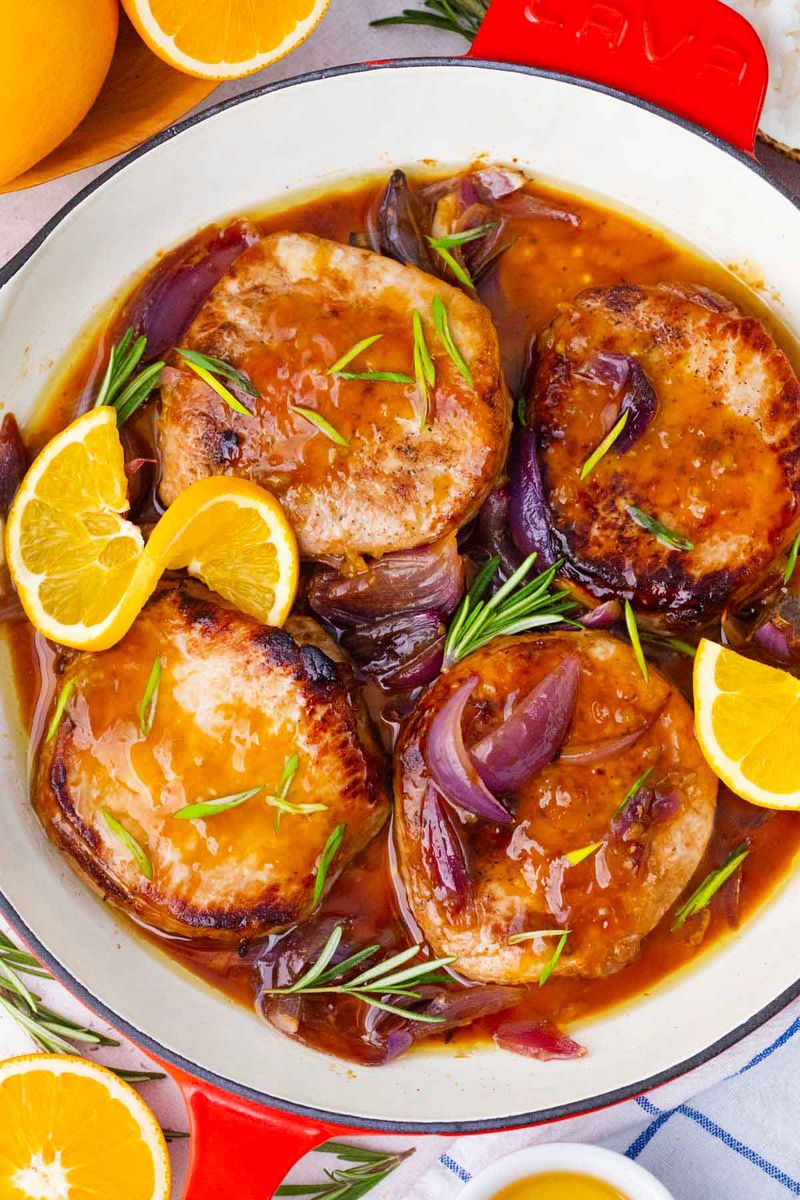
Fresh orange juice adds a sweet, sunny acidity that works especially well in marinades, glazes, and sauces for poultry and pork. Its natural sugars caramelize beautifully during cooking, adding both flavor and a golden color.
A splash of orange juice in a salad dressing softens the sharpness of vinegar while still delivering brightness. It also pairs surprisingly well with dark chocolate desserts, where its citrus tang cuts through the richness and makes each bite feel lighter and more refreshing.
17. Miso Paste

Miso paste is made from fermented soybeans, and while it is best known for its salty, savory depth, it also carries a mild but important acidity from the fermentation process. That subtle tang is what makes miso so good at rounding out soups and sauces.
Stirring a small spoonful into butter, salad dressings, or roasted vegetable glazes adds a complex, umami-rich brightness. White miso is the mildest and sweetest variety, making it the easiest to start with if you are new to cooking with this ingredient.
18. Crème Fraîche
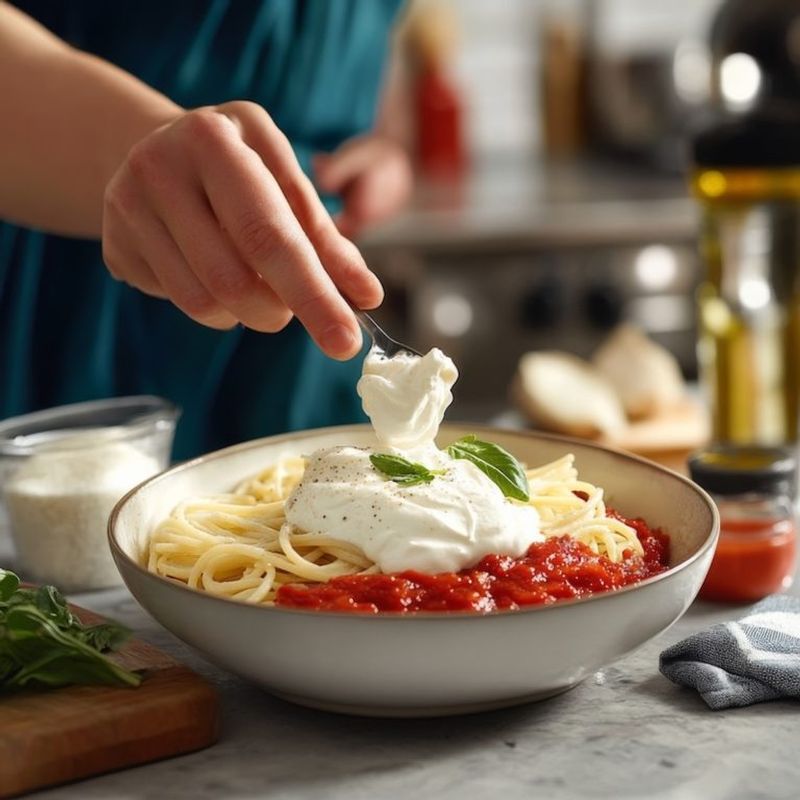
Crème fraîche is a thick, cultured cream with a pleasant, mild tang that can rescue a sauce that has become too rich or too sweet. Unlike sour cream, it does not curdle when heated, making it much more versatile in hot cooking.
Stir it into soups, pasta sauces, or scrambled eggs right at the end for a luxurious, slightly tart finish. French cooks have relied on it for centuries as a way to add creaminess and acidity at the same time without any extra effort.
19. Pomegranate Molasses
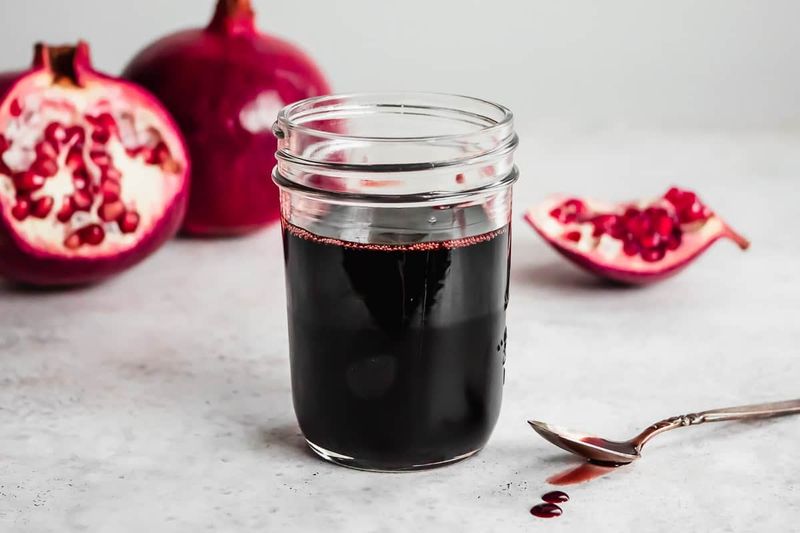
Pomegranate molasses is a thick syrup made by reducing pomegranate juice until it becomes deeply concentrated, tangy, and slightly sweet. Just a drizzle over roasted vegetables, grilled lamb, or even a simple salad can completely transform the dish.
It is a staple in Lebanese and Persian cooking, where its fruity sourness balances rich, spiced meats and stews beautifully. The flavor is bold and assertive, so a little really does go a long way when you want to add a dramatic pop of acidity.
20. Sherry Vinegar
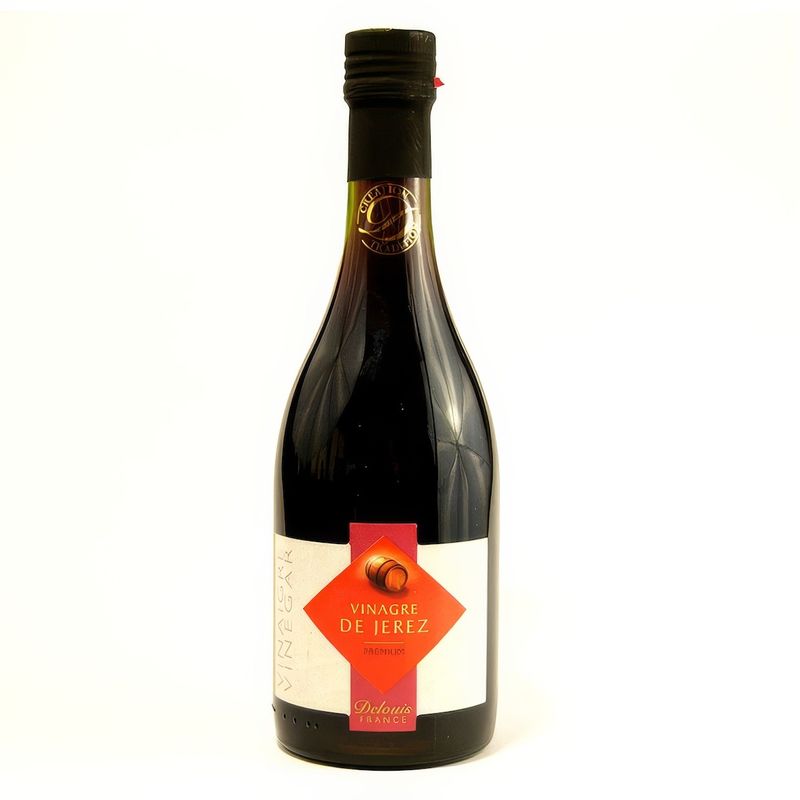
Sherry vinegar comes from Spain and has a nutty, rich complexity that sets it apart from other vinegars. It is aged in wooden barrels, which gives it a mellow depth alongside its bright acidity, making it incredibly useful in the kitchen.
Spanish cooks use it in gazpacho, warm salads, and braised dishes where a more delicate touch of acidity is needed. Try using it instead of red wine vinegar next time and notice how it softens the sharpness while still lifting every flavor on the plate.
21. Passion Fruit

Passion fruit has one of the most intensely aromatic and tangy flavors of any fruit, with a tropical sourness that can brighten up both sweet and savory dishes. Its seeds add a pleasant crunch alongside all that juicy pulp.
Spooning passion fruit over grilled fish or chicken creates a vibrant, restaurant-worthy sauce with almost no effort. In desserts, its sharp acidity balances sweetness perfectly, making it a favorite pairing for rich items like cheesecake, panna cotta, and creamy mousse.
22. Worcestershire Sauce
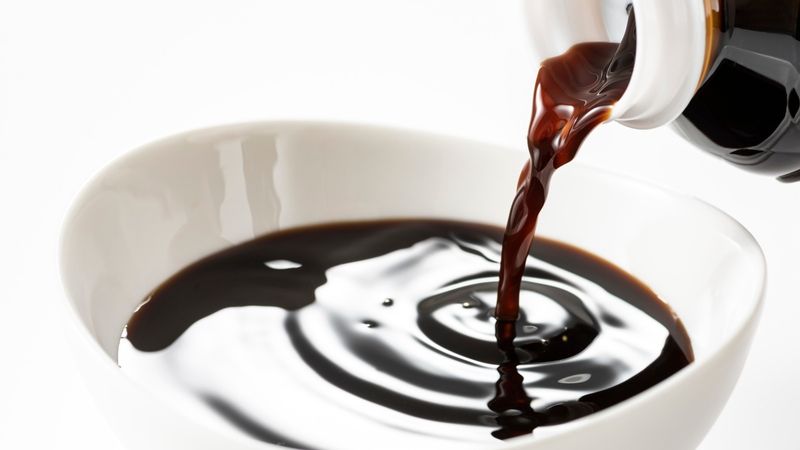
Worcestershire sauce is a fermented condiment loaded with a complex mix of flavors including vinegar, tamarind, and anchovies, and its tangy, savory punch can rescue a stew, marinade, or gravy in seconds. A little splash goes a remarkably long way.
It has been a British pantry staple since the 1830s, originally created as a surprise hit when a chemist tried to replicate a sauce from India. Today it is used worldwide to deepen and brighten beef dishes, Bloody Marys, and even macaroni and cheese.
23. Grapefruit
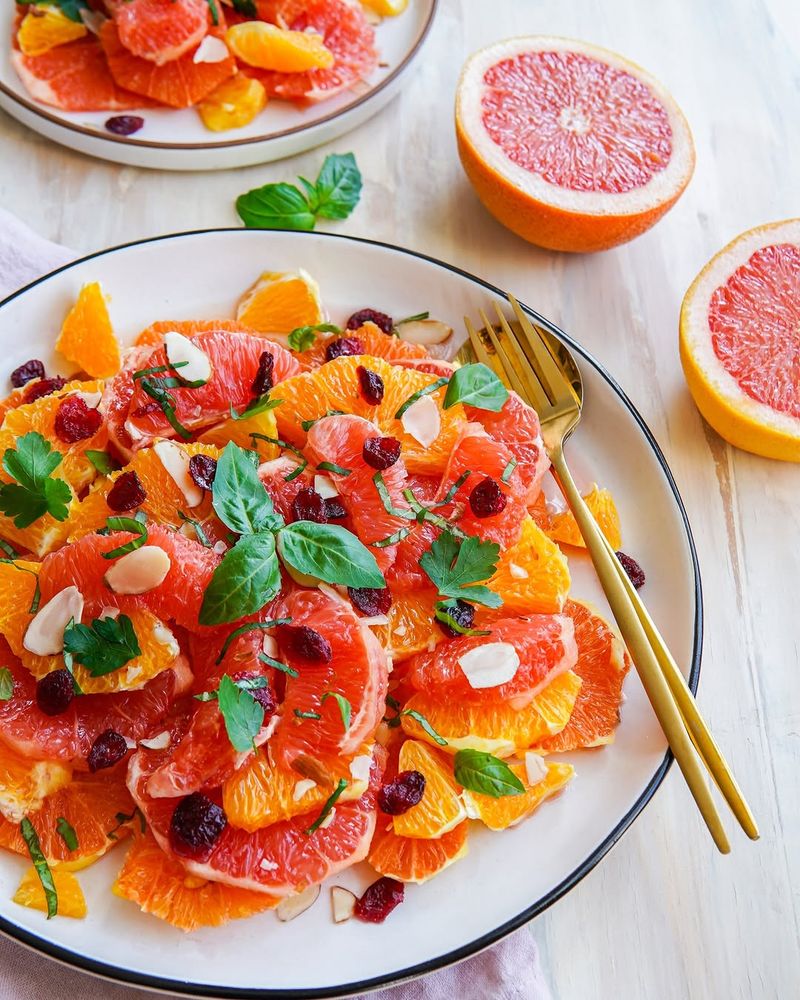
Grapefruit is bolder and more bitter than other citrus fruits, and that intensity makes it a powerful tool for cutting through rich, fatty, or overly sweet flavors. A few segments added to a salad or a sauce can completely change the balance of the dish.
Grapefruit juice works beautifully in marinades for shrimp and fish, where its sharp acidity tenderizes the protein quickly. Its slight bitterness also pairs wonderfully with honey or maple syrup glazes, creating a well-rounded flavor that feels both bright and satisfying.




Comments
No Comments