













Some dishes are bold, mysterious, or deeply comforting — and all it takes is one perfectly chosen spice to make that happen. From smoky paprika to floral saffron, a single spice can transform simple ingredients into something truly unforgettable.
These dishes from around the world prove that restraint in the kitchen can be just as powerful as complexity. Get ready to discover how one spice can carry an entire meal.
1. Saffron Risotto
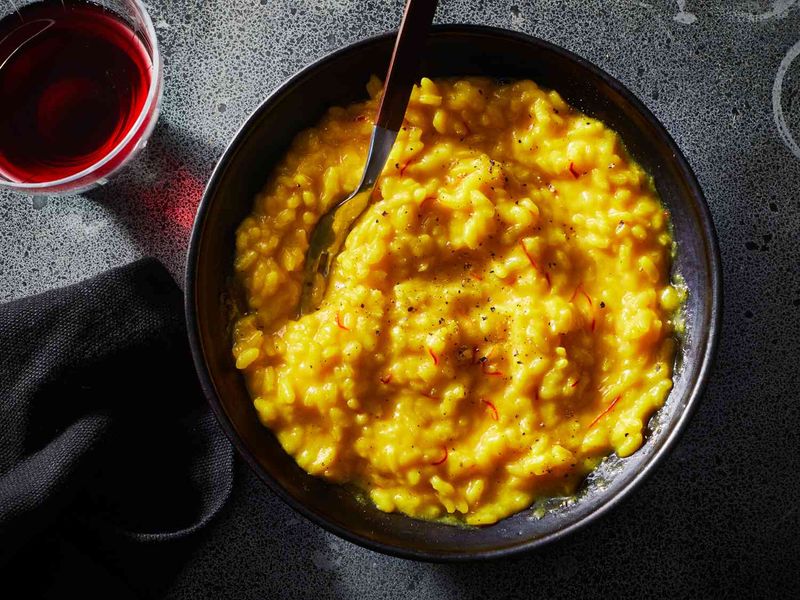
Golden, fragrant, and almost impossibly beautiful, saffron risotto is one of Italy's most iconic dishes. The saffron turns the rice a rich amber color and fills every bite with a floral, honey-like warmth that no other spice can replicate.
Just a pinch of saffron — the world's most expensive spice — is enough to define the whole dish. Pair it with good parmesan and a splash of white wine for a meal that feels truly luxurious.
2. Moroccan Lamb Tagine with Cumin
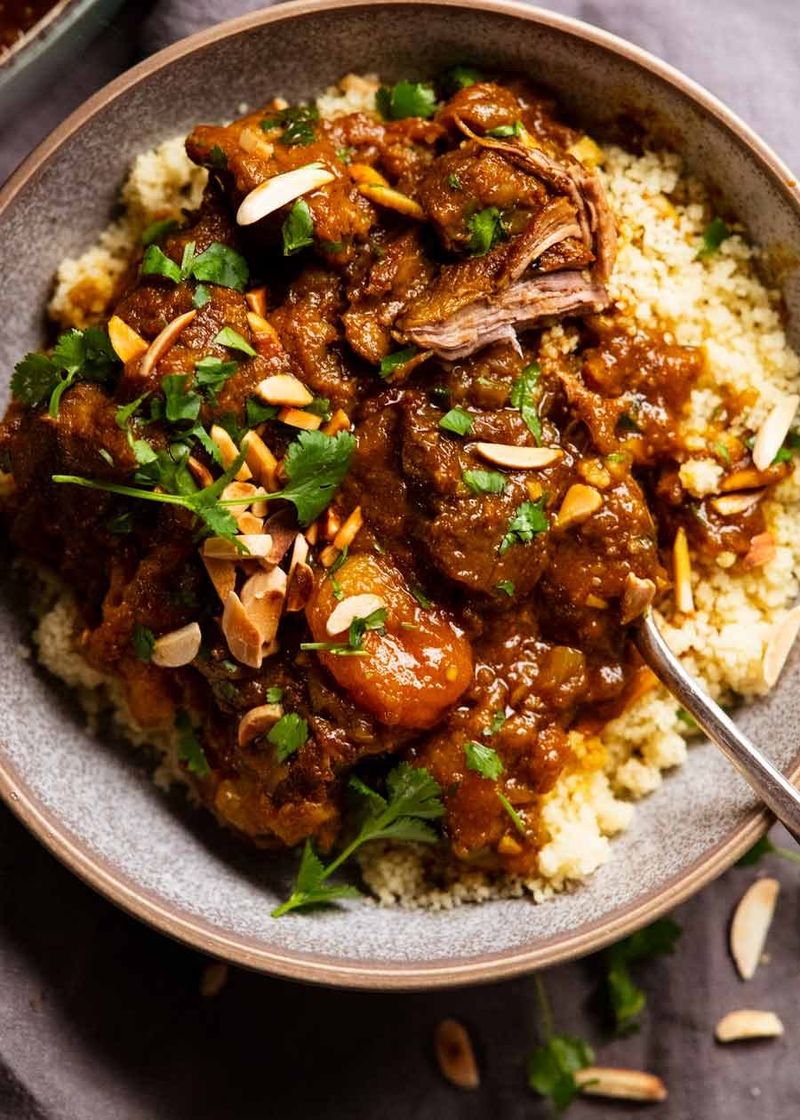
Cumin is earthy, warm, and slightly nutty — and in a Moroccan lamb tagine, it becomes the backbone of everything. The slow-cooked lamb soaks up the spice over hours, turning tender and deeply flavorful in a way that feels ancient and comforting.
Moroccan cooks have relied on cumin for centuries to anchor their stews. Served with fluffy couscous or crusty bread, this dish is a masterclass in letting one spice do the heavy lifting.
3. Spanish Patatas Bravas with Smoked Paprika
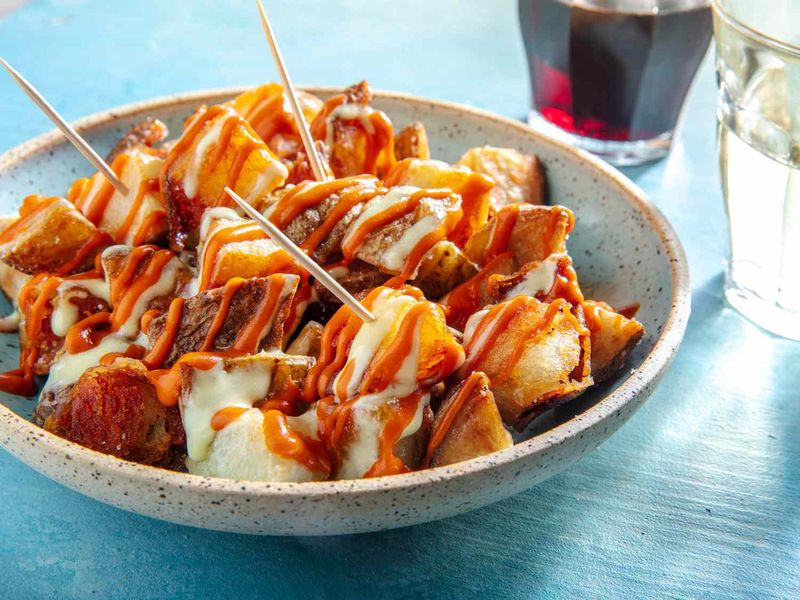
Smoked paprika is the soul of patatas bravas. Without it, you just have fried potatoes with sauce — with it, you have one of Spain's most beloved tapas dishes, packed with color, warmth, and a subtle smokiness that keeps you reaching for more.
The spice comes from dried and smoked red peppers, giving it a depth that sweet paprika simply cannot match. A drizzle of aioli alongside makes this street-food classic completely irresistible.
4. Indian Turmeric Dal
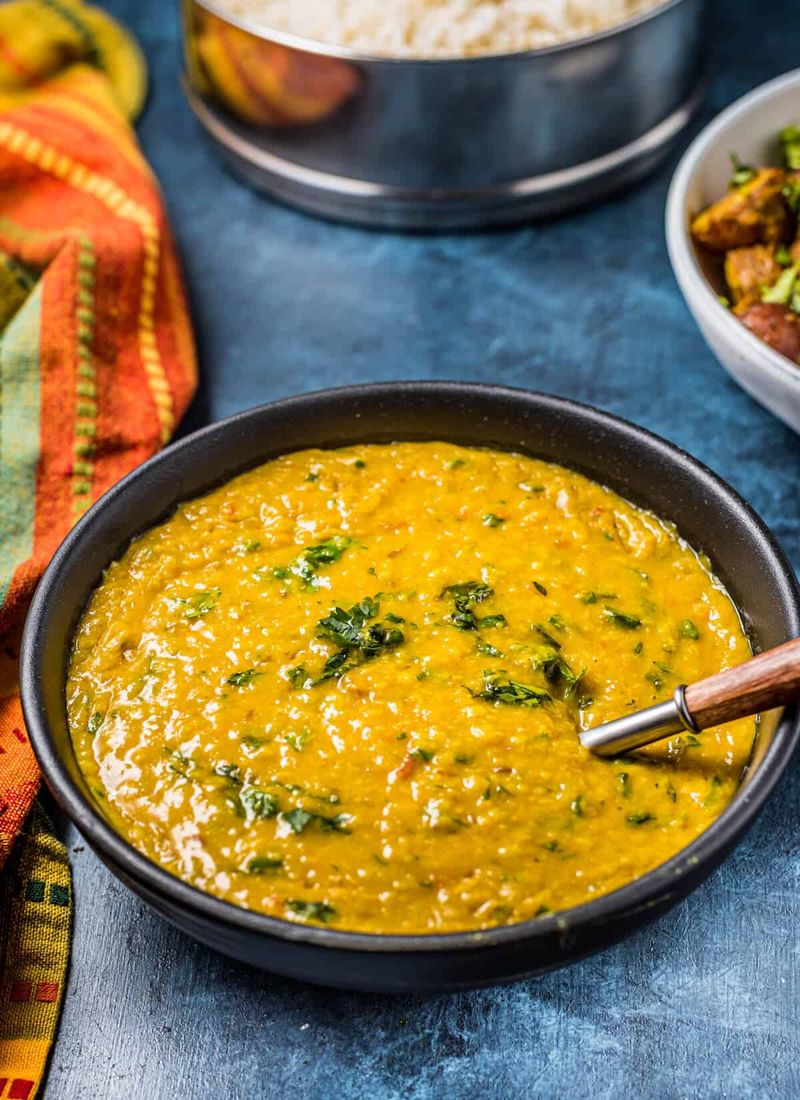
Turmeric gives dal its signature sunshine-yellow color and a gentle, slightly bitter earthiness that balances beautifully with soft lentils. This humble dish is eaten across India daily, proving that the simplest ingredients can create the most satisfying meals.
Beyond flavor, turmeric is celebrated for its health benefits, particularly its anti-inflammatory properties. A splash of ghee stirred in at the end adds richness, making this dish both nourishing and deeply comforting in every spoonful.
5. Hungarian Chicken Paprikash
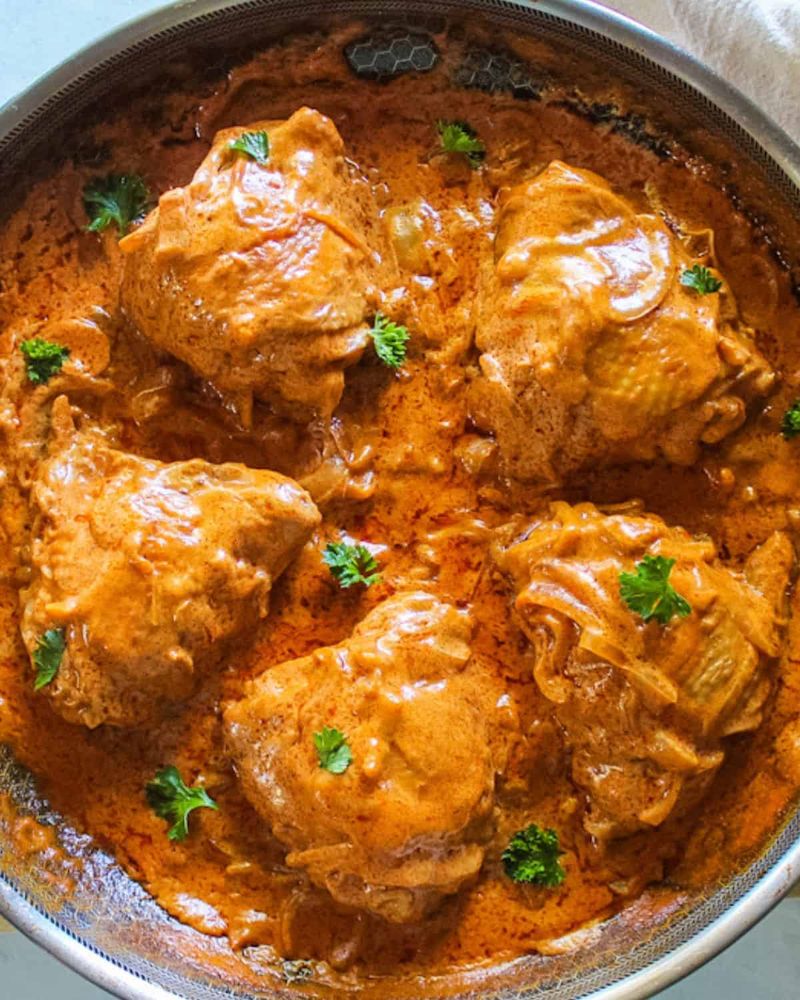
Paprika is not just a garnish in Hungarian cooking — it is the star. Chicken paprikash is built entirely around sweet Hungarian paprika, which turns the sauce a deep red and fills it with a fruity, mildly spicy sweetness that is absolutely addictive.
Hungary produces some of the finest paprika in the world, and this dish is their proudest showcase. Stirred into sour cream, the spice creates a sauce so silky and flavorful that you will want to eat it with a spoon.
6. Japanese Wasabi Soba Noodles
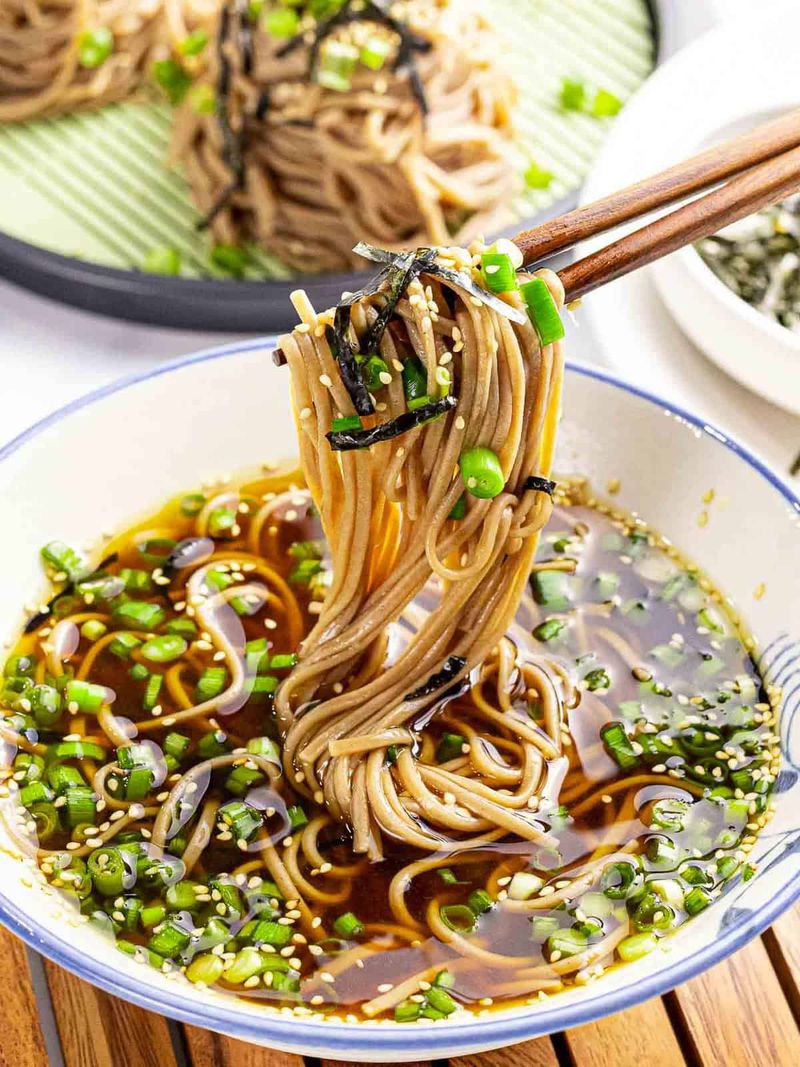
Wasabi is one of the most intense, distinctive spices in the world — and in cold soba noodles, it plays a starring role. Just a small amount stirred into the dipping broth transforms the entire experience, sending a sharp, clean heat straight to your sinuses.
Real wasabi, made from a freshwater plant, is worlds apart from the imitation paste most people know. When paired with buckwheat soba, its pungency fades quickly, leaving behind a refreshing brightness that makes the dish feel incredibly alive.
7. Ethiopian Berbere Chicken Stew
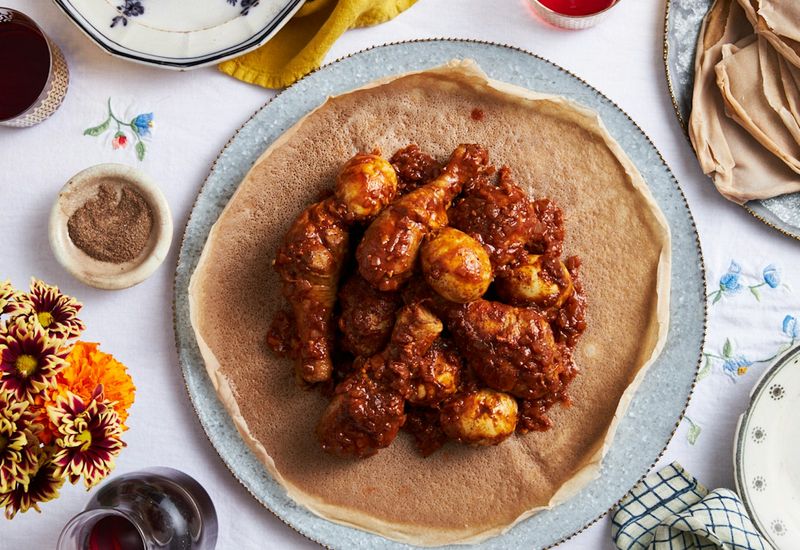
Berbere is Ethiopia's most iconic spice blend, but when used as the single defining flavor in a chicken stew, its chili-forward character takes full center stage. The heat builds slowly, layered with hints of ginger and fenugreek, creating a stew that is bold without being overwhelming.
Served with spongy injera bread to scoop up the sauce, this dish is a celebration of Ethiopian culinary tradition. Every bite carries the warmth of a spice culture refined over generations.
8. French Bouillabaisse with Saffron
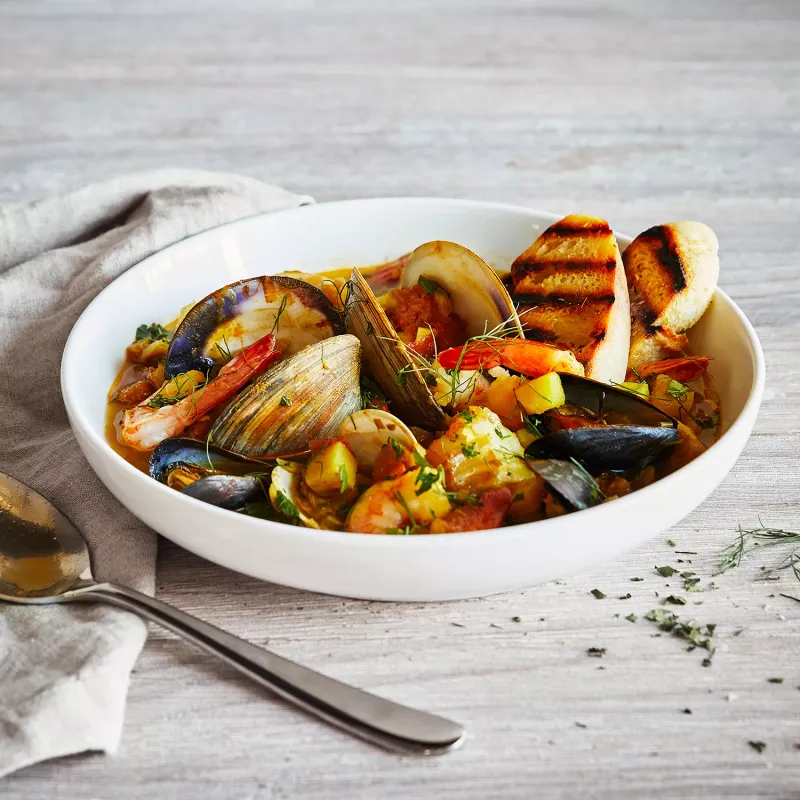
Marseille's famous bouillabaisse is a seafood stew that depends entirely on saffron for its golden color and haunting, floral depth. Without it, the dish loses its identity — with it, every spoonful feels like a trip to the Mediterranean coast.
Fishermen originally made bouillabaisse from unsold catch, but saffron elevated it into something worthy of fine restaurants. The spice blooms in the hot broth, releasing its pigment and perfume into every piece of seafood it touches.
9. Mexican Chili Con Carne with Ancho Chili
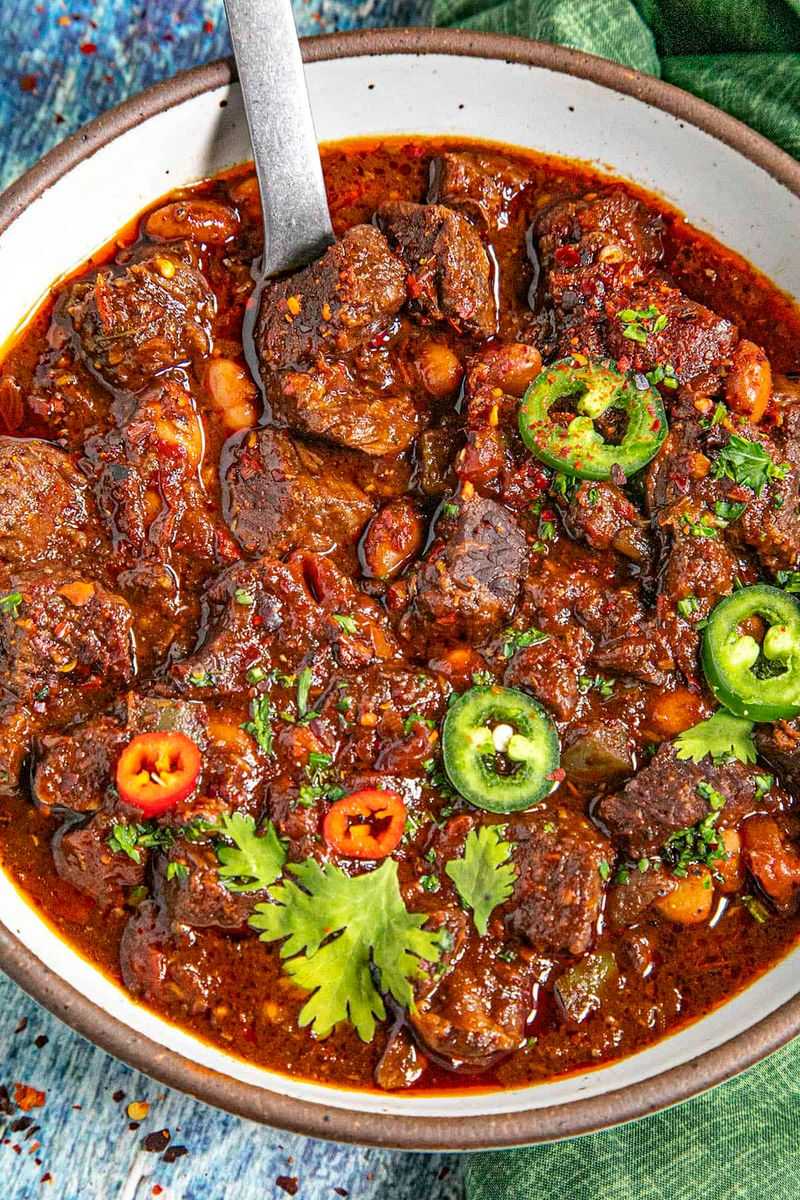
Ancho chili — a dried poblano pepper — brings a rich, chocolatey heat to chili con carne that no fresh pepper can match. Ground into a powder or rehydrated whole, it gives the dish a dark, brooding depth that makes it taste like it has been simmering for days.
Texans and Mexicans alike swear by ancho as the backbone of a great chili. Its mild heat and complex fruitiness make it approachable for most palates while still delivering serious, satisfying flavor.
10. Indian Cardamom Kheer
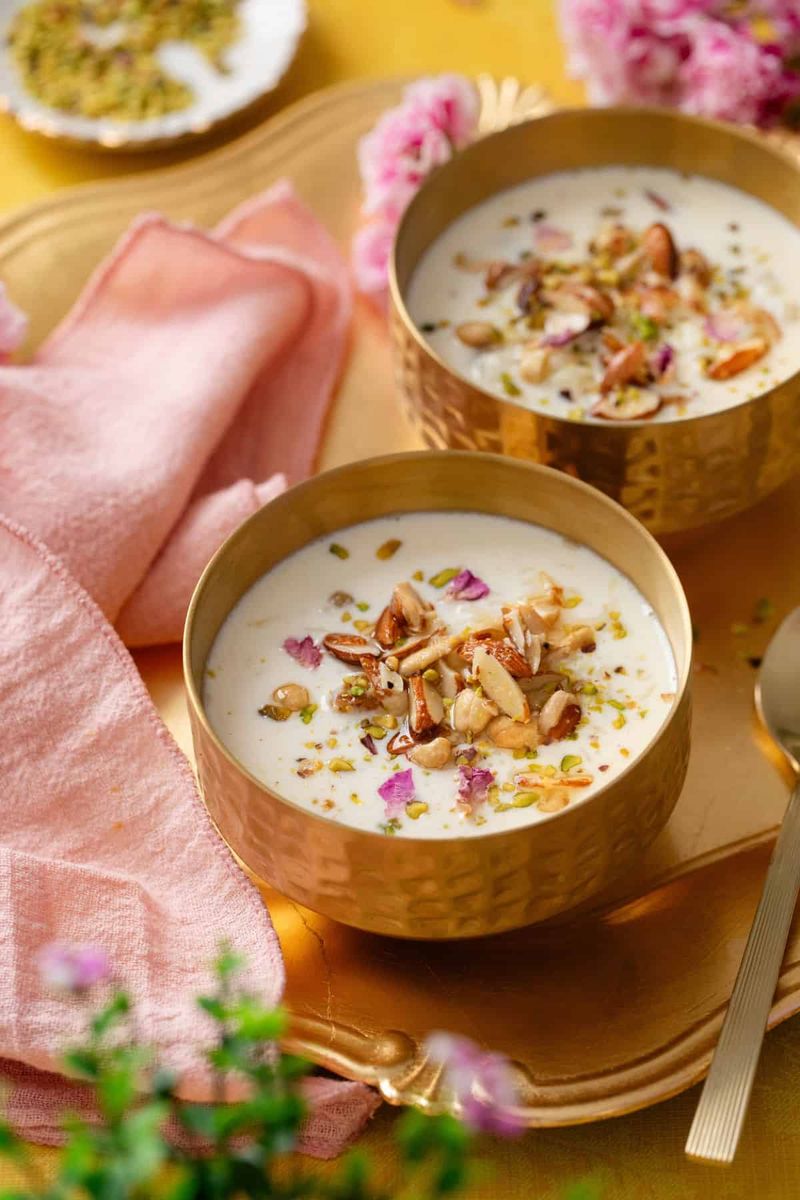
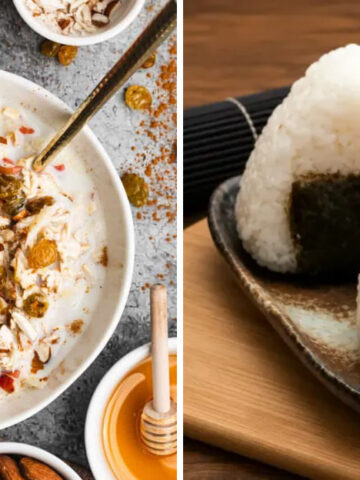
Cardamom is the spice of celebration in Indian kitchens, and nowhere does it shine brighter than in kheer. This creamy rice pudding is perfumed entirely by green cardamom pods, which release a floral, citrusy sweetness that turns a simple dessert into something magical.
Just two or three crushed pods are enough to define an entire pot. Topped with pistachios and rose petals, cardamom kheer is served at weddings, festivals, and family gatherings across the subcontinent with great pride.
11. Jamaican Jerk Chicken with Allspice
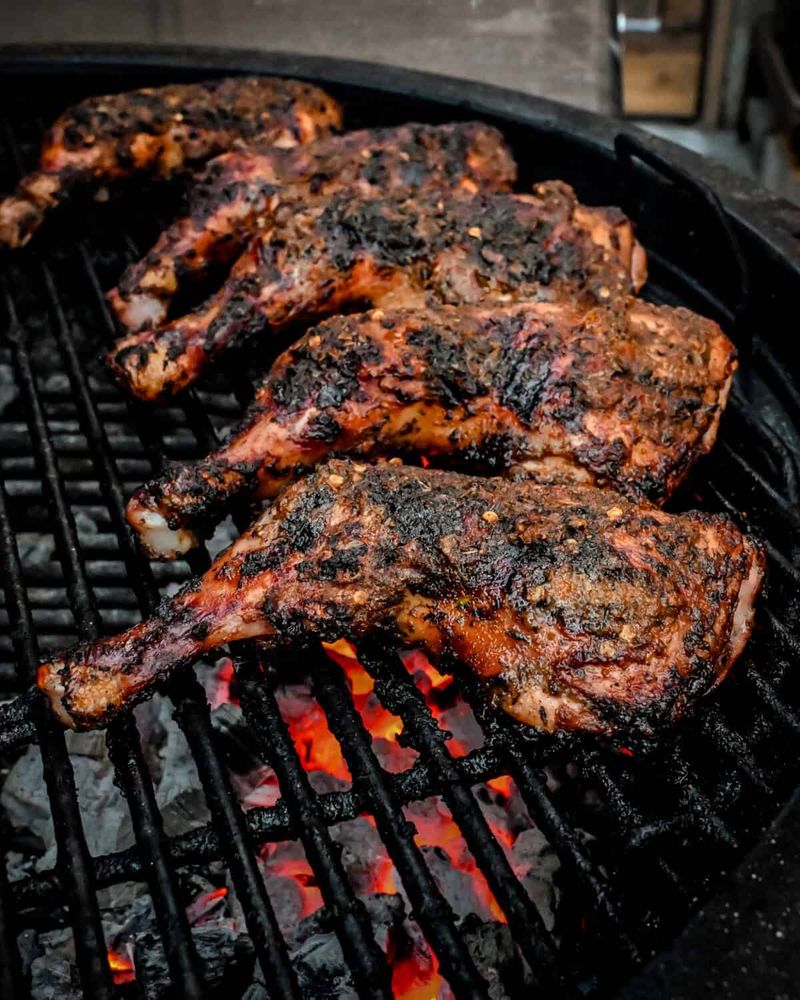
Allspice — called pimento in Jamaica — is the heartbeat of jerk seasoning. Its warm, clove-like flavor with hints of cinnamon and nutmeg is what makes jerk chicken taste like nothing else on earth.
Char it over a wood fire and the spice practically sings.
Jamaican jerk has been traced back to the Maroon communities of the 17th century, who used allspice berries to preserve and flavor wild boar. Today, it remains one of the Caribbean's most celebrated culinary exports worldwide.
12. Persian Saffron Ice Cream (Bastani)
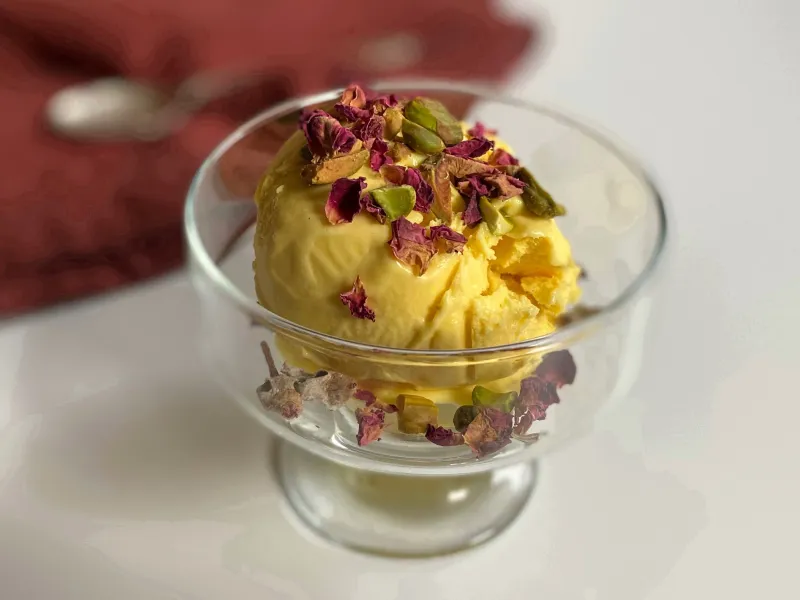
Bastani is Iran's most beloved ice cream, and saffron is what makes it unmistakably Persian. The spice threads through the cream, tinting it gold and filling each scoop with a delicate floral richness that feels both exotic and deeply comforting.
Rose water and pistachios often accompany the saffron, but the spice is always the lead. Iranians have been making bastani for centuries, and one taste explains why this frozen treat has never needed to change its recipe.
13. Greek Cinnamon Moussaka
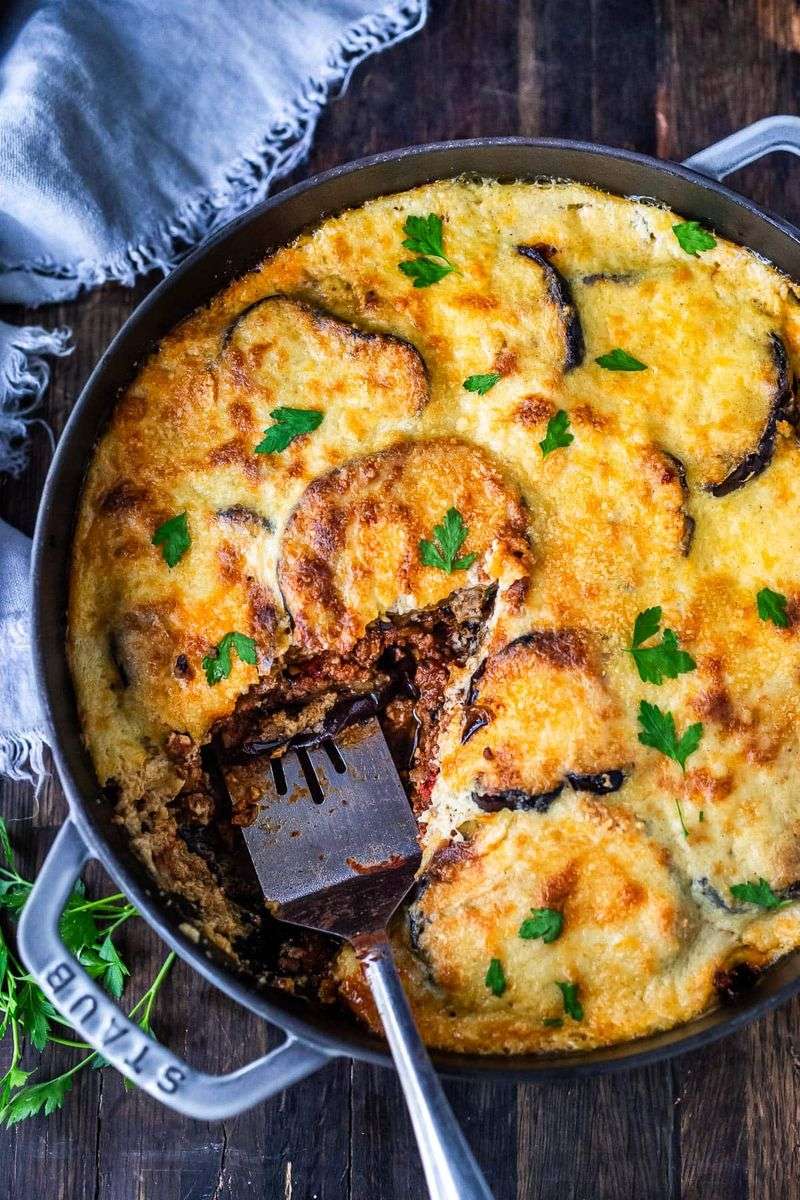
Cinnamon in a savory meat dish might sound unexpected, but in Greek moussaka it is completely essential. Ground into the lamb filling, it adds a warm sweetness that balances the richness of the meat and the creamy bechamel perfectly.
Greek cooks have been adding cinnamon to savory dishes since ancient times, a culinary tradition inherited from Byzantine and Ottoman influences. Without it, moussaka tastes flat.
With it, every layer of this baked casserole feels layered, complex, and undeniably Greek.
14. Taiwanese Five-Spice Braised Pork Rice
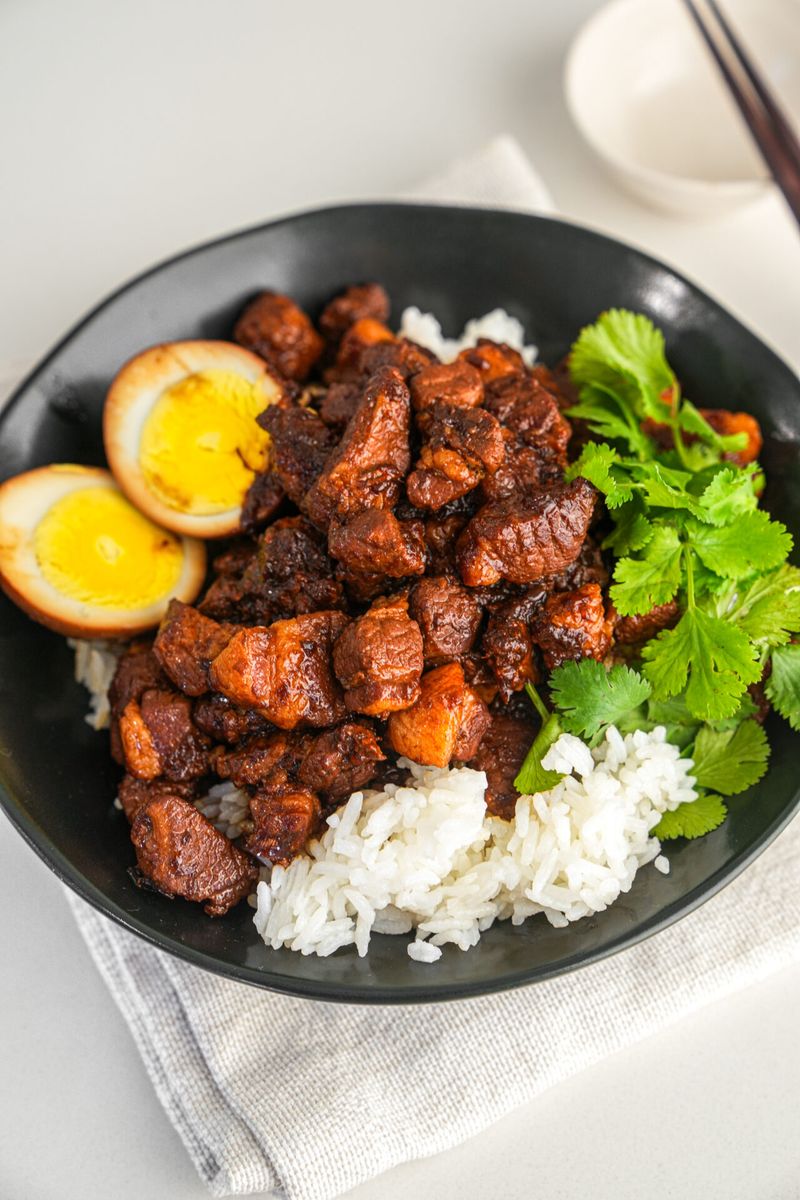
Five-spice powder is a blend, but in Taiwanese lu rou fan it functions as a single defining flavor — the one thing that makes this braised pork rice dish instantly recognizable. Star anise dominates the mix, wrapping the slow-cooked pork belly in a sweet, licorice-like warmth.
This dish is a Taiwanese comfort-food institution, sold from street carts and family restaurants alike. The pork melts into the rice along with its sauce, and the five-spice makes every bite feel like a warm hug.
15. Egyptian Dukkah-Crusted Fish
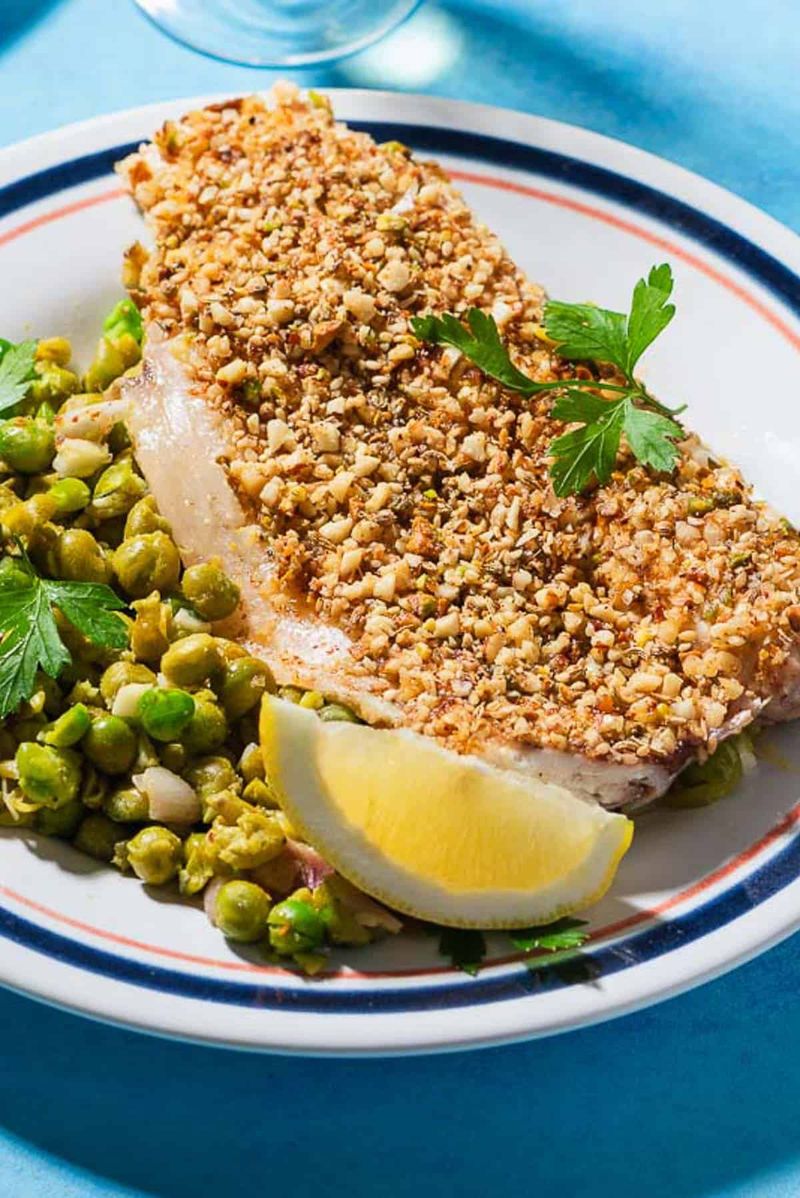
Dukkah is Egypt's treasured spice-and-nut blend, and when it forms the crust on a pan-seared fish fillet, it becomes the dish's entire personality. Coriander seed is the anchor of most dukkah recipes, lending a citrusy, slightly floral note that lifts the fish beautifully.
The blend is pressed onto the fish before cooking, toasting in the pan until fragrant and crunchy. Originally eaten as a dip with bread and olive oil, dukkah proves it is equally at home as a coating for seafood.
16. Korean Gochugaru Kimchi Jjigae
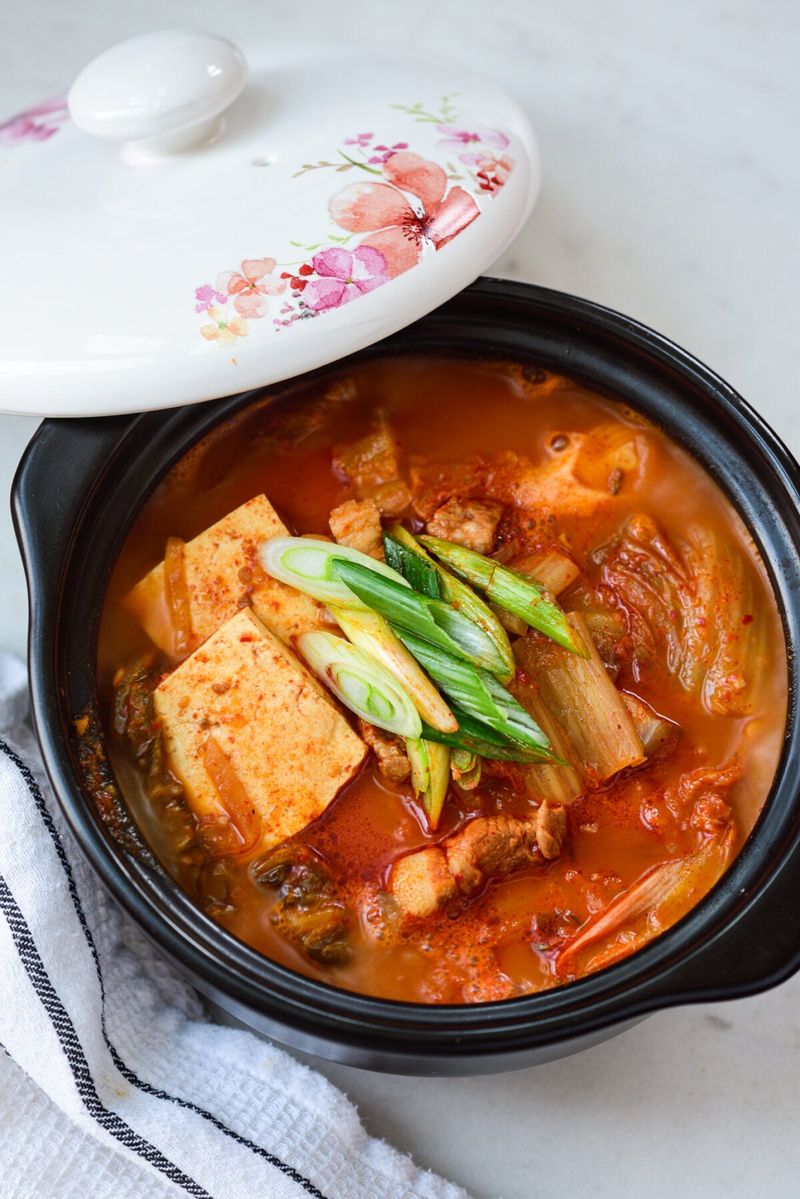
Gochugaru — Korean red chili flakes — is what gives kimchi jjigae its fiery red color and addictive, fruity heat. Unlike generic chili powder, gochugaru has a specific smokiness and sweetness that makes the stew taste unmistakably Korean from the very first spoonful.
The spice is made from sun-dried Korean red peppers and is ground to a coarse, vibrant flake. Simmered with fermented kimchi, tofu, and pork, it creates a broth so deeply flavorful that Koreans eat this stew year-round without ever growing tired of it.
17. Swedish Cardamom Buns

Walk into a Swedish bakery and the first thing you smell is cardamom — specifically, the warm, spiced fragrance of freshly baked kardemummabullar. These twisted buns are Sweden's answer to the cinnamon roll, and cardamom is their entire identity.
Swedes grind their cardamom fresh for maximum potency, which gives the buns an almost perfumed intensity that pre-ground spice cannot replicate. Paired with a strong black coffee during the Swedish tradition of fika, these buns are a small, perfect everyday pleasure.
18. North African Harissa Roasted Vegetables
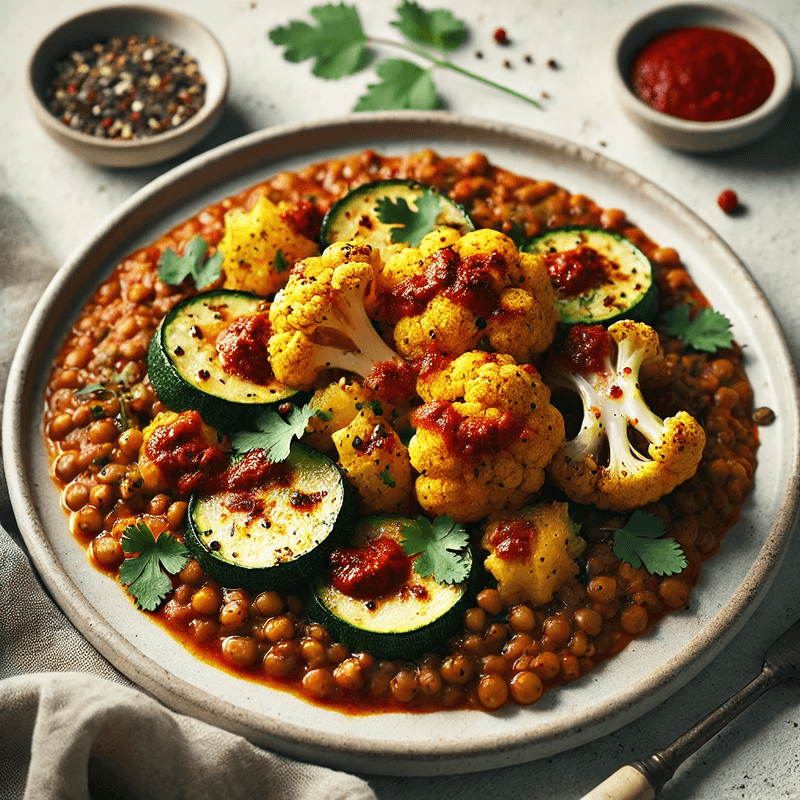
Harissa paste is built on a base of dried red chili peppers, and when roasted onto vegetables it becomes the loudest, most exciting thing on the plate. The heat is upfront but rounded, carrying hints of garlic and caraway that make the vegetables taste wildly complex.
Originating in Tunisia, harissa has spread across North Africa and into European kitchens with good reason. Tossed with cauliflower, zucchini, or chickpeas and roasted until caramelized, it transforms humble produce into something genuinely crave-worthy and vibrant.
19. Sri Lankan Black Pepper Crab
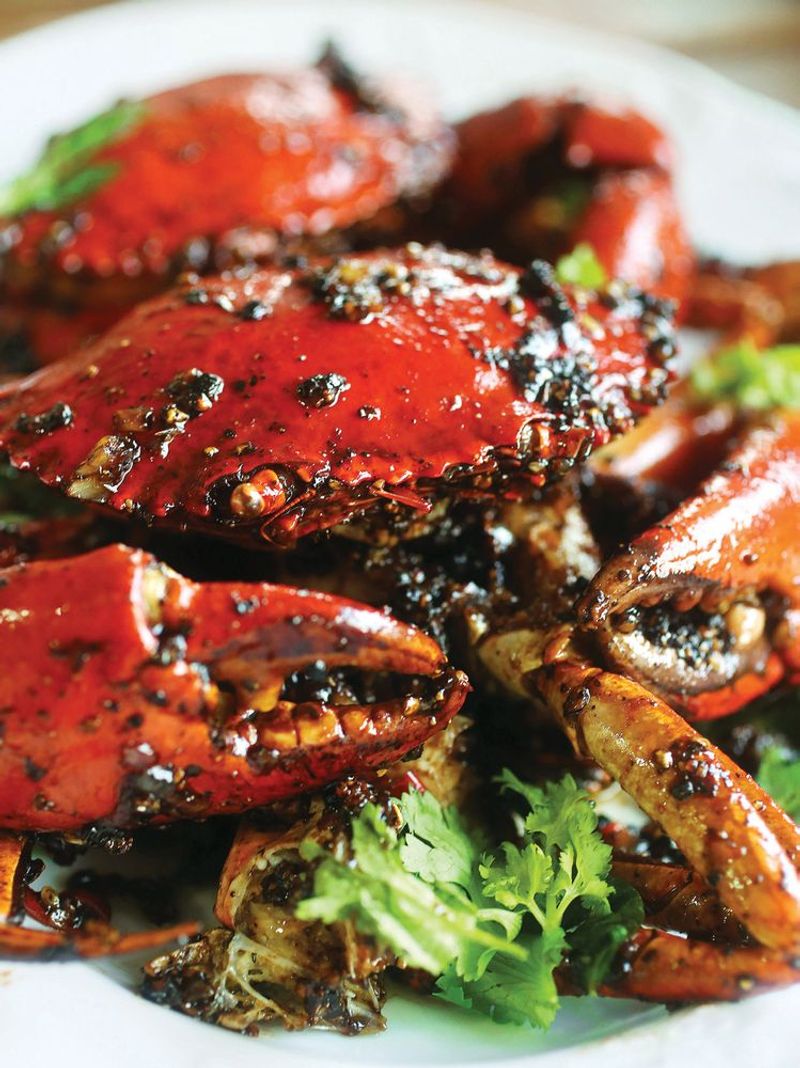
Black pepper might be the world's most common spice, but Sri Lankan black pepper crab treats it like royalty. Cracked coarsely and fried in butter with garlic and curry leaves, the pepper forms a fragrant, fiery crust on the crab that is absolutely spectacular.
Sri Lanka grows some of the finest black pepper in the world, and this dish was born to showcase it. The spice's sharp heat and piney aroma cut through the sweet crab meat perfectly, creating a balance that feels effortless and deeply satisfying.
20. Turkish Sumac Chicken
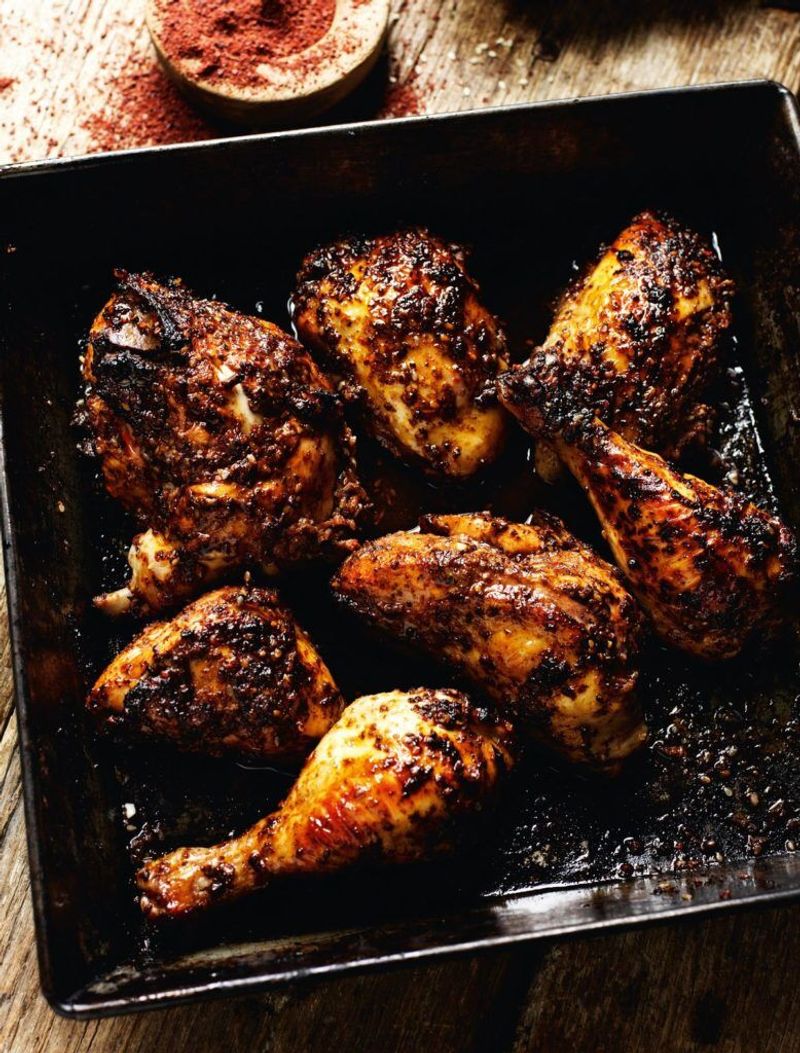
Sumac is a tart, ruby-red spice made from dried berries, and it does something extraordinary to roasted chicken — it adds a bright, lemony acidity that no citrus fruit can quite replicate. Turkish cooks rub it generously onto chicken before roasting, letting the heat intensify its flavor.
The spice creates a beautiful dark crust on the skin while keeping the meat juicy inside. Served with sumac-pickled onions and flatbread, this dish is a stunning example of how one ingredient can completely define a recipe.
21. Vietnamese Star Anise Pho
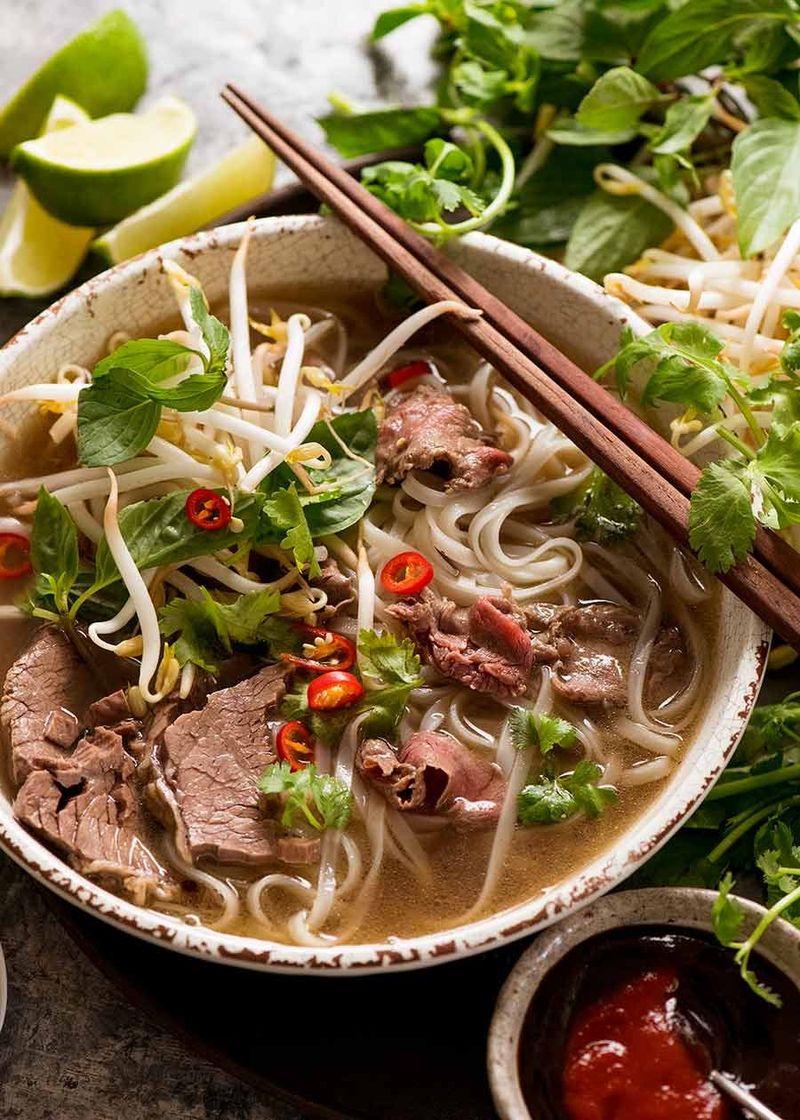
Star anise is the soul of pho. Without it, Vietnam's most famous soup is just beef broth and noodles.
With it, the broth becomes something hauntingly fragrant — sweet, licorice-scented, and complex in a way that keeps people coming back bowl after bowl.
The spice is toasted before being added to the broth, which deepens its flavor significantly. Pho masters often simmer their broth for twelve hours or more, allowing the star anise to slowly perfume every drop of liquid in the pot.
22. Yemeni Fenugreek Saltah
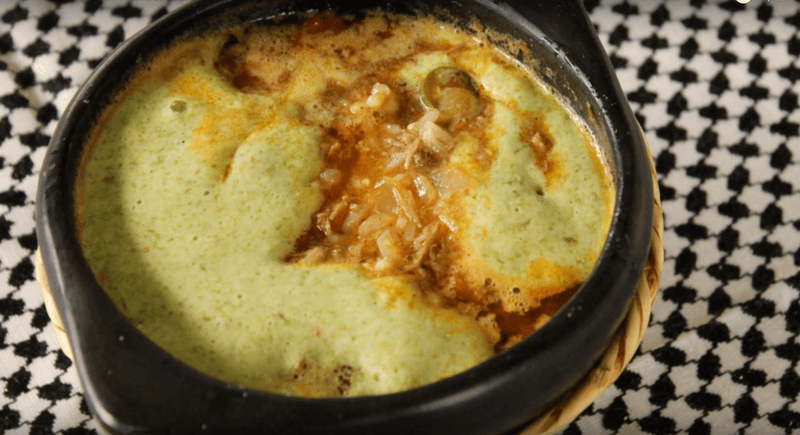
Saltah is Yemen's national dish, and the one ingredient that sets it apart from every other stew in the world is fenugreek. Whipped into a frothy, green foam called hulba, fenugreek sits on top of the bubbling stew like a savory meringue, releasing a bitter, maple-like aroma.
Fenugreek has a deeply polarizing flavor — people either love it immediately or need time to warm up to it. In saltah, it is non-negotiable, tying together the tomato broth and lamb into a dish that is uniquely, proudly Yemeni.
23. American Cajun Blackened Catfish
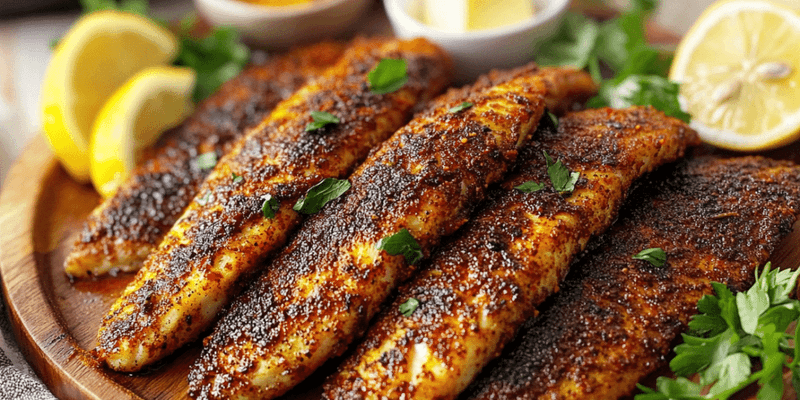
Cajun blackening spice is a fiery mix, but cayenne pepper is its undeniable engine. When a catfish fillet is pressed into the spice blend and seared in a screaming-hot cast iron skillet, the cayenne creates that iconic black crust — charred on the outside, perfectly flaky within.
Chef Paul Prudhomme popularized blackened fish in Louisiana during the 1980s, and it became a cultural phenomenon overnight. The cayenne-forward heat is bold but balanced by herbs, making this one of the most exciting ways to cook a simple piece of fish.

Comments
No Comments