













Eating the same meals every day can get boring fast. A few simple tricks can turn ordinary dishes into something exciting and delicious.
You do not need to be a professional chef or spend a lot of money to make your food taste amazing. These ideas will help you bring new life to your kitchen and make every meal something to look forward to.
1. Add a Homemade Compound Butter
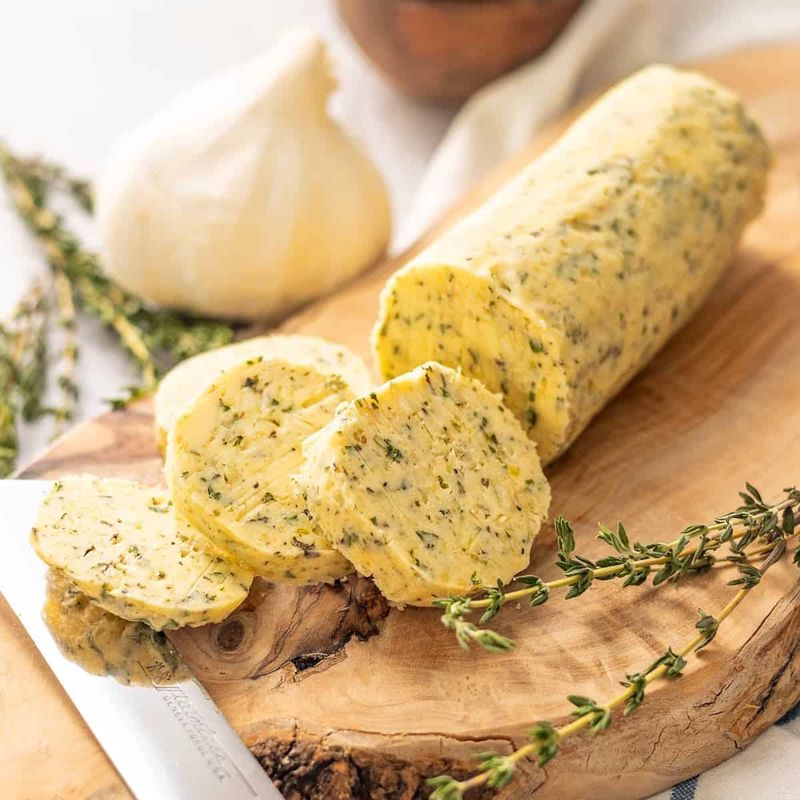
Mixing softened butter with herbs, garlic, or citrus zest creates a flavor-packed topping that melts beautifully over steak, fish, or roasted vegetables. It takes about five minutes to make and can be stored in the fridge for a week.
Roll it in plastic wrap and slice off coins whenever you need a quick flavor boost. One small pat can completely change the taste of a simple dish.
2. Toast Your Spices Before Using Them
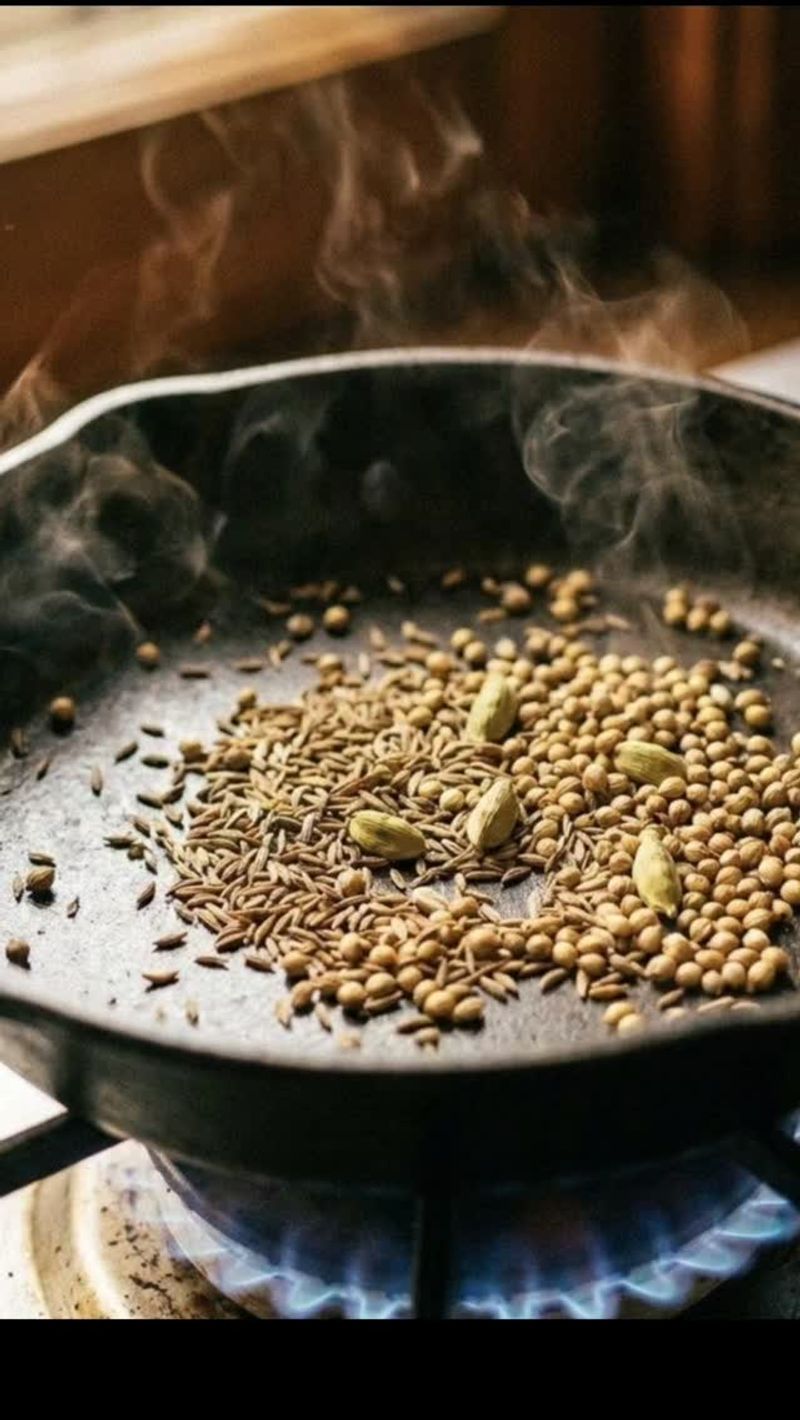
Most people add spices straight from the jar, but toasting them first unlocks a deeper, richer flavor that makes a huge difference. Just toss them in a dry pan over medium heat for about 60 seconds until they smell fragrant.
Be careful not to burn them, since that can make food taste bitter. This one small step can make curries, soups, and grain dishes taste like they came from a restaurant.
3. Finish Dishes With a Squeeze of Citrus
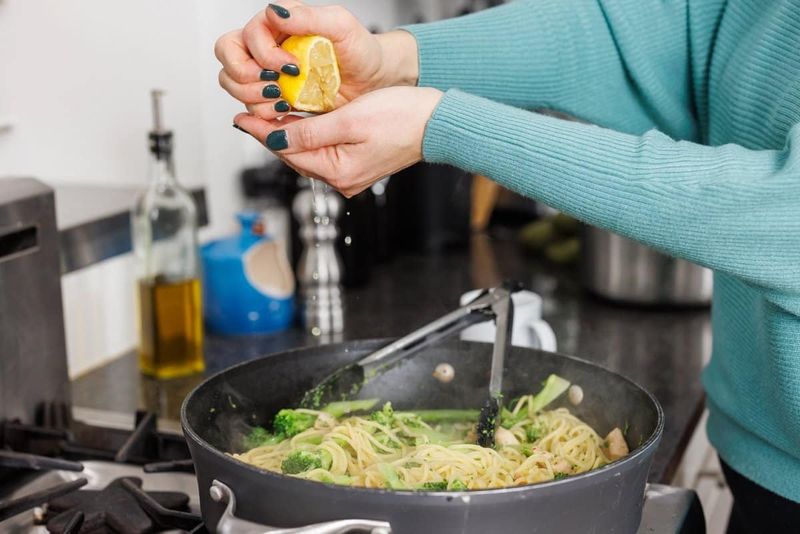
A splash of lemon or lime juice right before serving wakes up all the other flavors in a dish. Acid balances richness and cuts through heaviness, making food taste fresher and brighter without adding many calories.
Try it on pasta, grilled chicken, roasted vegetables, or even soup. You will be surprised how much a tiny squeeze changes the overall taste.
Keep a few citrus fruits on hand as a daily kitchen habit.
4. Use Brown Butter for a Nutty Richness
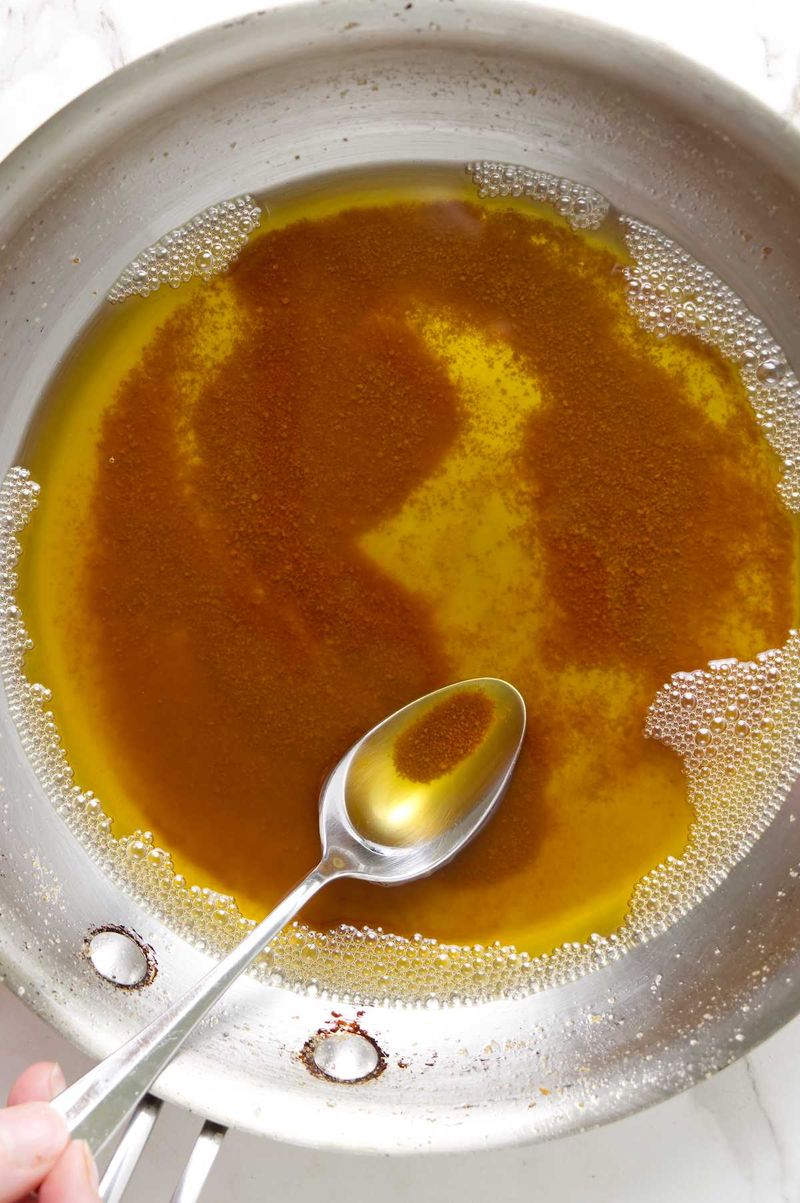
Brown butter sounds fancy, but it is simply regular butter cooked until the milk solids turn golden and nutty. The transformation takes about three minutes and adds a deep, caramel-like flavor to both sweet and savory dishes.
Drizzle it over scrambled eggs, roasted cauliflower, or homemade pancakes for an instant upgrade. Once you try it, plain melted butter will never feel the same again.
5. Swap Regular Salt for Flavored Salts
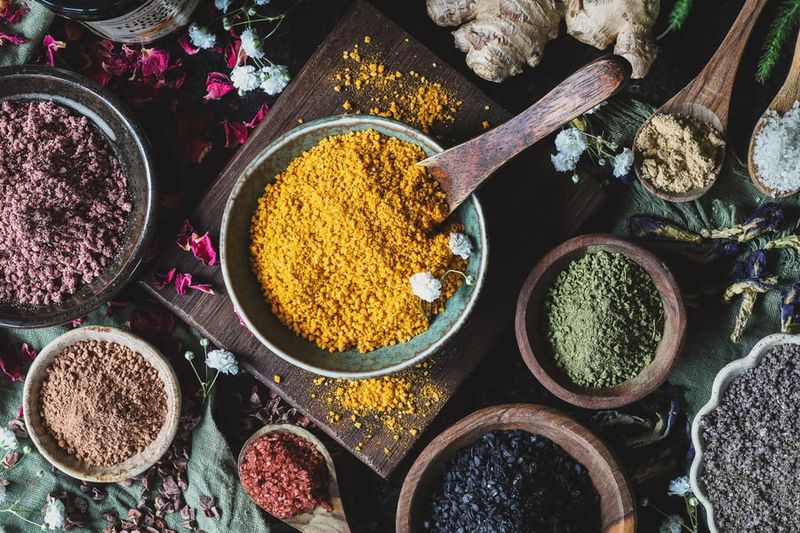
Not all salt is created equal. Smoked salt adds a barbecue-like depth, truffle salt brings earthiness, and lemon-herb salt brightens up lighter dishes.
Using the right finishing salt can completely change how a meal tastes.
Sprinkle a pinch on top of food just before eating, not during cooking, so the flavor stays bold and distinct. Flavored salts are easy to find online or at specialty grocery stores and make great gifts too.
6. Make a Quick Homemade Sauce
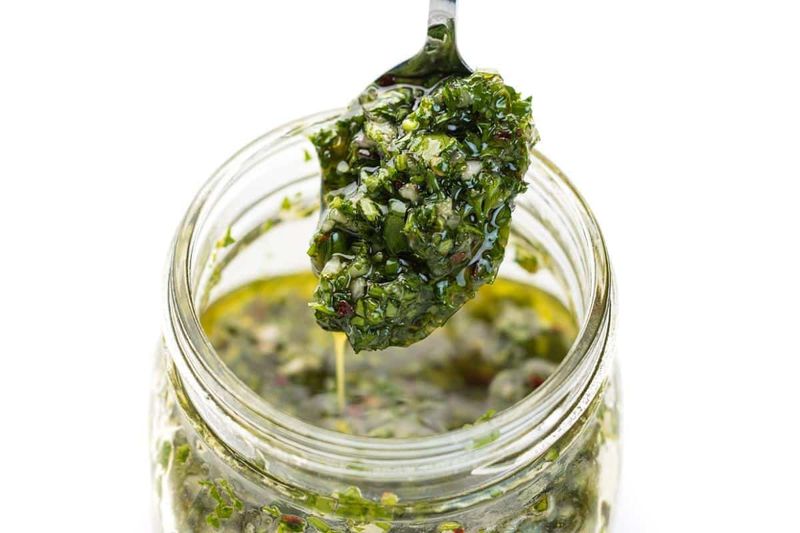
Store-bought sauces are convenient, but a quick homemade version almost always tastes better. Chimichurri, tahini drizzle, or a simple pan sauce made from the drippings in your skillet can transform a plain protein into something memorable.
Most homemade sauces come together in under ten minutes. Having a go-to sauce recipe makes weeknight cooking feel more exciting and gives you control over ingredients, sodium, and flavor.
7. Layer Textures in Every Plate
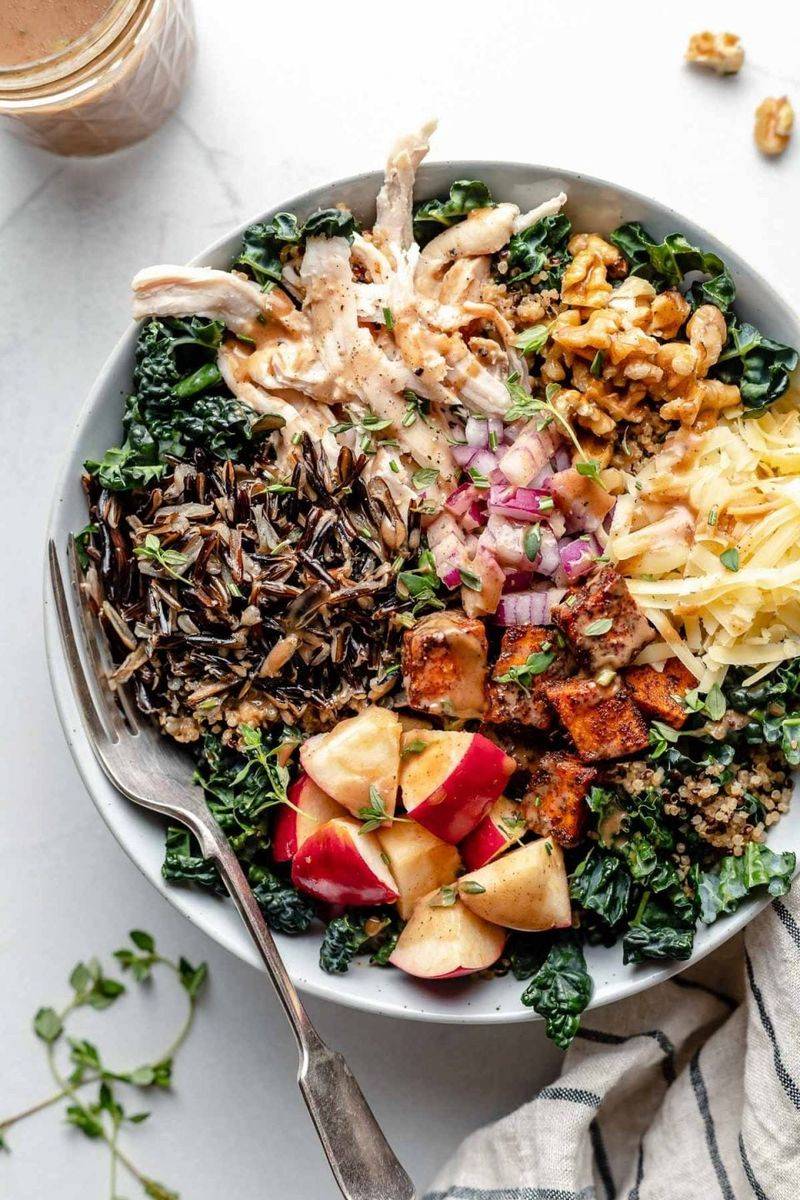
Great food is not just about taste - it is about how it feels in your mouth. A meal with only soft textures can feel flat and unexciting.
Adding something crunchy, creamy, or chewy makes each bite more interesting.
Top your soup with croutons, add toasted nuts to a salad, or place crispy shallots over mashed potatoes. Thinking about texture is one of the easiest ways to cook more like a professional chef.
8. Try Marinating Proteins Overnight
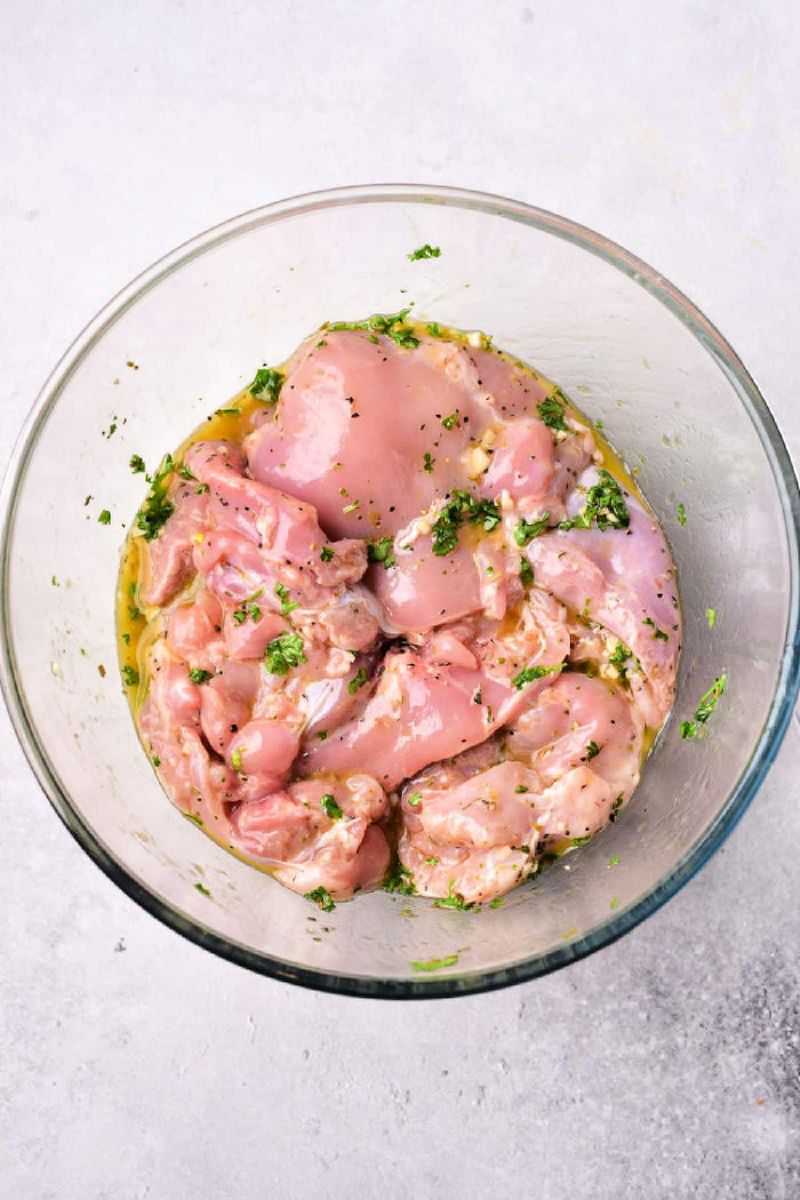
Marinating meat or tofu overnight allows flavors to soak deep into the food, making it taste far more complex than a quick seasoning ever could. Even a simple mix of olive oil, garlic, and herbs does the job well.
Acid-based marinades, like those using vinegar or citrus, also help tenderize tougher cuts of meat. Prep your marinade the night before so dinner the next day practically cooks itself.
9. Roast Vegetables at High Heat
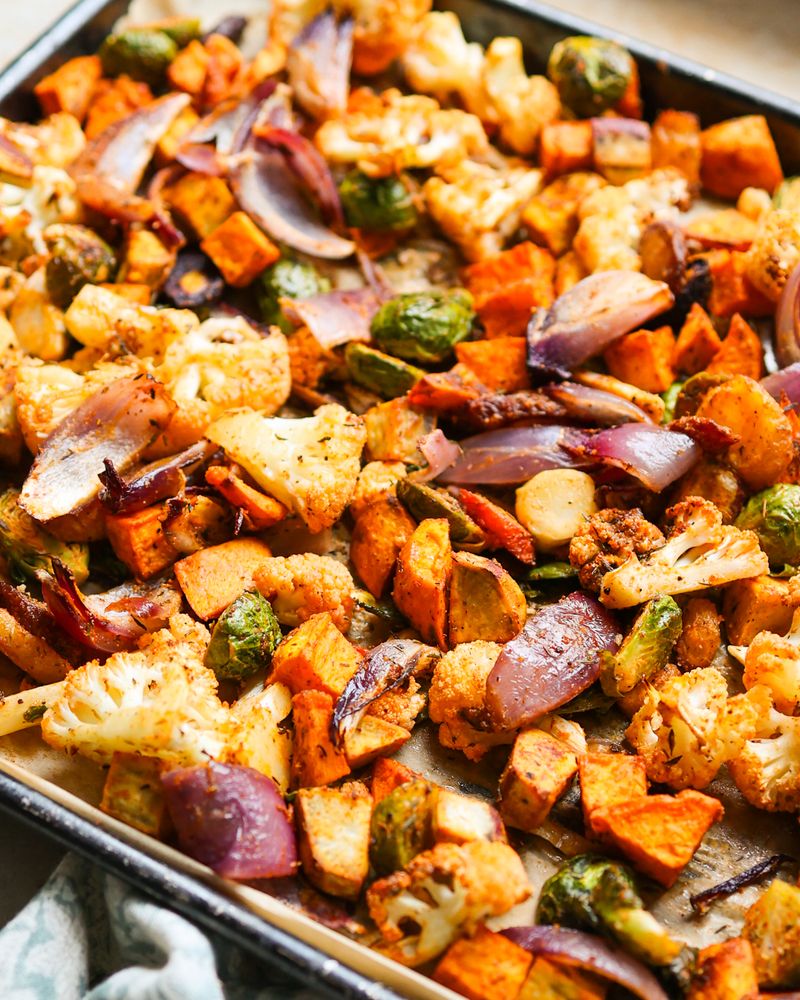
Steamed vegetables are fine, but roasting them at 425 degrees Fahrenheit or higher creates caramelized edges and a deeper, sweeter flavor that most people find irresistible. The high heat draws out natural sugars and creates crispy bits that are genuinely satisfying.
Toss vegetables in olive oil, salt, and pepper, then spread them in a single layer so they roast rather than steam. Even picky eaters tend to enjoy vegetables prepared this way.
10. Add Umami With Unexpected Ingredients
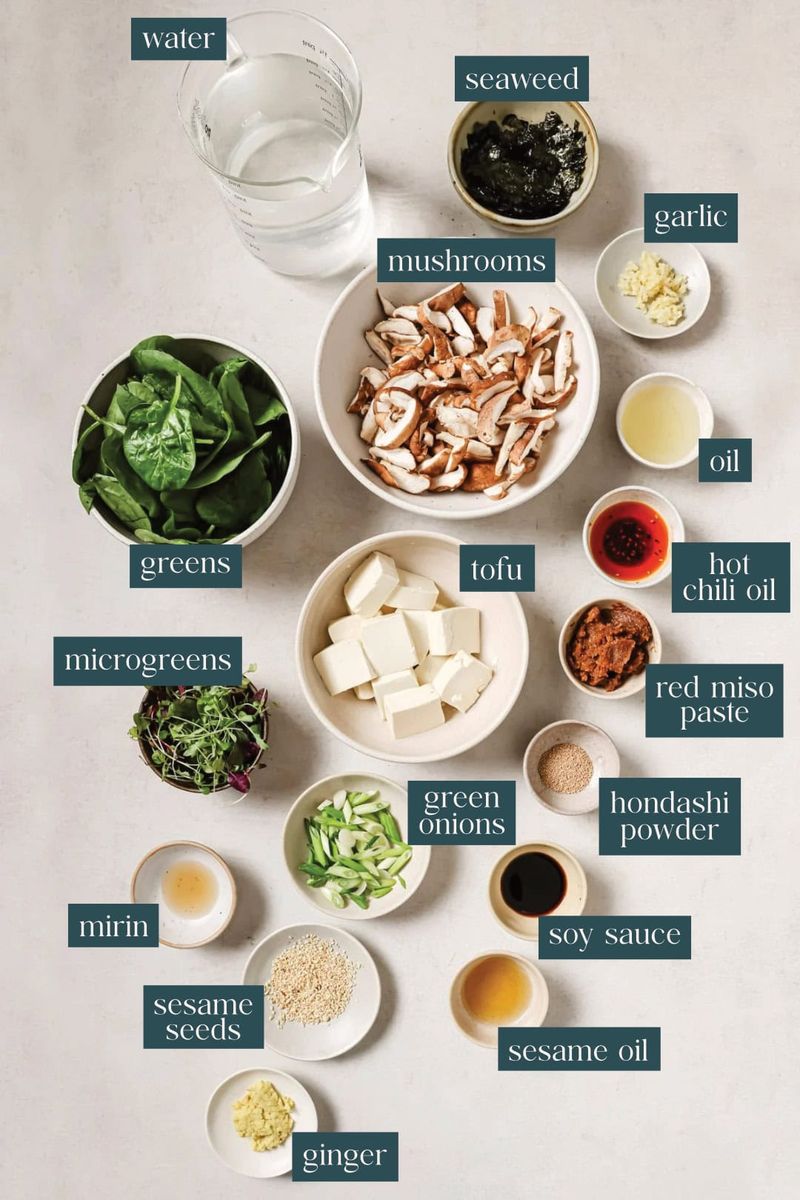
Umami is the savory, deeply satisfying flavor found in foods like soy sauce, miso, anchovies, and parmesan rind. Adding just a small amount of an umami-rich ingredient to soups, stews, or sauces makes everything taste more complex and hearty.
Try stirring a teaspoon of miso into your salad dressing or dropping a parmesan rind into your next pot of soup. These small additions are the secret behind restaurant-quality depth of flavor.
11. Garnish With Fresh Herbs at the End
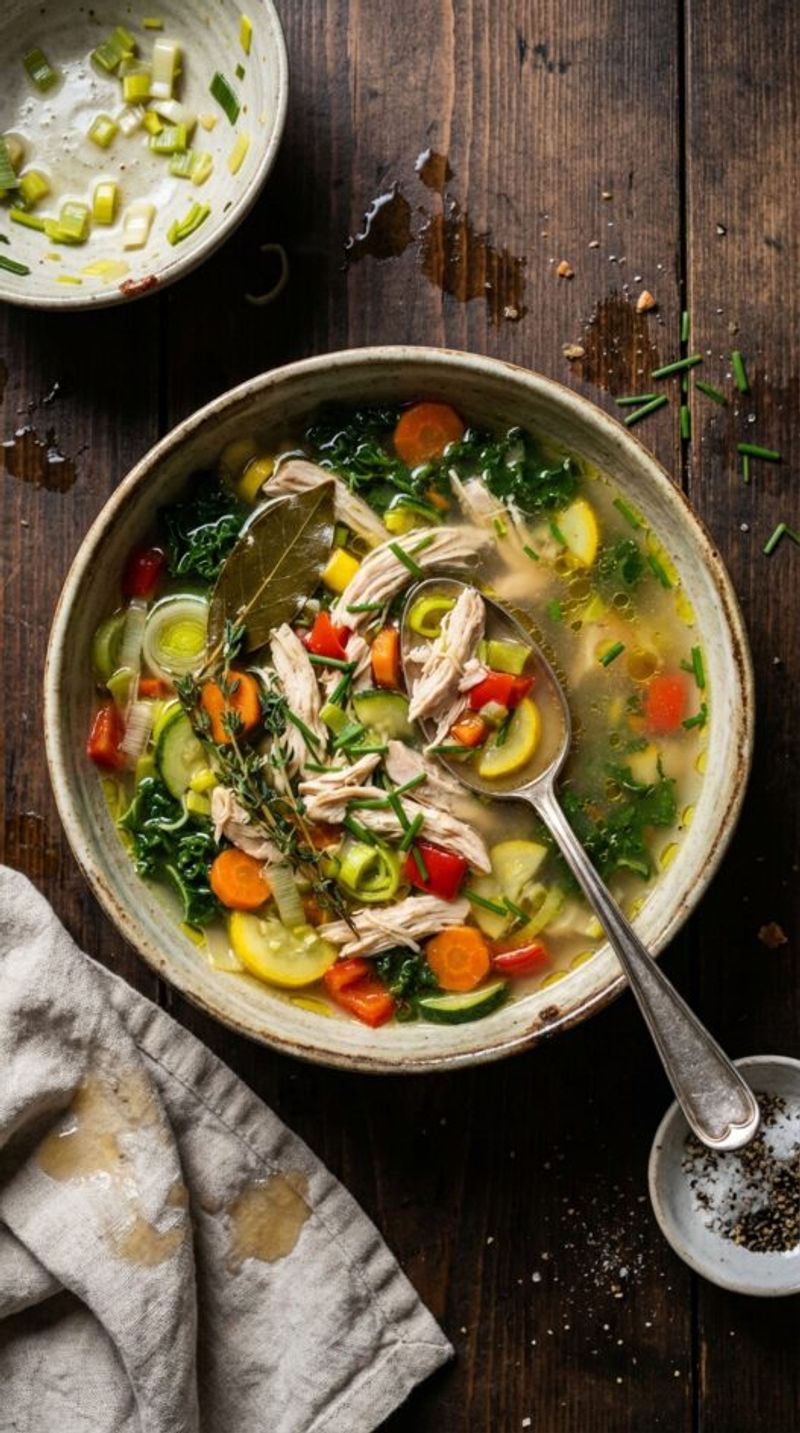
Fresh herbs added at the end of cooking bring a burst of color, aroma, and brightness that dried herbs simply cannot match. Basil, cilantro, chives, and parsley are all easy to keep on hand and make any dish look more polished.
Chopping herbs right before serving preserves their essential oils and flavor. Even a simple bowl of canned soup can look and taste restaurant-worthy with a handful of fresh herbs scattered on top.
12. Use Stock Instead of Water When Cooking Grains
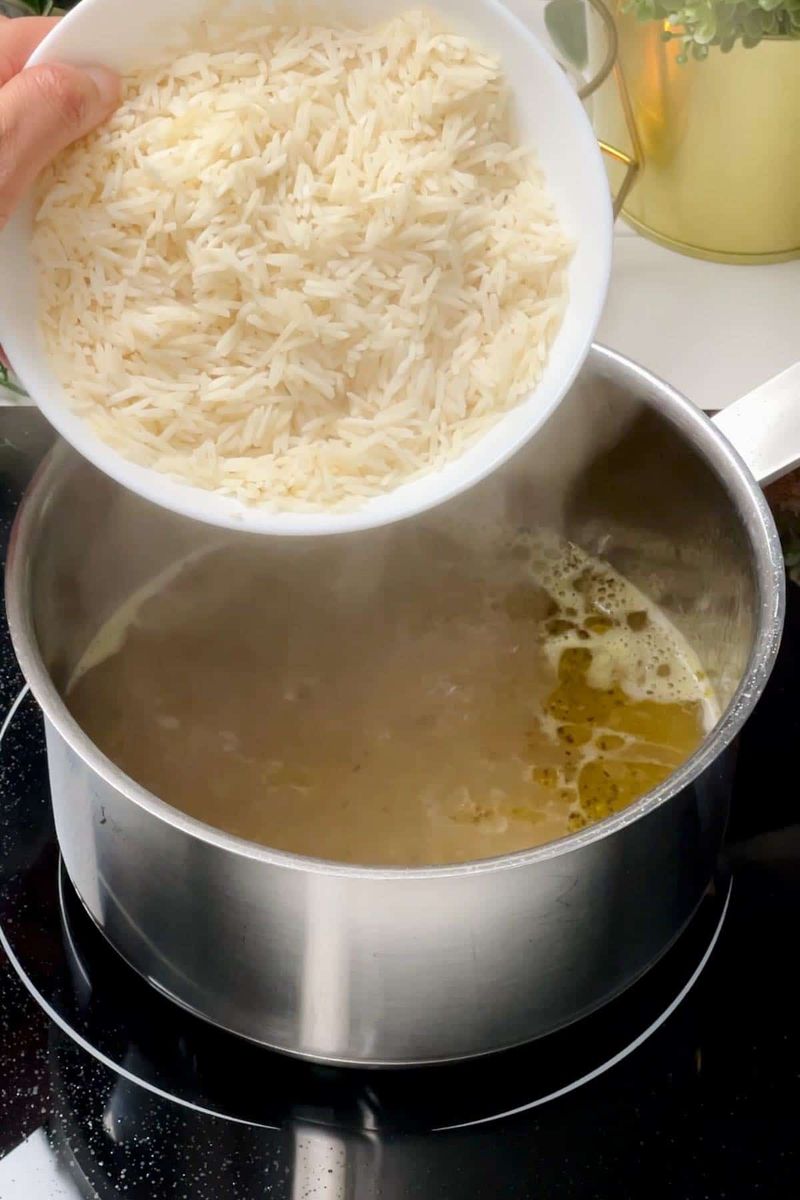
Cooking rice, quinoa, or farro in vegetable or chicken stock instead of plain water is one of the simplest flavor upgrades you can make. The grains absorb the liquid as they cook, picking up all that savory goodness along the way.
The result is a side dish that tastes fully seasoned even before you add anything else. This trick works especially well for grain bowls, stuffed peppers, and rice pilafs.
13. Pickle Something Quick
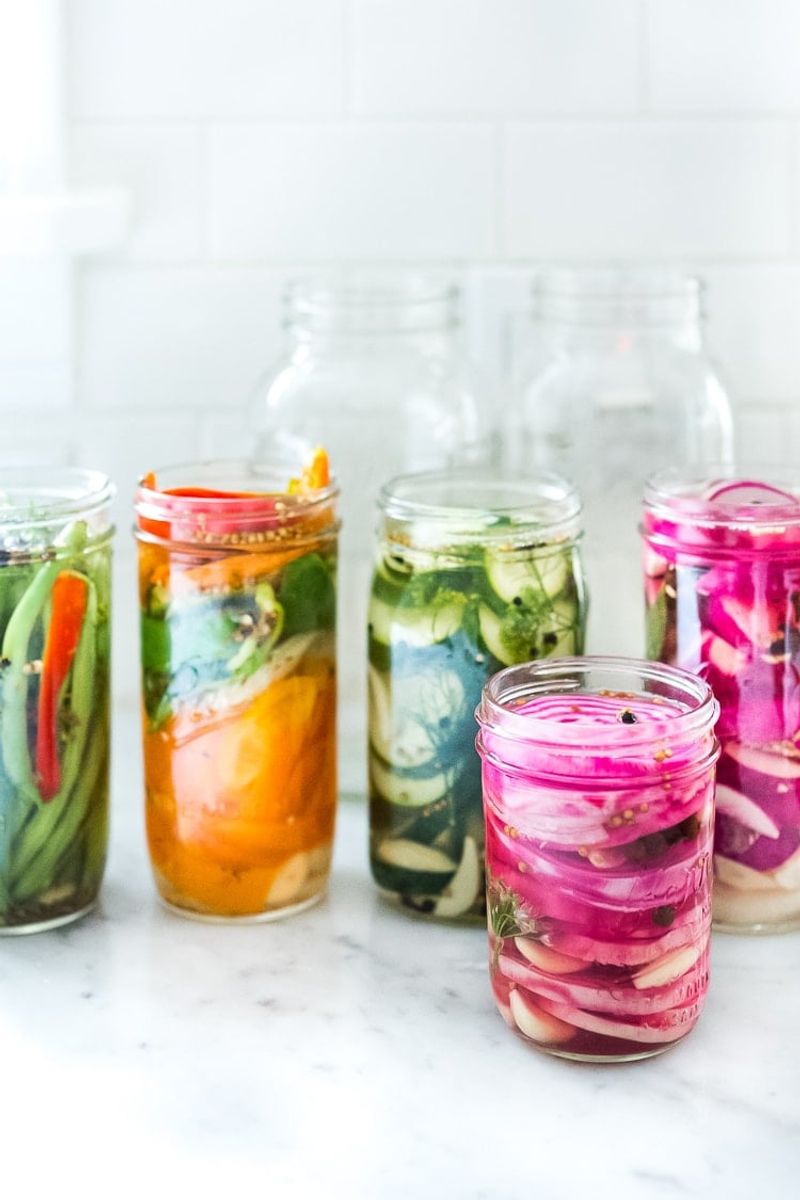
Quick pickling is not the same as traditional canning - it takes about 15 minutes and lives in your fridge for up to two weeks. All you need is vinegar, sugar, salt, and whatever vegetable you want to transform.
Pickled red onions on tacos, pickled cucumbers on sandwiches, or pickled jalapenos on nachos add a tangy punch that elevates every bite. Once you start quick pickling, you will want to put them on everything.
14. Experiment With Global Spice Blends
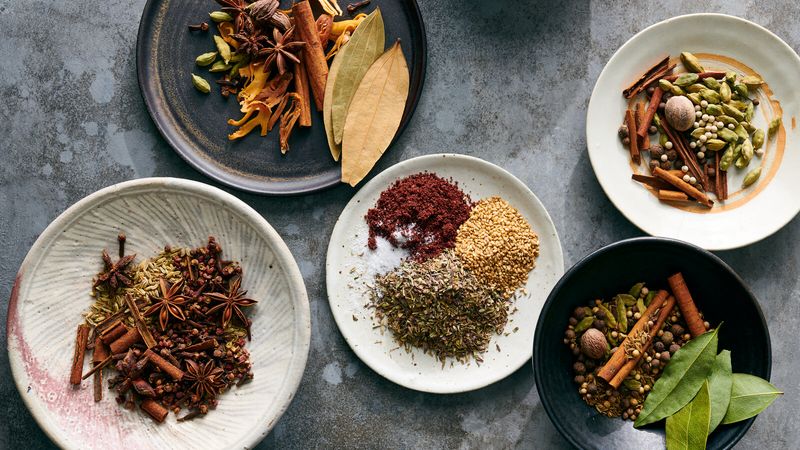
Za'atar from the Middle East, garam masala from India, and berbere from Ethiopia are just a few of the world's incredible spice blends that can completely change a familiar dish. Rubbing za'atar on chicken or stirring garam masala into lentils makes food feel like a culinary adventure.
Most international spice blends are available at grocery stores or online. Trying one new blend per week is a fun and low-effort way to expand your cooking skills.
15. Build a Better Bowl With Toppings
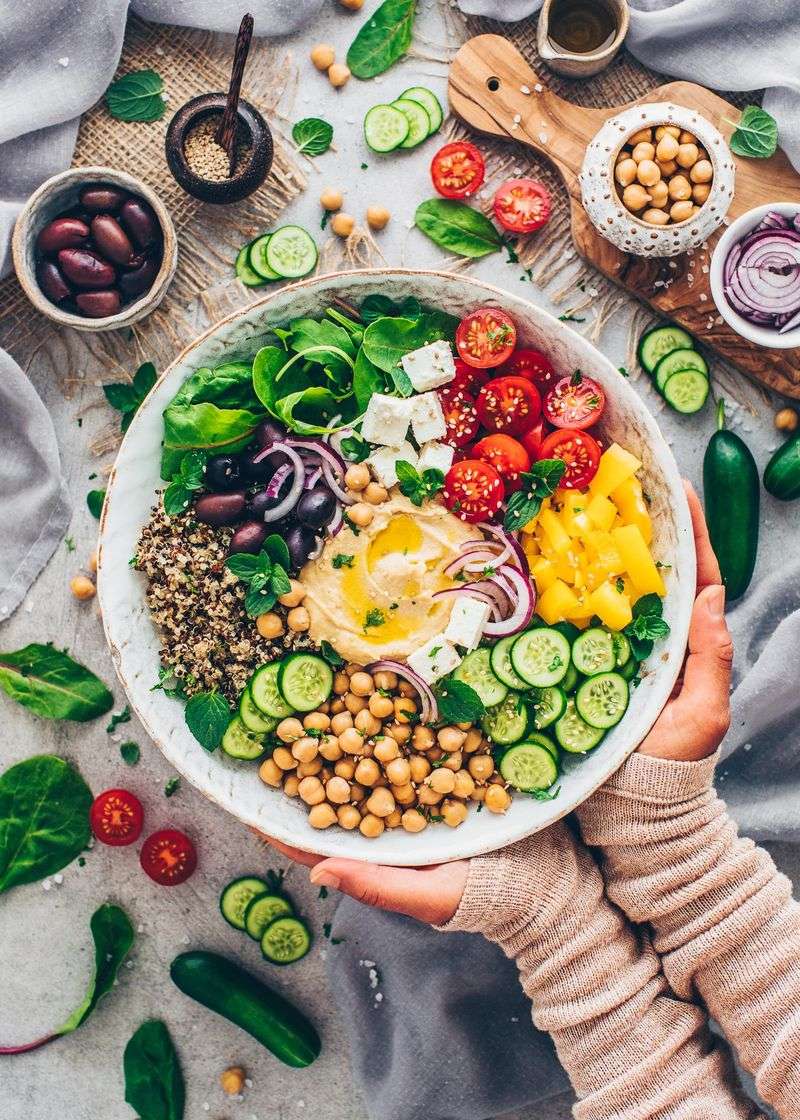
Bowl meals are endlessly customizable and a great way to use up leftovers. Start with a grain base, add a protein, pile on vegetables, and finish with a sauce and crunchy toppings for a meal that feels complete and exciting.
The key is variety - aim for at least four different colors on your bowl. Not only does it look beautiful, but it also means you are getting a wide range of nutrients in a single meal.
16. Char Ingredients for Smoky Flavor
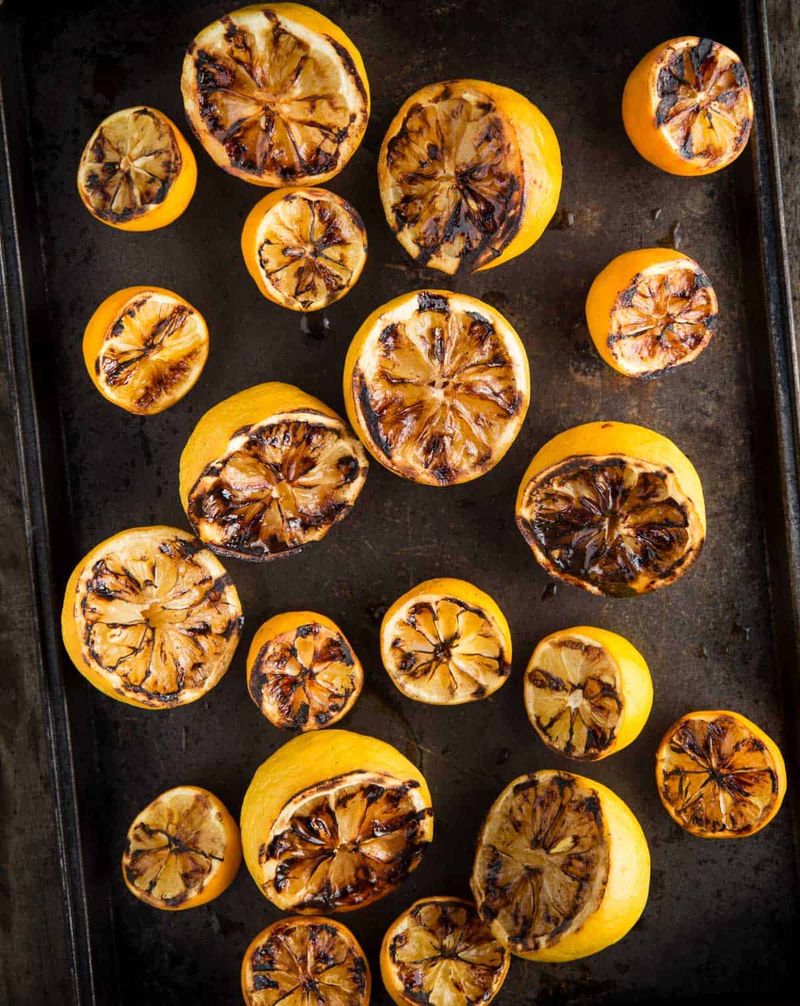
Charring - intentionally burning the edges of food slightly - creates a smoky, bittersweet complexity that adds serious depth. Char lemons before squeezing them over fish, blister tomatoes before adding them to salsa, or grill corn until the kernels turn golden and caramelized.
This technique works indoors on a cast iron pan or outdoor on a grill. A little bit of char goes a long way, so do not overdo it.
17. Upgrade Breakfast With Savory Toppings
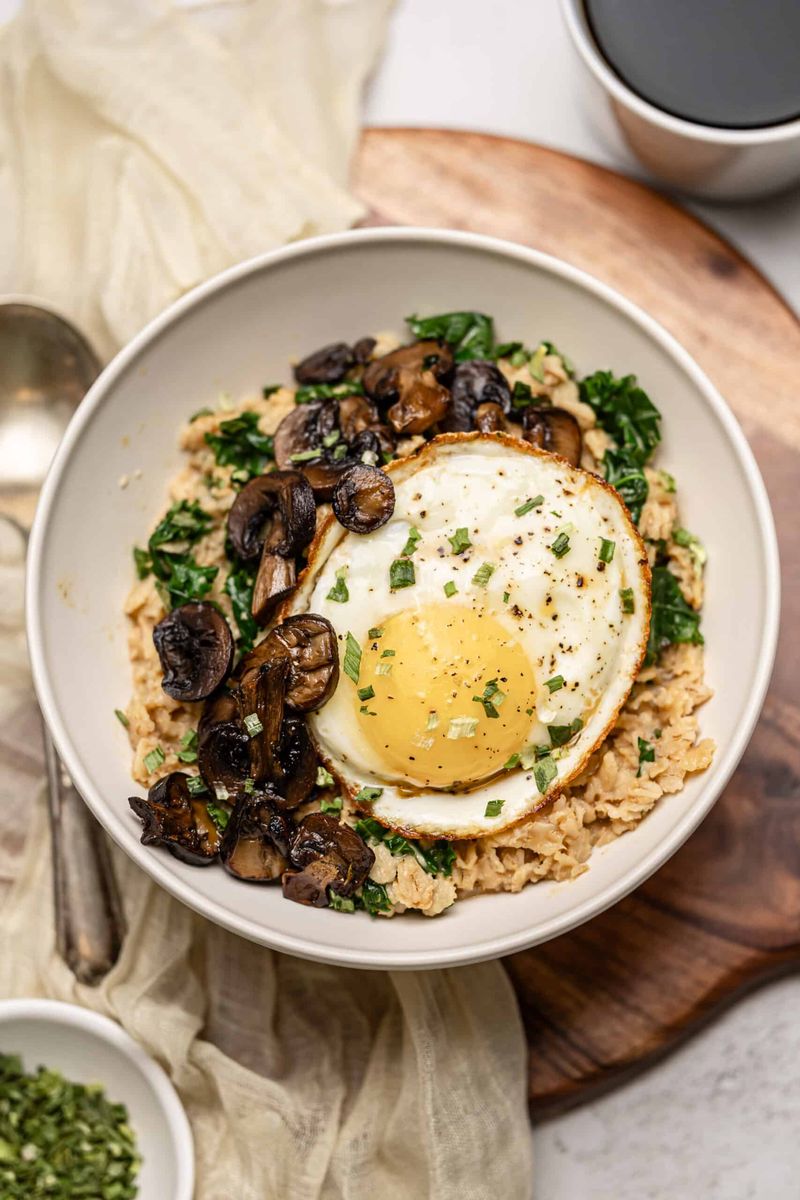
Breakfast does not have to be sweet. Savory oatmeal topped with a poached egg, miso butter, and scallions is a game-changer for anyone who usually finds morning meals boring.
Even avocado toast gets better with a fried egg and chili flakes.
Thinking outside the typical breakfast box opens up a whole new world of morning meals. Savory options also tend to keep you fuller longer because they often include protein and healthy fats.
18. Make Crispy Toppings From Pantry Staples
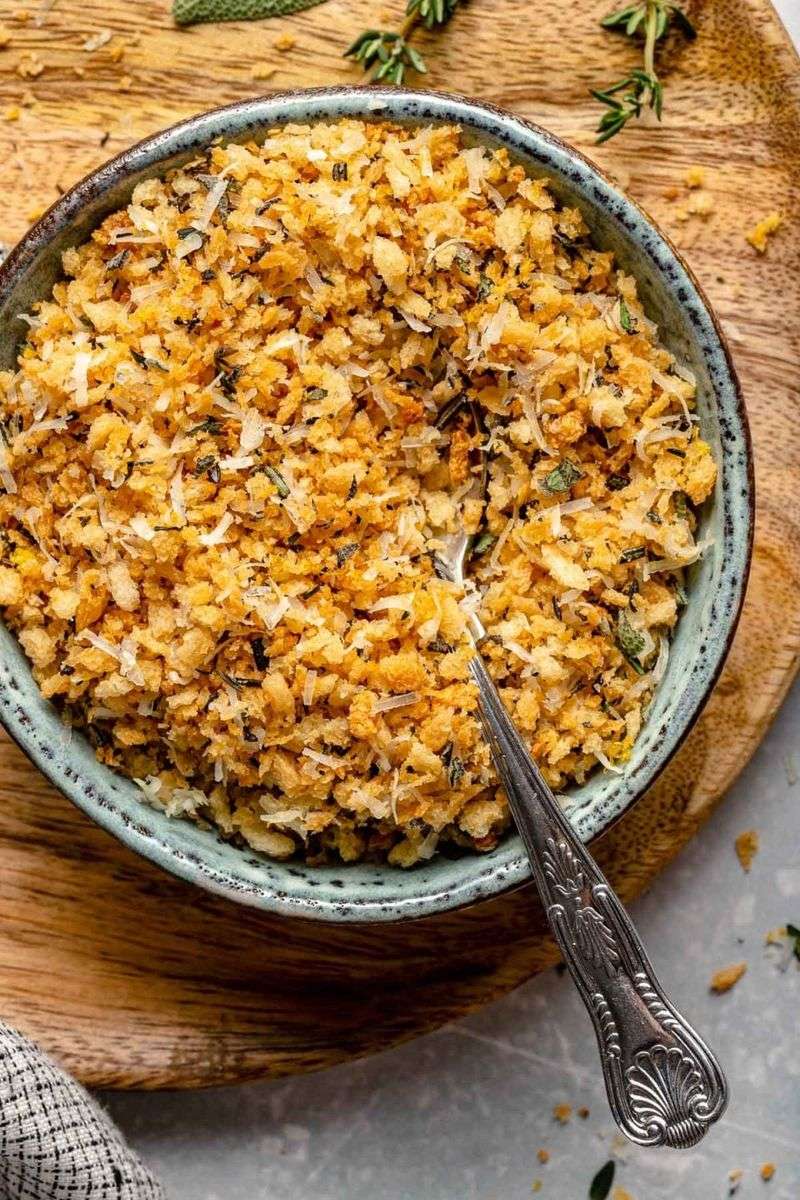
Panko breadcrumbs toasted in olive oil, crushed tortilla chips, or fried capers can all serve as crunchy toppings that make soups, salads, and pasta more exciting. These toppings are cheap, quick to make, and add a satisfying crunch to almost any dish.
Keep a small jar of toasted breadcrumbs or mixed seeds in your pantry for easy access. Sprinkling them over a weeknight meal takes two seconds and makes the plate feel far more special.
19. Infuse Your Oils for Extra Flavor

Infused oils are incredibly easy to make and add a gourmet touch to everyday cooking. Warm olive oil gently with garlic, chili flakes, or fresh rosemary for about ten minutes, then let it cool and strain it into a bottle.
Drizzle chili oil over pizza or eggs, garlic oil over pasta, or herb oil over roasted vegetables. Homemade infused oil also makes a thoughtful and impressive gift for friends who love to cook.
20. Plate Your Food With Intention
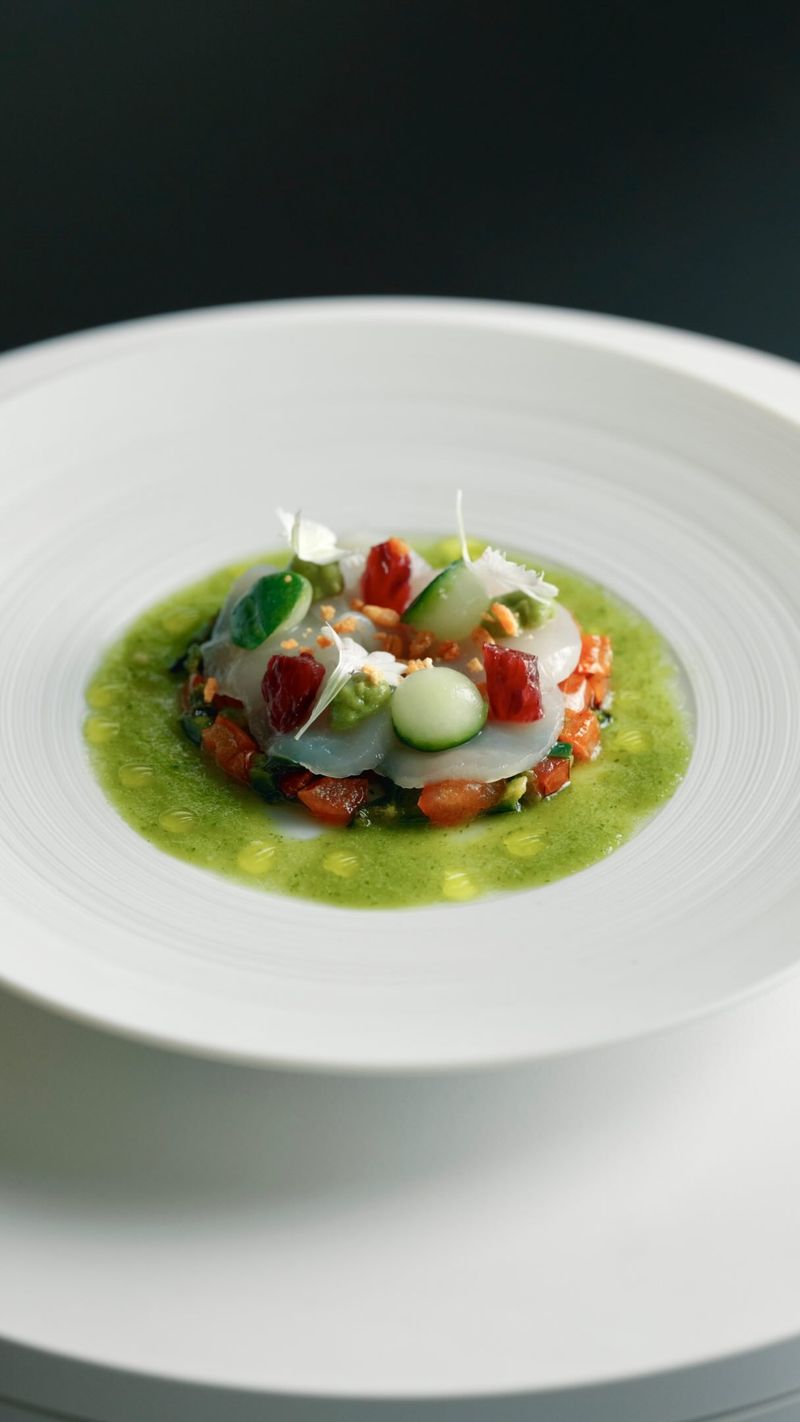
You eat with your eyes first. Taking an extra 30 seconds to arrange food thoughtfully on the plate makes the meal feel more special, even if the recipe is simple.
Use a clean white plate as a canvas and think about color contrast and height.
Sauce swirled with the back of a spoon, herbs scattered with purpose, and proteins placed at an angle all signal care and creativity. Presentation turns an ordinary dinner into a moment worth savoring.
21. Try Cold Brew Coffee in Savory Recipes
Cold brew coffee is not just for drinking. Its bold, slightly bitter flavor works surprisingly well in meat marinades, chili, and chocolate-based desserts.
Coffee enhances the savory depth of beef and adds complexity to slow-cooked dishes.
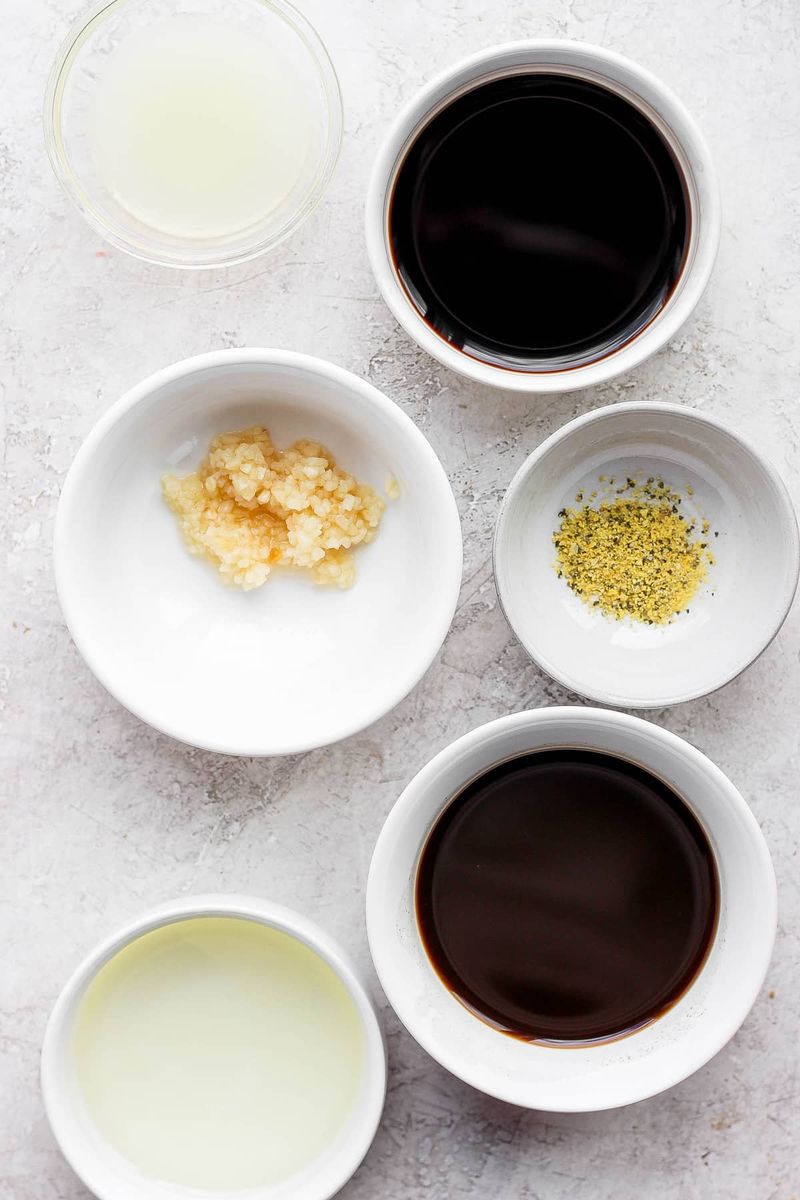
Mix cold brew with soy sauce, garlic, and a touch of brown sugar for an incredible steak marinade. The coffee flavor does not overpower the dish - it just makes everything taste richer and more layered than expected.
22. Use Cheese as a Finishing Touch, Not Just a Topping
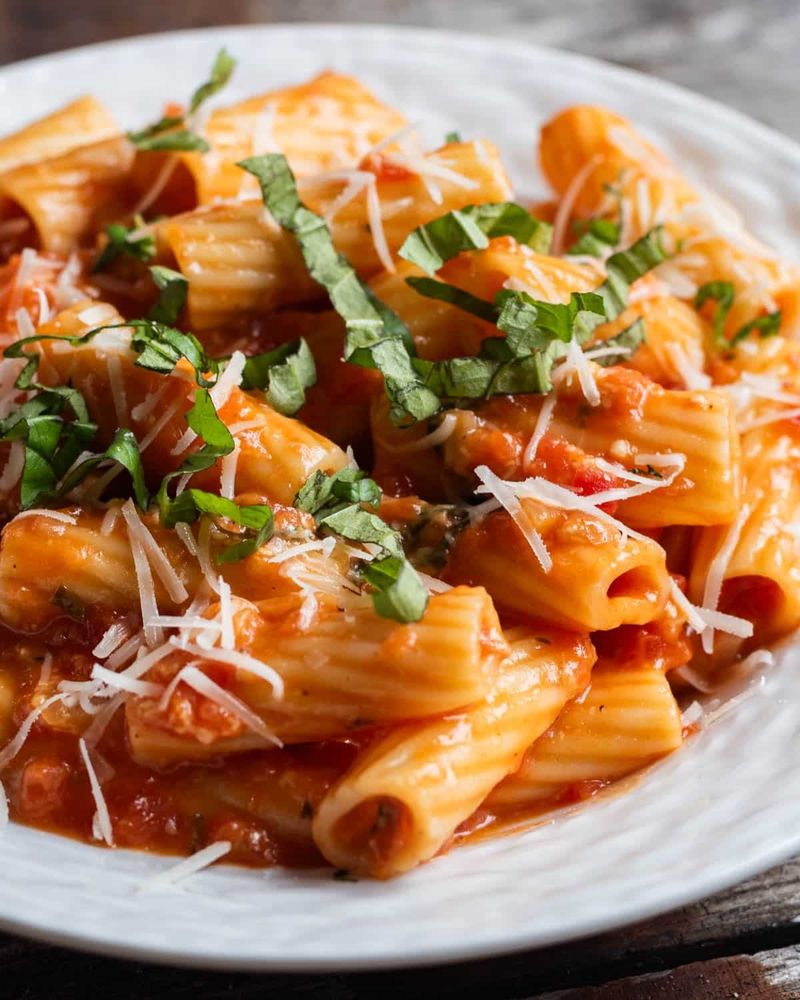
There is a big difference between melting pre-shredded cheese on top of something and grating fresh parmesan or pecorino over a finished dish. Freshly grated hard cheeses have a sharper, more complex flavor and melt more elegantly into hot food.
Try stirring a tablespoon of grated parmesan into risotto, finishing soups with a sprinkle of aged cheddar, or adding crumbled feta to roasted vegetables. Good cheese used wisely can be the final touch that ties a dish together.
23. Embrace One-Pan Meals for Maximum Flavor
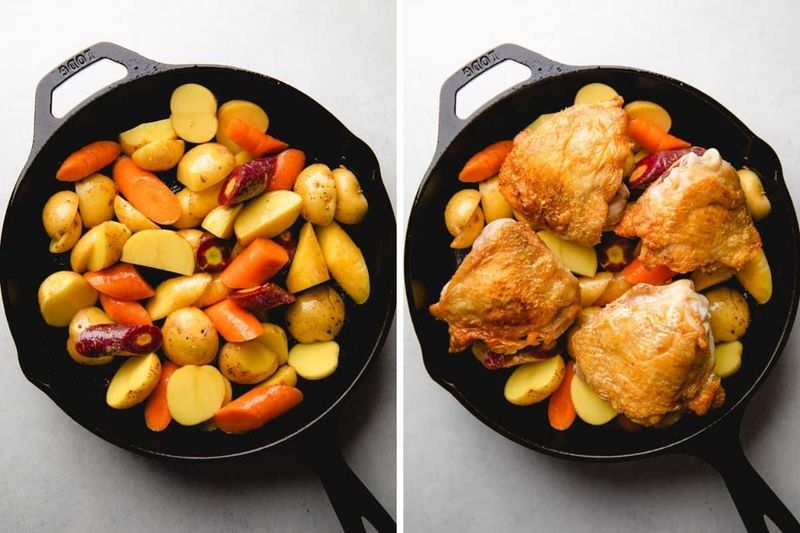
One-pan meals are not just convenient - they are actually more flavorful because everything cooks together and shares juices. Chicken thighs roasted over a bed of tomatoes, olives, and onions create a built-in sauce as they cook, with no extra effort needed.
Sheet pan dinners, skillet meals, and Dutch oven braises all use this principle. Fewer dishes and bolder flavor make one-pan cooking one of the smartest habits any home cook can develop.




Comments
No Comments