













Baking is one of those skills that looks simple until you actually try it. Some recipes are forgiving, but others demand patience, precision, and a little nerve.
The foods on this list are the ones that separate casual cooks from truly confident bakers. If you can nail even a few of these, you have every right to be proud of what comes out of your oven.
1. Croissants
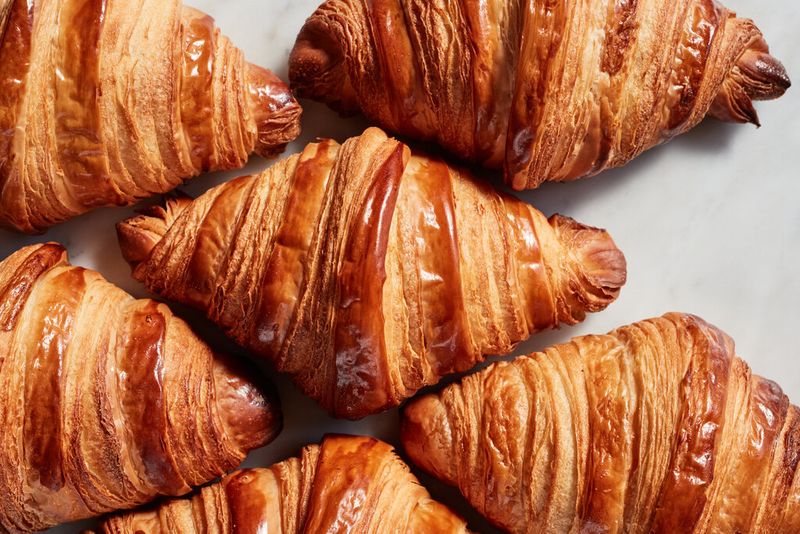
Layers upon layers of buttery, flaky pastry that shatter the moment you bite in — croissants are the ultimate test of a baker's patience. The lamination process, where you fold butter into dough dozens of times, takes hours and demands a cool kitchen.
Most home bakers give up after one failed attempt. But those who stick with it discover a deeply satisfying rhythm.
Get the technique right, and your kitchen will smell like a Parisian bakery every single morning.
2. Sourdough Bread
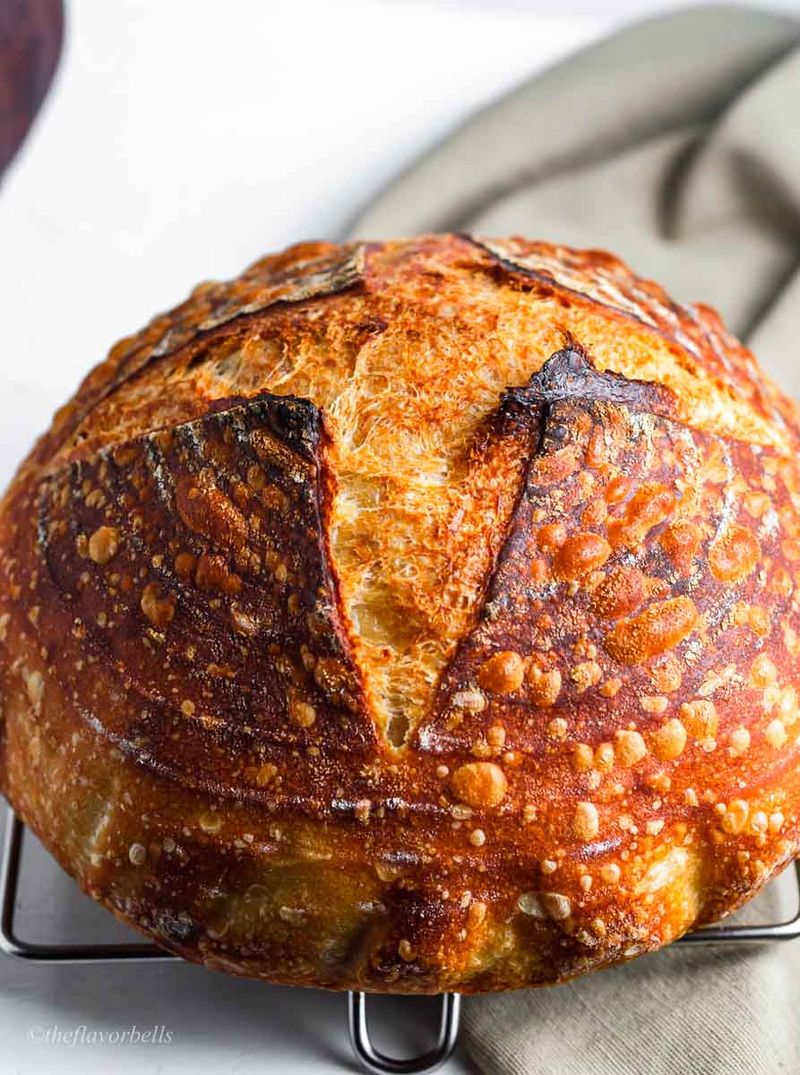
Sourdough is alive — and that is exactly what makes it tricky. You have to feed a wild yeast starter for days before you even think about mixing dough.
The timing of fermentation, the shaping, and the scoring all affect the final loaf.
Confident bakers learn to read their dough like a language. When everything clicks — the crust crackles, the crumb opens up beautifully — there is honestly no better feeling.
It is bread that tells a story.
3. Choux Pastry
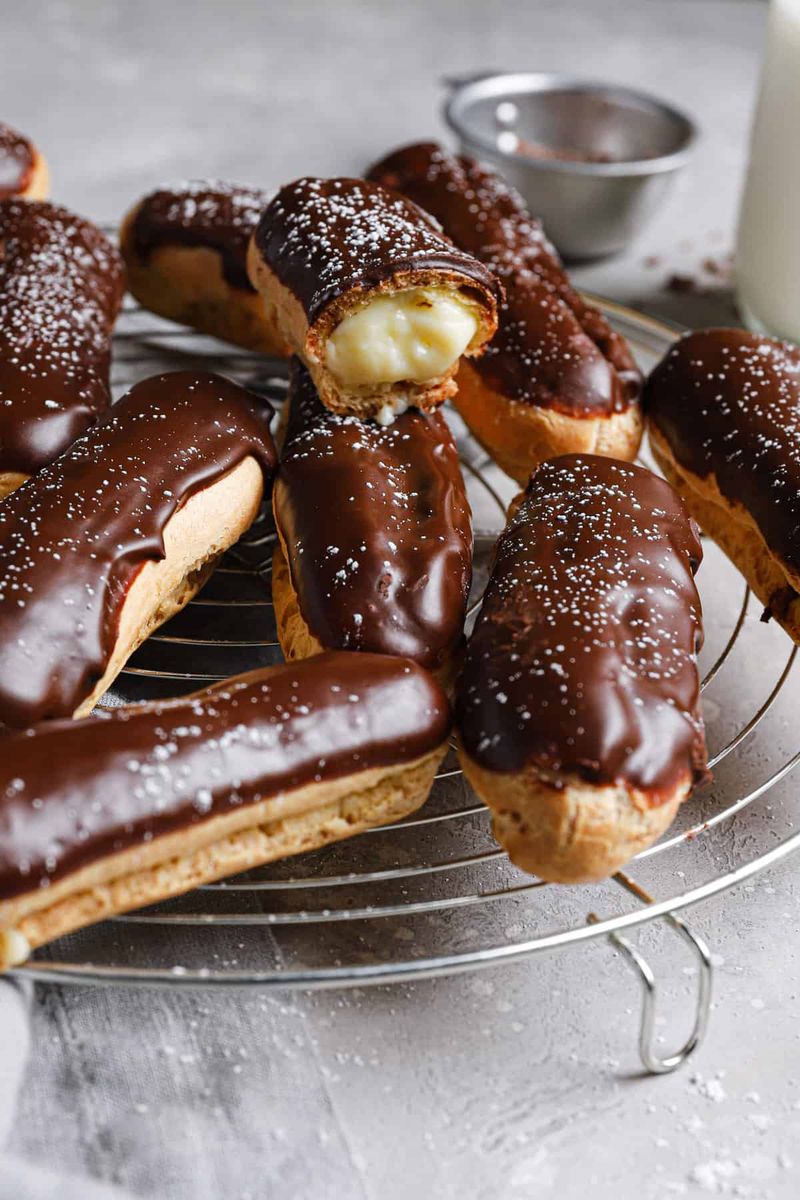
Choux pastry is the backbone of eclairs, cream puffs, and profiteroles. What makes it unusual is that you cook the dough on the stovetop before it ever sees an oven.
Getting the moisture level exactly right is what separates hollow, airy puffs from dense, doughy disappointments.
Many bakers fear opening the oven door too soon and watching their creations collapse. Confident bakers know to trust the process, keep that oven closed, and let the steam do its magic from the inside out.
4. Macarons
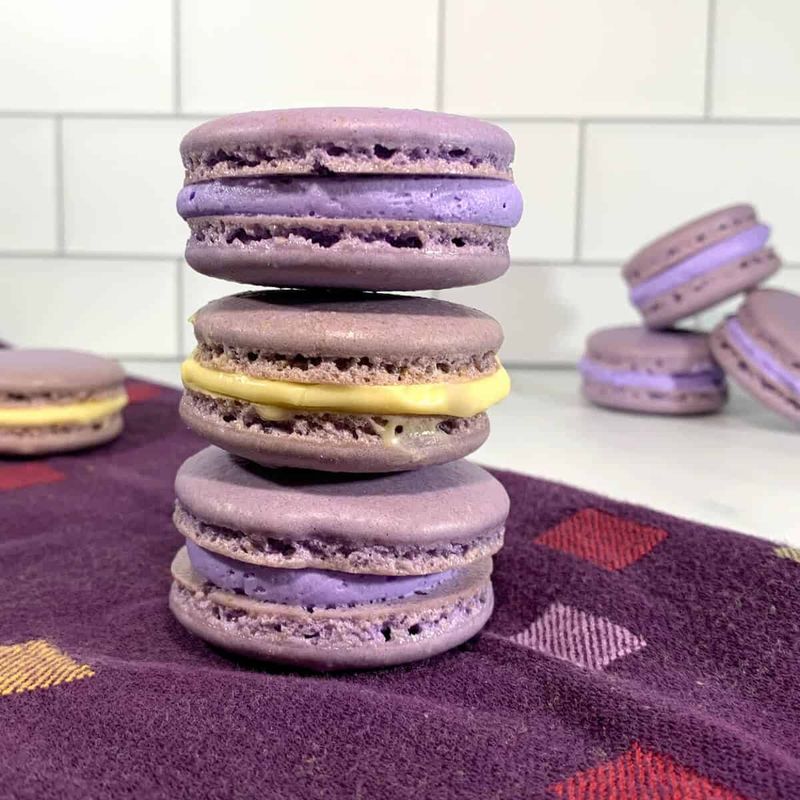
French macarons have a reputation for being the most temperamental cookie in the baking world — and honestly, that reputation is earned. Humidity, oven temperature, and even how vigorously you fold the batter can all ruin a batch.
The famous "feet" at the base of each shell are the true sign of success. Achieving them consistently takes practice, a reliable oven thermometer, and aged egg whites.
Once you crack the code, though, macarons feel like pure magic on a baking sheet.
5. Puff Pastry from Scratch
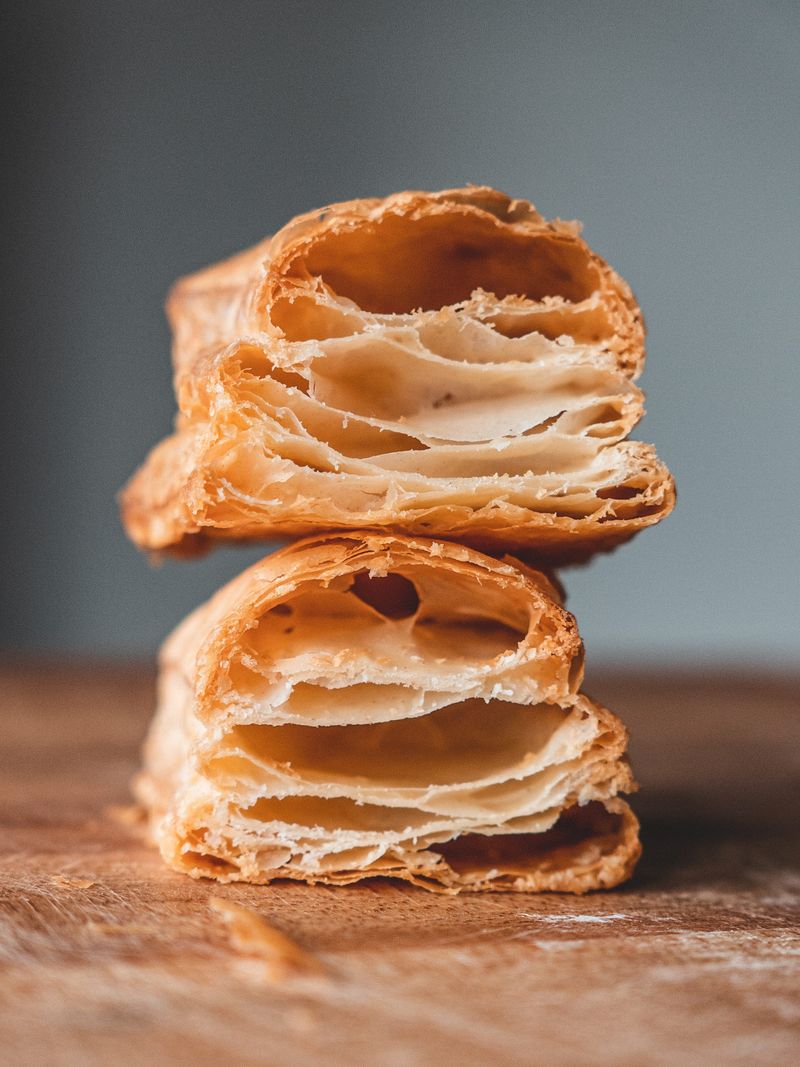
Store-bought puff pastry is a perfectly acceptable shortcut — but making it from scratch is a whole different achievement. Like croissants, it relies on lamination, folding cold butter into dough repeatedly to build hundreds of delicate layers.
The butter must stay cold but pliable throughout the entire process, which means working fast and chilling the dough between every fold. Confident bakers plan their schedule around the dough, not the other way around.
The result? Pastry that practically floats off the pan.
6. Baked Alaska
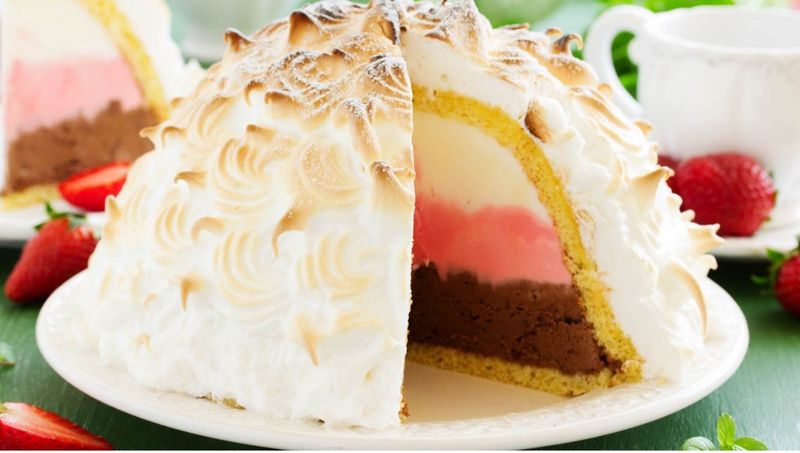
Part ice cream cake, part showstopper, Baked Alaska defies logic — it has frozen ice cream inside, yet the outside is a toasted meringue that goes into a blazing hot oven. The secret is that meringue acts as an insulator, protecting the ice cream from the heat.
Timing is absolutely everything here. You need a frozen-solid core and a thick, well-beaten meringue coating.
Pull it off, and you will have the most dramatic dessert at any dinner table, guaranteed.
7. Croquembouche
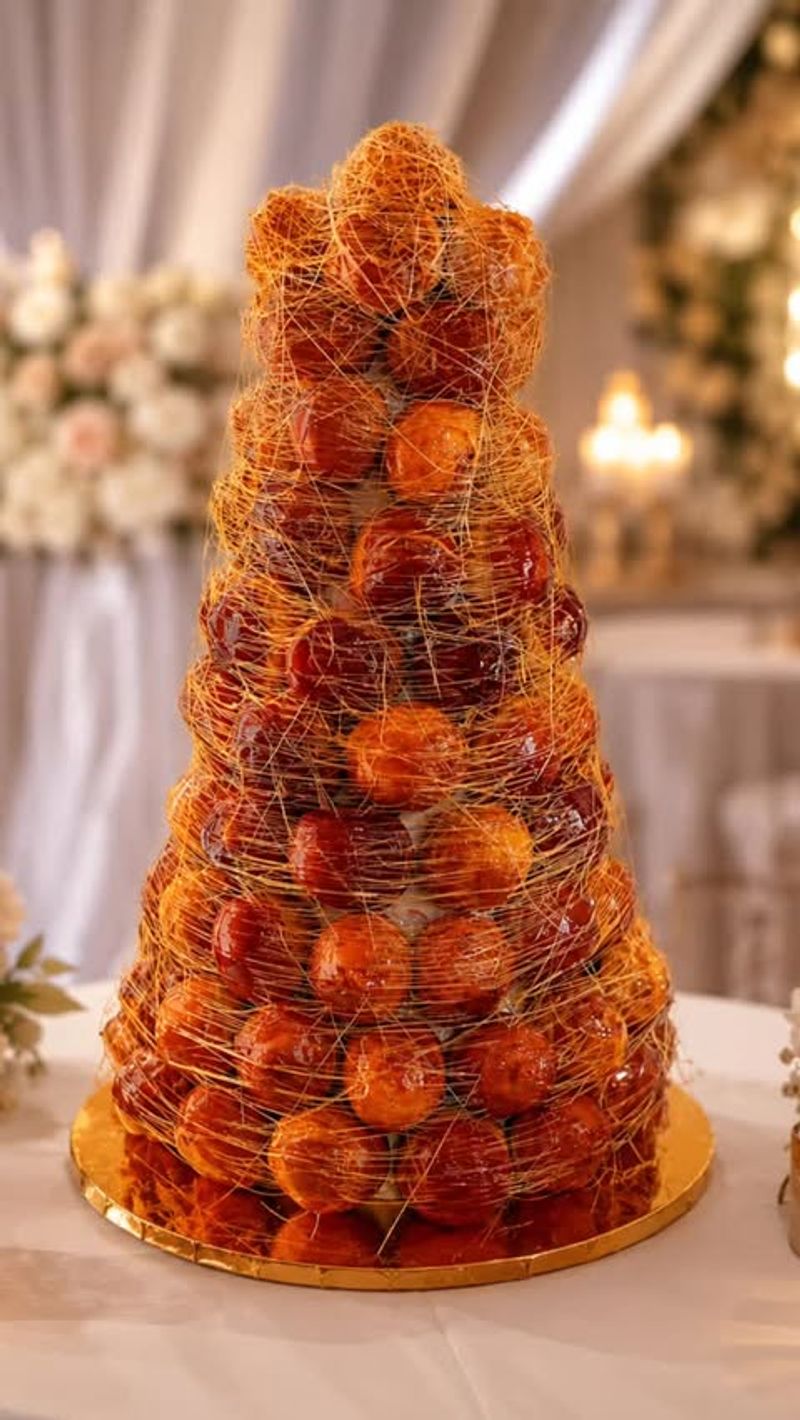
A croquembouche is a French celebration cake made entirely of cream puffs glued together with molten caramel into a towering cone shape. It looks impossible, and the first time you make it, it kind of is.
The caramel must be hot enough to bond the puffs but not so scorching that it burns your fingers — which it absolutely will if you are not careful. Confident bakers wear gloves and work with speed.
The reward is a centerpiece that makes every guest gasp.
8. Swiss Meringue Buttercream
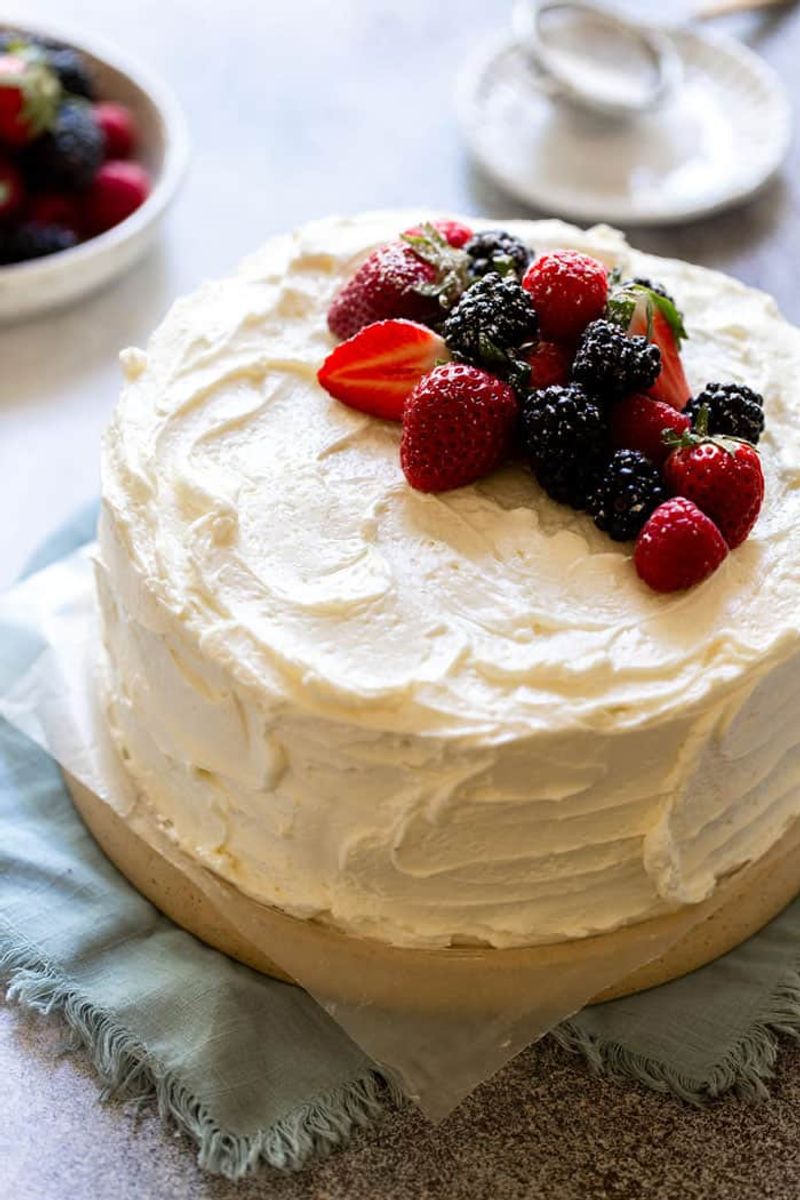
Swiss meringue buttercream is silky, stable, and not overly sweet — the gold standard for frosting a celebration cake. The process starts by whisking egg whites and sugar over a double boiler until the sugar dissolves, then whipping it into a stiff meringue before adding butter.
Here is where beginners panic: the mixture looks soupy and broken before it suddenly comes together. Confident bakers keep going without losing their nerve.
Once it emulsifies, the texture becomes something almost unbelievably smooth and spreadable.
9. Laminated Brioche
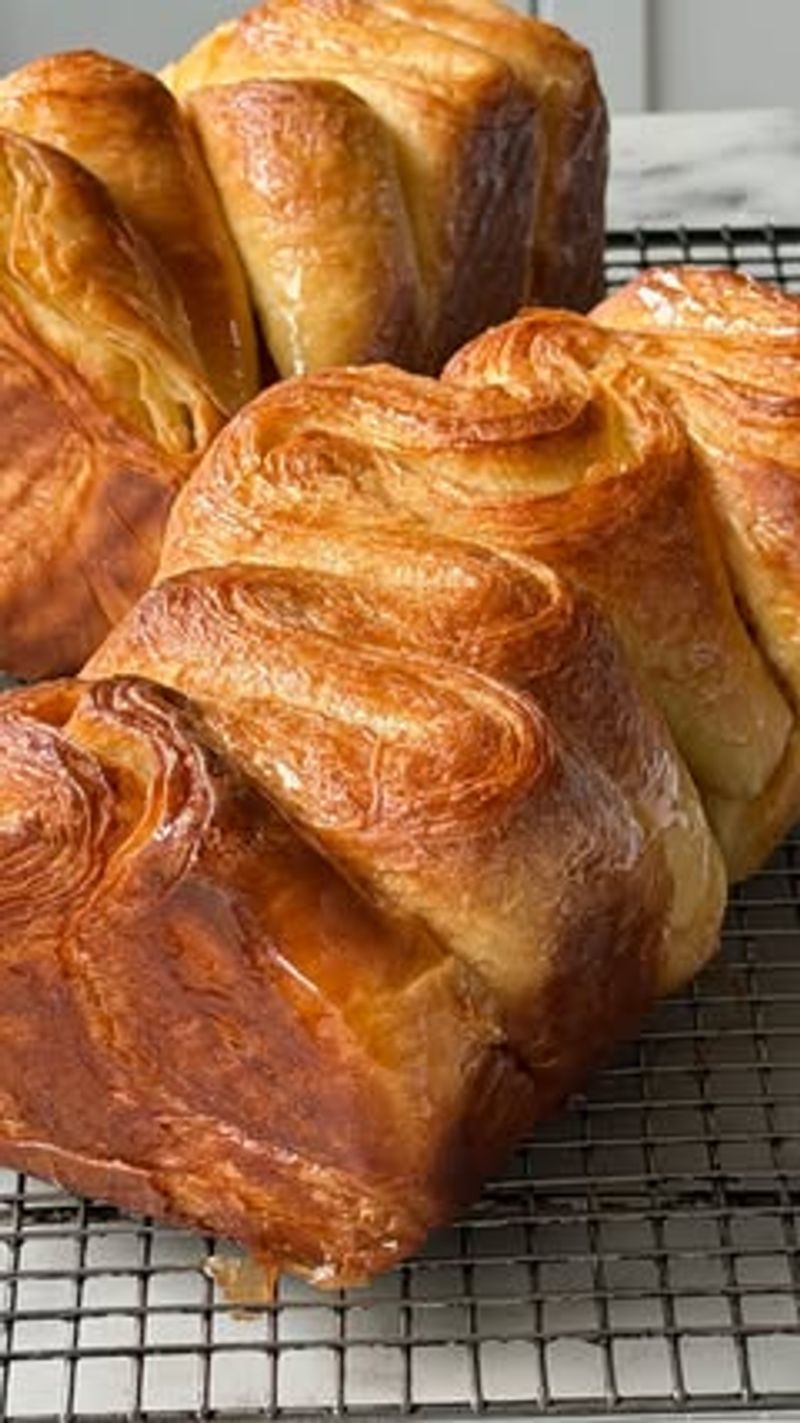
Regular brioche is already rich and tender, but laminated brioche takes luxury to a completely different level. It combines the enriched dough of classic brioche with the folded butter layers of a croissant — the result is a bread that flakes, pulls apart, and melts in your mouth.
The dough is sticky, demanding, and unforgiving of warm hands or a warm kitchen. Bakers who master it often describe the process as meditative.
Slice it open and the swirled interior alone is worth every effort.
10. Caramel from Scratch
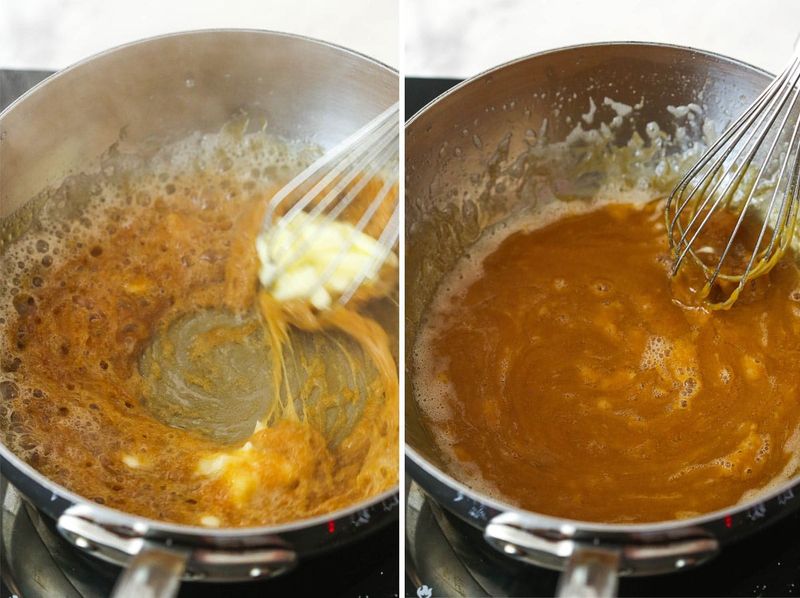
Making caramel sounds simple — just melt sugar — but the margin between perfect amber caramel and a burnt, bitter mess is only a matter of seconds. Confident bakers watch the color of the sugar, not the clock, and they never walk away from the stove.
Adding cream and butter to hot caramel causes a violent bubbling reaction that surprises first-timers every time. Use a deep pot and stand back slightly.
When it settles into a glossy, pourable sauce, you will feel like an absolute professional.
11. Opera Cake
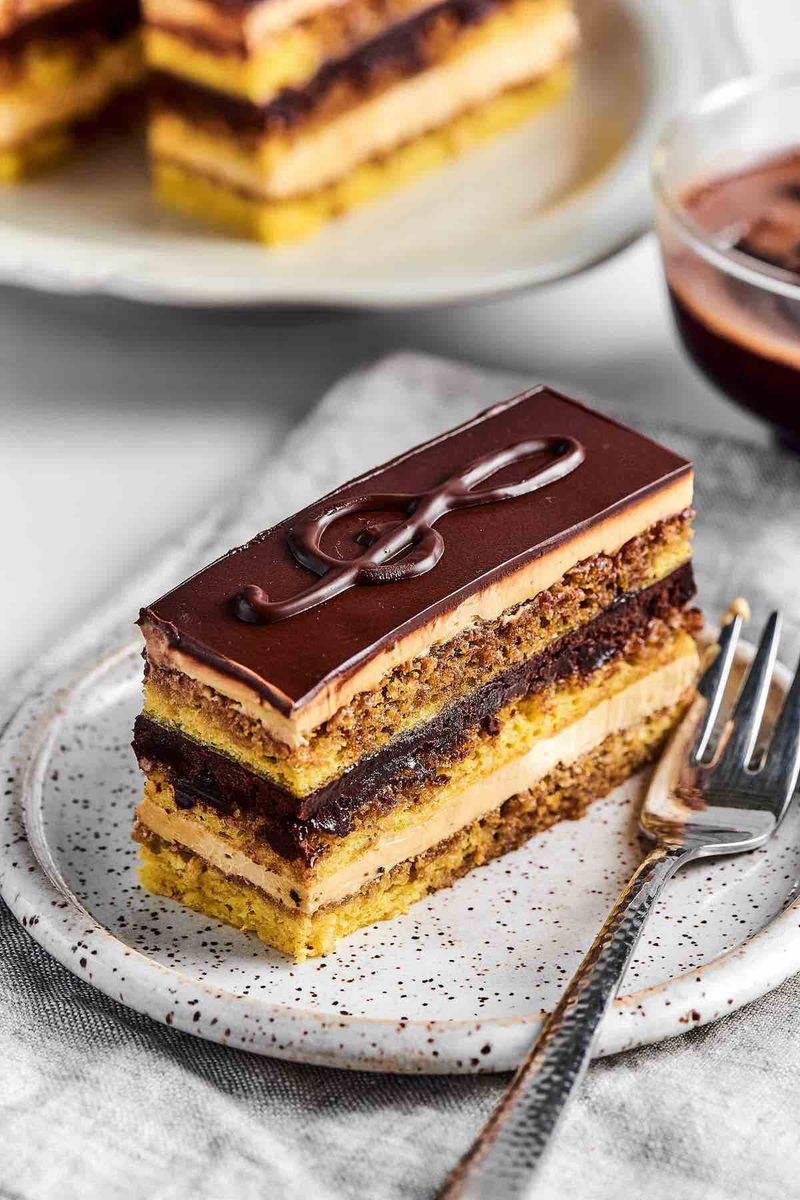
Opera cake is a classic French patisserie creation with precisely thin layers of almond sponge cake, coffee syrup, coffee buttercream, and chocolate ganache — all stacked with geometric perfection. Every layer must be even, and the top must be mirror-smooth.
It requires making four separate components and assembling them with a steady hand. The flavors are sophisticated and deeply satisfying, but the construction demands real focus.
Bakers who finish one for the first time tend to photograph it from every possible angle before cutting.
12. Kouign-Amann
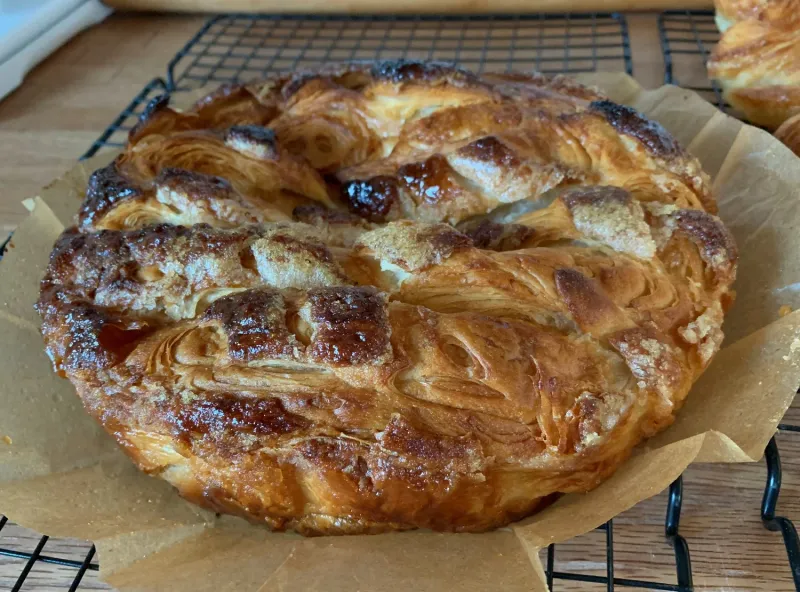
Kouign-Amann (pronounced KWEEN ah-MAHN) comes from Brittany, France, and it is essentially a caramelized, buttery pastry cake that falls somewhere between bread and dessert. Salt, butter, and sugar are folded into a yeasted dough that bakes into a gloriously sticky, crunchy masterpiece.
Getting the caramelization right without burning the bottom is the tricky part. Too much sugar and it scorches; too little and you miss that incredible toffee crunch.
Confident bakers know to trust their nose and pull it at exactly the right amber moment.
13. Tarte Tatin
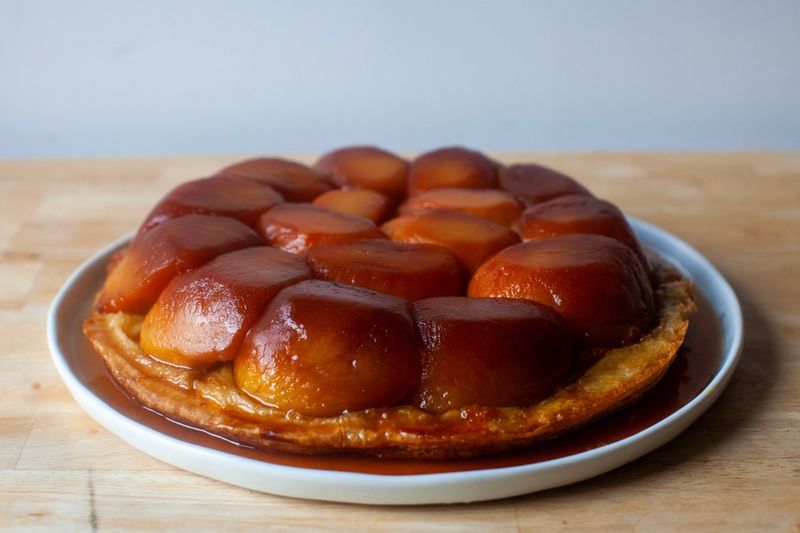
Tarte Tatin is an upside-down caramelized apple tart that originated in France by happy accident. The apples cook in butter and sugar directly in the pan before a pastry lid goes on top — and then the whole thing gets flipped after baking.
That flip is the moment of truth. Confident bakers do it with one decisive, fearless motion.
Hesitate, and the filling slides or the pastry breaks. Get it right, and you reveal a stunning, jewel-like arrangement of golden, caramelized fruit underneath.
14. Chiffon Cake
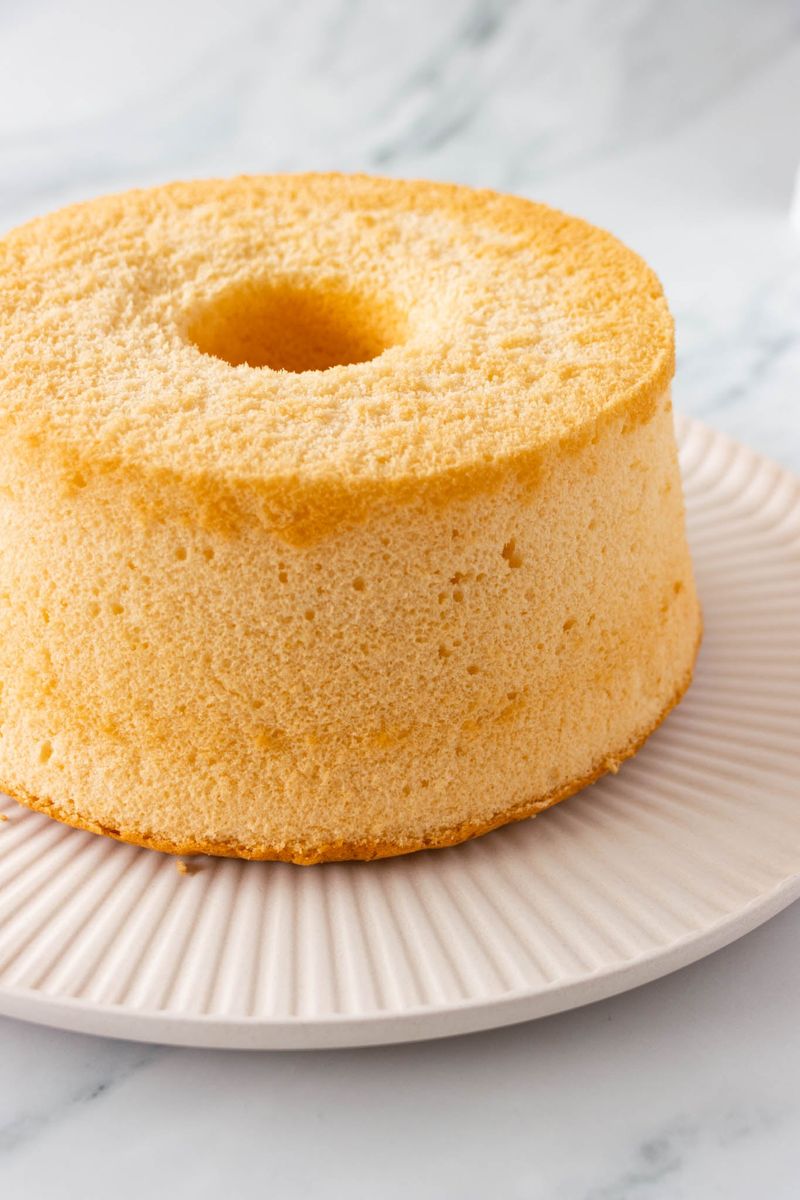
Chiffon cake sits in a unique spot between sponge cake and butter cake — it uses oil instead of butter for moisture, but relies on whipped egg whites for lift. The result is a cake that is impossibly light yet still rich and tender.
Folding the meringue into the batter without deflating it is where most beginners go wrong. Overdo it and the cake sinks.
Underfold and you get streaks of meringue. Confident bakers use a gentle, sweeping motion and stop the moment the batter looks just barely combined.
15. Caneles de Bordeaux
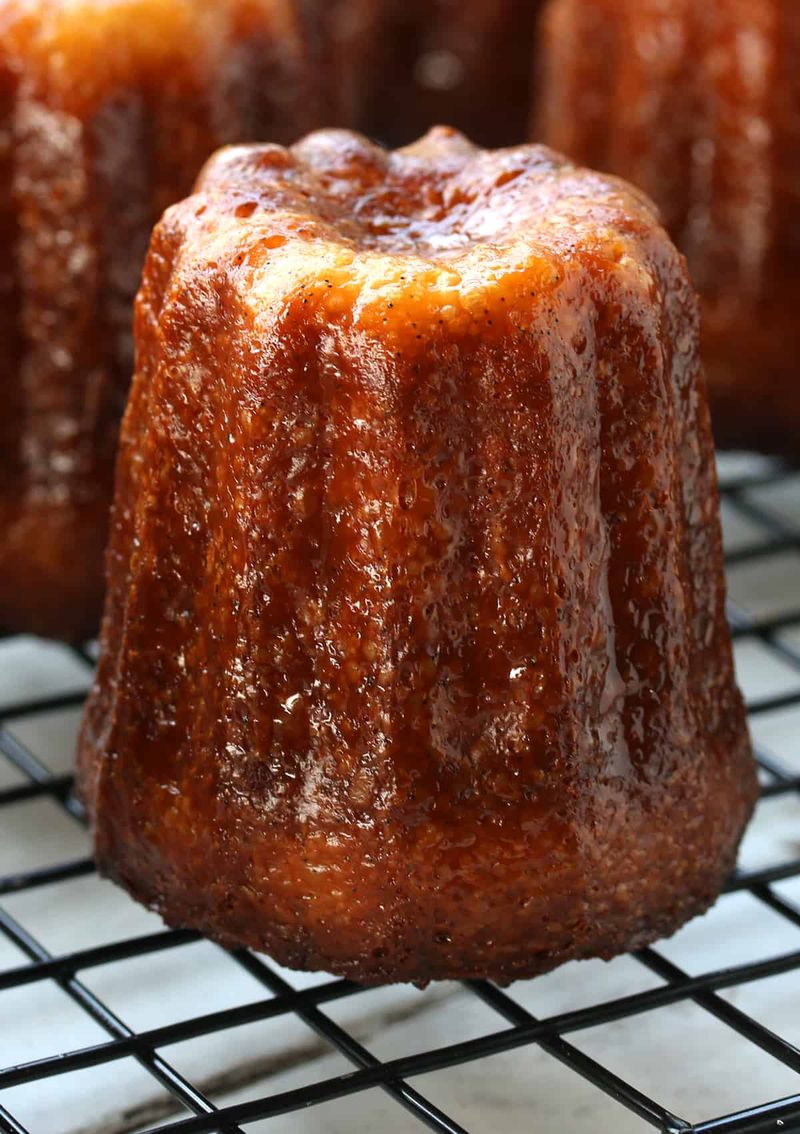
Caneles are small French pastries from Bordeaux with a dramatically dark, almost lacquered exterior and a soft, custardy rum-and-vanilla interior. They are baked in special copper molds coated with beeswax, which creates that signature crunch.
The batter must rest in the fridge for at least 24 hours before baking. Oven temperature and timing have to be spot-on or the interior stays raw while the outside burns.
When done right, that contrast between the crunchy shell and creamy center is one of the most satisfying bites in all of baking.
16. Yule Log (Buche de Noel)
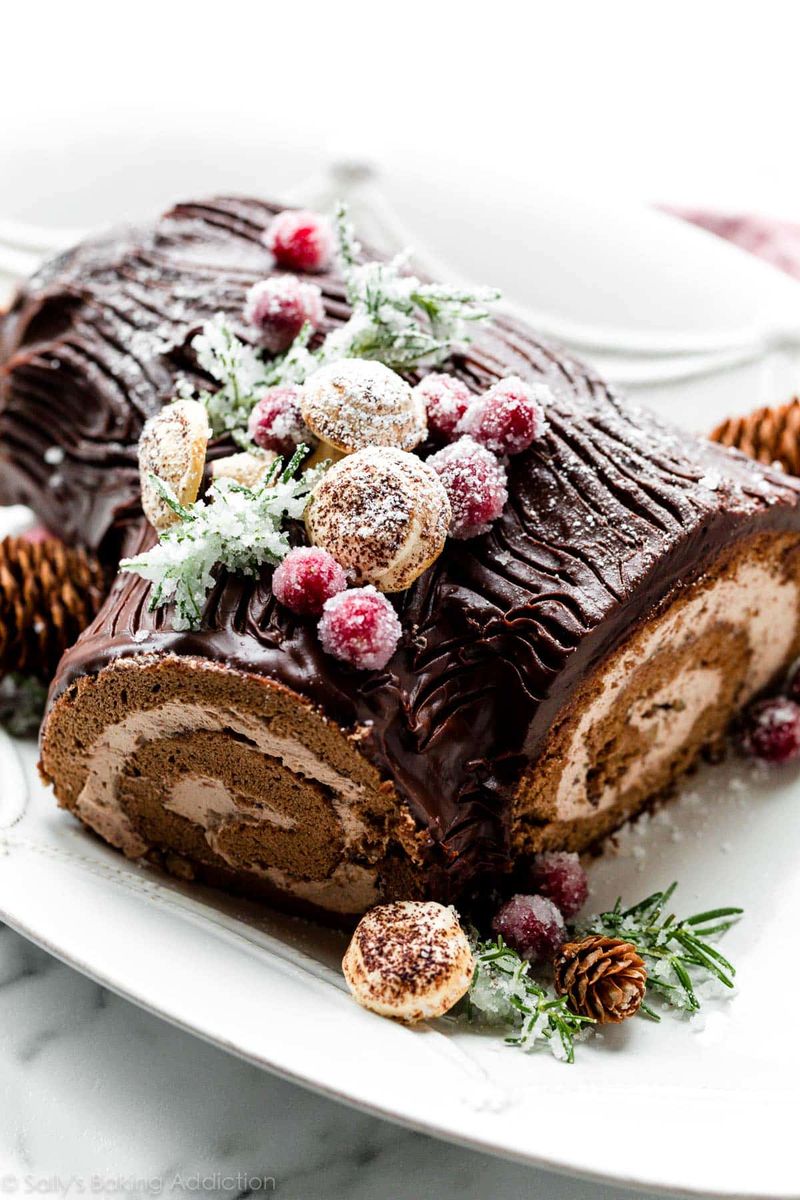
The Buche de Noel is a rolled sponge cake filled with cream and decorated to look like a bark-covered log — and it is one of the most technically demanding holiday bakes around. The sponge must be flexible enough to roll without cracking, which means baking it just right and rolling it while still warm.
Decorating it as a realistic log using chocolate buttercream and a fork takes both patience and creativity. Confident bakers add tiny meringue mushrooms and powdered sugar snow for a finish that looks straight out of a bakery window display.
17. Croissant Bread Pudding
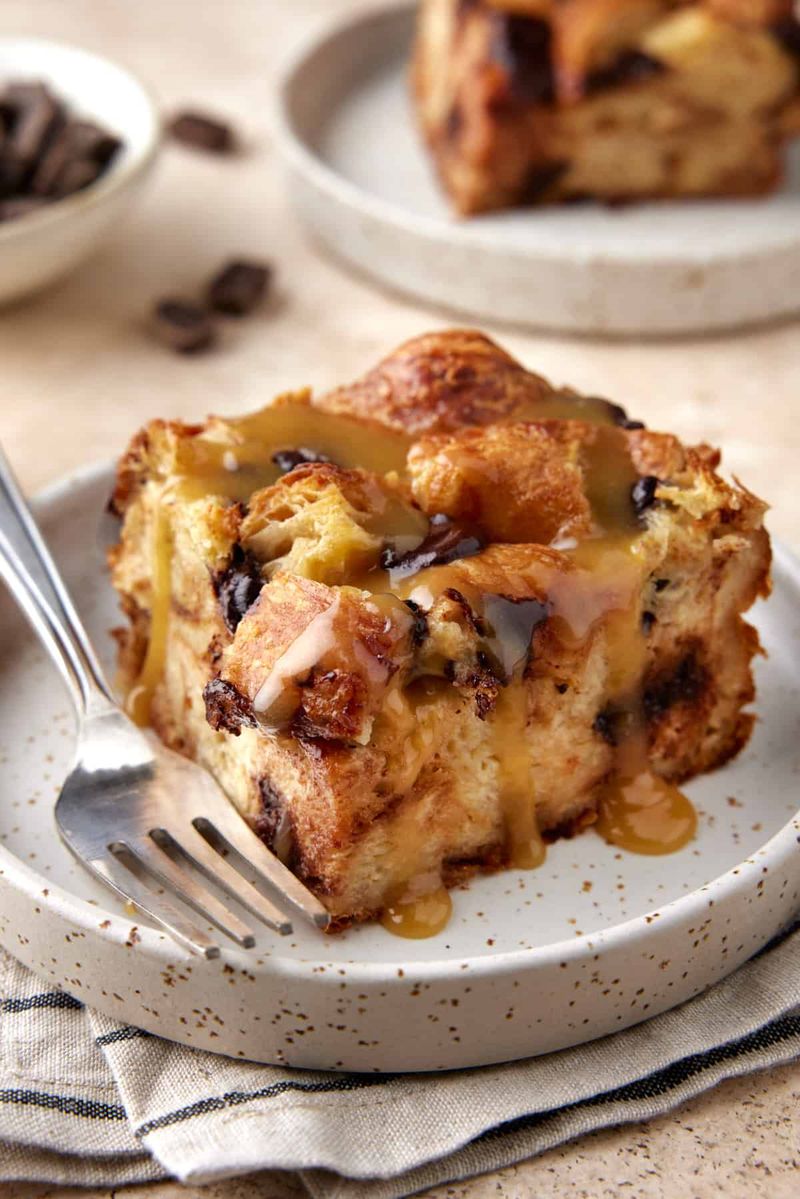
Using day-old croissants as the base for bread pudding sounds indulgent — because it absolutely is. The layers of buttery, flaky pastry soak up a rich custard of eggs, cream, vanilla, and sugar, then bake into something custardy on the inside and crispy on top.
The challenge is getting the custard fully absorbed without making the dish soggy. Confident bakers press the croissants down gently and let the mixture soak for at least an hour before baking.
The result is a dessert that feels luxurious without requiring a pastry degree to pull off.
18. Dobos Torte
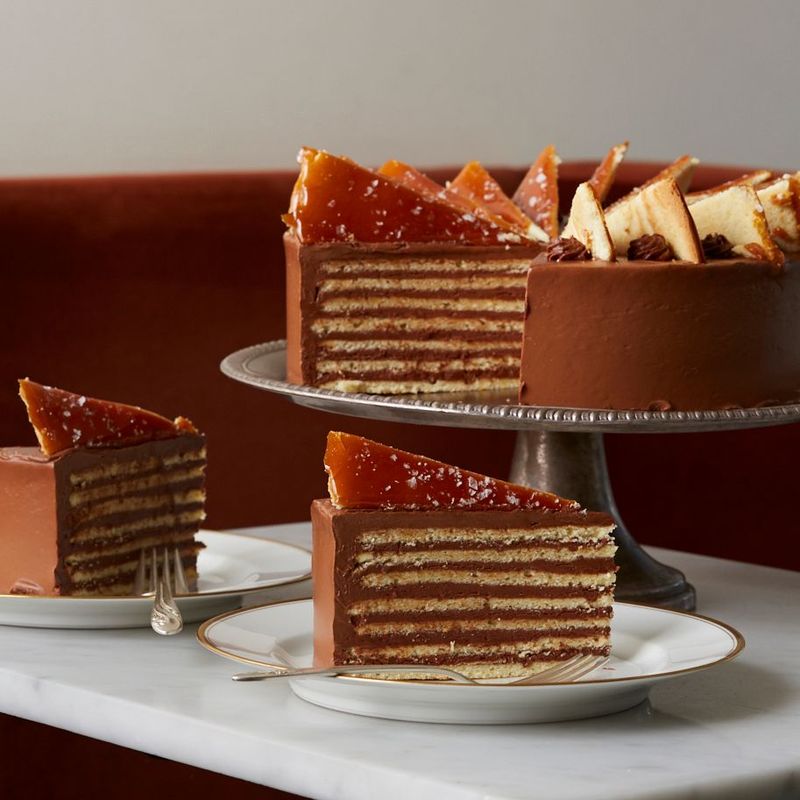
The Dobos Torte is a Hungarian showpiece cake with six to eight paper-thin sponge layers separated by chocolate buttercream, topped with a hard caramel glaze cut into triangular shards. It was created in 1884 and still turns heads today.
Baking each individual thin sponge layer separately, then stacking them with absolute precision, is genuinely time-consuming. The caramel top must be poured and scored before it sets — which happens fast.
Confident bakers have everything prepped and ready before the caramel even hits the stove.
19. Pain au Chocolat
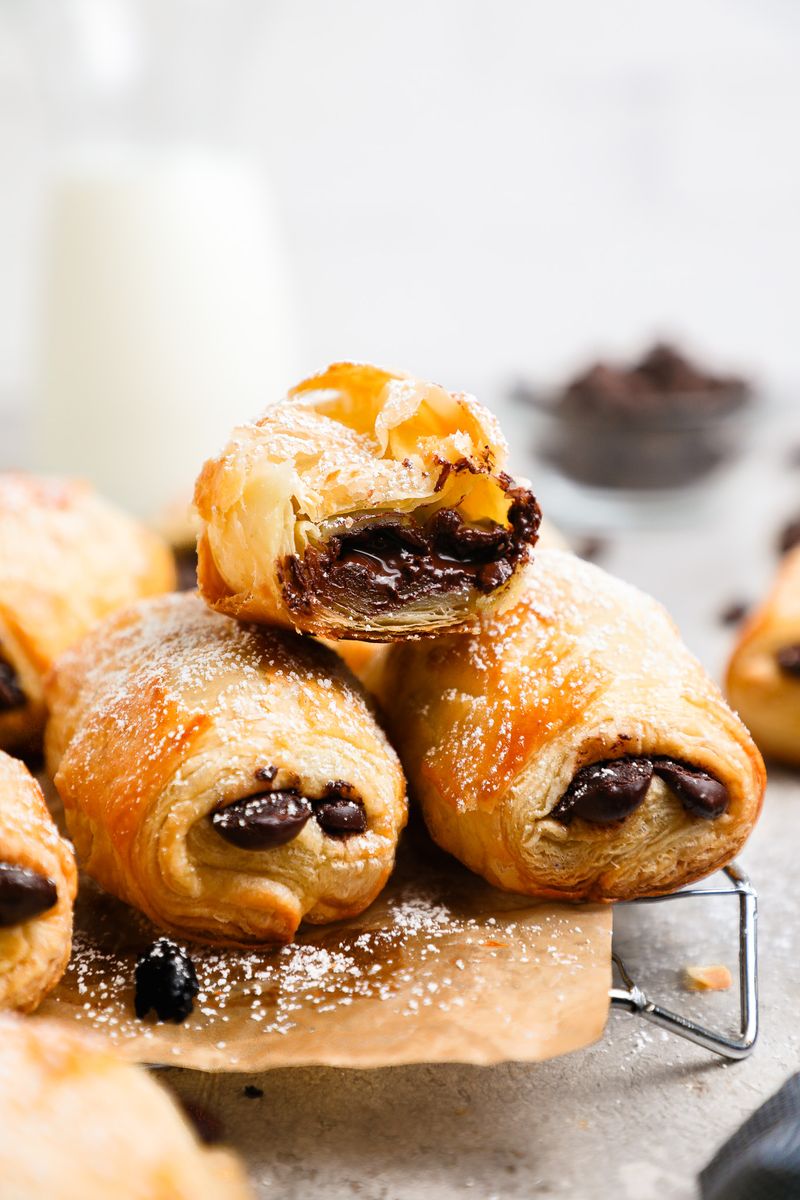
Pain au chocolat is made from the same laminated dough as croissants, with a thick piece of dark chocolate tucked inside and rolled up before baking. Every step that makes croissants difficult applies here — plus you have to seal the chocolate in without it leaking out during baking.
The chocolate placement matters more than most people think. Too close to the edge and it melts through.
Too far inside and the ratio feels off. Confident bakers use quality chocolate batons and chill the shaped pastries well before they go into the oven.
20. Genoise Sponge
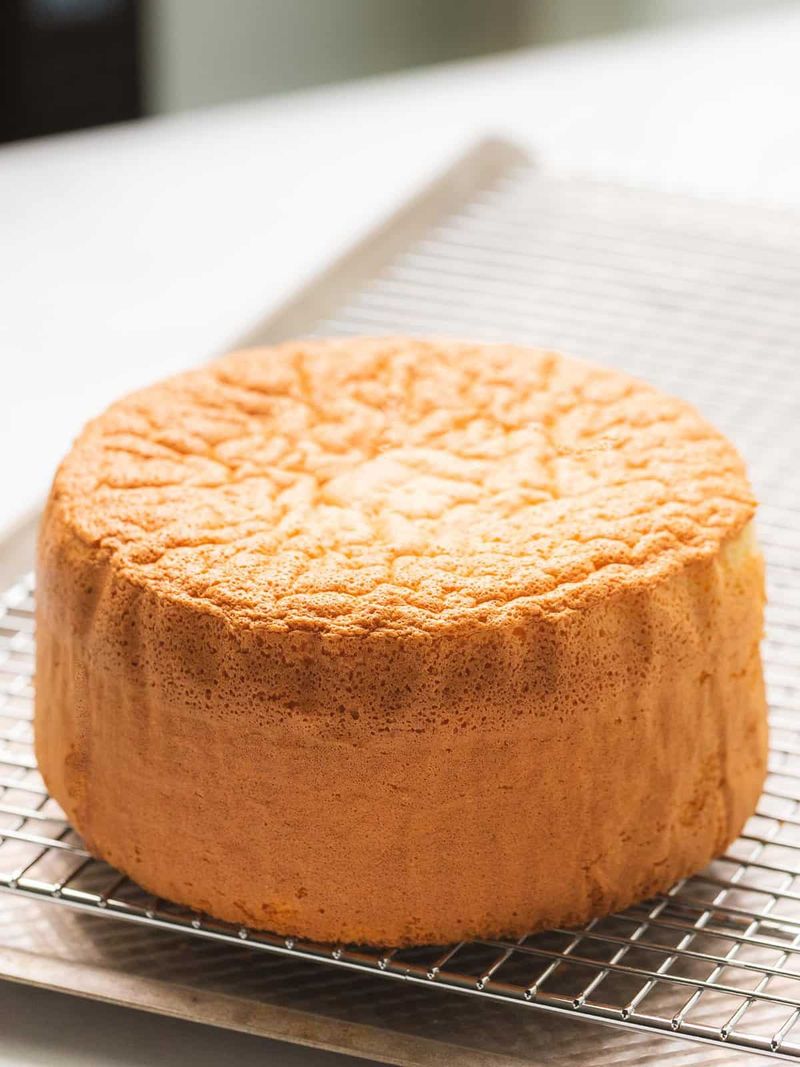
Genoise is the foundation of countless European layer cakes, but it is notoriously unforgiving. Unlike American butter cakes, it contains no chemical leavening — all the lift comes from air beaten into whole eggs and sugar over a warm water bath.
Fold in the flour and melted butter incorrectly, and the whole thing deflates like a balloon. The batter must be folded with extreme care using a wide spatula in slow, deliberate strokes.
Confident bakers know the batter is ready when it falls from the spatula in a thick, ribbon-like stream.
21. Eclairs
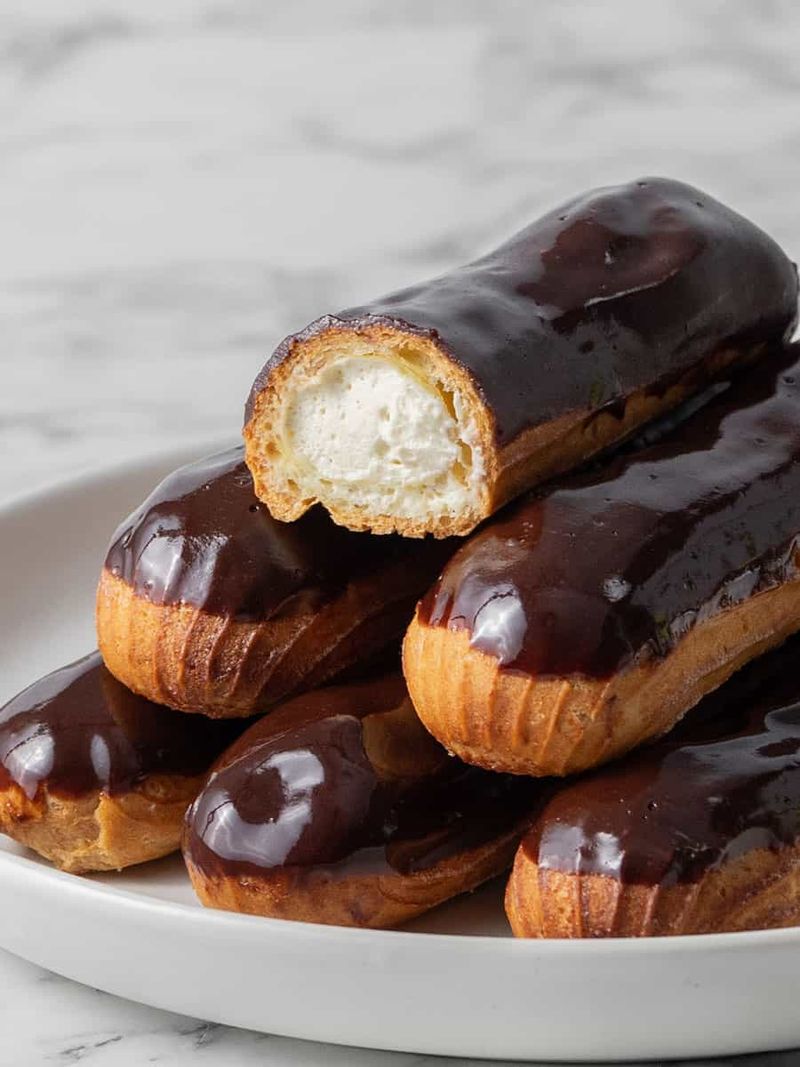
An eclair is essentially choux pastry piped into a long shape, baked hollow, filled with pastry cream, and glazed with chocolate fondant. Each of those steps has its own pitfalls, making eclairs a genuine multi-skill baking challenge.
Piping uniform logs, baking them without opening the oven door, making a silky pastry cream that holds its shape, and achieving a glossy glaze all have to come together at once. Confident bakers practice each component separately before attempting the full thing.
When every element is perfect, an eclair is an absolute triumph.
22. Steamed Pudding
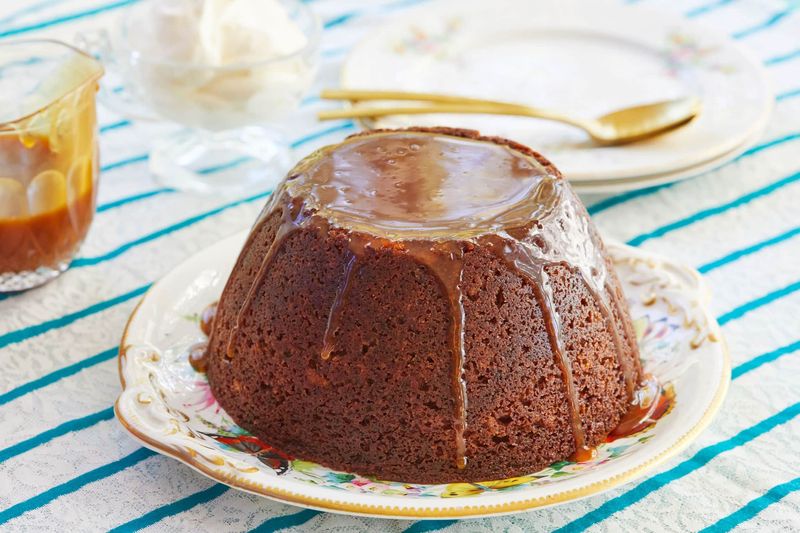
Steamed pudding is old-fashioned in the best possible way. A dense, spiced batter mixed with dried fruit and sometimes breadcrumbs is packed into a pudding basin, covered tightly, and steamed for several hours in a pot of simmering water.
The low, slow heat creates a texture that no oven can replicate.
Keeping the water at a steady simmer without letting the pot boil dry is the key challenge. Confident bakers check the water level regularly and never rush the process.
The payoff is a deeply flavored, almost fudgy pudding that tastes like pure tradition.




Comments
No Comments