













Getting older does not mean giving up great food. In fact, after fifty, what you eat matters more than ever for keeping your energy up, your mind sharp, and your body strong.
Many of the best ingredients for this stage of life are already sitting in grocery stores, waiting to be added to your plate. Small changes in your daily meals can make a surprisingly big difference in how you feel.
1. Blueberries
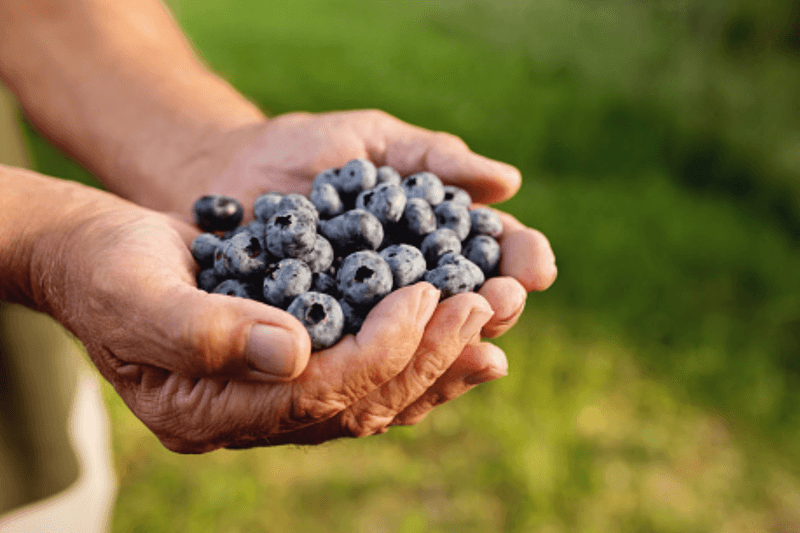
Tiny but mighty, blueberries pack one of the highest antioxidant counts of any fruit you can buy. For people over fifty, that matters because antioxidants help protect brain cells from aging and reduce inflammation throughout the body.
Toss a handful into oatmeal, yogurt, or a smoothie each morning. Studies suggest regular blueberry consumption may help slow memory decline.
Fresh or frozen, they work equally well, so keeping a bag in the freezer is a smart, low-cost habit.
2. Salmon
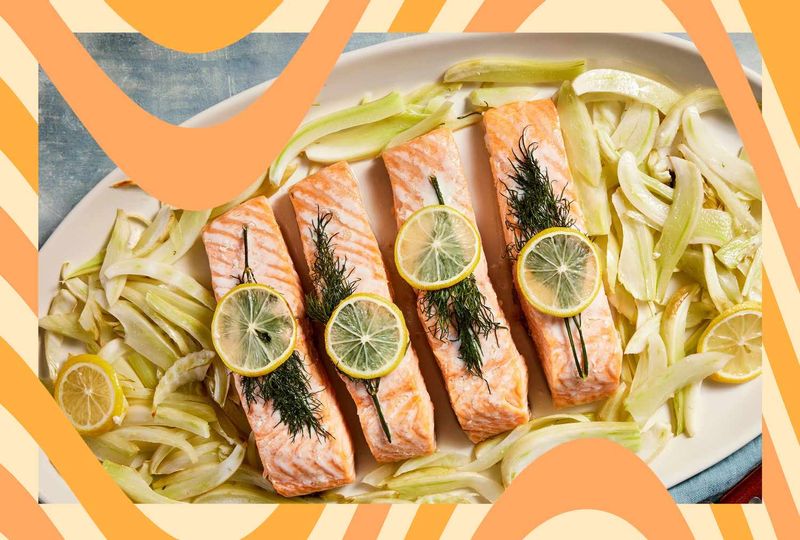
Few foods deliver as much nutrition per bite as salmon. Rich in omega-3 fatty acids, it actively supports heart health, reduces joint inflammation, and even helps maintain brain function as you age.
Aim for two servings per week, whether grilled, baked, or pan-seared. Wild-caught salmon tends to have higher omega-3 levels than farmed varieties.
If fresh salmon feels expensive, canned salmon is an affordable alternative that offers nearly the same nutritional punch.
3. Spinach
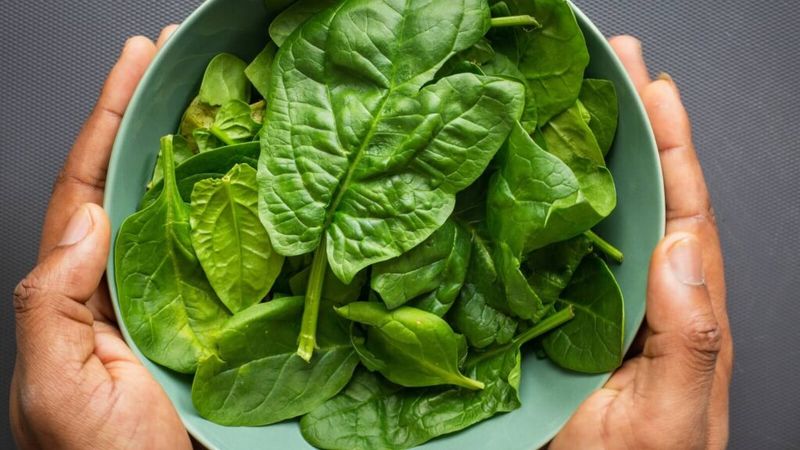
Popeye was onto something. Spinach is loaded with calcium, magnesium, and vitamin K, all of which play key roles in keeping bones strong after fifty when bone density naturally starts to drop.
Raw spinach wilts down dramatically when cooked, so adding it to soups, pasta, or scrambled eggs is almost effortless. It also contains lutein, a compound linked to better eye health.
A daily handful goes a long way toward meeting several nutritional needs at once.
4. Greek Yogurt
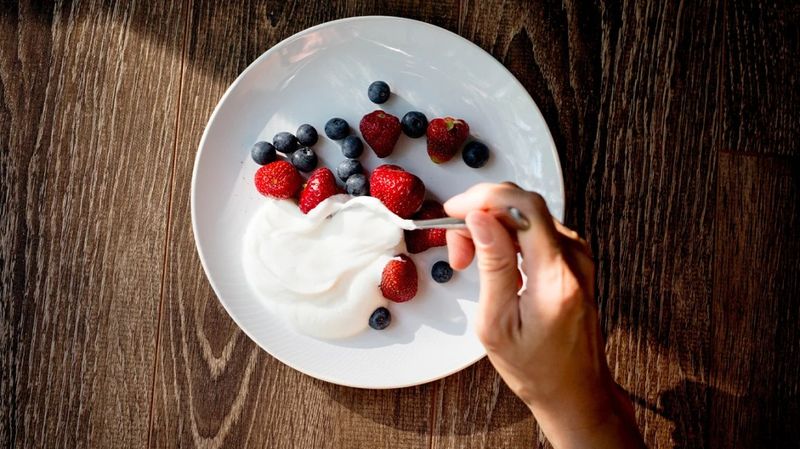
After fifty, muscle loss becomes a real concern, and protein is one of the best tools to slow it down. Greek yogurt delivers nearly double the protein of regular yogurt in the same serving size.
It also contains probiotics, which support gut health and digestion, something many people notice changing as they age. Choose plain, unsweetened versions to avoid hidden added sugars.
Add fresh fruit or a drizzle of honey for natural sweetness that does not spike blood sugar levels.
5. Oats
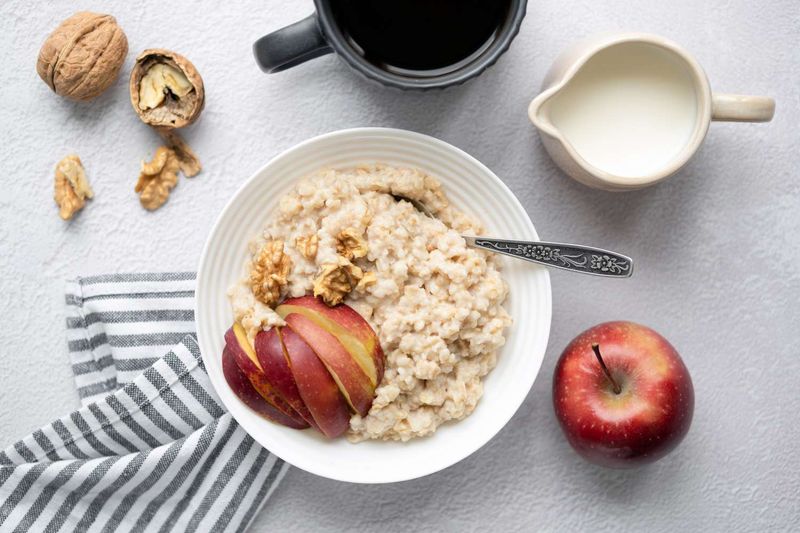
There is a reason oatmeal has stayed a breakfast staple for generations. Oats contain beta-glucan, a type of soluble fiber that helps lower LDL cholesterol, which becomes increasingly important for heart health after fifty.
They also help stabilize blood sugar levels, keeping energy steady throughout the morning. Steel-cut oats take a bit longer to cook but have a lower glycemic impact than instant varieties.
Overnight oats are a convenient no-cook option perfect for busy mornings.
6. Avocado
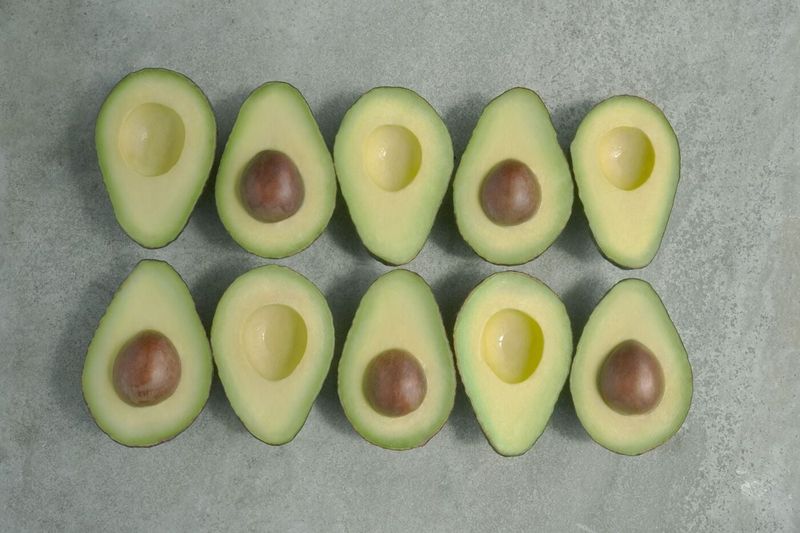
Avocados earned their superfood reputation honestly. They are rich in monounsaturated fats that support heart health and help the body absorb fat-soluble vitamins like A, D, E, and K more effectively.
For people over fifty, avocados also offer a solid dose of potassium, which helps regulate blood pressure. Spread it on whole grain toast, slice it into salads, or blend it into smoothies for a creamy boost.
Half an avocado per day is a reasonable and satisfying amount.
7. Walnuts
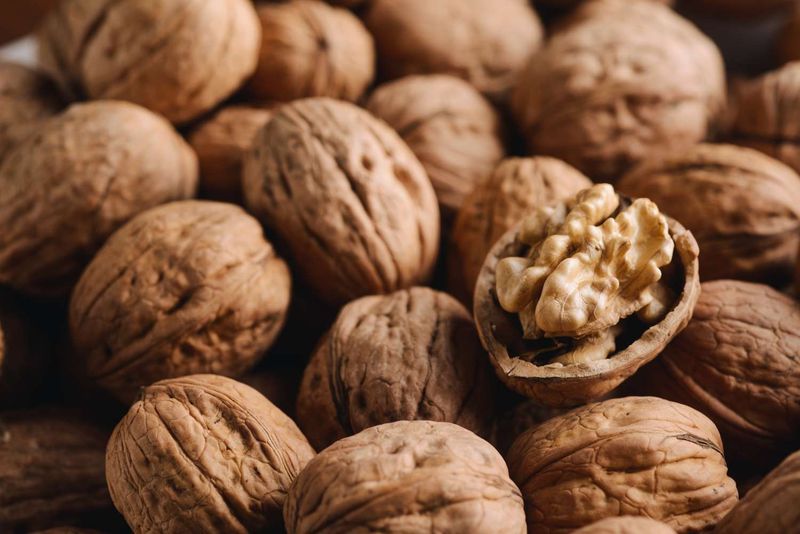
Walnuts look like little brains for a reason, and science backs up the connection. They are one of the best plant-based sources of ALA omega-3 fatty acids, which support brain health and reduce inflammation.
Just a small handful each day has been linked to improved memory and lower risk of heart disease. Walnuts also contain melatonin, which may help with sleep quality, something that often becomes harder to maintain after fifty.
Add them to salads, oatmeal, or eat them plain as a snack.
8. Sweet Potatoes
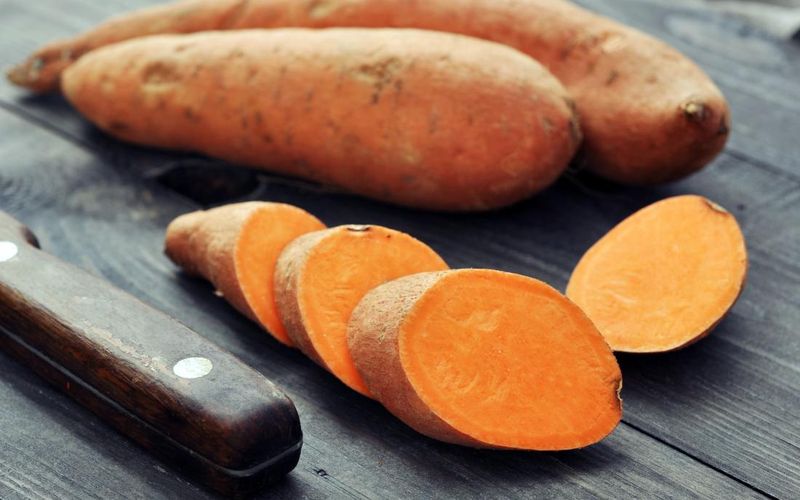
Sweet potatoes are one of the most nutrient-dense vegetables you can put on your plate. One medium sweet potato contains more than your daily recommended intake of vitamin A, which supports eye health and immune function.
They are also a great source of potassium and fiber, helping manage both blood pressure and digestion. Roasting them brings out natural sweetness without needing added sugar.
Swap them in wherever you would normally use regular potatoes for an easy nutritional upgrade.
9. Garlic
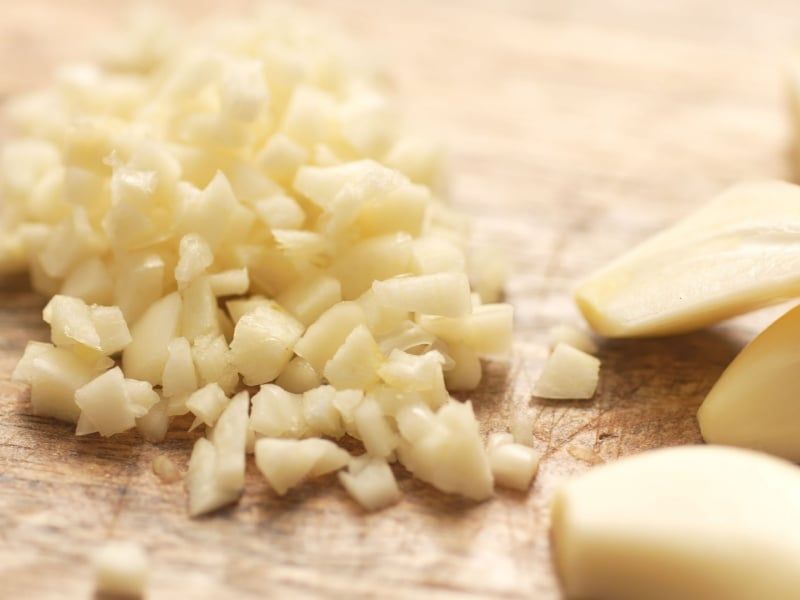
Garlic has been used as medicine for thousands of years, and modern research confirms it earns the respect. Its active compound, allicin, has been shown to help lower blood pressure and reduce cholesterol levels in several studies.
For people over fifty managing cardiovascular health, adding garlic to daily cooking is one of the simplest upgrades available. Raw garlic delivers the most benefit, but cooked garlic still provides meaningful support.
Mince it into sauces, roast whole cloves, or stir it into soups regularly.
10. Lentils
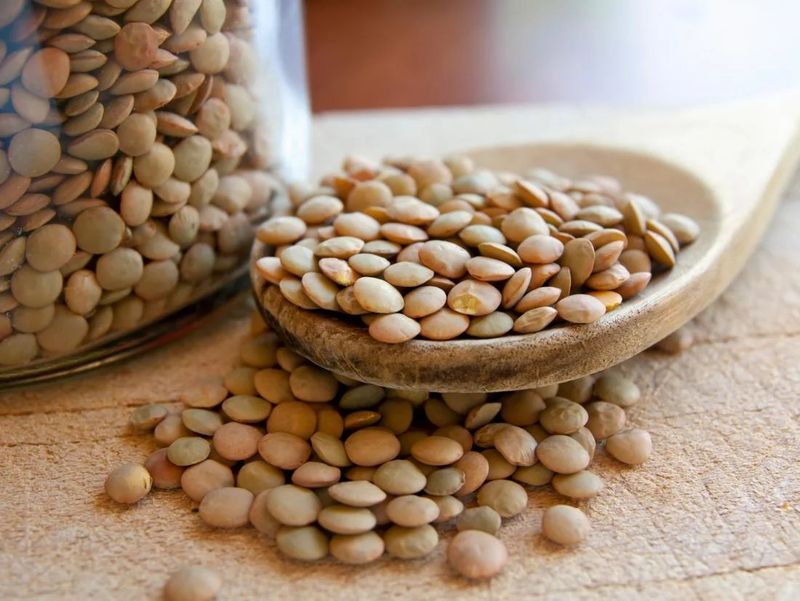
Lentils might be one of the most underrated ingredients in the grocery store. Packed with plant-based protein, iron, and folate, they support muscle maintenance, energy production, and heart health all at once.
They are also incredibly high in fiber, which helps with digestion and keeping blood sugar stable after meals. Unlike dried beans, lentils require no soaking and cook in about twenty minutes.
Add them to soups, stews, or grain bowls for a hearty, satisfying, and affordable nutritional boost.
11. Turmeric
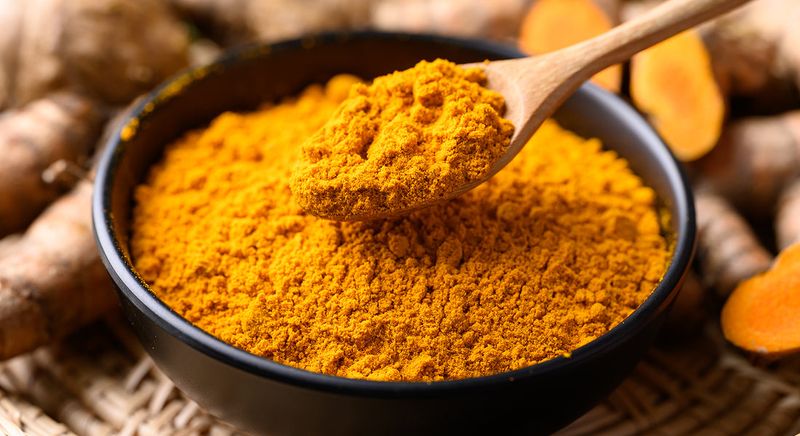
Curcumin, the active compound in turmeric, has been studied extensively for its anti-inflammatory and antioxidant effects. Chronic inflammation is linked to arthritis, heart disease, and cognitive decline, all of which become more common after fifty.
Adding turmeric to your diet regularly may help reduce these risks over time. Pair it with black pepper to dramatically increase absorption.
Stir it into soups, golden milk, rice dishes, or roasted vegetables. A little goes a long way in both flavor and health benefits.
12. Eggs
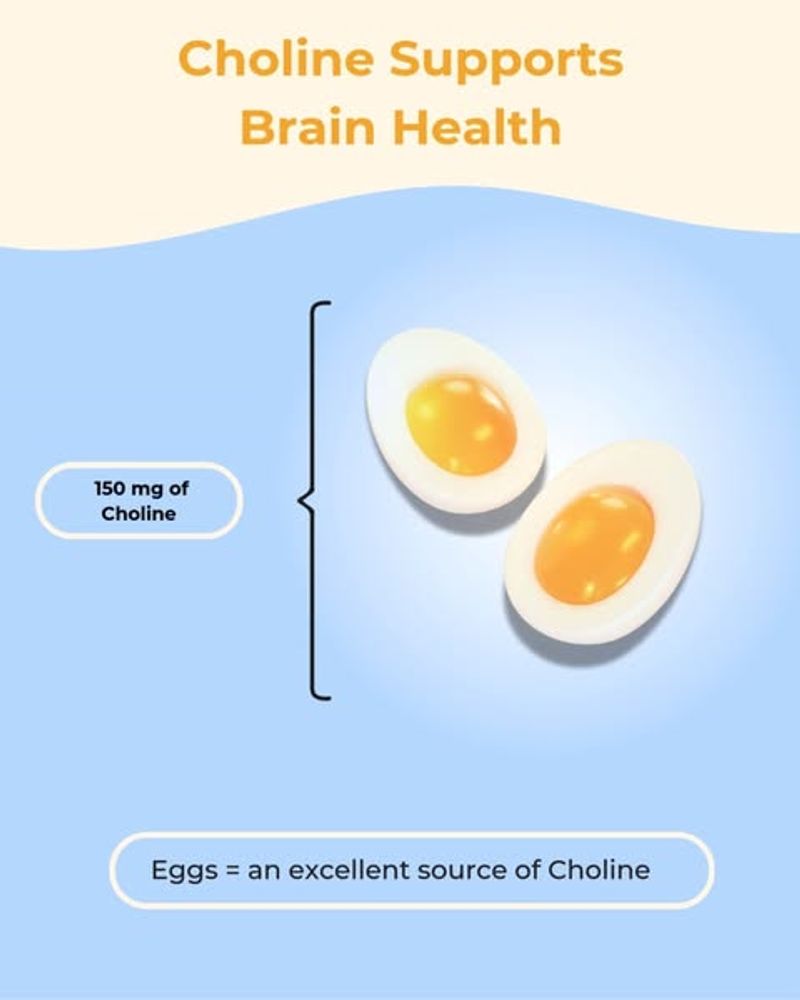
Eggs had a rough reputation for a while, but nutrition science has largely restored their standing. They are one of the most complete sources of protein available, containing all nine essential amino acids your body needs to maintain muscle mass.
Egg yolks are rich in choline, a nutrient that supports brain health and is often under-consumed after fifty. They also provide vitamin D, which becomes harder to absorb from sunlight as you age.
Eating one or two eggs daily fits well into most healthy diets.
13. Sardines

Sardines are a nutritional powerhouse hiding in a small can. They deliver omega-3 fatty acids, calcium, vitamin D, and B12 all in one affordable package, making them exceptional for bone, heart, and nerve health after fifty.
Because sardines are eaten whole, including the soft edible bones, they provide more calcium per serving than most dairy products. Try them on whole grain crackers, tossed into pasta, or mixed into a simple salad.
Their bold flavor mellows nicely with lemon juice.
14. Broccoli
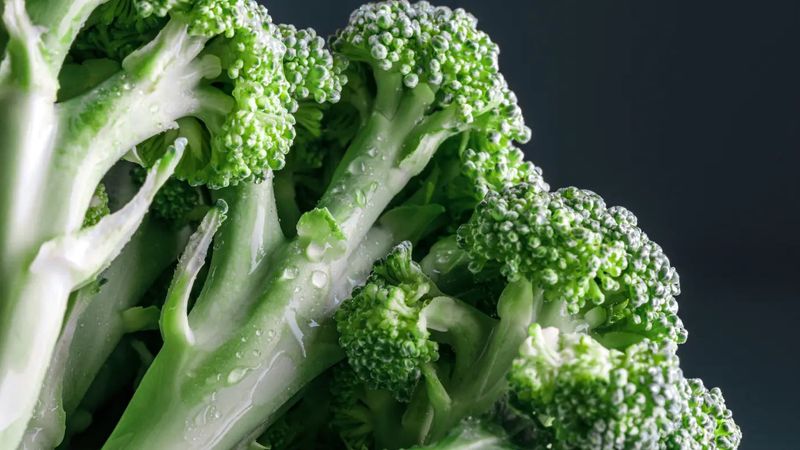
Broccoli belongs on your plate far more often than it probably shows up now. It contains sulforaphane, a compound researchers are actively studying for its potential role in cancer prevention and reducing inflammation in aging bodies.
It is also rich in vitamin C, folate, and fiber, all of which support immune function and digestive health. Lightly steaming broccoli preserves more nutrients than boiling.
Roasting it with olive oil and garlic turns it into something genuinely crave-worthy rather than a reluctant side dish.
15. Olive Oil
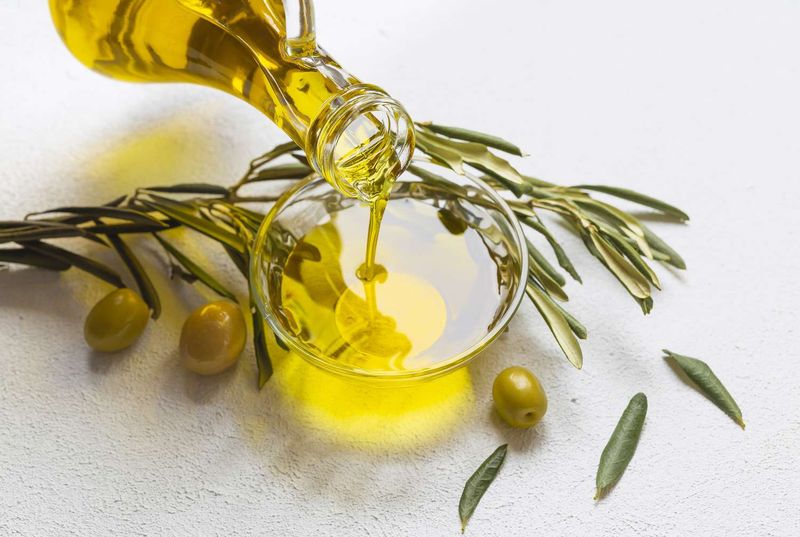
The Mediterranean diet consistently ranks as one of the healthiest eating patterns in the world, and olive oil is at its heart. Extra virgin olive oil is rich in oleocanthal, a natural compound with anti-inflammatory properties similar to ibuprofen.
Regular use has been linked to lower risk of heart disease, stroke, and cognitive decline. Use it for cooking at medium heat, drizzle it over salads, or dip bread into it instead of using butter.
Quality matters, so choose cold-pressed extra virgin varieties.
16. Flaxseeds
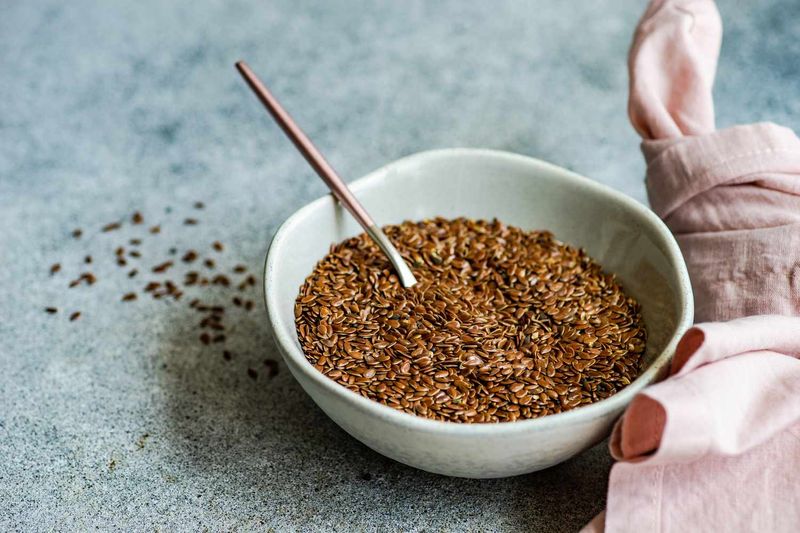
Flaxseeds are one of the richest plant sources of lignans, compounds that act as phytoestrogens and may help balance hormones during and after menopause. For men, lignans have been studied for their potential role in prostate health.
Ground flaxseeds are easier for the body to digest and absorb than whole ones. Stir a tablespoon into smoothies, yogurt, oatmeal, or baked goods.
They also provide a good dose of omega-3 fatty acids and soluble fiber, supporting both heart health and digestion.
17. Kimchi

Fermented foods are having a well-deserved moment in nutrition science, and kimchi is one of the most potent options available. Made from fermented cabbage and spices, it is loaded with beneficial probiotics that support gut microbiome diversity.
A healthy gut is increasingly linked to better immune function, mental health, and even reduced inflammation throughout the body. Kimchi also contains vitamins C and K along with fiber.
Start with small portions if you are new to fermented foods, as your digestive system may need time to adjust.
18. Almonds
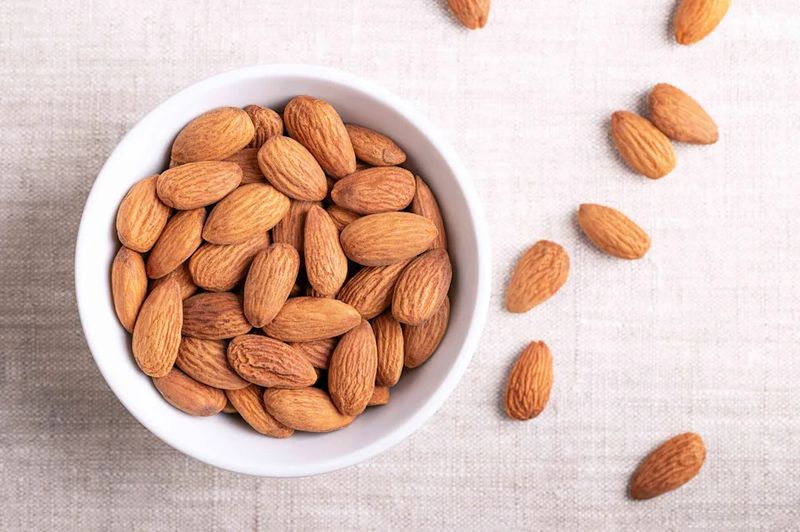
Grabbing a handful of almonds instead of processed snacks is one of the simplest swaps you can make for better health after fifty. Almonds are rich in vitamin E, a fat-soluble antioxidant that helps protect cells from oxidative damage linked to aging.
They also provide magnesium, which supports muscle function, blood sugar control, and sleep quality. Research shows that eating almonds regularly may help reduce LDL cholesterol levels.
About twenty-three almonds, roughly one ounce, is considered an ideal daily serving size.
19. Beans
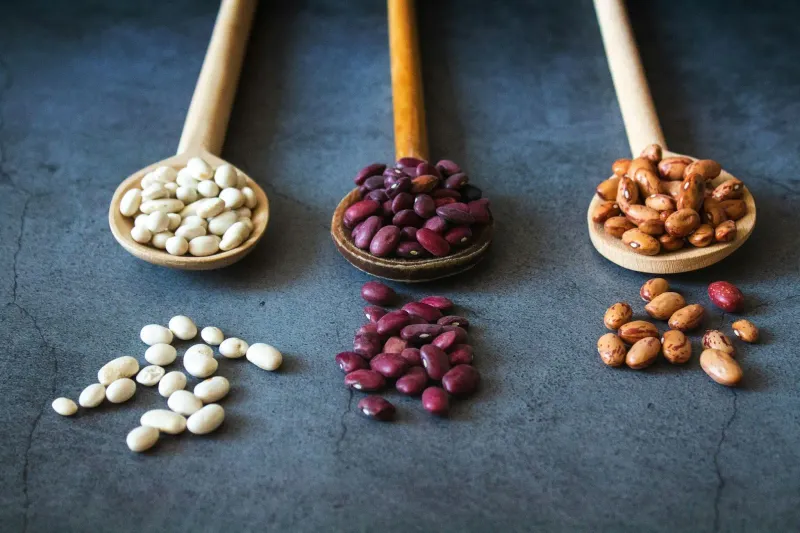
Beans are among the most budget-friendly longevity foods on the planet. Populations known for long, healthy lives, like those in the Blue Zones, eat beans almost every single day as a dietary cornerstone.
They are high in fiber, plant-based protein, and resistant starch, which feeds beneficial gut bacteria and helps regulate blood sugar. Black beans, kidney beans, chickpeas, and cannellini beans all offer slightly different nutrient profiles.
Canned beans are a perfectly fine convenience option when you rinse them first to reduce sodium.
20. Kefir
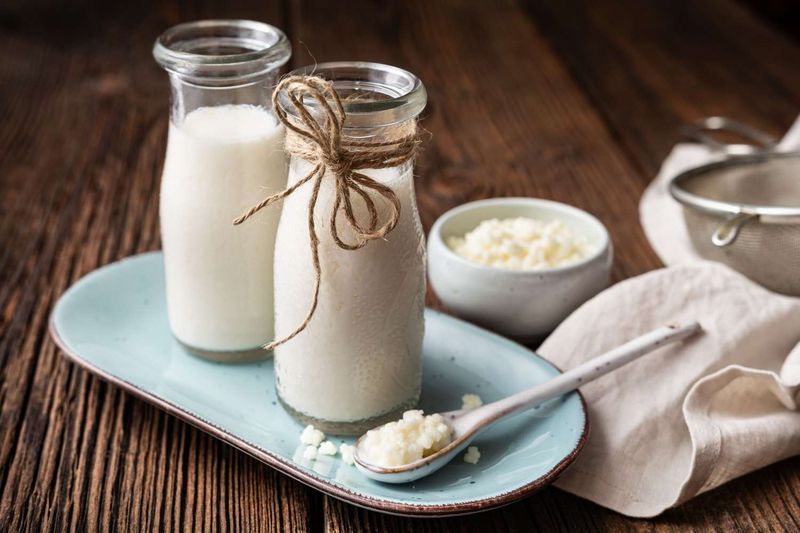
Think of kefir as yogurt's more powerful cousin. This fermented milk drink contains a wider variety of probiotic strains than most yogurts, making it one of the most effective foods for supporting a healthy gut microbiome.
After fifty, gut diversity tends to decline, which can affect digestion, immunity, and even mood. Kefir is also rich in calcium, protein, and B vitamins.
Many people who are mildly lactose intolerant can still tolerate kefir because fermentation breaks down much of the lactose naturally.
21. Dark Chocolate

Good news for chocolate lovers: dark chocolate with at least seventy percent cacao is genuinely good for you in moderate amounts. It is packed with flavonoids that support blood vessel flexibility, lower blood pressure, and improve circulation.
Some research even suggests regular dark chocolate consumption is associated with better memory and reduced risk of heart disease. A one-ounce square or two per day is enough to enjoy the benefits without overdoing calories or sugar.
Choose varieties with minimal added ingredients for the cleanest health impact.
22. Green Tea

Swapping your afternoon coffee for green tea even a few times a week could offer meaningful health benefits after fifty. Green tea contains EGCG, a catechin antioxidant that has been linked to reduced risk of heart disease, type 2 diabetes, and certain cancers.
It also provides a gentler caffeine boost than coffee, paired with L-theanine, an amino acid that promotes calm focus without the jitteriness. Drinking two to three cups daily appears to be the sweet spot for maximizing health benefits without overcaffeinating.




Comments
No Comments