













Most of us have a go-to way of cooking our favorite foods, but what if a small change could make them taste completely amazing? Sometimes all it takes is swapping your usual method for something new, like roasting instead of boiling or pan-searing instead of baking.
The results can be so good, you might never go back to your old habits. Get ready to upgrade your kitchen game with these simple but game-changing cooking swaps.
1. Broccoli
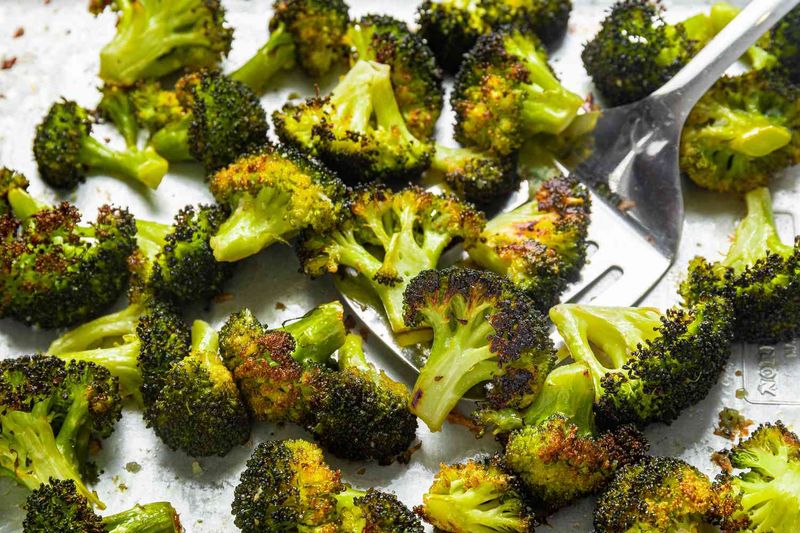
Boiled broccoli can taste mushy and bland, but roasting it in the oven completely changes the game. Toss the florets in olive oil, sprinkle with salt, and roast at 425°F until the edges turn golden and crispy.
Those slightly charred bits are packed with a nutty, almost caramel-like flavor that boiled broccoli never delivers. Even picky eaters tend to go back for seconds when broccoli is cooked this way.
2. Eggs
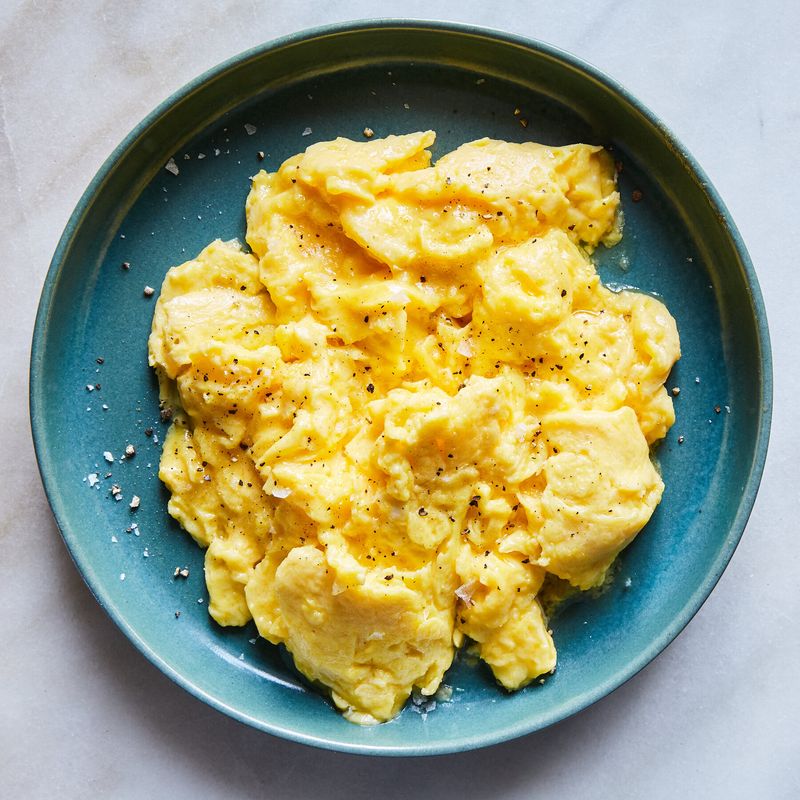
Scrambled eggs on the stovetop are a breakfast staple, but slow-cooking them over low heat creates something almost magical. Instead of high heat and fast stirring, use a low flame and fold the eggs gently every few seconds.
The result is creamy, soft curds that taste rich and almost buttery. Gordon Ramsay swears by this method, and once you try it, you will completely understand why.
3. Garlic
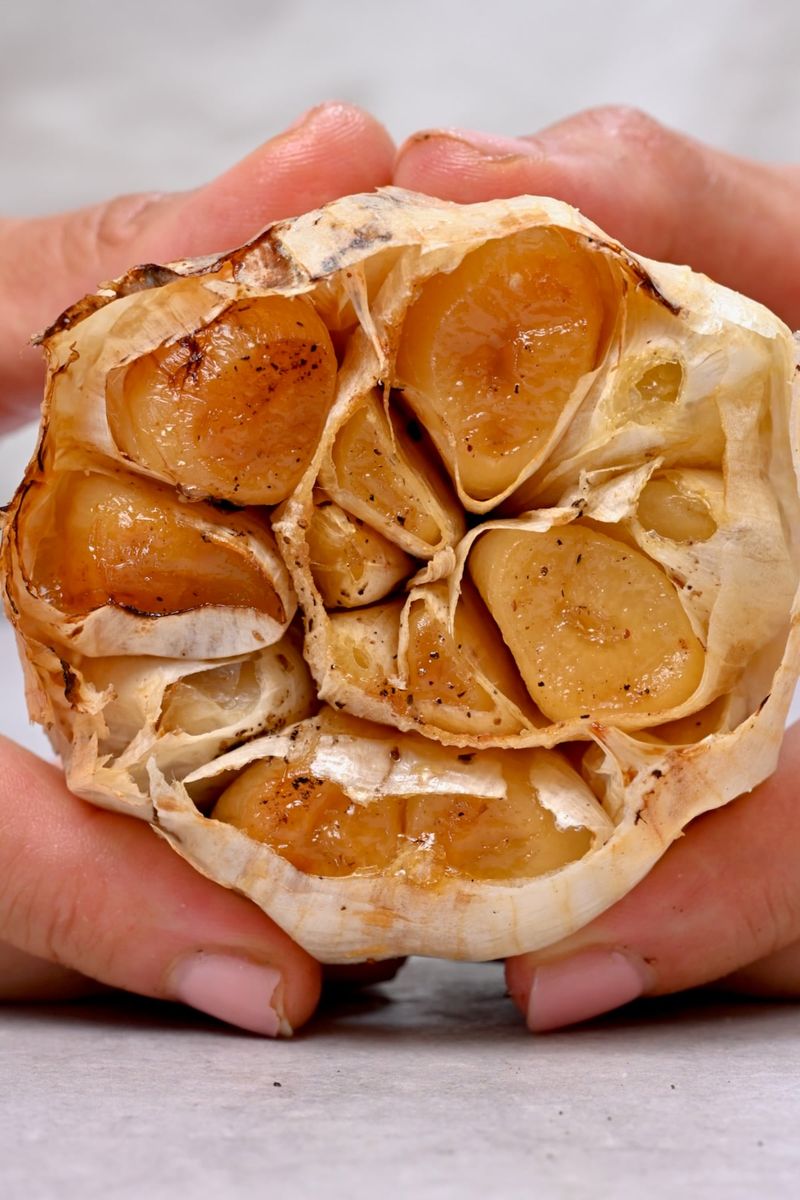
Raw garlic has a sharp, spicy bite that can overpower a dish, but roasting a whole head transforms it into something sweet and spreadable. Wrap it in foil, drizzle with olive oil, and roast at 400°F for about 40 minutes.
The cloves turn soft and golden, with a mellow, almost nutty sweetness. Spread it on toast or stir it into mashed potatoes for a flavor upgrade that feels fancy but costs almost nothing.
4. Carrots
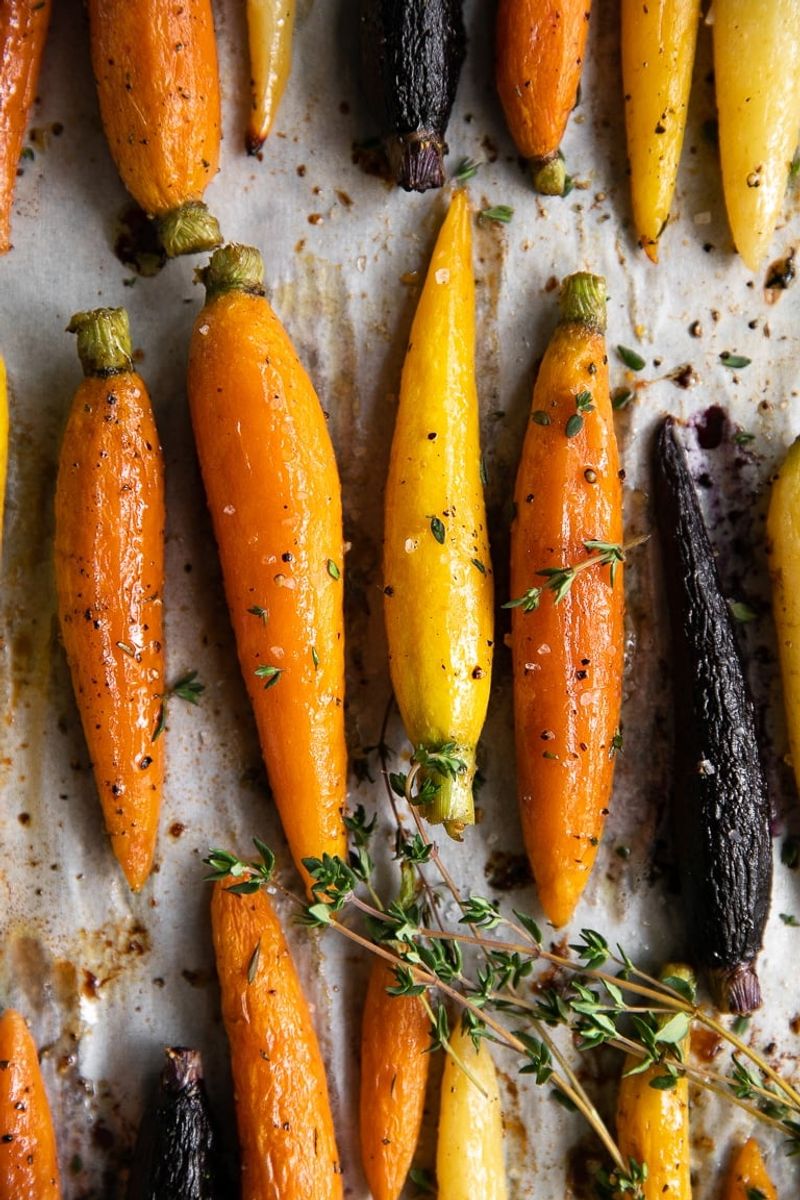
Steamed carrots are fine, but they rarely excite anyone at the dinner table. Roasting carrots with a drizzle of honey and a pinch of salt brings out their natural sweetness in a way that steaming simply cannot match.
The high heat caramelizes the sugars in the carrot, creating golden edges with a slightly crispy texture. Add a squeeze of lemon and some fresh thyme, and these carrots might just steal the whole show.
5. Chicken Breast
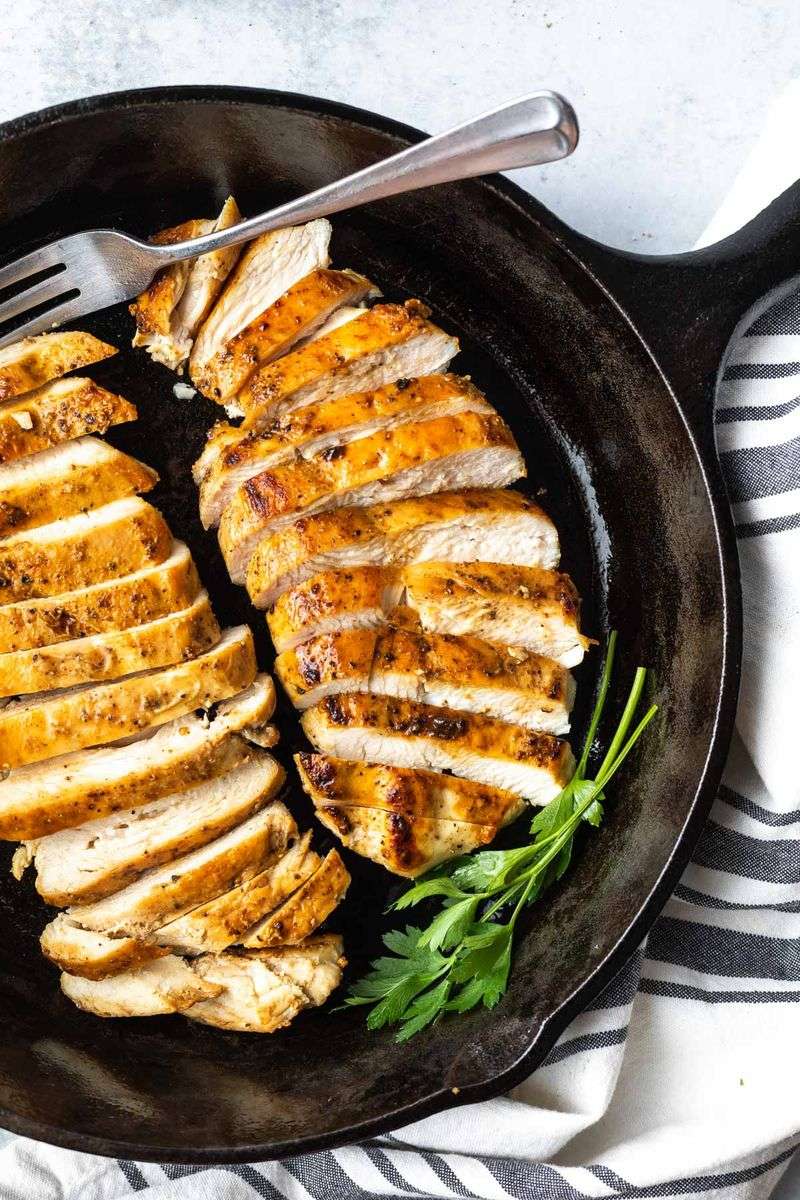
Baking chicken breast often leads to dry, rubbery results that are hard to enjoy. Pan-searing it in a hot cast iron skillet, then finishing it in the oven, gives you a crispy golden crust with a juicy, tender inside.
The key is high heat at the start to lock in moisture. Let the chicken rest for five minutes after cooking, and you will notice just how much of a difference this method makes.
6. Cauliflower
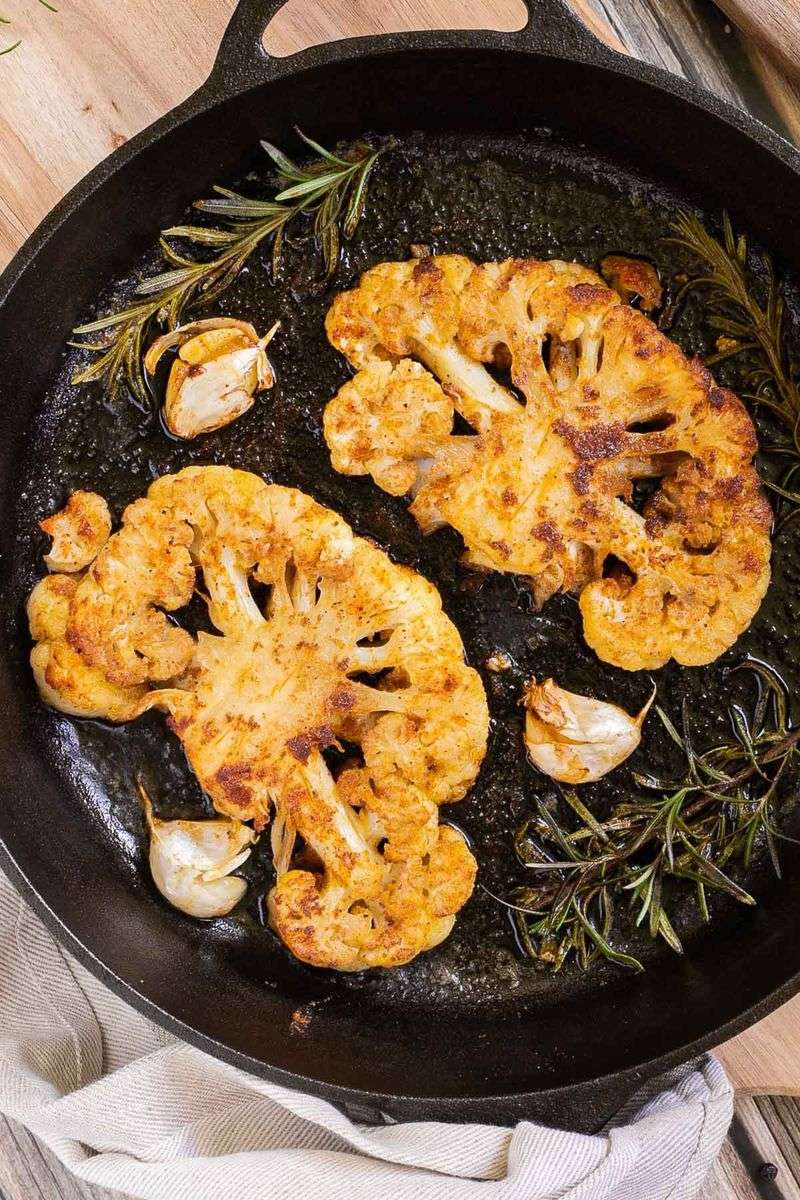
Cauliflower is often boiled into submission, losing both texture and flavor in the process. Try cutting it into thick steaks and searing them in a hot skillet with butter and garlic until each side is deeply golden.
This method creates a satisfying crust on the outside while keeping the inside tender. It is hearty enough to serve as a main dish, and it looks impressive on the plate without requiring any complicated cooking skills.
7. Tomatoes
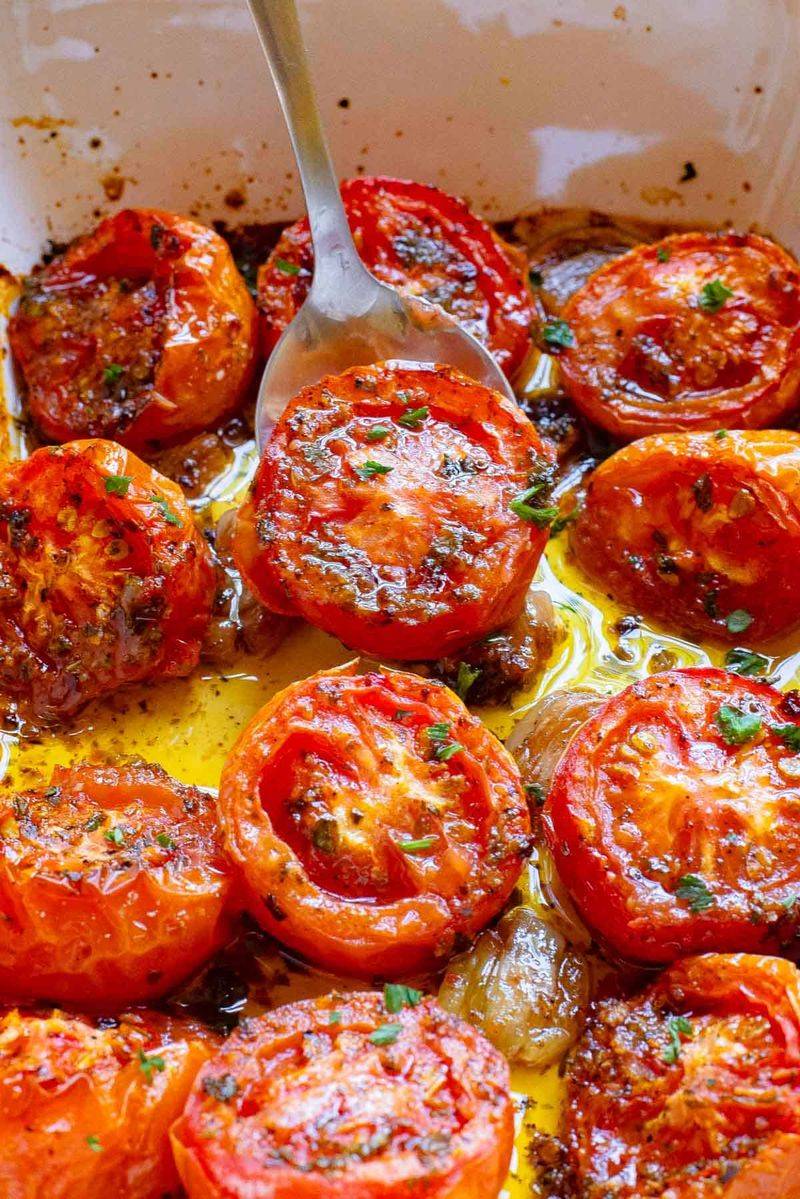
Fresh tomatoes are great in salads, but slow-roasting them concentrates every bit of their flavor into something deeply rich and sweet. Halve them, drizzle with olive oil, add garlic and thyme, and roast at 275°F for two hours.
The water evaporates, leaving behind an intensely flavorful tomato that tastes almost sun-dried. Stir them into pasta, pile them on bruschetta, or eat them straight from the pan because they are honestly that good.
8. Potatoes
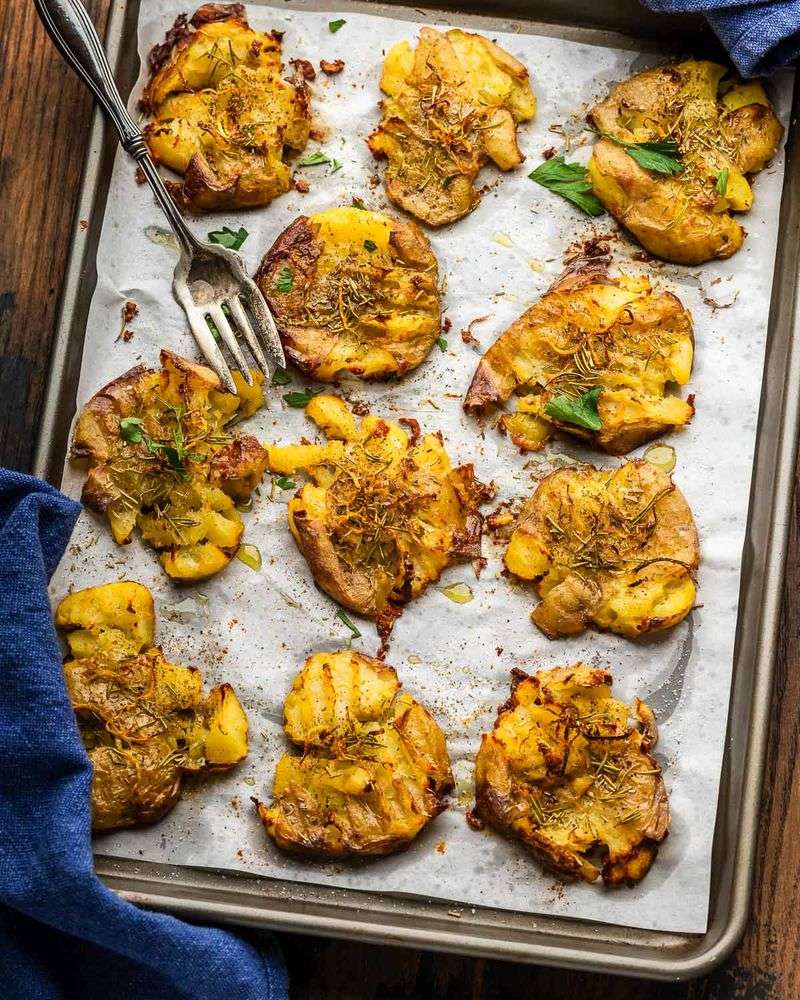
Mashed or boiled potatoes are comfort food classics, but smashed potatoes take things to a whole new level of delicious. Boil small potatoes until just tender, then smash them flat on a baking sheet and roast at high heat until crispy.
You get the fluffy inside of a boiled potato combined with shatteringly crispy edges that are impossible to resist. Top with sour cream and chives, and you have a side dish that outshines almost everything else on the table.
9. Onions
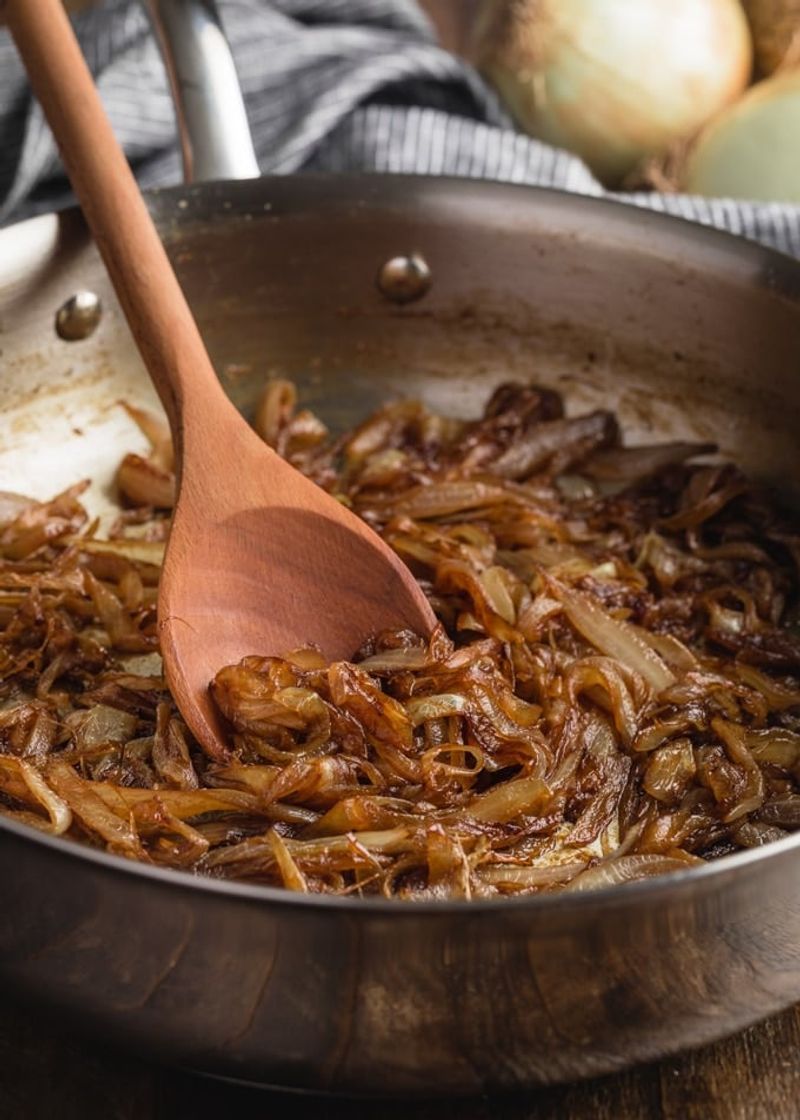
Raw onions are sharp and pungent, and even sauteed onions can feel underwhelming if you rush them. Slow-caramelizing onions over low heat for 45 minutes to an hour transforms them into something sweet, jammy, and deeply savory.
The natural sugars break down slowly, creating a rich, amber-colored topping that makes burgers, pizza, and pasta taste restaurant-quality. Patience is the only ingredient you really need to unlock this incredible flavor transformation.
10. Salmon
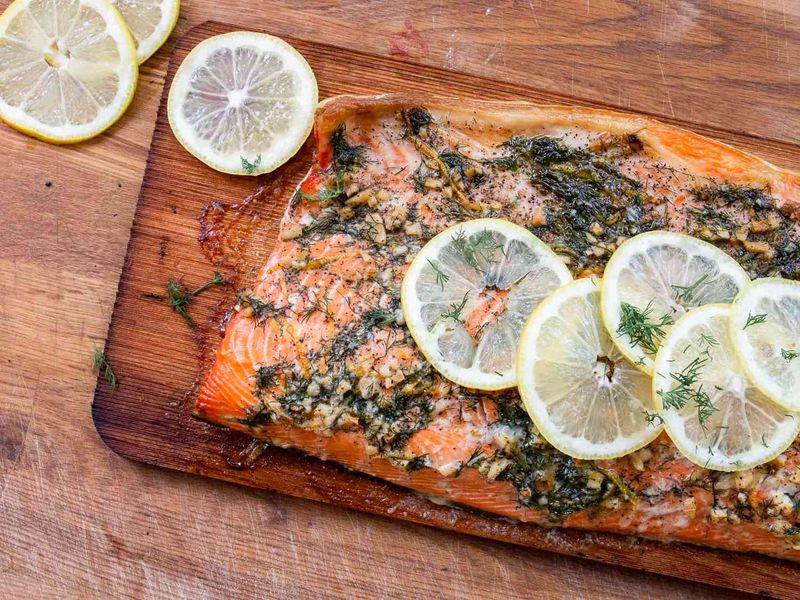
Most people bake or pan-fry salmon, but grilling it on a cedar plank adds a smoky, woodsy depth of flavor that is hard to beat. Soak the plank in water for an hour, place the salmon on top, and grill over medium heat.
The plank slowly releases a subtle cedar aroma that infuses the fish as it cooks. The result is moist, flavorful salmon with a slightly smoky finish that makes it feel like a gourmet meal with minimal effort.
11. Corn
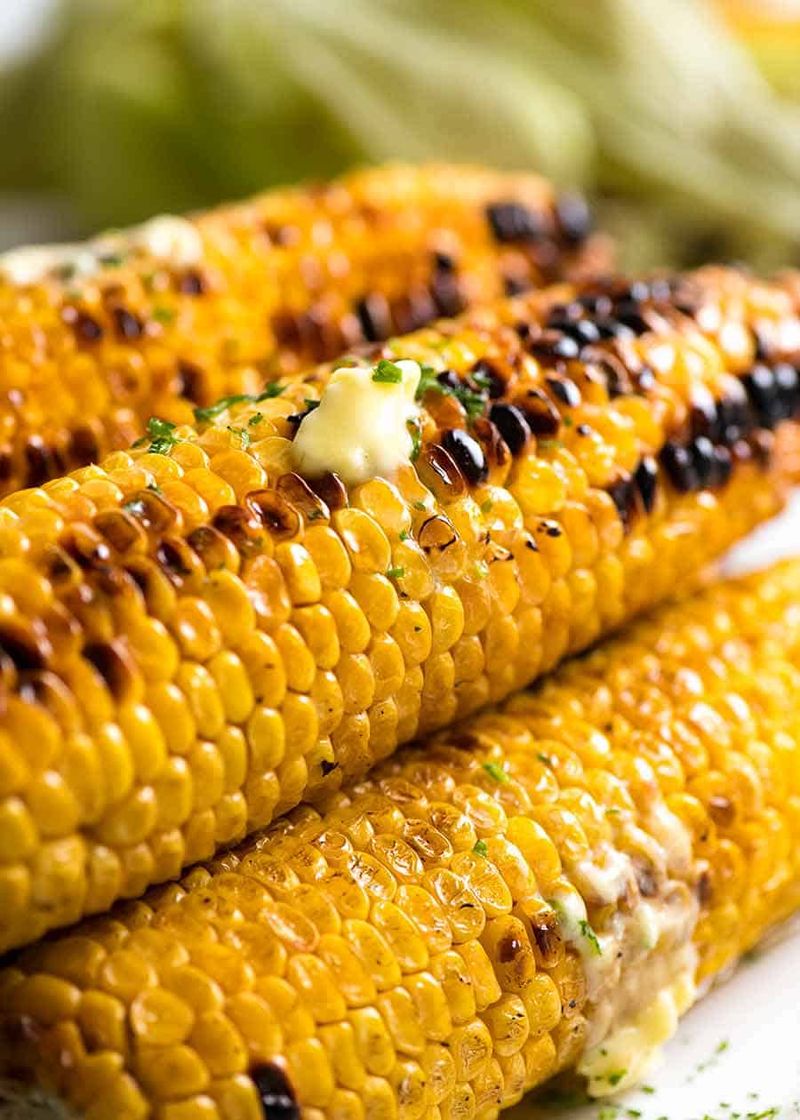
Boiling corn is the most common method, but it dilutes the natural sweetness that makes fresh corn so special. Grilling corn directly on the flame, husk and all, steams it from the inside while the outside chars beautifully.
Peel back the husk, brush with butter, and you have a smoky, sweet, slightly caramelized ear of corn that tastes like summer. Street-style with chili powder, lime, and cotija cheese takes it even further into flavor territory worth exploring.
12. Pasta
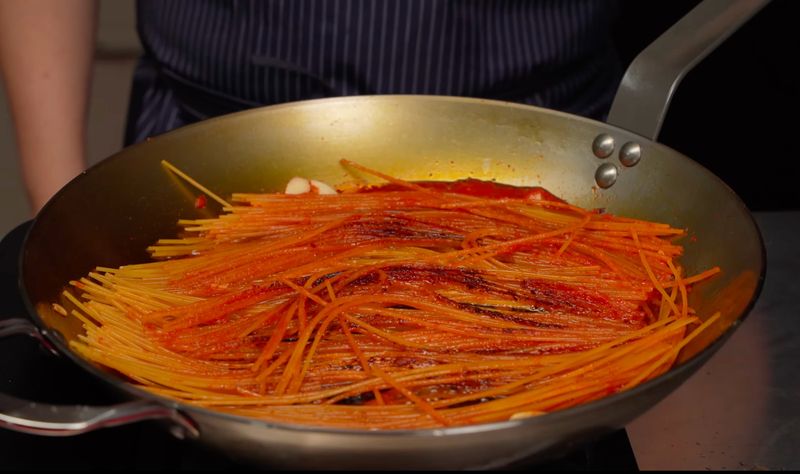
Boiling pasta straight from the box is standard, but toasting dry pasta in a skillet before adding liquid creates a surprisingly nutty, complex flavor. Heat a dry pan, add the pasta, and stir until it turns golden and fragrant.
Then cook it like risotto, adding warm broth a little at a time. The toasted pasta absorbs the liquid differently, resulting in a dish with a rich, almost roasted flavor that regular boiled pasta just cannot replicate.
13. Cabbage
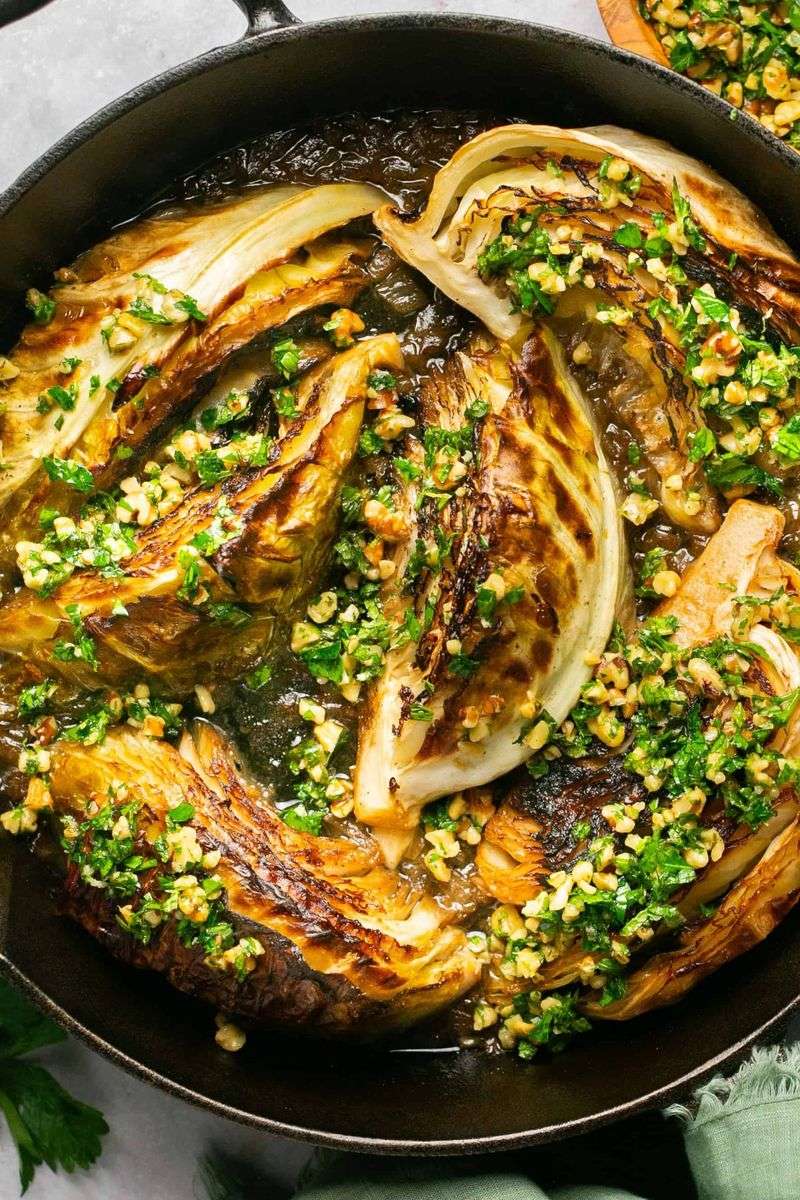
Cabbage often gets a bad reputation, mostly because boiling it turns it limp and slightly bitter. Roasting cabbage wedges in the oven at high heat is a completely different experience worth trying at least once.
The cut sides caramelize and turn golden, while the inner leaves become tender and sweet. Season with olive oil, caraway seeds, and a splash of apple cider vinegar for a side dish that surprises everyone who tries it.
14. Chickpeas
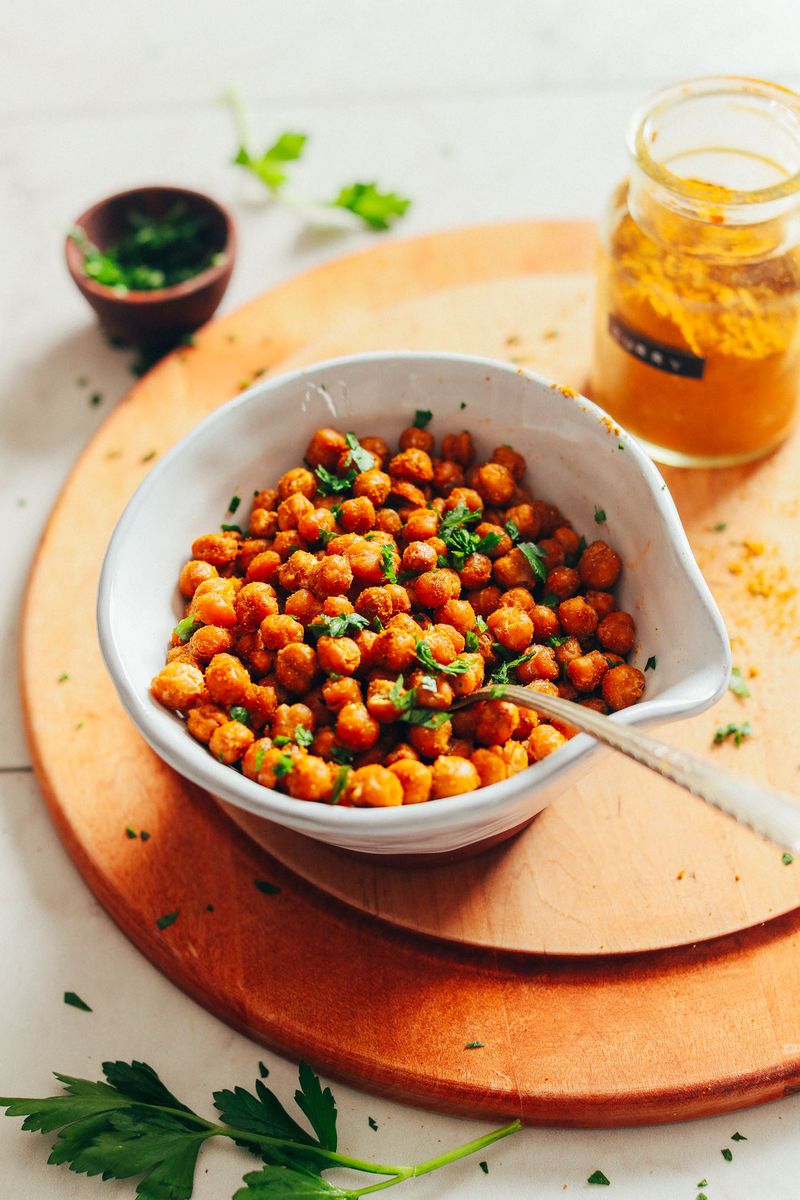
Canned chickpeas are a pantry staple, but most people only use them in soups or cold salads. Roasting them until crispy turns them into a crunchy, protein-packed snack that rivals chips in terms of snackability.
Drain, dry thoroughly, toss with olive oil and your favorite spices, then roast at 400°F until golden and crunchy. They stay crispy for hours and work perfectly as a salad topper, trail mix addition, or straight-from-the-bowl snack.
15. Bananas
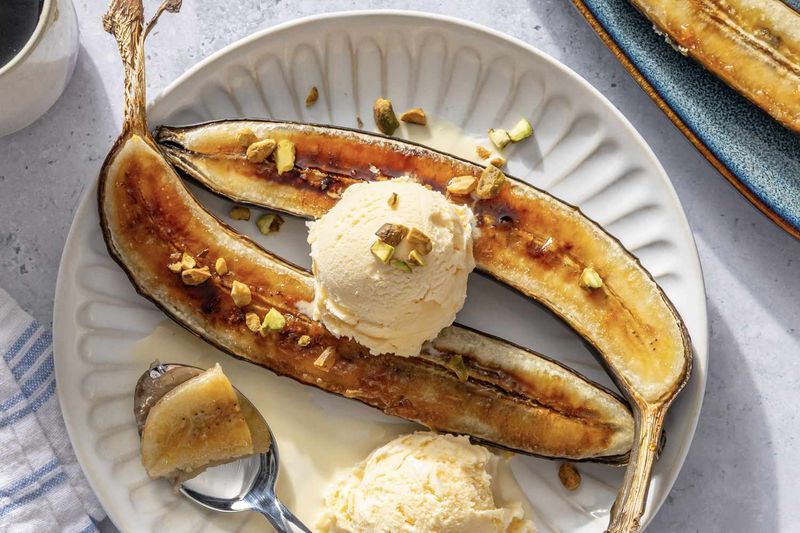
A ripe banana is already sweet, but broiling one with a sprinkle of brown sugar creates a caramelized, almost dessert-level treat in minutes. Slice bananas in half lengthwise, dust with cinnamon and brown sugar, and broil for three to four minutes.
The sugar bubbles and browns, creating a toffee-like crust over warm, soft fruit. Serve over vanilla ice cream or Greek yogurt for a quick dessert that feels way more impressive than the five minutes it takes to make.
16. Green Beans
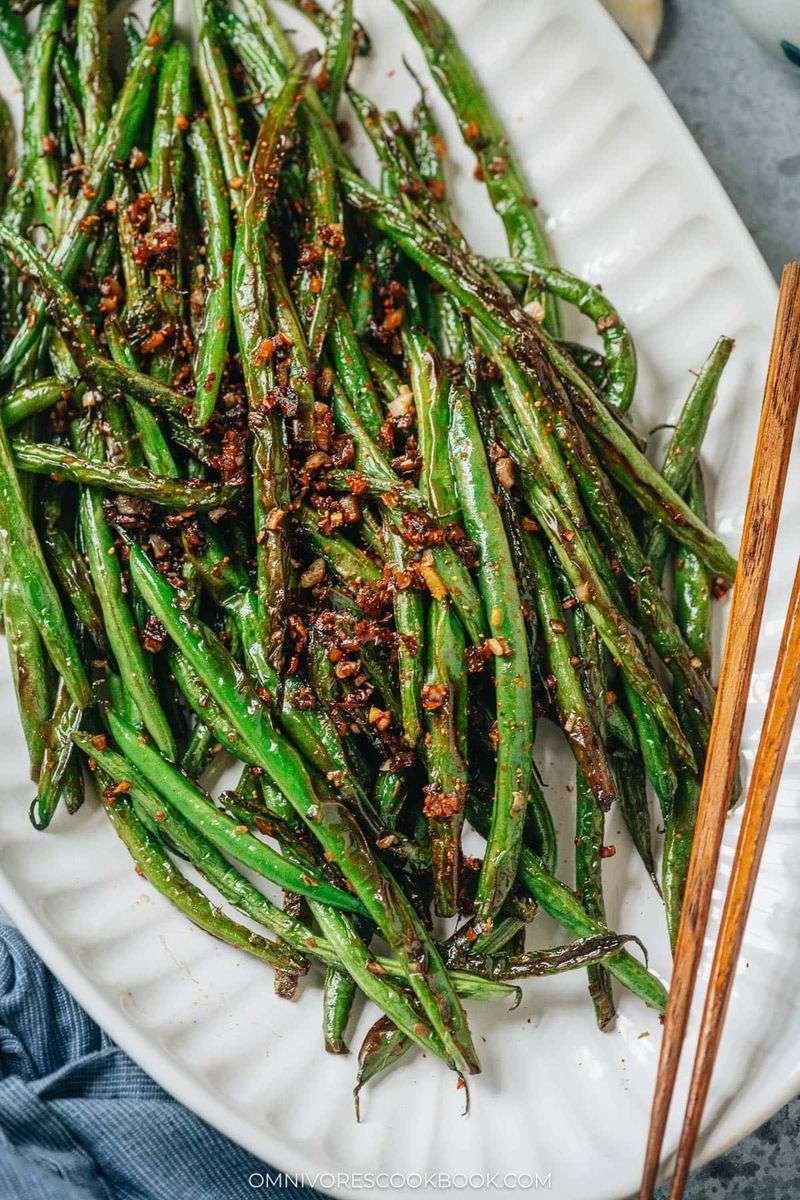
Steamed green beans are fine, but they tend to sit on the plate without much personality. Dry-frying them in a very hot skillet with no oil at first creates blistered, slightly charred beans with a smoky, concentrated flavor.
Once blistered, add a splash of soy sauce, minced garlic, and sesame oil for a side dish inspired by Chinese dry-fried green beans. The texture is tender inside with a satisfying chew on the outside that steaming never achieves.
17. Lemons
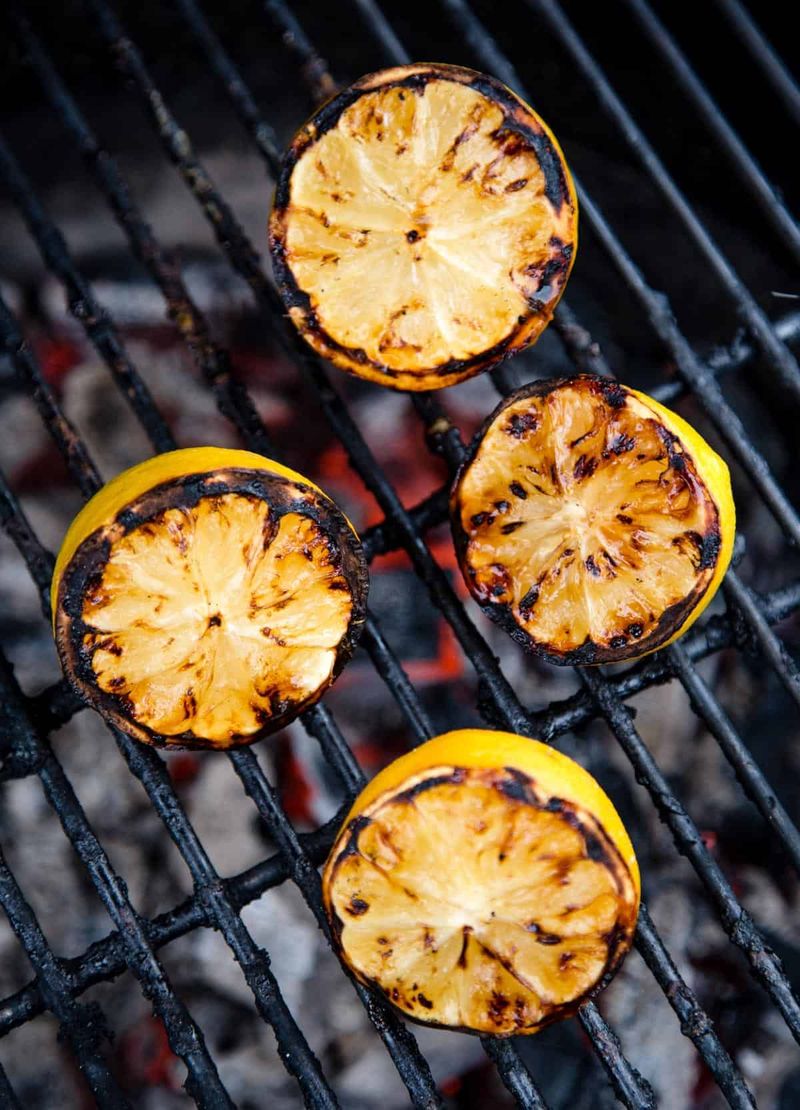
Squeezing a raw lemon over food is standard, but grilling a lemon cut-side down for a few minutes before squeezing changes the flavor entirely. The heat caramelizes the sugars in the juice and mellows out the sharp acidity.
Grilled lemon juice has a smoky, slightly sweet quality that adds depth to grilled fish, chicken, or roasted vegetables. It is one of those tiny tricks that professional chefs use regularly, and it costs absolutely nothing extra to do.
18. Rice
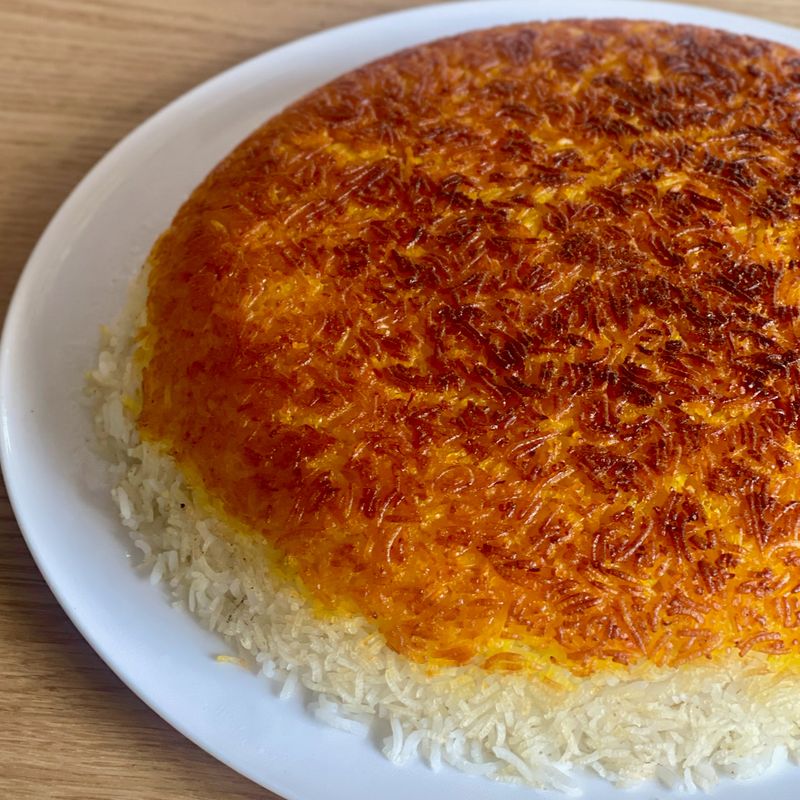
Plain boiled or steamed rice is perfectly fine, but learning the Persian technique of tahdig will change how you think about rice forever. The method involves cooking rice with a layer of oil at the bottom of the pot, creating a golden, crispy crust.
The rest of the rice steams perfectly above while the bottom turns crunchy and delicious. That crispy bottom layer, called tahdig, is considered the most prized part of the meal in Persian culture.
19. Mushrooms
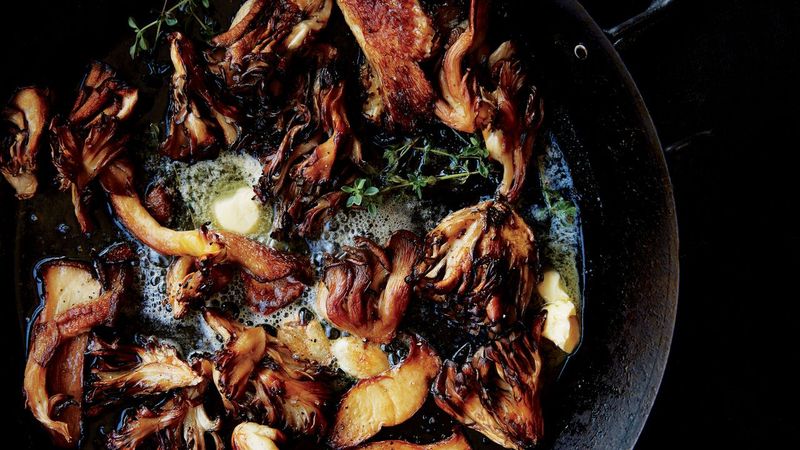
Overcrowding mushrooms in a pan and stirring constantly is the number one mistake people make, leading to soggy, steamed results. The secret to incredible mushrooms is a very hot, dry pan with enough space between each piece.
Leave them alone for several minutes until a deep brown crust forms, then flip just once. Add butter and thyme at the end for a rich, meaty flavor that makes mushrooms taste like the most satisfying thing on the plate.
20. Oats
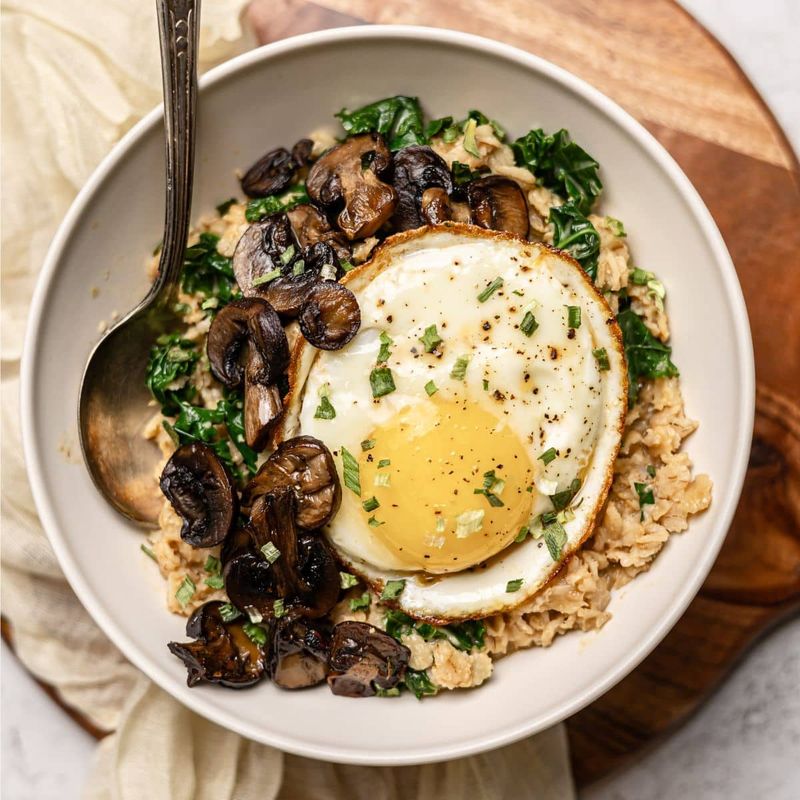
Oatmeal cooked straight in water is nutritious but often pretty boring in flavor. Toasting dry oats in a dry skillet for a few minutes before adding liquid gives them a warm, nutty aroma that makes the whole bowl taste more interesting.
You can also cook oats in broth instead of water for a savory version topped with a fried egg and herbs. Savory oatmeal sounds strange at first, but the toasty, creamy result has won over a lot of skeptics.
21. Bell Peppers
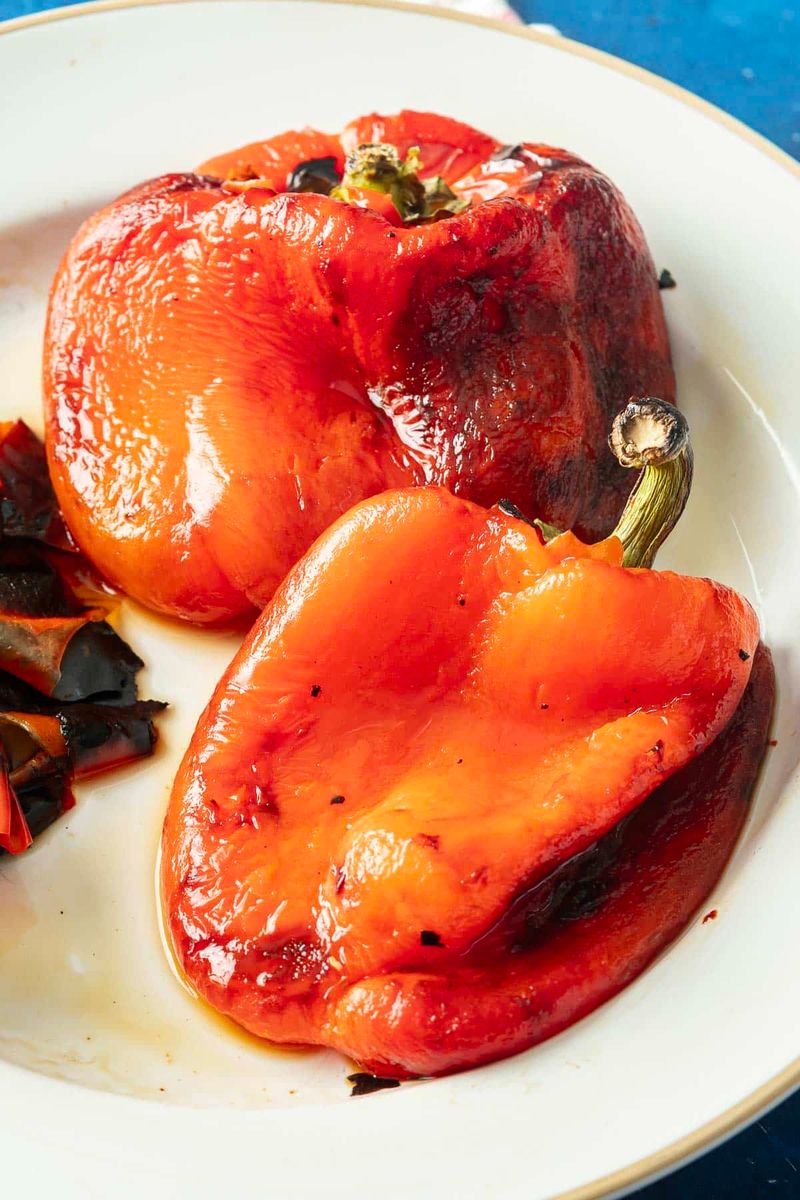
Raw bell peppers are crunchy and fresh, but roasting them directly over a gas flame or under the broiler unlocks a completely different, smoky sweetness. The skin blisters and chars, and once you peel it away, the flesh underneath is silky and tender.
Place roasted peppers in a sealed bag for ten minutes to make peeling easier. Use them in sandwiches, pasta, or blend them into a rich roasted red pepper sauce that tastes like it took all day to make.
22. Butter
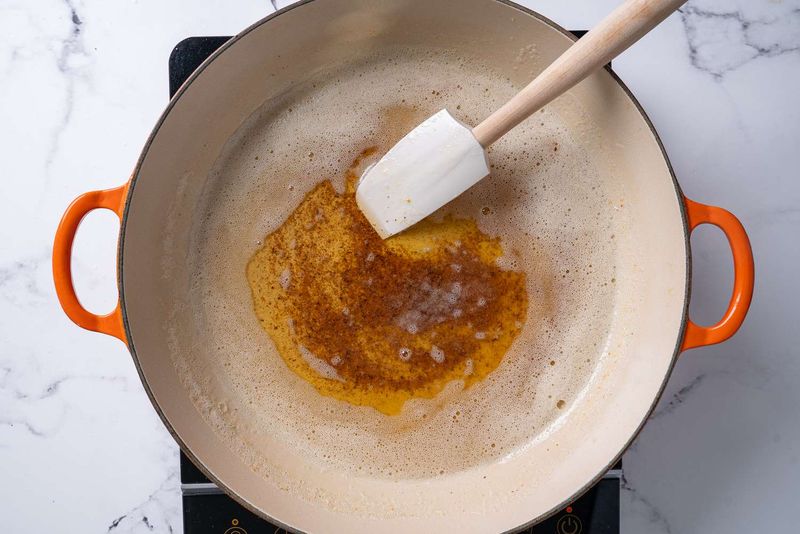
Regular melted butter is delicious, but browning it on the stovetop creates something chefs call beurre noisette, which is French for hazelnut butter. As the butter heats, the milk solids toast and turn golden, releasing a rich, nutty fragrance.
It only takes about five minutes and completely transforms baked goods, pasta, and vegetables. Drizzle brown butter over roasted squash, stir it into cookie dough, or toss it with sage and pasta for an incredibly simple but restaurant-worthy dish.




Comments
No Comments