













Pasta is one of those magical foods that can go from simple and plain to absolutely restaurant-worthy with just a few clever tricks. Whether you're cooking for yourself on a Tuesday night or impressing guests at a dinner party, there are easy ways to take your pasta game to a whole new level.
You don't need fancy training or expensive ingredients to make something that tastes truly special. These tips will help you transform a basic bowl of noodles into a dish worth bragging about.
1. Salt Your Pasta Water Like You Mean It
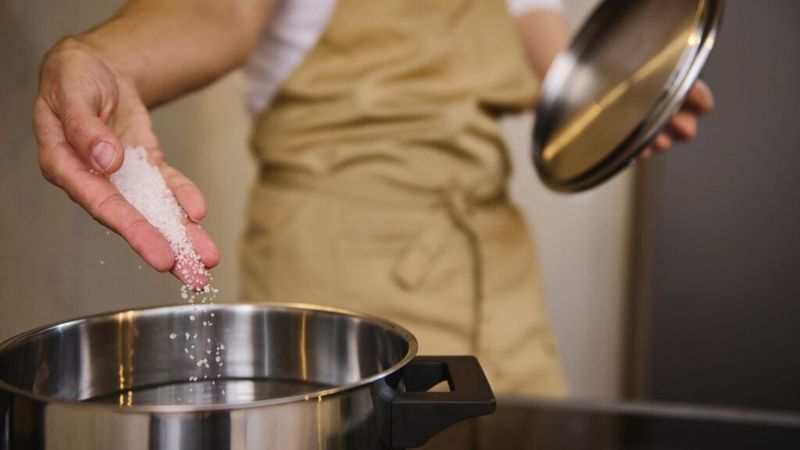
Here's a secret that professional chefs swear by: pasta water should taste almost as salty as the ocean. Most home cooks barely add a pinch, but that step is where flavor starts — before the sauce even touches the noodles.
Well-salted water seasons the pasta from the inside out, so every bite carries flavor on its own. Try adding about one tablespoon of salt per pound of pasta and taste the difference yourself.
2. Cook Pasta Just Until Al Dente
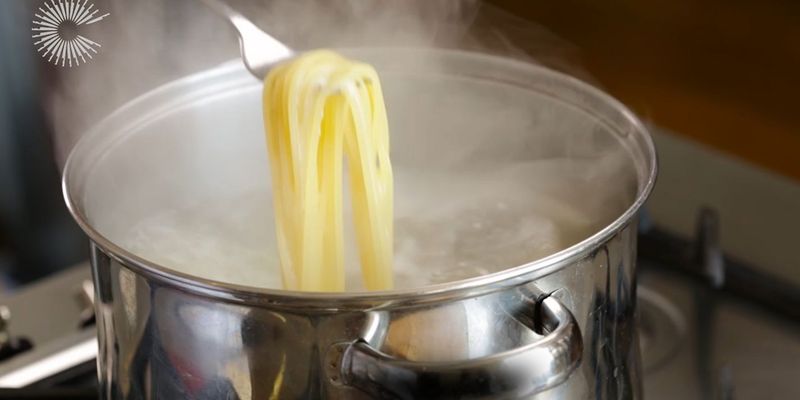
Mushy pasta is the enemy of a great dish. Al dente — which means "to the tooth" in Italian — refers to pasta that is cooked through but still has a slight chew to it.
That texture makes every forkful more satisfying.
Start checking your pasta one to two minutes before the package says it's done. Perfectly cooked pasta also holds onto sauce better, which means more flavor in every single bite.
3. Save a Cup of That Starchy Pasta Water
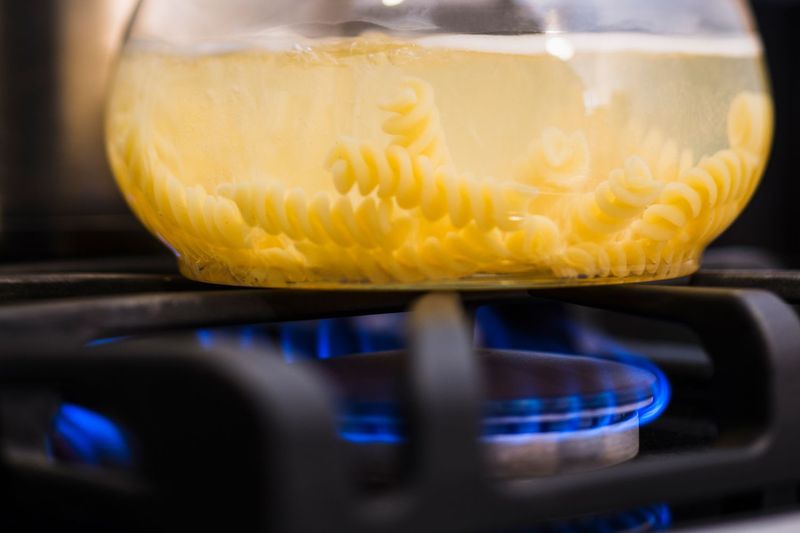
Before you drain your pasta, scoop out a cup of that cloudy cooking water. It looks plain, but it's actually liquid gold for finishing a sauce.
The starch in the water helps bind sauce to noodles like a natural glue.
Stir a splash into your sauce while tossing the pasta and watch it turn silky and smooth. Many classic Italian recipes rely on this trick instead of heavy cream to get that luxurious, restaurant-style consistency.
4. Finish Pasta in the Sauce Pan
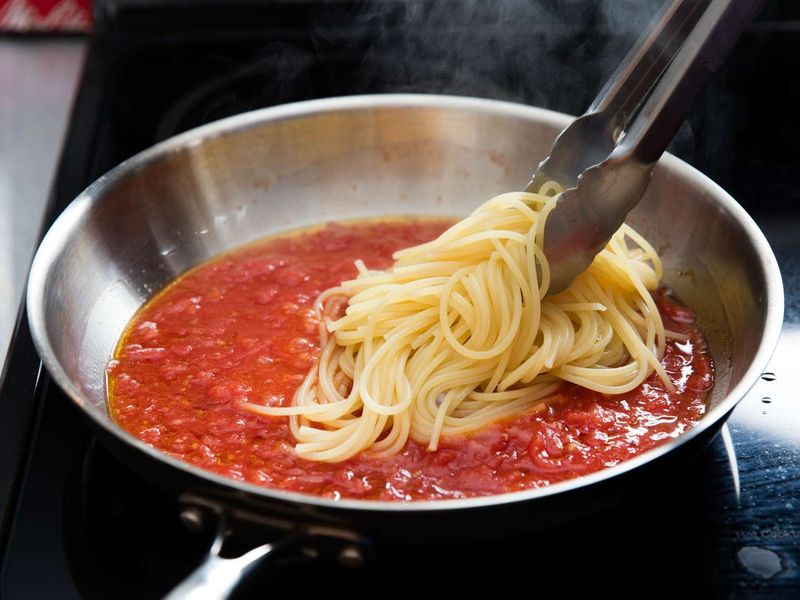
Instead of draining your pasta and just pouring sauce on top, try finishing the cooking process right in the pan with the sauce. Pull the noodles out of the water a minute early and toss them directly into the simmering sauce.
This technique lets the pasta absorb the sauce rather than just wearing it. The result is a deeply flavored, cohesive dish that feels like something a trained chef made — not just a weeknight shortcut.
5. Use High-Quality Olive Oil as a Finishing Touch
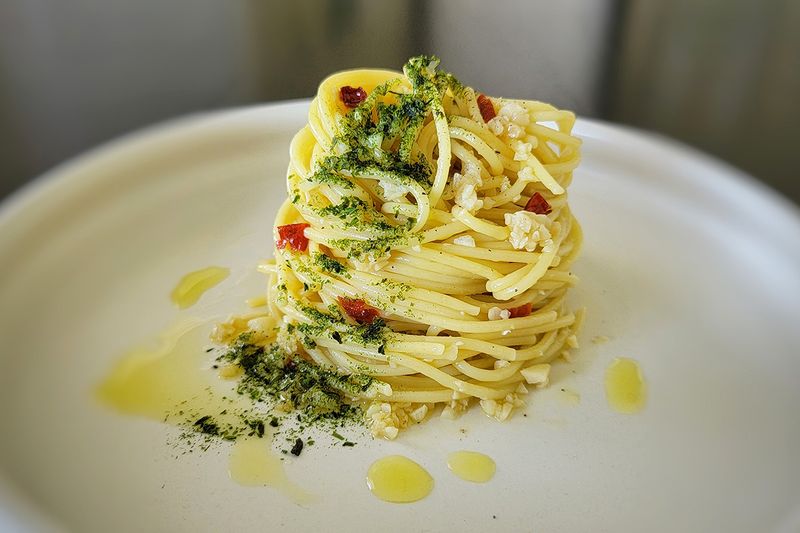
A drizzle of good extra virgin olive oil right before serving can completely change the flavor profile of a pasta dish. Unlike cooking oil, finishing oil is meant to be tasted — and a quality bottle has a fruity, peppery richness that budget brands simply can't match.
You only need a small amount. Just a tablespoon over the top adds depth, sheen, and a fresh aroma that makes the dish feel elevated and intentional rather than rushed.
6. Toast Your Breadcrumbs for a Crunchy Topping
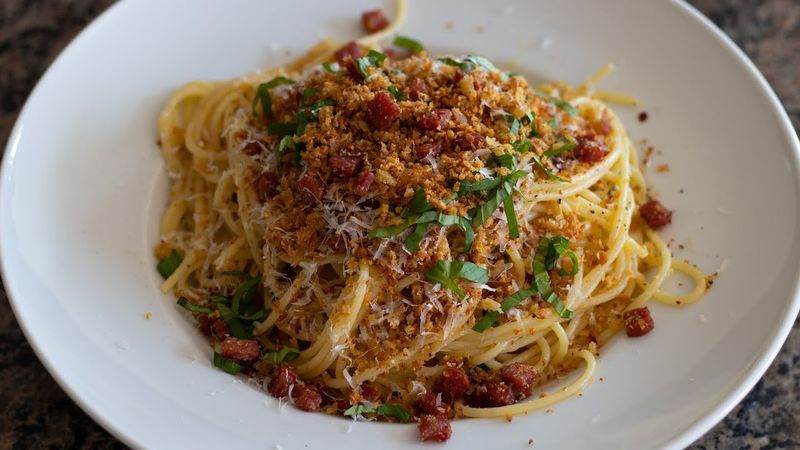
Forget plain pasta — crispy breadcrumbs on top add a texture that makes every bite more exciting. Called "pangrattato" in Italian cooking, toasted breadcrumbs were historically used as a poor man's substitute for Parmesan.
Now chefs use them on purpose because they're that good.
Toast breadcrumbs in olive oil with garlic, lemon zest, and herbs until golden. Sprinkle generously over your finished pasta for a crunch that feels gourmet without adding much cost or effort.
7. Bloom Your Spices and Herbs in Butter or Oil
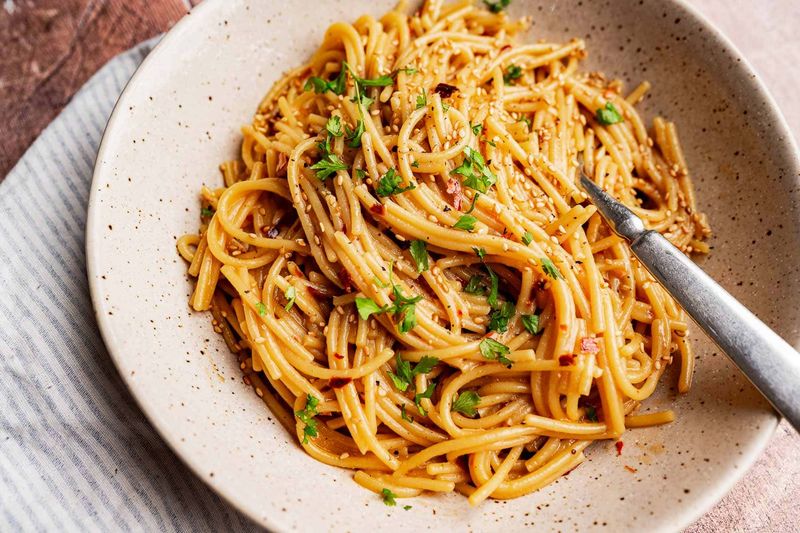
Raw spices tossed into a finished dish taste flat and one-dimensional. Blooming means gently cooking spices or herbs in fat — butter or olive oil — for a minute or two before adding anything else.
That short step unlocks deep, rounded flavor.
Try warming red pepper flakes, garlic, and dried oregano in olive oil before building your sauce. The aroma alone will make your kitchen smell like an Italian trattoria, and the flavor will follow right behind it.
8. Grate Fresh Parmesan Right at the Table
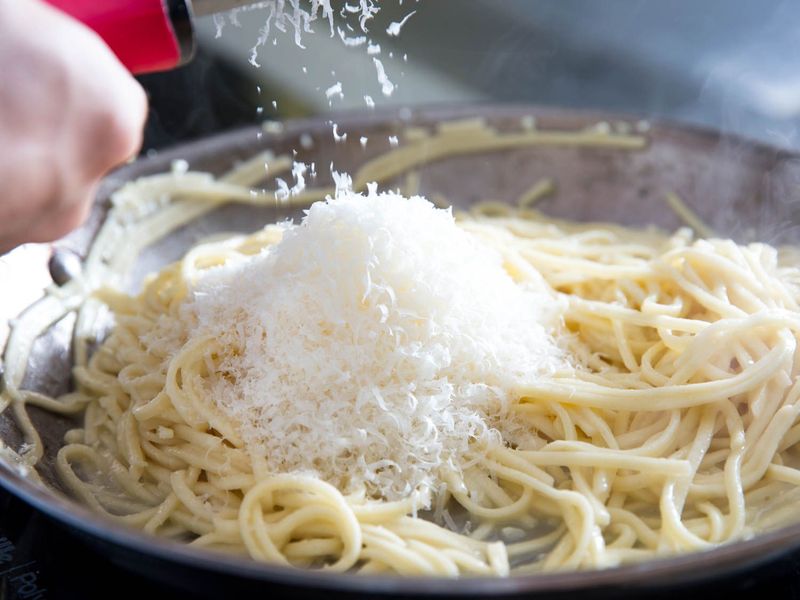
Pre-shredded cheese from a bag works in a pinch, but nothing compares to freshly grated Parmesan from a real wedge. The flavor is nuttier, sharper, and more complex — and it melts into the pasta in a way that pre-packaged shreds never quite manage.
Grating it right at the table is also a fun, interactive touch that makes dinner feel more special. Pick up a small block of Parmigiano-Reggiano and a fine grater — your pasta will thank you for it.
9. Add Acid to Brighten the Whole Dish
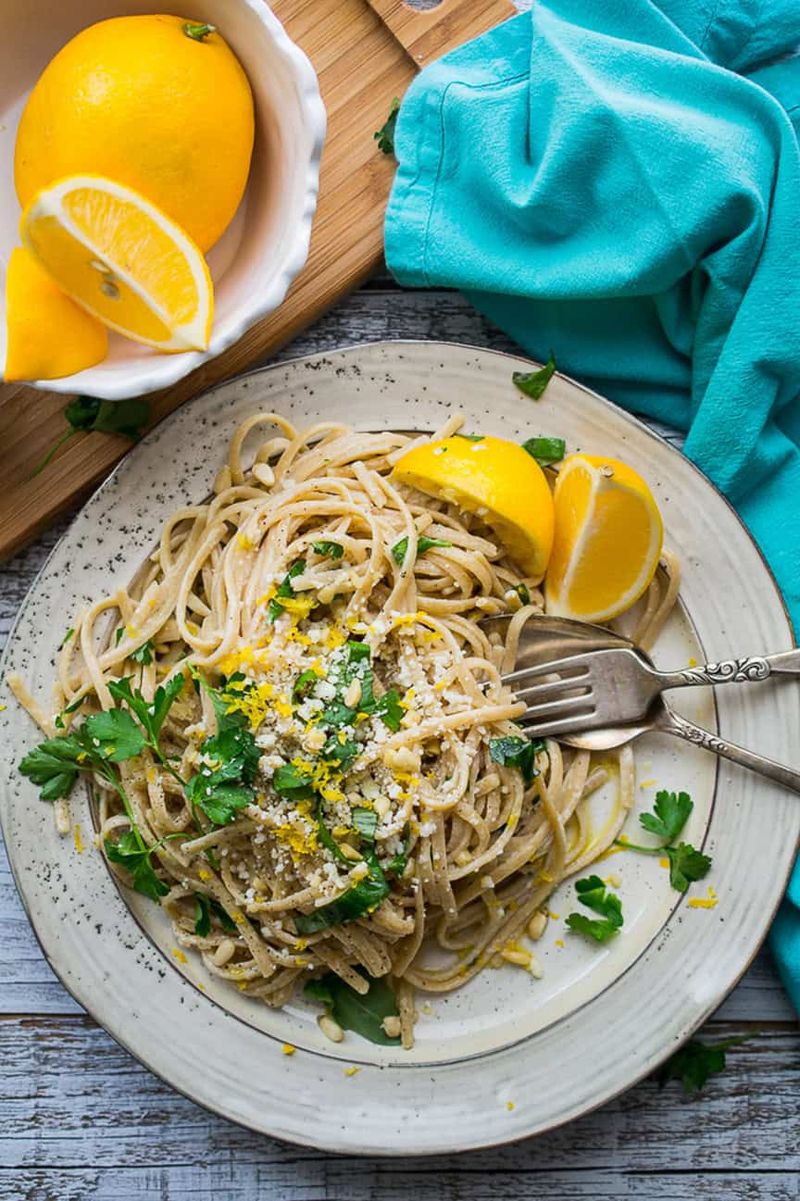
A squeeze of lemon juice or a splash of white wine vinegar can completely wake up a pasta dish that tastes flat or heavy. Acid cuts through richness, balances salt, and brings all the other flavors into sharper focus.
You don't need much — just a small squeeze right before serving. Try it on a creamy pasta and notice how the dish suddenly tastes lighter and more vibrant.
It's one of those small moves that makes a massive difference.
10. Brown Your Butter for a Nutty, Rich Sauce Base
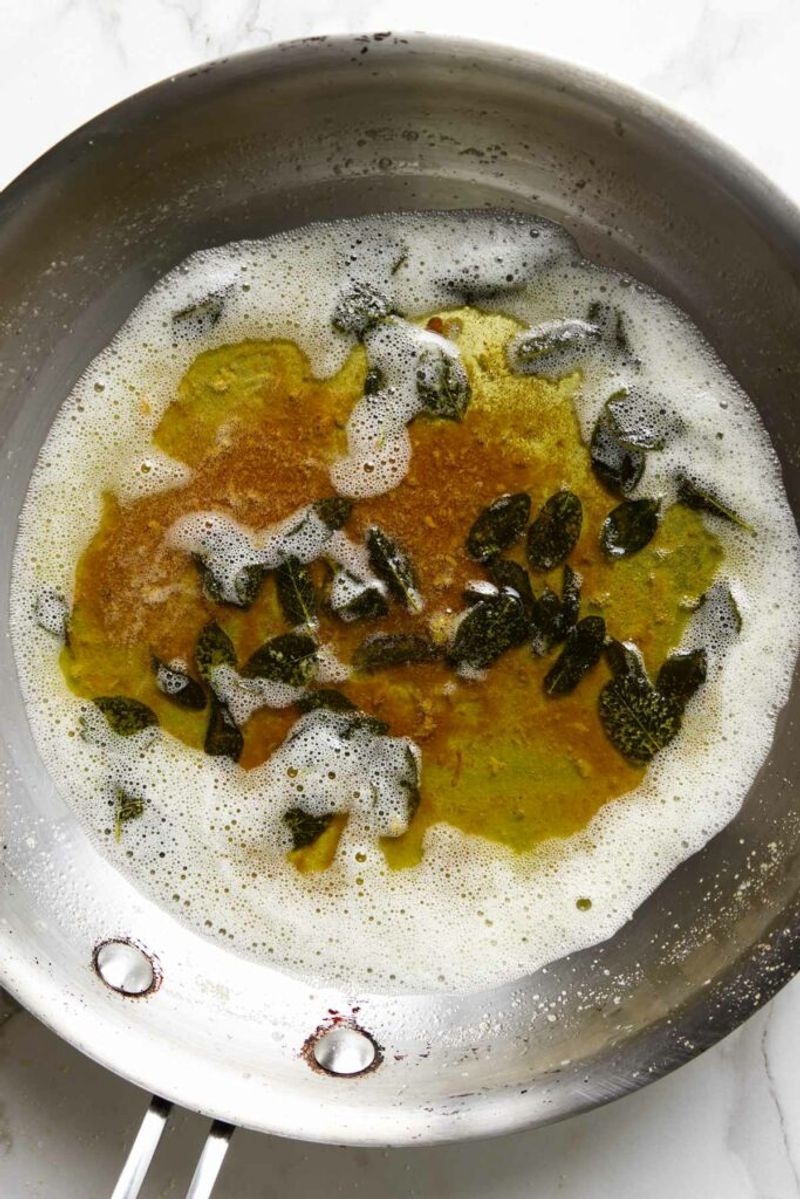
Regular melted butter is fine, but browned butter is something else entirely. When butter is cooked past melting, the milk solids caramelize and turn golden, creating a deep, nutty, almost toffee-like flavor that elevates even the simplest pasta.
Brown butter with sage leaves is a classic Italian combination that takes about five minutes to make and tastes like it came from a fancy restaurant. Toss it with ravioli or gnocchi for an effortlessly impressive result every single time.
11. Layer Flavors With a Soffritto Base
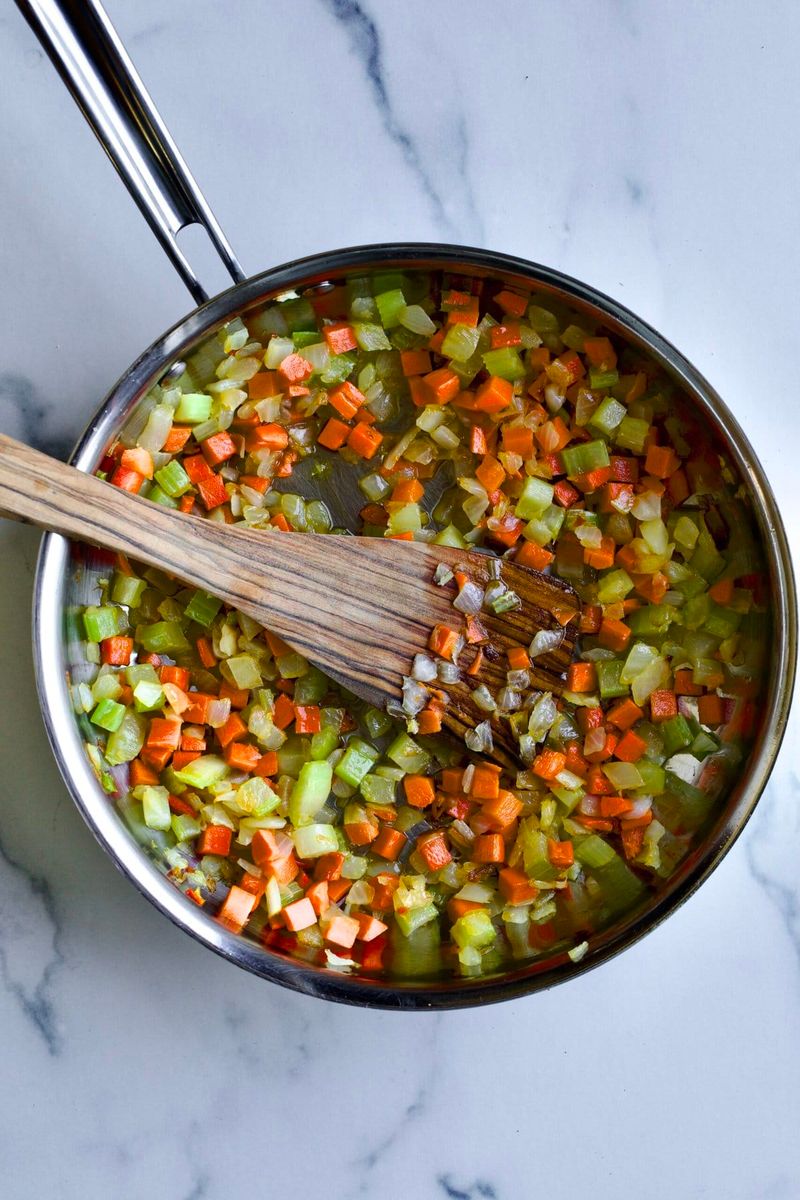
Soffritto is the Italian version of a flavor base — a slow-cooked mix of onion, celery, and carrot that forms the backbone of countless sauces. It sounds simple, but the slow cooking process coaxes out natural sweetness and creates incredible depth.
Spend ten minutes letting your soffritto cook low and slow before adding tomatoes or broth. That patience pays off in a sauce that tastes like it has been simmering for hours, even if the rest of the meal came together quickly.
12. Choose the Right Pasta Shape for Your Sauce
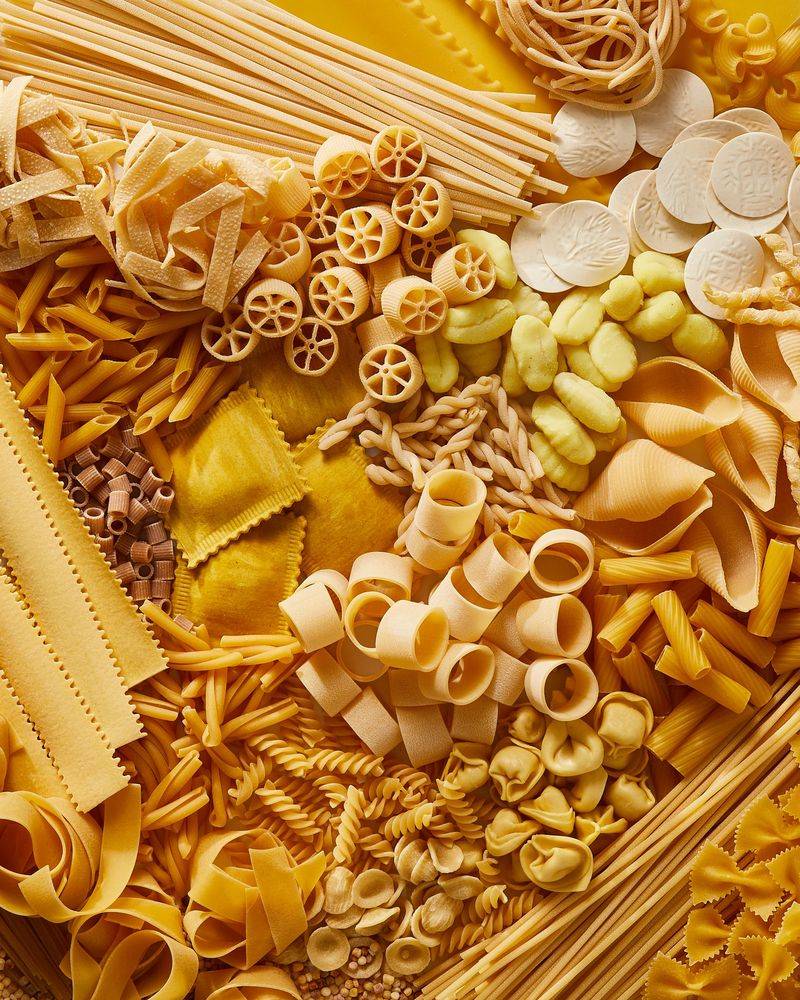
Not all pasta shapes work equally well with every sauce. Thick, chunky sauces cling best to ridged or tubular shapes like rigatoni or penne, while thin, delicate sauces pair better with long, flat noodles like linguine or tagliatelle.
Matching the shape to the sauce isn't just a chef trick — it genuinely changes how much flavor reaches your mouth in each bite. Next time you cook, think about the sauce first, then pick the pasta to match it.
13. Make a Pan Sauce With Wine and Aromatics
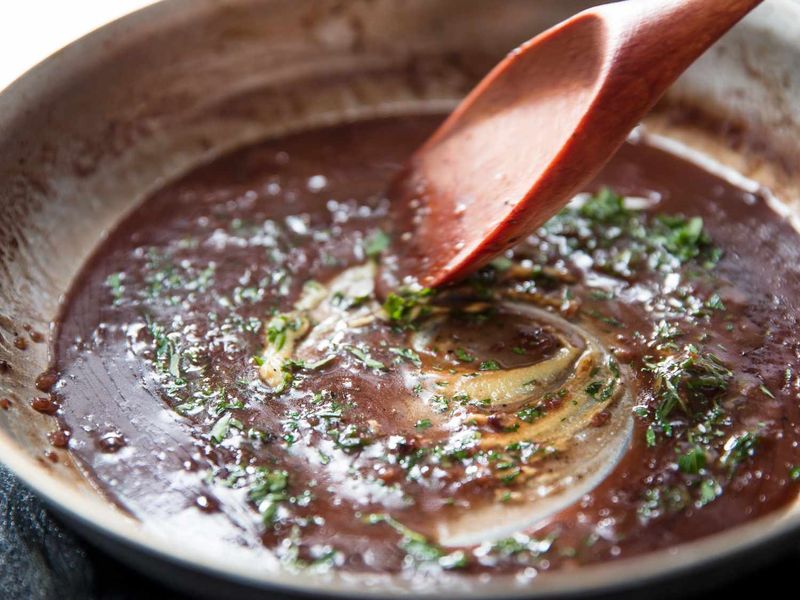
After browning meat or vegetables for a pasta dish, don't wash that pan. Those caramelized bits stuck to the bottom — called fond — are packed with flavor waiting to be released.
Pour in a splash of white or red wine and scrape everything up.
Add garlic, shallots, and fresh herbs and let it all reduce before tossing in your cooked pasta. A two-minute pan sauce made this way tastes far more complex and sophisticated than anything that comes from a jar.
14. Add Umami With Anchovies or Miso
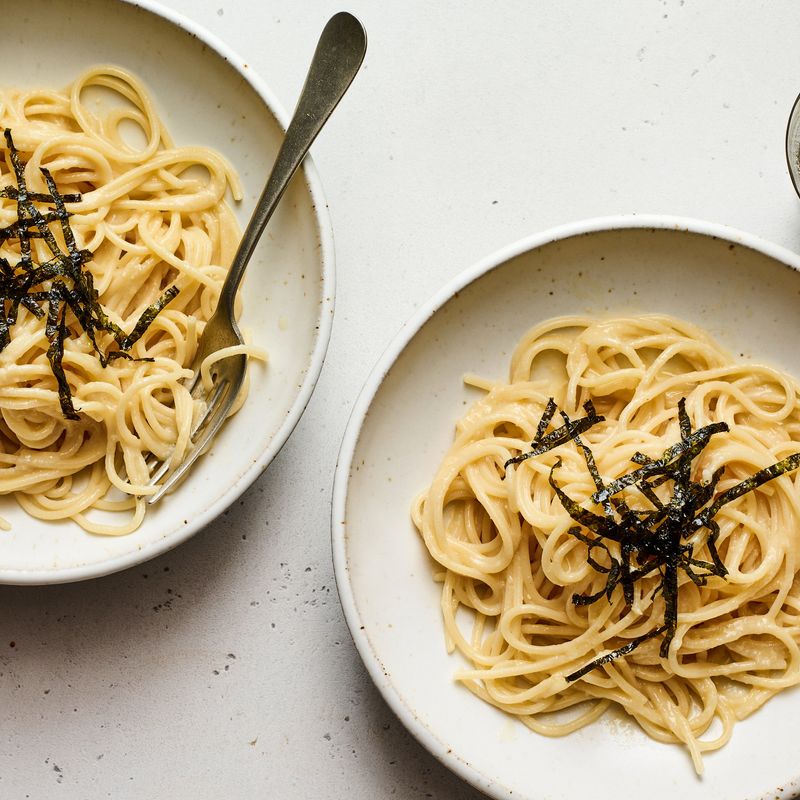
Anchovies and miso paste might sound like odd additions, but they share a powerful secret: both are loaded with umami, the savory depth that makes food taste rich and satisfying without being able to pinpoint exactly why.
A single anchovy fillet dissolved in olive oil at the start of cooking adds invisible layers of flavor — you won't taste fish, just a mysterious richness. A teaspoon of white miso stirred into cream sauce does the same thing beautifully and works for vegetarians too.
15. Roast Your Vegetables Before Adding Them to Pasta
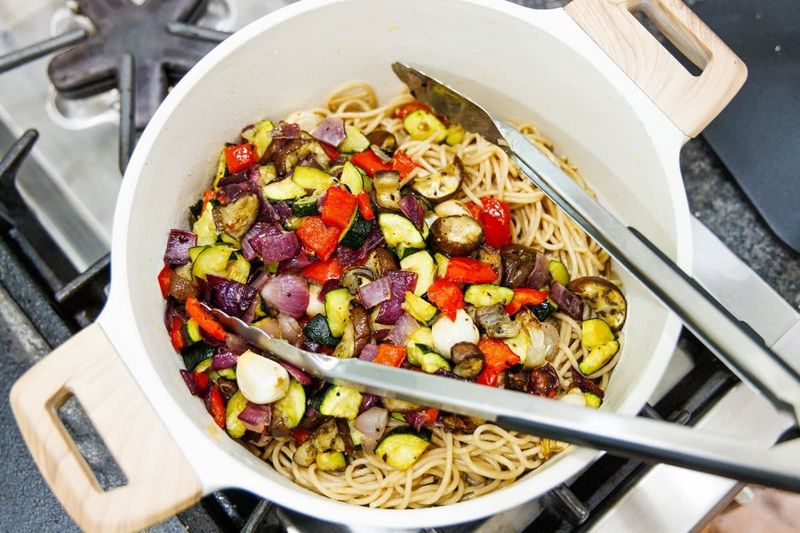
Steamed or raw vegetables added to pasta can feel watery and bland. Roasting them first changes everything.
High oven heat caramelizes the natural sugars, creating edges that are slightly crisp and flavors that are sweet and concentrated.
Toss cherry tomatoes, zucchini, or bell peppers with olive oil and roast at 425 degrees until golden. Fold them into your pasta for a hearty, colorful dish that tastes like way more effort went into it than actually did.
16. Use Fresh Herbs at the End of Cooking
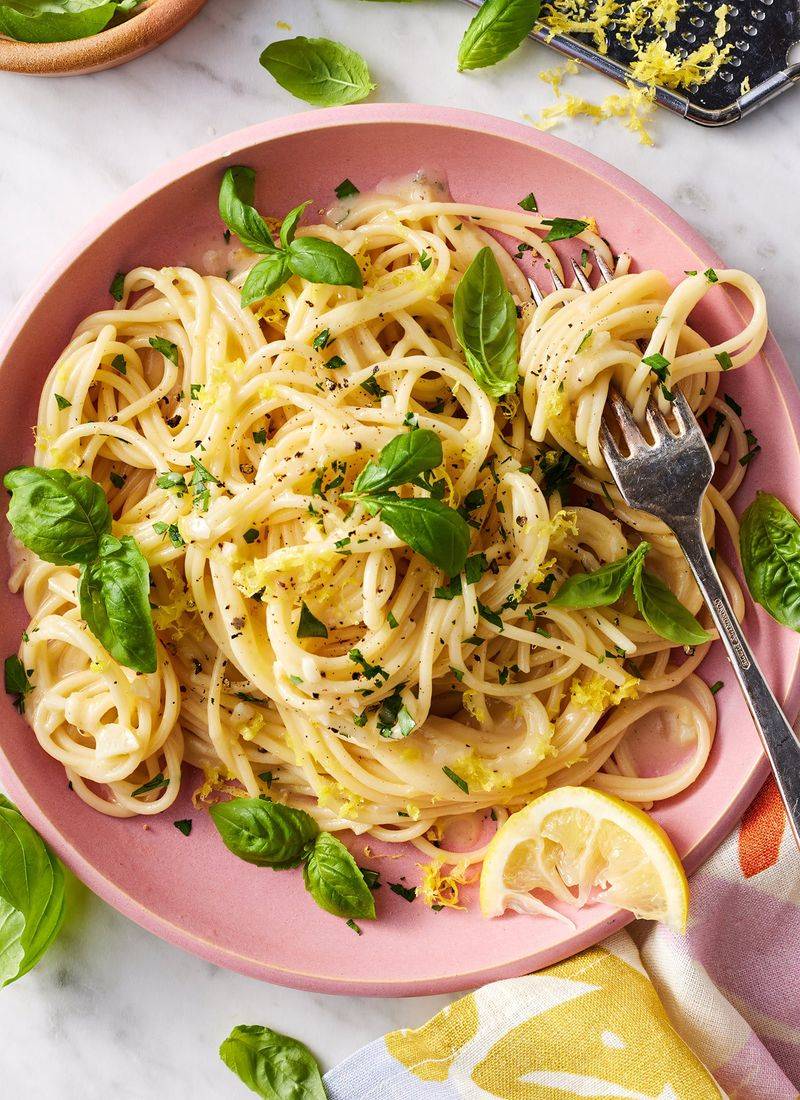
Dried herbs are great for building flavor during cooking, but fresh herbs added at the very end bring a brightness that dried ones simply cannot replicate. Fresh basil, parsley, chives, and mint all add color, fragrance, and a lively pop of flavor.
The key is timing — add them off the heat or right before serving so they stay vibrant and aromatic. Even a small handful of torn basil scattered over a bowl of tomato pasta instantly makes the dish look and taste restaurant-ready.
17. Make Homemade Pasta Dough at Least Once
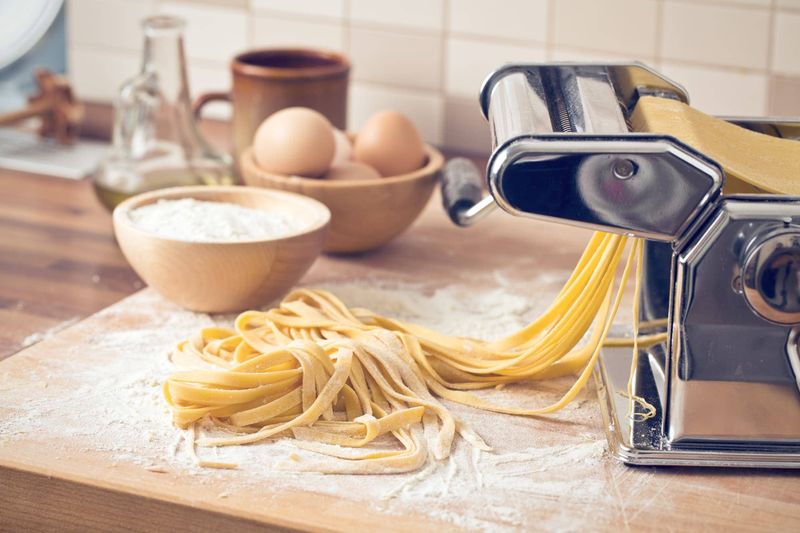
There is something genuinely satisfying about making pasta from scratch. Fresh pasta has a tender, silky texture that dried pasta can't quite match, and the process — mixing, kneading, rolling — is almost meditative once you get the hang of it.
All you need is flour and eggs. A basic fresh pasta dough comes together in under fifteen minutes, and you don't even need a pasta machine — a rolling pin works fine.
Try it once, and you'll understand why Italians have been doing it for centuries.
18. Incorporate a Creamy Element Beyond Heavy Cream
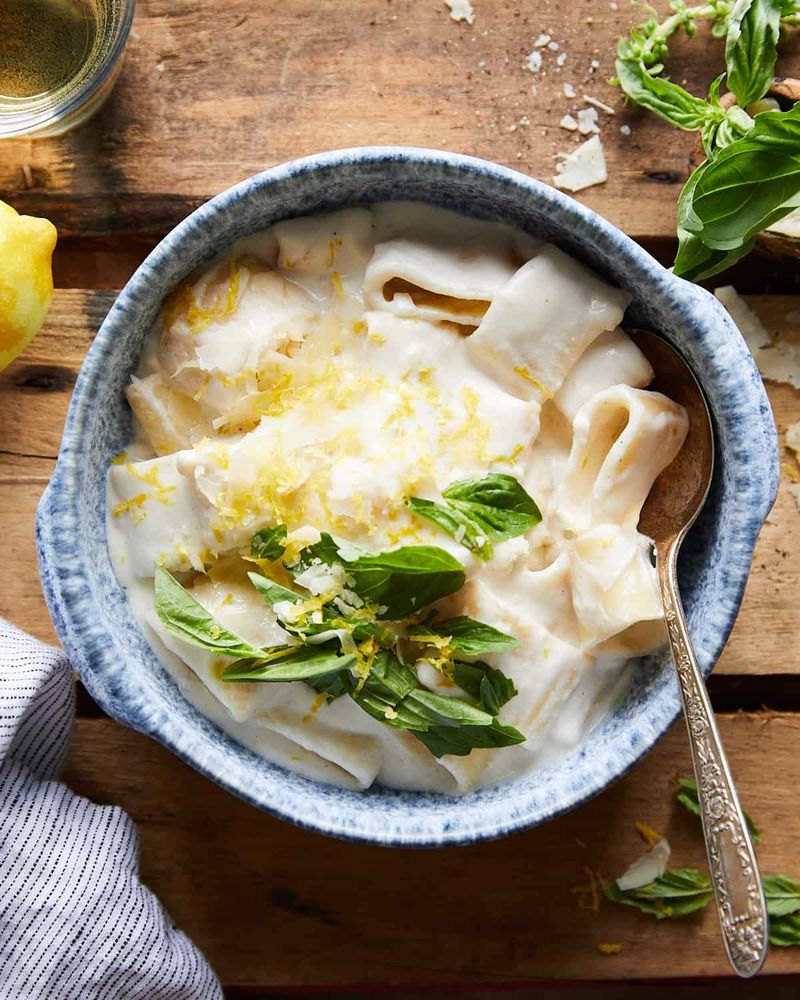
Heavy cream is the obvious choice for a creamy pasta, but it's not always the most interesting one. Ricotta cheese, mascarpone, Greek yogurt, and even blended white beans can all create luscious, silky textures with more personality and complexity.
Ricotta stirred into hot pasta with lemon zest and black pepper is light, tangy, and incredibly satisfying. Mascarpone adds a buttery richness without the heaviness of cream.
Experimenting with these alternatives often produces a result that surprises even experienced home cooks.
19. Plate Your Pasta Like a Restaurant Chef
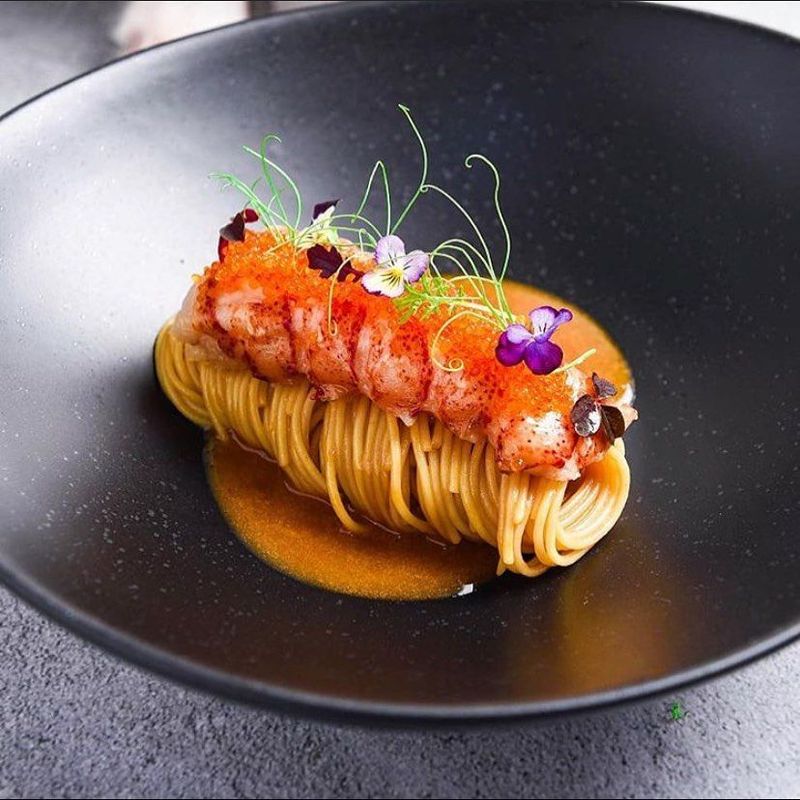
Presentation matters more than most people realize. A beautifully plated bowl of pasta signals care and intention before anyone even takes a bite.
Chefs use tongs to twirl long pasta into a neat mound in the center of a wide, shallow bowl.
Spoon extra sauce around the base, add a drizzle of olive oil, scatter fresh herbs, and finish with freshly grated cheese. That extra sixty seconds of plating turns a home-cooked meal into something that looks genuinely worthy of a restaurant menu.
20. Build a Compound Butter for Instant Richness
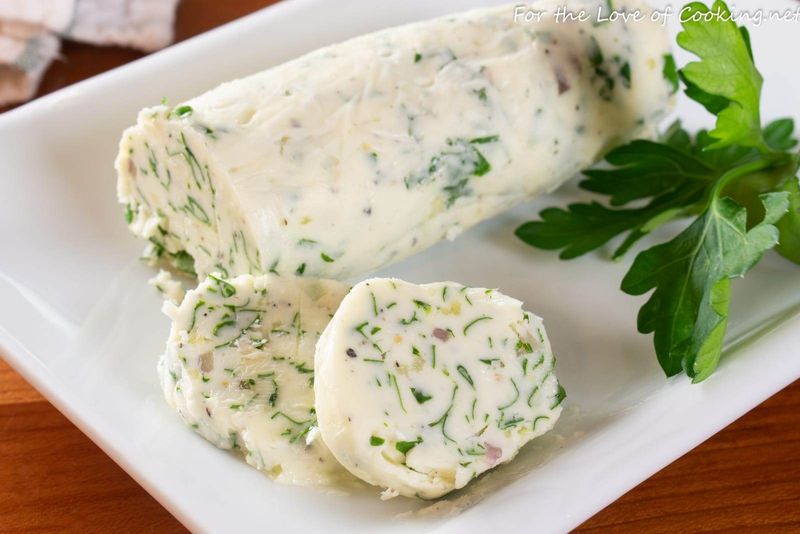
Compound butter — softened butter mixed with herbs, garlic, citrus zest, or spices — is one of the easiest ways to add instant, concentrated flavor to pasta. Make a batch on the weekend and keep it in the freezer, ready to slice off whenever needed.
Just one tablespoon tossed into hot, freshly drained pasta melts into an instant sauce. Try garlic and parsley butter for a classic combination, or get creative with lemon zest and capers for something brighter and more unexpected.
21. Experiment With Unusual Pasta Ingredients Like Truffle or Saffron
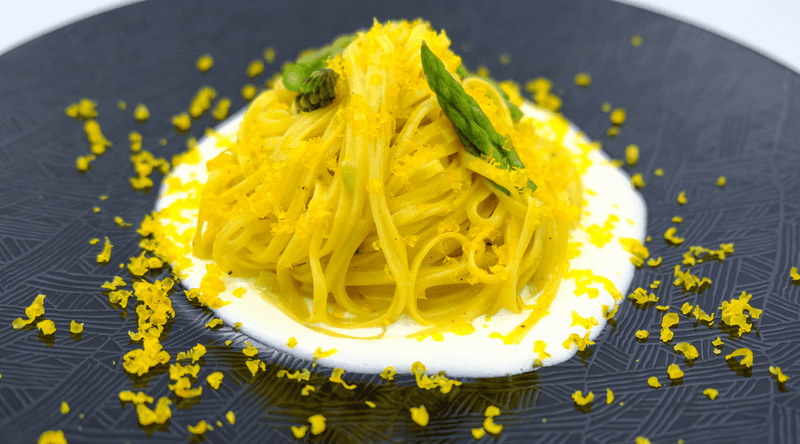
You don't have to spend a fortune to add a gourmet ingredient to your pasta. Truffle oil, truffle paste, and saffron threads are all available at specialty stores and even some regular supermarkets at surprisingly reasonable prices.
A tiny pinch of saffron dissolved in warm water and stirred into a cream sauce turns pasta a gorgeous golden color and adds an exotic, floral flavor. A light drizzle of truffle oil over finished pasta is one of those flavors that genuinely stops people mid-bite with delight.




Comments
No Comments