













Some of the best moments in life happen around food. You don't need a fancy restaurant or a special occasion to turn a regular meal into something memorable.
Small, simple habits can completely change how a meal feels. These tiny food rituals are easy to try and can make every bite feel like it actually matters.
1. Light a Candle Before You Eat

Flickering candlelight has a funny way of making even leftover pasta feel like a dinner party. The soft glow signals to your brain that this moment is worth slowing down for.
You don't need fancy candles either — a basic tea light from the dollar store works perfectly.
This small act creates a boundary between the busyness of your day and the calm of your meal. Try it tonight and notice how the whole mood shifts.
2. Use Your "Good" Dishes Every Day
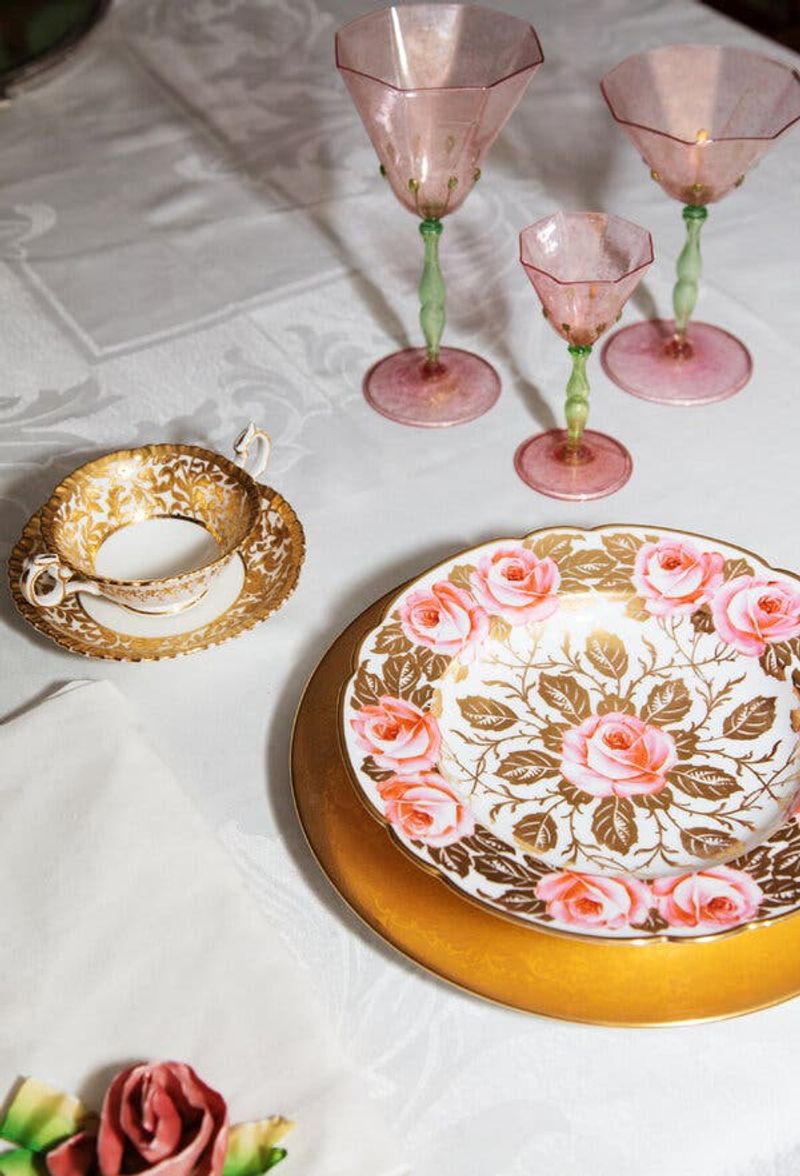
Most people save their nicest plates for guests, but why shouldn't you be the guest of honor at your own table? Pulling out the good dishes for a Tuesday grilled cheese sends a clear message: this meal matters.
It's a small act of self-respect that feels surprisingly powerful.
Fancy dinnerware doesn't make food taste different, but it does make the experience feel elevated. Stop saving the good stuff for someday.
3. Put Your Phone Away During the Meal
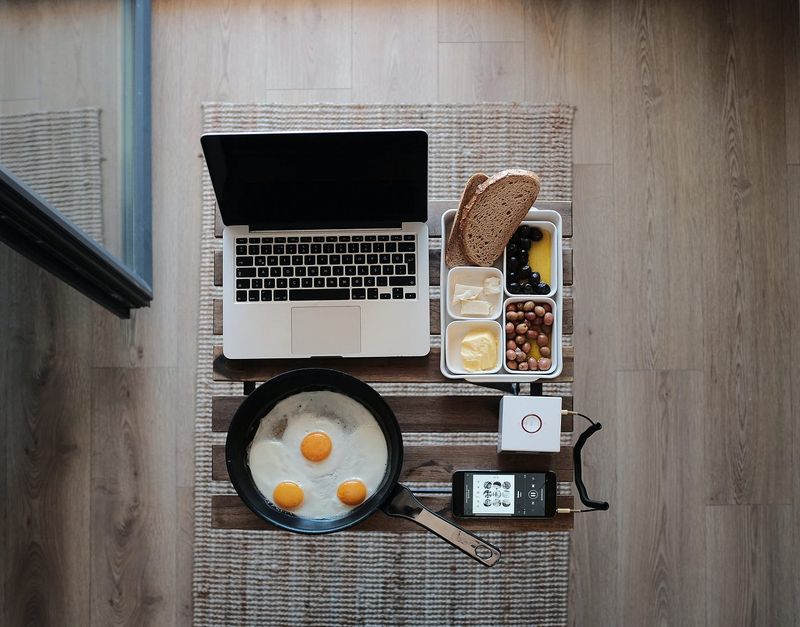
Scrolling through videos while eating is basically the opposite of being present. When your attention is split between your screen and your food, you miss the actual experience of eating.
Flavors become background noise instead of something worth noticing.
Placing your phone face-down — or better yet, in another room — during meals is one of the easiest ways to feel more satisfied after eating. Food actually tastes better when you pay attention to it.
4. Set the Table Even for Solo Meals

Eating standing over the kitchen sink is a habit many people fall into without realizing it. Setting even one place at the table — with a napkin, a glass, and proper utensils — completely changes the energy of a solo meal.
It's a five-second act that says you're worth the effort.
Studies suggest that eating at a table rather than on the couch leads to better digestion and greater meal satisfaction. Your kitchen table deserves to be used.
5. Take Three Deep Breaths Before Your First Bite
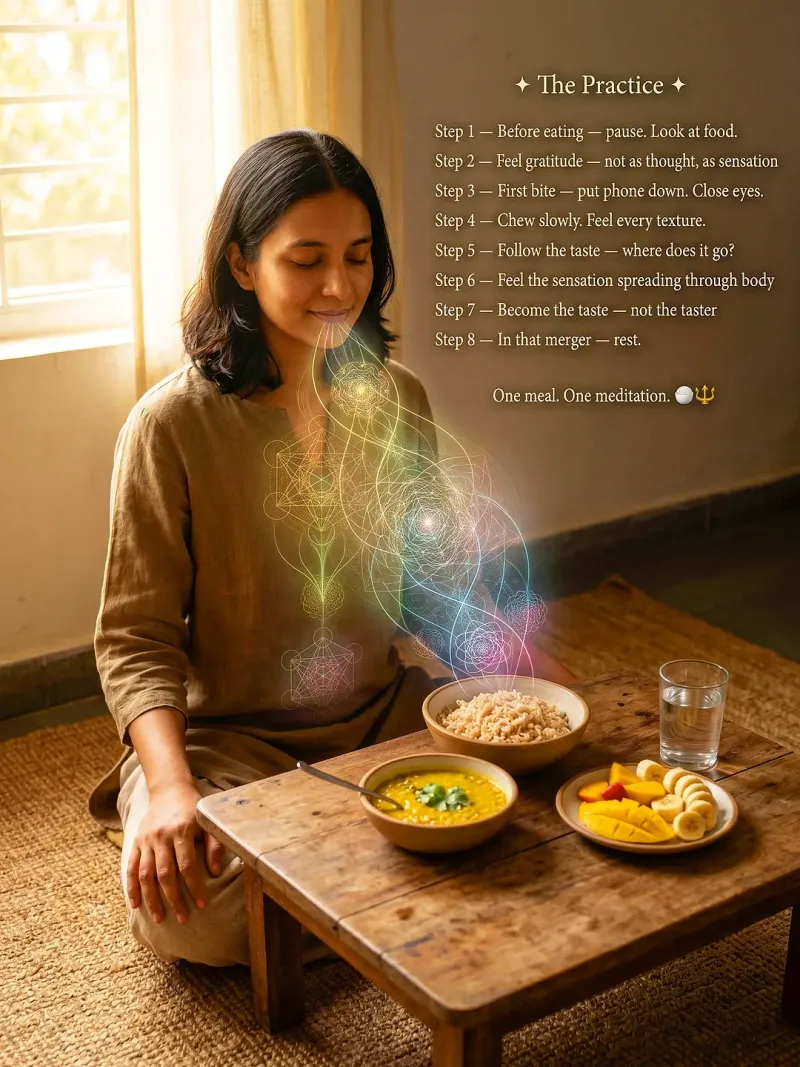
Ancient cultures around the world have long practiced pausing before meals, whether through prayer, gratitude, or simply a moment of silence. Taking three slow, deep breaths before eating activates your body's relaxation response, which actually helps with digestion.
It's a reset button for your nervous system.
This tiny pause shifts you from rushing mode to receiving mode. Even thirty seconds of stillness before a meal can make the whole experience feel more intentional and enjoyable.
6. Add Fresh Herbs as a Finishing Touch
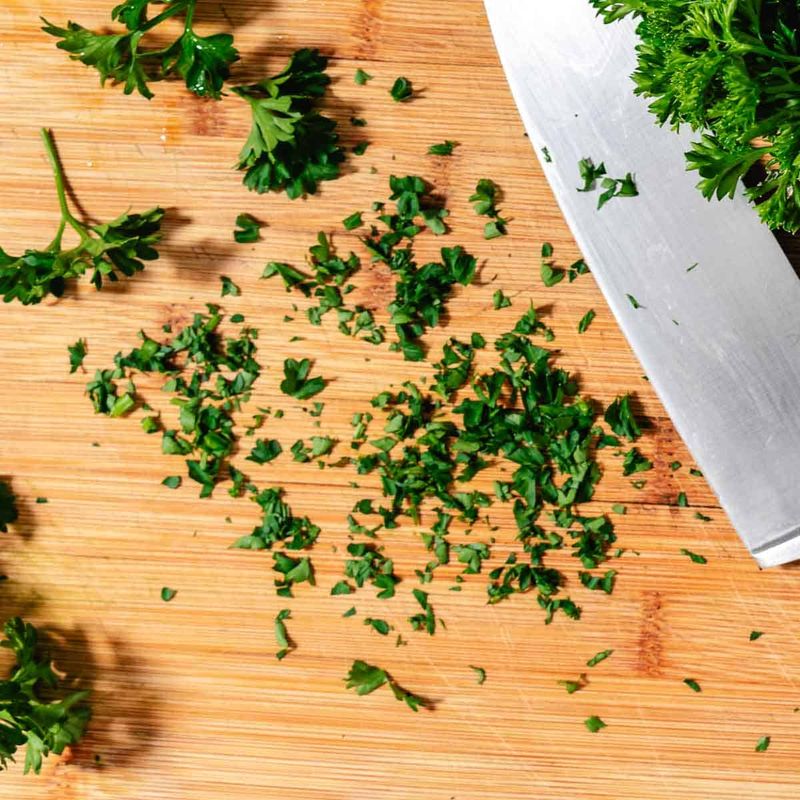
Fresh herbs are like confetti for food — they make everything look like you tried harder than you did. A handful of chopped parsley, torn basil, or a few sprigs of cilantro can completely transform a basic dish into something that looks restaurant-worthy.
The color alone makes a meal more appealing.
Beyond looks, fresh herbs add bright flavor that dried ones simply can't match. Keep a small pot of herbs on your windowsill and use them freely.
7. Eat Breakfast at the Table Instead of on the Go
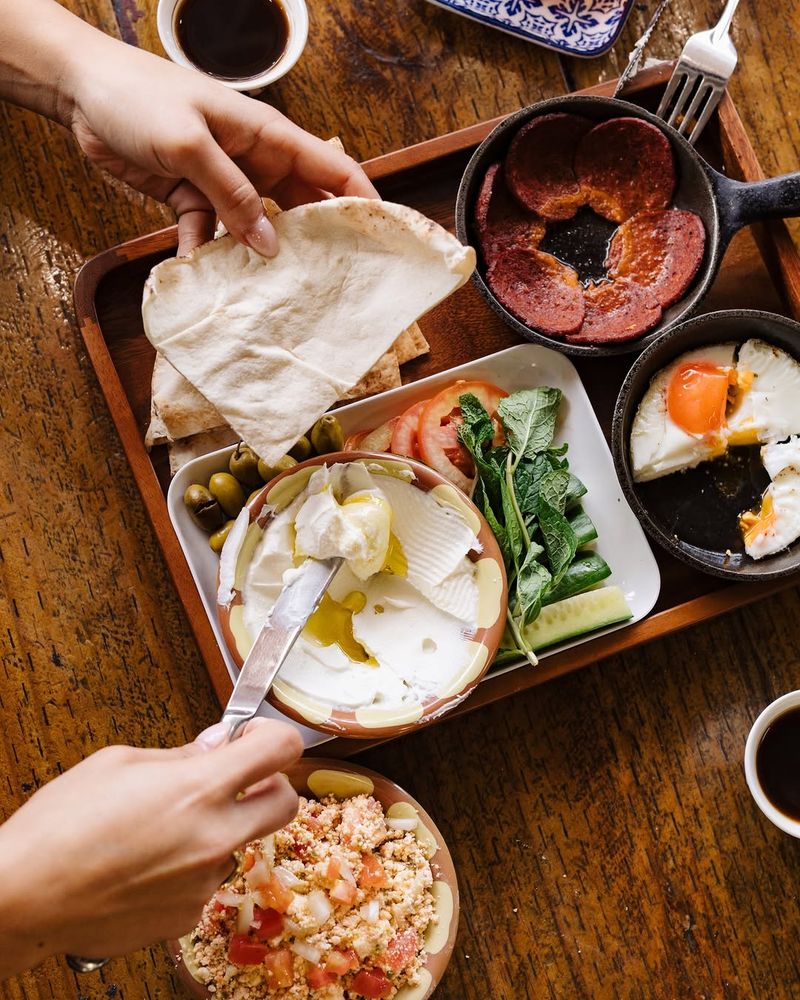
Mornings can feel like a race, but grabbing breakfast on the run means starting the day without a single moment of calm. Sitting down for even ten minutes to eat breakfast at an actual table creates a pocket of peace before the chaos kicks in.
Research shows that people who eat breakfast seated tend to feel more focused and less stressed throughout the morning. Trading five minutes of scrolling for five minutes of seated eating is a surprisingly worthwhile swap.
8. Play Soft Background Music During Dinner
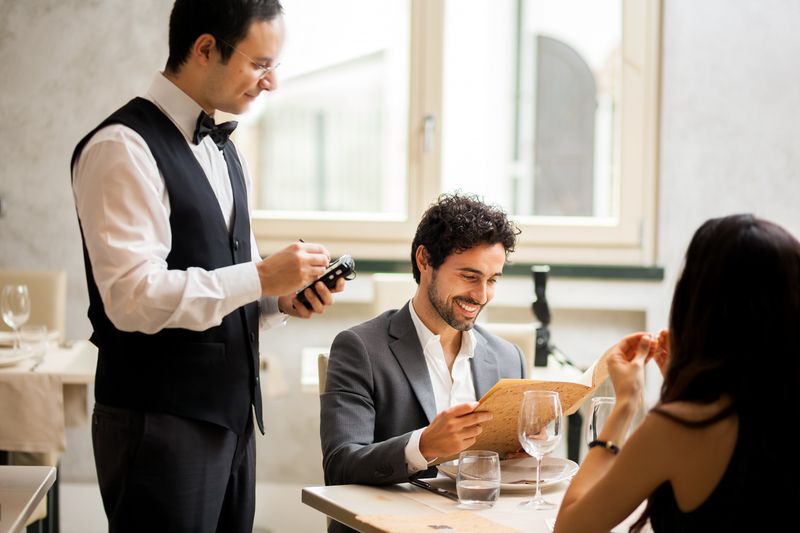
Music has a remarkable ability to shift the atmosphere of a room without changing anything physical. A gentle jazz playlist or soft acoustic songs playing during dinner creates an ambiance that feels intentional and warm.
Even a simple Spotify playlist titled "dinner vibes" does the trick.
Interestingly, studies have found that slower music can encourage slower eating, which helps with digestion. The right soundtrack turns a plain weeknight meal into something that feels a little more like an occasion.
9. Use a Real Cloth Napkin
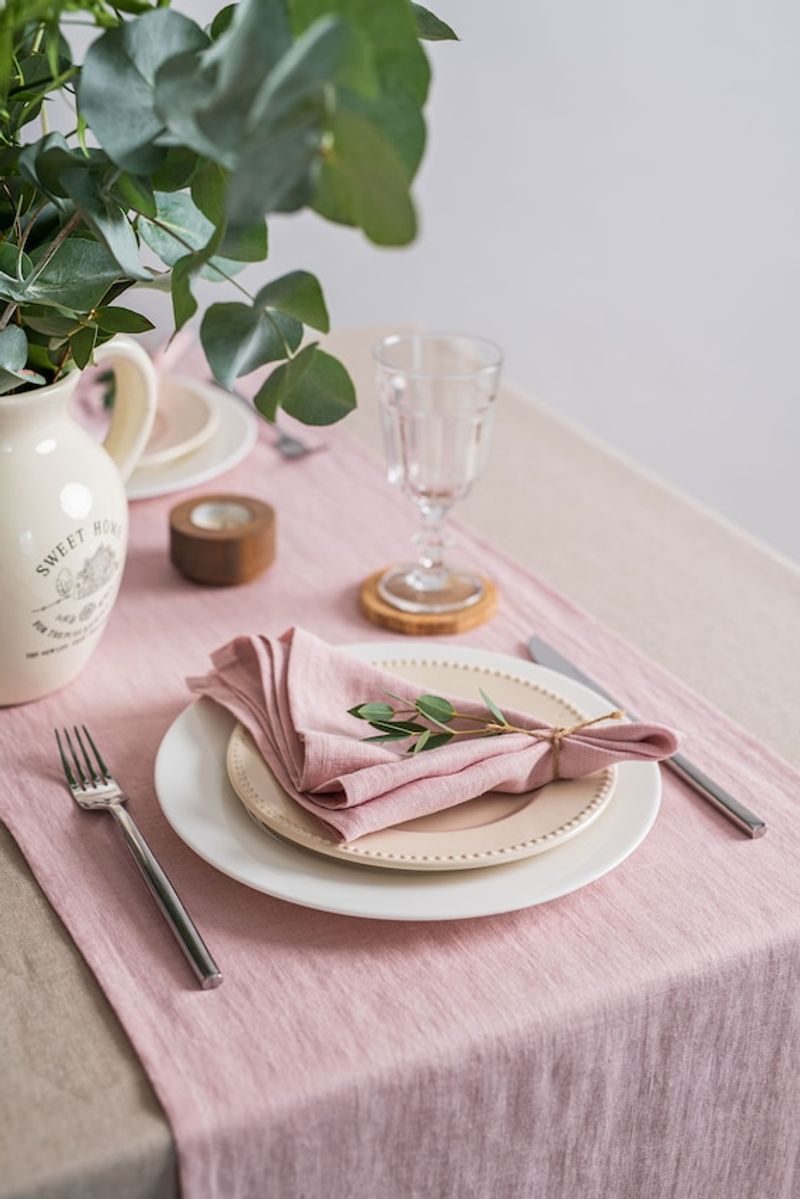
Paper napkins get the job done, but there's something about unfolding a cloth napkin and placing it on your lap that signals the meal has officially begun. It's a tiny ceremony with zero extra effort.
Cloth napkins also feel nicer against your skin, which is a small luxury that costs almost nothing.
You can find simple linen napkins for just a few dollars. Washing and reusing them is also better for the environment, which makes this ritual good for you and the planet.
10. Say Something Grateful Before Eating
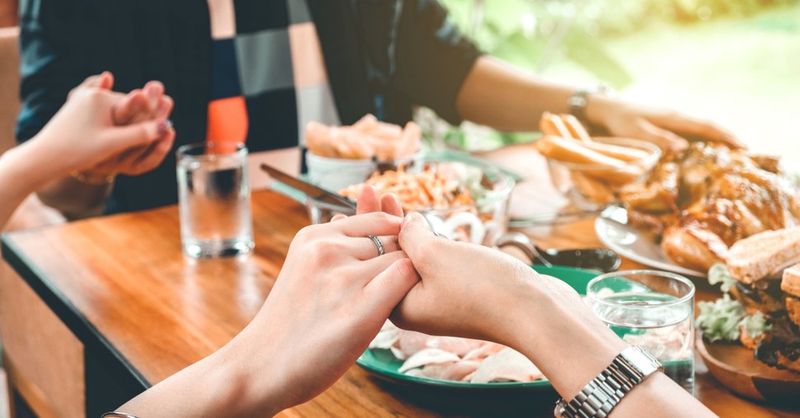
Gratitude before meals is one of the oldest human rituals across nearly every culture in the world. You don't need a formal prayer or a long speech — even silently thinking of one thing you appreciate about the meal counts.
It shifts your mindset from autopilot to awareness.
Practicing gratitude before eating has been linked to greater meal satisfaction and even better mood. Starting with thankfulness, whether spoken aloud or kept private, turns eating into an act of appreciation rather than just refueling.
11. Plate Your Food Thoughtfully
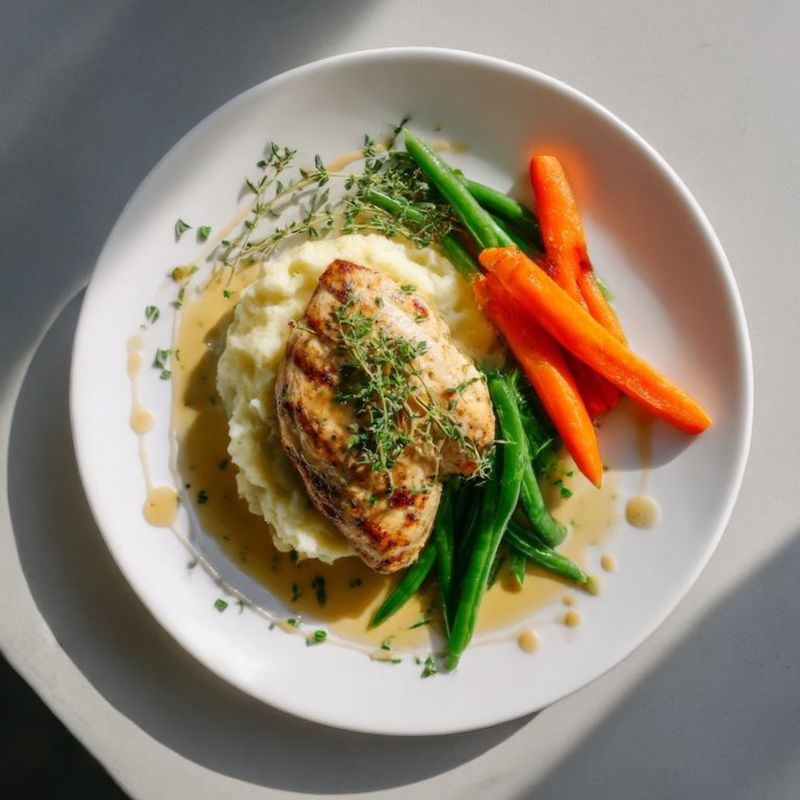
How food looks on a plate actually affects how it tastes — this is a well-documented psychological effect called "visual flavor." You don't need culinary school training to plate food nicely. Simply angling a piece of protein, fanning out some vegetables, and leaving a little space on the plate makes a huge difference.
Think of it as giving your food a stage. A meal that looks cared for feels more satisfying to eat, even if the recipe is completely ordinary.
12. Drink Water from a Pretty Glass
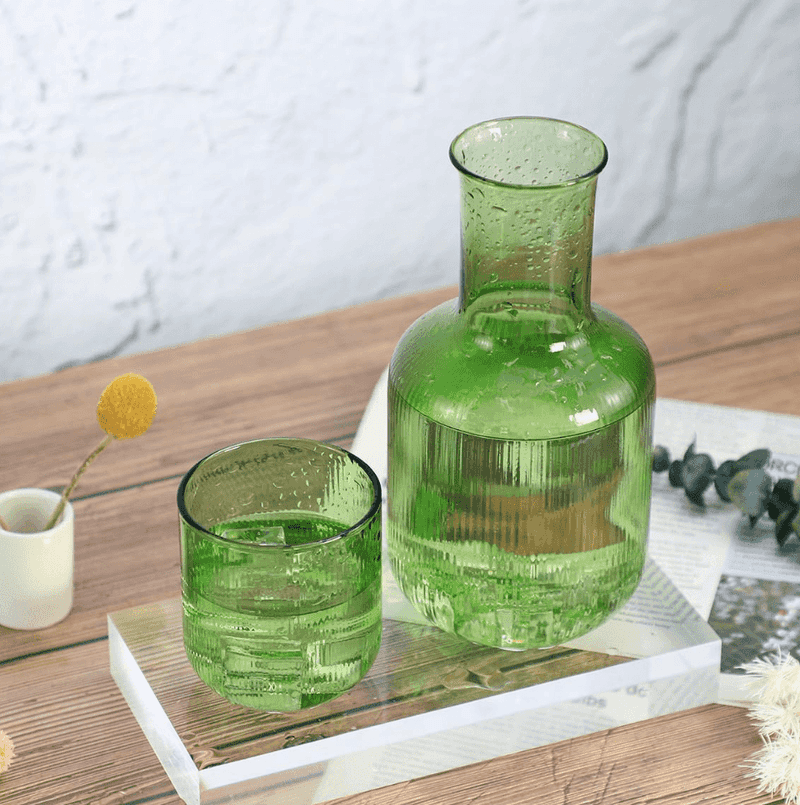
Hydration is important, but drinking water from a chipped mug or a plastic cup feels like a chore. Pouring water into a beautiful glass — even just a simple clear one you love — makes drinking water feel like a treat rather than a task.
Some people add a lemon slice, a sprig of mint, or a few cucumber rounds to make it feel even more special. Staying hydrated has never looked so good, and this tiny upgrade costs absolutely nothing extra.
13. Cook One Meal Per Week Completely from Scratch
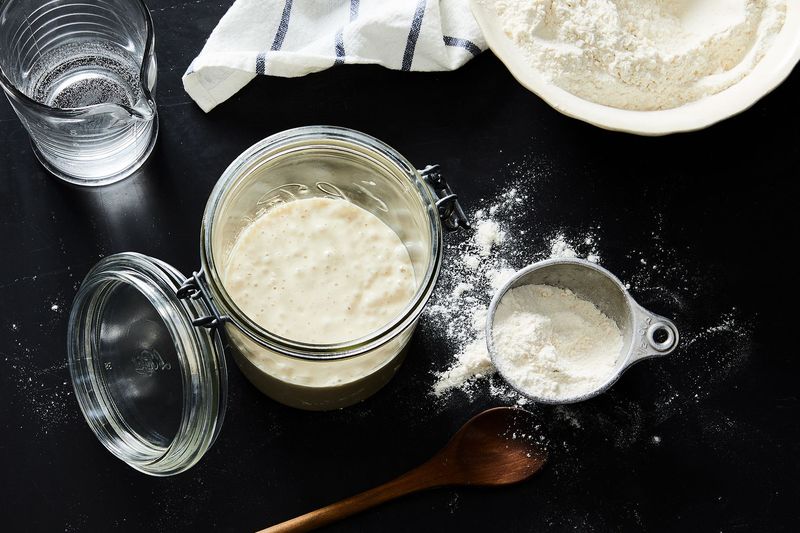
There's a deep satisfaction in eating something you made entirely with your own hands. Choosing one meal per week to cook from scratch — no shortcuts, no pre-made sauces — reconnects you with the whole process of making food.
It doesn't have to be complicated; homemade soup or simple bread counts.
The effort itself becomes part of the ritual. When you know exactly what went into a dish, it tastes completely different from something pulled out of a package.
14. Eat Outside Whenever Possible
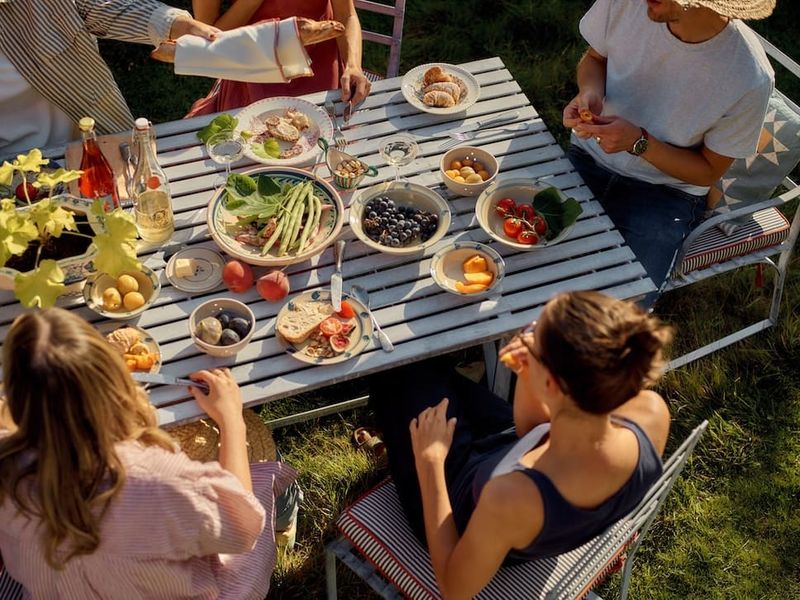
Eating outdoors is one of those underrated pleasures that most people forget to take advantage of. Fresh air, natural light, and a change of scenery make even a basic sandwich taste better.
There's actual science behind this — natural environments reduce stress hormones and improve mood.
You don't need a fancy patio or a backyard. A blanket on the grass, a bench at a park, or even a doorstep counts.
Moving your meal outside is a free upgrade available almost any day.
15. Try One New Spice Each Week
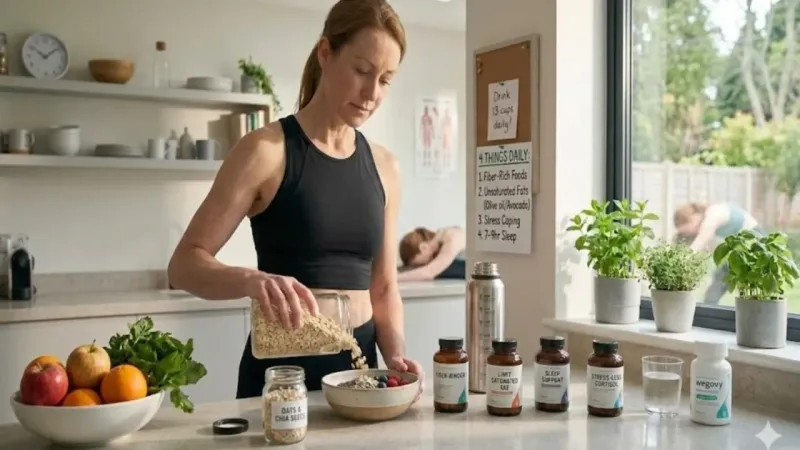
Spices are the most affordable way to completely change the personality of a dish. Trying one new spice each week — like sumac, smoked paprika, or za'atar — slowly expands your flavor vocabulary without requiring any new cooking skills.
Just sprinkle it on something familiar and see what happens.
Many home cooks get stuck using the same three or four spices forever. Breaking that habit with a single new jar each week makes cooking feel like a small adventure rather than a routine chore.
16. Slow Down and Chew More Thoroughly

Most people eat way faster than their bodies can actually register fullness. It takes about twenty minutes for your stomach to signal your brain that you've had enough.
Slowing down and chewing each bite more thoroughly gives that communication time to happen, which means less overeating and more satisfaction.
Put your fork down between bites as a simple trick to pace yourself. Food that's chewed well is also easier to digest, so this habit is genuinely good for your gut health too.
17. Make a Signature Drink to Go with Your Meal

Every memorable meal has a drink that belongs with it. Creating your own signature beverage — a particular herbal tea, a sparkling water blend, or a homemade lemonade — gives your meal a personal identity.
It becomes the thing people associate with eating at your table.
This ritual doesn't require alcohol or expensive ingredients. Even a simple combination of cold brew coffee over ice with a splash of oat milk can become your signature thing.
Consistency is what turns a drink into a ritual.
18. Read Something Enjoyable During Solo Lunches
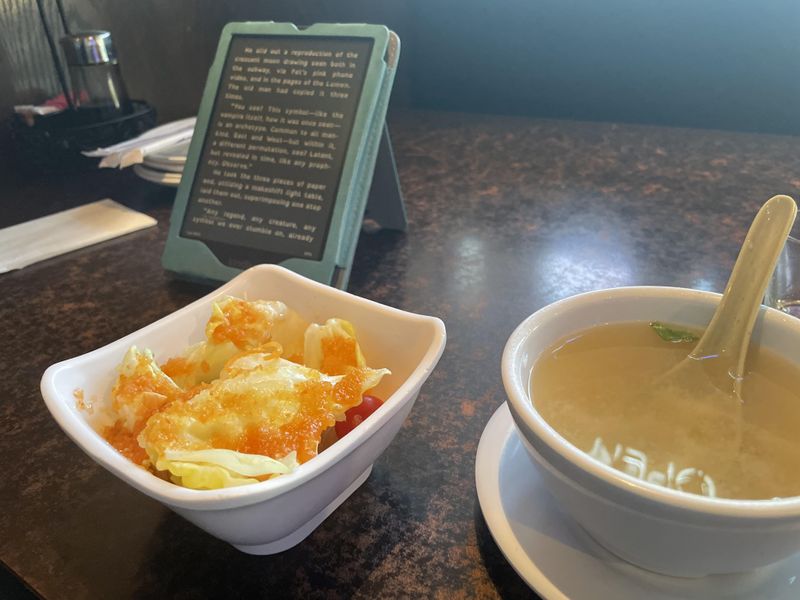
Solo lunches can feel lonely or rushed, but pairing a meal with a book or a magazine you genuinely enjoy turns it into personal time you actually look forward to. Reading while eating solo is an old-fashioned pleasure that's easy to revive.
Pick something light, fun, or inspiring — not work emails.
This ritual gives solo meals a purpose beyond just fueling up. Over time, you may start looking forward to lunch in a way that surprises you.
19. End Every Meal with a Small Sweet Treat
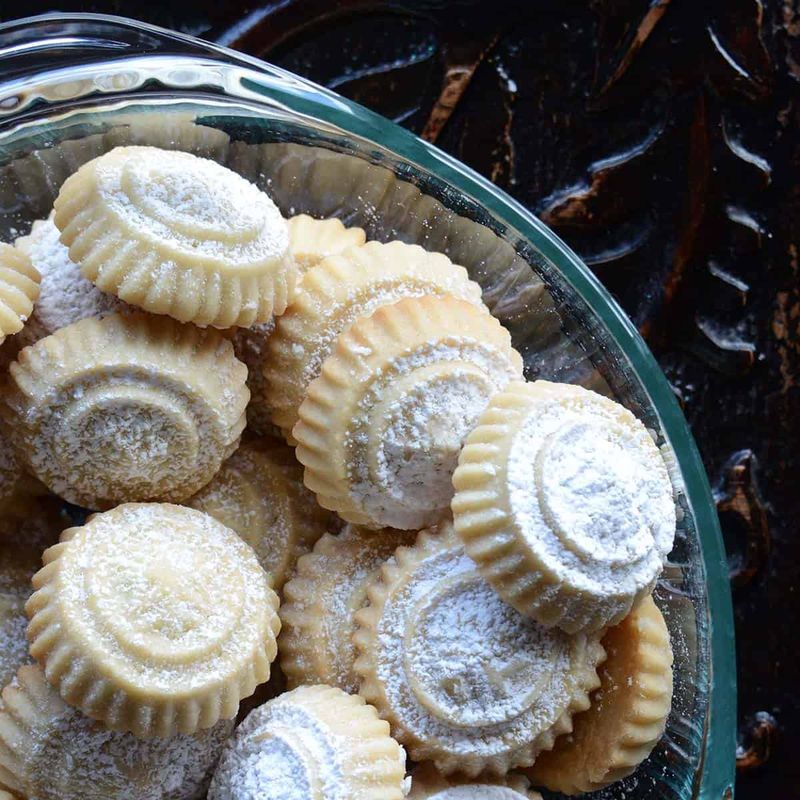
The French have long practiced finishing a meal with something small and sweet — not a massive dessert, but a single chocolate, a few berries, or a tiny cookie. This signals to the brain that the meal is truly over, which can actually reduce mindless snacking later in the evening.
Having a predictable, satisfying ending to a meal creates a sense of completion. It's a gentle full stop that tells your body and mind: that was a real, worthwhile meal.
20. Cook with Someone You Love Once a Week
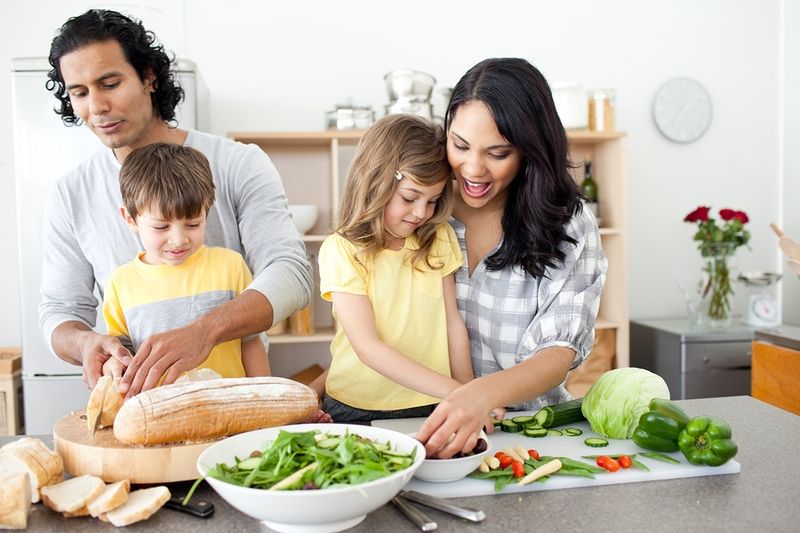
Cooking side by side with someone you care about is one of the most underrated forms of quality time. There's something about the shared task — the chopping, the tasting, the occasional mess — that creates conversation and closeness in a way that sitting across from each other at a restaurant doesn't always achieve.
Pick one evening a week to cook together instead of ordering out. The meal you make together will taste better precisely because you made it together.
21. Notice and Name Three Flavors in Every Meal
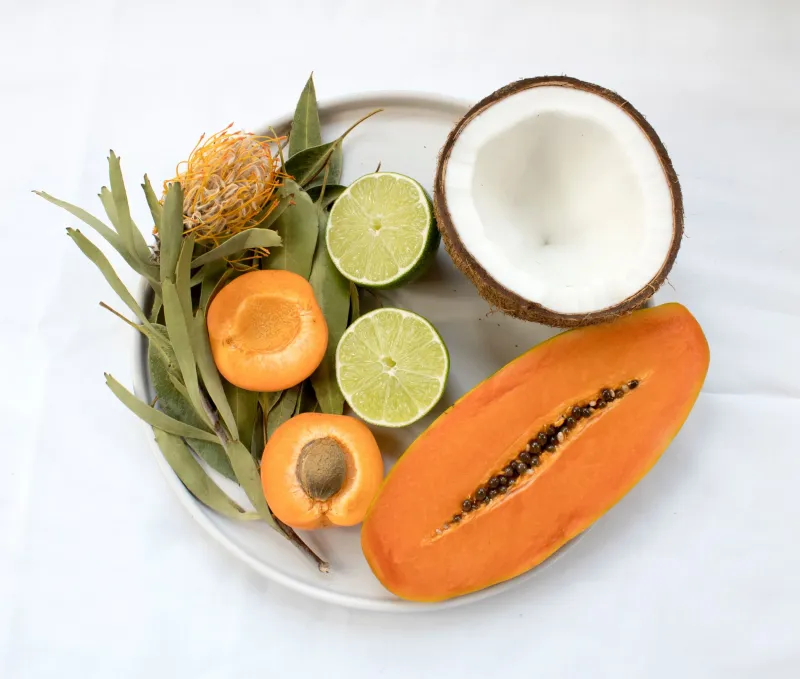
Professional food tasters train themselves to identify specific flavors in every bite — sweet, salty, acidic, bitter, umami. You can practice the same skill at home by simply pausing to notice and name three distinct flavors in your meal.
It sounds simple, but it completely changes how engaged you are with what you're eating.
This habit builds real appreciation for food over time. Meals stop being background events and start becoming experiences worth actually paying attention to.




Comments
No Comments