













Getting enough iron from your food is one of the best ways to keep your energy up and your body running strong. Many people don't realize that root vegetables and legumes are packed with this essential mineral.
From earthy beets to hearty lentils, nature has given us plenty of delicious options to boost iron naturally. Read on to discover 21 amazing plant-based foods that can help your body thrive.
1. Lentils
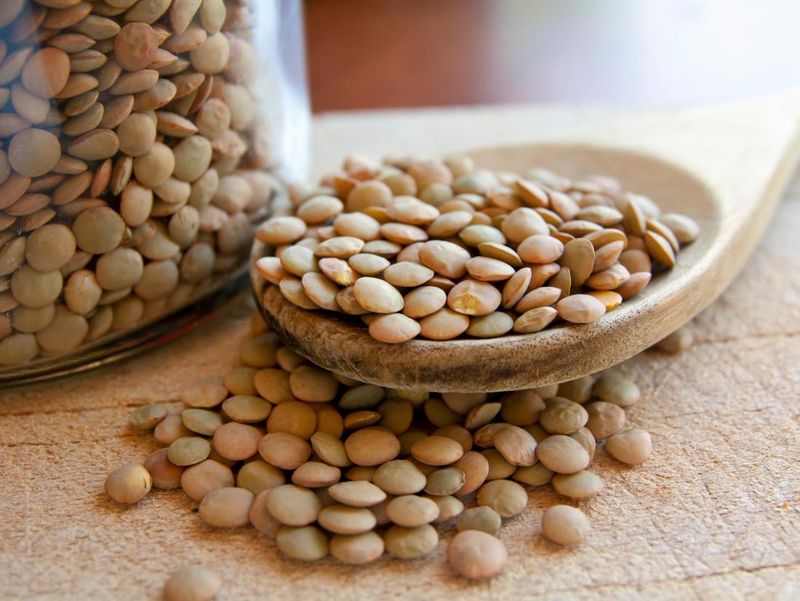
Lentils have been feeding people for thousands of years, and there's a very good reason why. Just one cup of cooked lentils delivers around 6.6 mg of iron, making them one of the richest plant-based sources available.
They cook quickly, absorb flavors beautifully, and work in soups, stews, and salads. Pair them with a squeeze of lemon juice to boost iron absorption even further.
Budget-friendly and filling, lentils are a nutritional powerhouse worth adding to your weekly meals.
2. Chickpeas
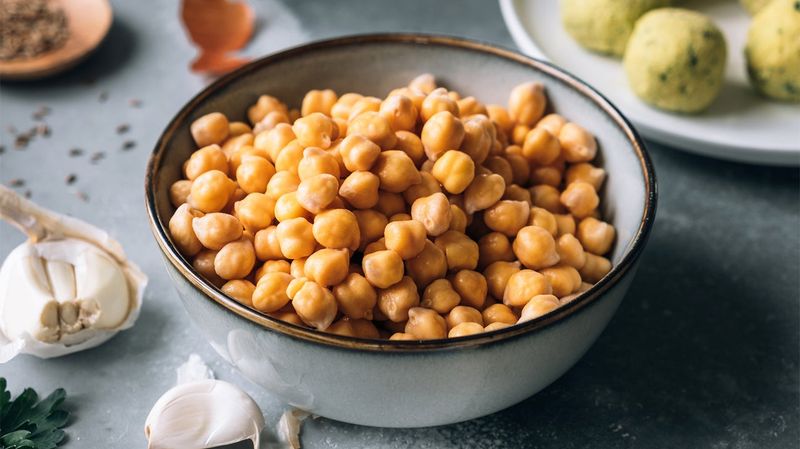
Chickpeas, also called garbanzo beans, have a satisfying nutty flavor and a creamy texture that works in almost every dish. A single cup of cooked chickpeas provides roughly 4.7 mg of iron, which is a solid contribution to your daily needs.
Blend them into hummus, toss them into curries, or roast them crispy for a snack. They are also loaded with protein and fiber, which means they keep you full longer while quietly boosting your iron levels.
3. Black Beans
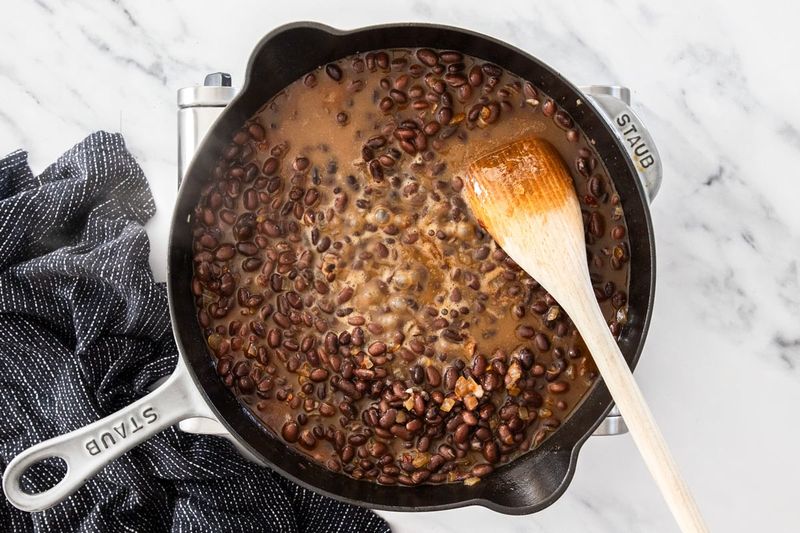
Black beans bring a deep, earthy richness to any plate, and they happen to be an excellent iron source too. One cup of cooked black beans contains about 3.6 mg of iron, helping you meet your daily targets without any fuss.
They shine in tacos, rice bowls, and soups. Adding tomatoes or bell peppers alongside black beans is a smart move, since vitamin C helps your body absorb plant-based iron far more efficiently.
Tasty and practical, black beans deserve a regular spot on your table.
4. Soybeans (Edamame)
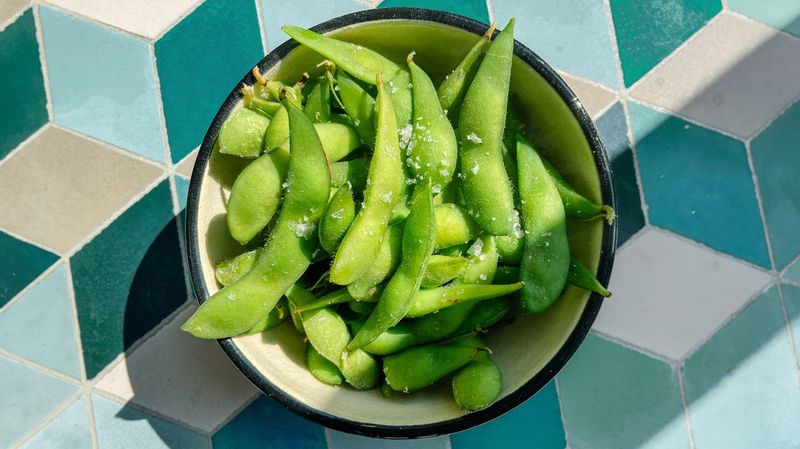
Bright green and satisfying to pop open, edamame is one of the most fun iron-rich snacks you can enjoy. Cooked soybeans pack an impressive 8.8 mg of iron per cup, putting them near the top of plant-based iron sources.
Beyond iron, soybeans are loaded with complete protein, which is rare for a plant food. Steam a bag for a quick snack, toss them into stir-fries, or blend them into soups.
Edamame is proof that healthy eating can genuinely be enjoyable and easy.
5. Kidney Beans
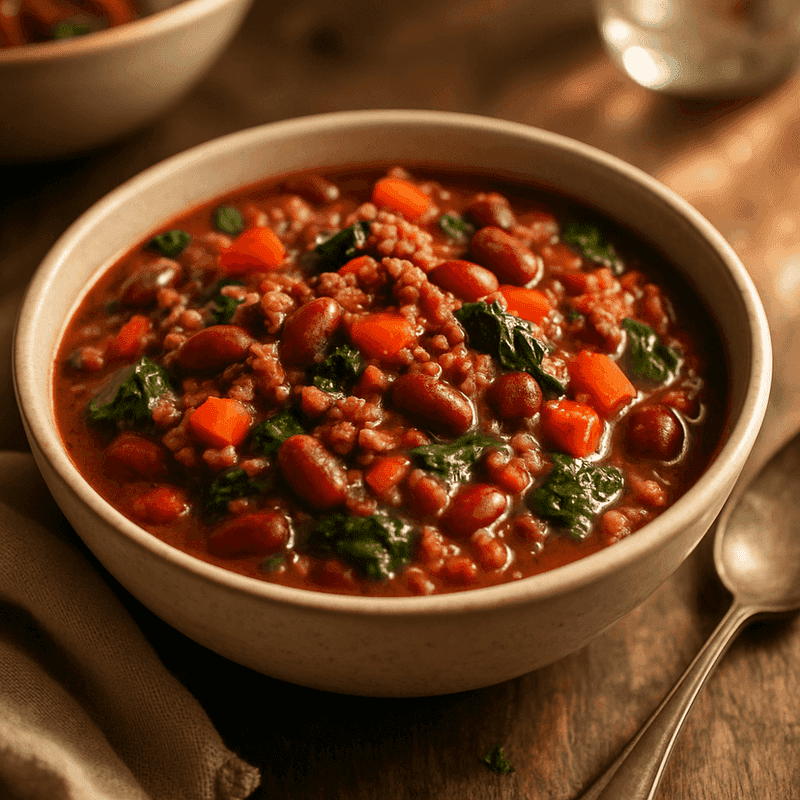
Kidney beans are the star ingredient in classic chili for good reason. Their firm texture and bold flavor hold up beautifully in long-cooked dishes, and one cup delivers approximately 5.2 mg of iron.
What many people overlook is how versatile kidney beans actually are. Beyond chili, they work wonderfully in salads, rice dishes, and even pasta.
Eating them alongside vitamin C-rich vegetables like red peppers can significantly improve how much iron your body actually absorbs from each meal.
6. Navy Beans
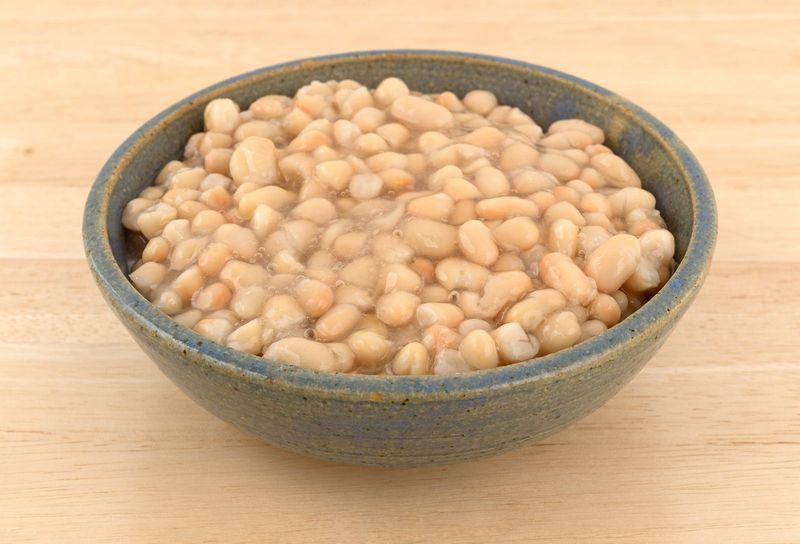
Small but seriously mighty, navy beans are one of the most underrated legumes in the iron department. A cup of cooked navy beans offers around 4.3 mg of iron along with a generous dose of fiber and folate.
Their mild, creamy flavor blends seamlessly into soups, baked bean dishes, and stews. They are especially popular in classic New England-style baked beans.
If you want a legume that quietly does a lot of nutritional heavy lifting without demanding attention, navy beans are your answer.
7. Beets
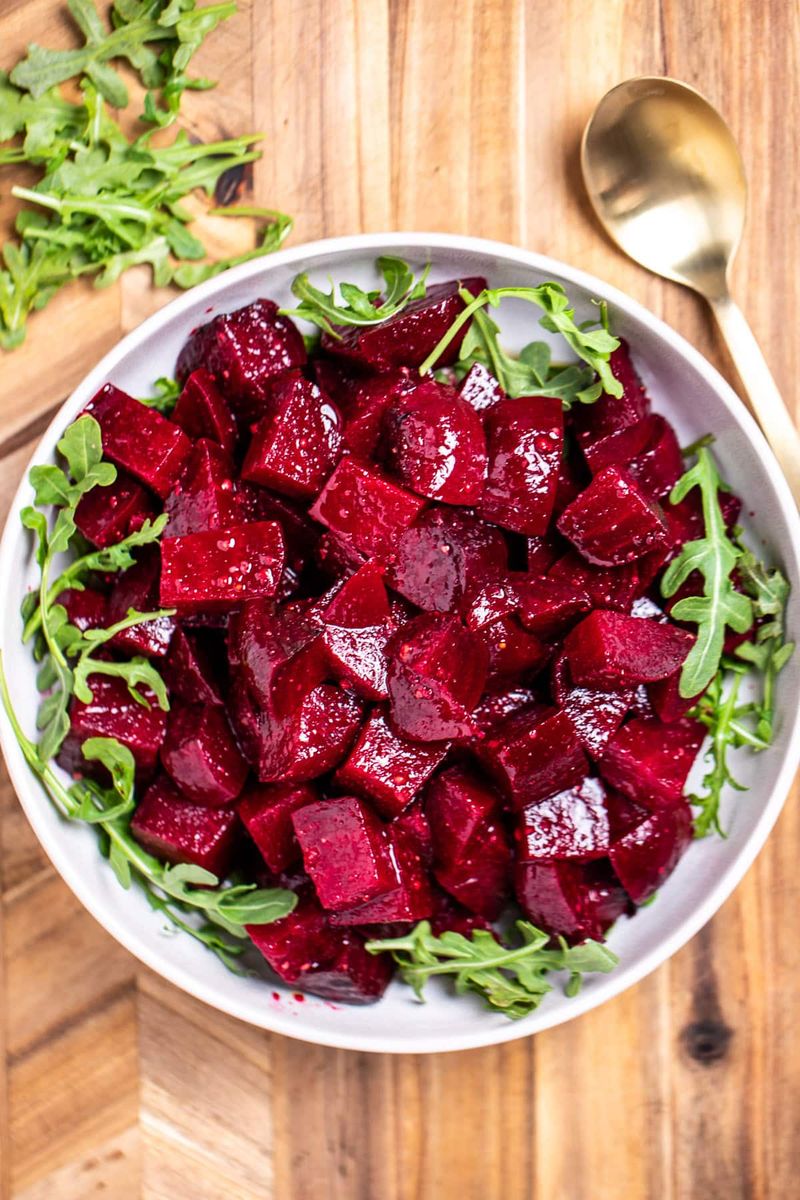
Beets have earned a reputation as a superfood, and their iron content is one reason why. While not as iron-dense as legumes, beets still contribute a useful amount of iron alongside folate, which helps your body produce healthy red blood cells.
Roasting beets brings out their natural sweetness in a way that even veggie skeptics tend to enjoy. Blend them into smoothies, slice them into salads, or simply roast and serve with a drizzle of olive oil.
Their brilliant red color alone makes any meal feel special.
8. Spinach (Root Green Boost)
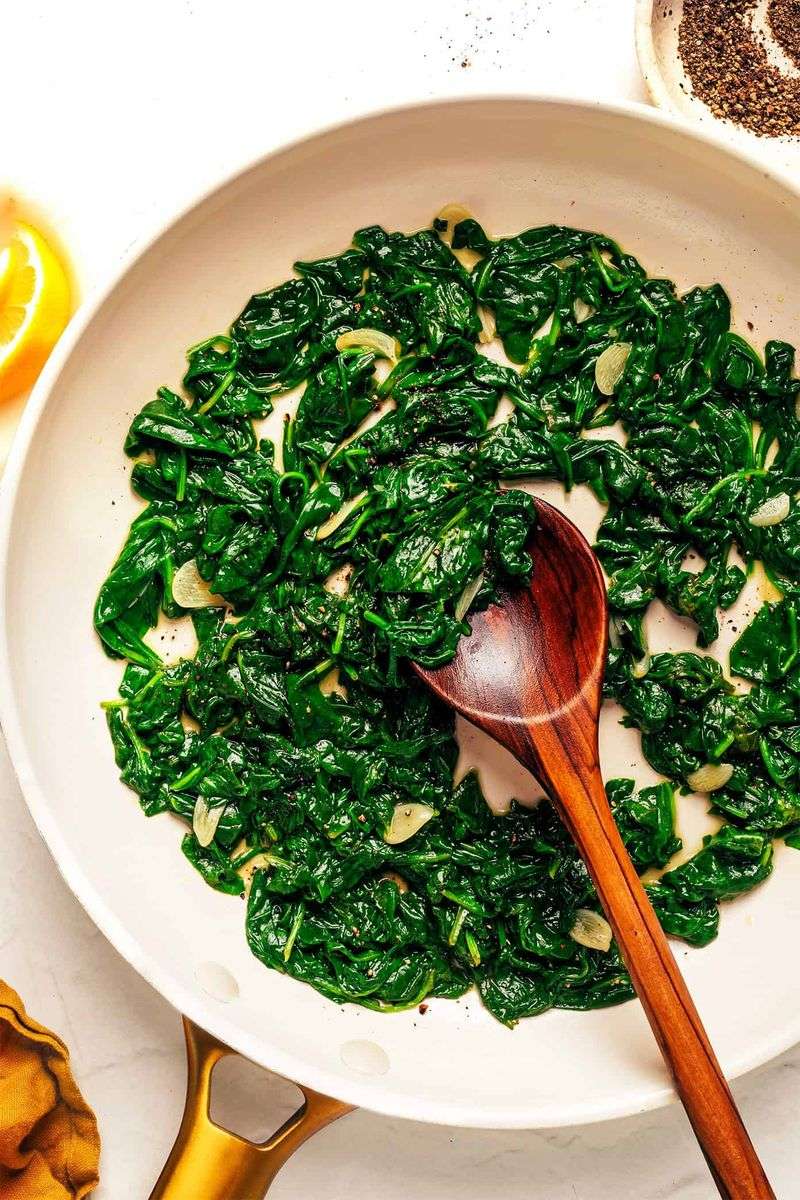
Technically a leafy green, spinach earns its place here because it pairs perfectly with root vegetables and legumes to maximize iron absorption. Half a cup of cooked spinach provides about 3.2 mg of iron, making it one of the most iron-rich greens available.
Cooking spinach actually increases the amount of iron your body can access from it. Stir it into lentil soups, blend it into smoothies with beets, or saute it with garlic as a simple side dish.
A small amount goes a very long way nutritionally.
9. Sweet Potatoes
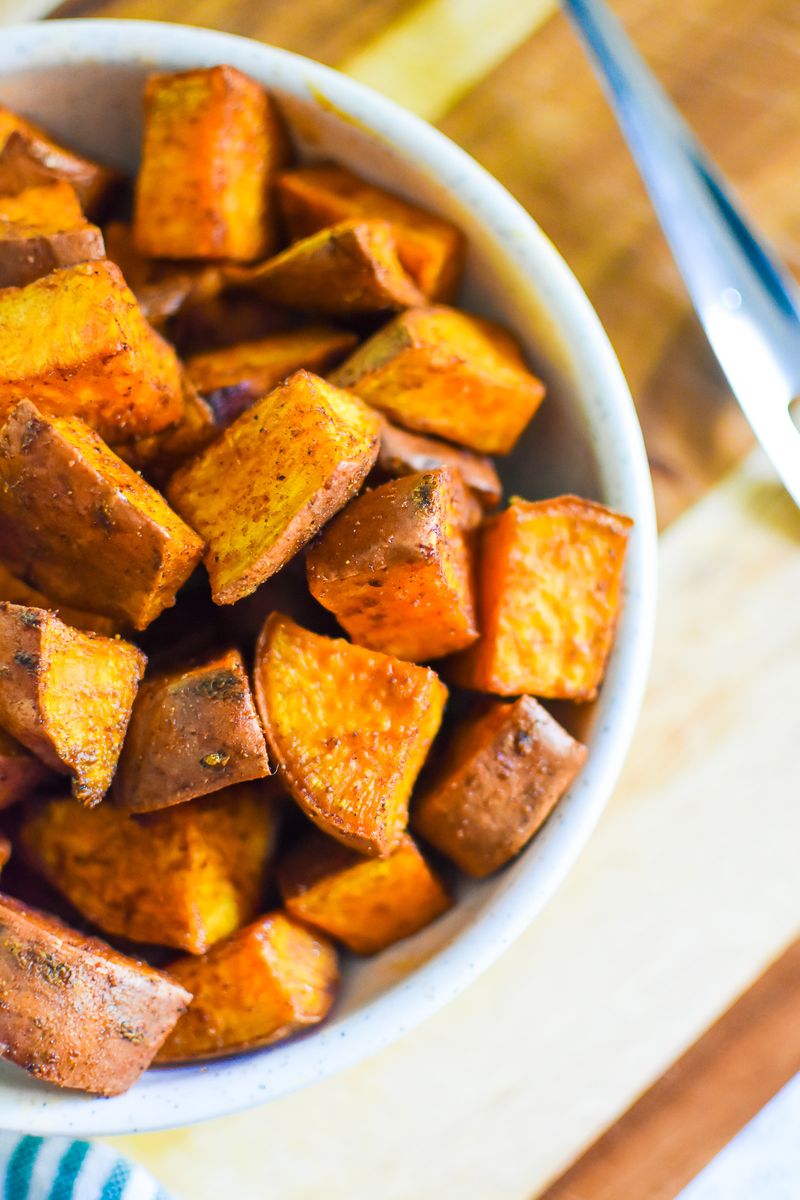
Sweet potatoes are comfort food with a nutritional bonus. Beyond their natural sweetness and satisfying texture, they contain iron alongside vitamin C, which works as a natural iron absorption booster right within the same food.
One medium sweet potato provides roughly 1.4 mg of iron, which adds up meaningfully when combined with iron-rich legumes in the same meal. Try stuffing them with black beans and salsa for a dish that is both delicious and strategically nutritious.
They are a clever addition to any iron-boosting meal plan.
10. Turnips
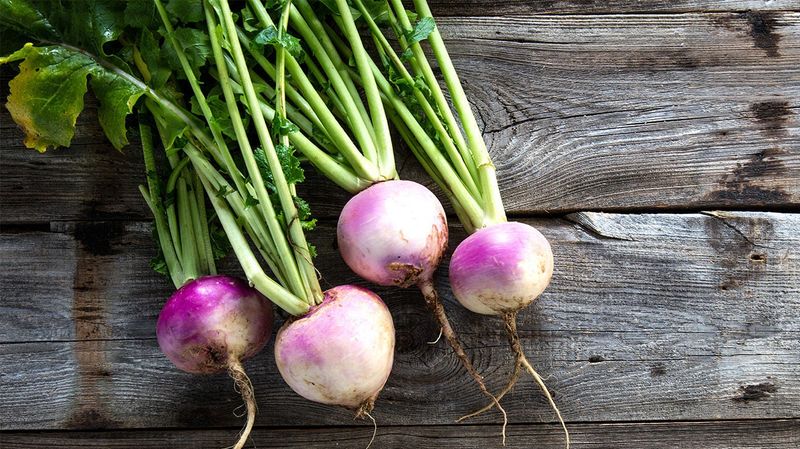
Turnips might not be the first vegetable that comes to mind when you think about iron, but they deserve more credit than they usually get. Both the root and the leafy greens of a turnip contribute iron to your diet, with turnip greens being particularly impressive nutritionally.
Roasting turnips softens their slight bitterness and brings out a surprisingly sweet, nutty flavor. Mash them with potatoes, add them to stews, or roast them in cubes for a simple side dish.
They are affordable, widely available, and genuinely good for you.
11. Parsnips
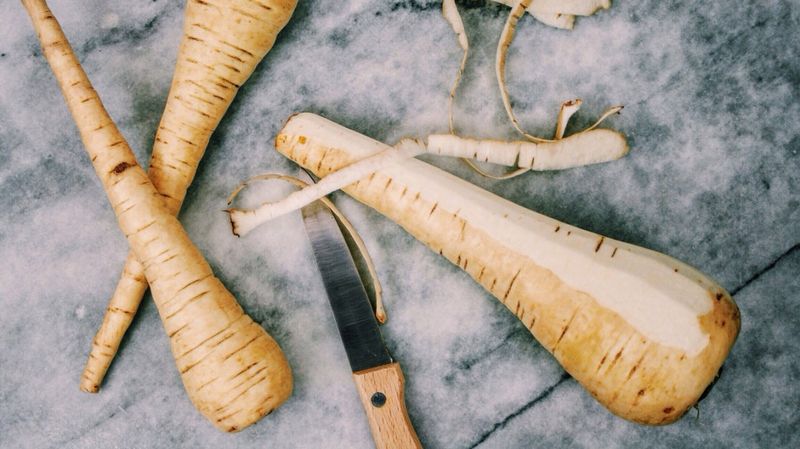
Parsnips look like pale carrots but carry a flavor that is warmer, spicier, and somehow more interesting. They provide a modest but meaningful amount of iron and are rich in folate, which works alongside iron to support healthy blood production.
Roasting parsnips until their edges caramelize is one of the best ways to enjoy them. They also work beautifully in soups and stews where their natural sweetness deepens over time.
If you have never tried parsnips before, roasting them with a little honey and thyme is a great place to start.
12. Carrots
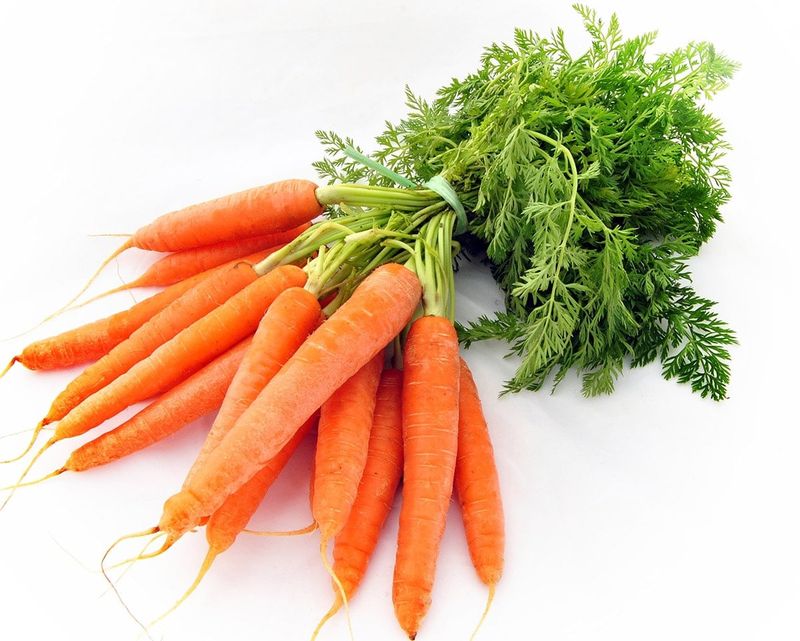
Carrots are one of the most familiar root vegetables in the world, and while their iron content is modest, they earn their place in an iron-boosting diet through teamwork. Their high vitamin A and antioxidant content supports overall blood health alongside the iron from other foods in the same meal.
Eating carrots with lentils or chickpeas creates a combination where the nutrients complement each other. Roast them, steam them, or eat them raw with hummus.
They are versatile, inexpensive, and available year-round at any grocery store.
13. Potatoes

A plain baked potato contains about 3.2 mg of iron in its skin, which surprises most people who think of potatoes as just a starchy side dish. The key is eating the skin, where the majority of the iron and nutrients are concentrated.
Potatoes also come packed with vitamin C, which naturally enhances iron absorption from the meal. Top a baked potato with iron-rich lentils or black beans and you have a surprisingly complete, iron-boosting meal.
Simple, filling, and far more nutritious than most people realize.
14. Cassava (Yuca)
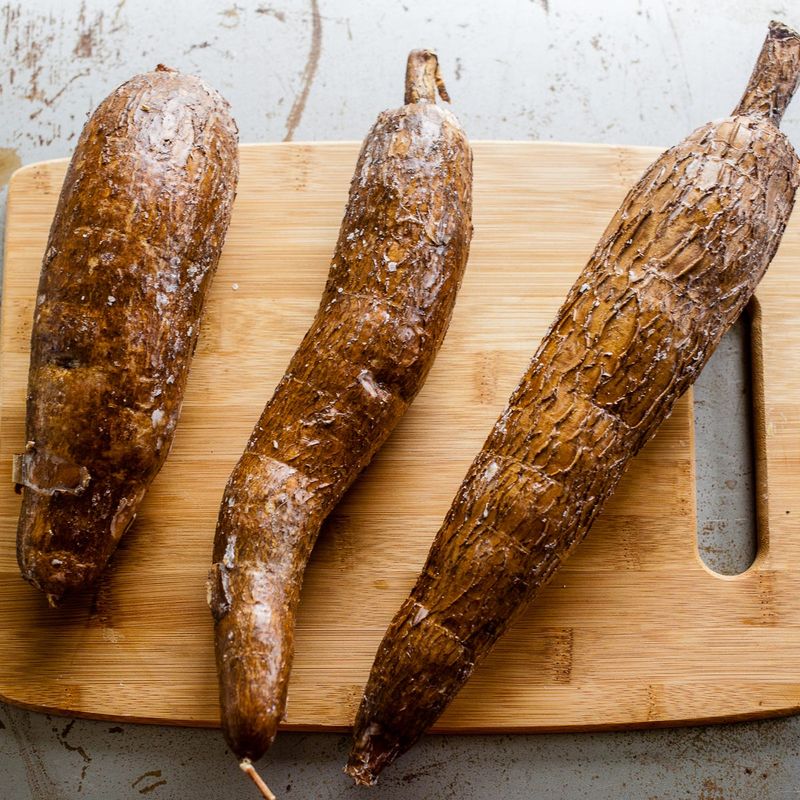
Cassava, known as yuca in many parts of the world, is a starchy root vegetable that has fed millions of people across Africa, South America, and Asia for centuries. It provides a useful amount of iron alongside carbohydrates that give your body steady energy throughout the day.
Boil it, fry it, or mash it as you would a potato. Cassava is especially popular in West African and Caribbean cooking, where it appears in everything from porridges to fried snacks.
Its mild flavor makes it easy to pair with iron-rich beans and sauces.
15. Taro Root
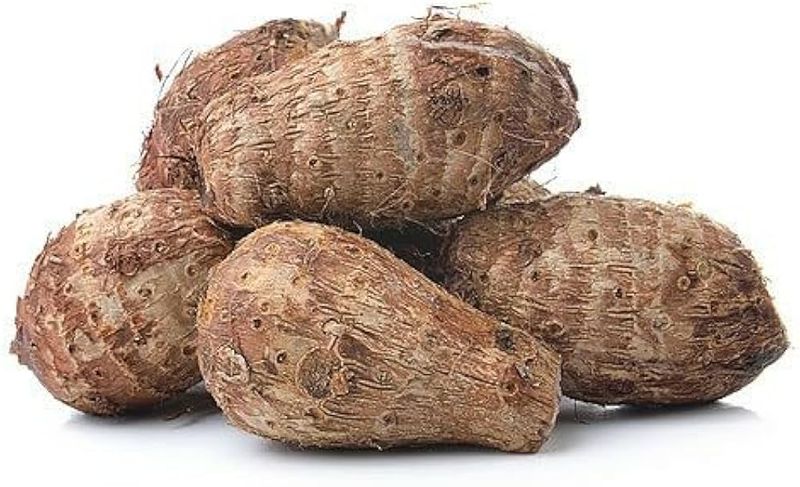
Taro root has a subtle, slightly nutty flavor and a starchy texture that works beautifully in both savory and sweet preparations. It contains a respectable amount of iron along with potassium and fiber, making it a well-rounded nutritional choice.
Popular across Hawaiian, Asian, and Caribbean cuisines, taro is often boiled, steamed, or made into chips. In Hawaii, it forms the base of poi, a traditional dish with deep cultural roots.
Adding taro to soups or stews alongside legumes creates a hearty, iron-rich meal that is both satisfying and nourishing.
16. Peas (Green Peas)
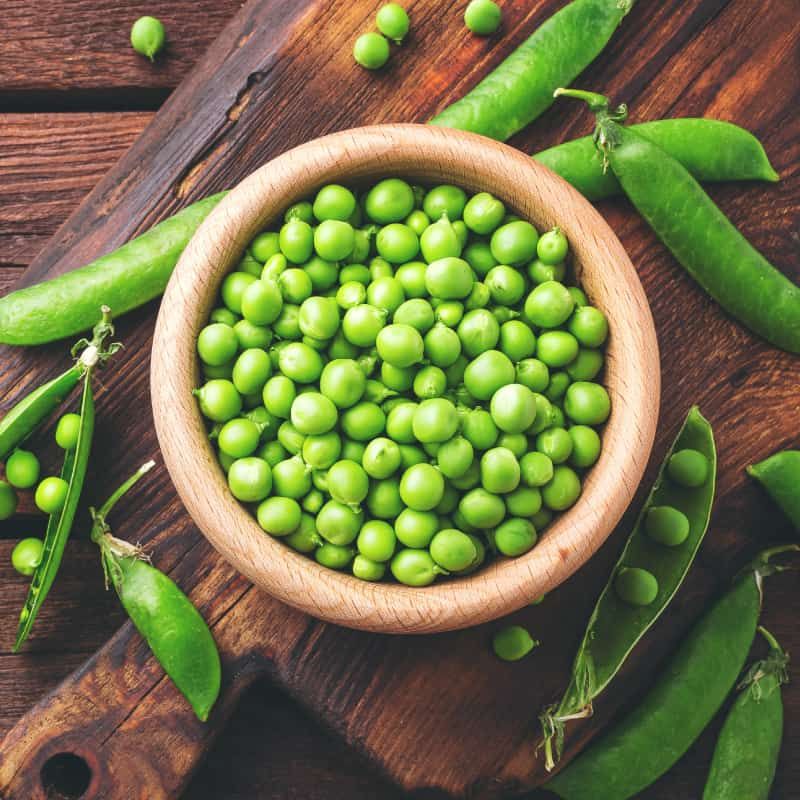
Fresh or frozen green peas are a surprisingly solid iron source that most people overlook. One cup of cooked peas contains about 2.5 mg of iron, plus a healthy dose of vitamin C to help your body absorb that iron efficiently.
Peas are endlessly versatile. Toss them into pasta, blend them into a creamy soup, stir them into rice, or simply steam them as a quick side dish.
They are one of the easiest vegetables to keep on hand, especially in frozen form, making iron-rich eating genuinely convenient.
17. Black-Eyed Peas
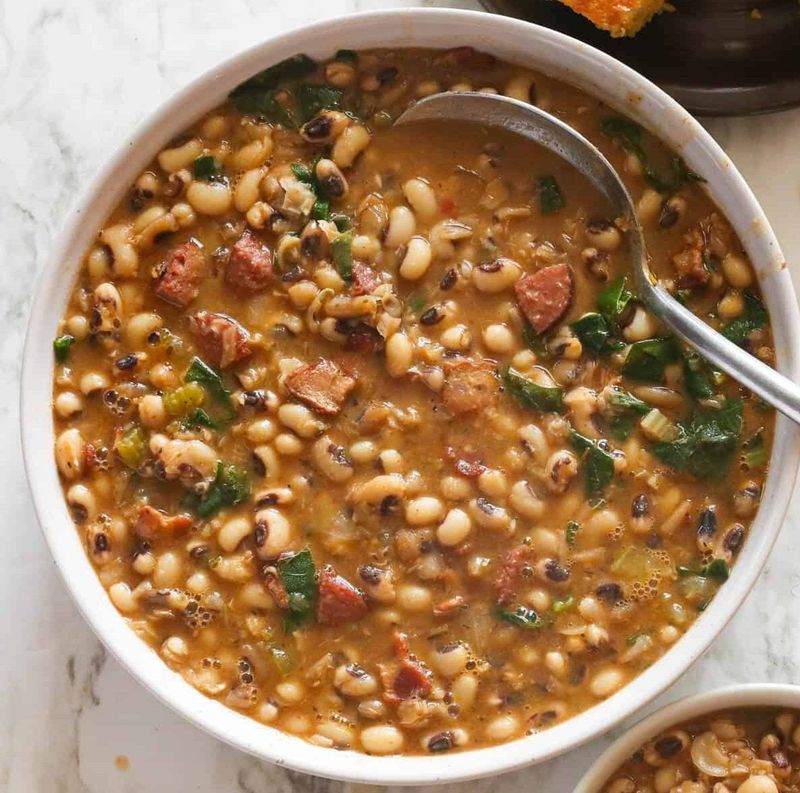
In the American South, black-eyed peas on New Year's Day are said to bring good luck, but the real fortune is in their nutrition. One cup of cooked black-eyed peas provides about 4.3 mg of iron, along with folate and fiber that support overall health.
Their earthy, slightly smoky flavor makes them ideal for slow-cooked dishes, especially when paired with greens like collards or kale. Eating them alongside leafy greens creates a naturally iron-rich combination that has been a staple of Southern cooking for generations.
18. Adzuki Beans
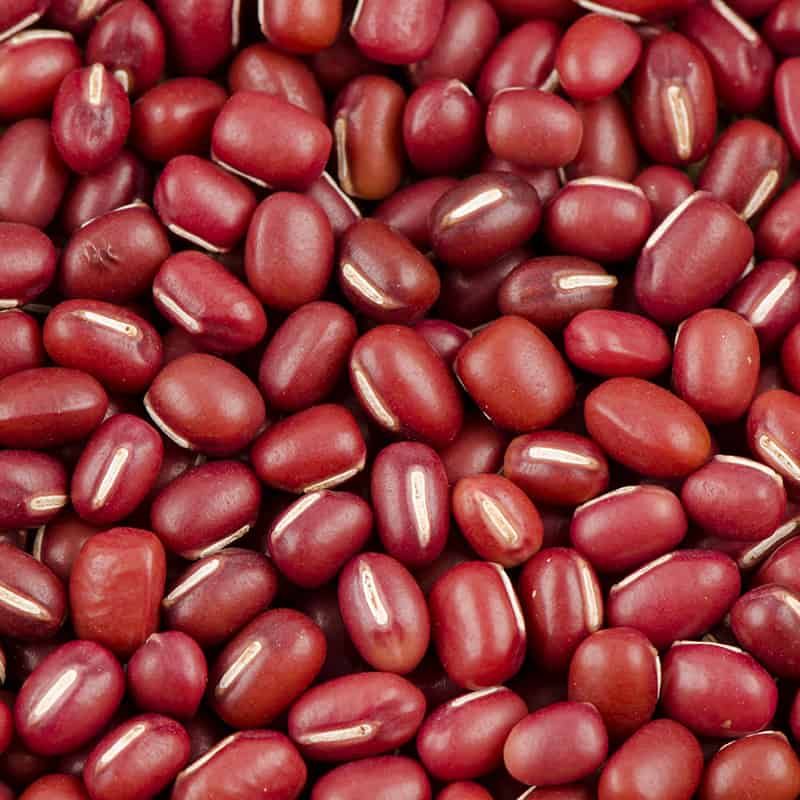
Adzuki beans are small, deep red legumes that are enormously popular in East Asian cooking, especially in Japanese and Chinese desserts and sweets. Beyond their culinary charm, one cup of cooked adzuki beans delivers around 4.6 mg of iron.
Their slightly sweet, earthy flavor works in both savory stews and sweet red bean paste. If you have never tried them in a savory application, cooking them with ginger, garlic, and miso creates a deeply satisfying dish.
They are a wonderful way to diversify your iron sources while exploring new flavors.
19. Pinto Beans
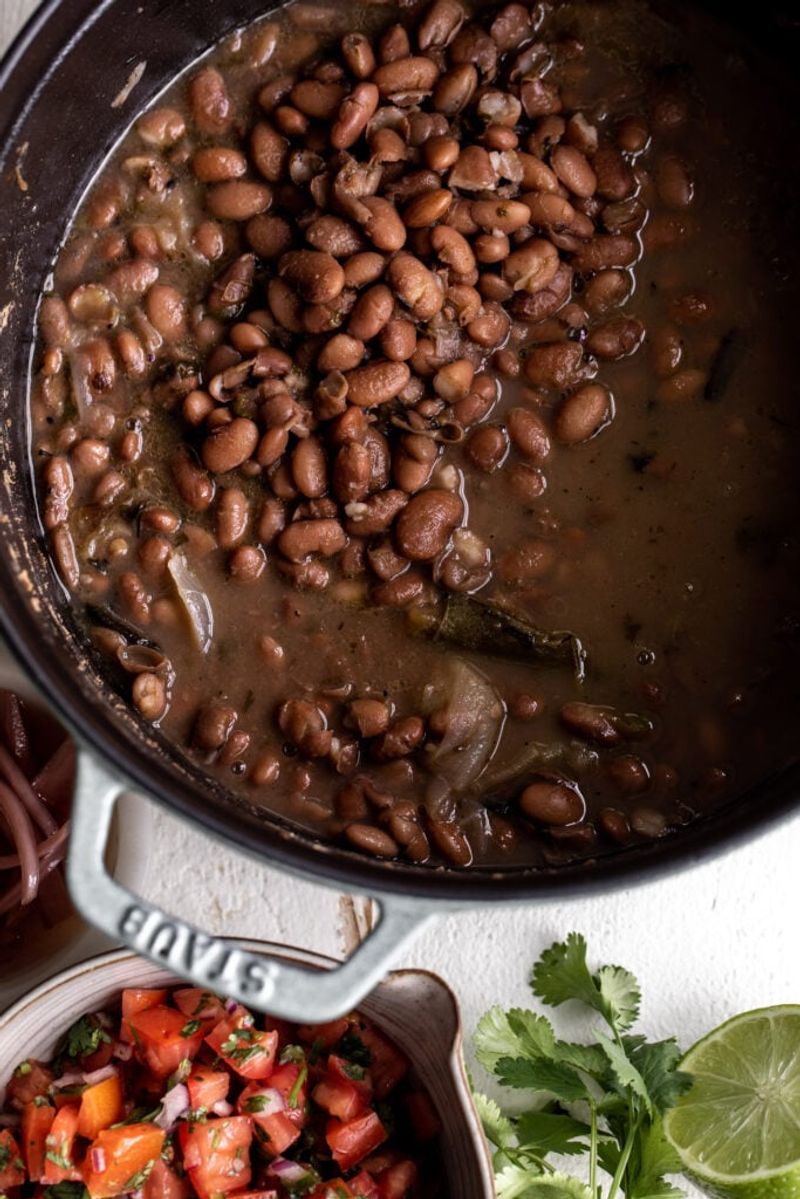
Pinto beans are the backbone of Mexican and Tex-Mex cooking, appearing in everything from refried beans to burritos and soups. A cup of cooked pinto beans provides about 3.6 mg of iron, making them a reliable everyday source of this important mineral.
Their creamy texture and mild, earthy flavor absorb spices and seasonings beautifully. Cooking pinto beans from scratch rather than using canned versions allows you to control sodium levels while getting the maximum nutritional benefit.
Serve them alongside vitamin C-rich salsa for a smart iron-absorption combination.
20. Lima Beans
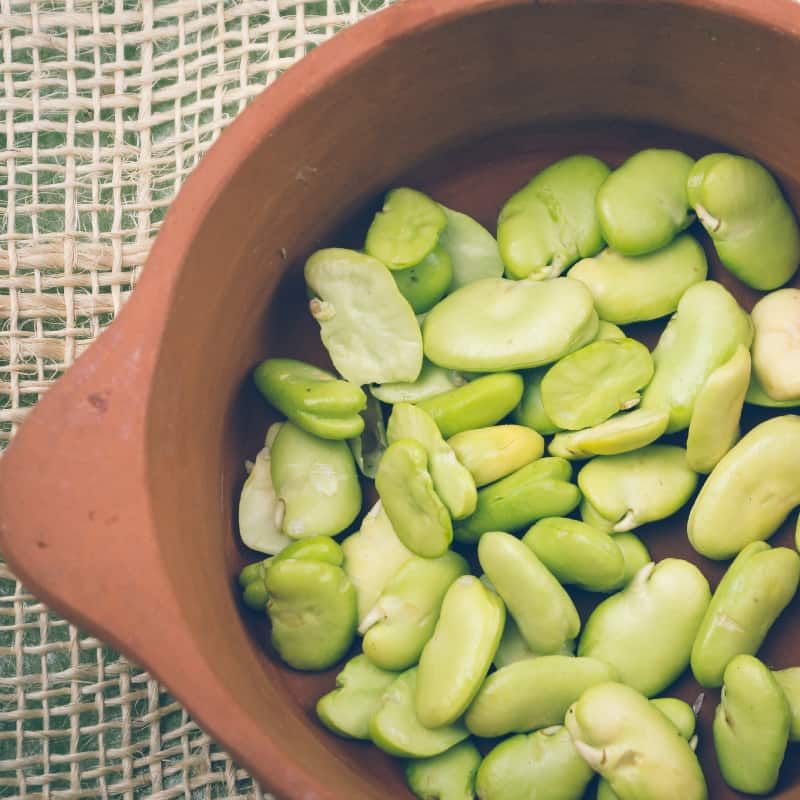
Lima beans have an unfair reputation from childhood dinner tables, but as an adult exploring iron-rich foods, they are worth a second chance. One cup of cooked lima beans contains approximately 4.5 mg of iron, plus a good amount of magnesium and potassium.
Their buttery, creamy texture makes them perfect for soups, stews, and succotash. Slow-cooking lima beans with garlic, rosemary, and a splash of olive oil transforms them into something genuinely elegant.
They are quietly one of the most nutrient-dense legumes available, and far more delicious than their bad reputation suggests.
21. Radishes
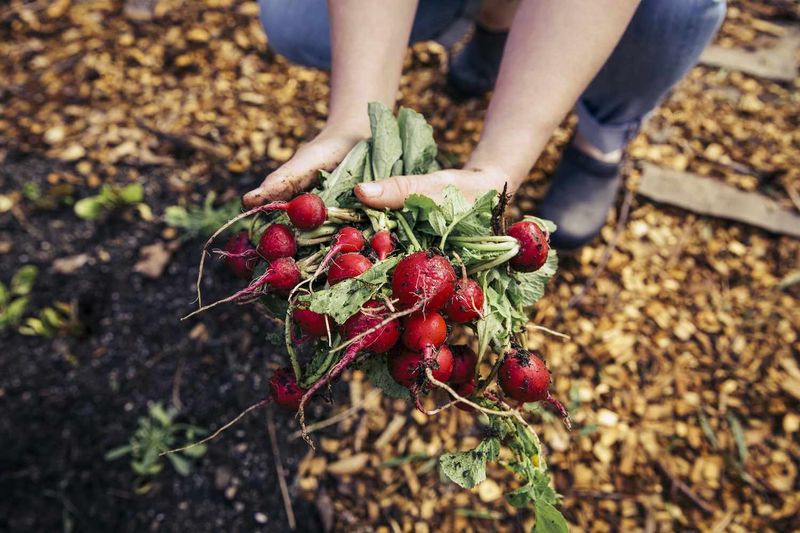
Radishes bring a sharp, peppery crunch to meals and are more nutritious than their small size suggests. While their iron content is modest on its own, radishes are rich in vitamin C, which plays a crucial supporting role in helping your body absorb iron from other foods you eat at the same meal.
Slice them raw into salads with lentils or chickpeas, pickle them for a tangy topping, or roast them to mellow their spice into something surprisingly sweet. Their crisp texture and bright color make any plate more appealing and nutritionally thoughtful.
22. Celeriac (Celery Root)
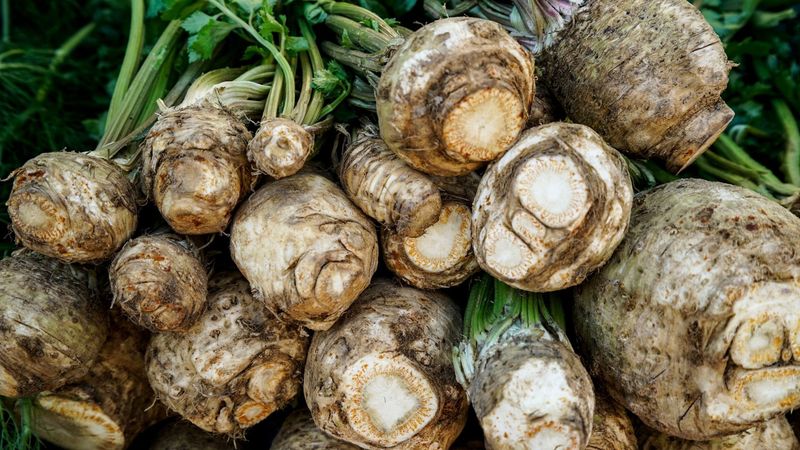
Celeriac, or celery root, looks a bit like a rough, knobby alien vegetable, but underneath that unassuming exterior is a wonderfully flavorful root with genuine nutritional value. It contains iron, vitamin K, and phosphorus, making it a useful addition to an iron-focused diet.
Its flavor is milder than celery stalks, with a slightly nutty, earthy quality that works beautifully in mashed dishes, soups, and roasted vegetable trays. Pair it with iron-rich lentils in a warm soup for a meal that is both comforting and quietly powerful for your blood health.




Comments
No Comments