













Some ingredients have names that make you raise an eyebrow before you even taste them. Words like "asafoetida" or "epazote" sound like they belong in a science experiment, not a recipe.
But once these ingredients hit the pan, they deliver familiar, comforting, and downright delicious flavours. Get ready to meet 21 ingredients whose names are way more dramatic than what they actually taste like.
1. Asafoetida
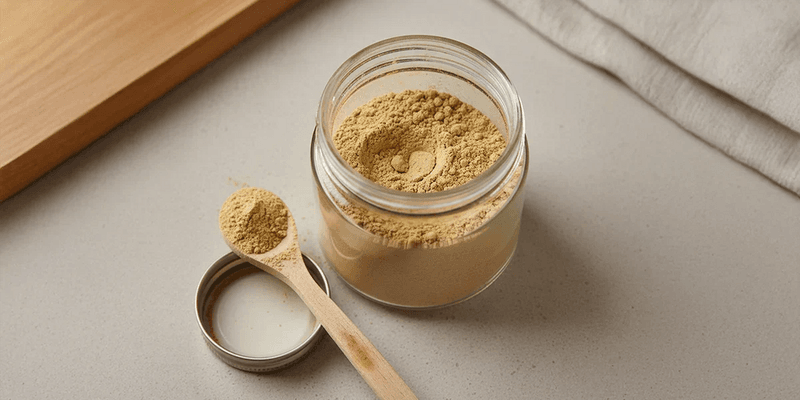
Asafoetida sounds like something a medieval wizard would order, but this powdered spice is actually a kitchen hero across South Asia. It smells pretty pungent straight from the jar, but the moment it hits hot oil, it transforms into a warm, savory, onion-garlic aroma that makes lentil dishes sing.
Just a tiny pinch is enough to season an entire pot. Used in Indian cooking for thousands of years, it is also prized for its digestive benefits.
Do not let the name scare you off.
2. Epazote
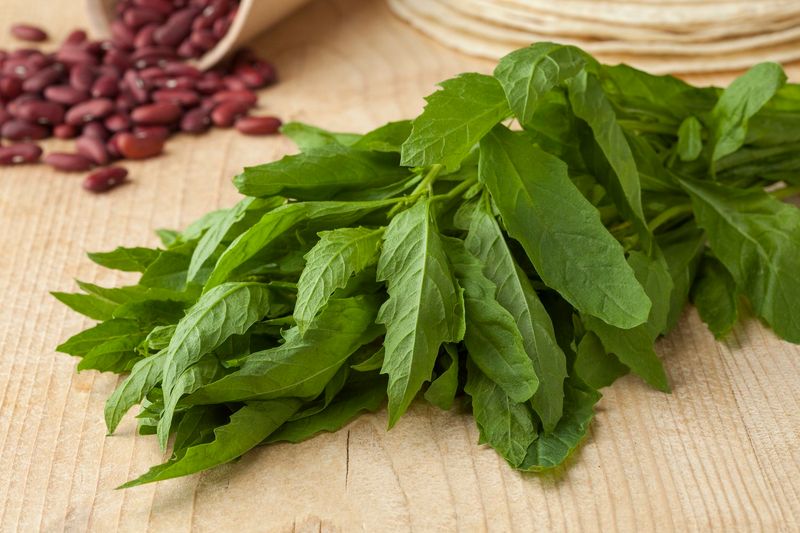
Epazote rolls off the tongue in a wonderfully awkward way, but this leafy herb is beloved throughout Mexican cooking. Drop a few fresh sprigs into a pot of black beans and you will notice a bright, herby depth that is hard to describe but impossible to forget.
Its flavour sits somewhere between mint, oregano, and a hint of citrus. Beyond taste, epazote is also known to reduce the gassy side effects of eating beans, making it both delicious and practical.
3. Worcestershire Sauce
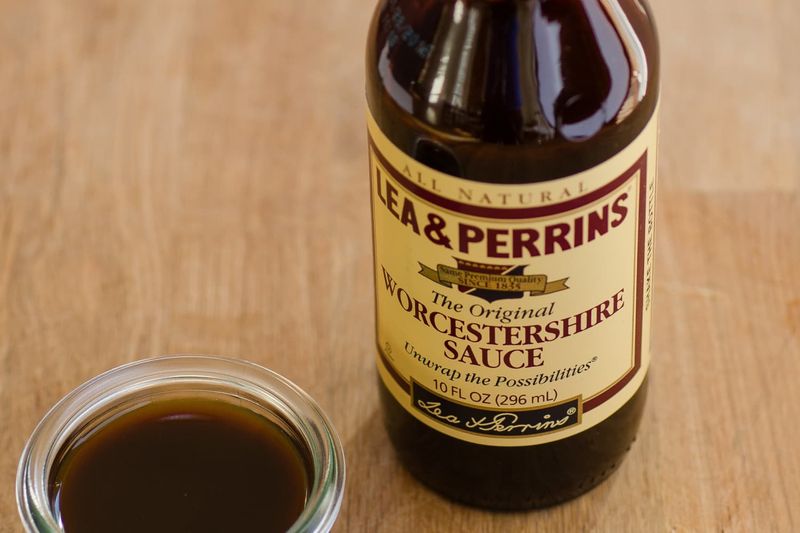
Worcestershire sauce is the ingredient that makes spell-check panic and dinner guests nod in approval. Pronounced "WOO-stuh-sheer," this dark, tangy liquid was accidentally invented in England in the 1830s.
A batch was forgotten in a cellar, and when rediscovered, it had fermented into something extraordinary.
The flavour is deeply savory, slightly sweet, and tangy all at once. A few dashes into a marinade, soup, or Caesar salad dressing can completely elevate the dish without anyone knowing your secret weapon.
4. Fenugreek
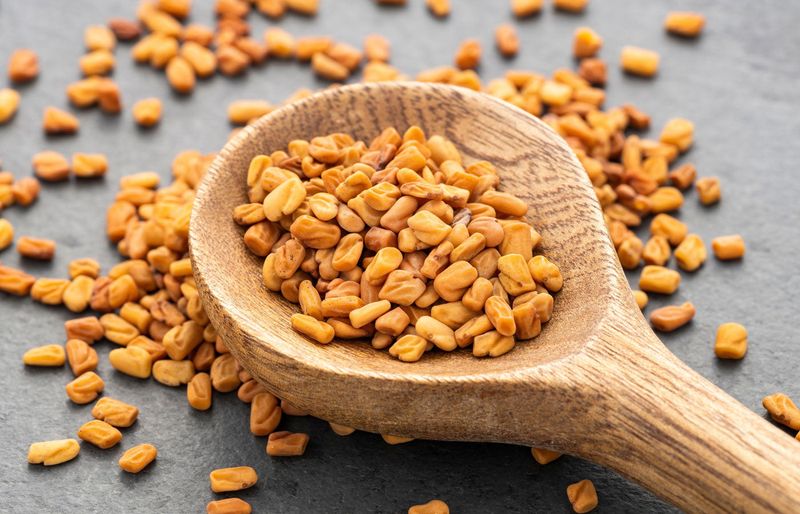
Fenugreek sounds like an ancient land in a fantasy novel, but these small golden seeds are a staple in kitchens across India, the Middle East, and North Africa. Toasted lightly in a dry pan, they release a warm, maple-like aroma that is genuinely surprising the first time you experience it.
The seeds add a slightly bitter, nutty note to curries and spice blends. Fenugreek leaves, used fresh or dried, bring a gentler flavour that works beautifully in flatbreads and vegetable dishes.
5. Galangal
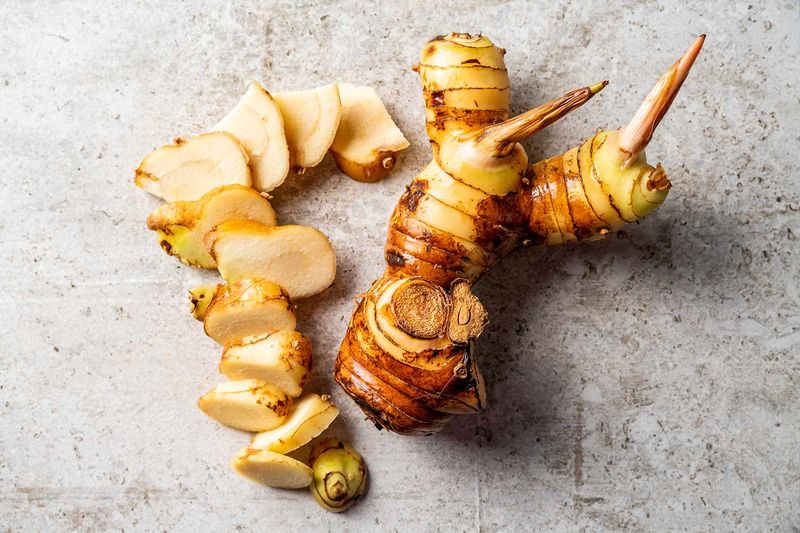
Galangal looks like ginger's edgier cousin and has a name that sounds like a distant galaxy. This knobbly root is a cornerstone of Thai and Indonesian cooking, bringing a sharp, citrusy, almost piney punch to soups and curries.
Tom Kha Gai soup would not be the same without it.
Unlike ginger, galangal is harder and more fibrous, so it is usually sliced and used to infuse broths rather than eaten directly. The flavour is bright and clean, nothing strange at all.
6. Miso
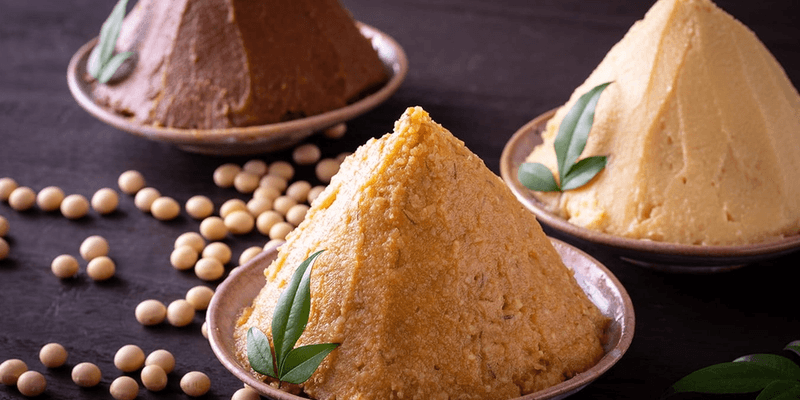
Miso is a Japanese fermented paste made from soybeans that has quietly become a global kitchen favourite. The word itself sounds simple enough, but the ingredient inside the container is a flavour powerhouse built over months or even years of fermentation.
White miso is mild, slightly sweet, and perfect for light soups and salad dressings. Red miso is bolder and saltier, excellent in hearty stews and marinades.
Either way, a spoonful of miso adds a rich, savory depth that makes food taste more complete and satisfying.
7. Sumac
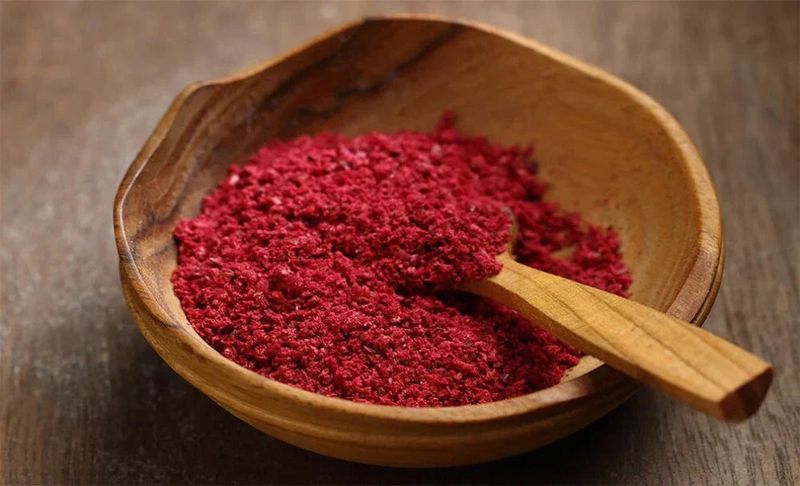
Sumac sounds like a character from an action movie, but this deep burgundy-red spice is one of the friendliest flavours you will ever meet. Ground from dried berries, sumac delivers a tart, lemony tang that brightens up everything from grilled meats to fattoush salad.
Popular across Middle Eastern and Mediterranean cooking, it works as a salt-free way to add acidity to dishes. Sprinkle it over hummus, roasted vegetables, or even popcorn for an instant flavour upgrade that surprises everyone at the table.
8. Tamarind
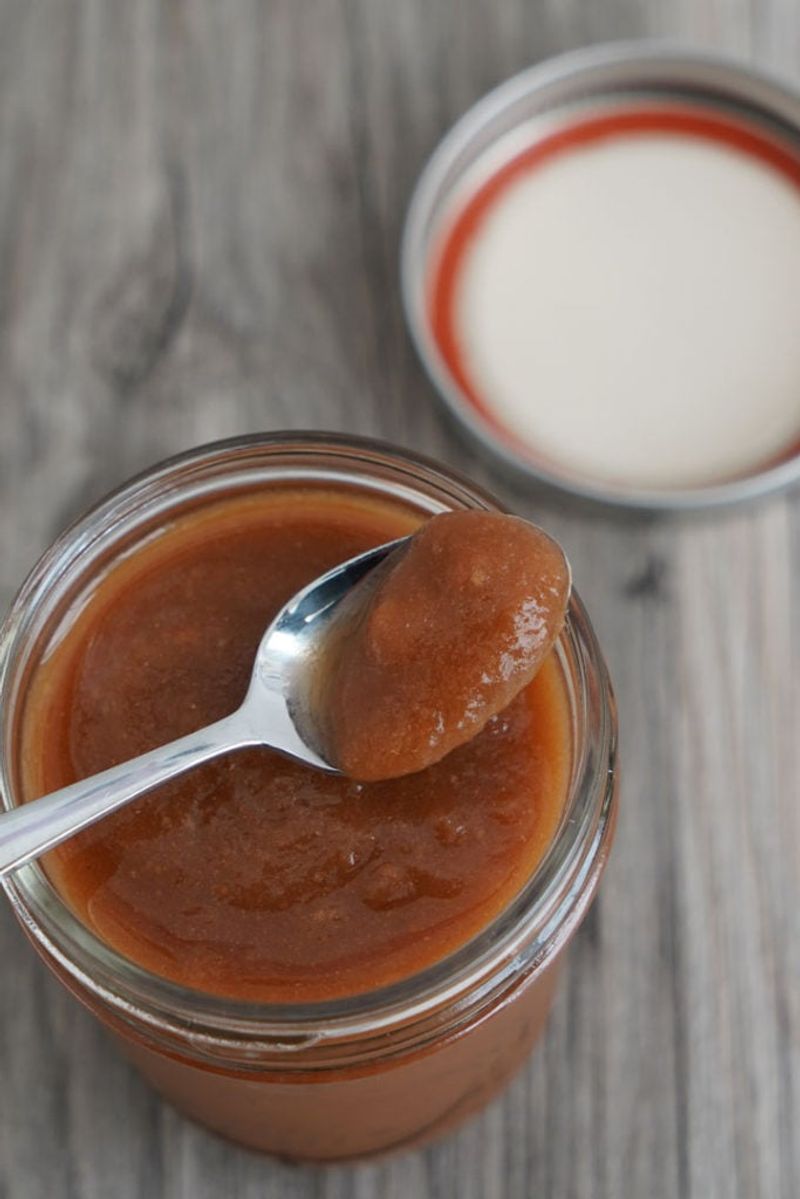
Tamarind sounds exotic and slightly mysterious, but once you taste it, you will realize you have already been enjoying it without knowing. It is the secret behind the tangy kick in Worcestershire sauce, pad Thai, and countless chutneys.
The fruit grows in pods and has a pulpy, sticky texture.
Its flavour is a wonderful balance of sweet and sour, like a tropical lemon with caramel undertones. Dissolved in warm water and strained, tamarind paste becomes a versatile cooking liquid that transforms sauces and marinades instantly.
9. Harissa
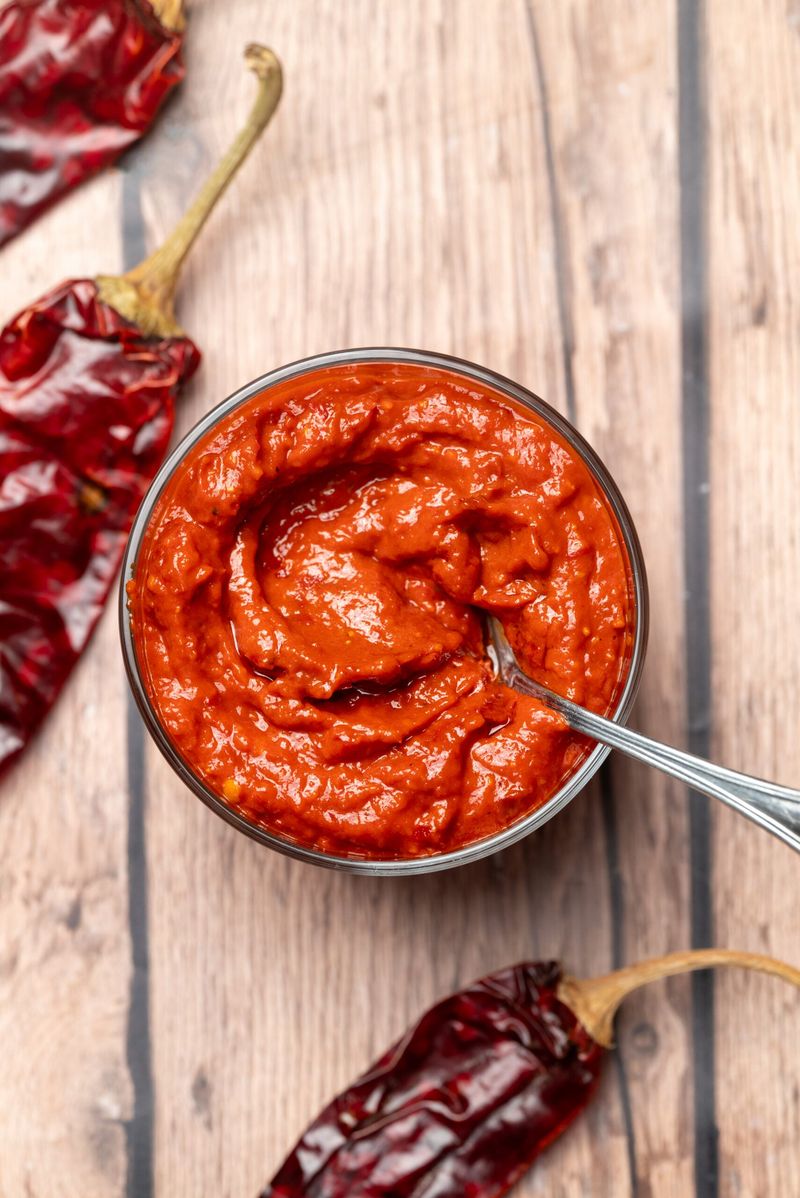
Harissa sounds like it might be a form of ancient martial art, but it is actually a fiery North African chili paste that brings serious flavour to almost any dish. Made from roasted red peppers, garlic, cumin, and chilies, it packs heat alongside a deep, smoky sweetness.
Stir it into couscous, spread it on flatbread, or swirl it through yogurt for an instant dip upgrade. The spice level can range from mild to bold depending on the brand, so even heat-shy cooks can find their perfect version.
10. Gochujang
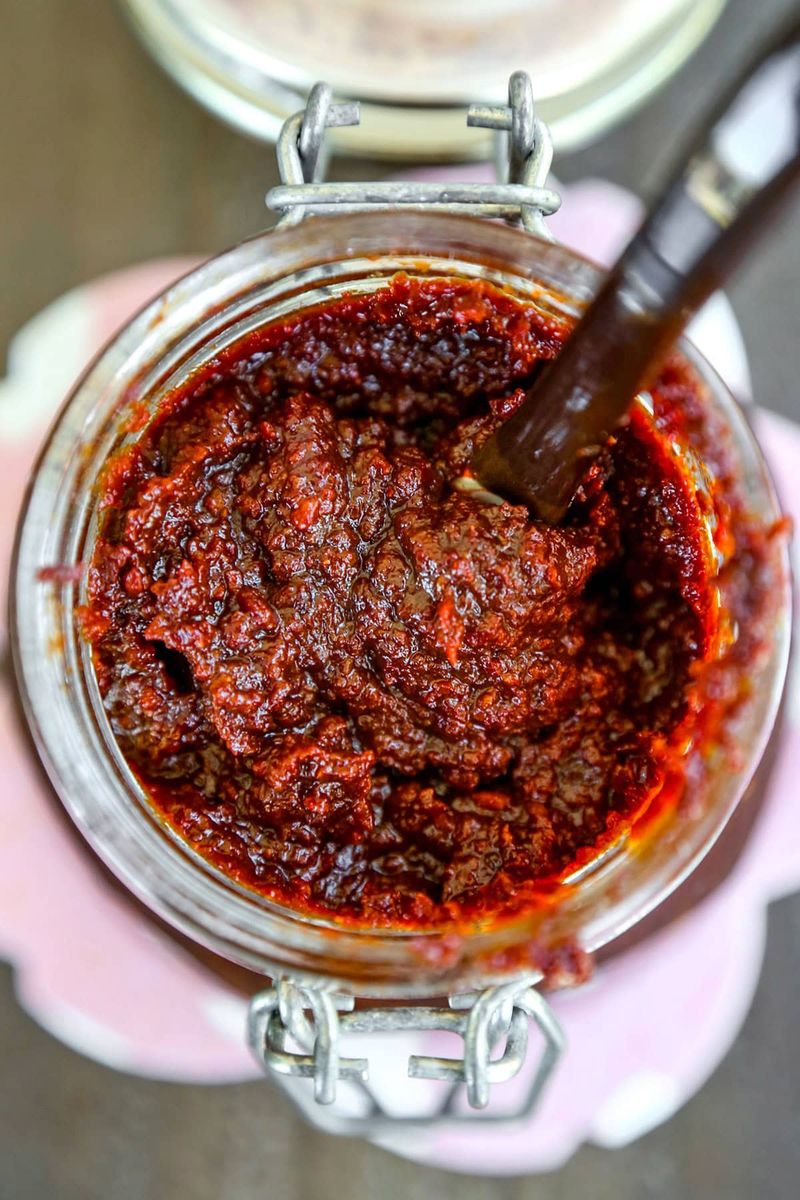
Gochujang might look impossible to pronounce at first glance, but say it "go-choo-jang" and you are already halfway to becoming a Korean cooking enthusiast. This thick, fermented chili paste is the backbone of Korean cuisine, adding heat, sweetness, and a deep, complex savoriness all in one spoonful.
It is the key ingredient in bibimbap, Korean fried chicken glazes, and spicy soups. Unlike straight hot sauce, gochujang builds layers of flavour rather than just delivering heat, making it incredibly versatile across all types of cooking.
11. Za'atar
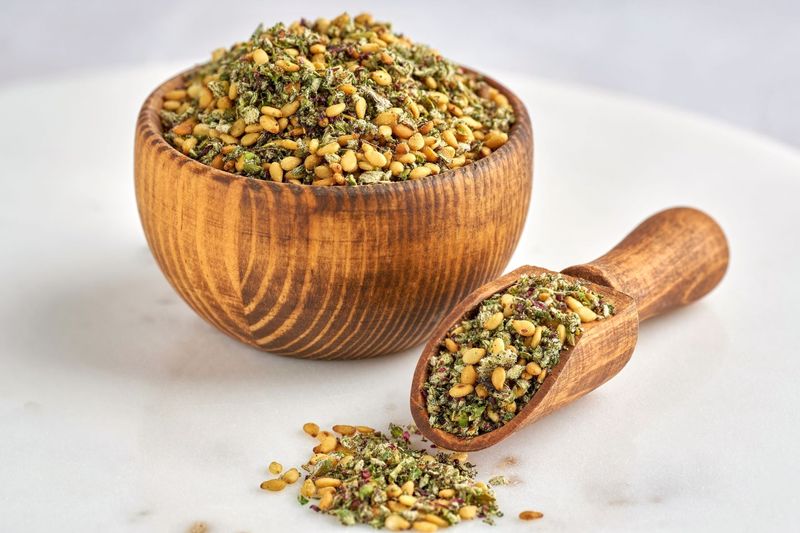
Za'atar is a Middle Eastern spice blend with a name that sounds like a magical incantation, but its flavour is earthy, herby, and completely approachable. Typically made from dried thyme, oregano, sesame seeds, and sumac, it delivers a fragrant, slightly tangy, nutty taste that works on almost everything.
Stir it into olive oil and dip fresh bread, or sprinkle it over roasted chicken and eggs. Za'atar has been used across Lebanon, Israel, and Syria for centuries, and once you try it, you will want it in your pantry permanently.
12. Kecap Manis
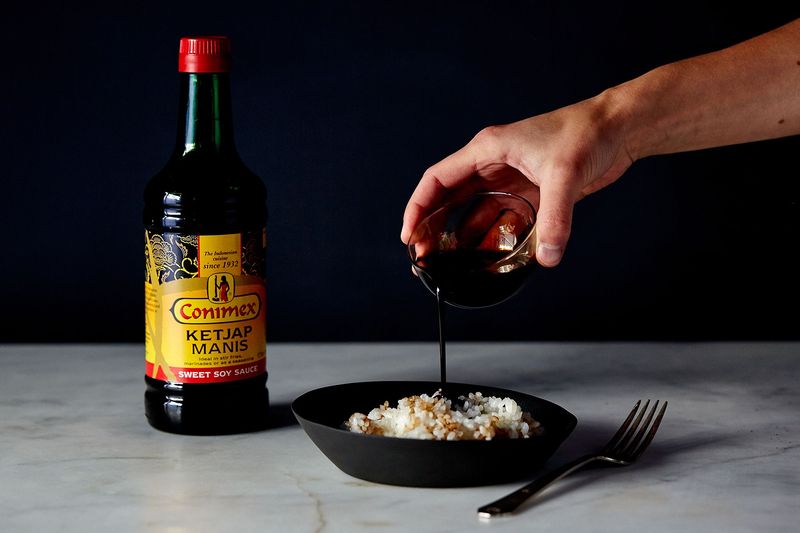
Kecap manis sounds like a quirky science term, but it is simply the Indonesian name for sweet soy sauce and it is absolutely delicious. Thicker and darker than regular soy sauce, it has a rich, molasses-like sweetness that balances beautifully with savory, salty, and smoky flavours.
It is the essential ingredient in nasi goreng, Indonesia's famous fried rice, and works wonderfully as a glaze for grilled meats. A drizzle over stir-fry or noodles adds an instant caramelized depth that keeps people coming back for seconds.
13. Nutritional Yeast
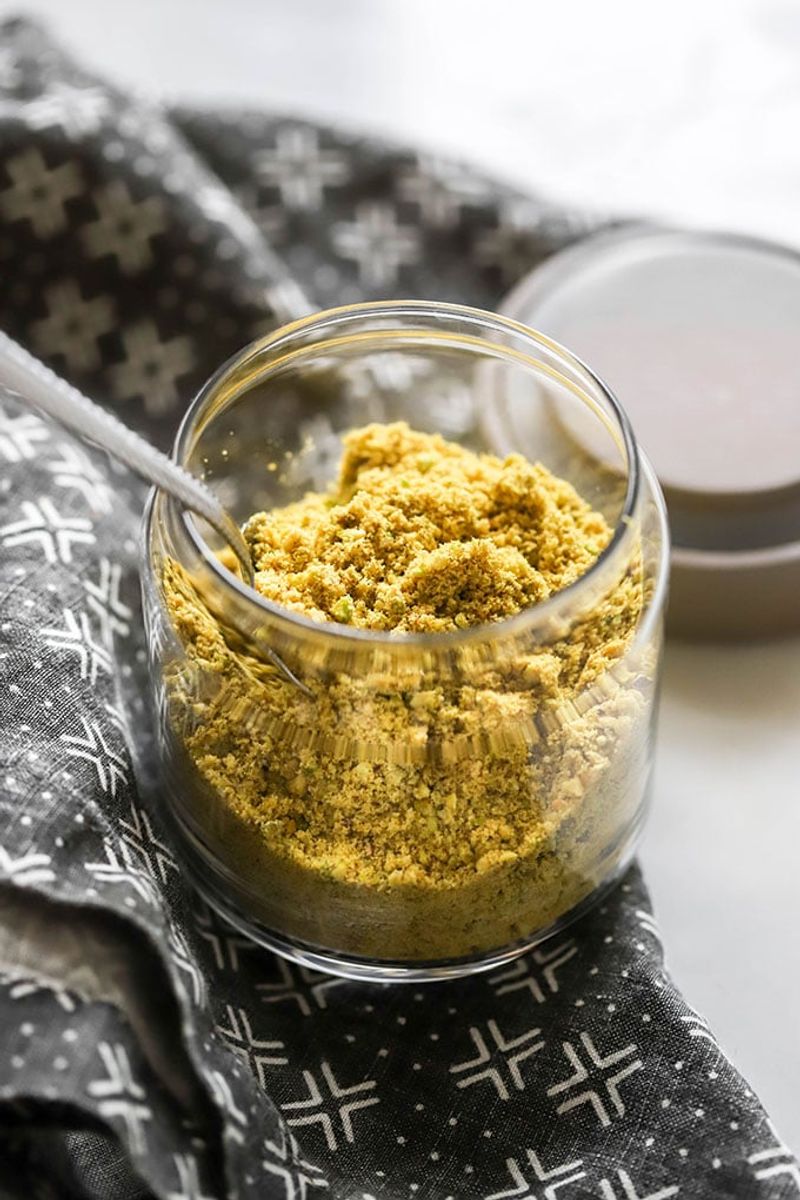
Nutritional yeast sounds like something you would find in a vitamin supplement aisle, not your pasta bowl. But this golden, flaky ingredient is a secret weapon for adding a cheesy, savory, nutty flavour without any dairy.
Vegans and non-vegans alike have been sprinkling it over everything for good reason.
Toss it onto popcorn, pasta, roasted vegetables, or scrambled eggs for an instant umami boost. It is also packed with B vitamins, making it one of those rare ingredients that is both deeply satisfying and genuinely good for you.
14. Dried Shrimp
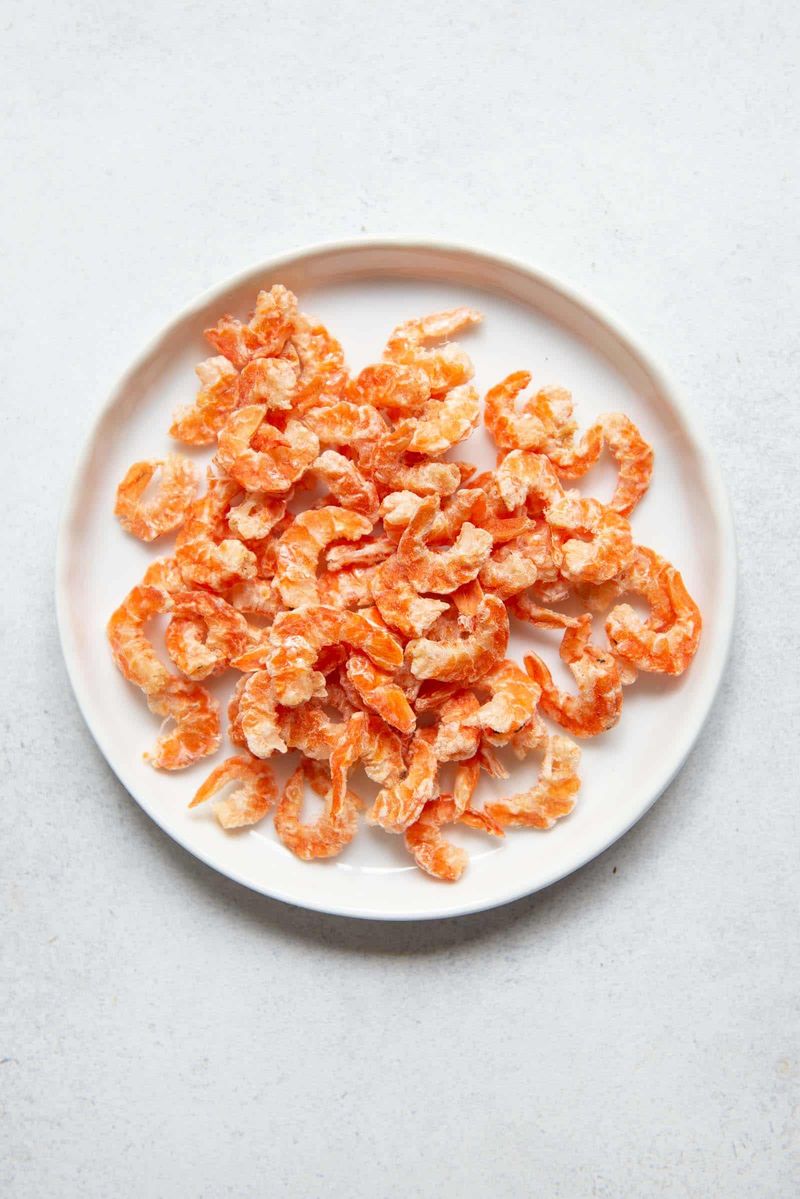
Dried shrimp might make a few eyebrows shoot up at the dinner table, but this tiny ingredient carries an enormous flavour punch. Used widely across Southeast Asian, Chinese, and West African cooking, these miniature crustaceans add a deep, briny, savory richness that fresh shrimp simply cannot replicate.
Blended into sambal, ground into soups, or tossed into fried rice, dried shrimp work in the background, building layers of flavour without announcing themselves. They smell strong out of the bag but mellow beautifully once cooked.
15. Annatto
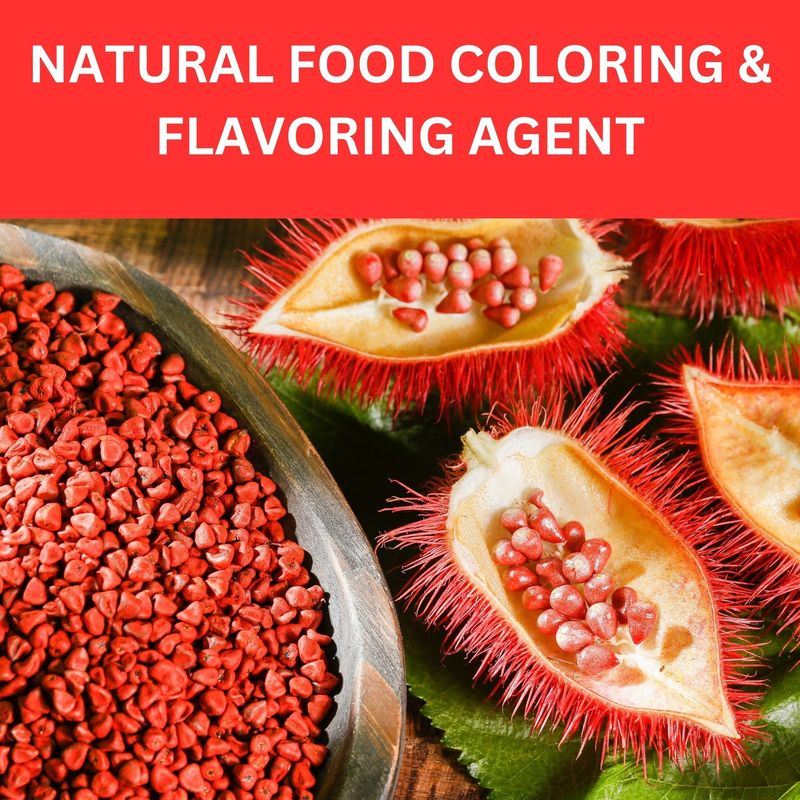
Annatto sounds like a pasta dish you have never tried, but it is actually a natural food colouring and flavour agent made from the seeds of the achiote tree. Used throughout Latin American, Filipino, and Caribbean cooking, it gives dishes a warm, golden-orange hue that is instantly eye-catching.
The flavour is mild and slightly earthy with a faint peppery sweetness. It is what gives certain cheeses, butter, and rice dishes their golden colour.
Annatto is proof that nature makes some of the best food dyes around.
16. Fish Sauce
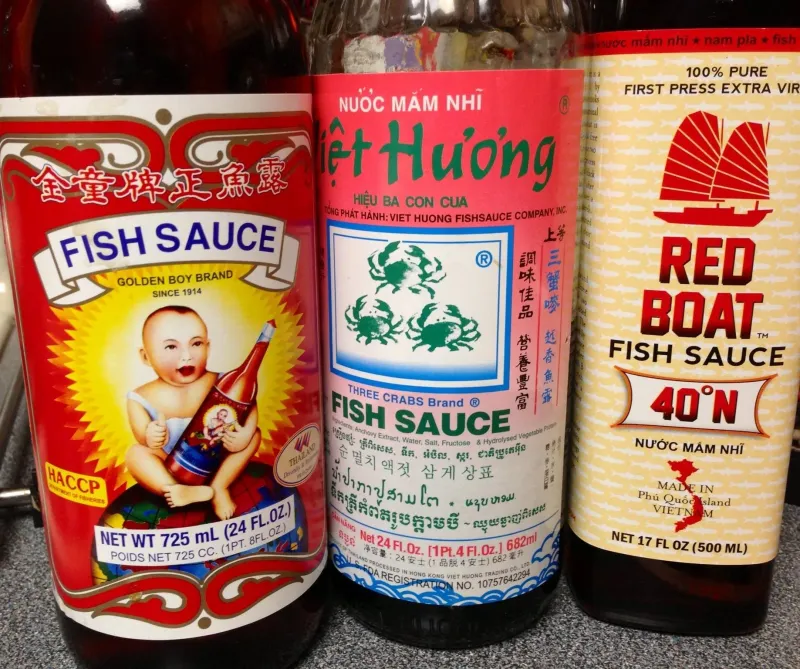
Fish sauce has a reputation that arrives before it does. Open the bottle and the smell is certainly bold, but once it hits a hot wok or gets stirred into a dipping sauce, it becomes something magical.
It is the invisible backbone of Thai, Vietnamese, and Filipino cooking.
A splash adds a salty, savory depth that makes food taste more rounded and complete. Chefs across the world now sneak a few drops into pasta sauces, stews, and salad dressings because it amplifies every other flavour in the dish without tasting fishy at all.
17. Ras el Hanout
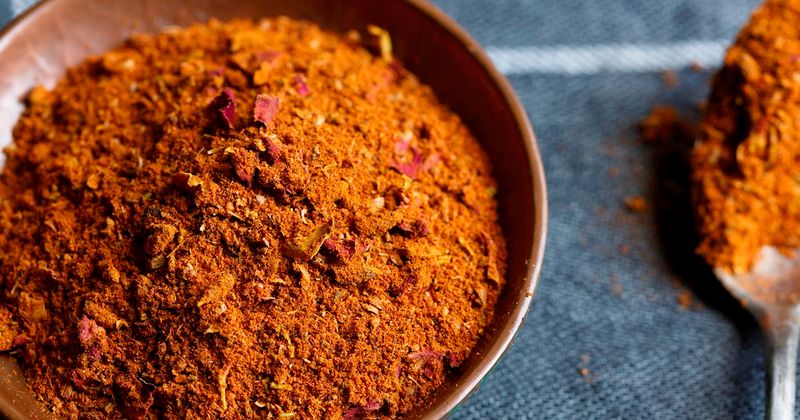
Ras el hanout translates from Arabic to "head of the shop," meaning the very best spices the merchant has to offer. The name sounds grand and mysterious, but the flavour is warm, aromatic, and deeply comforting, like a hug in spice form.
Each blend is slightly different depending on who makes it.
Common ingredients include cinnamon, cumin, coriander, turmeric, and rose petals. It is the heart of Moroccan tagines and couscous dishes, and just a teaspoon rubbed onto chicken before roasting will make your kitchen smell absolutely incredible.
18. Pomegranate Molasses
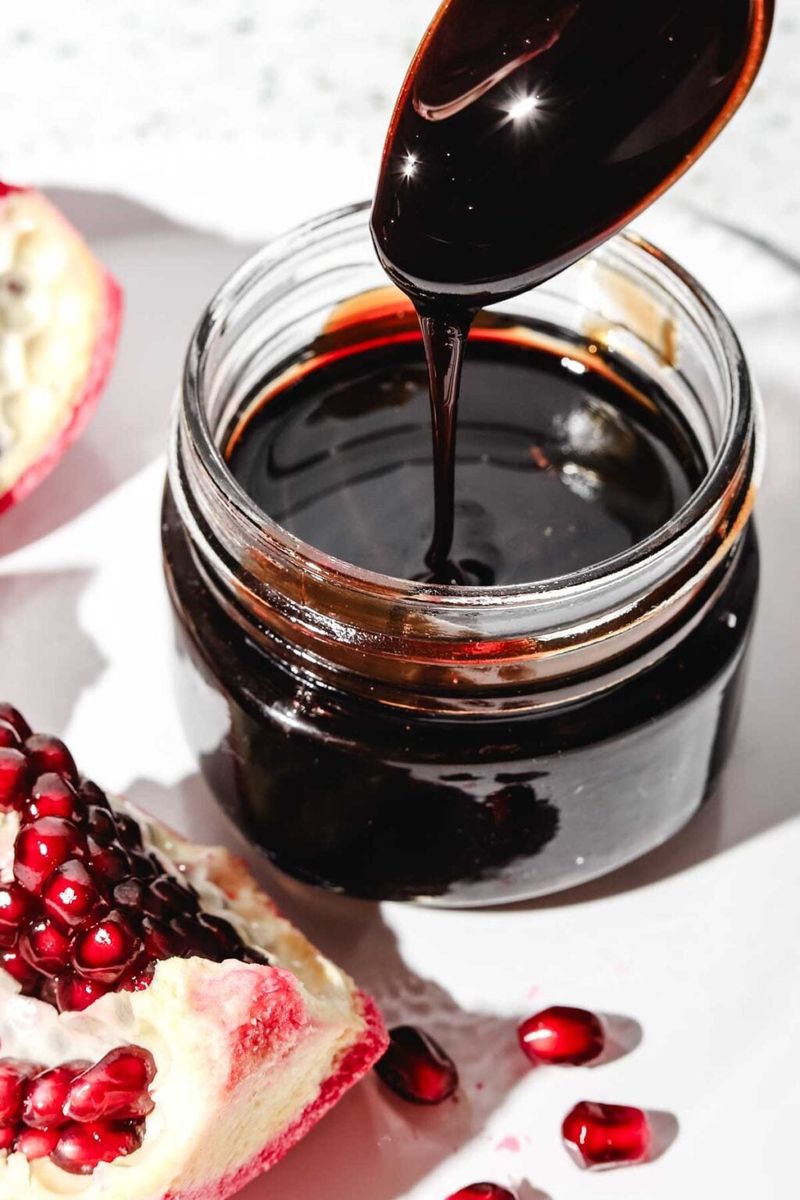
Pomegranate molasses sounds like something you would pour over a dessert, but this thick, tangy syrup is actually a savory cooking essential in Middle Eastern kitchens. Made by simmering pomegranate juice until it reduces into a deep, ruby-red concentrate, it balances sweet and sour flavours in a completely unique way.
Stir it into salad dressings, brush it over roasted duck, or swirl it into muhammara dip. The flavour is tart and fruity with a gentle sweetness that adds complexity to both meat dishes and vegetable sides.
19. Mace
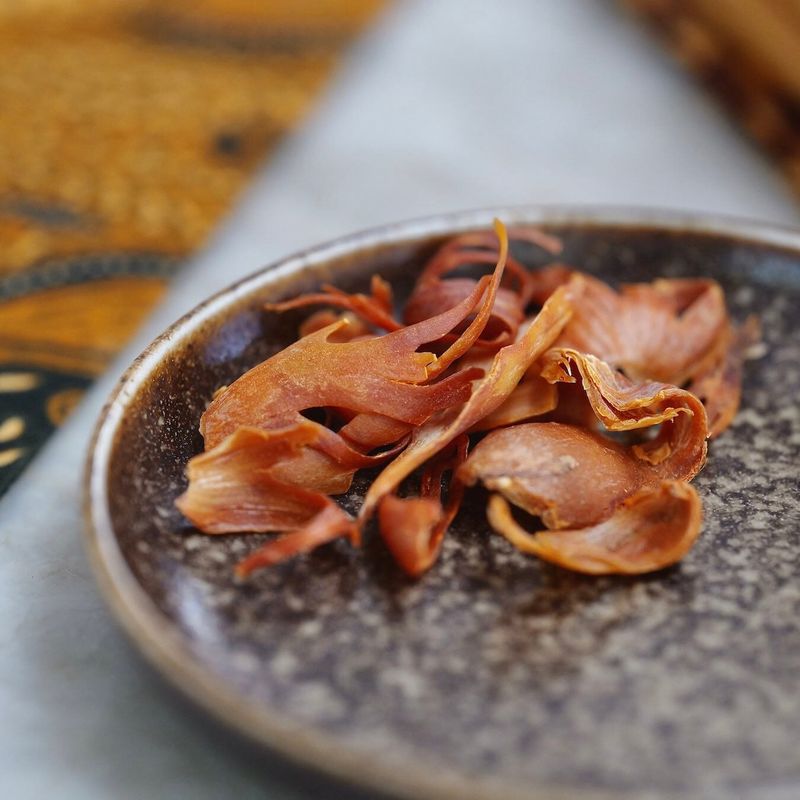
Mace sounds like a medieval weapon, and while it does come from the same tree as nutmeg, its role in the kitchen is entirely peaceful. Mace is the lacy, reddish outer covering of the nutmeg seed, and it delivers a flavour that is similar to nutmeg but lighter, more floral, and slightly sweeter.
It is used in baked goods, cream sauces, and spiced meat dishes across Europe, India, and the Caribbean. Ground mace blends seamlessly into recipes without overpowering other flavours, making it a quiet but reliable kitchen companion.
20. Bonito Flakes
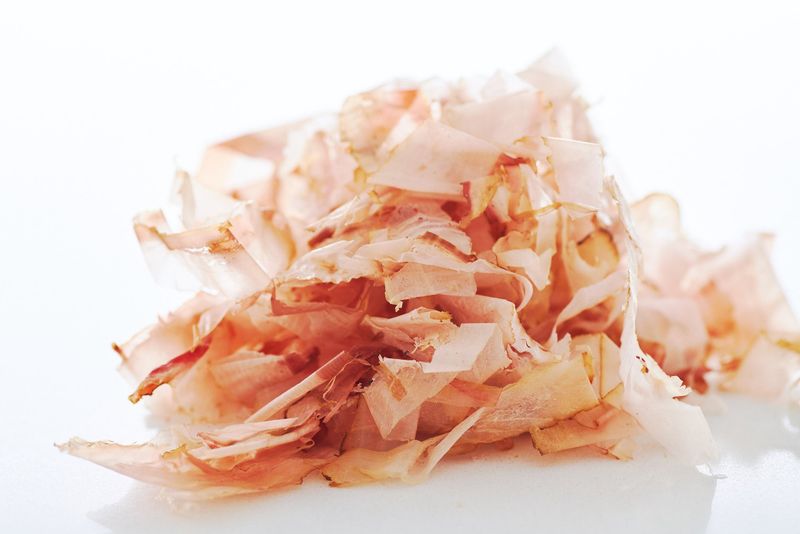
Bonito flakes, or katsuobushi, look like they came from another dimension. These ultra-thin, wispy shavings of dried, fermented tuna actually move and dance when placed on warm food due to the rising heat, which makes them look almost alive.
It is one of cooking's most theatrical moments.
The flavour is smoky, savory, and deeply oceanic in the best possible way. Bonito flakes are the backbone of Japanese dashi stock and the finishing garnish on okonomiyaki pancakes and takoyaki balls.
They taste far less dramatic than they appear.
21. Ajwain
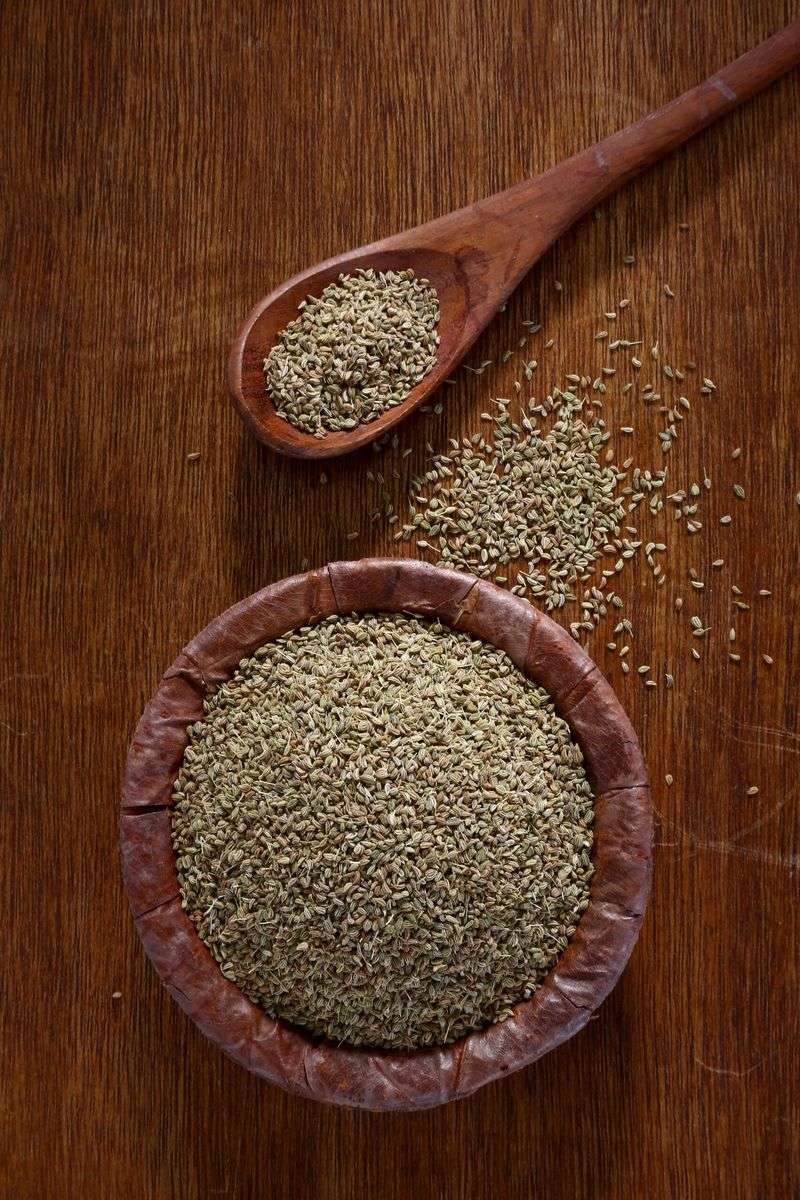
Ajwain, also called carom seeds, sounds like a character name from an epic novel, but these tiny seeds are a beloved ingredient in Indian and Middle Eastern cooking. Bite into one raw and you will get a strong hit of thyme with a hint of anise and a peppery finish.
It is intense in the best way.
Tossed into hot oil at the start of cooking, ajwain blooms into a warm, herby fragrance that perfumes the entire dish. They are especially wonderful in flatbreads, fritters, and lentil soups, adding character without overwhelming the palate.

Comments
No Comments